bolt-on carbon fiber front lip Suppliers and Manufacturers
Compare 18 verified bolt-on carbon fiber front lip suppliers by location, response time, and lead time. Review product specifications and pricing to source parts from Fujian or Guangdong factories; review the available evidence before requesting comparable quotations from suitable candidates.
Updated
Suppliers List
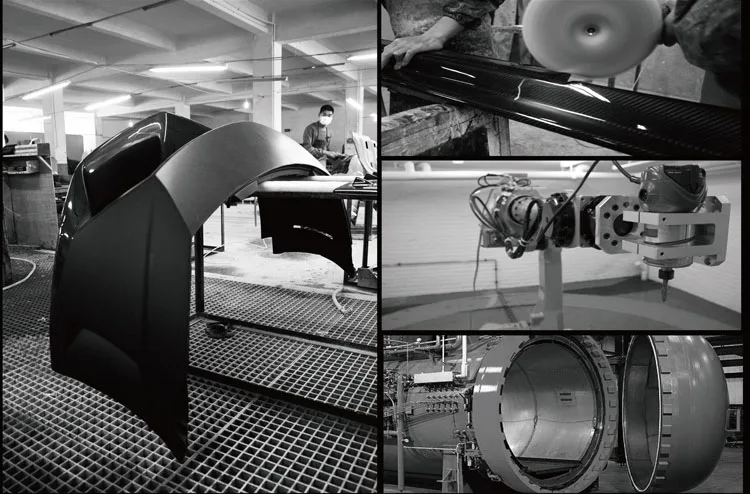
Fuzhou Bsd Autoparts Co., Ltd.
- Manufacturer, Trading Company
- Fujian, China
- Lead time10 days
- Avg. response≤ 2h
Main productsCar Modification Accessories (Handmade Fiber Reinforce Polymer,Handmade Carbon Fiber,Vacuum Carbon Fiber,Dry Carbon Fiber),Dry Autoclave Carbon Fiber
Main marketsDomestic Market(47.24%), North America(30.45%), Southeast Asia(6.55%), Oceania(4.98%), South America(4.06%), Mid East(2.06%), Africa(1.28%), Northern Europe(1.19%), Western Europe(1.14%), Eastern Europe(1.05%)

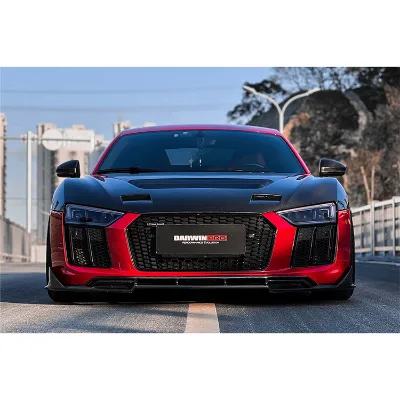

$4140.00 - $4600.00
MOQ: 1 pieces


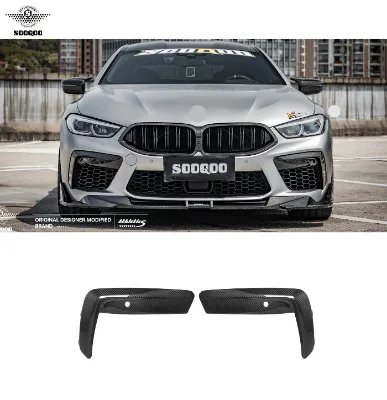
IMP STYLE Carbon Fiber Front Lip for 8 Series G14 G15 G16 840 850
$1464.00 - $1830.00
Guangzhou Feisheng Carbon Fiber Co., Ltd.
- Verified by TüVRheinland
- Trading Company
- Lead time3 days
- Avg. response≤ 5h
Main productsCar Exterior Accessories
Main marketsMid East(40%), North America(10%), South America(8%)
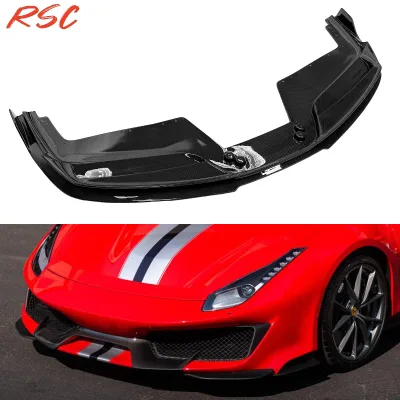
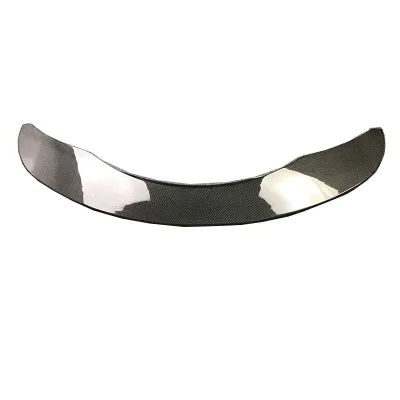
High Quality Carbon Fiber Carbon Fiber GT4 Front Lip Front Bumper Lip for E92 M3 Perfect Fitment
$320.2697 - $371.9252
MOQ: 1 sets

High Quality Carbon Fiber RKP Style Front Lip for 6 Series F06 F12 F13 M6 2013 - 2018
$250.00 - $280.00
MOQ: 1

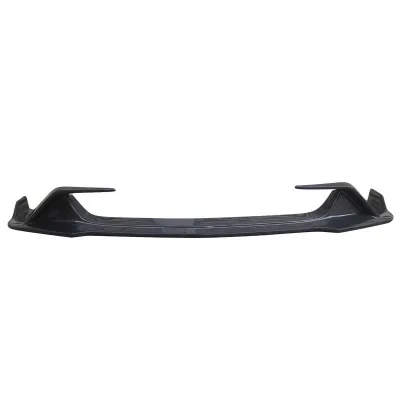
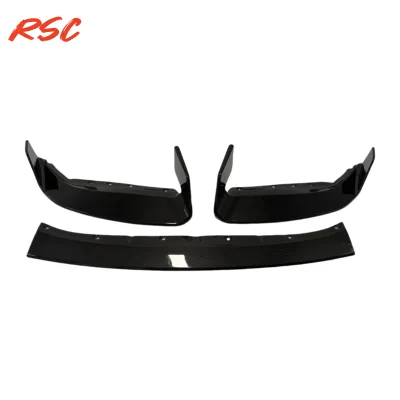
Factory Price CMH Style Carbon Fiber Front Bumper Lip Fro Splitter Lip 2018-2020
$360.00 - $380.00
MOQ: 1
Guangzhou Art Tuning Auto Parts Co., Ltd.
- Manufacturer, Trading Company
- Guangdong, China
- Lead time15 days
- Avg. response≤ 2h
Main productscarbon fiber front splitters lip rear diffuser sideskirts,mirror cover,grille,spoiler,bodykit
Main marketsDomestic Market(50.00%), Mid East(10.00%), Western Europe(5.00%), South Asia(5.00%), Eastern Asia(5.00%), Southern Europe(3.00%), North America(3.00%), Africa(3.00%), Southeast Asia(3.00%), Eastern Europe(3.00%), South America(3.00%), Oceania(3.00%), Northern Europe(2.00%), Central America(2.00%)
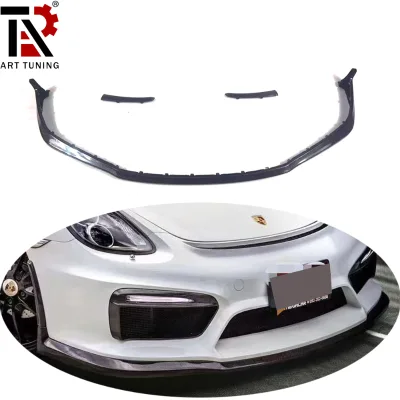
OEM Style Wet Carbon Fiber Front Splitter for 981 Front Bumper Lip
$300.00 - $460.00


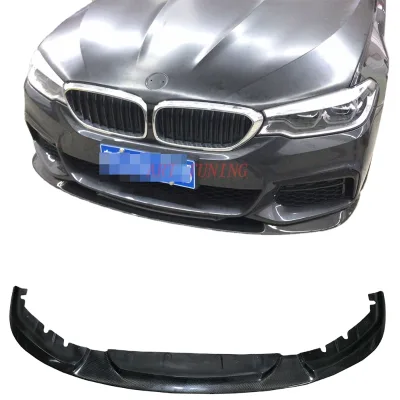
Guangzhou Focus Carbon Fiber Auto Products Co., Ltd.
- Manufacturer
- Guangdong, China
- Lead time0 days
- Avg. response≤ 2h
Main productsCar bumpers,Carbon accessories,Carbon interior,Dry carbon mirror covers,Dry carbon body kit
Main marketsNorth America(100.00%)

Guangzhou CSS Auto Accessones Co.,Ltd
- Verified by SGS
- Trading Company
- China Guangdong
- Lead time15 days
- Avg. response≤ 6h
Main productsCar Bumpers, Engine Hoods, Rear Spoilers, Carbon Fiber Auto Body Parts, Carbon Fiber Car Interior Trims, Wheel Hub, Front Lip, Rear Diffuser, Front Bumper
Main marketsEurope,Australia,North America

Automobile Body Parts Vors Style Carbon Fiber 458 Front Lip for Ferrari
$2355.00 - $2540.00
MOQ: 1 Sets

Auto Parts Carbon Fiber AC Style Front Lip Carbon Front Lip for Ford Mustang
$300.00 - $500.00
MOQ: 1 Sets


Dalian Eurocar Auto Parts Co., Ltd.
- Verified by Intertek
- Trading Company
- Lead time7 days
- Avg. response≤ 3h
Main productsAuto Body Kits, Auto Tuning Parts

Qingyuan Huazhongye Auto Accessories Co., Ltd
- Verified by SGS
- Manufacturer
- China Guangdong
- Lead time15 days
- Avg. response≤ 8h
Main productsBody Kits, Carbon Fiber Auto Parts, Car Modification, Auto Parts, Carbon Fiber Engine Hood, Front Lip, Carbon Fiber Automotive Parts, Carbon Fiber Spoiler, Rear Wing, Rear Lip
Foshan Kai Xin Yue Technology Co., Ltd.
- Manufacturer
- Guangdong, China
- Lead time0 days
- Avg. response≤ 1h
Main productsCar body kit,front lip,diffuser,side skirts,spoiler
Main marketsDomestic Market(20.00%), Southern Europe(20.00%), Eastern Europe(15.00%), Northern Europe(10.00%), South America(10.00%), North America(10.00%), Eastern Asia(5.00%), Mid East(5.00%), Southeast Asia(5.00%)
Guangzhou Jskracing Auto Accessories Firm
- Verified by TüVRheinland
- Trading Company
- Lead time7 days
- Avg. response≤ 3h
Main productsCarbon Fiber Bumper, Carbon Fiber Hood, Carbon Fiber Spoiler, Carbon Fiber Grille, Carbon Fiber Interiors
Main marketsNorth America(20%), Eastern Europe(11%), Mid East(11%)

Anhui Jagrow Auto Parts Co., Ltd.
- Verified by TUVRHEINLAND
- Trading Company,Manufacturer/Factory
- China Anhui
- Lead time45 days
- Avg. response≤ 6h
Main productsPerformance Parts, Exhaust System, Air Intake System, Cooling System, Carbon Fiber Parts, Exhaust Downpipe, Exhaust Manifold, Exhaust Catback, Oil Cooler, Turbo Intercooler
Main marketsSouth America,Eastern Europe,Mid East,North America,Southeast Asia,Eastern Asia,Oceania,Western Europe,Africa
Guangzhou Dongsai Automotive Supplies Co., Ltd.
- Trading Company
- Lead time旺季: "1 - 1":14,"> 1":"To be negotiated", 淡季: "1 - 1":14,"> 1":"To be negotiated"
- Avg. response≤ 4h
Main productsHood,Fenders,Front Lip,Side Skirt,Rear Diffuser

Changzhou Haosheng Vehicle Parts Co., Ltd.
- Combined
- China Jiangsu
- Lead time15 days
- Avg. response≤ 6h
Main productsAuto Spoiler, Spoiler, Car Spoiler
Main marketsSouth America,Southeast Asia/ Mideast,Domestic,Europe,Australia,North America
Guangzhou Qihang Automobile Technology Co., Ltd.
- Manufacturer, Buying Office, Distributor/Wholesaler
- Guangdong, China
- Lead time15 days
- Avg. response≤ 2h
Main productsBody Kit,Car Bumper,Car Spoiler,Car Carbon Fiber Product,Carbon Fiber Mirror Cover
Main marketsNorth America(13.00%), Western Europe(12.00%), Mid East(12.00%), Northern Europe(11.00%), Eastern Europe(8.00%), Southeast Asia(8.00%), South Asia(7.00%), Eastern Asia(7.00%), Africa(5.00%), Central America(5.00%), Southern Europe(4.00%), Oceania(3.00%), South America(3.00%), Domestic Market(2.00%)
Changzhou Carbon Tech Composite Material Co., Ltd.
- Verified by TüVRheinland
- Manufacturer, Trading Company
- Lead time7 days
- Avg. response≤ 4h
Main productsBody Kit, Bumpers, Carbon Fiber Parts, Head and Taillights, Hood
Main marketsDomestic Market(40%), Eastern Europe(20%), South America(10%)

$200.00 - $500.00
MOQ: 1 sets

$380.1572 - $421.2558
MOQ: 1 sets
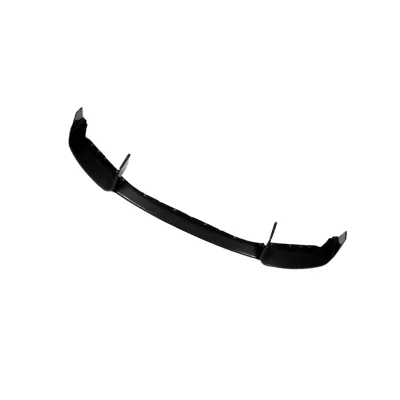
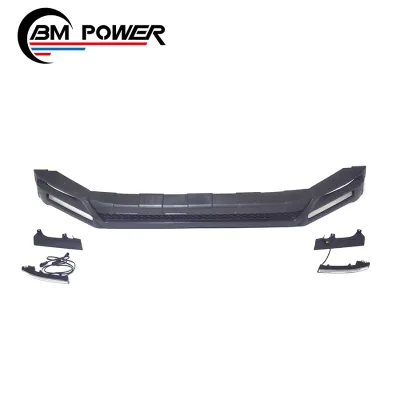
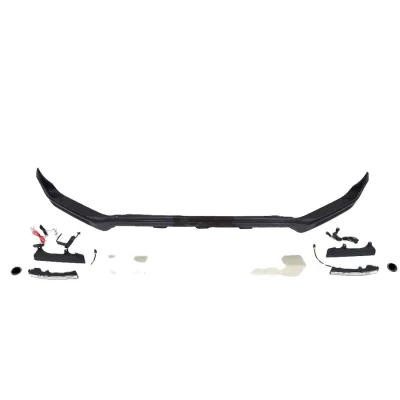
W464 B Style Front Lip PP Material Fits 2019 Fot W464 G63 2019Y Condition New
$195.2163 - $205.4902
MOQ: 1 sets
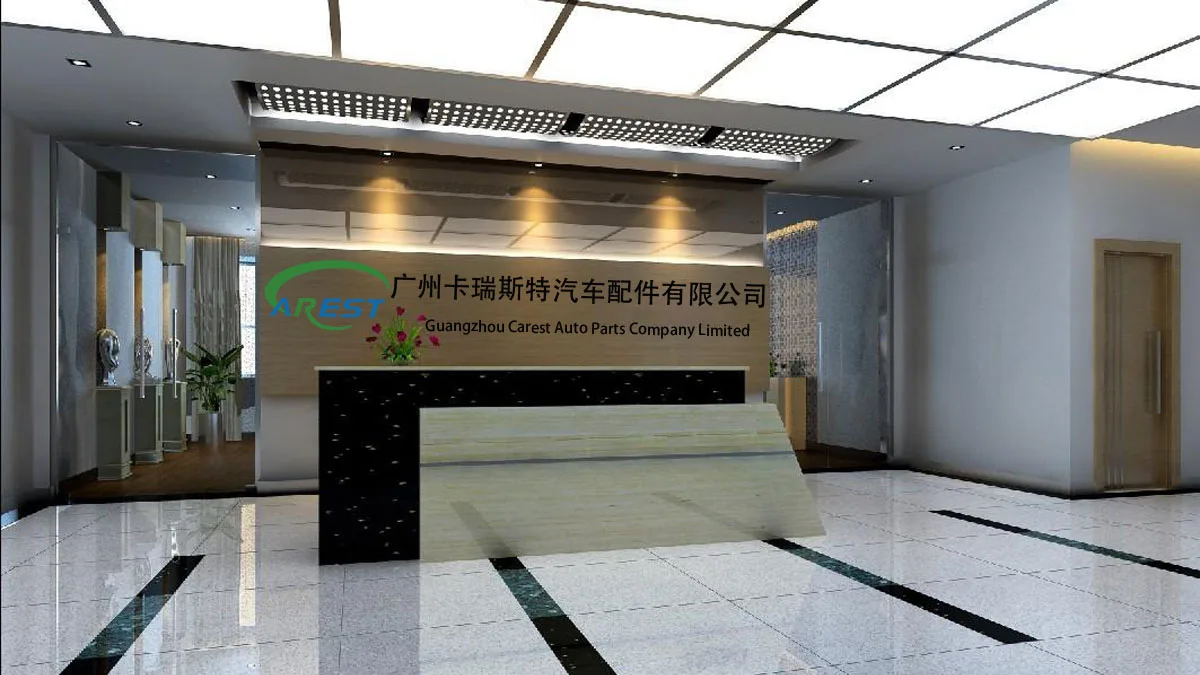
Guangzhou Carest Auto Parts Co., Ltd.
- Manufacturer, Distributor/Wholesaler, Business Service (Transportation, finance, travel, Ads, etc)
- guangdong, China
- Lead time10 days
- Avg. response≤ 8h
Main productsCar Conditioning sysytem,Automobile braking system,Car decoration parts,Auto lighting system,Automotive electronics
Main marketsEastern Europe(30.00%), North America(20.00%), Mid East(15.00%), South America(15.00%), South Asia(12.00%), Southeast Asia(5.00%), Africa(3.00%)
Changzhou Honghang Auto Accessories Co., Ltd.
- Verified by TüVRheinland
- Manufacturer, Trading Company
- Lead time7 days
- Avg. response≤ 1h
Main productsAuto Accessories, Moulds
Main marketsDomestic Market(40%), North America(15%), Mid East(15%)
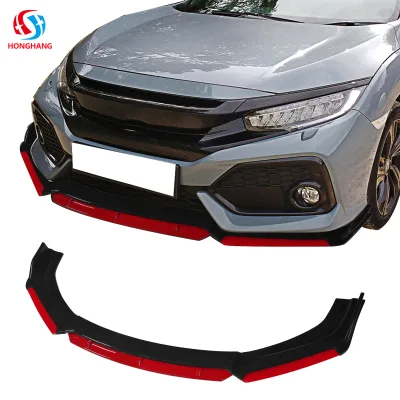
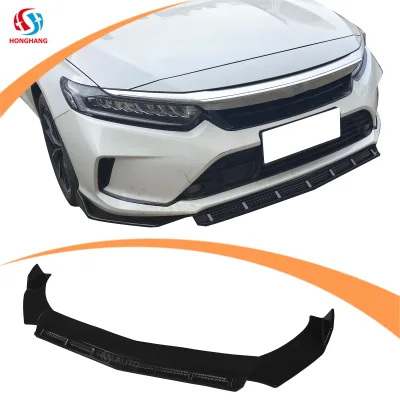
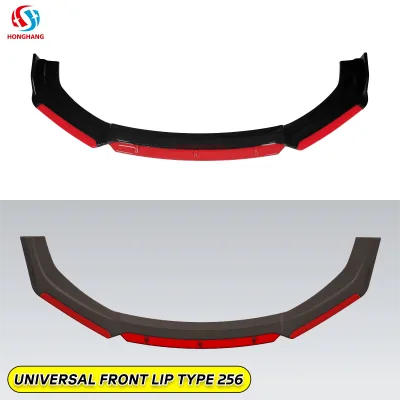
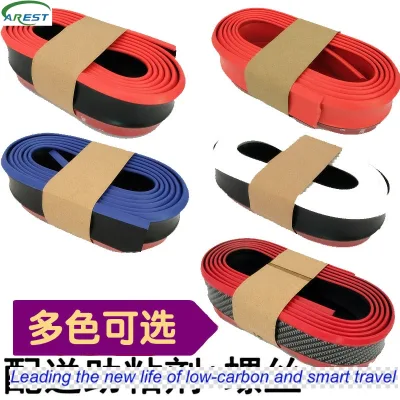
$5.1991 - $12.491
MOQ: 30 Minimum

Changzhou Bentuo Auto Parts Co., Ltd.
- Manufacturer/Factory
- China Jiangsu
- Lead time15 days
- Avg. response≤ 4h
Main productsAuto Parts, Front Lip, Car Accessories, Spoiler, Diffuser, Auto Body Kits, Car Splitter, Car Parts, Auto Part, Car Bumper
Main marketsSouth America,Eastern Europe,Mid East,North America,Southeast Asia,Eastern Asia,Oceania,Western Europe,Africa


F44 ABS Gloss Black One Piece Front Bumper Lip for BMW 2 Series F44 M Sport 2020-2024
$28.60 - $35.00
MOQ: 2 Sets


G11 Gloss Black Front Bumper Lip for BMW 7 Series G11 G12 Pre-Facelift 2016-2018
$23.80 - $28.60
MOQ: 2 Sets
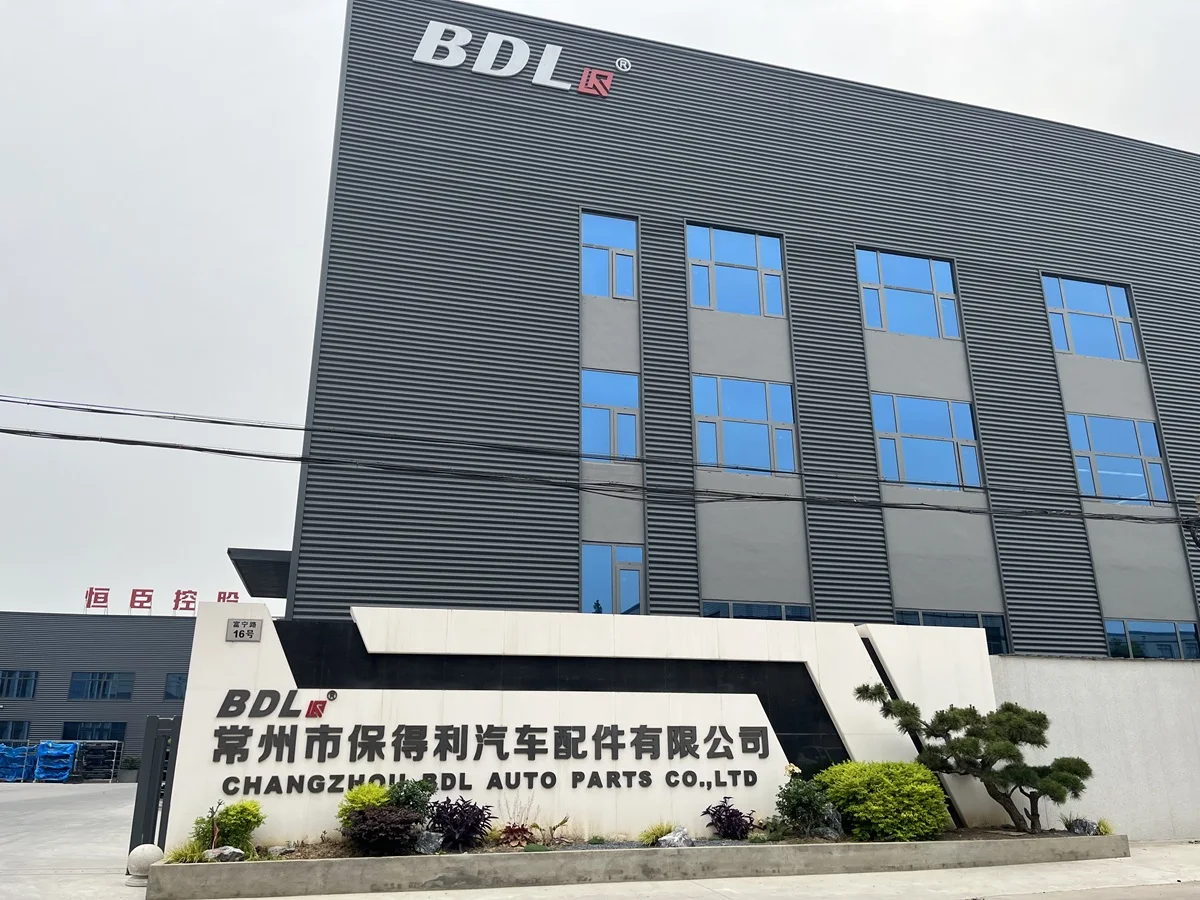
Changzhou Youke Auto Accessories Co., Ltd.
- Manufacturer
- Jiangsu, China
- Lead time5 days
- Avg. response≤ 2h
Main productsbody kits,grilles,air vents,headlamps,tail lamps
Main marketsEastern Europe(18.00%), Western Europe(15.00%), Southern Europe(12.00%), Northern Europe(10.00%), Eastern Asia(9.00%), South Asia(8.00%), Mid East(7.00%), Central America(6.00%), North America(4.00%), Southeast Asia(4.00%), Africa(3.00%), Oceania(2.00%), South America(2.00%)
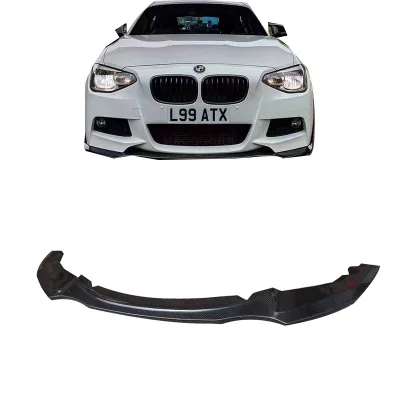

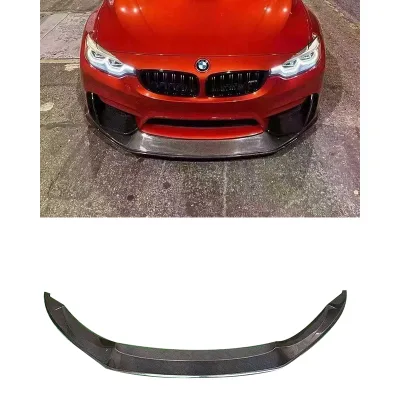
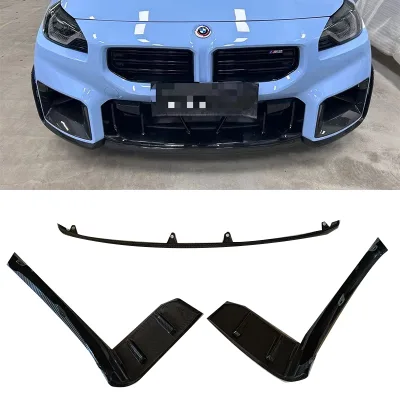








Comprehensive Sourcing Guide
Bolt-On Carbon Fiber Front Lip Supplier Concentration and Factory Types
The available data indicates a concentration of manufacturers and trading companies operating primarily within Fujian, China, for specific carbon fiber automotive components. Several product listings explicitly state a place of origin in Fujian, suggesting a regional cluster for handmade fiber-reinforced polymer and dry carbon fiber production. This geographic concentration allows buyers to potentially consolidate sourcing for items like front lips designed for Urus or R8 models, where the supply chain for raw materials and finishing processes may be localized. However, other product evidence points to Guangdong, China, as a separate origin point for similar items, indicating that the market is not monolithic and that buyers must verify the specific factory location for each SKU rather than assuming a single hub.
Supplier types in this category vary between direct manufacturers and trading companies, a distinction that impacts production control and pricing structures. The observed results include entities classified as both manufacturers and trading companies, with some focusing on handmade carbon fiber and others on vacuum or dry carbon fiber processes. A manufacturer typically offers direct access to production capacity and customization, while a trading company may aggregate products from multiple factories to offer a broader catalog. Buyers should examine the company type field carefully, as a trading company might source from a different facility than the one listed in the product attributes, potentially altering lead times and quality assurance protocols for bolt-on carbon fiber front lips.
How to Verify Bolt-On Carbon Fiber Front Lip Suppliers
Verification of supplier credentials requires cross-referencing specific product attributes against the company profile to ensure authenticity. Some listings display verification badges such as TüVRheinland, which serves as a tangible indicator of third-party assessment, though this status must be confirmed directly on the supplier's profile page rather than assumed from product descriptions. Buyers should look for explicit verification status indicators and check if the company type aligns with the claimed manufacturing capabilities. For instance, a supplier claiming to be a manufacturer should ideally demonstrate in-house production capacity, whereas a trading company might list sample processing or graphic processing as their primary capabilities.
Product evidence provides a secondary layer of verification through detailed specifications that must match the physical reality of the item. Attributes such as model numbers, brand names, and specific car model fitments (e.g., 2016-2022 R8 or 296 GTB) serve as concrete data points to validate the supplier's inventory accuracy. Buyers should verify that the "Place of Origin" listed in the product attributes matches the company's registered location, as discrepancies can indicate drop-shipping or misrepresentation. Additionally, checking for specific warranty terms like "full refund if not perfect fit" or brand-specific warranties can help assess the supplier's confidence in their product quality and their willingness to stand behind the bolt-on carbon fiber front lip they are selling.
What to Compare Across Bolt-On Carbon Fiber Front Lip Suppliers
When evaluating multiple suppliers, response time and lead time are critical operational metrics that directly influence project timelines. The observed data shows response times ranging from 2 to 5 days, with lead times varying between 3 and 10 days depending on the specific product and supplier configuration. A supplier with a 2-day response time may offer faster communication but could have a longer production lead time, whereas another might respond slower but ship within 3 days. Buyers must compare these figures side-by-side to determine which supplier aligns best with their urgency requirements, ensuring that the total time from inquiry to delivery fits within their operational window.
Minimum Order Quantity (MOQ) and pricing structures also require careful comparison to optimize procurement costs. The data reveals an MOQ of 1 set for various carbon fiber front lips, indicating that many suppliers are willing to accommodate small orders, which is beneficial for testing or low-volume needs. Price ranges vary significantly, with some items listed between 1,200 and 1,830 units of currency, while others range from 1,600 to 4,600, reflecting differences in material quality, brand, and vehicle compatibility. Buyers should analyze the price-to-specification ratio, considering factors like package size and gross weight, which affect shipping costs, to ensure the total landed cost remains competitive across different supplier options.
Common Bolt-On Carbon Fiber Front Lip Sourcing Risks
One significant risk involves the discrepancy between the claimed material composition and the actual product delivered, particularly regarding carbon fiber types. Listings mention "handmade fiber reinforce polymer," "vacuum carbon fiber," and "dry carbon fiber," yet without physical inspection or third-party testing, buyers cannot confirm the exact resin content or fiber weave quality. A supplier might list a product as dry carbon fiber but deliver a lower-grade composite, leading to premature failure or poor fitment. Buyers should request material certificates or sample testing results to verify that the carbon fiber used matches the specifications promised in the product attributes, especially for high-performance vehicles where structural integrity is paramount.
Another risk stems from the variability in fitment and installation requirements across different suppliers and vehicle models. While some products claim "excellent fitment" and include necessary screws, others may require additional modifications or have ambiguous installation instructions. The product attributes list attachment types like "screw-on" or "add-on," but real-world application can reveal gaps in precision. If a front lip does not fit perfectly, the warranty terms, such as "full refund if not perfect fit," become crucial. Buyers must verify the specific warranty conditions and return policies before ordering, ensuring they have recourse if the bolt-on carbon fiber front lip fails to meet the exact fitment standards required for their specific vehicle model.
Bolt-On Carbon Fiber Front Lip Regional Sourcing and Logistics
Geographic location plays a pivotal role in determining shipping costs and delivery reliability for heavy automotive parts. The data indicates origins in both Fujian and Guangdong, China, which are major manufacturing hubs but may have different port access and logistics networks. Products with a single gross weight of 25 kg or more, such as certain front lips, incur higher shipping fees and require specialized handling. Buyers should calculate the total logistics cost by factoring in the single package size and gross weight provided in the product attributes, as these dimensions directly impact freight charges and potential damage risks during transit.
Logistics planning must also account for the specific delivery timeframes associated with each supplier's location. While some suppliers list a delivery time of 7 days, others may have lead times extending to 10 days or more, depending on production schedules and inventory levels. Buyers should verify the estimated delivery window based on the supplier's location and current capacity, ensuring that the timeline aligns with their project deadlines. Additionally, understanding the payment terms, such as Western Union or TT, is essential for managing cash flow and mitigating financial risks associated with international shipping delays or customs clearance issues in the destination country.
Bolt-On Carbon Fiber Front Lip Commercial Terms and Order Planning
Commercial terms, including payment methods and warranty provisions, form the backbone of a secure transaction for specialized automotive parts. The observed data includes payment terms like Western Union and TT, which require buyers to assess the security of the transaction method relative to the order value. A supplier offering a "full refund if not perfect fit" provides a strong safety net, but buyers must confirm the specific conditions under which this warranty applies. Understanding the warranty duration and coverage is vital, as it protects against defects in the carbon fiber material or manufacturing errors that could compromise the bolt-on front lip's performance.
Order planning should integrate the supplier's capacity for customization and sample processing to ensure the final product meets exact specifications. Some suppliers list capabilities in sample processing and customized on-demand production, which is valuable for buyers needing unique modifications or specific branding. Buyers should verify the lead time for custom orders, as these may exceed standard production times. By aligning the order quantity with the supplier's MOQ and lead time, buyers can optimize their inventory levels and avoid stockouts or overstocking. Careful planning ensures that the commercial terms and production capabilities align with the buyer's strategic goals for sourcing high-quality carbon fiber components.
FAQs
What is the price range for carbon fiber front lips?
Prices typically range from $1,200 to $4,600 depending on the vehicle model and specific style. For example, a lip for a Ferrari 488 GTB is priced at $1,200, while options for a Lamborghini Urus start around $1,880. Higher-end kits for models like the 296 GTB can reach $4,600. Buyers should verify exact costs based on their specific car make and model before ordering.
What is the minimum order quantity for these parts?
The minimum order quantity is generally one unit or one set. Most suppliers list an MOQ of 1, allowing buyers to purchase single items for retrofit or upgrade purposes. This flexibility supports individual car enthusiasts and small-scale modification projects without requiring bulk purchases. Always confirm the specific MOQ with the supplier to ensure it matches your order requirements.
How long does production and delivery take?
Lead times vary by supplier, typically ranging from 3 to 10 days. Some manufacturers offer a lead time of just 3 days, while others may require up to 10 days for production. Delivery times can also differ, with some suppliers stating a 7-day delivery window. Buyers should check the specific lead time listed for their chosen supplier to plan accordingly.
Where are these carbon fiber parts manufactured?
Most carbon fiber front lips are manufactured in Fujian, China. Some suppliers may also list Guangdong, China as the place of origin. These regions are known for producing high-quality vehicle modification accessories, including handmade fiber-reinforced polymer and dry carbon fiber components. Buyers can verify the specific manufacturing location in the product details to ensure it meets their sourcing preferences.
What materials are used for these front lips?
These parts are primarily made from carbon fiber, including handmade fiber-reinforced polymer, dry carbon fiber, and vacuum carbon fiber. The material ensures a lightweight yet durable structure suitable for high-performance vehicles. Some products may also include PP auto parts or other body systems. Buyers should review the product specifications to confirm the exact material type and quality for their specific application.
Are these parts compatible with specific car models?
Yes, these front lips are designed for specific car models such as the Lamborghini Urus, Audi R8, Ferrari 488 GTB, and BMW 8 Series. Each product lists the compatible car make and model, ensuring a precise fit. Buyers should verify the compatibility with their vehicle before purchasing. Some parts are designed for retrofit or upgrade purposes, providing a perfect fitment for the specified model.