Bolt-on Body Kit Suppliers and Manufacturers for Auto Parts
Explore 33 verified Bolt-on Body Kit suppliers offering products with FMVSS 108 certification and response times as fast as 1 day. Compare lead times, MOQs, and prices ranging from $22 to $2500 to find the right fit for your needs.
Suppliers List
Danyang Saivis International Trade Co., Ltd.
- Verified by Intertek
- Trading Company
- Lead time15 days
- Avg. response≤ 1h
Main productsAuto Parts
Main marketsNorth America(21%), South America(19%), Southeast Asia(18%)
Dalian Eurocar Auto Parts Co., Ltd.
- Trading Company
- Lead time旺季: "1 - 8":10,"> 8":"To be negotiated", 淡季: "1 - 8":10,"> 8":"To be negotiated"
- Avg. response≤ 4h
Main productsAuto Body Kits, Auto Tuning Parts
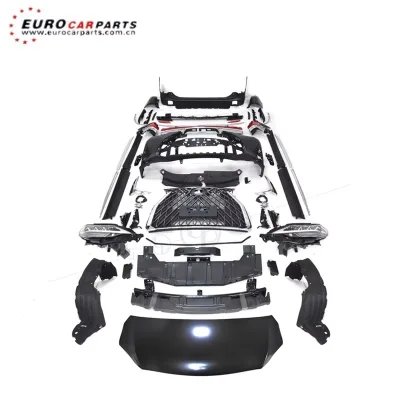
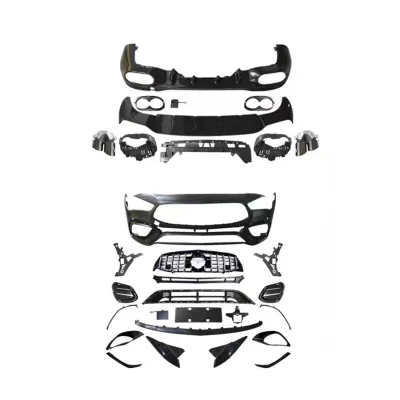
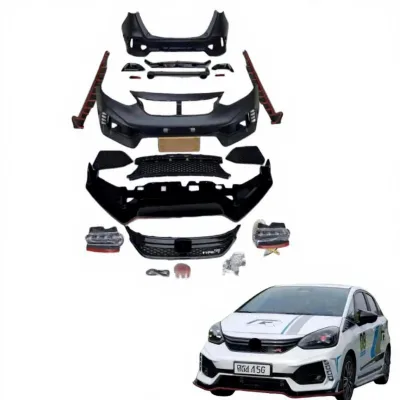
Eurocar Universal Bolt-On Car Body Kit with Bumper Primer Paint Code Bolts Included-Retrofit/Upgrade
$2300.00 - $2500.00
MOQ: 1
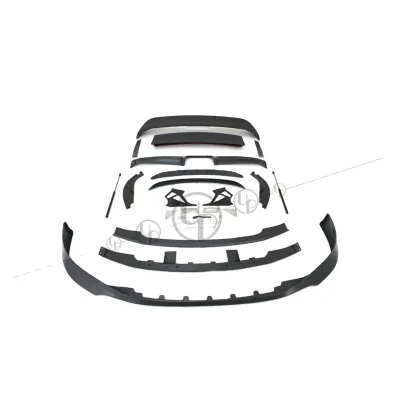
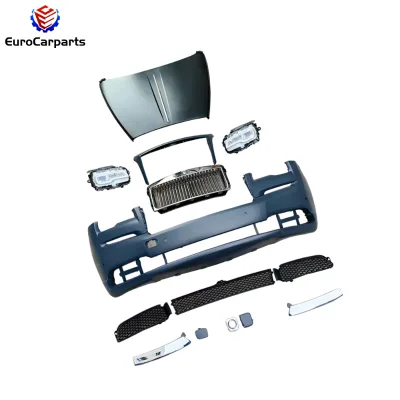
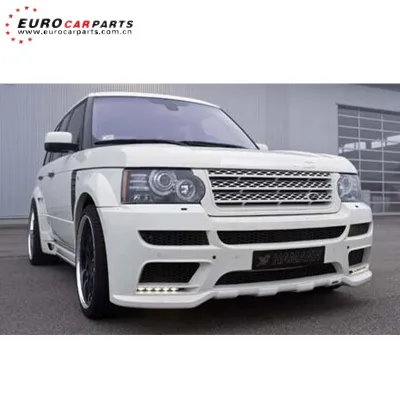
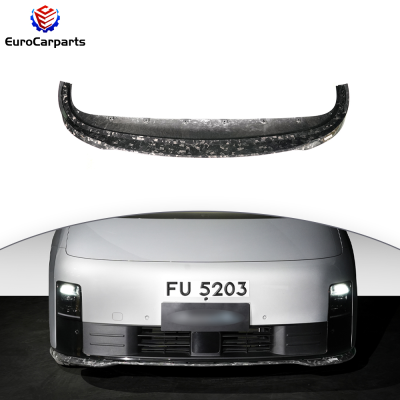
$511.67 - $614.00
MOQ: 1 sets
Changzhou Ouye Auto Parts Co., Ltd.
- Verified by TüVRheinland
- Trading Company
- Lead time0 days
- Avg. response≤ 4h
Main productsBumper, Headlamp, Taillamp, Tailwing, Carbon Fiber Hood
Main marketsNorth America(20%), Mid East(20%), Eastern Europe(10%)
Jinan Junchen Trading Co., Ltd.
- Trading Company
- Shandong, China
- Lead time15 days
- Avg. response≤ 6h
Main productsAuto Parts,Car Spoilers,Car modification kit,Car protection bumper,Car grille
Main marketsAfrica(15.0%), North America(10.0%), Southeast Asia(10.0%), Mid East(10.0%), South America(10.0%), Domestic Market(5.0%), South Asia(5.0%), Southern Europe(5.0%), Northern Europe(5.0%), Central America(5.0%), Western Europe(5.0%), Eastern Asia(5.0%), Eastern Europe(5.0%), Oceania(5.0%)
Jinan Zhonglang Auto Parts Co., Ltd.
- Trading Company
- Shandong, China
- Lead time0 days
- Avg. response≤ 2h
Main productsShanghai Automotive Industry Corporation,Shanghai Volkswagen,FAW-Volkswagen,Whole vehicle accessories
Main marketsSoutheast Asia(30.0%), Mid East(25.0%), Eastern Asia(20.0%), South America(10.0%), North America(10.0%), South Asia(5.0%)
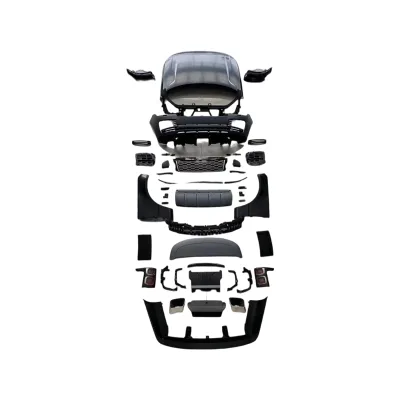
$2077.00 - $2100.00

Front Bumper Corner / Bumper Corner Piece
$8.10 - $8.70

Guangzhou Lingfeng Carbon Fiber Technology Co., Ltd.
- Manufacturer
- Guangdong, China
- Lead time15 days
- Avg. response≤ 3h
Main productscarbon fiber products,fiber glass products,PP injection products,hardware products,Vacuum formed products
Main marketsSouth America(50.0%), Africa(20.0%), Mid East(20.0%), Southeast Asia(10.0%)
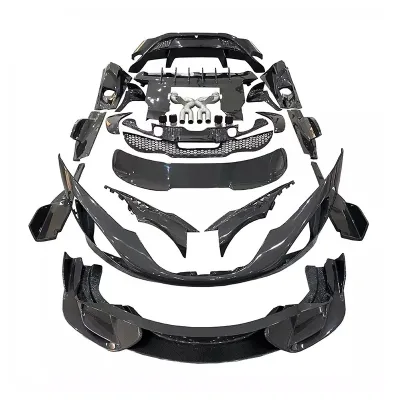
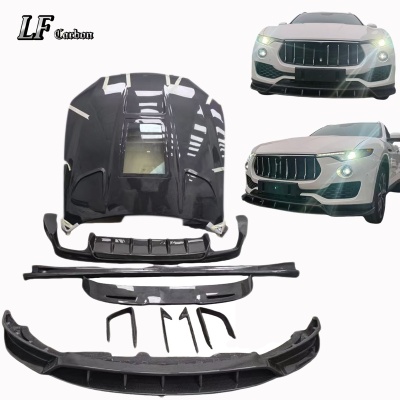
For Maserativante LD Carbon Fiber Surround Bumper Side Skirt Frame Small Body Kit
$2300.00 - $2500.00
MOQ: 1 sets
Jinan Sunrise New Material Technology Co., Ltd.
- Verified by SGS
- Trading Company
- China Shandong
- Lead time30 days
- Avg. response≤ 8h
Main productsCoating Steel Material, Stainless Steel Material, Anti-Noise Shim, FKM & NBR Coating Gasket, Steel Coil & Strip, Steel Materials, Steel Coil, Metallurgical Minerals and Energy, Back Plate, Abutment Hardware Kit
Main marketsOthers(foreignTradeCapacity.exportBusinessCapacityMarketOther),Southeast Asia/ Mideast,Europe
Guangzhou Feisheng Carbon Fiber Co., Ltd.
- Verified by TüVRheinland
- Trading Company
- Lead time3 days
- Avg. response≤ 4h
Main productsCar Exterior Accessories
Main marketsMid East(40%), North America(10%), South America(8%)
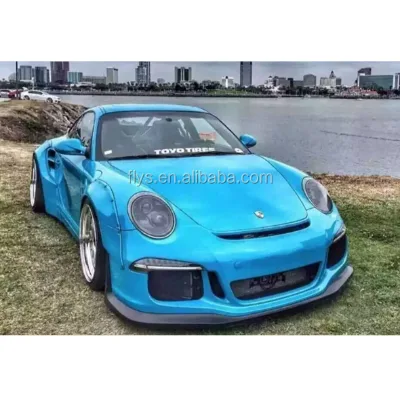
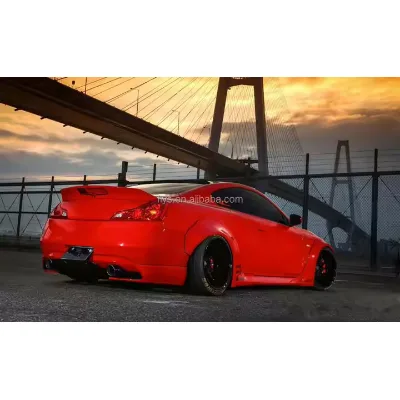
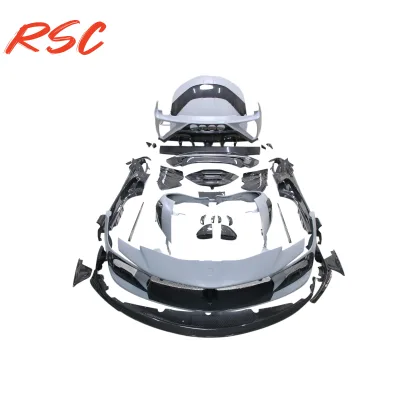
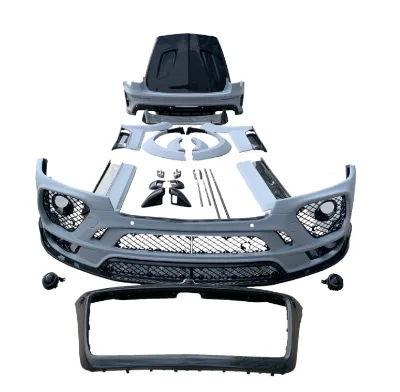
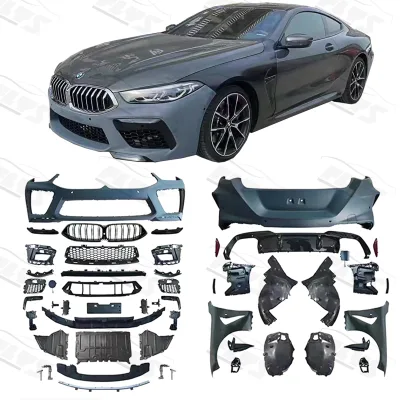
High Quality L/B Body Kit for G25 G37 Wide Body Kit Auto Tuning Parts 2 Doors and 4 Doors
$2000.00 - $2100.00
MOQ: 1 sets
Suzhou Kamien Auto Parts Co., Ltd.
- Verified by TUVRHEINLAND
- Trading Company,Manufacturer/Factory
- China Jiangsu
- Lead time45 days
- Avg. response≤ 7h
Main productsBrake Pad, Brake Shoe, Brake Disc, Brake Repair Kits, Brake Caliper, Air Disc Brkae Pad, Brake Drum, Brake Lining, Brake Hardware Kit
Main marketsSouth America,Eastern Europe,Mid East,North America,Southeast Asia,Eastern Asia,Oceania,Western Europe,Africa
Changzhou Wodisi Vehicle Parts Co., Ltd.
- Manufacturer
- Jiangsu, China
- Lead time15 days
- Avg. response≤ 3h
Main productsbody Kit,carbon products
Main marketsAfrica(45.0%), Southeast Asia(15.0%), Mid East(10.0%), Oceania(5.0%), Southern Europe(5.0%), South America(5.0%), Central America(4.0%), Eastern Asia(3.0%), North America(2.0%), Northern Europe(2.0%), Eastern Europe(2.0%), Western Europe(2.0%)

Guangzhou New Vision New Material Technology Co., Ltd.
- Trading Company
- China Guangdong
- Lead time15 days
- Avg. response≤ 12h
Main productsDouble Sided Tape, Reflective Tape, Adhesive Products
Main marketsSouth America,Southeast Asia/ Mideast,Europe

Car Body Kit Accessories Car Rear Bumper Spoilers Protector Lip Car Rear Bumper Lip Side Fin Skirts
$2.80 - $3.50
MOQ: 2 Pieces

Universal Front Bumper Lip Car Spoiler Skirt Rubber Protector Body for Car
$2.50 - $4.00
MOQ: 25 Pieces
Changzhou Shuo Enchen Auto Parts Co., Ltd.
- Trading Company
- Jiangsu, China
- Lead time0 days
- Avg. response≤ 3h
Main productsLED Headlights,LED Tail Lights,Car Bumpers,Car Ambient Light,Exterior Accessories
Main marketsEastern Europe(40.0%), Africa(20.0%), Mid East(20.0%), Eastern Asia(10.0%), North America(10.0%)
Ningbo Joy International Trade Co., Ltd.
- Verified by BV
- Trading Company
- China Zhejiang
- Lead time30 days
- Avg. response≤ 7h
Main marketsEurope
Danyang Changlong Auto Parts Co., Ltd.
- Manufacturer, Trading Company
- Jiangsu, China
- Lead time25 days
- Avg. response≤ 7h
Main productsFront lip,Side mirror,Ducktail Spoiler
Main marketsNorth America(18.0%), Central America(15.0%), South America(15.0%), South Asia(10.0%), Mid East(10.0%), Southeast Asia(10.0%), Africa(5.0%), Domestic Market(3.0%), Western Europe(3.0%), Eastern Asia(3.0%), Eastern Europe(2.0%), Oceania(2.0%), Southern Europe(2.0%), Northern Europe(2.0%)
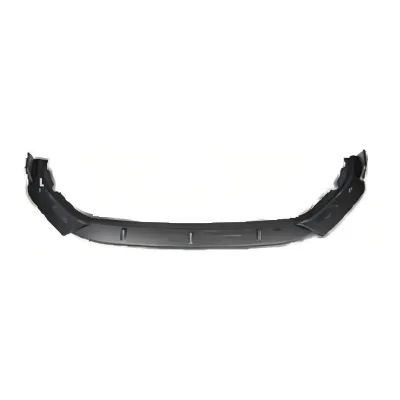
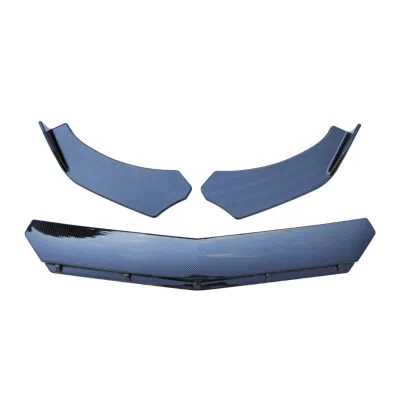
New High Quality for Fit 2021 Front Lip Bolt-On Automotive Front Skid Plate
$16.00 - $20.00
MOQ: 10 pieces

Zhejiang UTS Auto Parts Co., Ltd.
- Trading Company,Manufacturer/Factory
- China Zhejiang
- Lead time45 days
- Avg. response≤ 19h
Main productsBrake Caliper, Control Arm, Power Steering Pump, Aftermarket Brake Caliper, Brake Caliper Repair Parts, After Market Control Arm, Engine Mount, After Market Power Steering Pump, Ball Joint
Main marketsEastern Europe,North America,Southeast Asia,Western Europe


Brake Caliper Repair Kits Accessory Kits Brake Parts Piston, Seal, Guide Pin, Bolt
Contact supplier
MOQ: 100 Pieces
Leju(Guangzhou) Trading Co., Ltd.
- Verified by SGS Group
- Manufacturer, Trading Company
- Lead time10 days
Main productsFender, Grille, Spoiler, Window Louver, Mirror Cover
Main marketsMid East(30%), Southeast Asia(20%), Africa(10%)
Changzhou Carbon Tech Composite Material Co., Ltd.
- Verified by TüVRheinland
- Manufacturer, Trading Company
- Lead time7 days
- Avg. response≤ 5h
Main productsBody Kit, Bumpers, Carbon Fiber Parts, Head and Taillights, Hood
Main marketsDomestic Market(40%), Eastern Europe(20%), South America(10%)
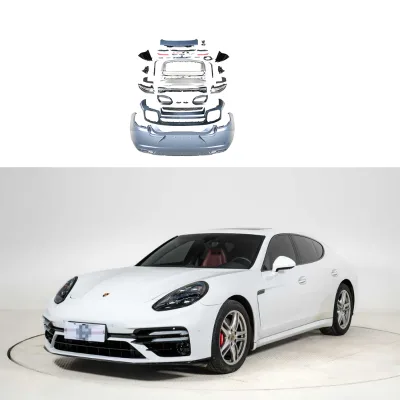
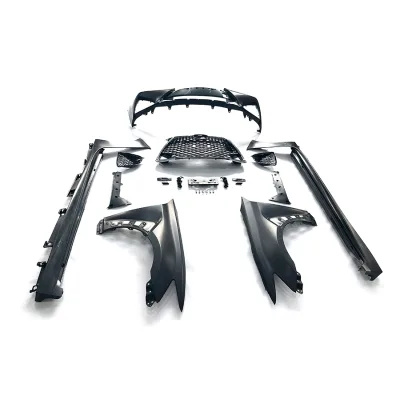
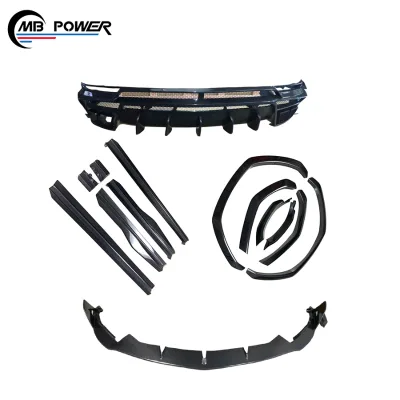
$3500.00 - $4000.00
MOQ: 1 sets
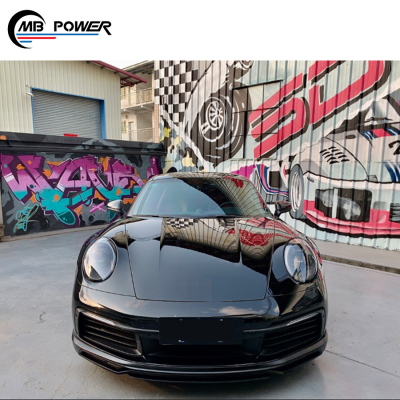
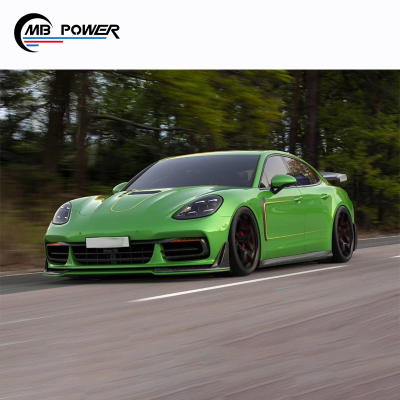
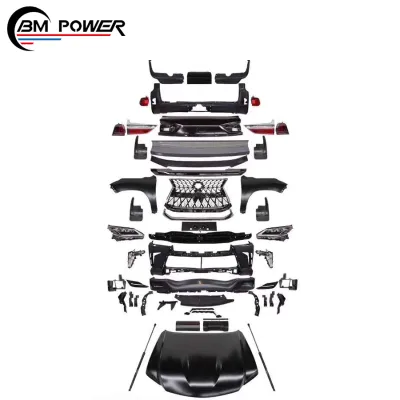

Yuyao Xianghao Mold Technology Company Limited
- Verified by BV
- Trading Company
- China Zhejiang
- Lead time30 days
- Avg. response≤ 10h
Main productsInjection Mold, Plastic Mold, Injection Molding, Rapid Prototyping, 3D Pritting, Manhole Cover Mold, Silicone Rubber Mould, Wire Rack, Car Air Compressor, LED Light
Main marketsNorth America
Shenzhen Chaotaixiang Trading Co., Ltd.
- Manufacturer, Trading Company, Distributor/Wholesaler
- Guangdong Province, China
- Lead time10 days
- Avg. response≤ 6h
Main productsGauge meter,Spoiler,Steering Wheel,Air Intake Filter,seat belt
Main marketsNorth America(30.0%), Domestic Market(20.0%), Southeast Asia(7.000000000000001%), Oceania(6.0%), Africa(6.0%), South America(6.0%), Eastern Europe(5.0%), Mid East(4.0%), Eastern Asia(4.0%), Western Europe(3.0%), Central America(3.0%), Northern Europe(2.0%), South Asia(2.0%), Southern Europe(2.0%)
Lianzhong Automotive Technology (Shandong) Co., Ltd.
- Verified by SGS
- Trading Company
- China Shandong
- Lead time15 days
- Avg. response≤ 6h
Main productsDump Truck, Tractor Truck, Special Truck, Semi-Trailer, Construction Machinery
Main marketsSouth America,Africa

- Verified by SGS
- Manufacturer/Factory
- China Zhejiang
- Lead time45 days
- Avg. response≤ 5h
Main productsFriction Disc, Racing Disc, Clutch Button, Clutch Facing, Clutch Disc, Rivets
Main marketsSouth America,Eastern Europe,Mid East,North America,Southeast Asia,Eastern Asia,Oceania,Western Europe,Africa

Clutches Aftermarket Clutch Kits New Clutch Cost Clutch Kits Suppliers Factory
$0.01 - $0.10
MOQ: 100 Pieces

Full Clutch Kit, Clutch Replacement, Clutch Replacement Kit, Clutch Disc Replacement
$16.20 - $16.90
MOQ: 100 Pieces
Tianjin Chenhui International Trade Co., Ltd.
- Verified by SGS
- Trading Company
- China Tianjin
- Lead time15 days
- Avg. response≤ 4h
Main marketsEast Asia(Japan/ South Korea)
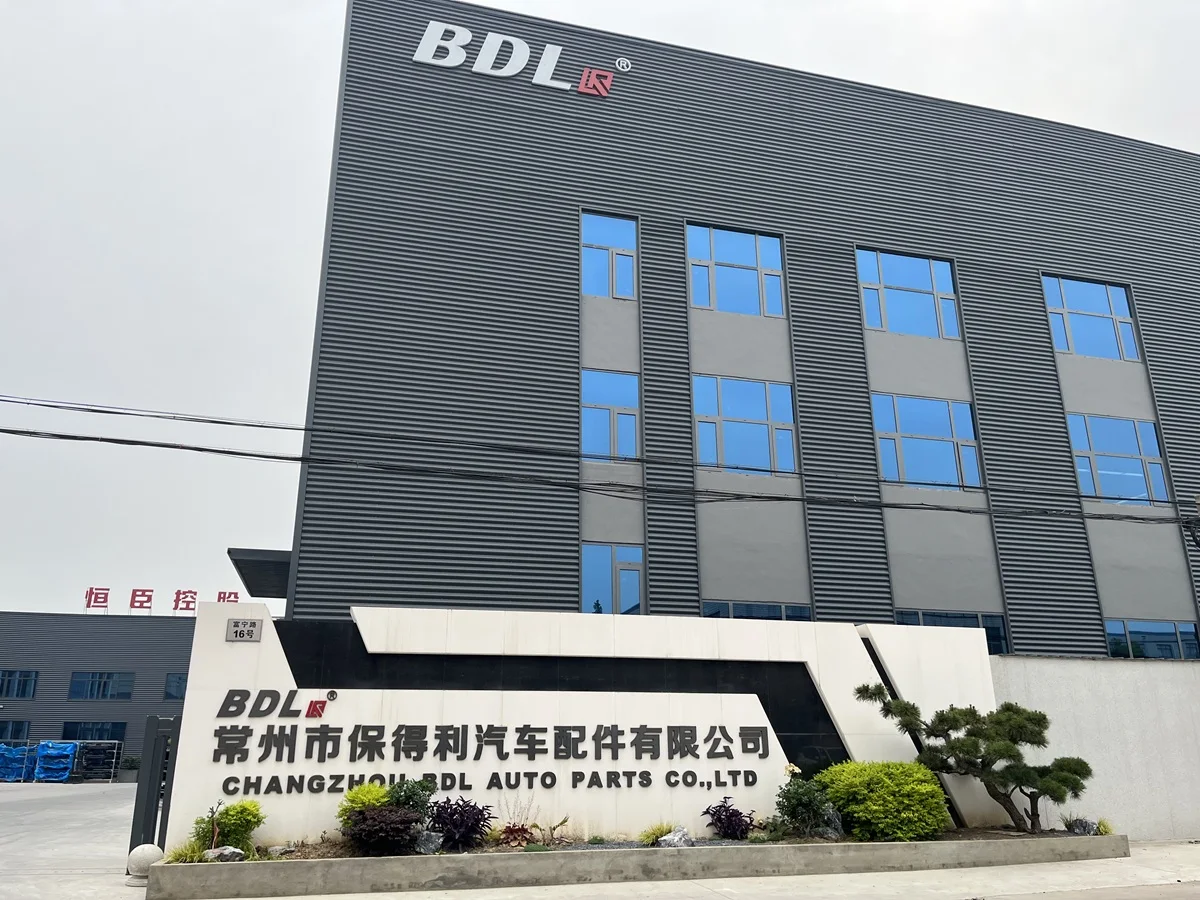
Changzhou Youke Auto Accessories Co., Ltd.
- Manufacturer
- Jiangsu, China
- Lead time5 days
- Avg. response≤ 3h
Main productsbody kits,grilles,air vents,headlamps,tail lamps
Main marketsEastern Europe(18.0%), Western Europe(15.0%), Southern Europe(12.0%), Northern Europe(10.0%), Eastern Asia(9.0%), South Asia(8.0%), Mid East(7.000000000000001%), Central America(6.0%), North America(4.0%), Southeast Asia(4.0%), Africa(3.0%), Oceania(2.0%), South America(2.0%)

Nanpi County Bo Hao Hardware Manufacturing Co., Ltd.
- Verified by BV
- Combined
- China Hebei
- Lead time23 days
- Avg. response≤ 23h
Main productsbrake pad clip
Main marketsDomestic,North America
Chengdu Xinkairui Trading Co., Ltd.
- Verified by TUVRHEINLAND
- Trading Company
- China Sichuan
- Lead time15 days
- Avg. response≤ 9h
Main productsParts for Toyota, Parts for Geely, Byd Auto Parts, Auto Parts Lining, Bumper Bracket, Headlight
Main marketsSoutheast Asia/ Mideast


Standard Fitting Rear Bumper Fastening Bracket 52158-08030 2020-2024 Model
$3.48 - $3.98
MOQ: 20 Pieces
Hangzhou lizhong shengteng Auto Parts Co., Ltd.
- Verified by TUVRHEINLAND
- Trading Company
- China Zhejiang
- Lead time23 days
- Avg. response≤ 10h
Main productsAuto Bumper, Auto Rear Bumper Cover, Auto Rear Mirror, Auto Hood, Auto Head Lamp, Auto Cooling Fan Cover, Auto Radiator
Main marketsSouth America,Eastern Europe,Mid East,North America,Southeast Asia,Eastern Asia,Western Europe
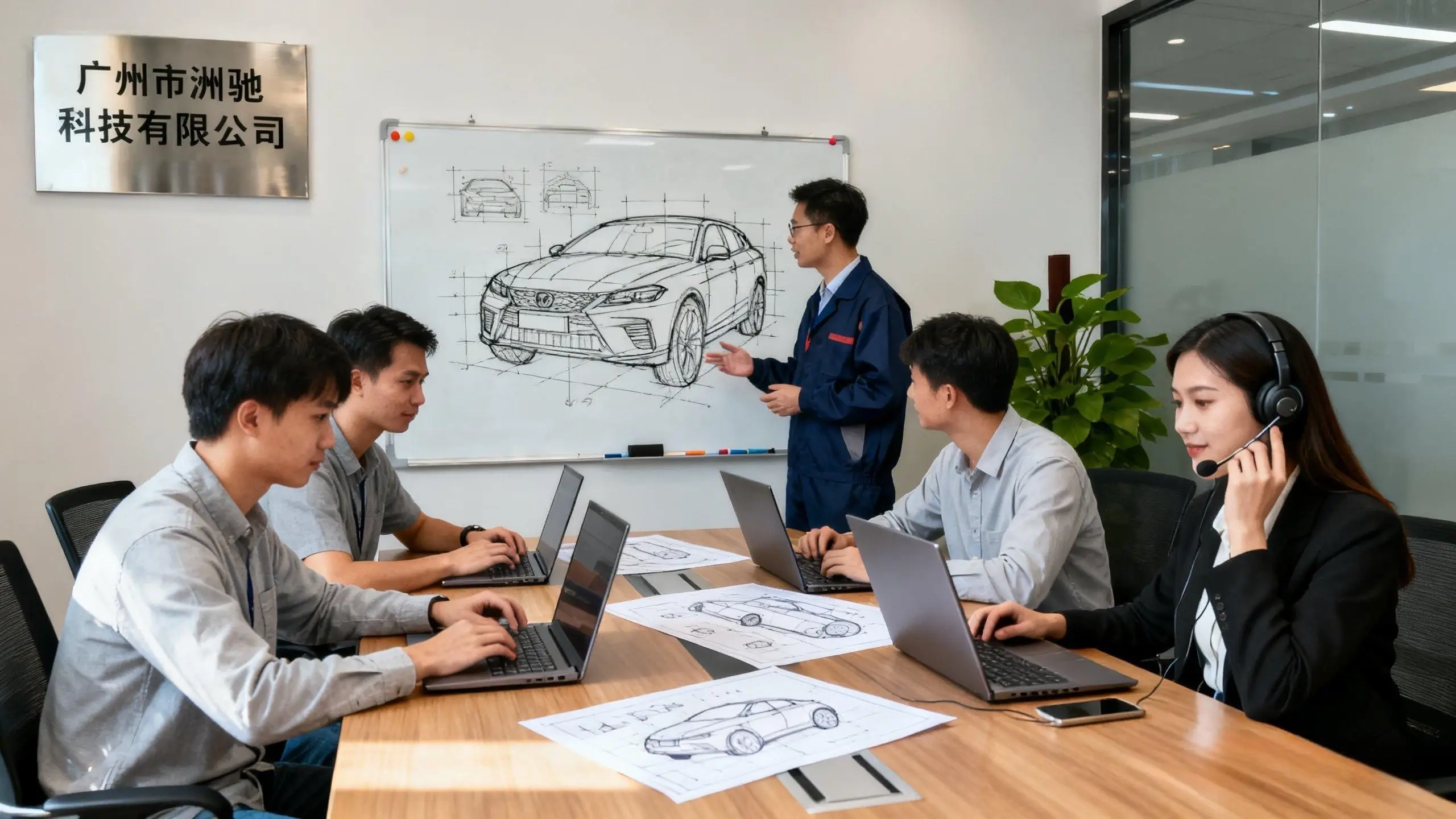
Guangzhou Zhouchi Technology Co., Ltd.
- Trading Company, Distributor/Wholesaler, Other
- Guangdong, China
- Lead time7 days
- Avg. response≤ 3h
Main productsAuto Body Kit,Carbon Fiber Product,Headlight Lens,Headlight DRL Tube,Headlight Ballast Module
Main marketsNorth America(35.0%), Mid East(20.0%), Western Europe(20.0%), South America(15.0%), South Asia(5.0%), Eastern Asia(5.0%)

Qingdao Pengrui Machinery Co., Ltd.
- Verified by TUVRHEINLAND
- Combined
- China Shandong
- Lead time15 days
- Avg. response≤ 18h
Main productsFastener, Pins, Screw, Clamps, Metal Fabrication, Plastic Fastener, Screw Plunger, Bolt, Nuts
Main marketsNorth America
Changzhou Haosheng Vehicle Parts Co., Ltd.
- Combined
- China Jiangsu
- Lead time15 days
- Avg. response≤ 7h
Main productsAuto Spoiler, Spoiler, Car Spoiler
Main marketsSouth America,Southeast Asia/ Mideast,Domestic,Europe,Australia,North America
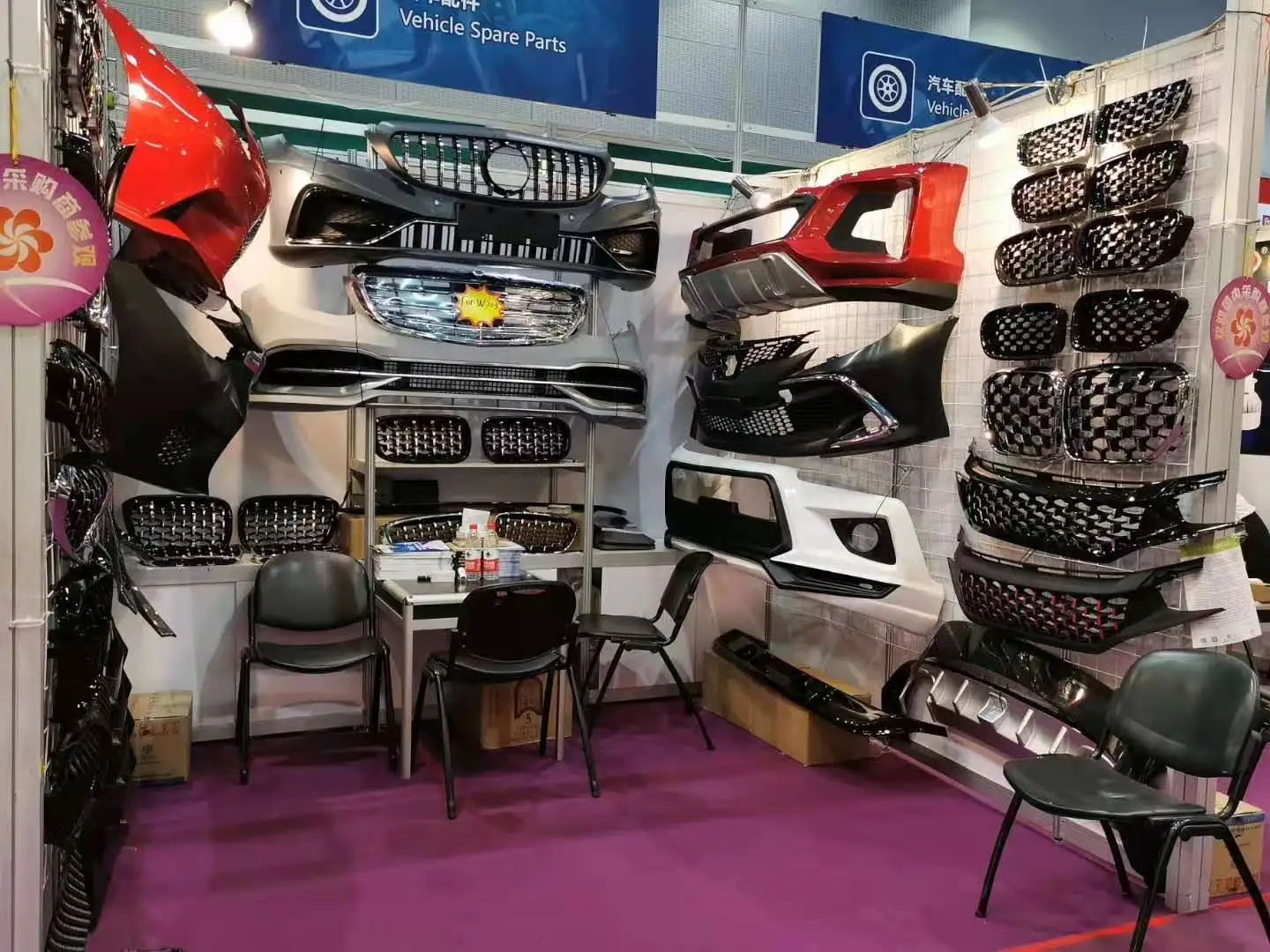
Yujiang County Runze Auto Accessories Co., Ltd.
- Trading Company
- Jiangxi, China
- Lead time6 days
- Avg. response≤ 8h
Main productsCar bumper,Car grill,Car spoiler,Car diffuser,Car bodykit
Main marketsSouth America(25.0%), North America(23.0%), Africa(15.0%), Mid East(12.0%), Central America(6.0%), Eastern Europe(6.0%), Southern Europe(2.0%), Oceania(2.0%), Western Europe(2.0%), Eastern Asia(2.0%), Southeast Asia(2.0%), Domestic Market(1.0%), South Asia(1.0%), Northern Europe(1.0%)
Liuzhou Addrich Auto Parts Co., Ltd.
- Manufacturer, Trading Company
- Guangxi, China
- Lead time20 days
- Avg. response≤ 2h
Main productsbumpers,hood,fender,car accerssion,car door
Main marketsSouth America(30.0%), South Asia(30.0%), Mid East(20.0%), North America(10.0%), Eastern Europe(10.0%)

Zibo Baiwang Machinery Co., Ltd.
- Trading Company,Manufacturer/Factory
- China Shandong
- Lead time23 days
- Avg. response≤ 9h
Main productsBrake Discs Pad, Brake Drum S-Camshafts, Auto Brake Parts, Auto Parts for Byd Chery Jetour Tiggo, Milking Machine, Machining Parts, Auto Accessories, Secondhand Used Cars, Auto Parts of HOWO FAW Dongfeng Foton Haval, Accessories for Maxus Mg Baic Wuling
Main marketsSouth America,Eastern Europe,Mid East,North America,Southeast Asia,Eastern Asia,Oceania,Western Europe,Africa
Qingdao Merid Machinery Co., Ltd
- Verified by CTI
- Combined
- China Shandong
- Lead time15 days
- Avg. response≤ 3h
Main productsMachining Part, Sheet Metal Fabrication, Mounting Bracket, Precast Lifting Parts, Metal Hardware, CNC Maching Part, Stamping Parts, Welding Parts, CNC Maching Parts
Main marketsDomestic,Europe,Australia,North America
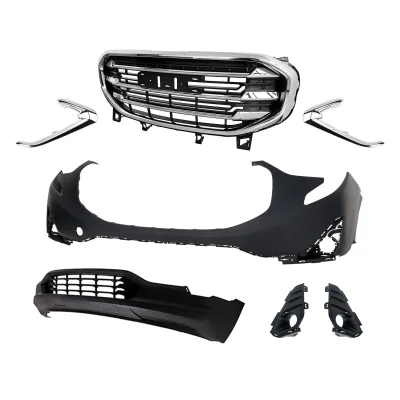
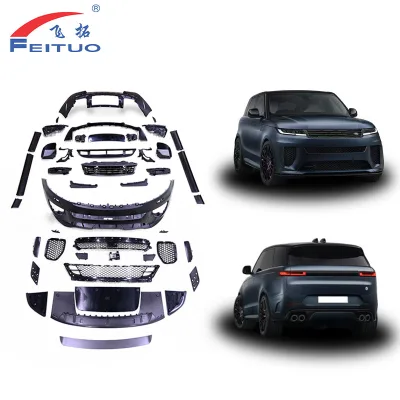
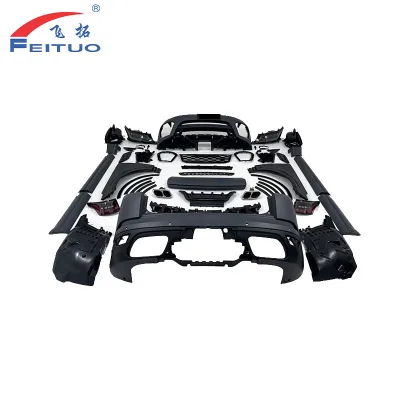
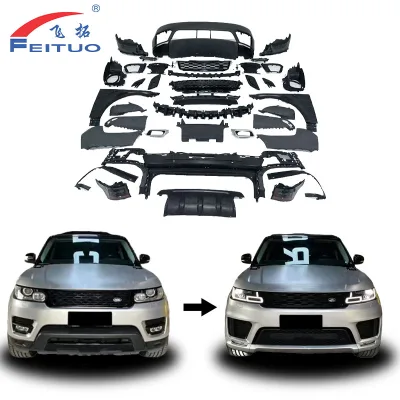
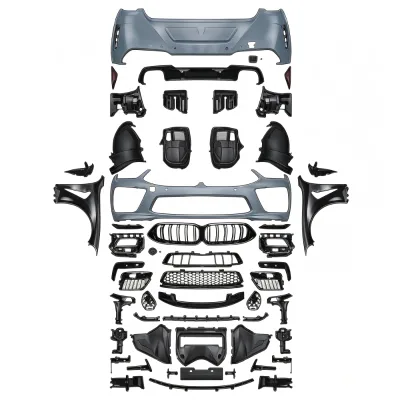
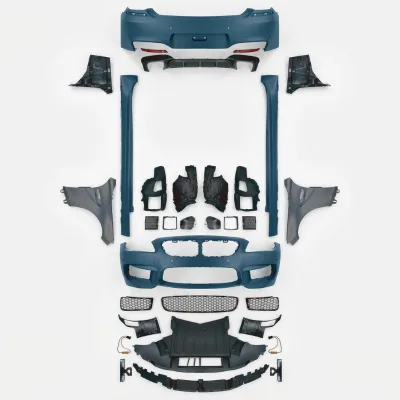
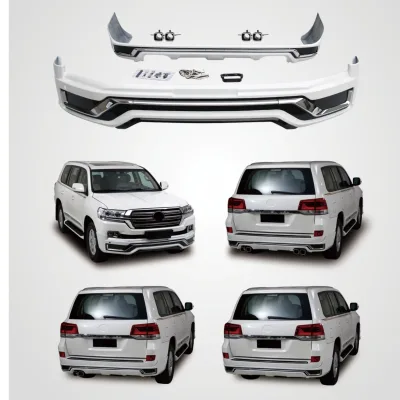
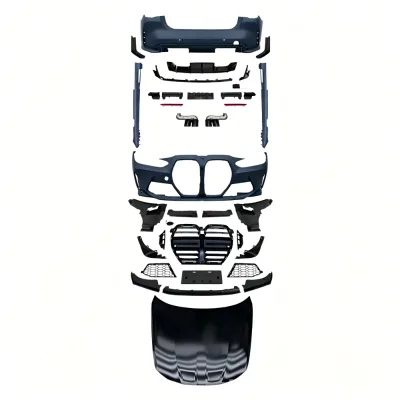
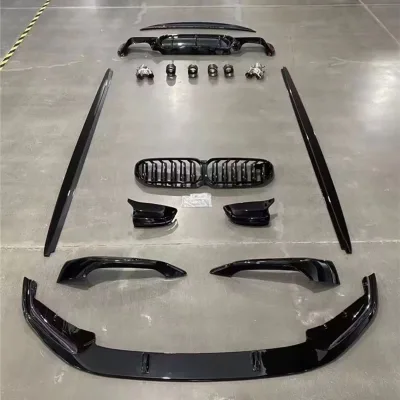
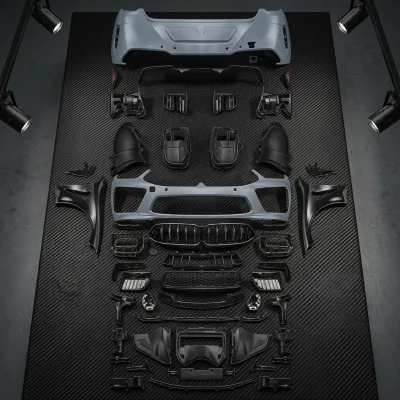


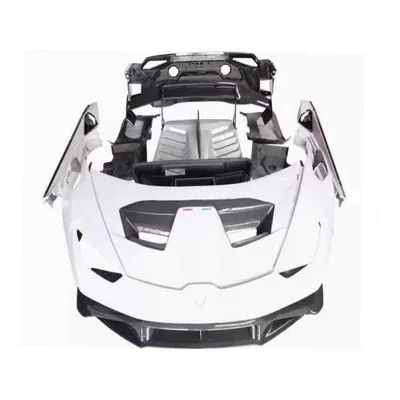
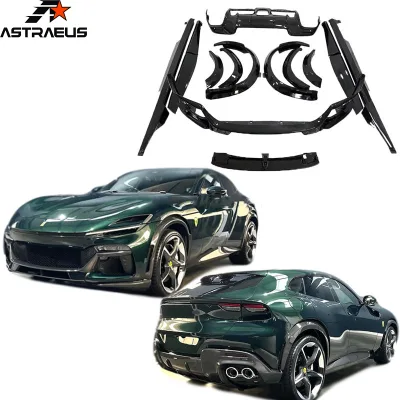




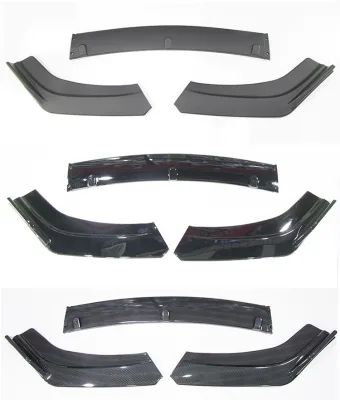
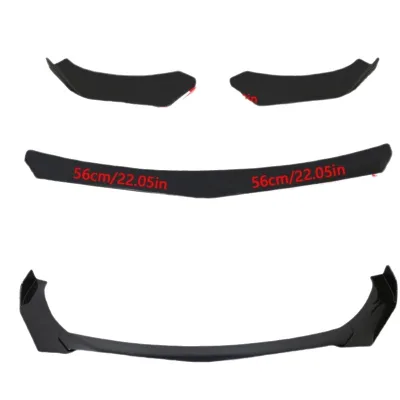


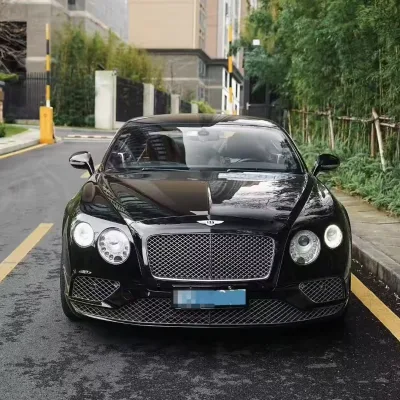
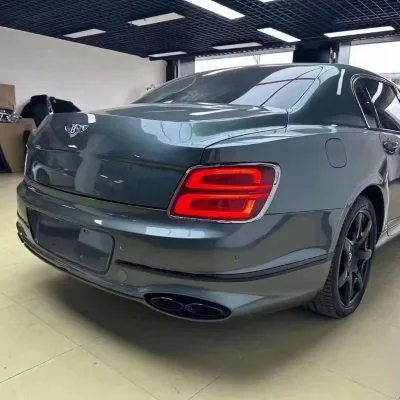






Comprehensive Sourcing Guide
Bolt-on Body Kit Supplier Concentration and Factory Types
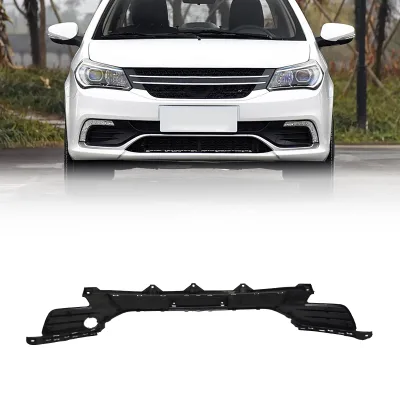
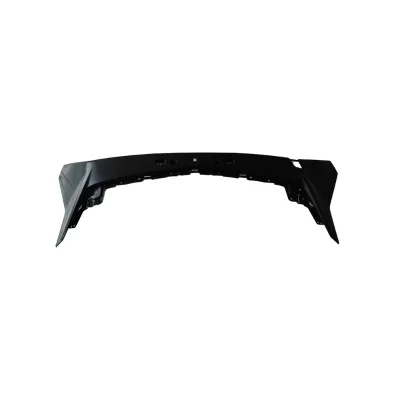
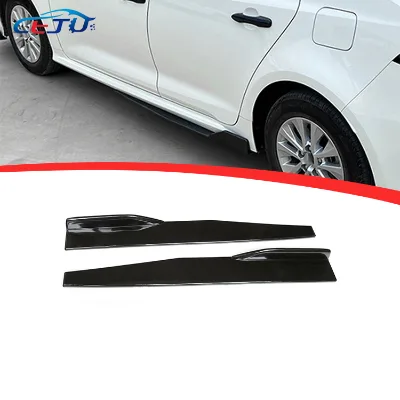
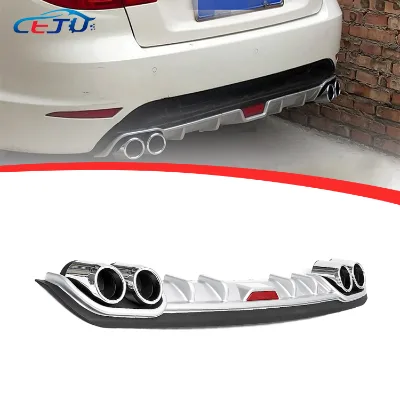
The current supplier landscape for bolt-on body kits reveals a mix of trading companies and manufacturers, with specific product evidence indicating a strong presence of trading entities in the auto parts sector. While some suppliers list main products as auto body kits and tuning parts, others focus specifically on vehicle parts and accessories like car bumpers. This diversity suggests that buyers may encounter both direct factories and intermediaries depending on the specific component required, such as universal fitment kits versus model-specific assemblies. The presence of trading companies often implies a broader catalog of compatible parts, whereas factory-direct sources might offer more specialized manufacturing capabilities for custom body kits.
Geographic concentration is a critical factor when evaluating these suppliers, as product evidence points to origins in Jiangsu, Zhejiang, and Guangdong provinces in China. These regions are known for automotive component manufacturing, yet the data does not confirm a single dominant cluster for all bolt-on body kit types. Buyers should verify the specific factory location for each supplier to understand local logistics advantages and potential supply chain stability. Identifying whether a supplier operates from a manufacturing hub or a trading center helps in assessing their ability to handle volume orders and manage quality control processes effectively for automotive exterior components.
How to Verify Bolt-on Body Kit Suppliers
Verification of supplier credentials is essential when sourcing bolt-on body kits, as product evidence shows some suppliers hold Intertek verification status while others display system certifications like FMVSS 108. Buyers must confirm if a supplier's verification status is current and relevant to the specific automotive standards required for their market. The presence of certifications indicates a commitment to safety and quality, but it is crucial to validate that these standards apply to the specific body kit components being purchased rather than just general company credentials. Relying solely on a displayed badge without cross-referencing the scope of certification can lead to compliance issues in the destination market.
Response time and service availability are also key indicators of supplier reliability, with some data showing response times as low as one day and others offering 24-hour service windows. A fast response time often correlates with a dedicated sales team and efficient communication channels, which are vital for resolving technical queries about fitment or installation. Buyers should test the responsiveness of potential suppliers before placing large orders to ensure they can address urgent issues regarding production delays or quality concerns. Additionally, checking for established years of operation can provide insight into the supplier's stability and experience in the automotive aftermarket sector.
What to Compare Across Bolt-on Body Kit Suppliers
When comparing suppliers, buyers should prioritize lead times and minimum order quantities (MOQ) as these directly impact inventory planning and cash flow. Product evidence indicates lead times can vary significantly, with some suppliers offering standard 15-day delivery windows while others specify seasonal variations or negotiated terms for larger volumes. MOQs also differ, ranging from single sets for universal kits to higher thresholds for custom body kits. Understanding these constraints helps buyers determine if a supplier can meet their specific order size requirements without incurring excessive costs or facing long wait times that disrupt business operations.
Price ranges and warranty terms are another critical comparison point, with observed prices varying from approximately $22 to $2500 depending on the complexity and scope of the body kit. Some suppliers offer warranties of 12 months or one year, while others may not explicitly state warranty coverage in their product attributes. Buyers must analyze the price-to-value ratio, considering factors like material quality, such as ABS or plastic, and included accessories like bolts or primer paint. Comparing these commercial terms across multiple suppliers ensures that the selected partner offers a competitive advantage in both cost and post-purchase support for the specific bolt-on body kit products required.
Common Bolt-on Body Kit Sourcing Risks
One significant risk in sourcing bolt-on body kits is the potential mismatch between product specifications and actual vehicle fitment, especially for universal fitment items. Product evidence shows attributes like "Universal Fitment: Yes" alongside specific model numbers, which can create confusion regarding compatibility. Buyers must carefully review product descriptions and cut-out details, such as park assist sensor compatibility, to ensure the kit matches their vehicle's configuration. Relying on generic fitment claims without verifying specific model requirements can lead to installation failures and increased return rates, damaging the buyer's reputation with end customers.
Another risk involves the variability in material quality and manufacturing standards, as evidenced by differences in product attributes like material type and single gross weight. Some kits are made from ABS plastic, while others may use different polymers, affecting durability and finish quality. Without clear evidence of standardized testing or consistent quality control measures, buyers face the risk of receiving substandard products that do not meet safety or aesthetic expectations. It is imperative to request sample units or detailed quality reports to validate that the materials and construction methods align with the promised specifications before committing to a large-scale order.
Bolt-on Body Kit Regional Sourcing and Logistics
Regional sourcing decisions should be guided by the specific origin locations listed in supplier profiles, such as Jiangsu, Zhejiang, and Guangdong, which influence shipping costs and delivery timelines. Product evidence indicates that some items originate from Guangdong, while others come from Jiangsu, suggesting that logistics strategies may need to be tailored to the specific supplier's location. Buyers should calculate the total landed cost, including freight and customs duties, based on the supplier's port of origin to ensure accurate budgeting. Understanding the regional logistics network helps in selecting suppliers that offer the most efficient shipping routes for the target market.
Packaging and handling requirements also vary by region and product type, with some suppliers using neutral packing while others provide standard packages with specific dimensions. The single package size and gross weight data provided in product attributes are critical for determining freight costs and storage requirements. Buyers must verify if the packaging is robust enough to protect the body kits during transit, especially for large items like complete front bumper kits. Ensuring that the supplier's packaging standards meet the buyer's logistical needs prevents damage during shipping and reduces the risk of claims or returns due to transit-related issues.
Bolt-on Body Kit Commercial Terms and Order Planning
Commercial terms such as payment methods and delivery timelines are fundamental to successful order planning for bolt-on body kits. Product evidence shows payment options including TT, Alipay, and Western Union, while delivery times range from 7 to 15 days or are subject to negotiation for larger orders. Buyers should establish clear payment schedules and delivery milestones in their contracts to mitigate risks associated with cash flow and production delays. Understanding the flexibility of these terms allows buyers to negotiate better conditions that align with their operational needs and financial capabilities.
Order planning must also account for the specific attributes of the products, such as warranty periods and included items like mounting hardware or bolts. Some suppliers offer a 12-month warranty, while others may have different terms, and the inclusion of accessories can affect the overall value proposition. Buyers should plan their inventory levels based on the lead times and MOQs provided, ensuring they have sufficient stock to meet demand without overstocking. By carefully analyzing these commercial and logistical details, buyers can create a robust sourcing strategy that minimizes risks and maximizes the efficiency of their bolt-on body kit procurement process.
FAQs
What is the price range for bolt-on body kits?
Prices for bolt-on body kits typically range from $22 to $2,500 depending on the product type. Basic universal bumpers start around $22, while complete kits with grilles and fog lamp covers cost between $165 and $195. Premium retrofits can reach $2,500, reflecting material quality and included hardware.
What is the minimum order quantity for these kits?
The minimum order quantity is generally one set for most bolt-on body kits. Suppliers list an MOQ of one set for universal kits and specific model applications like Porsche 718. This allows buyers to test quality or order single units for repair without committing to large bulk purchases.
How long does delivery take for these parts?
Delivery times vary by supplier and season. Some suppliers offer a standard lead time of 15 days. Others specify 7-15 days for specific kits. During peak seasons, lead times may extend to 1-8 days for smaller orders, while larger quantities require negotiation to determine exact shipping schedules.
Where are these auto parts manufactured?
These auto parts are primarily manufactured in China. Specific origins include Jiangsu, Zhejiang, and Guangdong provinces. Buyers can verify the exact place of origin for each product listing, as manufacturers in these regions specialize in ABS plastic bumpers and universal fitment body kits for various vehicle models.
What warranty is provided for these kits?
Most suppliers provide a 12-month or one-year warranty for their bolt-on body kits. This coverage applies to new condition parts made from materials like ABS plastic or PP. Buyers should confirm specific warranty terms with the supplier, as coverage details may vary slightly between different product listings and manufacturers.
What certifications do these suppliers hold?
Verified suppliers may hold system certifications such as FMVSS 108. Additionally, some suppliers undergo Intertek verification to ensure product quality and reliability. Buyers should check the verification status and certification details on individual product pages to ensure compliance with safety standards and quality expectations for auto body parts.