BPA Free Baby Feeding Bowl Suppliers and Manufacturers
Compare 25 verified suppliers offering bpa free baby feeding bowls with varying lead times, certifications, and locations. Review response times and MOQs to select a factory in China Fujian, Zhejiang, or Guangdong for your sourcing needs; review the available evidence before requesting comparable quotations from suitable candidates.
Suppliers List

Xiamen Flying Silicone Rubber Co., Ltd.
- Verified by TUVRHEINLAND
- Trading Company,Manufacturer/Factory
- China Fujian
- Lead time23 days
- Avg. response≤ 11h
Main productsSilicone Rubber Auto Parts, Silicone Rubber Keypad, Silicone Rubber Gasket, Silicone Rubber O-Ring, Silicone Rubber Valve, Silicone Rubber Kitchenware, Plastic Injection Parts, Silicone Rubber Gifts, Silicone Medical Accessories, LSR Baby Care
Main marketsSouth America,Eastern Europe,North America,Southeast Asia,Western Europe
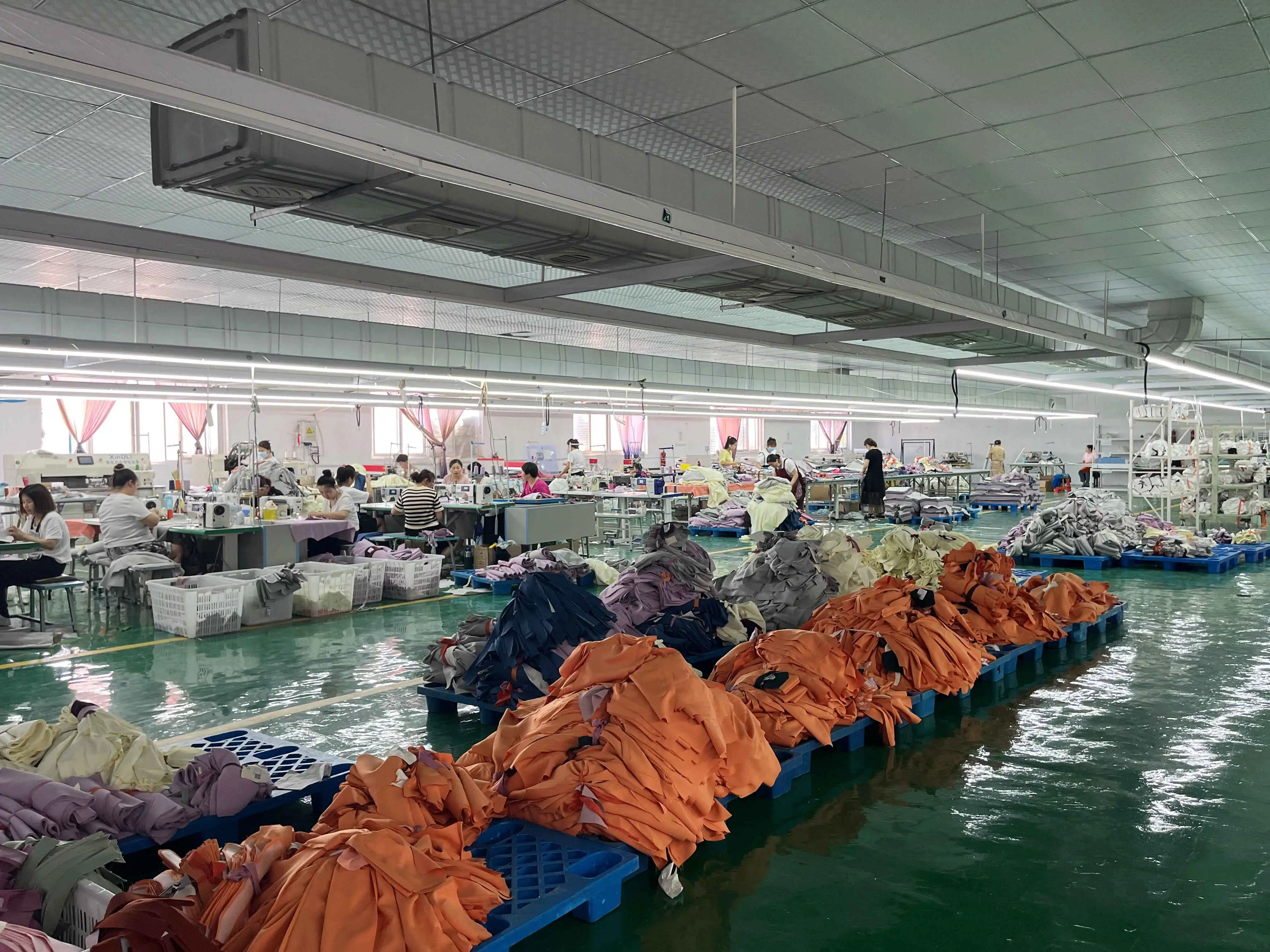
Yiwu Keqin Baby Products Factory
- Manufacturer, Trading Company
- Zhejiang, China
- Lead time0 days
- Avg. response≤ 2h
Main productsbaby carrier,baby walking assistant,Mommy bag,Children's anti-lost rope,Baby sleeping bag
Main marketsSoutheast Asia(10.0%), Domestic Market(5.0%), South Asia(5.0%), Southern Europe(5.0%), Northern Europe(5.0%), Central America(5.0%), Western Europe(5.0%), Eastern Asia(5.0%), Mid East(5.0%), Oceania(5.0%), Africa(5.0%), North America(5.0%), Eastern Europe(5.0%), South America(5.0%)

Guangdong RoRo Baby Products Co., Ltd.
- Verified by TUVRHEINLAND
- Manufacturer/Factory
- China Guangdong
- Lead time23 days
- Avg. response≤ 3h
Main productsBaby Bottle Baby Feeding Bottle Baby Feeder, Nipple Teat Baby Bottle Nipple, Pacifier Soother Baby Pacifier, Teether Baby Teether Baby Soother, Water Cup Baby Drink Cup Baby Training Cup, Food Container Milk Powder Box Milk Powder Case, Baby Water Bottle, Breast Pump Breast Shield Silicone Breast Pump, Manual Breast Pump Baby Bowl Baby Spoon, Fruit Feeder Glass Bottle Food Feeder Baby Care
Main marketsSouth America,Eastern Europe,Mid East,North America,Southeast Asia,Eastern Asia,Oceania,Western Europe,Africa

Xiamen Newtop Material Company
- Verified by TUVRHEINLAND
- Combined
- China Fujian
- Lead time15 days
- Avg. response≤ 3h
Main productsSilicone Pet Prodcuts, Silicone Housewares Product, Silicone Baby Product, Silicone Parts, Silicone Cap, Silicone Breast Pump, Slow Feeder, Silicone Pet Mat, Silicone Gasket, Silicone Hose
Main marketsEurope,North America

Zhongshan Mingxin Silicone Manufactory
- Verified by SGS
- Combined
- China Guangdong
- Lead time15 days
- Avg. response≤ 5h
Main productsSilicone Kitchenware, Silicone Keypaid, Silicone Bracelet, Silicone Wristband, Silicone Ashtray, Silicone Tube, Silicone Watch, Silicone Rubber, Silicone Sex Doll, Silicone Mold
Main marketsEurope,North America
Yiwu Doublecare Baby Products Co., Ltd.
- Verified by SGS Group
- Trading Company
- Lead time7 days
- Avg. response≤ 2h
Main productsBaby Products, Baby Bathtubs, Baby Potty Toilets , Baby Feeding Chairs, Baby bottle brushes
Main marketsNorth America(20%), Eastern Europe(20%), Western Europe(15%)

Jinjiang Naike Eco Technology Co., Ltd.
- Verified by SGS
- Trading Company
- China Fujian
- Lead time30 days
- Avg. response≤ 2h
Main productsKeychain, Promotional Gifts, Shoes Charm, Straw Toppers, Pencil Toppers, Christmas Decoration, Party Decoration, Toy, Metal Craft, Silicone Products
Main marketsEurope,North America

Kunshan Caihong Electronic Materials Co., Ltd.
- Verified by SGS
- Combined
- China Jiangsu
- Lead time23 days
- Avg. response≤ 2h
Main productsSilicone Mold, Silicone Rubber, Silicone Product
Main marketsDomestic
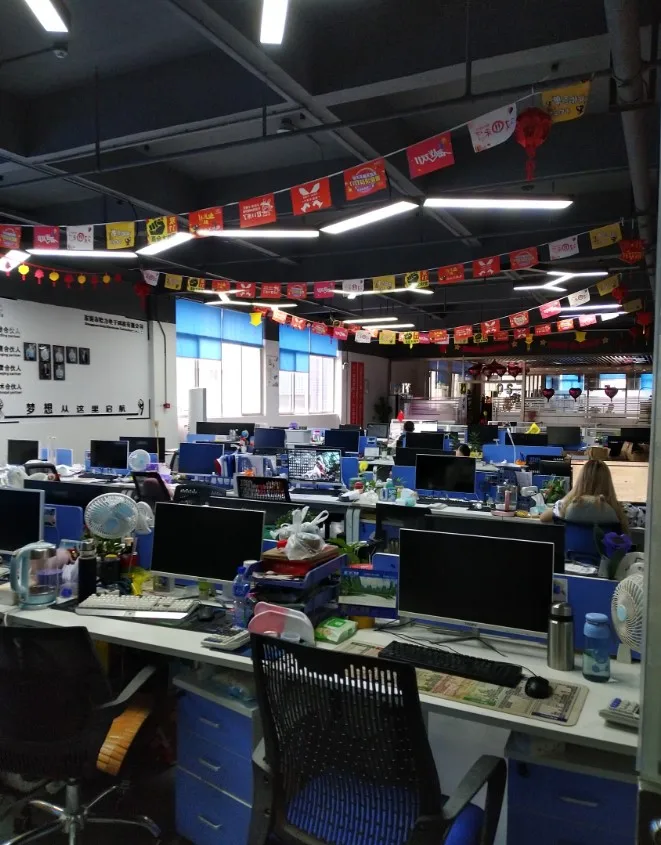
- Manufacturer, Trading Company
- Henan, China
- Lead time20 days
- Avg. response≤ 7h
Main productsSilicone Plate Set,baby feeding bottle,baby silicone tableware,baby silicone bib,baby food pacifier
Main marketsNorth America(20.0%), Southeast Asia(15.0%), Mid East(10.0%), Eastern Asia(10.0%), Eastern Europe(10.0%), Western Europe(9.0%), South Asia(5.0%), Northern Europe(5.0%), Central America(5.0%), Africa(5.0%), Domestic Market(5.0%), South America(1.0%)
Dongguan Newever Technology Co.,Ltd
- Manufacturer, Trading Company
- Guangdong, China
- Lead time7 days
- Avg. response≤ 3h
Main productsSilicone Tableware,Silicone Kitchenware,Silicone Pet Products,Silicone Bottles and Cup,Silicone Gifts
Main marketsNorth America(20.0%), Oceania(16.0%), Western Europe(15.0%), Eastern Europe(12.0%), Southern Europe(10.0%), Mid East(10.0%), Eastern Asia(5.0%), Northern Europe(5.0%), Southeast Asia(5.0%), South America(1.0%), Africa(1.0%)

Qingdao ShengHong Rubber and Plastic Co., Ltd
- Verified by TUVRHEINLAND
- Trading Company
- China Shandong
- Lead time15 days
- Avg. response≤ 8h
Main productsOil Sealing, Damping and Buffering, Flexible Fittings for Fluid Pipelines, Protective Seals, Sealing Strip, Metal Stamped Products, Framework Oil Seals, Stamping, Rubber Product, Rubber Seal
Main marketsEurope
Taizhou Doit & Baby Kid Products Co., Ltd.
- Verified by Intertek
- Trading Company
- Lead time25 days
- Avg. response≤ 3h
Main productsBaby Potty, Baby Bathtub, Kids Lunch Box, Baby Chair, Bottle Drying Rack
Main marketsEastern Asia(18%), North America(15%), Western Europe(15%)

Guangdong Huangxing Baby Products Co., Ltd.
- Verified by SGS
- Combined
- China Guangdong
- Lead time30 days
- Avg. response≤ 8h
Main productsBaby Bottle Water Bottle Baby Bottle Brush
Main marketsOthers(foreignTradeCapacity.exportBusinessCapacityMarketOther),Southeast Asia/ Mideast,North America
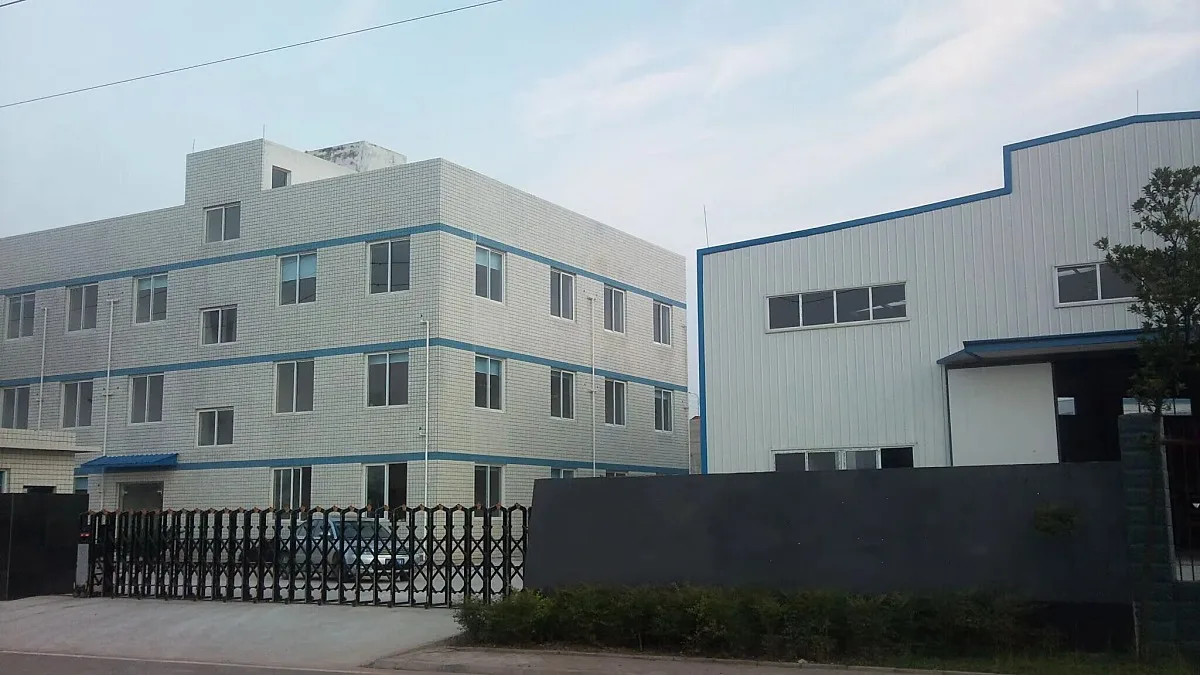
Dongguan Shengbin Technology Co., Ltd.
- Manufacturer, Trading Company
- Guangdong, China
- Lead time15 days
- Avg. response≤ 2h
Main productsSilicone Baby plate,Silicone Baby fork spoon,Silicone Baby Bib,Silicone Baby molar toy,Silicone baby toothbrush
Main marketsOceania(20.0%), North America(15.0%), Southeast Asia(15.0%), Domestic Market(10.0%), Southern Europe(10.0%), Northern Europe(10.0%), Western Europe(10.0%), Eastern Europe(10.0%)
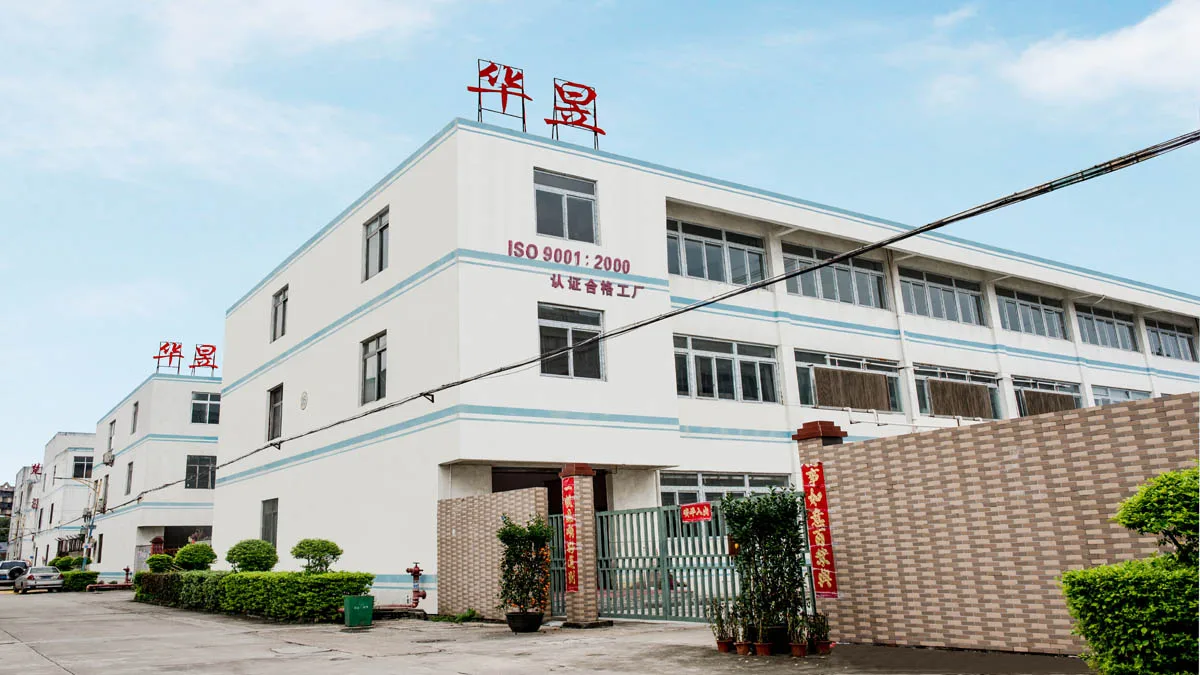
Dongguan Huayu Silicone Rubber Products Co., Ltd.
- Manufacturer, Trading Company
- Guangdong, China
- Lead time15 days
- Avg. response≤ 2h
Main productsSilicone Tableware, Silicone Baby Feeding Product, Silicone Kitchenware, Silicone Electronic Accessories, Silicone Dailyuse
Main marketsNorth America(20.0%), Domestic Market(20.0%), Northern Europe(10.0%), Southeast Asia(10.0%), South America(9.0%), South Asia(5.0%), Oceania(5.0%), Eastern Europe(5.0%), Eastern Asia(3.0%), Western Europe(3.0%), Central America(3.0%), Africa(3.0%), Southern Europe(2.0%), Mid East(2.0%)

- Manufacturer/Factory
- China Henan
- Lead time15 days
- Avg. response≤ 14h
Main productsRibbons and Printed Ribbons, Sticker Label, Hang String Seal /Seal Tags/ Hang Tags String, Cotton Tape, Silicone Products, Nail Files, Lanyard
Main marketsSouth America,Eastern Europe,Mid East,North America,Southeast Asia,Eastern Asia,Oceania,Western Europe,Africa
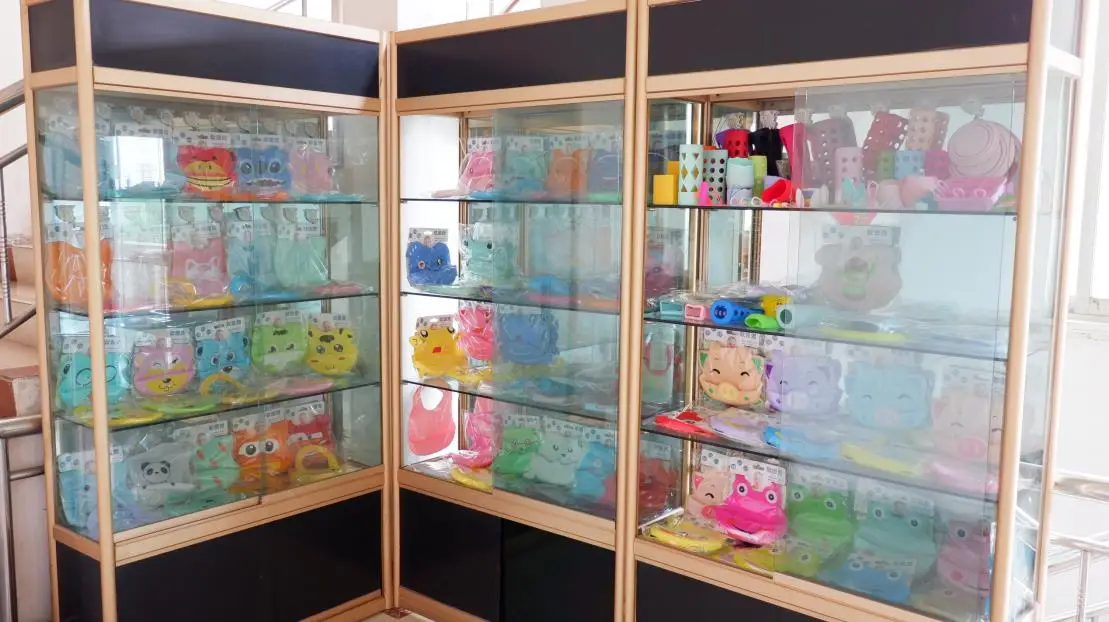
Foshan Yongjianxing Technology Co., Ltd.
- Manufacturer, Trading Company
- Guangdong, China
- Lead time10 days
- Avg. response≤ 3h
Main productsBaby Bib,Baby Feeding Set,Baby Bowl,Baby Spoon,Baby Cup
Main marketsAfrica(100.0%), Mid East(100.0%), South Asia(100.0%), Eastern Asia(100.0%), Domestic Market(50.0%), South America(15.0%), North America(15.0%), Southern Europe(5.0%), Northern Europe(5.0%), Southeast Asia(2.0%), Eastern Europe(2.0%), Western Europe(2.0%), Oceania(2.0%), Central America(2.0%)

Shenzhen Kingod Silicone Products Co., Ltd
- Verified by TUVRHEINLAND
- Combined
- China Guangdong
- Lead time15 days
- Avg. response≤ 2h
Main productsBaby Set, Baby Products, Baby Goods, Breast Pump, Face Mask, Baby Bottle, Medical Components, Phone Case, Silicone Kitchen Products, Toys
Main marketsNorth America

Kingsun Baby Products Co., Ltd.
- Verified by TUVRHEINLAND
- Trading Company,Manufacturer/Factory
- China Guangdong
- Lead time23 days
- Avg. response≤ 5h
Main productsBaby Bottle, Nipple, Pacifier, Breast Pump, Teethers, Baby Water Bottle, Nasal Aspirator, Baby Dinner Set, Baby Products, Feeding Accessories
Main marketsSouth America,Eastern Europe,Mid East,North America,Southeast Asia,Oceania,Western Europe,Africa

Milesun Rubber & Plastic Technology Co., Ltd.
- Verified by CTI
- Manufacturer/Factory
- China Guangdong
- Lead time23 days
- Avg. response≤ 12h
Main productsRubber Components, Rubber Damper/Shock Absorber/Sheet, Rubber-Metal Components, Sealing Ring, Home Appliance Rubber and Metal Components, Power Tool Rubber and Metal Components, Auto Rubber and Metal Components, Sanitary Rubber and Metal Components, Kitchen Ware / Daily Use Rubber Products, Food Grade Rubber Products/Toy
Main marketsSouth America,Eastern Europe,Mid East,North America,Southeast Asia,Eastern Asia,Oceania,Western Europe,Africa
Zhejiang Shuaibao Plastic Products Co., Ltd.
- Verified by TüVRheinland
- Manufacturer, Trading Company
- Lead time30 days
Main productsBaby Nasal Irrigator, Baby Bottle, Nipple, Baby Feeding Sets
Main marketsNorth America(58%), Southeast Asia(25%), Western Europe(12%)

- Verified by SGS
- Combined
- China Fujian
- Lead time15 days
- Avg. response≤ 3h
Main productsSilicone Keypad, Silicone Toy, Silicone Band, Silicone Pipe, Silicone Mouthguard, Silicone Handle
Main marketsAfrica
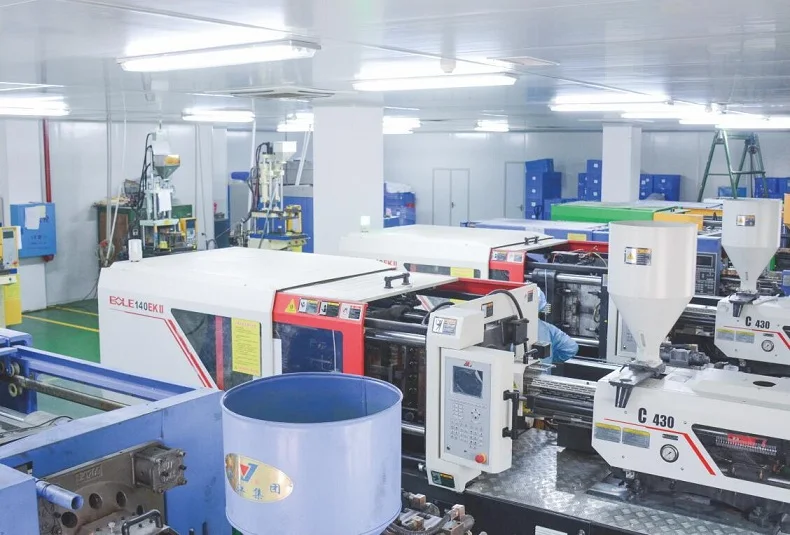
Hunan Royal Power Development Co., Ltd.
- Trading Company
- Hunan, China
- Lead time15 days
- Avg. response≤ 13h
Main productsBaby bathtub,Baby feeding high chair,Baby toys,Baby stroller,Baby car seat
Main marketsSoutheast Asia(30.0%), Southern Europe(10.0%), Central America(10.0%), Western Europe(10.0%), North America(10.0%), Eastern Europe(10.0%), South America(10.0%), South Asia(5.0%), Northern Europe(5.0%)

Dongguan Yangtai Silicone Products Co., Ltd
- Verified by SGS
- Combined
- China Guangdong
- Lead time15 days
- Avg. response≤ 3h
Main productsSilicone Bag, Silicone Pencil Case, Silicone Products, Silicone Kitchenware, Silicone Toys, Silicone Mold, Silicone Tap Night Light, Silicone Gift
Main marketsDomestic
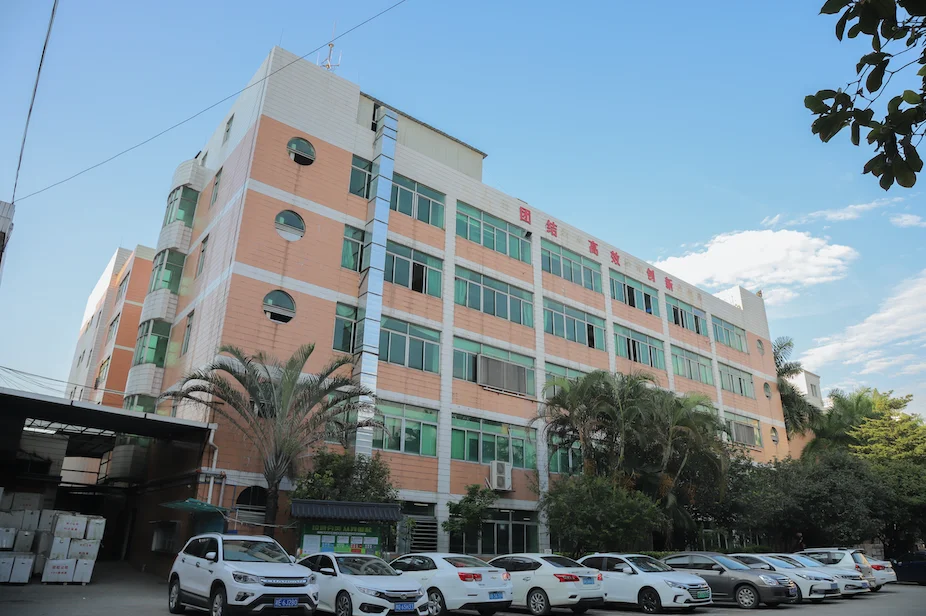
Wuxi Owgels Medical Instruments Co., Ltd.
- Trading Company
- Jiangsu, China
- Lead time7 days
- Avg. response≤ 2h
Main productsBaby care products,medical products
Main marketsSoutheast Asia(50.0%), Central America(5.0%), North America(5.0%), South Asia(4.0%), Southern Europe(4.0%), Northern Europe(4.0%), Eastern Europe(4.0%), Western Europe(4.0%), Eastern Asia(4.0%), Mid East(4.0%), Oceania(4.0%), Africa(4.0%), South America(4.0%)


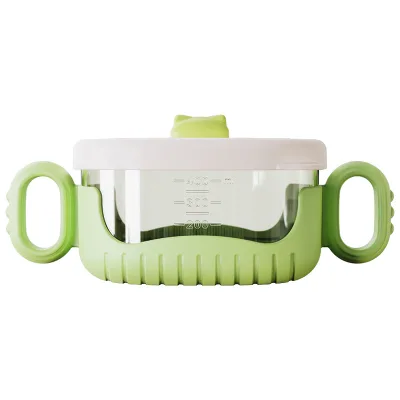
















Comprehensive Sourcing Guide
BPA Free Baby Feeding Bowl Supplier Concentration and Factory Types
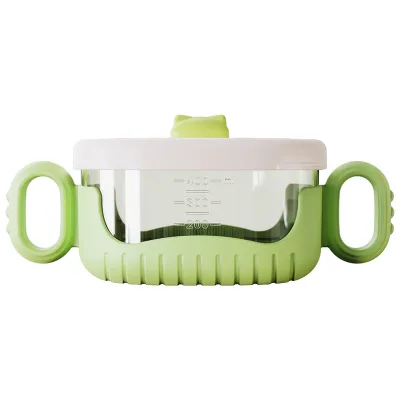
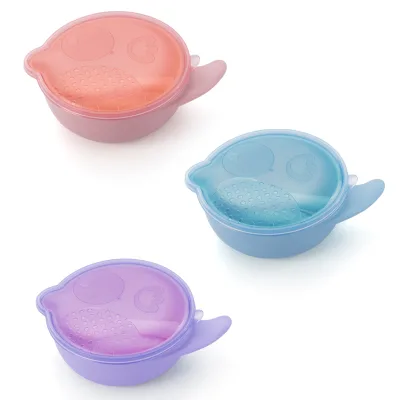
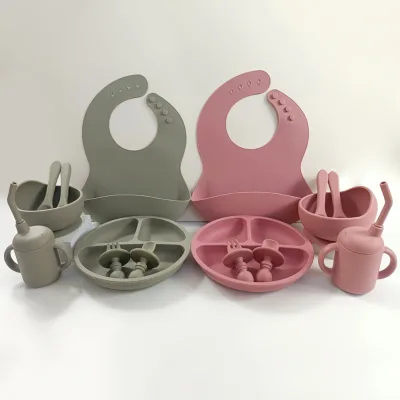
The current supplier landscape for BPA Free Baby Feeding Bowl items shows a distinct concentration of manufacturing activity within China, specifically in the Fujian and Zhejiang provinces. Evidence indicates that suppliers in Fujian often operate as both trading companies and manufacturers, offering a diverse range of silicone rubber products including auto parts, kitchenware, and medical accessories alongside baby feeding solutions. These facilities frequently list their origin as Xiamen, suggesting a specialized industrial cluster for silicone processing and injection molding that supports the production of flexible, food-grade materials required for infant products.
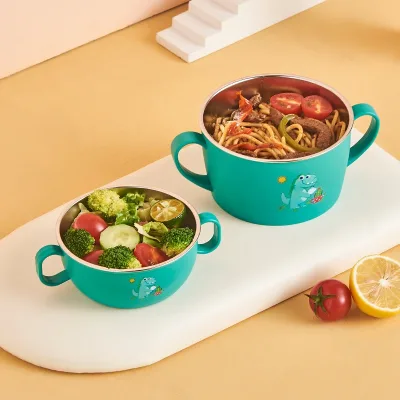
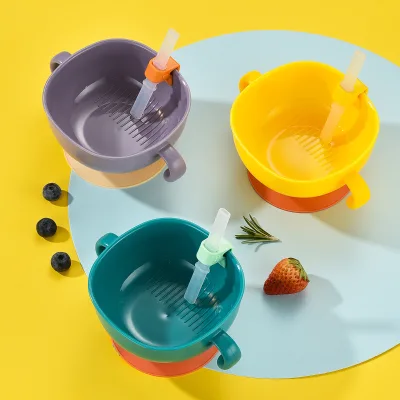
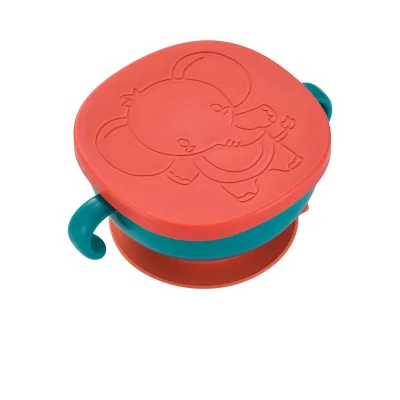
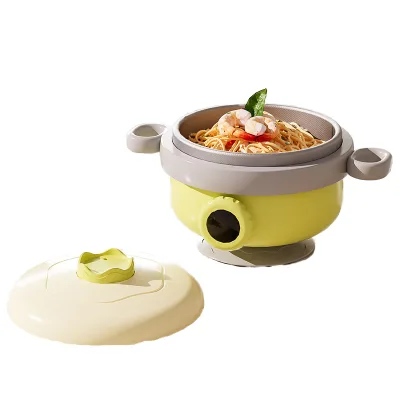
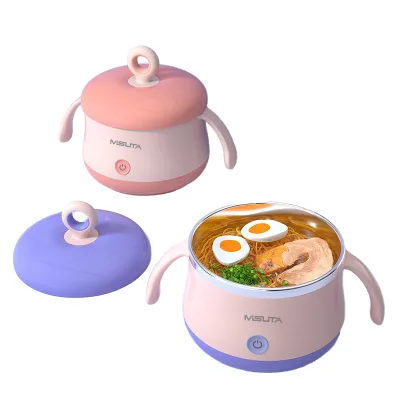
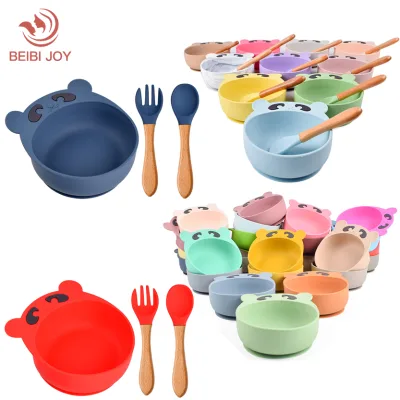
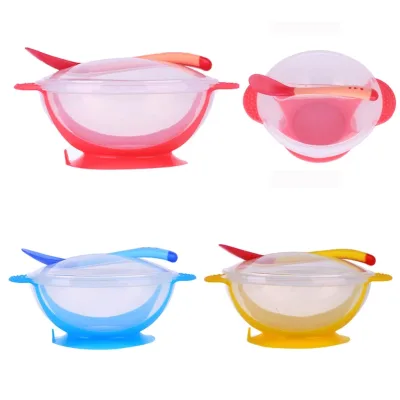
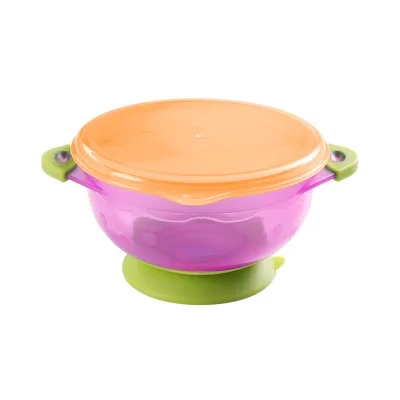
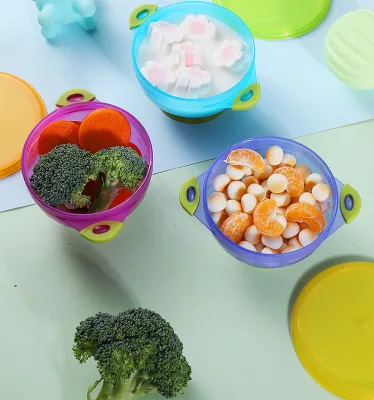
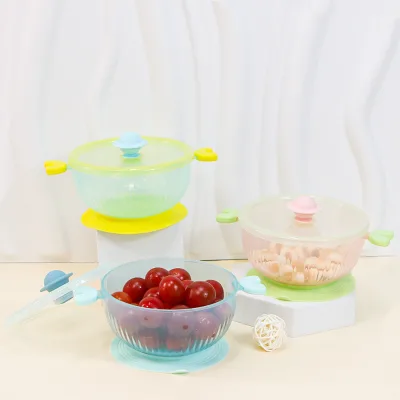
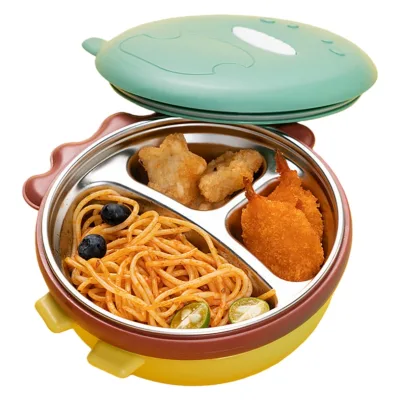
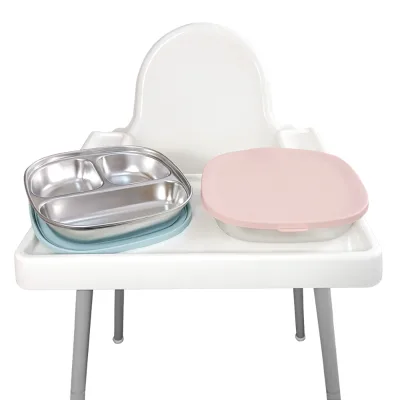
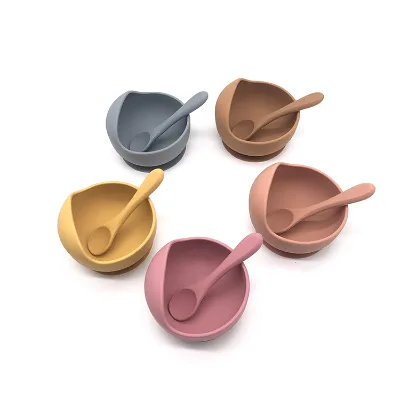
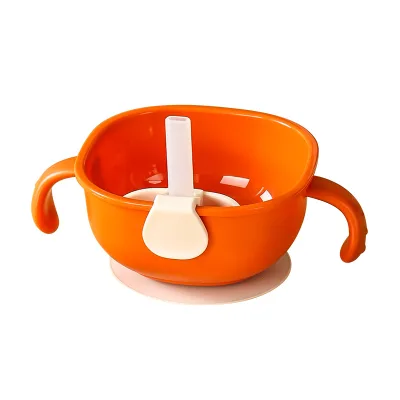
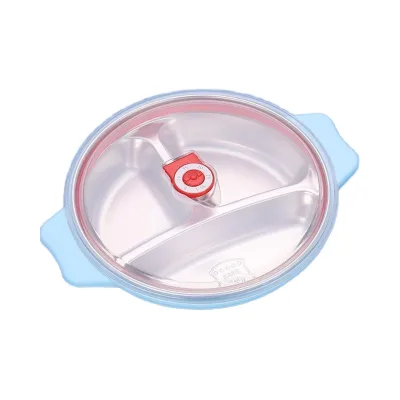
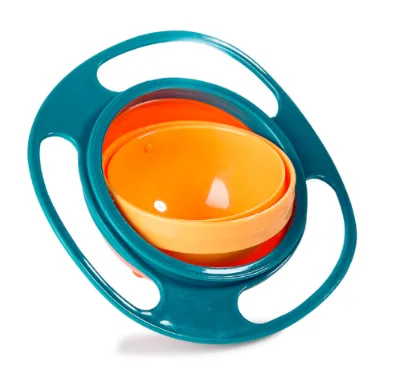
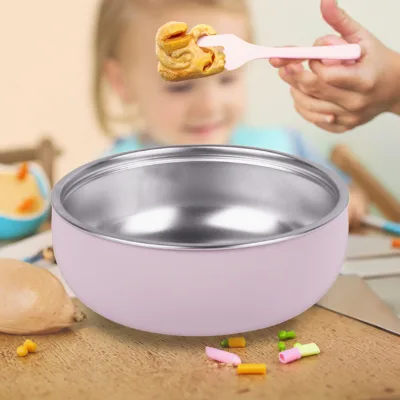
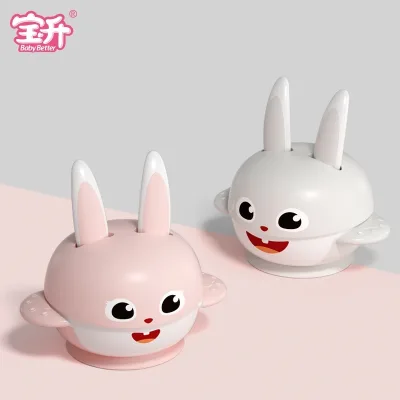
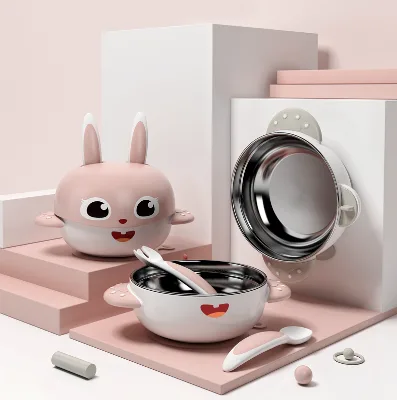
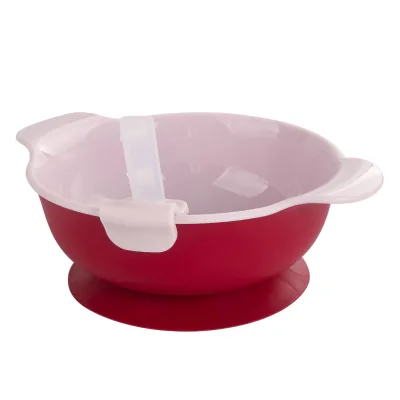
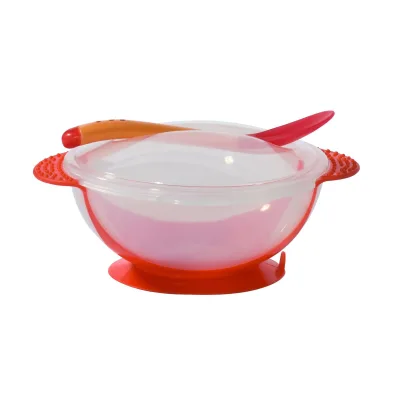
In contrast, suppliers located in Zhejiang, China, present a different operational profile, often combining manufacturer and trading company roles to supply items like baby carriers and feeding bowls made from materials such as PP and stainless steel. The data reveals that some Zhejiang-based entities focus on specific product lines like baby feeding bowls with suction bases or cartoon patterns, while others in Guangdong specialize in a broader array of baby feeding accessories including bottles, nipples, and teething toys. Buyers should verify if a supplier's primary output aligns with their specific material needs, as the distinction between a pure silicone manufacturer and a general plastic injection factory can significantly impact product quality and customization capabilities.
How to Verify BPA Free Baby Feeding Bowl Suppliers
Verification of supplier credibility for BPA Free Baby Feeding Bowl products requires a rigorous check of system certifications and third-party audit results. The available data highlights that reputable suppliers often hold multiple certifications, including ISO 9001, ISO 13485 for medical devices, and BSCI for social compliance. Some suppliers have undergone verification by TUVRHEINLAND, which serves as a concrete indicator of their operational stability and adherence to international safety standards. Buyers must confirm that these certifications are current and specifically cover the production of food-contact materials, as general manufacturing certifications may not guarantee the safety of silicone or plastic components intended for infants.
Beyond certifications, buyers should assess the supplier's response time and verification status to gauge their reliability and communication efficiency. The observed response times vary, with some suppliers demonstrating rapid engagement within two hours, while others may take over ten hours to reply. A fast response time often correlates with a dedicated sales team and efficient internal processes, which is crucial for resolving technical queries regarding material safety or customization details. Additionally, checking if a supplier is marked as verified by a recognized third party provides an extra layer of assurance that the company exists and operates as claimed, reducing the risk of engaging with fraudulent entities that might promise BPA-free materials without the necessary testing infrastructure.
What to Compare Across BPA Free Baby Feeding Bowl Suppliers
When evaluating potential partners, buyers must compare key operational metrics such as lead times, minimum order quantities, and response speeds to determine the best fit for their supply chain. The data shows significant variation in lead times, with some suppliers listing a standard production window of 23 days, while others indicate a lead time of zero days, suggesting immediate availability or a drop-shipping model. Minimum order quantities also differ widely, ranging from as low as 20 pieces for certain customized designs to 3,000 pieces for standard food-grade suction bowls. Understanding these thresholds is essential for aligning supplier capabilities with the buyer's inventory strategy and budget constraints.
Price and customization options represent another critical dimension for comparison across the supplier base. Product listings indicate price ranges that can vary from $0.10 to $2.64 per unit depending on the material, design complexity, and order volume. Suppliers offering OEM and ODM services allow for branding and design modifications, which is vital for companies seeking unique market differentiation. However, buyers must verify if the low price points correspond to the required material standards, such as FDA or SGS certification, rather than generic plastic. Comparing the specific attributes of the product, such as weight, dimensions, and packaging, ensures that the selected supplier can meet the precise technical specifications required for the target market.
Common BPA Free Baby Feeding Bowl Sourcing Risks
One of the primary risks in sourcing BPA Free Baby Feeding Bowl products involves the discrepancy between claimed material safety and actual product composition. While many suppliers list attributes like "BPA Free" and "FDA Certified," buyers must be cautious of generic claims that may not apply to the specific batch or model being ordered. Some product evidence suggests materials like PP or stainless steel are used, which are inherently safer, but silicone components require specific testing to ensure they do not contain harmful plasticizers. Without verified test reports for every production run, there is a risk that the final product may not meet the strict safety standards required for infant feeding, potentially leading to regulatory non-compliance or brand damage.
Another significant risk relates to the inconsistency in production capacity and quality control across different supplier types. The data indicates that some suppliers operate as trading companies, which may outsource production to third-party factories without direct oversight, whereas others are manufacturers with their own facilities. This distinction affects the ability to enforce quality standards and manage defects. Furthermore, the variation in response times and lead times suggests that some suppliers may struggle with capacity planning, leading to delays that disrupt the buyer's market launch. Buyers should prioritize suppliers with clear evidence of their own manufacturing capabilities and robust quality assurance processes to mitigate these operational risks.
BPA Free Baby Feeding Bowl Regional Sourcing and Logistics
Sourcing BPA Free Baby Feeding Bowl products from China involves navigating logistics from specific regional hubs that influence shipping costs and delivery times. The evidence points to major manufacturing clusters in Fujian, Zhejiang, and Guangdong, each offering distinct logistical advantages. Suppliers in Xiamen, Fujian, are well-positioned for export via the nearby port, while Zhejiang-based factories often serve the eastern coastal logistics network. Buyers should verify the specific place of origin listed on product details, as this determines the actual shipping route and potential transit times. Understanding the regional distribution of suppliers helps in selecting partners that minimize freight costs and reduce the overall lead time from order placement to delivery.
Logistics planning must also account for the packaging specifications provided by suppliers, which can impact shipping efficiency and product safety. Product attributes indicate that items are often packed in plastic bags or customized packaging, with dimensions varying significantly based on the product model. For instance, some bowls are packed individually in small boxes, while others may be bulk-packed to reduce volume. Buyers need to calculate the total shipping volume based on these specifications to optimize container loading and reduce per-unit freight costs. Additionally, verifying the supplier's experience with international shipping and their ability to handle customs documentation is crucial, especially when sourcing from multiple regions within China to ensure a seamless supply chain.
BPA Free Baby Feeding Bowl Commercial Terms and Order Planning
Commercial terms for BPA Free Baby Feeding Bowl orders often include specific payment structures and customization requirements that buyers must plan for carefully. The data reveals that some suppliers require a 30% deposit followed by a 70% balance before shipment, a standard practice that protects both parties but requires careful cash flow management. Buyers should also note the minimum order quantities, which can range from 20 pieces for small trials to 3,000 pieces for mass production. Understanding these financial and volume thresholds is essential for negotiating favorable terms and ensuring that the order size aligns with the supplier's production capabilities and the buyer's market demand.
Order planning must also consider the sample lead times and customization availability to ensure timely product development. Evidence shows that sample times can range from 5 to 7 days, which is a critical factor in the product development cycle. Suppliers offering customized logos and packaging allow for brand differentiation, but these services often require additional time and coordination. Buyers should verify the sample approval process and the timeline for mass production after sample confirmation to avoid delays. Additionally, checking the supplier's capacity for OEM and ODM services ensures that they can handle the specific design and branding requirements of the BPA Free Baby Feeding Bowl line, facilitating a smoother transition from prototype to full-scale production.
FAQs
What certifications do BPA free baby feeding bowls have?
Suppliers offer bowls with FDA, SGS, En71, and En14350 certifications. Some manufacturers also hold ISO 9001, ISO 13485, and BSCI system certifications. These standards ensure the materials meet safety requirements for infant use and food contact applications globally.
What is the minimum order quantity for silicone baby bowls?
Minimum order quantities vary significantly by supplier and material. Some vendors require 1000 pieces for silicone products, while others accept orders as low as 20 pieces for specific models. Buyers should verify the exact MOQ before placing an order to ensure feasibility.
How long does it take to receive samples of baby bowls?
Sample preparation typically takes between five to seven days for most suppliers. This timeframe allows for quality checks and packaging preparation. Buyers should confirm specific sample lead times with the manufacturer, as some may offer expedited options depending on current production capacity.
Where are BPA free baby feeding bowls manufactured?
Manufacturing locations include Fujian, Zhejiang, and Guangdong provinces in China. Specific products originate from cities like Xiamen. Buyers can filter results by these regions to find suppliers with established production facilities and logistics networks for efficient shipping.
What materials are used for BPA free baby feeding bowls?
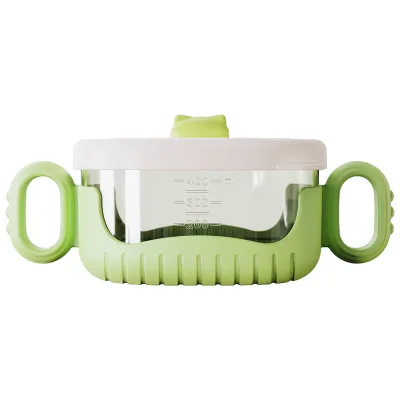
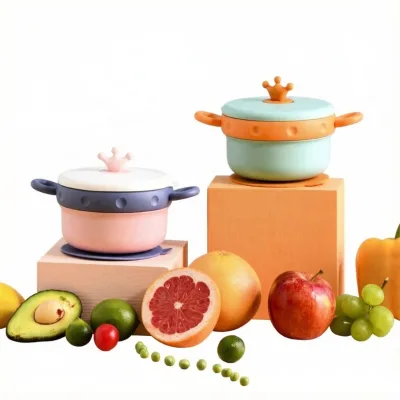
Common materials include food-grade silicone, polypropylene, and stainless steel. Some products combine PP with stainless steel for durability. All listed items are explicitly marked as BPA free to ensure safety for infants and toddlers during feeding sessions.
Do suppliers offer customization for baby feeding bowls?
Yes, customization is available for many products including logos, colors, and packaging. Suppliers accept OEM and ODM requests for branding. Buyers can specify custom colors like yellow, green, or purple, and request tailored packaging solutions to match their brand identity.
What is the price range for BPA free baby feeding bowls?
Prices range from approximately 0.10 to 2.64 per unit depending on material and order volume. Silicone and stainless steel options generally fall within this bracket. Bulk orders often secure lower unit costs, making it essential to compare pricing tiers across different suppliers.