BPA Free Breastmilk Storage Bags Suppliers and Manufacturers
Source BPA Free Breastmilk Storage Bags from 25 suppliers and compare grounded dimensions including location, lead time, minimum order quantity, certifications, and customization options. Review product specifications for material, sealing type, and pricing, then request samples to verify quality before placing an order.
Updated
Suppliers List

Shenzhen Rundongyang Plastic Hardware Co., Ltd.
- Verified by SGS
- Manufacturer/Factory
- China Guangdong
- Lead time23 days
- Avg. response≤ 4h
Main productsStand up Pouch, Mailing Bag, Clothing Zipper Bag, Breast Milk Storage Bag, Pet Poop Bag
Main marketsSouth America,Eastern Europe,Mid East,North America,Southeast Asia,Oceania,Western Europe

- Combined
- China Shandong
- Lead time15 days
- Avg. response≤ 8h
Main productsMirror, Silver Mirror, Beveled Mirror, Mirror Glass, Glass Mirror, Lacquered Glass, Back Painted Glass, Frosted Glass, Solar Mirror, Safety Mirror
Main marketsEurope,Australia,North America

Shantou Weiyi Packaging Co., Ltd.
- Verified by SGS
- Combined
- China Guangdong
- Lead time15 days
- Avg. response≤ 10h
Main productsSpout Pouch, Coffee Bag, Food Packaging Bag, Packaging Film, Stand up Pouch, Zipper Bag, Plastic Bag, Tea Bag, Aluminum Foil Bag, Packaging Bag
Main marketsSoutheast Asia/ Mideast,Domestic


Custom Printed BPA Free Pre-Sterilized Breastmilk Stand up Pouch Plastic Breast Milk Storage Bags
$0.025 - $0.08
MOQ: 1000 Pieces

Custom Standing Upright Babies Milk Powder Double Zipper BPA Free Breast Milk Storage Bag
$0.025 - $0.08
MOQ: 1000 Pieces


Zhuhai Fat Boy Baby Care Co., Ltd.
- Manufacturer, Trading Company
- Guangdong, China
- Lead time15 days
- Avg. response≤ 8h
Main productsBaby Products,baby feeding bottle,pacifier,teether,sipper cup
Main marketsDomestic Market(50.00%), Mid East(10.00%), Southeast Asia(10.00%), North America(5.00%), Eastern Asia(5.00%), Eastern Europe(5.00%), Oceania(5.00%), Africa(5.00%), South America(5.00%), Western Europe(1.00%), South Asia(1.00%), Southern Europe(1.00%), Northern Europe(1.00%), Central America(1.00%)
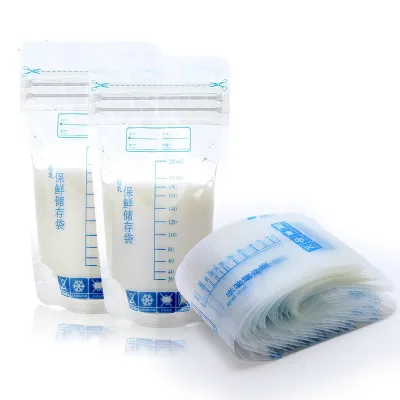
BPA Free Breast Milk Storage Bag ECO Friendly Baby Feeding Supplies Milk Storage Bags
$0.0822 - $0.1438
MOQ: 100 pieces
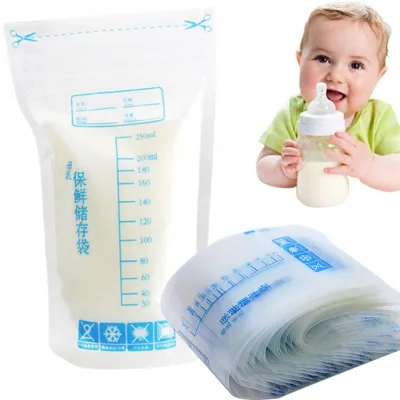
Double Layer Milk Storage Bags with Zipper Stand-Up Design Pre-Sterilized for Convenient Storage
$0.1342 - $0.1557
MOQ: 100 pieces

Dongguan Fuhehu Packaging Co., Ltd
- Verified by SGS
- Trading Company,Manufacturer/Factory
- China Guangdong
- Lead time15 days
- Avg. response≤ 25h
Main productsCoffee Bag, Stand up Pouch, Flat Bottom Pouch, Mylar Pouch, Quad Seal Bag, Aluminum Foil Bag, Spout Pouch, Vacuum Bag, Food Packaging Bag, Back Seal Bag
Main marketsSouth America,Eastern Europe,Mid East,North America,Southeast Asia,Eastern Asia,Oceania,Western Europe,Africa

Kingsun Baby Products Co., Ltd.
- Verified by TUVRHEINLAND
- Trading Company,Manufacturer/Factory
- China Guangdong
- Lead time23 days
- Avg. response≤ 5h
Main productsBaby Bottle, Nipple, Pacifier, Breast Pump, Teethers, Baby Water Bottle, Nasal Aspirator, Baby Dinner Set, Baby Products, Feeding Accessories
Main marketsSouth America,Eastern Europe,Mid East,North America,Southeast Asia,Oceania,Western Europe,Africa
Yantai Bagmart Packaging Co., Ltd.
- Verified by SGS Group
- Manufacturer, Trading Company
- Lead time0 days
- Avg. response≤ 8h
Main productsPlastic Packaging Bag, Injection molded products
Main marketsNorth America(27%), Eastern Asia(15%), Western Europe(15%)
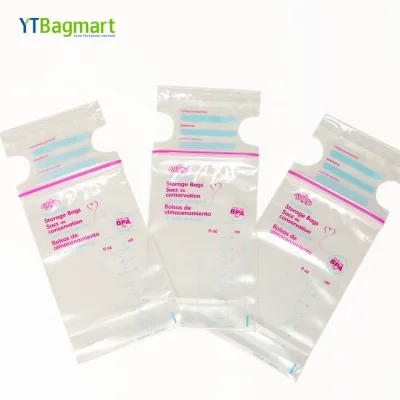
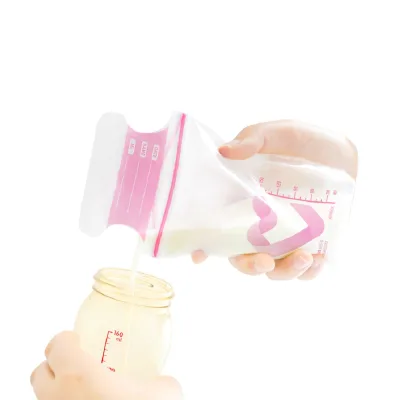
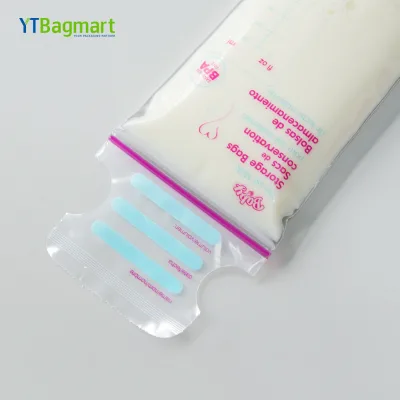
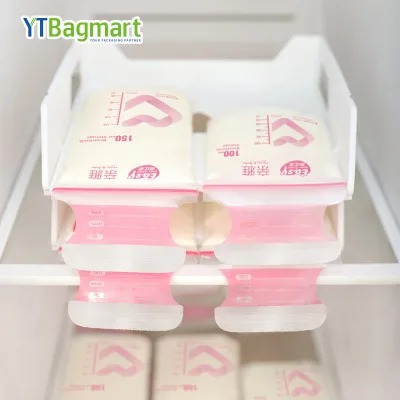
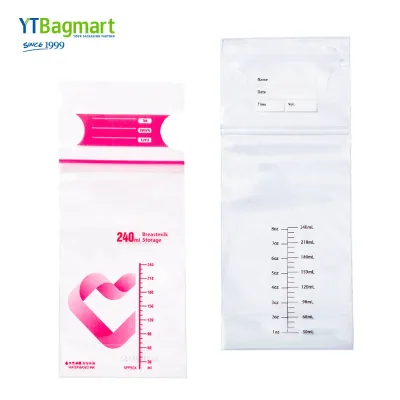
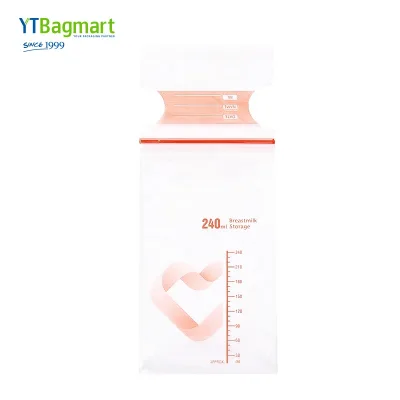
Plastic Packaging Breast Milk Storage Bags Ready to Use Breast Milk Storage Pouch
$0.05 - $0.07
MOQ: 100000

Ullwin (Shanghai) Industrial Co., Ltd
- Verified by SGS
- Trading Company
- China Shanghai
- Lead time30 days
- Avg. response≤ 12h
Main productsMedical & Health Care Products, Cosmetic Packaging
Main marketsSouth America,Africa,Southeast Asia/ Mideast,East Asia(Japan/ South Korea),Europe,Australia,North America

BPA-Free Breastmilk Storage Bags, Disposable Milk Storage Bags for Refrigeration & Freezing
$0.04 - $0.06
MOQ: 100000 Pieces

Breast Milk Storage Bags, BPA-Free Leak-Proof Milk Storage Bags for Breastfeeding
$0.04 - $0.06
MOQ: 100000 Pieces

Health Milk Freeze Bags for Breast Milk Storage Bags Breast Milk Storage
$0.04 - $0.06
MOQ: 100000 Pieces


Breastmilk Storage Bag, Milk Storing Bag for Breast Feeding, Presterilized, Hygienically
$0.04 - $0.06
MOQ: 100000 Pieces

Breastmilk Storage Bags, Milk Freezer Bags for Long Term Breastfeeding Storage
$0.04 - $0.06
MOQ: 100000 Pieces

Jiangxi Yixing Packaging Co., Ltd.
- Verified by BV
- Combined
- China Jiangxi
- Lead time23 days
- Avg. response≤ 11h
Main productsPackaging Bag, Packaging Film, Packaging Machine, Spout Pouch, Stand up Pouch, Coffee Bag, Paper Bag, Paper Box, Back Sealing Bag, Special-Shaped Bag
Main marketsSouth America,Africa,Southeast Asia/ Mideast,East Asia(Japan/ South Korea),Europe,Australia,North America

Yixing Pack Stand up Breastmilk Storage Bags, Pre-Sterilized and BPA Free Breast Milk Storage Bags
$0.02 - $0.06
MOQ: 20000 Pieces

Custom BPA Free Stand up Breast Milk Storage Bag with Temperature Indicator
$0.02 - $0.06
MOQ: 20000 Pieces


$0.02 - $0.06
MOQ: 20000 Pieces

$0.02 - $0.06
MOQ: 20000 Pieces

Jiangxi Partner Home Co., Ltd.
- Manufacturer, Trading Company
- Jiangxi, China
- Lead time5 days
- Avg. response≤ 2h
Main productsBreastfeeding,Breast care,Breast pump accessories,Baby feeding,Maternity Supplies
Main marketsNorth America(30.00%), Western Europe(20.00%), Southeast Asia(20.00%), Oceania(10.00%), South Asia(5.00%), Eastern Europe(5.00%), Mid East(5.00%), South America(5.00%)
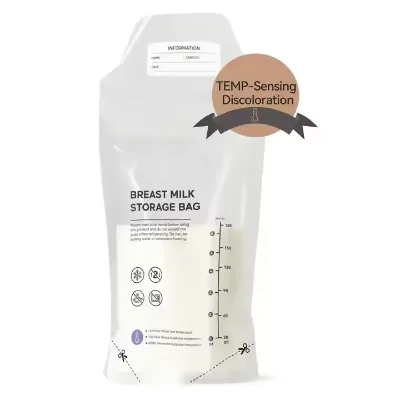
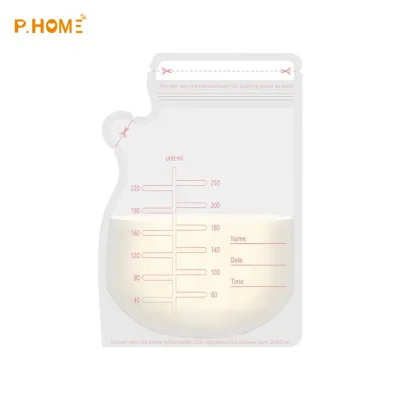
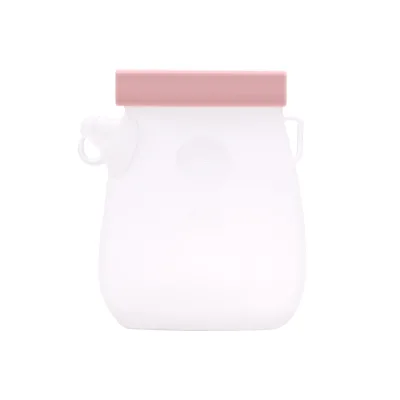
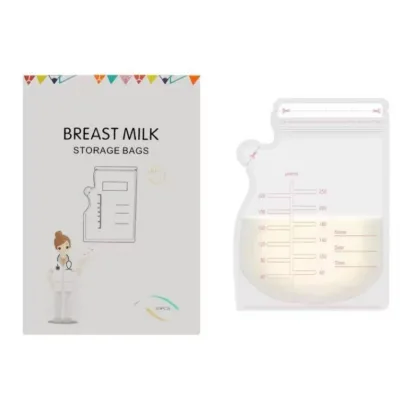
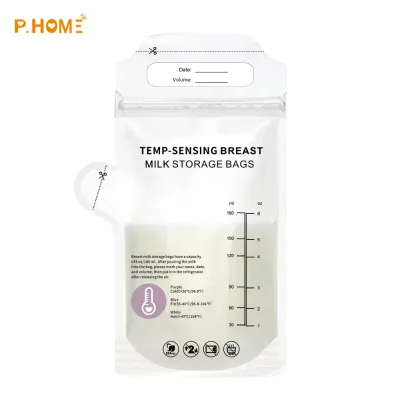
$1.241 - $1.5509
MOQ: 50 pieces
- Verified by SGS Group
- Trading Company
- Lead time25 days
- Avg. response≤ 3h
Main productsDigital Thermometer, Blood Pressure Monitor, Blood Glucose Meter, Wheelchair/ Walking Aids
Main marketsSouth America(30%), Africa(20%), Mid East(20%)
Zhejiang Inpack New Material Co., Ltd.
- Verified by TüVRheinland
- Manufacturer, Trading Company
- Lead time20 days
- Avg. response≤ 2h
Main productsBreast Milk Bag, Vacuum Sealer Bag, Sandwich Ziplock Bag, Vacuum Sealer Roll Film, Liquid Stand Up Pouch
Main marketsDomestic Market(50%), Southeast Asia(16%), North America(10%)
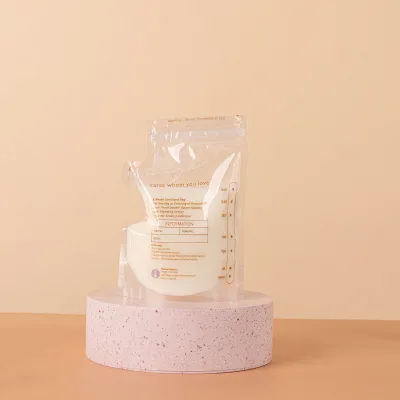
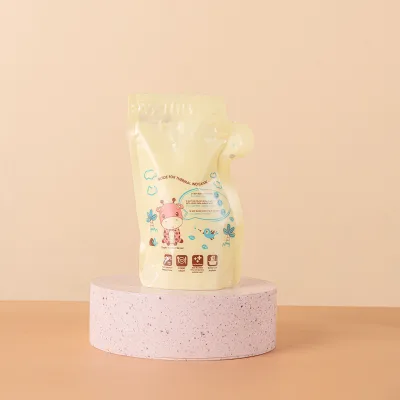
Custom Logo 30 Counts 200 ML Leak Proof Zipper Seal Breastmilk Breast Milk Storage Bag
$0.02 - $0.03
MOQ: 60000
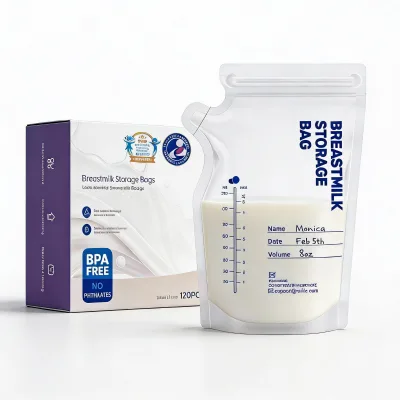
Reinforced Seam Breastmilk Storage Bag, Prevents Bursting and Leakage, Heavy Duty
$0.02 - $0.03
MOQ: 60000
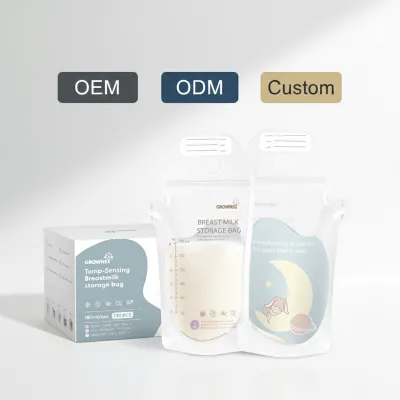
Breastmilk Storage Bags, Temp-Sensing Zero-Pollution Milk Storing Bag for Breastfeeding
$0.02 - $0.03
MOQ: 60000
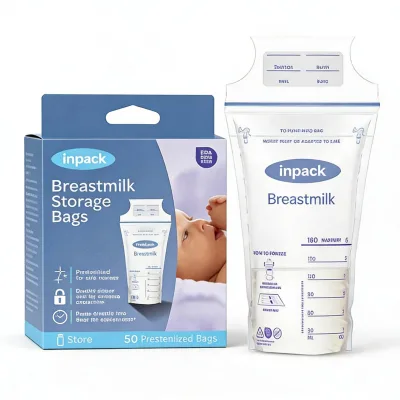
Extra Thick Breast Milk Storage Bag, Puncture Resistant Material for Secure Storage
$0.02 - $0.03
MOQ: 60000
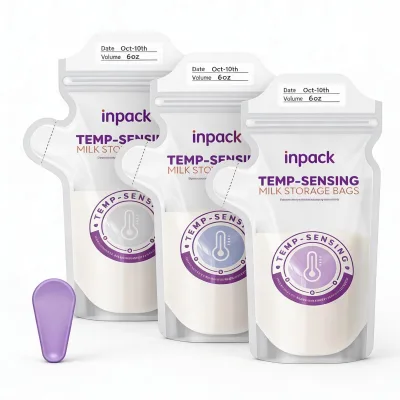
Custom Breast Milk Storage Bag, OEM/ODM Service with Your Brand Design, Free Samples
$0.0208 - $0.0312
MOQ: 60000 pieces
Anhui Inpack New Material Co., Ltd.
- Verified by TüVRheinland
- Manufacturer, Trading Company
- Lead time18 days
- Avg. response≤ 2h
Main productsBreast Milk Bag, Vacuum Sealer Bag, Sandwich Ziplock Bag, Vacuum Sealer Roll Film, Liquid Stand Up Pouch
Main marketsSoutheast Asia(26%), Domestic Market(18%), North America(15%)

Shenzhen Color Life Lighting Co., Ltd
- Trading Company
- China Guangdong
- Lead time15 days
- Avg. response≤ 4h
Main productsLED Beauty Mask, LED Silicone Facial Mask, Slow Feeder Silicone Bowl, Silicone Bath Toys, Silicone Pet Use Accessories, Silicone Stacking Toy, Silicone Baby Plate, Silicone Pet Bowl, LED Silicone Face Mask, Red Light Therapy Mask
Main marketsSoutheast Asia/ Mideast,East Asia(Japan/ South Korea),Europe,Australia,North America

Reusable Silicone Breastmilk Storage Bag BPA Free Breast Milk Freezer Storage Bag
$1.75 - $1.80
MOQ: 1 Sets

Richer EcoPack (Xiamen) Co., Ltd.
- Verified by TüVRheinland
- Trading Company
- Fujian, China
- Lead time30 days
- Avg. response≤ 3h
Main productsPackaging Bags, Biodegradable Lunch Box, Paper Box
Main marketsOceania(31%), North America(21%), South America(15%)
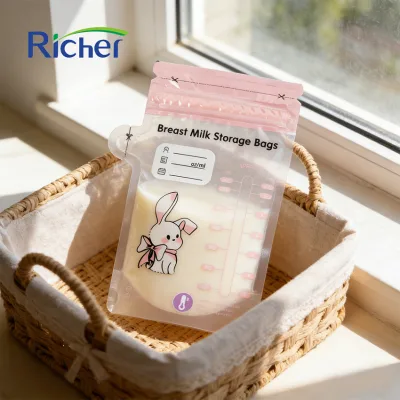
Reliable BPA Free Milk Storage Bag for Secure Breast Milk Freezing and Daily Feeding Use
$0.05 - $0.15
MOQ: 30000
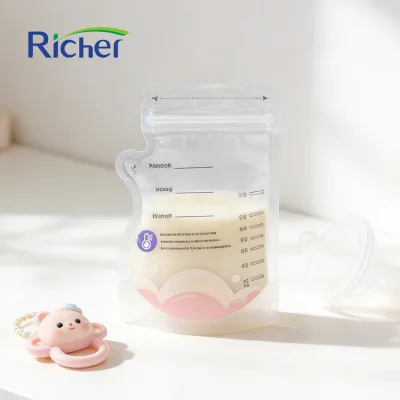
Eco Friendly Temperature Ring Milk Storage Bag for Breast Milk Monitoring and Fresh Storage
$0.05 - $0.15
MOQ: 30000
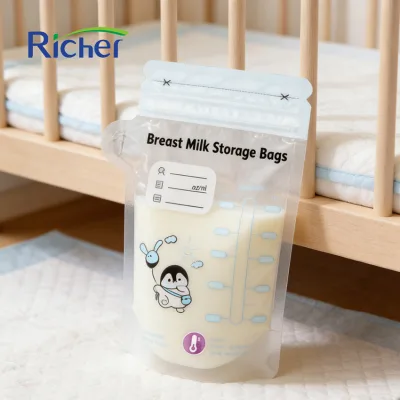
Professional Leakproof Milk Storage Bag for Breast Milk Storage and Convenient Pouring Use
$0.05 - $0.15
MOQ: 30000
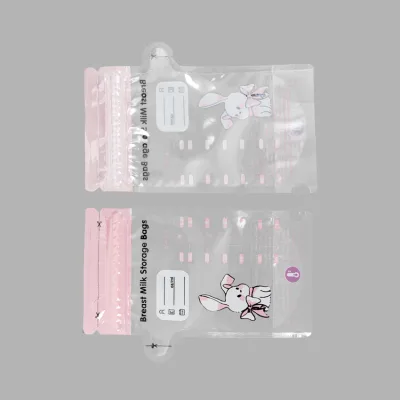
Factory Price 400ml Large Size Milk Storage Bag for High Capacity Lactation Storage
$0.05 - $0.15
MOQ: 30000

- Verified by SGS
- Combined
- China Fujian
- Lead time15 days
- Avg. response≤ 1h
Main productsSilicone Keypad, Silicone Toy, Silicone Band, Silicone Pipe, Silicone Mouthguard, Silicone Handle
Main marketsAfrica


Premium Silicone Food Storage Bag for Safe Breast Milk Storage Baby Complementary Food Bag
$1.73 - $1.78
MOQ: 1000 Pieces

Shenzhen Jihe Technology Co., Ltd.
- Manufacturer, Trading Company
- Guangdong, China
- Lead time5 days
- Avg. response≤ 3h
Main productsArts Crafts & DIY Toys,Educational Toys,Outdoor Toys & Structures,silicone baby dinning,Puzzle & Games
Main marketsWestern Europe(25.00%), Eastern Europe(20.00%), North America(20.00%), South America(10.00%), Northern Europe(10.00%), Southern Europe(9.00%), Southeast Asia(5.00%), Mid East(1.00%)
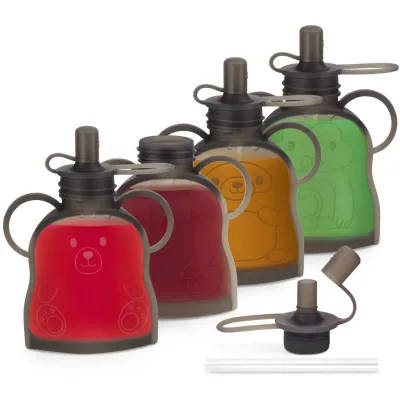
Customized Handheld Frozen Milk Bag, Reusable Silicone Breast Milk Storage Bags, BPA Free
$1.29 - $1.99
MOQ: 500 pieces
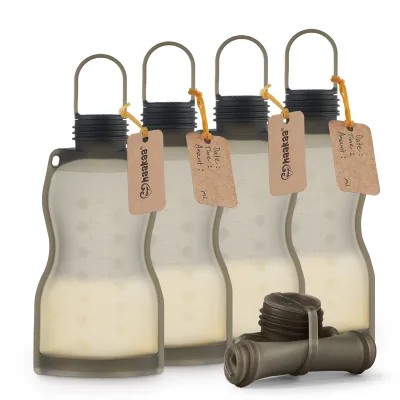
Chongqing Fullz Technology Co., Ltd.
- Verified by SGS Group
- Manufacturer, Trading Company
- Lead time15 days
- Avg. response≤ 3h
Main productsBreast Pump, Baby Bottle Warmers, Milk Storage Bag, Baby Pacifier, Mommy Backpack
Main marketsWestern Europe(50%), Southeast Asia(30%), North America(10%)
Shenzhen Kean Silicone Product Co., Ltd.
- Verified by SGS Group
- Manufacturer, Trading Company
- Lead time7 days
- Avg. response≤ 2h
Main productsDog Water Bottle, Collapsible Water Bottle, Baby Feeding Set, Food Storage Bag, Travel Bottle
Main marketsNorth America(36%), Western Europe(26%), Domestic Market(15%)
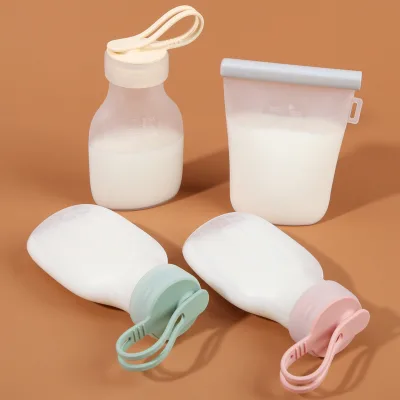
$3.4835 - $4.2754
MOQ: 100 pieces
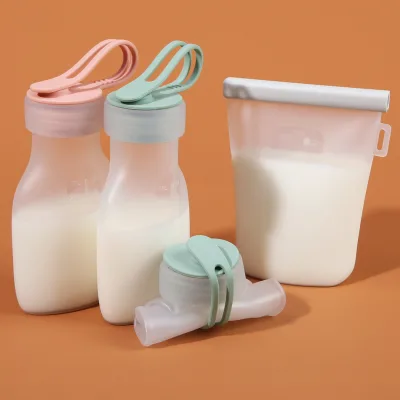
$2.2814 - $2.497
MOQ: 100 pieces

Shenzhen Kingod Silicone Products Co., Ltd
- Verified by TUVRHEINLAND
- Combined
- China Guangdong
- Lead time15 days
- Avg. response≤ 2h
Main productsBaby Set, Baby Products, Baby Goods, Breast Pump, Face Mask, Baby Bottle, Medical Components, Phone Case, Silicone Kitchen Products, Toys
Main marketsNorth America
Changzhou Dailys Care Products Co., Ltd.
- Verified by TüVRheinland
- Manufacturer, Trading Company
- Lead time15 days
- Avg. response≤ 2h
Main productsDisposable Hygiene Products
Main marketsDomestic Market(30%), North America(20%), Southeast Asia(10%)

Dongguan Chenghua Industrial Co., Ltd.
- Verified by BV
- Manufacturer/Factory
- China Guangdong
- Lead time23 days
- Avg. response≤ 4h
Main productsZiplock Bag, Biodegradable Bag, Aluminum Bag, Doypack, Zipper Bag, Food Bag, OPP Bags, Plastic Bags, Poly Bags, Specimen Bags
Main marketsSouth America,Eastern Europe,Mid East,North America,Southeast Asia,Eastern Asia,Oceania,Western Europe,Africa

BPA Free Pre Sterilized Breastfeeding Moms Baby Breast Milk Storage Ziplock Bag
$0.08 - $0.15
MOQ: 1000 Pieces

3 Zipper Resealable BPA Free Plastic Breast Milk Storage Packaging Ziplock Bag
$0.08 - $0.20
MOQ: 1000 Pieces


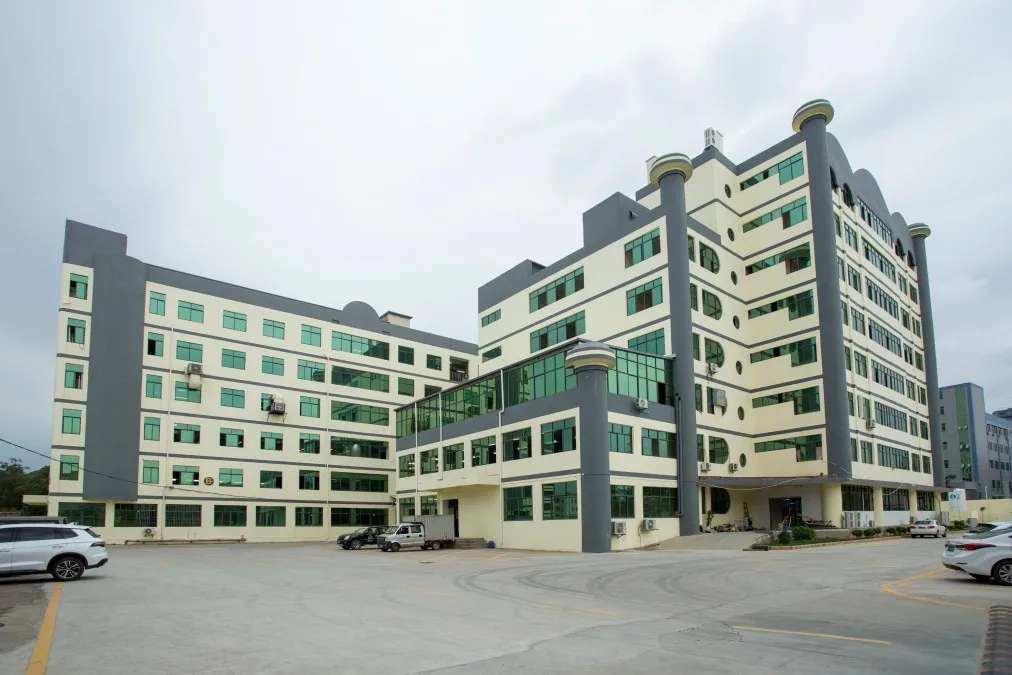
Dongguan High Join Packaging Co., Ltd.
- Manufacturer, Trading Company
- Guangdong, China
- Lead time20 days
- Avg. response≤ 2h
Main productsbreastmilk storage bag,microwave sterilizer bag,baby food pouch,milk powder storagebag,retort pouch
Main marketsDomestic Market(56.00%), North America(12.00%), Western Europe(6.00%), Eastern Europe(5.00%), Southeast Asia(4.00%), South America(4.00%), Mid East(4.00%), South Asia(3.00%), Northern Europe(2.00%), Southern Europe(2.00%), Africa(2.00%)
Shenzhen Kean Industry Co., Ltd.
- Verified by SGS Group
- Trading Company
- Lead time7 days
- Avg. response≤ 1h
Main productsDog Water Bottle, Baby Feeding Set, lce Roller For Face, Travel Bottle, Collapsible Water Bottle
Main marketsNorth America(56%), Western Europe(26%), Oceania(12%)
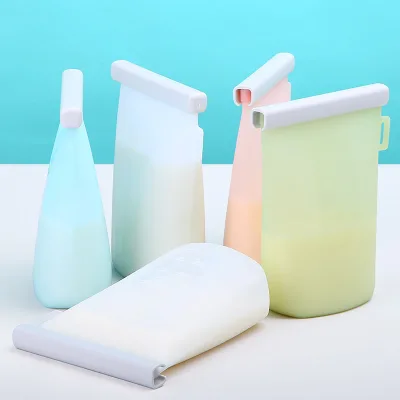
Space Saving Breast Milk Storage Bag Miracle Baby Storing Breast Milk in Bags
$1.741 - $3.0718
MOQ: 100 Minimum
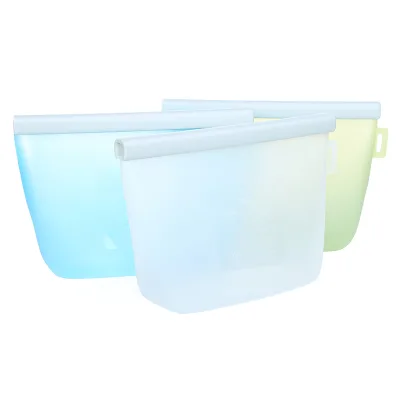

Shandong Tongshuo Packaging Products Co., Ltd.
- Verified by BV
- Trading Company
- China Shandong
- Lead time60 days
- Avg. response≤ 1h
Main marketsDomestic


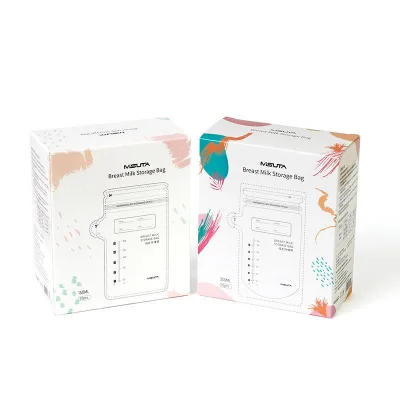
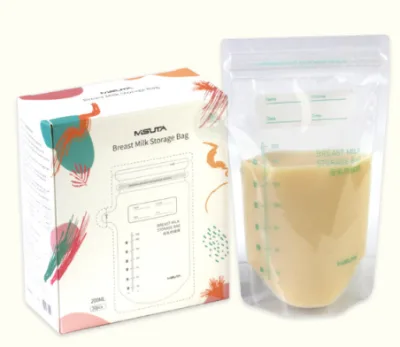
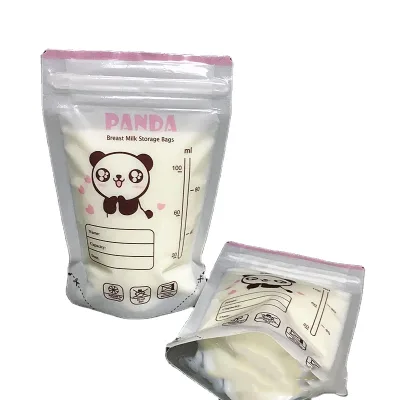
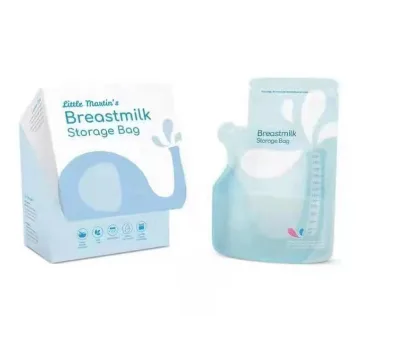
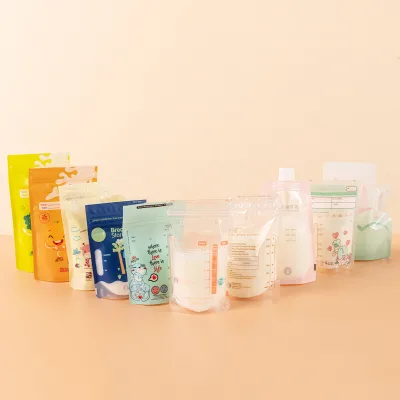
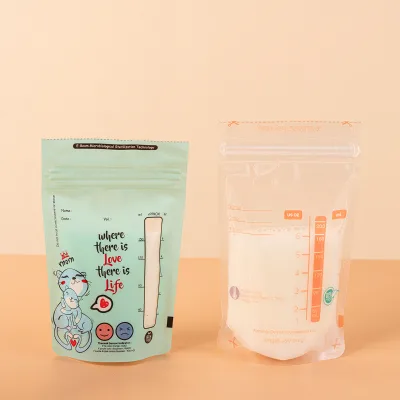
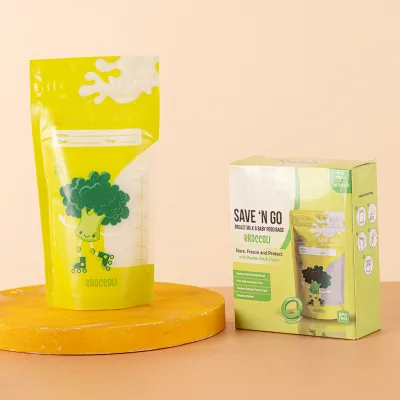
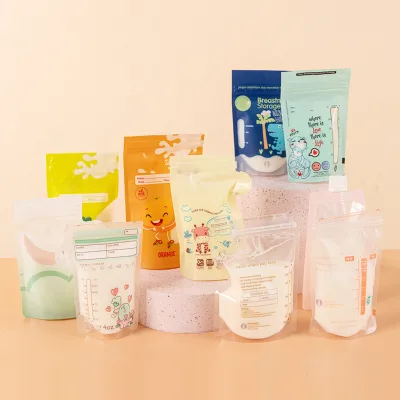
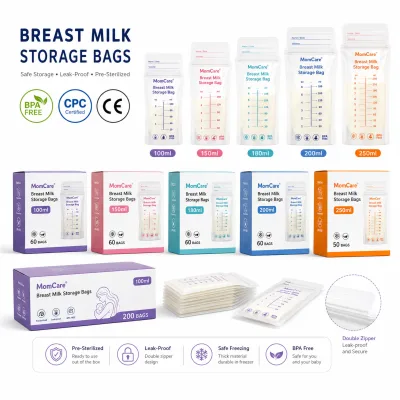




Comprehensive Sourcing Guide
BPA Free Breastmilk Storage Bags Supplier Concentration and Factory Types
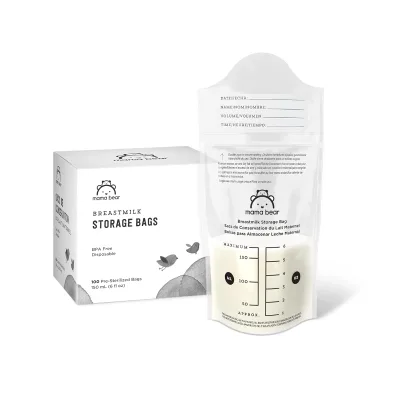
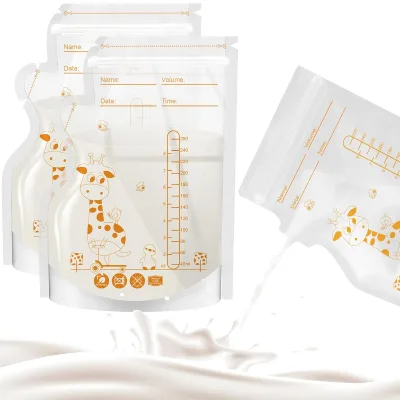
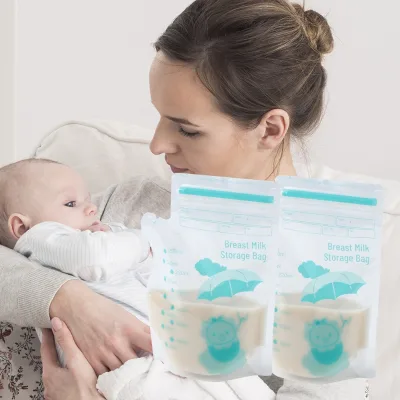
The current supplier landscape for BPA Free Breastmilk Storage Bags reveals a distinct geographic concentration in China, with specific manufacturing hubs identified in Guangdong and Shandong provinces. Suppliers located in Guangdong, such as those based in Shenzhen, often operate as dedicated manufacturers or factories, focusing heavily on plastic packaging solutions. These entities typically list main products that include stand-up pouches, mailing bags, and various zipper bags, indicating a strong capability in flexible packaging technology. The presence of ISO 9001 system certification among these Guangdong-based suppliers suggests a baseline commitment to quality management systems, which is critical for producing food-grade storage solutions. Buyers evaluating suppliers in this region should look for companies that explicitly state their company type as a manufacturer or factory, as this often correlates with direct control over the production process and raw material sourcing. The ability to offer OEM and ODM services is another key indicator of a factory’s flexibility, allowing buyers to customize bag dimensions, sealing mechanisms, and branding without relying on third-party trading companies.
In contrast, suppliers located in Shandong province may present a different operational profile, with some identifying as combined entities rather than pure manufacturers. These suppliers also demonstrate significant expertise in producing BPA Free Breastmilk Storage Bags, often highlighting features such as biodegradable materials, double zipper seals, and pre-sterilization capabilities. The certification landscape here includes ISO9001:2015 certificates, reinforcing the importance of verified quality standards across different regions. When assessing factory types, buyers must distinguish between pure manufacturing facilities and combined entities that may blend trading and production functions. Pure manufacturers often provide more transparent insights into their production lines, such as the use of multiple extrusion processes or specific plastic types like PE or laminated materials. However, combined entities might offer broader product ranges, including mirrors and glass products, which could indicate a diversified industrial base. Buyers should verify the actual manufacturing capacity by requesting details on their production equipment and raw material suppliers, ensuring that the entity claiming to be a factory has the physical infrastructure to support large-scale orders of breast milk storage bags.
How to Verify BPA Free Breastmilk Storage Bags Suppliers
Verifying the credibility of BPA Free Breastmilk Storage Bags suppliers requires a multi-layered approach that goes beyond basic company profiles. One critical step is to check for third-party verification badges, such as SGS verification, which provides an independent assessment of the supplier’s business legitimacy and operational capabilities. Buyers should also scrutinize system certifications, specifically looking for ISO 9001 or ISO9001:2015 certificates, which indicate that the supplier adheres to internationally recognized quality management standards. For products intended for infant use, verifying compliance with food safety standards is paramount; some suppliers explicitly mention FDA certification for their materials, which is a strong indicator of safety for breast milk storage. Additionally, buyers should request product evidence that includes detailed specifications, such as material composition (e.g., PE, PVC, or laminated materials), transparency levels, and waterproof performance. These details help confirm that the supplier is not just a reseller but has technical knowledge of the product’s physical properties and safety requirements.
Response time and communication efficiency are also vital indicators of a supplier’s reliability and professionalism. Suppliers with faster response times, such as those averaging around 3.42 hours, often demonstrate better customer service infrastructure and a higher likelihood of resolving issues promptly. Buyers should initiate contact with multiple suppliers to compare their responsiveness and the depth of their answers. It is also important to verify the supplier’s ability to provide samples, as many listings indicate that samples are available for quality assessment. Buyers should request samples to physically inspect the bag’s seal integrity, zipper durability, and material texture. Furthermore, checking the supplier’s main products list can reveal their specialization; a supplier focusing primarily on packaging bags is likely more specialized than one with a disparate product range. By combining verification of certifications, response metrics, and sample quality, buyers can build a robust profile of each supplier’s trustworthiness and capability to deliver safe, high-quality BPA Free Breastmilk Storage Bags.
What to Compare Across BPA Free Breastmilk Storage Bags Suppliers
When evaluating multiple suppliers for BPA Free Breastmilk Storage Bags, buyers must compare several key operational metrics to determine the best fit for their business needs. One of the most significant factors is the Minimum Order Quantity (MOQ), which can vary widely across suppliers. Some suppliers may require an MOQ of 1,000 units, making them suitable for smaller businesses or trial orders, while others may set the MOQ at 10,000 or even 30,000 units, catering to larger volume purchasers. Buyers should align their order volume with the supplier’s MOQ to avoid excessive inventory costs or production delays. Another critical comparison point is the lead time, which indicates how long it takes for the supplier to produce and ship the order. Suppliers with lead times around 15 to 23 days offer different flexibility levels, and buyers should consider their own supply chain timelines when making this comparison. Additionally, response time serves as a proxy for communication efficiency, with faster responses often correlating with better project management and issue resolution.
Price and customization options are also essential dimensions for comparison. The price range for these bags can vary, with some suppliers offering prices as low as $0.02 per unit and others charging up to $0.08 per unit, depending on material quality, customization complexity, and order volume. Buyers should request detailed quotes that break down costs based on material type, printing requirements, and packaging specifications. Customization availability is another key differentiator; some suppliers offer extensive customization options, including logo printing, custom sizes, and specific bag features like double zippers or heat seals. Buyers should assess the supplier’s ability to meet their specific branding and functional requirements. Furthermore, comparing the supplier’s main products can reveal their expertise; a supplier specializing in breast milk bags may offer more tailored solutions than a general packaging company. By systematically comparing MOQ, lead time, response speed, price, and customization capabilities, buyers can make an informed decision that balances cost, quality, and operational efficiency.
Common BPA Free Breastmilk Storage Bags Sourcing Risks
Sourcing BPA Free Breastmilk Storage Bags involves several inherent risks that buyers must proactively manage to ensure product safety and supply chain stability. One significant risk is the potential for material non-compliance, where the bags may not be truly BPA-free or may contain harmful chemicals not disclosed in the product listing. Buyers must verify material certifications, such as FDA approval, and request third-party lab test results to confirm the absence of harmful substances. Another risk is the inconsistency in product quality, particularly regarding the seal integrity and zipper durability. Poorly sealed bags can lead to leakage and contamination of breast milk, posing serious health risks to infants. Buyers should carefully review product attributes such as waterproof performance, moisture proof features, and sealing mechanisms to assess the likelihood of quality issues. Additionally, the risk of delayed shipments is prevalent, especially if the supplier has a long lead time or poor production management. Buyers should monitor the supplier’s response time and historical performance to gauge their reliability in meeting delivery deadlines.
Intellectual property and branding risks are also concerns, particularly for buyers seeking custom packaging. If a supplier lacks proper controls, there is a risk of design leakage or unauthorized production of branded bags. Buyers should ensure that their customization agreements include strict confidentiality clauses and quality control checkpoints. Furthermore, the risk of miscommunication regarding product specifications can lead to receiving incorrect orders, such as the wrong bag size, color, or material. To mitigate this, buyers should provide detailed technical specifications and request pre-production samples for approval. Another risk is the supplier’s financial stability, which can impact their ability to fulfill large orders. Buyers should verify the supplier’s business registration and financial health through third-party verification services. By identifying and addressing these risks through rigorous verification, clear communication, and contractual safeguards, buyers can protect their brand reputation and ensure the safety of the end product.
BPA Free Breastmilk Storage Bags Regional Sourcing and Logistics
Regional sourcing plays a crucial role in determining the logistics and cost structure for BPA Free Breastmilk Storage Bags. Suppliers located in China, particularly in Guangdong and Shandong provinces, offer distinct advantages in terms of manufacturing efficiency and supply chain maturity. Guangdong, with its hub in Shenzhen, is known for its advanced plastic packaging industry, providing buyers with access to high-quality materials and sophisticated production technologies. The proximity to major ports in this region can facilitate faster and more cost-effective shipping for international buyers. On the other hand, suppliers in Shandong may offer competitive pricing and specialized capabilities in biodegradable materials, catering to buyers with sustainability goals. Buyers should consider the geographic location of the supplier when planning their logistics, as it impacts shipping times, freight costs, and customs clearance procedures. Understanding the regional strengths of each supplier allows buyers to align their sourcing strategy with their specific product requirements and market demands.
Logistics planning also involves evaluating the supplier’s shipping options and packaging standards. Some suppliers offer flexible shipping methods, including sea freight, air express, and air cargo, allowing buyers to choose the most suitable option based on urgency and budget. Buyers should verify the supplier’s packaging standards, such as the use of PE bags and outer boxes, to ensure that the products are protected during transit. Additionally, buyers should consider the impact of regional trade policies and tariffs on their total landed cost. Suppliers with established export experience are often better equipped to handle documentation and compliance requirements, reducing the risk of delays at customs. By carefully assessing the regional sourcing advantages and logistics capabilities of each supplier, buyers can optimize their supply chain for efficiency, cost-effectiveness, and reliability. This strategic approach ensures that the BPA Free Breastmilk Storage Bags reach the market in optimal condition and within the desired timeframe.
BPA Free Breastmilk Storage Bags Commercial Terms and Order Planning
Effective order planning for BPA Free Breastmilk Storage Bags requires a thorough understanding of commercial terms and payment structures. Buyers should negotiate clear payment terms, such as deposits and balance payments, to manage cash flow and mitigate financial risk. It is essential to confirm the supplier’s accepted payment methods and any associated transaction fees. Additionally, buyers should establish clear delivery terms, including Incoterms, to define the responsibilities of both parties regarding shipping, insurance, and customs clearance. Understanding the supplier’s lead time and production capacity is crucial for accurate inventory planning and avoiding stockouts. Buyers should also discuss the process for handling defects or non-conforming products, including return policies and compensation mechanisms. By setting clear commercial terms and maintaining open communication, buyers can build a stable and mutually beneficial relationship with their suppliers.
Order planning also involves forecasting demand and aligning production schedules with market needs. Buyers should provide accurate sales forecasts to their suppliers to ensure timely production and delivery. Regular communication with the supplier regarding order status and potential delays is essential for proactive problem-solving. Buyers should also consider the supplier’s ability to scale production up or down based on fluctuating demand. Establishing a long-term partnership with a reliable supplier can provide stability and consistency in product quality and pricing. By carefully managing commercial terms and order planning, buyers can optimize their supply chain operations, reduce costs, and enhance customer satisfaction. This strategic approach ensures that the BPA Free Breastmilk Storage Bags are available when needed, supporting the buyer’s business growth and market competitiveness.
FAQs
What is the price range for BPA Free Breastmilk Storage Bags?
Prices typically range from $0.02 to $0.08 per unit depending on material and customization. Some suppliers offer rates as low as $0.03 for standard orders. Costs vary based on volume, with higher quantities often securing better pricing tiers for bulk procurement needs.
What is the minimum order quantity for these bags?
Minimum order quantities vary significantly by supplier. Some manufacturers require as few as 1,000 units, while others set the threshold at 3,000 or even 10,000 pieces. Buyers should verify specific MOQs with each vendor to align with their initial inventory requirements.
How long does production take for custom orders?
Lead times generally range from 15 to 23 days for standard production runs. Some suppliers promise delivery within two weeks once the deposit is received. Buyers should confirm exact timelines with the manufacturer, as custom designs or high-volume orders may extend these periods.
Are these bags certified for food safety?
Many suppliers hold ISO 9001 certification and verify products through SGS. Specific products may carry FDA certification for food contact safety. Buyers should request current certificates to ensure compliance with local regulations and confirm that materials are truly BPA-free and safe for infants.
Can I customize the logo and packaging design?
Customization is widely available, including logo printing, color selection, and bag size adjustments. Suppliers accept custom orders for branding and packaging. Buyers can request specific designs, with options for gravure printing or other surface handling techniques to meet unique marketing and branding requirements.
Where are these manufacturers located?
Manufacturers are primarily located in China, with facilities in Guangdong and Shandong provinces. Shenzhen is also noted as a production origin for some suppliers. Buyers can source directly from these regions, considering logistics and shipping options when evaluating potential suppliers for their orders.
What materials are used for these storage bags?
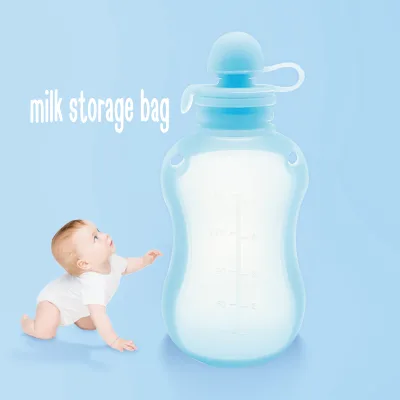
Common materials include PVC, PE, and laminated materials. Some bags are made from biodegradable or PLA materials for eco-friendly options. Buyers should specify their material preference, as options range from standard plastic to moisture-proof, recyclable, or bio-degradable variants depending on the supplier.