breathable eco-friendly cotton baby jumpsuit Suppliers and Manufacturers
Source breathable eco-friendly cotton baby jumpsuit from 26 verified suppliers in China Hebei. Compare key dimensions including lead times, MOQs, and customization options to find the right partner. Review product details and request quotes to streamline your sourcing process; review the available evidence before requesting comparable quotations from suitable candidates.
Updated
Suppliers List

Shijiazhuang Cool Apparel Co., Ltd.
- Verified by BV
- Combined
- China Hebei
- Lead time23 days
- Avg. response≤ 7h
Main productsBaby Cloth, Baby Romper, Baby Bib, Baby Onesie, Baby Pajamas, T-Shirts, Polo Shirts, Pajamas, Baby Sleeping Bag, Baby Hats
Main marketsSouth America,Africa,Southeast Asia/ Mideast,East Asia(Japan/ South Korea),Domestic,Europe,Australia,North America


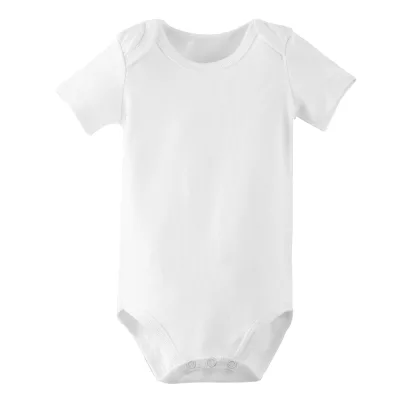
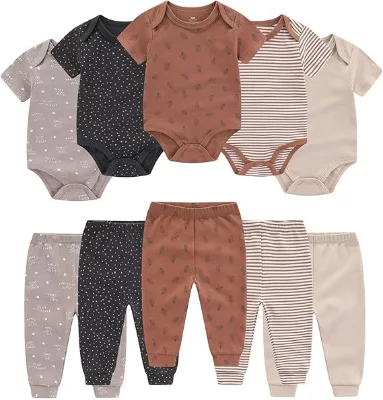
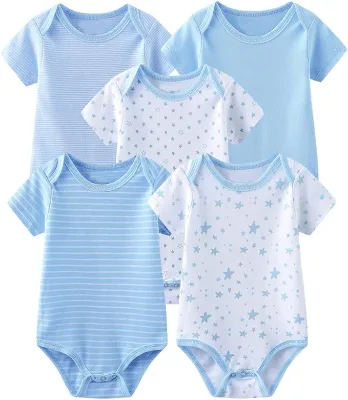
Customization Cotton Spandex Short Puff Sleeve Baby Bodysuits Jumpsuit Baby Rompers
$3.25 - $3.55
MOQ: 200 Pieces


Dongguan JF Clothing Co., Ltd.
- Manufacturer, Trading Company
- Guangdong, China
- Lead time30 days
- Avg. response≤ 13h
Main productsChildren Clothes,Girl dress,Baby Wear,Teenage wear,School Uniform
Main marketsNorth America(50.00%), Oceania(10.00%), Mid East(10.00%), South America(10.00%), Domestic Market(5.00%), Northern Europe(5.00%), Western Europe(5.00%), Eastern Europe(5.00%)
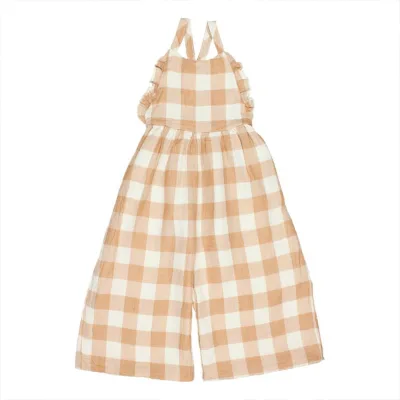
Baby Toddler 100% Cotton Multi-Color Plaid Jumpsuits Little Girl Casual Jumpsuits
$4.00 - $7.20
MOQ: 100
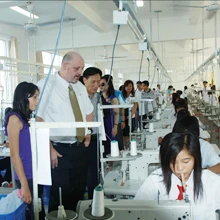
Shanghai Jingzhi Apparel Co., Ltd.
- Manufacturer, Trading Company
- Shanghai, China
- Lead time35 days
- Avg. response≤ 5h
Main productsKid Clothes
Main marketsMid East(20.00%), Africa(15.00%), North America(10.00%), South America(10.00%), Eastern Europe(10.00%), Oceania(5.00%), Southern Europe(5.00%), Central America(5.00%), Northern Europe(5.00%), Southeast Asia(5.00%), Western Europe(4.00%), South Asia(3.00%), Eastern Asia(3.00%)
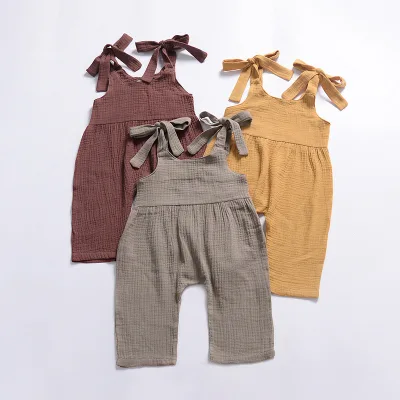
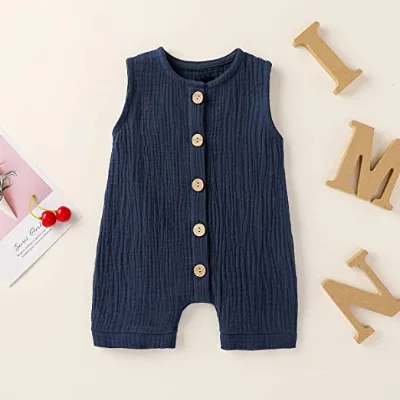
Summer Pure Color Cotton and Linen Sleeveless Newborn Unisex Baby Jumpsuit
$4.3578 - $5.9915
MOQ: 10 pieces
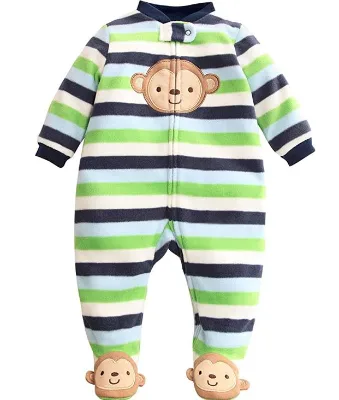
$2.3637 - $4.9323
MOQ: 300 pieces
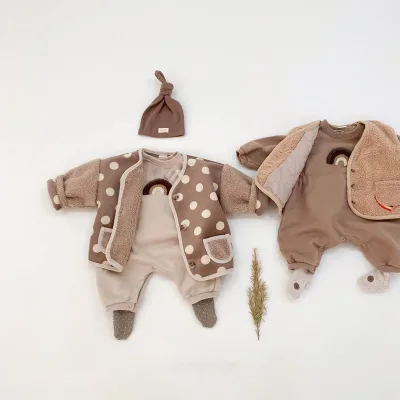
High Quality Customization Baby Clothes Winter Baby Clothing Sets Children's Jumpsuits
$8.7651 - $10.0696
MOQ: 100 pieces
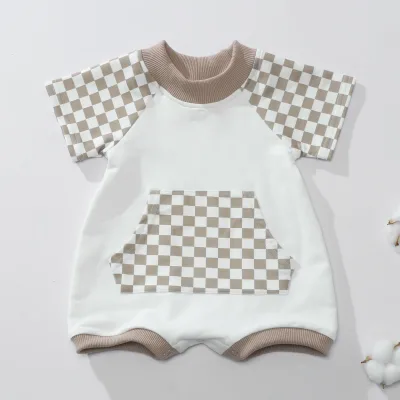
$5.1388 - $6.7724
MOQ: 30 pieces

Shanghai Hexuan Baby Products Co., Ltd.
- Verified by SGS
- Trading Company
- China Shanghai
- Lead time15 days
- Avg. response≤ 5h
Main productsBaby Wear Baby Cloth Diaper Bibs Baby Rompers
Main marketsSouth America,Africa,Southeast Asia/ Mideast,East Asia(Japan/ South Korea),Europe,Australia,North America
Foshan Geruisi Trading Co., LTD
- Trading Company
- Guangdong Province, China
- Lead time4 days
- Avg. response≤ 7h
Main productsFamily macthing clothes,Children Cloths,Adult Cloths,Baby Clothes,Kids Pajamas Set
Main marketsNorth America(80.00%), Western Europe(10.00%), Oceania(10.00%)
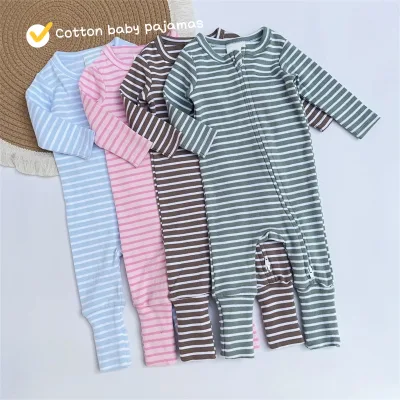
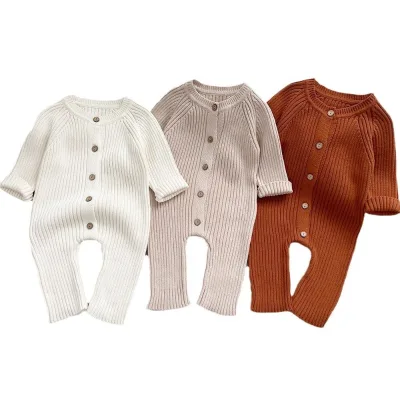
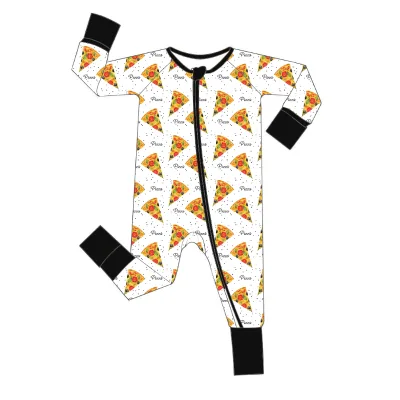
Instock Supply Wholesale Bamboo Fiber Jumpsuit for Infants & Toddlers Cute Knitted Casual Pattern
$6.1949 - $6.5256
MOQ: 50 pieces
- Trading Company
- Zhejiang, China
- Lead time20 days
- Avg. response≤ 2h
Main productschildren clothes,kids clothes,baby clothes,children outfit /dress,baby outfit /dress
Main marketsNorth America(30.00%), Central America(10.00%), Oceania(10.00%), Eastern Europe(8.00%), South America(8.00%), Southern Europe(8.00%), Western Europe(8.00%), Southeast Asia(6.00%), South Asia(3.00%), Northern Europe(3.00%), Mid East(2.00%), Africa(2.00%), Eastern Asia(2.00%)

- Verified by TUVRHEINLAND
- Combined
- China Shanghai
- Lead time15 days
- Avg. response≤ 3h
Main productsInfant Clothes, Baby Clothes, Kids Wear, Underwear, Sock, Pajama, Night Dress, Sleep Bag, Yoga Clothes, Nursing Tee
Main marketsEurope,Australia,North America

Organic Cotton Muslin Baby Romper Soft Breathable Newborn Infant Sleeveless Summer Jumpsuit
$4.99 - $5.99
MOQ: 100 Pieces

Eco Friendly Bamboo Viscose Pajamas Baby Clothes Summer Baby Rompers Baby Jumpsuit
$4.99 - $5.99
MOQ: 50 Pieces


Summer Ultra-Thin Eco-Friendly Bamboo Baby Jumpsuit Short Sleeve Baby Bodysuit
$4.29 - $5.59
MOQ: 50 Pieces


Mace Quanzhou Clothing Co., Ltd.
- Verified by SGS
- Combined
- China Fujian
- Lead time30 days
- Avg. response≤ 5h
Main productsBaby Clothing, Baby Wear, Other Baby Accessories
Main marketsDomestic,Europe,Australia,North America


Baby Outfit Infant 100% Cotton Long Sleeve Newborn Romper Unisex Footless Jumpsuit
$2.40 - $2.70
MOQ: 100 Pieces


- Verified by SGS
- Combined
- China Sichuan
- Lead time15 days
- Avg. response≤ 3h
Main productsCashmere Sweater, Baby Sweater, Wool Sweater, Cotton T Shirt, Organic Cotton Garments, Cashmere Pants, Cashmere Scarf, Baby Knitwear, Baby Blankets, Kids Sweaters
Main marketsEast Asia(Japan/ South Korea),Domestic,Europe,Australia,North America

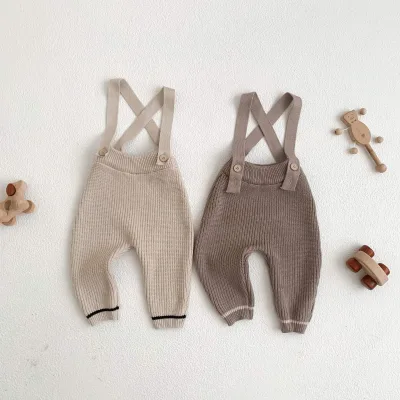
Summer Style One-Piece Romper 100% Cotton Baby Pants Kids Suspender Toddler Jumpsuit.
$8.00 - $15.00
MOQ: 1 pieces

Summer Newborn Baby Romper Short Sleeved Knitted Cotton Baby One-Piece Jumpsuit
$10.00 - $22.00
MOQ: 2 pieces


Cute Pure Cotton Baby Romper Infant Clothing Toddler Jumpsuits for Spring
$8.00 - $18.00
MOQ: 1 pieces

XIAMEN TOPSUN APPAREL CO., LTD.
- Verified by TUVRHEINLAND
- Trading Company,Manufacturer/Factory
- China Fujian
- Lead time60 days
- Avg. response≤ 20h
Main productsJacket, Sport Wear, Swimwear, Workwear, Trouser, Casual Wear, Sweatshirt, T Shirt, Jogging Suit, Yoga Wear
Main marketsSouth America,Eastern Europe,Mid East,North America,Southeast Asia,Eastern Asia,Oceania,Western Europe,Africa
Guangzhou Gaoteng Garment Co., Ltd.
- Verified by Intertek
- Manufacturer, Trading Company
- Lead time0 days
- Avg. response≤ 2h
Main productsKids Sweater, Sweatshirt Set, Girl Dress, Kids Top, Baby Romper
Main marketsNorth America(60%), Northern Europe(15%), Southern Europe(9%)
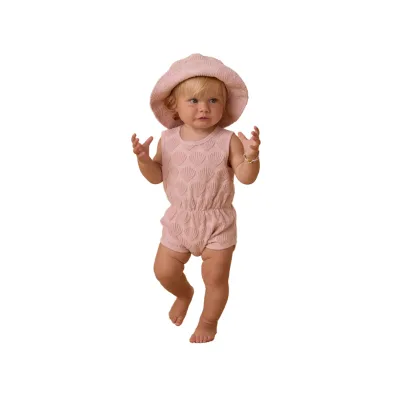
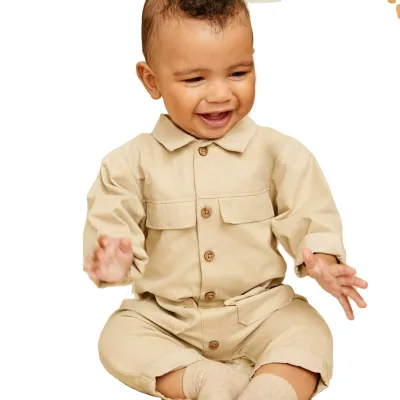
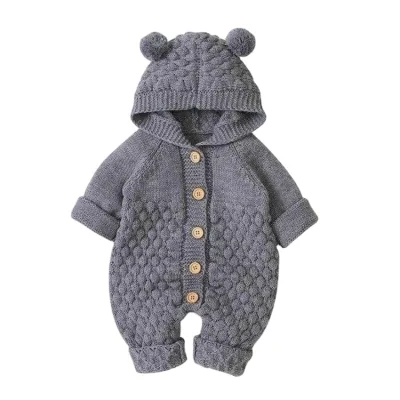
$12.1834 - $13.1977
MOQ: 80 pieces
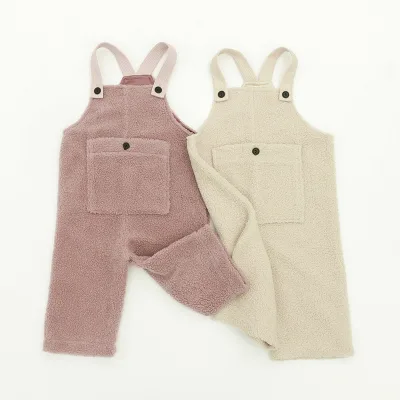

Sichuan Chenhai International Trade Co., Ltd.
- Trading Company
- China Sichuan
- Lead time0 days
- Avg. response≤ 4h
Main productsSocks, Lingerie


Unisex Baby Romper All-Season Cotton Button Down Jumpsuit for Newborn Sleep & Daily Wear
$13.00 - $15.00
MOQ: 300 Pieces


Foshan Nanadi Apparel Co., Ltd.
- Verified by SGS Group
- Manufacturer, Trading Company
- Lead time30 days
- Avg. response≤ 2h
Main productsDress, Tops, Pants, Knit sweater, Blanket
Main marketsNorth America(75%), Oceania(25%)
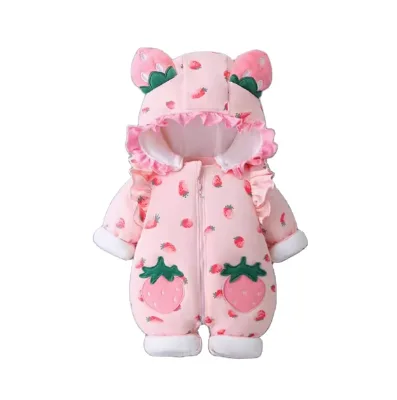
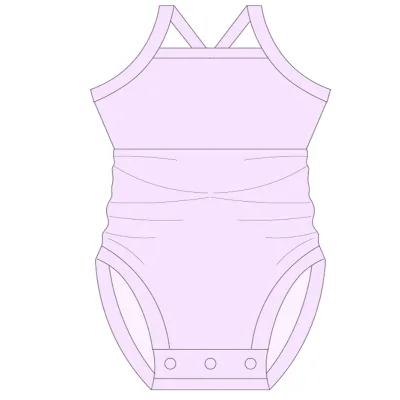
Customizable Summer Baby Jumpsuits Soft and Comfortable Rompers with Printed and Colored Designs
$6.2024 - $10.3433
MOQ: 1 pieces
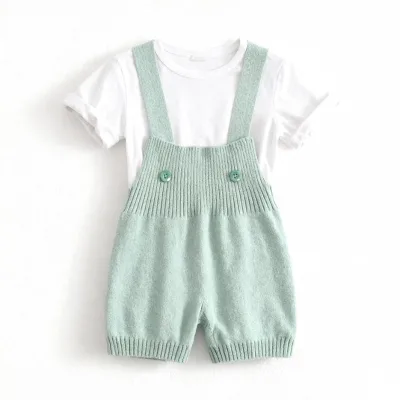
$11.8244 - $14.1896
MOQ: 10 pieces
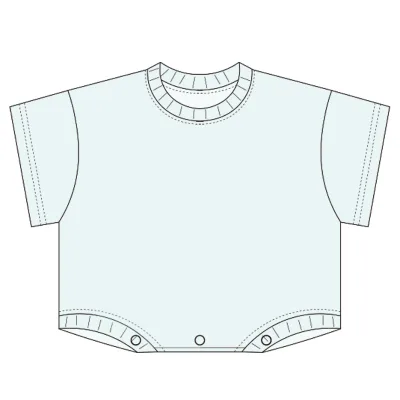
$6.2129 - $9.3081
MOQ: 1 pieces
Quanzhou Baofu Clothing Co., Ltd.
- Verified by SGS Group
- Manufacturer, Trading Company
- Lead time7 days
- Avg. response≤ 1h
Main productsKnitted Sweater
Main marketsDomestic Market(100%)
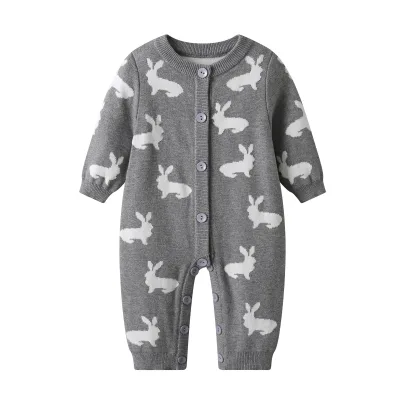
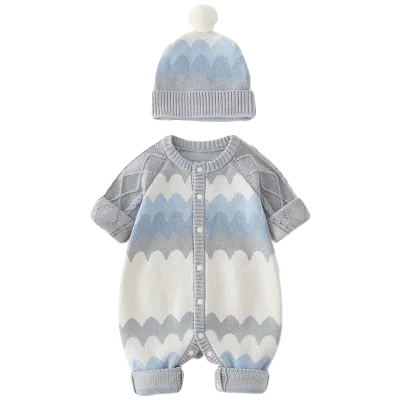
$9.9155 - $11.2469
MOQ: 20 pieces
$8.2609 - $9.2946
MOQ: 100 sets
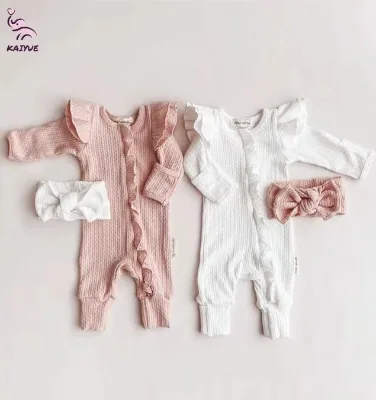
Guangzhou Kaiyue Imp & Exp Co., Ltd.
- Verified by Intertek
- Trading Company
- Lead time15 days
- Avg. response≤ 4h
Main productsBaby Clothes, Baby Gift Set, Baby Blanket, Baby Toys, Crochet Dolls
Main marketsNorth America(40%), Oceania(30%), Eastern Europe(20%)
$4.8066 - $5.1133
MOQ: 10 sets
Shantou Minxin Clothing Co., Ltd.
- Manufacturer, Trading Company
- Guangdong, China
- Lead time5 days
- Avg. response≤ 4h
Main productsBaby Sleeping Bag,Baby Swaddle Blanket,Baby Products,Baby Clothing,Baby Sleeping Pillow
Main marketsDomestic Market(90.00%), Southeast Asia(5.00%), Eastern Europe(3.00%), North America(2.00%)
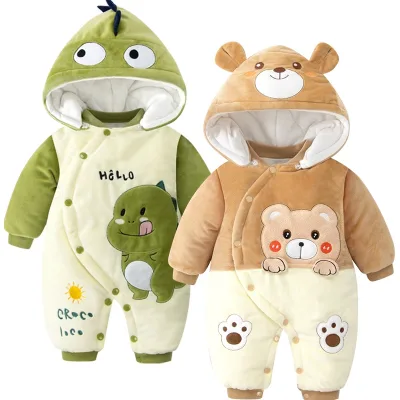
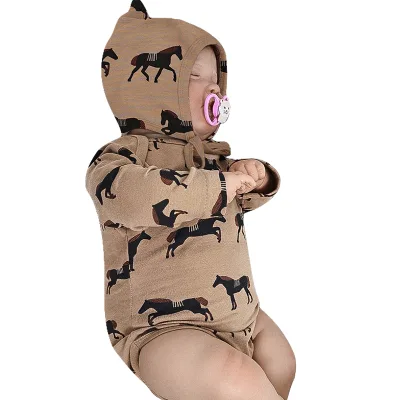
Baby Romper Set. Customizable. Baby Crawling Clothes Jumpsuit Thick Cotton Hooded Cute Baby Jumpsuit
$6.6617 - $10.4526
MOQ: 2 pieces
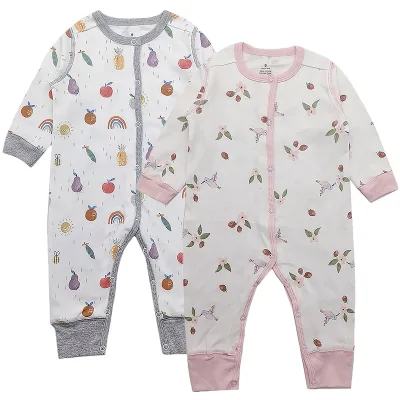
$4.099 - $4.3758
MOQ: 50 pieces
Jiujiang Yingbeijia Clothing Co., Ltd.
- Verified by Intertek
- Manufacturer, Trading Company
- Lead time20 days
- Avg. response≤ 4h
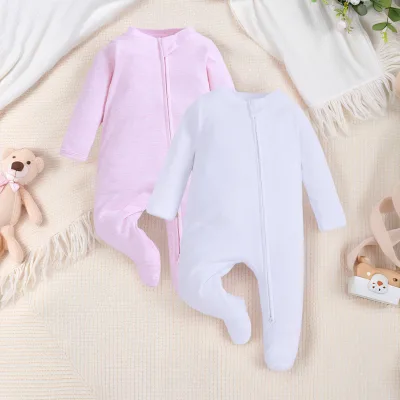
Main productsBaby Short Sleeve Bodysuit, Baby Full Sleeve Bodysuit, Baby Footed Jumpsuit, Baby Zipper Jumpsuit, Baby Sleeping Bag
Main marketsNorth America(60%), South America(10%), Southeast Asia(10%)
Hangzhou Kaibei Trading Co., Ltd.
- Trading Company
- Zhejiang, China
- Lead time10 days
- Avg. response≤ 3h
Main productsnewborn bedding,custom knit products,baby accessories,pacifier & rattle toys,kids clothing
Main marketsSouth America(24.00%), North America(19.00%), Central America(12.00%), Eastern Europe(11.00%), Southern Europe(9.00%), Northern Europe(9.00%), Western Europe(7.00%), Eastern Asia(5.00%)
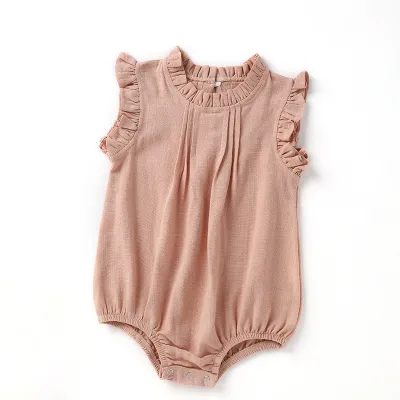
2025 Summer New Baby Linen Comfortable Breathable Jumpsuit Baby Sleeveless Lace Collar Jumpsuit
$6.1186 - $6.5794
MOQ: 10 pieces
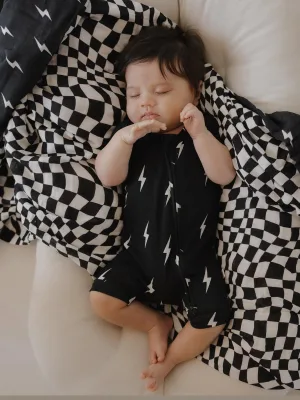
$6.8487 - $7.6715
MOQ: 10 pieces
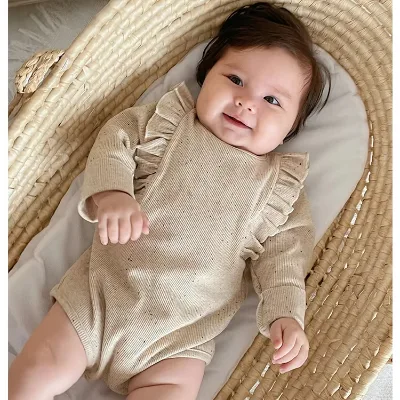
Newborn Baby Oatmeal Long Sleeves Romper Triangle Belly Climbing Suit Girls Boys Ruffles Jumpsuit
$7.103 - $7.7238
MOQ: 10 Minimum
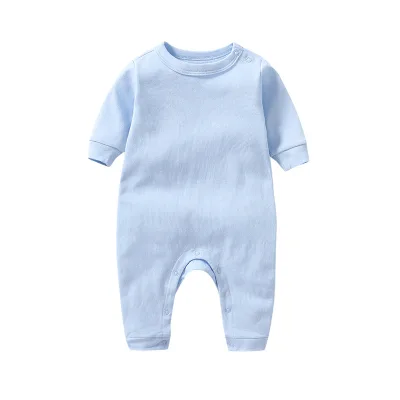
$5.4036 - $5.987
MOQ: 10 pieces
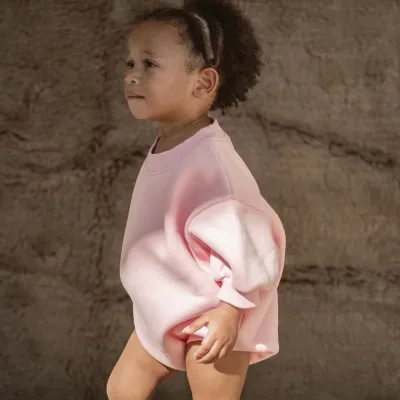
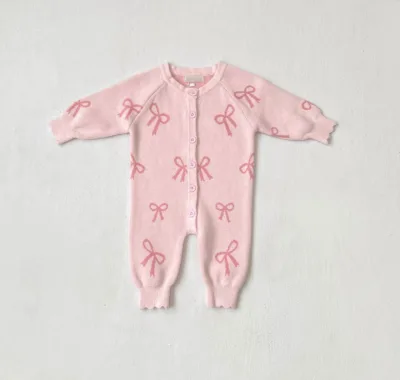
$9.543 - $10.1279
MOQ: 50 sets
Quanzhou BKD Kids Wear Co., Ltd.
- Verified by Intertek
- Manufacturer, Trading Company
- Lead time45 days
- Avg. response≤ 5h
Main productsBaby Romper, Baby Bodysuit, Girl's Clothing, Baby Clothing Sets , Other Leisurewear
Main marketsNorth America(60%), Southeast Asia(16%), Oceania(12%)
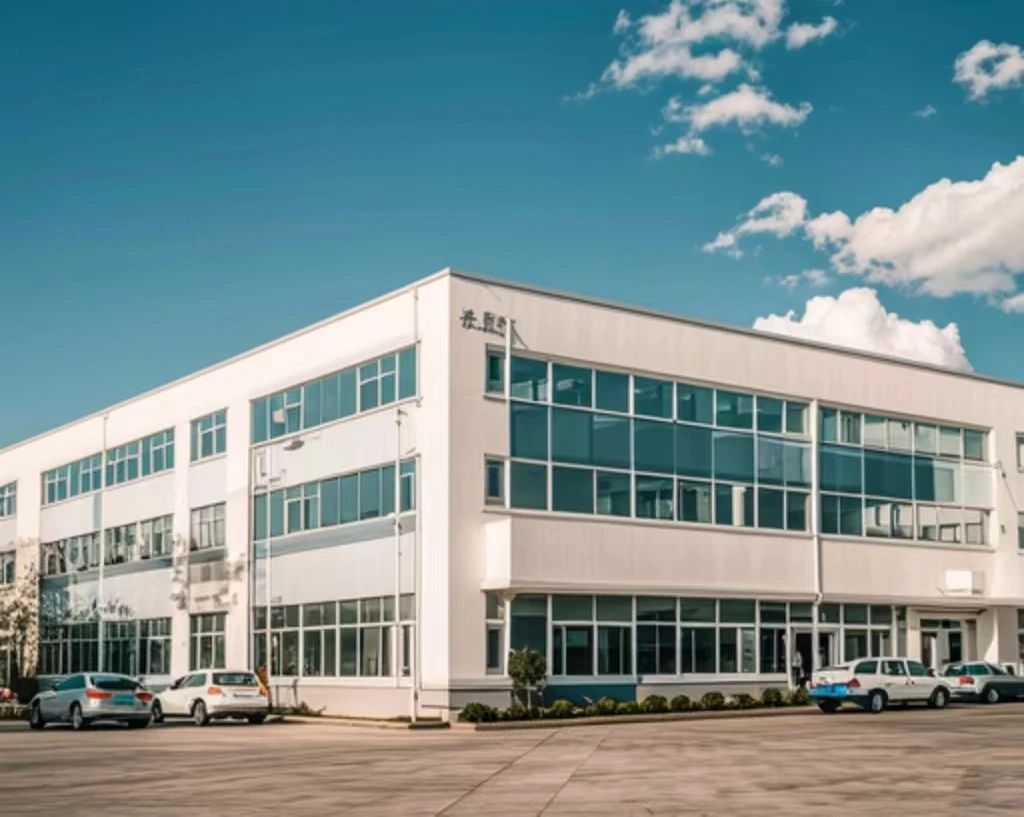
Changsha Longjida Trading Co., Ltd.
- Trading Company
- Hunan, China
- Lead time15 days
- Avg. response≤ 2h
Main productschildren clothing,girls clothing,baby clothing,boys clothing,girls leggings
Main marketsWestern Europe(20.00%), North America(20.00%), Southeast Asia(15.00%), South America(15.00%), Eastern Asia(10.00%), Eastern Europe(5.00%), Northern Europe(5.00%), Mid East(5.00%), Southern Europe(4.00%), Oceania(1.00%)
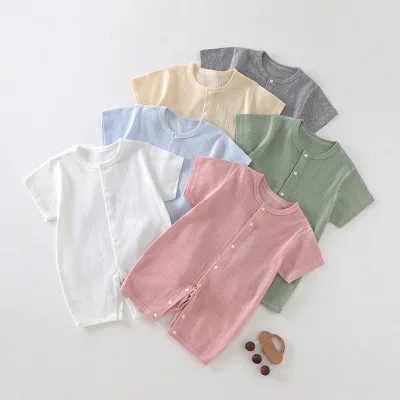
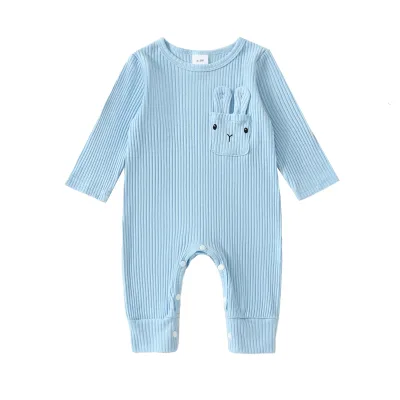
Popular 0-18 Months Infants Baby Boys and Girls Cotton Jumpsuits for Spring Autumn Winter Summer
$4.15 - $4.73
MOQ: 50 pieces
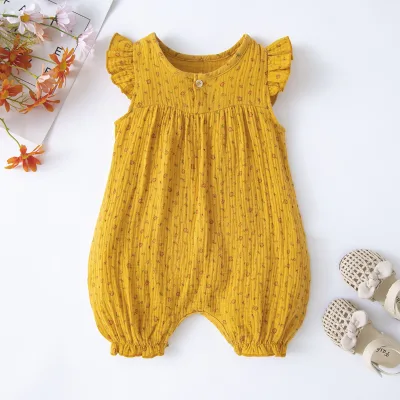
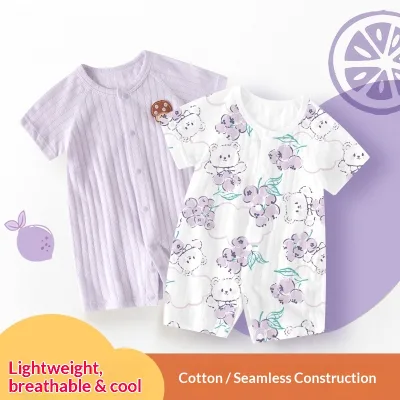

Goldely Garment Import and Export Inc.
- Verified by SGS
- Trading Company
- China Guangdong
- Lead time15 days
- Avg. response≤ 5h
Main marketsNorth America


USA 100% Cotton Baby Long Sleeve Jumpsuit Custom Baby Bodysuit Sleeping Romper
$3.30 - $4.50
MOQ: 100 pieces


$3.30 - $4.80
MOQ: 100 pieces


Shijiazhuang Cool Apparel Co., Ltd.
- Verified by TüVRheinland
- Manufacturer, Trading Company
- Lead time15 days
- Avg. response≤ 3h
Main productsBaby Romper, Baby Gift Set, Silk Pajamas, Baby Bib, Onesie
Main marketsNorth America(50%), Mid East(15%), Western Europe(12%)
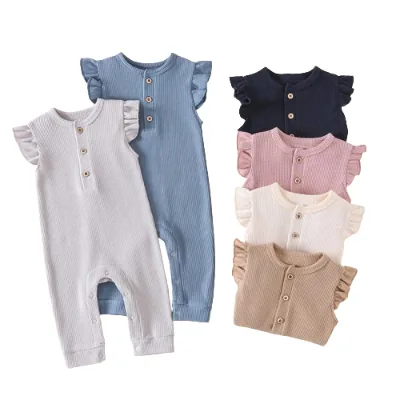
$2.3113 - $2.9277
MOQ: 100 pieces
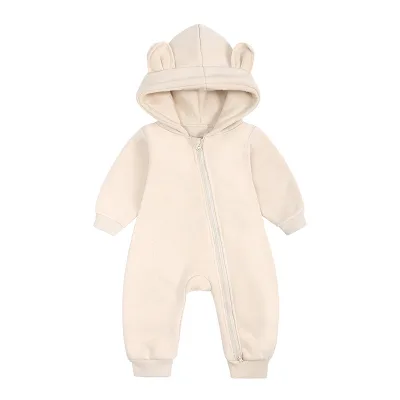
100% Cotton Bodysuit With Hooded Double Way Zipper Long Sleeves Baby Jumpsuit Plain Baby Romper
$6.5615 - $7.4441
MOQ: 50 pieces

Quanzhou Everbest Garment Manufacturing CO.,LTD
- Verified by CTI
- Trading Company,Manufacturer/Factory
- China Fujian
- Lead time45 days
- Avg. response≤ 4h
Main productsKids Clothes, Baby Clothes, Sports Shoes, Gym Clothes, Baby Accessories, Fitness Equipment, Sport Wear
Main marketsSouth America,Eastern Europe,Mid East,North America,Southeast Asia,Eastern Asia,Oceania,Western Europe,Africa

New Design 100% Organic Cotton Polo Collar Baby Romper Baby Body Suit Jumpsuit
$6.70 - $7.50
MOQ: 50 piece

Zhengzhou Beautiful Style Textile Co., Ltd.
- Verified by Intertek
- Trading Company
- Henan, China
- Lead time15 days
- Avg. response≤ 4h
Main productsBaby Clothes, Bamboo Pajamas, Merino Wool Clothes, Baby Sleeping Bag, Lounge Wear
Main marketsNorth America(50%), Western Europe(15%), Northern Europe(15%)
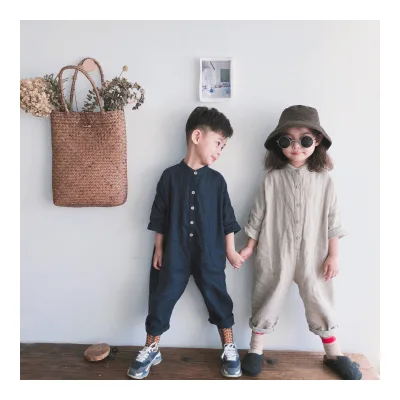
Fall Unisex Solid Color Casual Woven Linen Button Long Sleeve Baby Romper Jumpsuit
$6.1845 - $12.3794
MOQ: 5 pieces
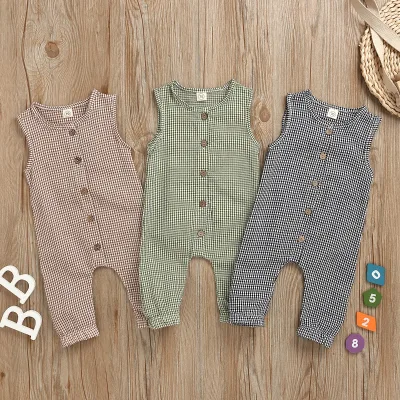
Baby Summer Sleeveless Striped Single Breasted Khaki Children's and Boys' Jumpsuit
$5.3288 - $5.8419
MOQ: 8 pieces
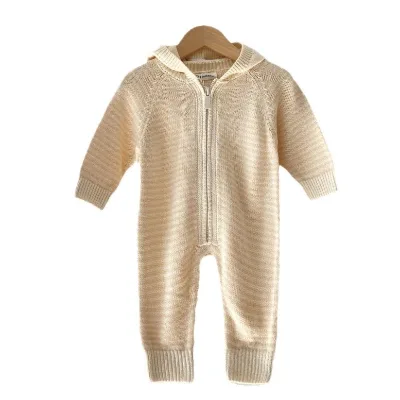
- Manufacturer, Trading Company
- Lead time旺季: "1 - 300":35,"> 300":"To be negotiated", 淡季: "1 - 300":35,"> 300":"To be negotiated"
- Avg. response≤ 3h
Main productsBaby Rompers, Baby Blanket, Baby Pajama Set, Baby Comforter Blanket, Baby Sweatshirt Set
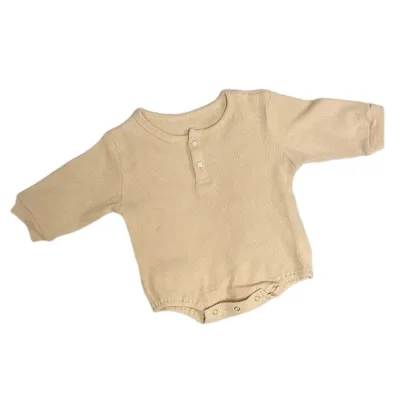
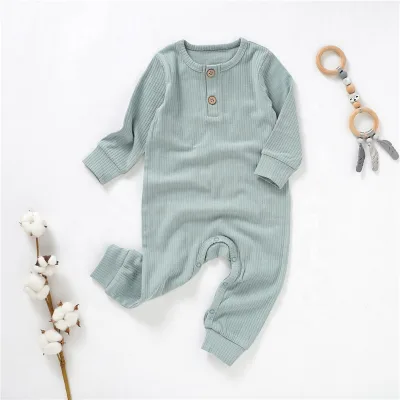
Wholesale Unisex Gender Neutral Infant Baby Jumpsuit Oversize Waffle Baby Bodysuits
$4.4132 - $4.5673
MOQ: 180 sets
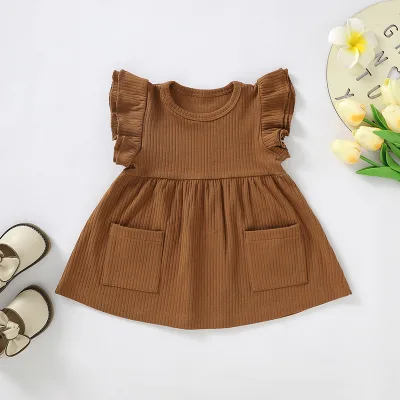
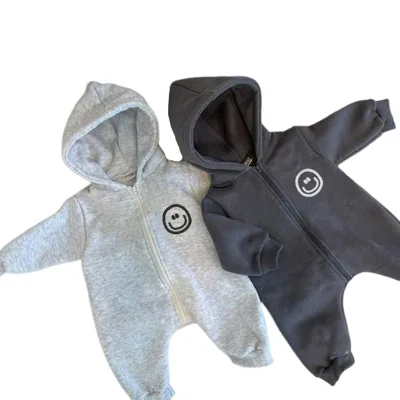
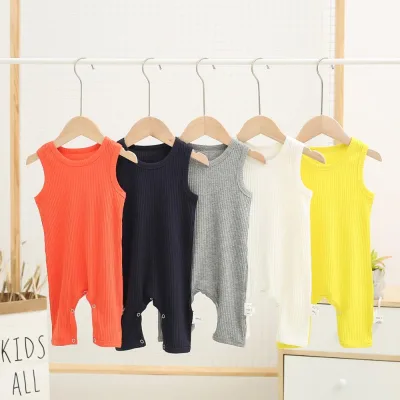
Latest Popular Design Pocket Ribbed Baby Jumpsuit Baby Jumper Romper
$5.4604 - $5.6639
MOQ: 150 pieces
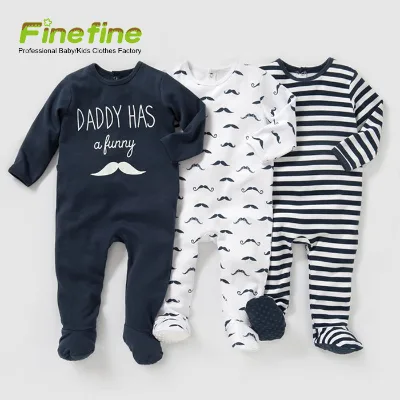
Qingdao Finefine Trade Co., Ltd.
- Trading Company
- Shandong, China
- Lead time60 days
- Avg. response≤ 23h
Main productsT-shirts,hoodies & sweatshirts,jackets,underwears,baby clothing
Main marketsNorth America(50.00%), Africa(20.00%), Western Europe(10.00%), Oceania(10.00%), South America(10.00%)
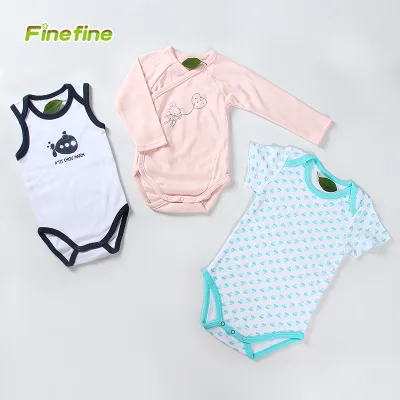
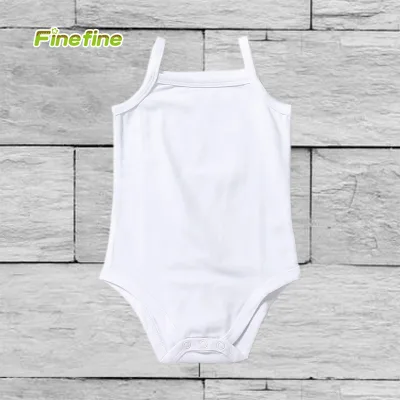
High Quality Summer Sleeveless Cotton Knitted White Unisex Plain Baby Bodysuit
$1.5409 - $1.8491
MOQ: 1000 pieces




Comprehensive Sourcing Guide
Breathable Eco-Friendly Cotton Baby Jumpsuit Supplier Concentration and Factory Types
Suppliers of breathable eco-friendly cotton baby jumpsuits in these results are concentrated in Hebei, China, which appears as the listed location for the manufacturing base behind the product listings. This concentration matters because a single regional cluster typically means shared fabric mills, accessory vendors, and experienced sewing labor, which can shorten development cycles for rompers, bodysuits, and jumpsuits. Buyers should still confirm the exact production address, since a Hebei-registered company may operate showrooms elsewhere or subcontract finishing steps. When a listing does not disclose a location, ask directly for the factory address and cross-check it against business registration documents before traveling or commissioning an audit.
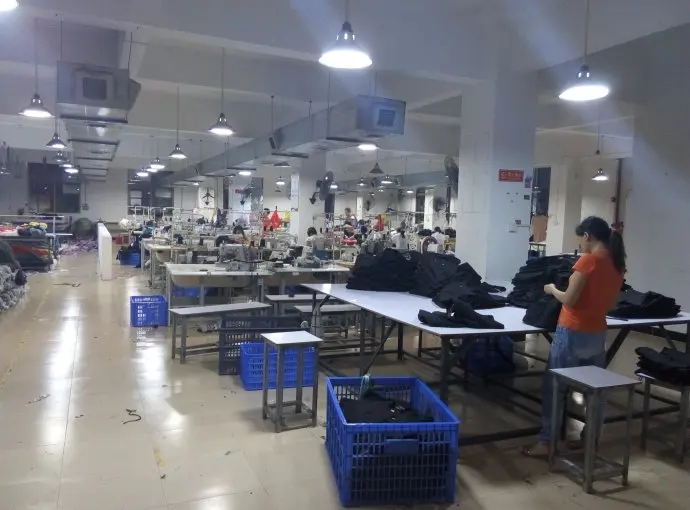
The supplier pool combines combined-type companies that handle both manufacturing and trading functions, offering ODM and OEM capability alongside in-stock items. Product evidence shows manufacturers working with 100% cotton, 100% organic cotton, combed cotton, polyester, and bamboo fabrications, with knitted and printed techniques, short sleeve, long sleeve, and sleeveless constructions, and sizes ranging from newborn through 24 months or 0–36 months. Some listings support seven-day sample order lead times, which signals sample-room agility. Others emphasize customization options such as custom logo, brand labels, inner care labels, and custom print. Buyers should classify each candidate as a true factory, a hybrid company, or a trading intermediary, because this classification affects pricing transparency, quality control access, and how quickly defects can be corrected at the line.
How to Verify Breathable Eco-Friendly Cotton Baby Jumpsuit Suppliers
Verification starts with the credentials displayed in the results and extends to what is missing. Some listings carry third-party verification such as BV auditing, which indicates an on-site assessment of the company's existence and basic operations, but it is not a product-quality certificate. Notably, system certification fields show NIL for at least one supplier, meaning no management-system certification such as ISO is displayed. Buyers should treat this as a prompt to request certificates directly and to verify them with the issuing body rather than assuming compliance. For eco-friendly claims on baby apparel, ask specifically which fabric and dye certifications apply to the actual jumpsuit fabric, and request test reports scoped to infant garments.
Beyond documents, verify capability through samples and references. Order pre-production samples in the exact fabric composition you intend to buy, whether cotton, organic cotton, combed cotton, or bamboo, and check stitching density, snap-button security, label placement, and shrinkage after washing. Confirm that the supplier can reproduce the attributes shown in listings, such as round neck, short sleeve or sleeveless styles, unisex colorways, and sizes from NB through 24 months. Ask for the factory's monthly output for baby rompers specifically, not general childrenswear, and request photos or a live video walkthrough of the cutting and sewing lines. Finally, verify responsiveness during the inquiry stage; a supplier whose response time is slow before any commitment will rarely improve after an order is placed.
What to Compare Across Breathable Eco-Friendly Cotton Baby Jumpsuit Suppliers
Build a comparison table using the dimensions visible in supplier listings. Useful fields include location, company type, verification status, response time, lead time, main products, and whether ODM or OEM service is offered. For example, results show a Hebei-based combined-type supplier with a stated lead time around 23 days and an average response time under seven hours, which you can use as a benchmark when questioning other candidates whose figures are not displayed. Do not assume every supplier publishes the same metrics; where a value is blank, ask the supplier to state it in writing and treat an unsupported claim as unverified until samples or references confirm it.
On the product side, compare material composition, customization availability, size ranges, closure types, and packing. Listings in this category quote unit prices roughly between about 2.87 and 4.75 USD depending on fabric and style, but price alone is misleading without matching MOQ: some products list an MOQ of 100 pieces per style while others require 200 pieces. Compare packing specs too, since one listing packs one piece per OPP bag with 200 pieces per carton, while another simply states OPP bag packing, which affects your unboxing experience and carton dimensions. Also compare which main products each supplier specializes in; a company whose catalog centers on baby rompers, onesies, pajamas, and sleeping bags is more likely to have refined patterns and snap-attachment quality than a generalist apparel maker.
Common Breathable Eco-Friendly Cotton Baby Jumpsuit Sourcing Risks
The most frequent risk in this category is fabric substitution. Listings describe products as organic cotton, combed cotton, bamboo, or even 100% polyester while using eco-friendly marketing language, and one polyester bodysuit listing contains contradictory attributes, stating 100% polyester in the material field while referencing combed cotton in the standard field. Such inconsistencies signal that specification discipline is weak. Protect yourself by fixing the fabric composition, weight in grams per square meter, and dye or print method in a signed specification sheet, and by testing bulk-production fabric against the approved sample, not just the counter sample shown before ordering.
Second, watch for eco-friendly claims without evidence. Words like eco-friendly, breathable, and washable appear freely in product attributes, but no certification is displayed in the system-certification fields of these results, so the claims currently rest on supplier assertions alone. Third, size and age mapping errors are common in infant apparel; confirm that NB, 3m, 6m, 9m, 12m, 18m, and 24m labels match your target market's measurement charts. Fourth, snap-button and small-part safety on baby garments is a regulatory exposure in many markets, so include pull and attachment testing in your pre-shipment checks. Finally, packaging discrepancies, such as assuming 200-piece cartons when only OPP-bag packing is confirmed, can inflate freight costs. Address each risk in the purchase contract with an inspection clause tied to your written specification.
Breathable Eco-Friendly Cotton Baby Jumpsuit Regional Sourcing and Logistics
With production concentrated in Hebei, plan logistics around northern China's port and rail access rather than assuming coastal-cluster transit times. Ask each supplier which port they habitually ship from, what their standard export carton dimensions and gross weights are, and whether they can consolidate multiple styles, such as rompers, onesies, and pajamas, into mixed cartons. Since one listing documents one piece per OPP bag with 200 pieces per carton, calculate your container fill on confirmed carton data, and require a packing list before production rather than after. For air-freight replenishment, confirm whether in-stock items can ship within days while made-to-order runs follow the stated lead time.
Regional concentration also affects fabric sourcing. Cotton, organic cotton, and bamboo knits are typically sourced from specialized knitting mills, so ask whether the jumpsuit supplier knits in-house or buys greige and finished fabric externally, because external sourcing adds a hidden lead-time layer before cutting begins. When a listing does not state a location, request the shipping origin explicitly and verify it matches the registered address or the actual factory. Buyers should also plan seasonal timing: several listings target summer styles with breathable, washable features, so book production capacity ahead of spring ordering cycles in destination markets. Finally, confirm who arranges freight, insurance, and export clearance, and get the supplier's experience level with your destination market's labeling requirements for infant clothing.
Breathable Eco-Friendly Cotton Baby Jumpsuit Commercial Terms and Order Planning
Commercial planning should anchor on the verified numbers and negotiate everything else in writing. Use the observable benchmarks, a lead time near 23 days, response times measured in hours, MOQs of 100 or 200 pieces per style, and indicative unit prices in the roughly 2.87 to 4.75 USD band, as reference points when comparing quotations. Insist that each quotation itemizes fabric cost, trimming, printing or embroidery, packing, and labeling, because customization options like custom logo, brand label, and inner care label are priced differently across suppliers. Confirm payment structure, sample fees, and whether sample lead times, such as seven-day sample support mentioned in one listing, apply to your customized design.
For order planning, structure first orders around the lower MOQ tier where offered, spreading volume across two or three styles to test market response without overcommitting to any single print or colorway. Schedule production so the 23-day lead time plus inland transit and shipping aligns with your seasonal launch, and build a buffer for fabric procurement if the supplier buys externally. Agree on inspection timing at mid-production and pre-shipment, with an allowance for rework before balance payment. Finally, record every attribute from the agreed listing, including size set, closure type, sleeve style, and packing format, into the purchase order so that verbal customizations, such as changing short sleeve to sleeveless or switching from cotton to bamboo, are contractually traceable and enforceable at inspection.
Word count check: six sections × ~230 = ~1380 words. Complete article falls within the 1350–1450 range.
FAQs
What materials are used for breathable baby jumpsuits?
Suppliers offer jumpsuits made from 100% cotton, organic cotton, and bamboo. These natural fibers ensure breathability and comfort for infants. Some options include polyester blends for durability. Buyers can select based on specific fabric preferences and seasonal needs for their inventory.
What is the minimum order quantity for these items?
Minimum order quantities typically range from 100 to 200 pieces per design. This allows buyers to test market demand with lower initial investment. Specific MOQs may vary by supplier and customization requirements. Always confirm the exact threshold before placing bulk orders for production.
Are customization and OEM services available?
Yes, most suppliers provide customization and OEM services. Buyers can request specific logos, labels, and packaging options. Customization is available for various sizes and colors. This flexibility supports brand identity and unique product offerings for retail channels and specialized baby clothing lines.
What is the typical lead time for production?
The average lead time is approximately 23 days for production. Sample orders may be supported within seven days for approval. Actual timelines depend on order volume and customization complexity. Buyers should plan inventory replenishment accordingly to avoid stockouts during peak seasons.
What is the price range for baby rompers?
Prices generally range from $2.87 to $4.75 per piece. Costs vary based on material, sleeve style, and customization level. Cotton and organic options may have different pricing tiers. Buyers can compare quotes to find competitive rates that fit their budget and margin targets.
Where are these suppliers located?
Suppliers are primarily located in Hebei, China. This region is known for textile manufacturing capabilities. Buyers can verify supplier locations for logistics planning. Proximity to ports may influence shipping costs and delivery times for international orders.