Reusable Hemolok Ligation Clip Suppliers and Manufacturers
Compare 20 verified suppliers of the Reusable Hemolok Ligation Clip across certifications, lead times, customization options, and company type. Review product specifications such as clip sizes, materials, and MOQs, then request quotes and samples from shortlisted manufacturers to confirm fit before ordering.
Suppliers List
Zhejiang Geyi Medical Instrument Co., Ltd.
- Verified by SGS Group
- Manufacturer, Trading Company
- Lead time15 days
Main productsDisposable Trocars, Disposable Endoscopes & Image Processor, Disposable Laparoscopic Instruments, Disposable Suction Irrigation Sets, Reusable Laparoscopic Instruments
Main marketsDomestic Market(30%), South America(20%), Mid East(20%)

Hangzhou Geesing Medical Instrument Co., Ltd.
- Trading Company
- Zhejiang, China
- Lead time0 days
- Avg. response≤ 2h
Main productslaparoscope,trocar,endobag,disposable ligating clips,surgical forceps
Main marketsMid East(50.00%), South America(30.00%), Africa(8.00%), Eastern Asia(7.00%), North America(3.00%), Western Europe(1.00%), Eastern Europe(1.00%)
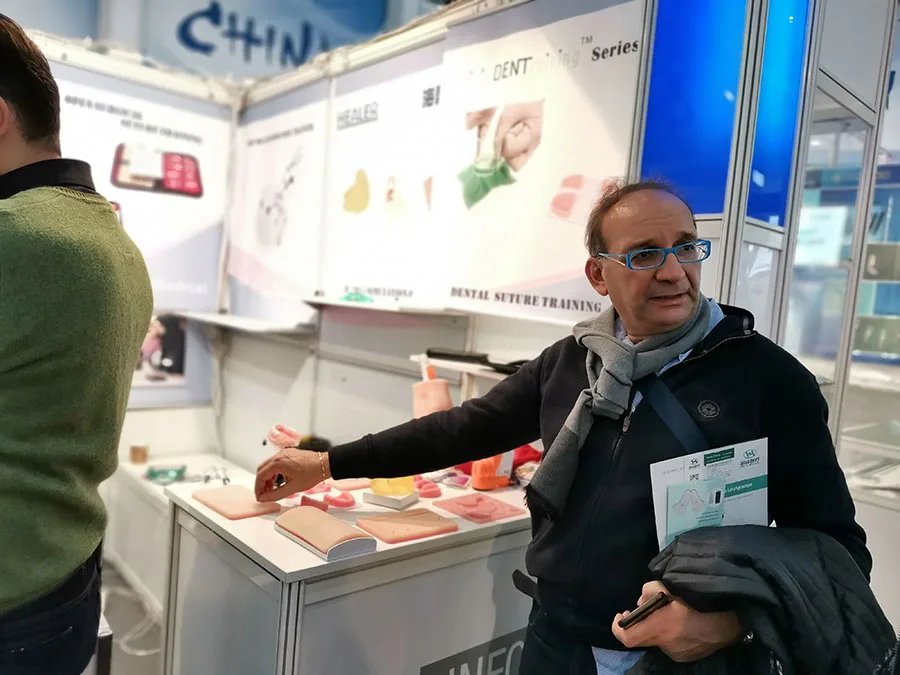
Hangzhou Healer Medical Instruments Co., Ltd.
- Manufacturer, Trading Company
- Zhejiang, China
- Lead time15 days
- Avg. response≤ 6h
Main productsMedical Training And Teaching Products,Medical Instruments,Medical Training and Teaching Products,Medical Instruments,laparoscopic instruments
Main marketsDomestic Market(60.00%), North America(15.00%), Eastern Europe(10.00%), Southeast Asia(10.00%), Oceania(5.00%)
Changzhou Ziqi Medical Equipment Co., Ltd.
- Trading Company
- Lead time旺季: "1 - 100":1,"> 100":"To be negotiated", 淡季: "1 - 100":1,"> 100":"To be negotiated"
- Avg. response≤ 1h
Main productsechelon endoscopic linear cutter stapler and reloads,skin stapler,endoscopic linear cutter stapler and reloads,ligation clips and applicator,remover
Enovate (Jiangsu) Medical Technology Co., Ltd.
- Verified by TüVRheinland
- Manufacturer, Trading Company
- Lead time20 days
Main productsUltrasonic Scalpel System, Electrosurgical Equipment, Medical Electric Stapler, Vessel Sealing System, Ligasure
Main marketsSouth America(25%), Southeast Asia(15%), Mid East(15%)

$1.02 - $1.53
MOQ: 1 Minimum

Hemolock Endoclip Poly-Lok Hemoclip Instrument Surgical Applier for Effective Hemostasis
$90.43 - $95.57
MOQ: 1 Minimum
Hangzhou Caida Trading Co., Ltd.
- Trading Company
- Zhejiang, China
- Lead time0 days
- Avg. response≤ 8h
Main productsmedical devices,OEM medical parts,customized medical devices,laparoscopic instruments,beauty instruments
Main marketsMid East(20.00%), Central America(15.00%), South America(10.00%), Eastern Asia(10.00%), North America(10.00%), Africa(10.00%), Southeast Asia(10.00%), Eastern Europe(10.00%), Northern Europe(5.00%)

$1.02 - $3.57
MOQ: 1 Minimum

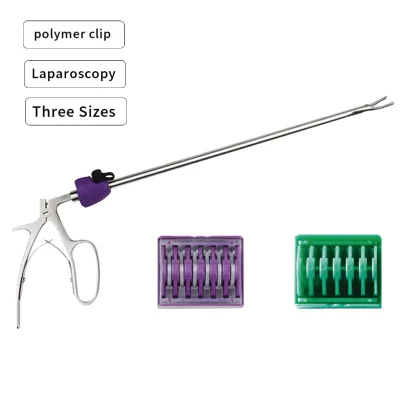
Disposable Hemolok Applicator,S M LPolymer Ligating Clip,larger Polymer Ligation Clips
$1.00 - $3.50
MOQ: 20 Minimum
Hangzhou Zoustech Medical Device Co., Ltd.
- Trading Company
- Zhejiang, China
- Lead time10 days
- Avg. response≤ 2h
Main productsEchelon Reloads,Endoscopic Linear Cutter Stapler,Endoscopic Linear Cutter Stapler Reload,Jackson Pratt Drain,Trocar
Main marketsNorth America(80.00%), Northern Europe(20.00%)
Maiyang International Trade (changzhou) Co., Ltd.
- Verified by SGS Group
- Trading Company
- Lead time20 days
Main productsDisposable Use of Prepuce Cutting Stapler, Disposable Use of Skin Stapler, Disposable Use of Puncture Device, Disposable Use of Endoscopic Cutting Stapler, Disposable Use of Anorectal Cutting Stapler
Main marketsSouth Asia(25%), Southeast Asia(20%), Central America(15%)


Certification Medical Disposable Polymer Ligation Clip for Minimally Invasive Surgery Hemolock Clips
$2.00 - $2.50
MOQ: 20 pieces


Qingdao Dmd Medical Technology Co., Ltd.
- Verified by SGS
- Combined
- China Shandong
- Lead time30 days
- Avg. response≤ 2h
Main productsLigating Clips, Clip Appliers, Titanium Clips, Polymer Clips, Endoscopic Surgical Instruments, Aortic Punch, Trocar, Veress Needle, Suction-Irrigation Set, Disposable Clips Applier
Main marketsSouth America,Others(foreignTradeCapacity.exportBusinessCapacityMarketOther),Southeast Asia/ Mideast,Europe
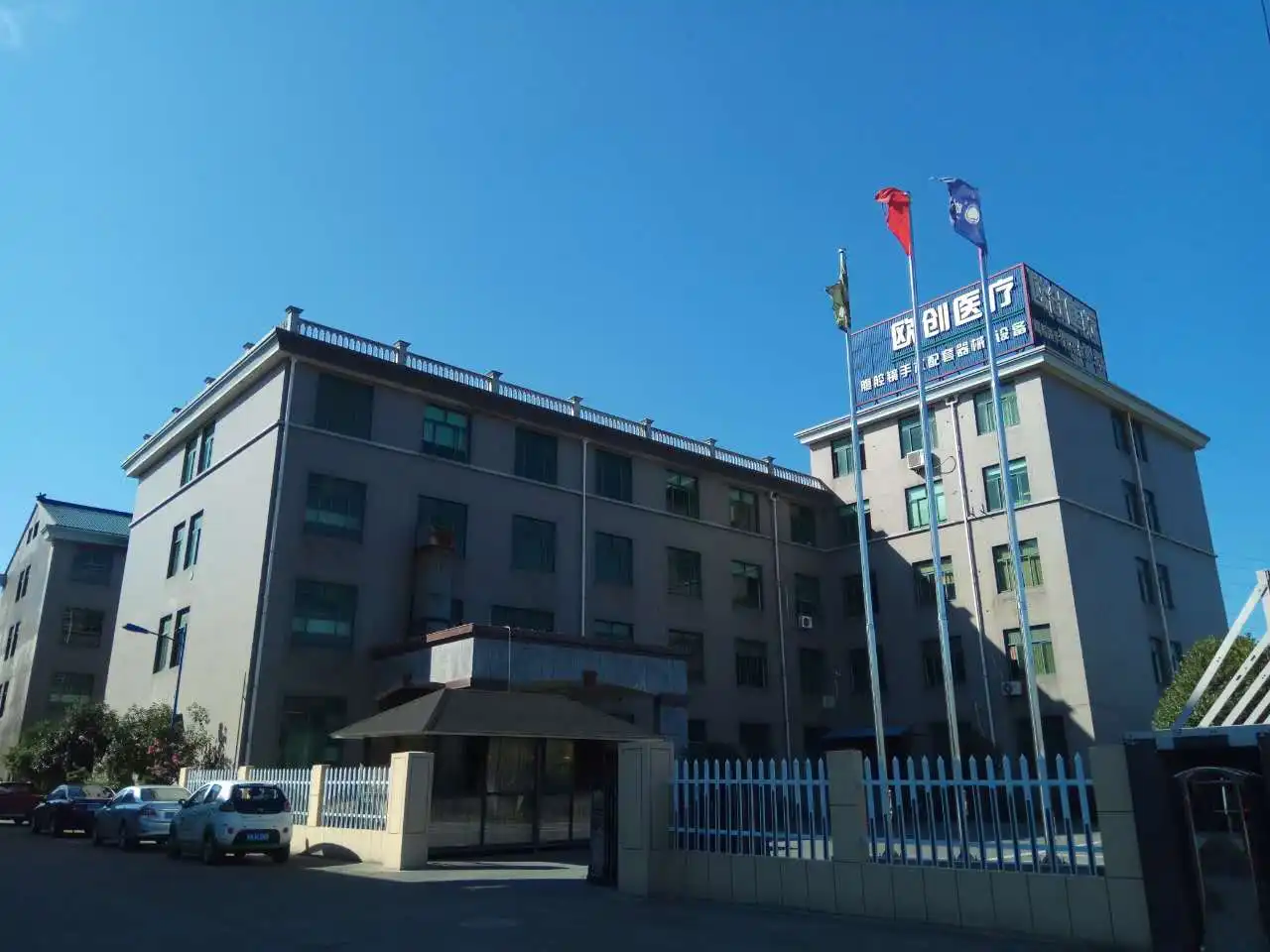
Hangzhou Euprun Medical Instrument Co., Ltd.
- Manufacturer, Trading Company
- Zhejiang, China
- Lead time7 days
- Avg. response≤ 4h
Main productslaparoscopic instrument,gynaecology surgical instruments,needle holder,trocar,clip applier
Main marketsSouthern Europe(21.00%), South America(19.00%), Central America(15.00%), Mid East(8.00%), Northern Europe(6.00%), Southeast Asia(5.00%), North America(5.00%), Eastern Europe(4.00%), South Asia(4.00%), Western Europe(3.00%), Oceania(3.00%), Eastern Asia(3.00%), Domestic Market(2.00%), Africa(2.00%)
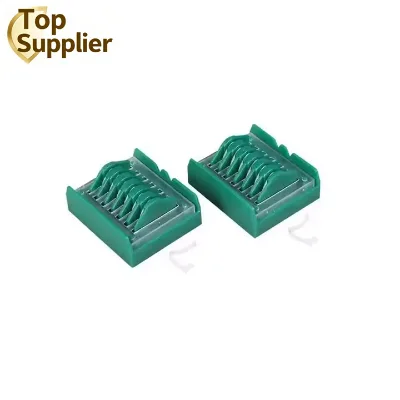
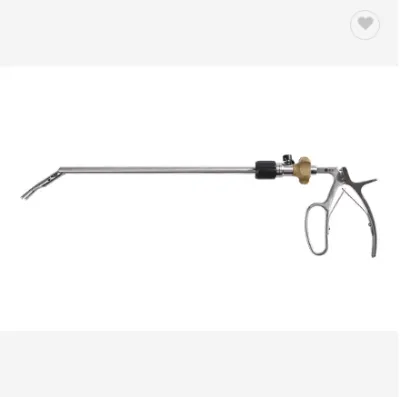
Euprun Laparascopic Medical Surgery Hem-o-lok Polymer Locking Ligation Clips
$61.19 - $101.98
MOQ: 1 boxes

Tonglu Wanhe Medical Instrument Co., Ltd.
- Combined
- China Zhejiang
- Lead time15 days
- Avg. response≤ 25h
Main productsEndoscope, Endoscopy Instrument, Surgical Instrument, Surgical Supplies, Surgical Equipment, 3mm/5mm/10mm Forceps, Trocar/Needle Holder/Clip Applier, Gynecology Instruments/Morcellator, Cystoscopy Instruments, Arthroscopy Instruments
Main marketsSoutheast Asia/ Mideast,North America

Tianjin Zhichao Medical Technology Co., Ltd
- Manufacturer/Factory
- China Tianjin
- Lead time15 days
- Avg. response≤ 15h
Main productsHernia Stapler, Suction-Irrigation Set, Trocar, Medical Polymer/Titanium Clip, Disposable Clip Applier, Disposable Specimen Retrieval Bag, Hernia Mesh, Clip Applier, Esophagus Bougie Dilator, Orthopedics
Main marketsSouth America,Eastern Europe,Mid East,North America,Southeast Asia,Eastern Asia,Oceania,Western Europe,Africa
Cq Lanze Medical Instrunents Co.. Ltd.
- Trading Company
- Chongqing, China
- Lead time旺季: "1 - 1000":7,"> 1000":"To be negotiated", 淡季: "1 - 1000":7,"> 1000":"To be negotiated"
- Avg. response≤ 4h
Main productsCircumcision Stapler, Ligating Clips, Endoscopic Linear Cutter Stapler, Disposable Skin Stapler, Disposable Trocar
Main marketsDomestic Market(30.00%), North America(20.00%), Mid East(20.00%), Southeast Asia(15.00%), South Asia(5.00%), Western Europe(5.00%), Africa(5.00%)
Changzhou Yiri Medtech Co., Ltd.
- Manufacturer, Trading Company
- Jiangsu, China
- Lead time10 days
- Avg. response≤ 3h
Main productsskin stapler,Circumcision stapler,Trocar,Laparoscopic stapler,PPH
Main marketsMid East(50.00%), Africa(20.00%), North America(10.00%), Eastern Europe(5.00%), Southeast Asia(5.00%), South America(4.00%), Oceania(3.00%), Central America(2.00%), Northern Europe(1.00%)


Competitive Price Manual Titanium Hemolok Medical LT 300 T Ligation Clip Closure Clamp
$0.82 - $1.54
MOQ: 100 bags

Changzhou Geasure Medical Apparatus and Instruments Co., Ltd.
- Verified by BV
- Combined
- China Jiangsu
- Lead time15 days
- Avg. response≤ 3h
Main productsOrthopedic Instrument, Intramedullary Nail, Metal Locking Nail Plate
Main marketsSouth America,Africa,Southeast Asia/ Mideast,North America


Disposable Non-Absorbable Polymer Ligation Clips, Hemostatic Clips for Laparoscopic Ligation Surgery
$2.00 - $3.00
MOQ: 6 Pieces


Qingdao Conston Medical Technology Co., Ltd.
- Verified by BV
- Trading Company
- China Shandong
- Lead time15 days
- Avg. response≤ 11h
Main productsCardiovascular, Colposcope, Biomicroscope, Operation Microscope, General Surgery
Main marketsSoutheast Asia/ Mideast,Europe


Hemolock Ligating Hemolok Clips Applier for Open Surgery Manufacturers
$100.00 - $120.00
MOQ: 1 Pieces

Anqing Changfan Medical Instrument Co., Ltd.
- Verified by TüVRheinland
- Manufacturer, Trading Company
- Lead time7 days
Main productsLaparoscopic Instruments, Arthroscopy Instruments, Rigid Endoscope, Urology Instruments, Medical Image System
Main marketsSouth America(30%), Southeast Asia(30%), Western Europe(10%)

- Verified by SGS
- Trading Company
- China Henan
- Lead time30 days
- Avg. response≤ 4h
Main productsEndoscope, Vessel Sealing, Ultrasonic Scalpel System, Electrosurgical Unit, Biopsy Needle
Main marketsSouth America,Southeast Asia/ Mideast,Domestic,Europe,North America


Medical Device Laparoscopic Instrument Hemolok Polymer Ligation Clip Laparoscopie Instruments
$2.00 - $10.00
MOQ: 1 Pieces
Cq Lanze Medical Instruments Co., Ltd.
- Trading Company
- Chongqing, China
- Lead time旺季: "1 - 100":1,"101 - 1000":3,"> 1000":"To be negotiated", 淡季: "1 - 100":1,"101 - 1000":3,"> 1000":"To be negotiated"
- Avg. response≤ 8h
Main productsEndoscopic Linear Cutter Stapler,Disposable Trocar,Circumcision Stapler,Disposable Tissue Closure Clamp,Orthopedic Surgical Instruments
Main marketsDomestic Market(30.00%), Mid East(20.00%), North America(20.00%), South America(15.00%), Africa(5.00%), South Asia(5.00%), Western Europe(5.00%)
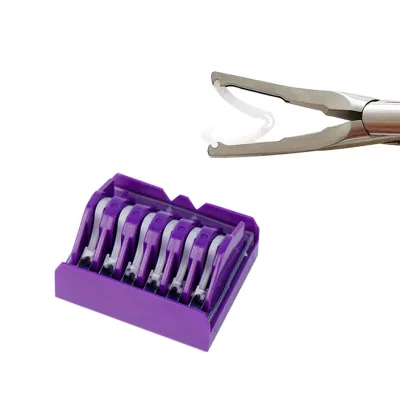
Medical Polymer Ligating Clips Hemolok Clip Absorbable Laparoscopic Ligation Clips
$0.41 - $0.62
MOQ: 100
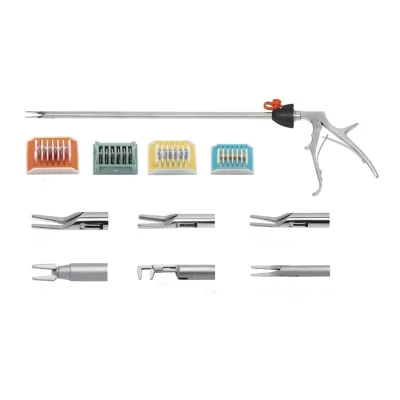


Kanghua Medical Technology (Hongkong) Co., Limited
- Trading Company
- Hongkong_China Hongkong
- Lead time0 days
- Avg. response≤ 6h


Durable Non-Absorbable Surgical Polymer Ligating Clip for Intestinal Surgery Hemostasis
$5.50 - $6.50
MOQ: 1 Sets


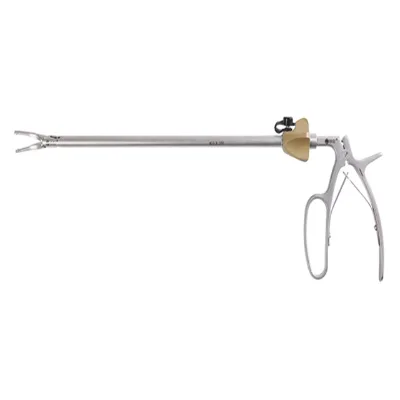
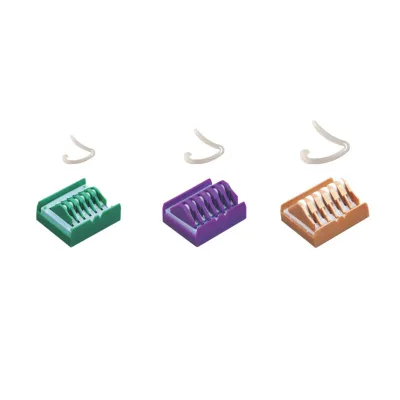


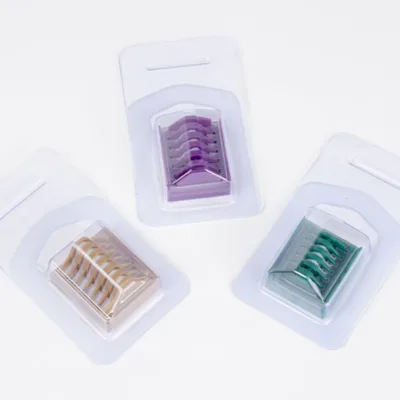


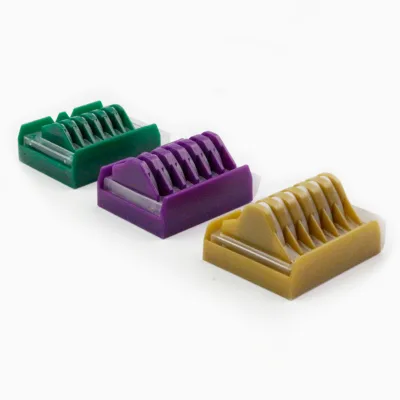




Comprehensive Sourcing Guide
Reusable Hemolok Ligation Clip Supplier Concentration and Factory Types
The current supplier landscape for Reusable Hemolok Ligation Clip products reveals a distinct mix of manufacturing capabilities and trading operations. Data indicates that the available entities operate as either Manufacturers or Trading Companies, a structural division that significantly impacts sourcing strategy. Manufacturers typically possess direct control over production lines, allowing for deeper customization and potentially tighter quality control over the raw materials used in surgical instruments. In contrast, Trading Companies often aggregate products from multiple factories, offering a broader catalog that may include complementary items like laparoscopes, endobags, and surgical forceps. This diversity in company type means buyers must carefully distinguish between the source of the product to understand the true value proposition. The presence of both types suggests a mature supply chain where specialized factories focus on production while traders handle logistics and market reach. Understanding this dichotomy is the first step in evaluating which supplier model aligns with your specific procurement needs, whether you prioritize direct factory engagement or the convenience of a single-point procurement partner.
Geographic concentration plays a pivotal role in the availability of these surgical instruments. Evidence points to Zhejiang, China, as a significant hub for the production of abdominal surgery equipment and related medical devices. This region is known for its robust manufacturing infrastructure, which supports the production of Class II and Class I surgical instruments. The concentration of suppliers in this area facilitates efficient supply chains for components like polymer clips and stainless steel applicators. Buyers should recognize that while Zhejiang is a verified origin point for many listed products, the specific factory location may vary within the province. This regional clustering often leads to competitive pricing and rapid prototyping capabilities, as seen in the light customization and sample processing options available. However, buyers must verify if the supplier is the actual manufacturer or a trader sourcing from this region, as this distinction affects lead times and communication efficiency. The geographic data provides a baseline for assessing logistical feasibility and potential shipping costs, which are critical factors in the overall cost structure of medical device procurement.
How to Verify Reusable Hemolok Ligation Clip Suppliers
Verification is a critical step in ensuring the reliability and compliance of suppliers offering Reusable Hemolok Ligation Clip products. Buyers should prioritize suppliers that have undergone third-party verification processes, such as those conducted by SGS Group. This external validation provides an additional layer of confidence regarding the supplier’s business legitimacy and operational capabilities. Beyond basic verification, it is essential to scrutinize the specific certifications held by the supplier. The presence of EN ISO 13485 and MDR certifications indicates adherence to stringent quality management standards required for medical device manufacturing in international markets. These certifications are not merely decorative; they reflect a systematic approach to quality control that is vital for surgical instruments. Buyers should request copies of these certificates and verify their validity through the issuing bodies. Additionally, checking for CE marks on individual products, such as polymer ligation clips, ensures that the items meet European health, safety, and environmental protection standards. This dual-layer verification of both company systems and product compliance is necessary to mitigate risks associated with non-compliant medical devices.
Another crucial aspect of verification involves assessing the supplier’s responsiveness and after-sales support structures. The data shows varying response times, with some suppliers indicating a response time of two hours, which is a strong indicator of operational efficiency. Fast response times often correlate with better customer service and quicker resolution of technical queries. Buyers should also examine the after-sale service offerings, such as return and replacement policies or online technical support. These services are particularly important for surgical instruments, where technical issues can arise during use. Furthermore, verifying the warranty terms is essential; a one-year warranty on products like polymer ligation clips suggests a manufacturer’s confidence in their product durability. Buyers should also check for OEM capabilities, as this indicates the supplier’s flexibility in branding and customization. By combining verification of certifications, response metrics, and service policies, buyers can build a comprehensive profile of a supplier’s reliability. This holistic approach ensures that the chosen partner can meet both immediate procurement needs and long-term operational requirements.
What to Compare Across Reusable Hemolok Ligation Clip Suppliers
When evaluating multiple suppliers for Reusable Hemolok Ligation Clip products, buyers must compare a range of operational and commercial metrics to identify the most suitable partner. One of the primary dimensions for comparison is the Minimum Order Quantity (MOQ). The data reveals a wide spectrum of MOQs, ranging from as low as one piece for certain applicators to ten cartridges for disposable ligation clips. This variability allows buyers to align orders with their inventory needs and budget constraints. For instance, suppliers offering an MOQ of two pieces for polymer clips provide flexibility for small-scale testing or niche market requirements. In contrast, higher MOQs may be necessary for bulk procurement to achieve economies of scale. Buyers should also compare lead times, which can vary significantly. While some suppliers indicate a lead time of fifteen days, others may offer faster delivery options, such as three to seven days for specific items. Understanding these lead time differences is crucial for supply chain planning, especially in emergency medical scenarios where rapid restocking is essential.
Price and customization capabilities are equally important factors in the comparison process. The price range for polymer ligation clips varies, with some products listed between $3.68 and $6.29, while others may be priced differently based on material and specifications. Buyers should analyze these prices in the context of the MOQ and lead time to determine the true cost per unit. Additionally, the ability to customize products is a key differentiator. Suppliers offering light customization, sample processing, and graphic processing services provide greater flexibility for branding and specific clinical requirements. The availability of OEM services, particularly for larger orders such as two thousand cartridges, allows buyers to establish their own brand identity. Furthermore, comparing the main products offered by each supplier can reveal their specialization. Some suppliers focus on a narrow range of surgical instruments, while others offer a broader portfolio including laparoscopes and endobags. This breadth of product range can simplify procurement by allowing buyers to consolidate orders with a single supplier. By systematically comparing these dimensions, buyers can make informed decisions that balance cost, speed, and customization needs.
Common Reusable Hemolok Ligation Clip Sourcing Risks
Sourcing Reusable Hemolok Ligation Clip products involves several inherent risks that buyers must proactively manage to ensure supply chain integrity. One significant risk is the misclassification of instrument safety standards. The data shows products classified as both Class I and Class II medical devices, which have different regulatory requirements and quality control expectations. Buyers must ensure that the supplier accurately declares the classification and that the product meets the corresponding standards for its intended use. Misclassification can lead to regulatory non-compliance and potential legal liabilities. Another risk is the variability in material quality. Products are described as being made from plastic, stainless steel, or titanium, each with distinct performance characteristics. Buyers should verify the material specifications to ensure they meet clinical requirements for durability and biocompatibility. For example, polymer clips must maintain their structural integrity during ligation, while steel applicators must withstand repeated use without deformation. Failure to verify material quality can result in product failure during surgery, posing serious patient safety risks.
Logistical and communication risks also pose challenges in the sourcing process. The reliance on international shipping methods such as DHL, UPS, and FedEx introduces variables related to transit times and customs clearance. Delays in shipping can disrupt surgical schedules and inventory levels. Buyers should establish clear communication channels with suppliers to monitor order status and address any issues promptly. The variation in response times, from two hours to potentially longer periods, highlights the importance of selecting a supplier with reliable communication protocols. Additionally, the risk of counterfeit or substandard products exists, particularly when sourcing from unverified suppliers. Buyers should insist on third-party verification and certification audits to mitigate this risk. The shelf life of products, which can range from one to three years, is another factor that requires careful management. Expired products must be avoided to ensure efficacy and safety. By identifying and addressing these risks through rigorous due diligence and clear contractual terms, buyers can protect their operations and maintain high standards of patient care.
Reusable Hemolok Ligation Clip Regional Sourcing and Logistics
Regional sourcing strategies are heavily influenced by the geographic concentration of suppliers, particularly in Zhejiang, China. This region serves as a central hub for the production of abdominal surgery equipment and related medical devices. Sourcing from this area offers advantages in terms of supply chain efficiency and cost competitiveness. The proximity of manufacturers to raw material suppliers and logistics networks facilitates faster production cycles and reduced transportation costs. Buyers should leverage this regional advantage by establishing direct relationships with factories in Zhejiang to minimize intermediaries. However, it is crucial to verify the exact location of the manufacturing facility, as some suppliers may be trading companies operating from the same region. Understanding the specific logistics infrastructure in Zhejiang, including access to major ports and airports, can help in planning efficient shipping routes. The availability of various shipping options, such as air cargo via DHL, UPS, and FedEx, ensures flexibility in delivery methods. Buyers should consider the trade-off between speed and cost when selecting shipping methods, especially for urgent medical supplies.
Logistics planning must also account for the packaging and handling requirements of surgical instruments. Products are often packaged in specific dimensions, such as 60x17x10 cm for polymer clips, which affects shipping volume and costs. Buyers should work with suppliers to optimize packaging to reduce freight expenses without compromising product protection. The single gross weight of items, ranging from two to three kilograms, is another factor to consider when calculating shipping costs. Additionally, the shelf life of products, which can be up to three years, allows for strategic inventory management. Buyers can place larger orders less frequently to take advantage of bulk shipping discounts, provided they have adequate storage capacity. It is also important to consider the regulatory requirements of the destination country, as different regions may have specific labeling and documentation needs for medical devices. By aligning regional sourcing strategies with logistical capabilities, buyers can create a resilient supply chain that minimizes disruptions and ensures timely delivery of critical surgical instruments.
Reusable Hemolok Ligation Clip Commercial Terms and Order Planning
Commercial terms and order planning are essential components of a successful procurement strategy for Reusable Hemolok Ligation Clip products. Buyers must carefully negotiate payment terms to ensure financial security and flexibility. The acceptance of various payment methods, including PayPal, provides convenience but may come with transaction fees. For larger orders, buyers should explore more secure payment options such as letters of credit or escrow services, which offer protection against non-delivery or non-conformance. Understanding the warranty terms is also critical; a one-year warranty on products like polymer ligation clips indicates a commitment to quality. Buyers should clarify the scope of the warranty, including coverage for defects and the process for returns and replacements. This clarity helps in managing potential costs associated with product failures. Additionally, buyers should consider the total cost of ownership, which includes not only the unit price but also shipping, customs duties, and storage costs. By analyzing these factors, buyers can make informed decisions that optimize their budget and operational efficiency.
Order planning should be aligned with the supplier’s lead times and production capacities. The data indicates lead times of fifteen days for some products, while others may have shorter delivery windows. Buyers should forecast their demand accurately to avoid stockouts or excess inventory. For products with high demand, such as surgical polymer ligation clips, maintaining a buffer stock is advisable. Buyers should also consider the customization options available, such as OEM services, which may require longer lead times due to setup and production adjustments. Planning for these variations ensures that orders are placed well in advance to meet clinical needs. Furthermore, buyers should establish clear communication protocols with suppliers to monitor order progress and address any issues promptly. Regular reviews of supplier performance, including response times and delivery accuracy
FAQs
What is the minimum order quantity for hemolok ligation clips?
The minimum order quantity for hemolok ligation clips is typically 1 to 2 pieces. Some suppliers offer lower MOQs for sample testing, while others require 10 cartridges for bulk orders. Verify the specific MOQ with the supplier to ensure it matches your procurement needs.
What certifications are required for hemolok ligation clips?
Suppliers often hold EN ISO 13485 and MDR certifications for hemolok ligation clips. These standards ensure compliance with medical device regulations. Buyers should verify current certification status and scope to confirm the products meet their regional regulatory requirements.
What is the typical lead time for hemolok ligation clips?
Lead times for hemolok ligation clips vary, with some suppliers offering 15 days for standard orders. Others may provide faster delivery for in-stock items. Confirm the specific lead time based on order volume and customization requirements before placing an order.
Are hemolok ligation clips available in different sizes?
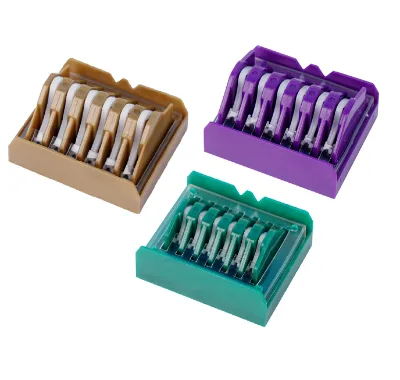
Yes, hemolok ligation clips are available in multiple sizes, including M, L, and XL. These sizes accommodate different vessel diameters during surgical procedures. Buyers should select the appropriate size based on the specific surgical application and patient requirements.
What is the shelf life of hemolok ligation clips?
The shelf life of hemolok ligation clips is generally 3 years. This duration ensures the product remains effective and safe for use within the specified period. Check the packaging for expiration dates and storage conditions to maintain product integrity.
Can hemolok ligation clips be customized for specific needs?
Suppliers offer light customization and sample processing for hemolok ligation clips. This includes graphic processing and customized on-demand options. Discuss specific requirements with the supplier to determine the feasibility and cost of customization.
What is the warranty for hemolok ligation clips?
Hemolok ligation clips typically come with a 1-year warranty. This covers defects in materials and workmanship under normal use. Review the warranty terms to understand the coverage scope and any exclusions before purchasing.