Button Battery Keyless Entry Remote Suppliers and Manufacturers
Compare 21 verified suppliers offering Button Battery Keyless Entry Remote solutions with ISO9001:2015 and CE certifications. Review response times, lead times, and MOQs to select a partner, then request quotes for specific models like TKM-01 or XH-SM05W; review the available evidence before requesting comparable quotations from suitable candidates.
Suppliers List

- Verified by TUVRHEINLAND
- Combined
- China Fujian
- Lead time30 days
- Avg. response≤ 8h
Main productsRF Remote Control, Remote Control Duplicator, RF Receiver, Gate Opener, Auto Gate Door Motor, Remote Control, Rolling Code, Motorcycle Alarm System, Sliding Gate Opener, Car Remote Alarm
Main marketsEurope,Australia,North America
Guangzhou Autolion Electronic Technology Co., Ltd.
- Manufacturer, Trading Company
- Lead time旺季: "1 - 500":5,"> 500":"To be negotiated", 淡季: "1 - 500":5,"> 500":"To be negotiated"
- Avg. response≤ 4h
Main productsCar Security System,Jump starter,Car Rearview Monitor System

Zhejiang Hiland Technology Co., Ltd.
- Verified by CTI
- Combined
- China Zhejiang
- Lead time23 days
- Avg. response≤ 1h
Main productsRemote Control, Receiver, Tubular Motor Receiver, Sliding Gate Opener, Garage Door Opener, Gate Transmitter, Photocell, Flash Lamp, Sliding Gate Control Board, Tubular Motor Control
Main marketsSouth America,Africa,East Asia(Japan/ South Korea),Domestic,Europe,Australia,North America
Ningbo Yoursensor Electronic Technology Co., Ltd.
- Verified by SGS
- Combined
- China Zhejiang
- Lead time30 days
- Avg. response≤ 2h
Main productsMicrowave Sensor, Infrared Sensor, Photocell, Alarm Lamp, Light Curtain for Elevator
Main marketsOthers(foreignTradeCapacity.exportBusinessCapacityMarketOther),Europe

HEFEI LONG RIVER ELECTRICAL CO., LTD.
- Trading Company
- China Anhui
- Lead time23 days
- Avg. response≤ 6h
Main productsDoorbell, Alarm, LED Sensor Bulb, Cable Ties, Cable Clips, Dry Cell, School Bell, Fire Bell, LED Bulb
Main marketsSouth America,Eastern Europe,Mid East,North America,Southeast Asia,Eastern Asia,Oceania,Western Europe,Africa

Quanzhou Juhui Electronics Co., Ltd.
- Verified by SGS
- Manufacturer
- China Fujian
- Lead time30 days
- Avg. response≤ 10h
Main productsRemote Control, Remote Control Duplicator, Receiver/Gate Opener, Motorcycle Alarm, Electric Vehicle Alarm, Receiver Module, Remote Control Case, OEM, Customized Required Design
Main marketsSouth America,Africa,Southeast Asia/ Mideast,Europe,Australia,North America
Xiamen Foyum Electronic Technology Co., Ltd.
- Verified by SGS
- Manufacturer
- China Fujian
- Lead time30 days
- Avg. response≤ 10h
Main productsRemote Control, Gate Remote Control, Remote Control Duplicator, RF Remote Control Receiver, Remote Controller, Face to Face Remote Control
Main marketsAfrica,Domestic,Europe,North America

Shanghai Anma Industry Co., Ltd.
- Trading Company
- China Shanghai
- Lead time30 days
- Avg. response≤ 5h
Main productsCar Accessories, Car Spare Parts, Car Tools, Car Interior Accessories, Car Exterior Accessories, Car Electrical Accessories, Car Lights, Car Mirror, Car Emergency Kits, Car Care Products
Main marketsSouth America,Others(foreignTradeCapacity.exportBusinessCapacityMarketOther),Southeast Asia/ Mideast,Europe,North America

Zuden Technology (HK) Co., Limited
- Verified by CTI
- Combined
- China Guangdong
- Lead time15 days
- Avg. response≤ 8h
Main productsAlarm System, Access Control, Electromagnetic Lock, Home Security System, Alarm Strobe Siren, Magnetic Contact, WiFi Home Security Wireless Burglar GSM Alarm, Home Security Wireless Burglar GSM Alarm System, Metal Standalone RFID Door Access Control, Smart Home
Main marketsSouth America,Southeast Asia/ Mideast,Europe,Australia
Gatexpert International Trade Co., Ltd.
- Verified by BV
- Trading Company
- China Zhejiang
- Lead time30 days
- Avg. response≤ 7h
Main productsSliding Gate Opener, Swing Gate Opener, Garage Door Opener, Industrial Door Opener, Automatic Barrier Gate, Control Board Customized, Program Development, Automotive Gearbox Transmission Parts, Reducer Gears
Main marketsSouth America,Southeast Asia/ Mideast,East Asia(Japan/ South Korea),Europe,Australia

Hangzhou Safedoor Automation & Hardware Co., Ltd.
- Verified by TUVRHEINLAND
- Trading Company
- China Zhejiang
- Lead time15 days
- Avg. response≤ 18h
Main productsAutomatic Door, Door Opener, Automatic Door Operator, Sliding Door Operator, Swing Door Operator, Microwave Sensor and Photocell, Access Control Reader, Electric Locks, Automatic Door Battery, Glass Door
Main marketsOthers(foreignTradeCapacity.exportBusinessCapacityMarketOther),Southeast Asia/ Mideast
Telecrane Technology (Nanjing) Co., Ltd.
- Verified by SGS
- Combined
- China Anhui
- Lead time15 days
- Avg. response≤ 3h
Main productsCrane Remote Control, Industrial Remote Control, Wireless Remote Control, Radio Remote Control, Joystick Remote Control
Main marketsDomestic

Hangzhou Wistar Mechanical & Electric Technology Co., Ltd.
- Verified by SGS
- Combined
- China Zhejiang
- Lead time30 days
- Avg. response≤ 11h
Main productsTubular Motor, Awning Motor, Roller Blind, Remoter Control, Roller Shutter
Main marketsSouth America,Africa,Southeast Asia/ Mideast,East Asia(Japan/ South Korea),Domestic,Europe,Australia,North America


Compact and Portable Handheld 433.92MHz Remote Control with Rubber Border (RE101)
$7.90 - $10.70
Moq: 50


Handheld Single Channel Rolling Code Remote Control with Light Adjust Function (RE101-L)
$12.80 - $17.20
Moq: 50
Shanghai Craftmeter Control Technology Co., Ltd.
- Verified by TUVRHEINLAND
- Combined
- China Shanghai
- Lead time15 days
- Avg. response≤ 4h
Main productsRemote Control, Industrial Remote Control, Wireless Remote Control, Truck Remote Control, Crane Remote Controller, Crane Radio Remote Control, Joystick Remote Controller, Crane Hoist Remote Control
Main marketsDomestic
Shenzhen Kelvin Electronics Co., Ltd.
- Verified by BV
- Combined
- China Guangdong
- Lead time23 days
- Avg. response≤ 9h
Main productsRemote Control, Remote Control Duplicator, Remote Control Application, RF Transmitter and Receiver, Gas Leak Detector, 5km Keyfob, 5km Remote Controller, Transmitter and Receiver Module, Alarm System, WiFi Controller
Main marketsSouth America,Africa,Southeast Asia/ Mideast,East Asia(Japan/ South Korea),Domestic,Europe,Australia,North America

Hangzhou Ocean Industry Co., Ltd.
- Verified by BV
- Combined
- China Zhejiang
- Lead time15 days
- Avg. response≤ 6h
Main productsGear, Gear Rack, Pulley, Chain, Sprocket, Coupling, Gearbox, Pinion, Speed Reducer, Speed Reducer Gear Box
Main marketsSouth America,Southeast Asia/ Mideast,Europe,Australia
- Verified by Intertek
- Trading Company
- Lead time5 days
Main productsKey Blanks, Locks, Locksmith's Tools, Key Cutting Machine, Diagnostic Tools
Difanmax Tech Lianyungang Co., Ltd.
- Verified by BV
- Manufacturer/Factory
- China Jiangsu
- Lead time23 days
- Avg. response≤ 4h
Main productsConsumer Electronics, Kinesiology Tape Adhesive Tapes, Industrial Tools, Home & Garden, Gifts & Crafts, Sport Products Entertainment, Health & Medical, Auto Parts E-Bike Auto Tools & Components, Clothes Apparel, Bicycle Hardware Laboratory Measuring Protective
Main marketsSouth America,North America,Southeast Asia,Oceania,Western Europe

Zhengzhou Everbright Construction Material Co., Ltd.
- Trading Company,Manufacturer/Factory
- China Henan
- Lead time0 days
- Avg. response≤ 14h
Main productsIndustrial Door, Dock Leveler, Dock Shelter, Industrial Door Motor, High Speed Door, Sponge Dock Shelter, Inflatable Dock Shelter, Section Door, Garage Door, Door Hardware
Zhongshan Kaiyi Electronics Co., Ltd
- Verified by SGS
- Combined
- China Guangdong
- Lead time15 days
- Avg. response≤ 1h
Main productsWireless Remote Control Switch, Smart Switch, Wireless Panel Switch, Lighting Switch
Main marketsAfrica,Southeast Asia/ Mideast,Europe

Fuzhou Colshine Electric Co., Ltd.
- Verified by SGS
- Trading Company,Manufacturer/Factory
- China Fujian
- Lead time23 days
- Avg. response≤ 13h
Main productsLED Corn Light, LED Street Light, LED Yard Light, LED Dusk to Dawn Light, Sauna Lamp, Pendant Light, Porcelain Lampholder, Metal Lampholder, Halogen Lampholder, Retro Switch & Socket
Main marketsSouth America,Eastern Europe,Mid East,North America,Southeast Asia,Eastern Asia,Oceania,Western Europe,Africa


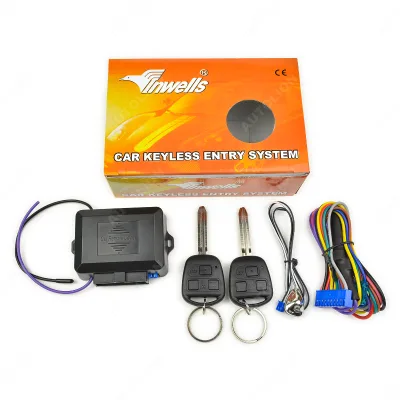
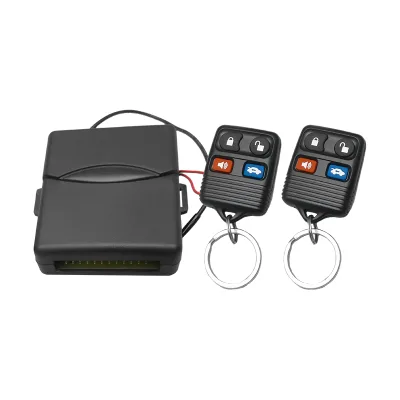
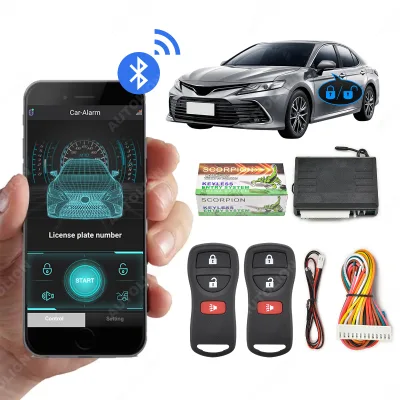
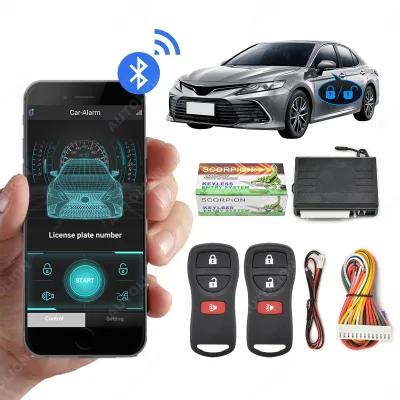
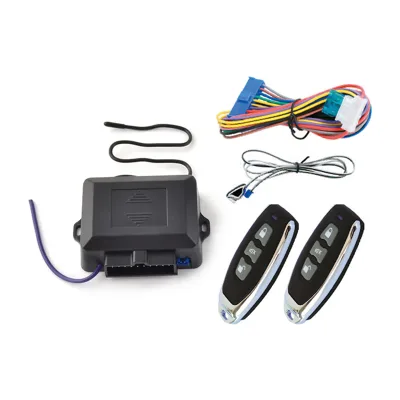


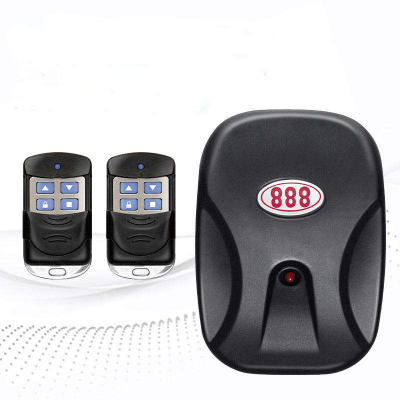


Comprehensive Sourcing Guide
Button Battery Keyless Entry Remote Supplier Concentration and Factory Types
Current data indicates that a significant portion of suppliers for button battery keyless entry remotes are located in China, specifically within the Fujian province. This region appears to host a mix of combined company types, including both manufacturers and trading companies, which suggests a diverse supply chain structure for these electronic components. The presence of ISO9001:2015 certification among some entities highlights a baseline for quality management systems, though this is not universal across all listed providers. Buyers should note that while some suppliers list specific product lines like RF remote controls and gate openers, others focus on broader automotive security systems, indicating that specialization varies even within the same geographic cluster.
When evaluating the factory types, it is crucial to distinguish between pure manufacturers and combined entities that may also trade. The available facts show that some suppliers operate as manufacturers and trading companies simultaneously, which can impact pricing and direct communication channels. For those seeking direct factory relationships, verifying the company type is essential, as trading companies might add a layer of markup or communication delay. The concentration in Fujian suggests a mature ecosystem for these products, but buyers must verify if the specific factory they engage with has the actual production capacity for custom button battery keyless entry remotes or if they are primarily reselling existing stock from other sources.
How to Verify Button Battery Keyless Entry Remote Suppliers
Verification of suppliers for button battery keyless entry remotes should begin with checking for third-party validation marks such as the TUVRHEINLAND verification status observed in the current results. This external validation provides a layer of confidence regarding the supplier's business legitimacy and operational stability. However, buyers must not assume that all suppliers possess this specific verification; it is a variable attribute that requires individual confirmation. In the absence of such a mark, buyers should request alternative proof of business registration and physical factory audits to ensure the entity is not merely a shell company or a middleman without direct oversight of production quality.
Beyond verification status, buyers should scrutinize the specific certifications listed for the products themselves, such as CE, RoHS, or ISOCE, which appear in the product attributes for various remote models. These certifications are critical for ensuring that the button battery keyless entry remotes meet safety and environmental standards required in target markets. It is important to note that certification claims must be backed by valid documentation, as the presence of a keyword like "ISOCE" in a product description does not guarantee a valid certificate for every batch. Buyers should explicitly request copies of these certificates and verify their authenticity with the issuing bodies before committing to an order, ensuring that the supplier's claims align with the actual product specifications provided.
What to Compare Across Button Battery Keyless Entry Remote Suppliers
When comparing suppliers, the minimum order quantity (MOQ) is a primary differentiator that significantly affects procurement strategy. The data reveals a wide range, with some suppliers requiring an MOQ of 500 units while others accept orders as low as one or two pieces. This variance allows buyers to select partners based on their inventory needs, whether they are testing the market with small batches or preparing for large-scale distribution. Buyers should carefully calculate the total cost of ownership, including the per-unit price and the impact of the MOQ on cash flow, to determine which supplier offers the most viable entry point for their specific business model.
Lead time and response time are equally critical metrics for operational planning and supply chain reliability. Current observations show response times varying from 4 to 7.51 hours, indicating differences in customer service efficiency and availability. Lead times also fluctuate, with some suppliers citing a standard 30-day window, while others provide more complex schedules based on order volume, such as 5 days for smaller batches and negotiated terms for larger quantities. Buyers must align these timelines with their production schedules and market demand forecasts. A supplier with a faster response time may offer better support during the negotiation phase, but a longer lead time might be acceptable if the price advantage is significant, provided the buyer can manage the inventory buffer accordingly.
Common Button Battery Keyless Entry Remote Sourcing Risks
One significant risk in sourcing button battery keyless entry remotes involves the discrepancy between claimed specifications and actual product performance, particularly regarding transmission distance and frequency. The product data shows varying transmission ranges, from less than 50 meters to over 100 meters, and different frequencies like 433.92MHz or 2.4GHz. If a supplier claims a specific range but the actual product fails to meet it due to battery quality or antenna design, the end-user experience will suffer. Buyers must insist on receiving physical samples that are tested under real-world conditions to validate these claims before placing bulk orders, ensuring that the remote functions reliably in the intended environment.
Another risk pertains to the consistency of quality control and the defect rate, which can vary significantly between suppliers. While some product attributes mention a defective rate of less than 0.5%, this figure is not universally guaranteed across all suppliers. Inconsistent manufacturing processes can lead to batches with high failure rates, resulting in returns, warranty claims, and reputational damage. Buyers should inquire about the supplier's quality assurance protocols, including in-process testing and final inspection procedures. It is also vital to verify if the supplier offers any warranty or replacement policy for defective units, as this mitigates the financial impact of potential quality issues and ensures a more stable supply chain for button battery keyless entry remotes.
Button Battery Keyless Entry Remote Regional Sourcing and Logistics
The geographic concentration of suppliers in China, particularly in Fujian and Guangdong, influences logistics planning and shipping costs for button battery keyless entry remotes. These regions are established hubs for electronics manufacturing, which often results in competitive shipping rates and efficient export processes. However, buyers must account for the specific shipping requirements for lithium button batteries, which are classified as dangerous goods and require special handling during transport. The product data indicates that items are often packed in cartons with specific dimensions, but the exact packaging for hazardous materials must be confirmed to ensure compliance with international shipping regulations.
Logistics efficiency is further impacted by the supplier's location relative to major ports and their experience with international freight. Suppliers in Fujian and Guangdong typically have access to major shipping lanes, but the actual transit time can vary based on the chosen shipping method and customs clearance procedures. Buyers should discuss Incoterms and shipping responsibilities clearly to avoid unexpected delays or costs. Additionally, the lead time provided by the supplier often includes production time but may not account for shipping duration. It is advisable to build a buffer into the delivery schedule to accommodate potential logistical bottlenecks, ensuring that the button battery keyless entry remotes arrive in time for market launch or inventory replenishment.
Button Battery Keyless Entry Remote Commercial Terms and Order Planning
Commercial terms for button battery keyless entry remotes vary significantly, with payment methods including TT, PayPal, and Western Union being common options. The choice of payment term can affect the buyer's financial risk and cash flow management. For new supplier relationships, buyers might prefer secure payment methods or escrow services to protect their funds until the goods are verified. It is essential to negotiate clear terms regarding deposit percentages and balance payments, ensuring that the payment schedule aligns with production milestones. Buyers should also clarify any additional costs, such as currency conversion fees or transaction charges, which can impact the final landed cost of the products.
Order planning must also consider the customization options available, as many suppliers indicate that customization is available for their remote controls. This flexibility allows buyers to tailor products to their brand requirements, but it often introduces complexity in terms of lead time and minimum order quantities. Customization may require tooling fees or longer production cycles, which must be factored into the overall project timeline. Buyers should confirm the specific customization capabilities, such as logo printing or frequency adjustments, and ensure that the supplier has the technical capacity to execute these changes without compromising product quality. Clear communication of these requirements early in the process is vital to avoid delays and ensure a smooth order fulfillment experience.
FAQs
What is the minimum order quantity for button battery keyless entry remotes?
Minimum order quantities vary by product. Some wireless keypad remotes require 500 units, while universal gate remotes may start at just 2 units. Buyers should check specific product listings for exact thresholds before placing bulk orders to ensure cost efficiency.
How long does it take to receive button battery keyless entry remotes?
Standard lead times are typically around 30 days for general orders. Specific models like the 433.92MHz remote keyless entry show a delivery time of 25 days. Larger orders exceeding 500 units may require negotiation for extended timelines during peak seasons.
Are button battery keyless entry remotes available with ISO certification?
Yes, several products carry ISO9001:2015 system certification. Some items also display CE and RoHS compliance marks. Buyers should verify specific product attributes to confirm which certifications apply to their selected model before finalizing procurement decisions.
What is the price range for button battery keyless entry remotes?
Prices range from approximately 3.00 to 20.00 USD per unit depending on features. Basic wireless controllers start near 3.00, while specialized keypad transmitters can reach 20.00. Costs vary based on customization options, frequency, and included accessories like batteries.
Where are button battery keyless entry remotes manufactured?
Most products originate from Fujian or Guangdong provinces in China. Specific listings confirm origins in these regions for various remote control models. Buyers should verify the place of origin on individual product pages to ensure alignment with their sourcing preferences.
Do suppliers offer customization for button battery keyless entry remotes?
Customization is available for many models including frequency and branding. Some products explicitly state that custom options are available for keyless entry systems. Buyers must contact suppliers directly to discuss specific requirements for frequency, packaging, or functional modifications.
What is the response time for suppliers of button battery keyless entry remotes?
Supplier response times vary, with some averaging around 4 hours and others at 7.51 hours. Faster response rates are common among verified manufacturers. Buyers should expect prompt communication when contacting suppliers with verified status for urgent inquiries.