Erasable Graffiti Drawing Board Suppliers and Manufacturers
Source 26 verified suppliers for Erasable Graffiti Drawing Board products. Compare key dimensions including lead times, MOQs, certifications, and response rates. Review product specifications and pricing to identify suitable partners for your procurement needs; review the available evidence before requesting comparable quotations from suitable candidates.
Suppliers List
Hangzhou Wonder Tree Technology Co., Ltd.
- Verified by TüVRheinland
- Manufacturer, Trading Company
- Lead time30 days
- Avg. response≤ 3h
Main productsPaper Puzzle, Board Game, Cards Game, Poker Chip, Flashcards
Main marketsNorth America(50%), Western Europe(20%), Eastern Europe(10%)

Ningbo Colorswoo Art Supply Co., Ltd.
- Verified by TUVRHEINLAND
- Trading Company
- China Zhejiang
- Lead time23 days
Main productsPigment Acrylic Paint Oil Paint Gouache Paint, Water Color Paint Fabric Paint Poster Paint, Finger Paint Tempera Paint Face Paint Eye Paint, Ceramic Paint Window&Glass Pait Water Color Cake, White Glue Glitter Glue Glue Stick Glitter Shake, Crayon Oil Pastels Chalk Soft Pastel, Plasticine Modeling Clay, Water Color Pen Color Pencil Paint Set, Brush Palette Canvas Cleaning Pot, Eraser
Main marketsSoutheast Asia/ Mideast,Europe,Australia,North America


Hot Sale Stationery School Drawing Writing Paper Magnetic Whiteboard for Kids and Students
$1.20 - $2.00
MOQ: 3000 Sets
Dongguan Tianyi Stationery Co., Ltd.
- Verified by TüVRheinland
- Manufacturer, Trading Company
- Lead time10 days
- Avg. response≤ 2h
Main productsAcrylic Marker, Chalk Marker, Fabric Marker, Paint Marker, Heat Erasable Marker
Main marketsNorth America(15%), South America(15%), Domestic Market(15%)

TAIZHOU HARSOUL IMP. & EXP. CO., LTD.
- Trading Company
- China Zhejiang
- Lead time30 days
Main productsPromotion Gifts, Promotional Bag, Promotional Jewelry, Promotional Toys, Promotional Stationery, Promotional Plastic Goods
Main marketsOthers(foreignTradeCapacity.exportBusinessCapacityMarketOther),Europe,North America

Shantou Kaixin Trading Co., Ltd
- Verified by BV
- Manufacturer
- China Guangdong
- Lead time23 days
Main productsToy, Educational Toy, Remote Control Toy, Pretend Play Toy Set, Summer Toy, Vehicle Toy, Doll, Promotion Toy, Baby Toy, Game Toy


Stationery Wholesale Toy Drawing Board Custom Template Art Design Stencil Drawing Stencil for Kids
$2.60 - $4.00
MOQ: 108 Sets

Shenzhen Bao Si Xin Technology Development Co., Ltd.
- Verified by BV
- Combined
- China Guangdong
- Lead time23 days
Main productsFoam Sticker, Bubble Sticker, Flocking Sticker, Felt Sticker, Tattoo, Non-Residue Sticker, Fridge Magnet, Magnetic Whiteboard, Silicone Sticker, Sticker Book
Main marketsSoutheast Asia/ Mideast,North America

Children's Erasable Writing Board, Drawing Board, Magnetic Writing Board
$0.65 - $0.75
MOQ: 1000 Pieces

Reusable TPE Drawing and Writing Board for Fridge Organization & Education Tool
$1.45 - $1.65
MOQ: 1000 Pieces

Printed Traceless TPE Writing Board, Writing Board, Whiteboard with Erasable Pen
$0.79 - $0.95
MOQ: 1000 Pieces

$0.65 - $0.75
MOQ: 1000 Pieces

ZHEJIANG HENGXIANG SUPPLY CHAIN CO., LTD.
- Verified by CTI
- Trading Company
- China Zhejiang
- Lead time30 days
Main productsWhite Cardboard, Double Adhesive Paper, Photocopy Paper, Kraft Paper
Main marketsSouth America,Europe
Shanghai Hanker Industrial Co., Ltd.
- Verified by TUVRHEINLAND
- Combined
- China Shanghai
- Lead time15 days
Main productsSelf Adhesive Vinyl, One Way Vision, Color Cutting Vinyl, Cold Lamination Film, Ultra Clear Pet Film, Aluminum Foil Sticker, Magnetic Sheets, Window Film, Floor Stickers, Wall Paper
Main marketsSoutheast Asia/ Mideast

Self Adhesive Drawing Board for Artistic Expression and Creativity
$0.62 - $1.85
MOQ: 500 Square Meters


Custom Drawing and Writing Board Dry Erase Whiteboard/Transparent Film
$0.62 - $1.85
MOQ: 500 Square Meters
Shantou Chenghai Hua Nuo Intelligent Technology Co., Ltd.
- Verified by SGS Group
- Manufacturer, Trading Company
- Lead time20 days
- Avg. response≤ 4h
Main productsKid Makeup Toy, Educational Toy, Water Gun, RC Toy-RC Car, Bubble Toys
Main marketsNorth America(40%), Eastern Europe(20%), South America(10%)
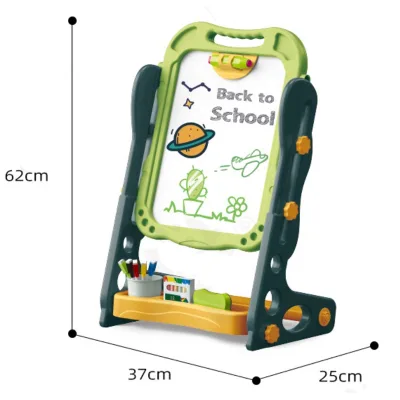
$6.08 - $6.99
MOQ: 90 pieces
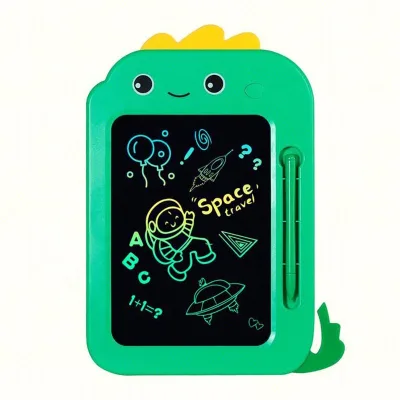
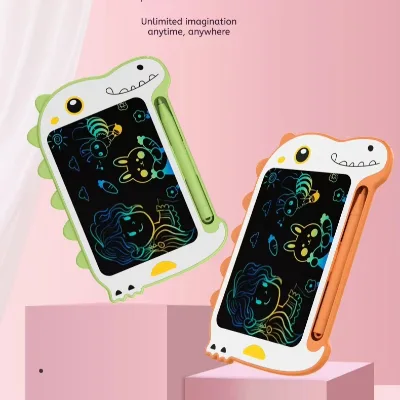
Wholesale Cartoon Dinosaur Colorful Drawing Board Erasable Writing Pad LED Writing Board for Kids
$2.80 - $3.22
MOQ: 250 pieces
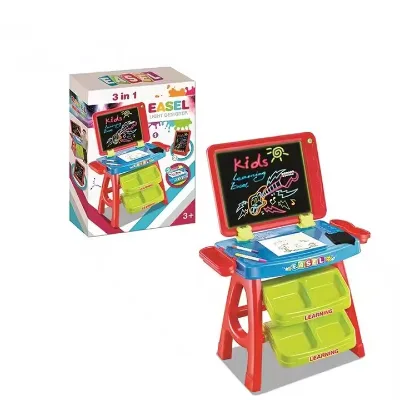
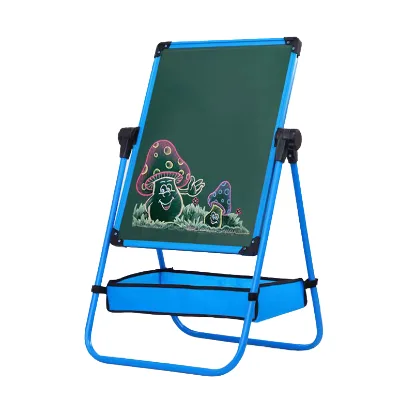
Light Drawing Writing Board Easel Children Black Board Kids Toys With Highlighter Pen
$12.46 - $14.95
MOQ: 60 pieces

Shandong Xinghui Cultural Products Co., Ltd.
- Verified by SGS
- Combined
- China Shandong
- Lead time30 days
Main productsPet Ladder, Pet Ramp, Kids' Drawing Board, Pet Tent, Pet Furniture, Children's Toys
Main marketsDomestic,Australia

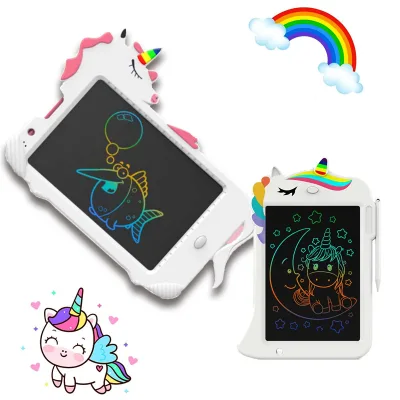
Waterproof LCD Writing Tablet Wholesaler Lightweight and Portable Kids Graffiti Drawing Board
$10.00 - $21.00
MOQ: 100 Pieces


$10.00 - $21.00
MOQ: 100 Pieces


PIN INTERNATIONAL (NINGBO) LTD.
- Verified by TUVRHEINLAND
- Manufacturer/Factory
- China Zhejiang
- Lead time90 days
Main productsWooden Toys Kids Toys Educational Toys, Arts and Crafts, Stem Toys, DIY Products, Subscription Box for Kids
Main marketsSouth America,Eastern Europe,North America,Eastern Asia,Western Europe
Hebei Jianran Trading Co., Ltd.
- Trading Company
- Hebei, China
- Lead time10 days
- Avg. response≤ 2h
Main productsmotorcycle tire,bicycle tire,motorcycle tube,inter tube
Main marketsNorth America(50.00%), South America(23.00%), Southeast Asia(10.00%), Southern Europe(2.00%), South Asia(2.00%), Northern Europe(2.00%), Central America(2.00%), Western Europe(2.00%), Mid East(2.00%), Africa(2.00%), Eastern Europe(2.00%), Eastern Asia(1.00%)

- Combined
- China Guangdong
- Lead time23 days
Main productsPromotion Gift, Toy, Flashing Item, Free Gift, Business Gift, Novelty
Main marketsAfrica,Europe,North America
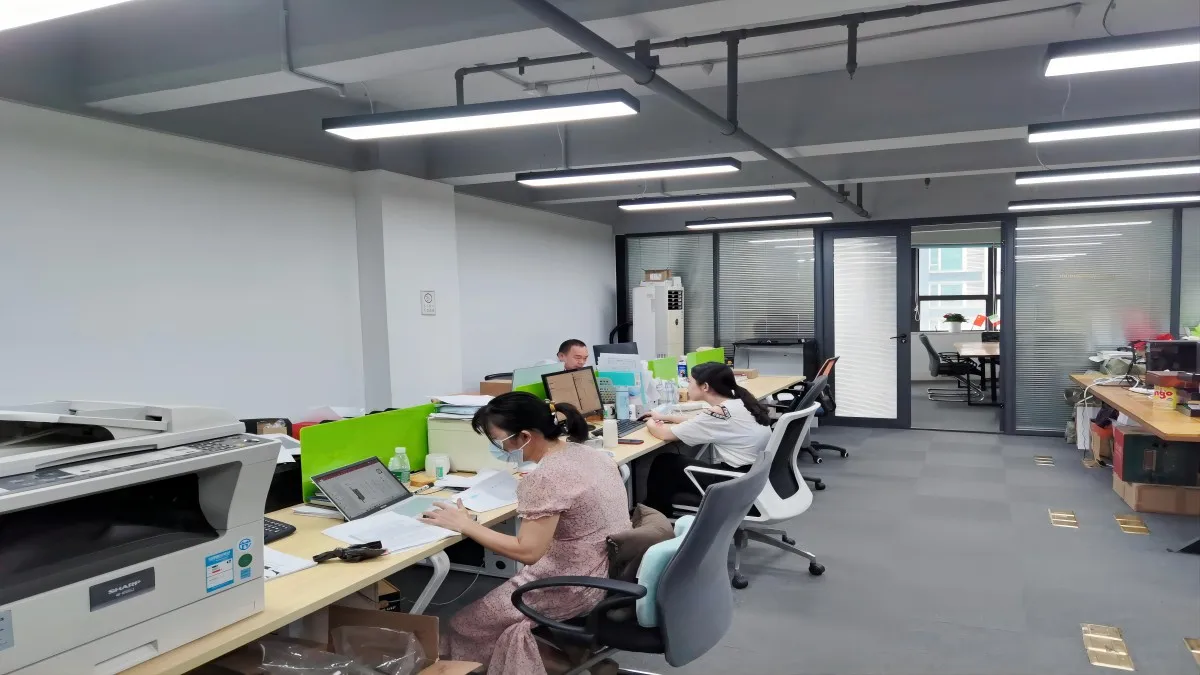
- Manufacturer, Trading Company
- Guangdong, China
- Lead time20 days
- Avg. response≤ 2h
Main productsBoard Game,Playing Cards,poker accssories,dices,pub games
Main marketsNorth America(35.00%), Domestic Market(20.00%), Mid East(10.00%), Northern Europe(8.00%), Western Europe(5.00%), Eastern Europe(5.00%), Southern Europe(5.00%), Southeast Asia(4.00%), Central America(2.00%), South America(2.00%), Oceania(1.00%), South Asia(1.00%), Africa(1.00%), Eastern Asia(1.00%)

DONGGUAN HUI TAI TONG TECHNOLOGY CO., LIMITED
- Manufacturer/Factory
- China Guangdong
- Lead time23 days
Main productsPlastic Toy, Children Toy, Educational Toy, Action Figure, PVC Figure, Promotional Gift, Sport Figure
Main marketsNorth America,Eastern Asia,Western Europe

Color Magnetic Writing Painting Drawing Graffiti Board Kids Toy Preschool Tool Drawing Children Toys
$0.99 - $1.66
MOQ: 1000 Sets

$0.99 - $1.66
MOQ: 10000 Sets

$0.99 - $1.66
MOQ: 1000 Sets
QINGDAO CONVERTING PAPER CO., LTD.
- Verified by TUVRHEINLAND
- Trading Company
- China Shandong
- Lead time15 days
Main productsPacking Paper Baords C1s Board/Fbb /Gc1, C2s Art Board/High Bulk PE Coated Cupstock Board, Coated Kraft Back/Ckb/Gc4, Printing & Writing Papers Uwf C2s Art Paper, Light Woodfree Coated Paper Uncoated Woodfree, Photocopy Paper(A4) Thermal Paper NCR Paper, Sack Paper Classic Kraft Paper Food Packaging, Rpimary Color Kraft Extensible/Composite Base, Tissue Paper Special Papers & Materials, Kraft Paper Tape and Duct Tape
Main marketsSoutheast Asia/ Mideast
Cao County Luguoban Wood Industry Co., Ltd.
- Verified by SGS Group
- Manufacturer, Trading Company
- Lead time30 days
- Avg. response≤ 2h
Main productsChildrens bookshelf, Crib, Childrens storage cabinet, Furniture, Childrens furniture
Main marketsNorth America(50%), Western Europe(30%), Southeast Asia(10%)
Lishui Zhangzhongbao Toys Co., Ltd.
- Trading Company,Manufacturer/Factory
- China Zhejiang
- Lead time30 days
Main productsWooden Toys, Educational Toys, Doll House, Kitchen Toy, Wooden Bike
Main marketsSouth America,Eastern Europe,Mid East,North America,Southeast Asia,Eastern Asia,Oceania,Western Europe,Africa
Guangzhou Vitality Manufacturing&Export Co., Ltd
- Verified by CTI
- Trading Company
- China Guangdong
- Lead time15 days
Main productsNotebook, Exercise Book, School Cloth, Textbook, School Bag, Pens, Stationery Set, Ruler Set, Calculator, Jigsaw Puzzle
Main marketsSouth America,Africa,Southeast Asia/ Mideast

Kids Art Drawing Board Blackboard for Toddler Painting Creative Learning
$0.22 - $0.40
MOQ: 1000 Pieces

Eco Friendly Non Toxic Blackboard for Kids Art Drawing Painting Educational Toy
$0.22 - $0.40
MOQ: 1000 Pieces
Ningbo Hardwork Art & Craft Co., Ltd.
- Verified by BV
- Combined
- China Zhejiang
- Lead time15 days
Main productsDIY Kit, Stamp, Wooden Craft, Book
Main marketsEurope

Watercolor Coloring Book Drawing Graffiti Paper Memo Pad DIY Portable Watercolor Painting
$1.21 - $1.42
MOQ: 500 pieces


Watercolor Coloring Book & Graffiti Paper Memo Pad-DIY Portable Painting
$1.21 - $1.42
MOQ: 500 pieces
QINGDAO OHSUNG STATIONERY CO., LTD.
- Manufacturer
- China Shandong
- Lead time30 days
Main productsWhiteboard, Corkboard, Blackboard, Flipchart, Dry Erase Board, Erasable Calendar, Weekly Planner, Monthly Planner, Photo Frame
Main marketsEurope,Australia,North America


Desktop Dry Erase Re-Writable Whiteboard Customize Desktop Folding Painting for Kids
$1.20 - $36.53
MOQ: 100 Pieces

Magnetic Dry Erase Board Removable Reusable Dry Erase Whiteboard for School
$1.20 - $15.60
MOQ: 100 Pieces
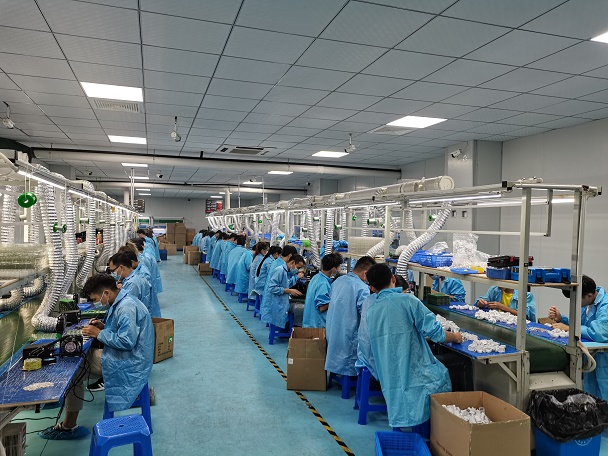
Shenzhen GY Technology Co., Ltd.
- Manufacturer, Trading Company
- Guangdong, China
- Lead time7 days
- Avg. response≤ 3h
Main productsLCD Writing Tablet, Kids Walkie Talkie, Talking Flash Cards, Drawing Robot, Kids Reading Pen
Main marketsNorth America(36.00%), Western Europe(20.00%), Southern Europe(7.00%), Oceania(6.00%), Southeast Asia(6.00%), Africa(5.00%), Central America(4.00%), Eastern Asia(4.00%), Mid East(4.00%), Northern Europe(3.00%), Eastern Europe(3.00%), South America(2.00%)
Ningbo Cicor Stationery Co., Ltd.
- Verified by TUVRHEINLAND
- Combined
- China Zhejiang
- Lead time30 days
Main productsMarker Pens Stationery Gift
Main marketsSoutheast Asia/ Mideast,Domestic,Europe,Australia,North America


Dry Erase Black Markers Manufacturers Durable Refillable Whiteboard Marker
$0.13 - $0.17
MOQ: 3000 Pieces


Ningbo Inmax Cultural Technology Co., Ltd
- Verified by SGS
- Trading Company,Manufacturer/Factory
- China Zhejiang
- Lead time45 days
Main productsPen, Stationery, Pencils, Ballpoint Pens, Highlighter, Notebook, Marker, Erasers, Rulers, School Stationery
Main marketsSouth America,Eastern Europe,Mid East,North America,Southeast Asia,Eastern Asia,Oceania,Western Europe,Africa


Factory White Board Message Writing Board Customized Stationery 16*26.5cm (SB 38066A)
$0.40 - $0.55
MOQ: 3000 Sets

Zhangjiagang Senko Import and Export Co., Ltd.
- Verified by TUVRHEINLAND
- Trading Company
- China Jiangsu
- Lead time30 days
Main productsWhiteboard, Dry Erase Board, White Board, Blackboard, Flip Chart Board, Writing Steel, Whiteboard Steel, Whiteboard Surface, Ceramic Steel, Porcelain Steel
Main marketsSouth America,Australia,North America

NINGBO BOHONGCHUANGYI INTERNATIONAL CO., LTD.
- Trading Company,Manufacturer/Factory
- China Zhejiang
- Lead time30 days
Main productsWooden Photo Frame, Photo Frame, Wooden Box, PVC Photo Frame, Baby Toy, Plastic Photo Frame, Glass Photo Frame, Polyresin Photo Frame, Wooden Toy, Leather Frame
Main marketsSouth America,Eastern Europe,Mid East,North America,Southeast Asia,Eastern Asia,Oceania,Western Europe,Africa
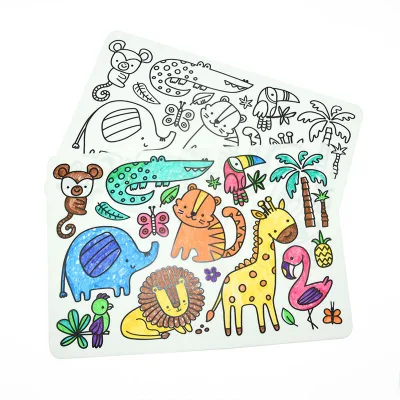
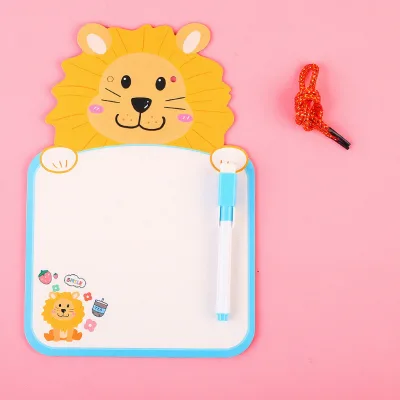
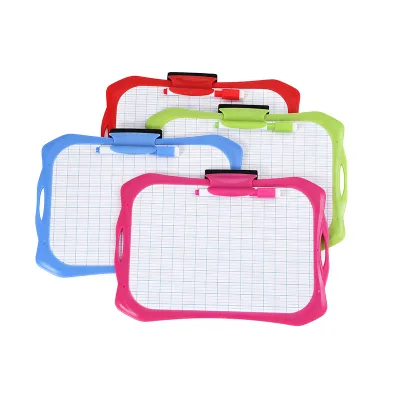


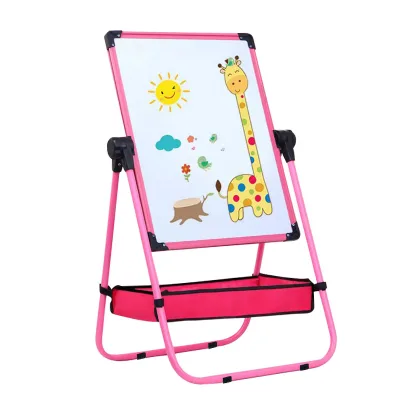








Comprehensive Sourcing Guide
Erasable Graffiti Drawing Board Supplier Concentration and Factory Types
The current supplier landscape for erasable graffiti drawing boards reveals a mix of manufacturing and trading company structures, with specific clusters emerging in verified regions. Fact-based data indicates that production facilities are concentrated in Zhejiang and Guangdong provinces in China, where specific product attributes like paper-based materials and plastic components are processed. Some suppliers list their primary output as paper puzzles, board games, and cards, while others specialize in pigment acrylic paints, markers, and modeling clays, suggesting a diverse manufacturing ecosystem capable of supporting varied material requirements for drawing boards. Buyers should note that the presence of both manufacturers and trading companies means the supply chain may involve direct factory floors or intermediary distribution layers, affecting how customization requests are handled.
When assessing the concentration of these suppliers, it is critical to distinguish between those offering sample processing and graphic processing capabilities versus those with their own brands. The observed data shows that some entities provide customized on-demand services, while others focus on standard inventory items like doodle boards or magnetic whiteboards. This variation implies that sourcing strategies must align with the specific factory type; manufacturers often handle complex material changes like switching from paper to plastic, whereas trading companies might offer faster access to a broader range of finished goods. Buyers should verify the actual production capacity by checking if the supplier lists specific processing capabilities rather than relying on general company type labels, ensuring the chosen partner can meet the technical demands of the Erasable Graffiti Drawing Board category.
How to Verify Erasable Graffiti Drawing Board Suppliers
Verification of suppliers in this category relies heavily on third-party audit results and specific certification standards that validate product safety and manufacturing quality. The available data confirms that certain suppliers hold TüVRheinland verification status, which serves as a concrete indicator of operational reliability and compliance with international standards. Additionally, system certifications such as FSC, ISO 9001, EN 71, and CPC are present in the records of some manufacturers, directly addressing the safety requirements for children's educational toys. Buyers must cross-reference these specific certification codes with the product listings to ensure that the claimed standards apply to the specific erasable drawing boards being sourced, rather than assuming general company credentials cover all product lines.
Beyond certifications, the verification process should include checking the response time and the depth of product evidence provided by the supplier. Data indicates response times ranging from two to three days, which can serve as a proxy for operational efficiency and communication reliability. Buyers should also scrutinize the detailed product attributes, such as material composition (paper vs. plastic), model numbers, and specific dimensions like 20.5 * 21CM or 40.5 * 28cm, to confirm that the supplier has precise knowledge of their inventory. The presence of detailed packing information, such as color boxes or poly bags, and specific weight data further validates the supplier's ability to manage logistics. If a supplier lacks these granular details or fails to provide a clear verification badge, buyers should treat the engagement with caution and request additional proof of capability before proceeding.
What to Compare Across Erasable Graffiti Drawing Board Suppliers
Comparing suppliers requires a systematic evaluation of key operational metrics including lead times, minimum order quantities, and pricing structures to determine the best fit for specific procurement needs. The observed data shows significant variation in lead times, with some suppliers offering a 10-day turnaround while others require up to 30 days. Similarly, minimum order quantities (MOQ) fluctuate widely, ranging from as low as 2 sets for certain whiteboard models to 3000 sets for magnetic paper boards. Buyers must align these figures with their inventory planning and cash flow constraints, recognizing that a lower MOQ might come with a higher unit price, while larger orders could secure better rates but require more storage capacity.
In addition to logistical metrics, the comparison should extend to the specific product attributes and customization options available. Some suppliers offer highly welcomed OEM/ODM services with customizable sizes and branding, while others provide fixed specifications like random colors or standard single package sizes. The material composition is another critical differentiator, with options ranging from paper-based educational toys to plastic-based doodle boards, each carrying different durability and cost implications. Buyers should also compare the certification levels, noting that some products carry CE or ISORoHS certifications while others may have none listed. By creating a side-by-side matrix of these variables, buyers can objectively identify which suppliers offer the optimal balance of speed, cost, and flexibility for their specific Erasable Graffiti Drawing Board requirements.
Common Erasable Graffiti Drawing Board Sourcing Risks
One of the primary risks in sourcing erasable graffiti drawing boards involves the discrepancy between claimed certifications and actual product safety compliance. While some suppliers list robust certifications like EN 71 and CPC, others may have no system certifications listed, creating a potential gap in safety assurance for children's products. Buyers must be vigilant in verifying that the specific product model they intend to purchase carries the necessary safety approvals, as a company might hold a general ISO 9001 certification without it applying to the specific toy line. Relying on general company credentials without confirming product-specific test results can lead to regulatory non-compliance in the destination market, potentially resulting in product recalls or legal liabilities.
Another significant risk stems from the variability in lead times and the potential for supply chain disruptions. The data shows lead times ranging from 10 to 30 days, and while some suppliers offer rapid response times, this does not guarantee consistent delivery schedules during peak seasons. Buyers should also consider the risk associated with material quality, as the transition from paper to plastic or the use of specific inks can affect the erasability and longevity of the drawing boards. If a supplier does not clearly define the material properties or the durability of the erasable surface, the final product may fail to meet customer expectations. To mitigate these risks, buyers should request samples that undergo rigorous testing for erasability and safety before committing to large-scale orders, ensuring that the supplier's claims are substantiated by physical evidence.
Erasable Graffiti Drawing Board Regional Sourcing and Logistics
Regional sourcing for erasable graffiti drawing boards is heavily influenced by the concentration of manufacturing hubs in specific Chinese provinces, particularly Zhejiang and Guangdong. The available data confirms that products originate from these regions, with specific model numbers and attributes tied to these locations. Buyers should leverage this geographic concentration to streamline logistics, as suppliers in these areas often have established relationships with freight forwarders and experience in handling international shipping for educational toys. However, the specific location of the factory can impact shipping costs and transit times, so buyers must verify the exact place of origin for each product to accurately calculate landed costs.
Logistics planning must also account for the diverse packaging requirements observed across different suppliers. Some products are packed in color boxes with specific dimensions like 18X26X3 cm, while others use poly bags or shrink-wrapped units. These variations affect the volume efficiency of shipping containers and the overall cost per unit. Buyers should work closely with suppliers to optimize packaging configurations, ensuring that the single package size and gross weight align with container loading plans. Additionally, the response time of the supplier, which can range from two to three days, plays a crucial role in the speed of order processing and the subsequent dispatch of goods. By understanding the regional logistics landscape and packaging specifics, buyers can better manage their supply chain timelines and reduce the risk of delays.
Erasable Graffiti Drawing Board Commercial Terms and Order Planning
Commercial terms for erasable graffiti drawing boards vary significantly based on the supplier's pricing structure and order volume requirements. The data indicates unit prices ranging from approximately $0.19 to $2.00, depending on the material, size, and certification level of the product. Buyers must carefully analyze these price points in relation to the minimum order quantities, which can range from 2 sets to 3000 sets. Understanding the price-volume relationship is essential for effective budgeting, as smaller orders may incur higher per-unit costs, while larger orders might offer economies of scale but require significant upfront capital. Buyers should also consider the potential for price fluctuations based on raw material costs, particularly for paper and plastic components.
Order planning must also incorporate the specific customization capabilities and lead times offered by each supplier. Some suppliers support highly welcomed OEM/ODM services, allowing for custom branding and design changes, while others offer limited customization options. The lead time, which can vary from 10 to 30 days, must be factored into the production schedule to ensure timely delivery. Buyers should establish clear communication channels to confirm the exact production timeline and any potential bottlenecks. Additionally, the response time of the supplier, typically between two to three days, should be considered when planning for urgent orders or last-minute changes. By aligning commercial terms with realistic order planning, buyers can ensure a smooth procurement process and maintain the quality and consistency of their Erasable Graffiti Drawing Board inventory.
FAQs
What is the typical lead time for these boards?
Manufacturers generally require 10 to 30 days to process orders. Specific timelines depend on the supplier type and current production capacity. Trading companies may offer faster turnaround for stock items, while custom manufacturing often takes longer. Buyers should confirm exact dates before placing bulk orders to ensure timely delivery.
What certifications are available for these products?
Common certifications include EN 71, ASTM, CE, and ISO 9001. Some suppliers also hold FSC, SCAN, or BSCI credentials. These standards ensure safety and quality for educational toys. Buyers should verify specific certificates for their target market, as requirements vary between regions like Europe and North America.
What is the minimum order quantity for custom boards?
MOQs typically range from 2 to 3000 sets depending on the supplier. Some manufacturers accept low MOQs of 240 sets for customized designs. Others may require higher volumes for standard items. Buyers seeking small batches should look for suppliers offering flexible customization options to meet their specific volume needs.
What materials are used for these drawing boards?
Materials vary between paper, plastic, and cardboard. Paper-based boards are often eco-friendly and suitable for kids educational toys. Plastic options provide durability and reusability. Buyers should select materials based on product usage, ensuring they meet safety standards and functional requirements for their specific target audience.
What is the price range for these boards?
Prices generally range from $0.19 to $2.00 per unit. Costs depend on material, size, and customization level. Paper-based boards tend to be more affordable, while plastic or complex designs may cost more. Buyers should request quotes based on their specific MOQ and design requirements to get accurate pricing.
Can I customize the design and branding?
Most suppliers offer OEM and ODM services for customization. Buyers can request custom sizes, colors, and logos. Graphic processing and sample processing are commonly available. This allows businesses to create unique products that align with their brand identity and market requirements.