Car Light Truck Tire Spreader Suppliers and Manufacturers
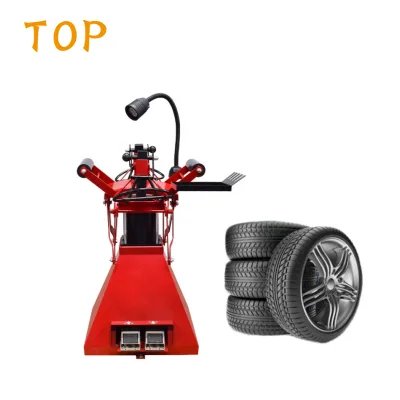
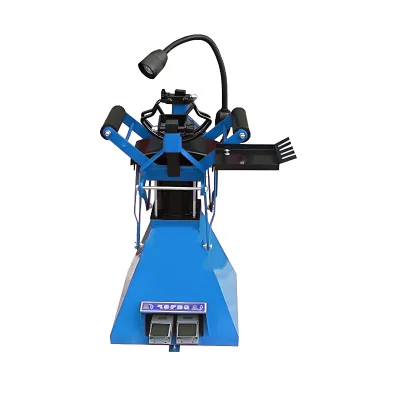
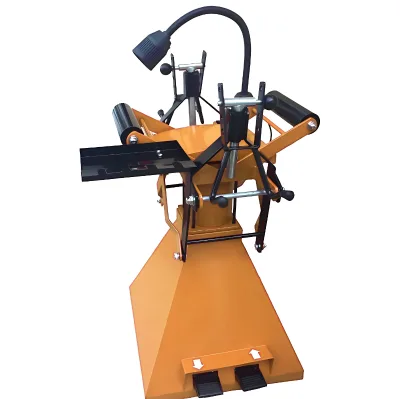
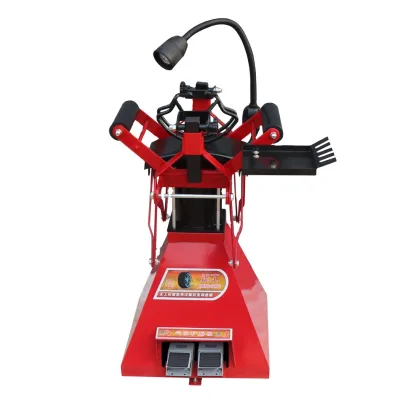
Explore 29 verified options for Car Light Truck Tire Spreader from Hebei and Shandong factories. Compare response times, lead times, certifications, and product specifications like operating pressure and tire width. Contact suppliers directly to request quotes and verify warranty terms.
Suppliers List
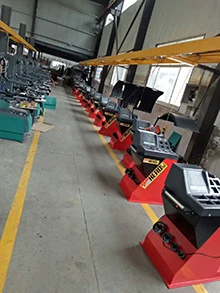
Hebei Zhonghaolian Import And Export Trade Co., Ltd.
- Trading Company
- Hebei, China
- Lead time20 days
- Avg. response≤ 6h
Main productstire repair material and tool,tire valve and valve caps,car jack,tire vulcanizer,wheel weight
Main marketsAfrica(30.00%), South America(20.00%), South Asia(10.00%), Northern Europe(10.00%), Mid East(10.00%), North America(10.00%), Eastern Europe(10.00%)
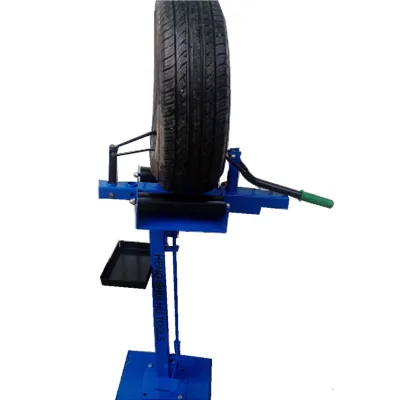
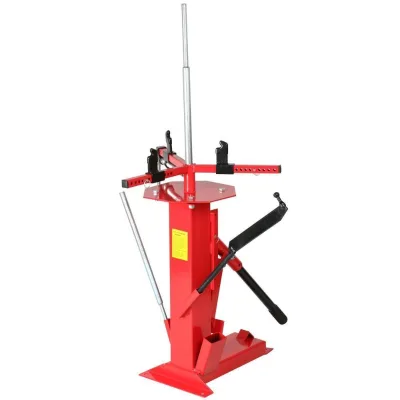
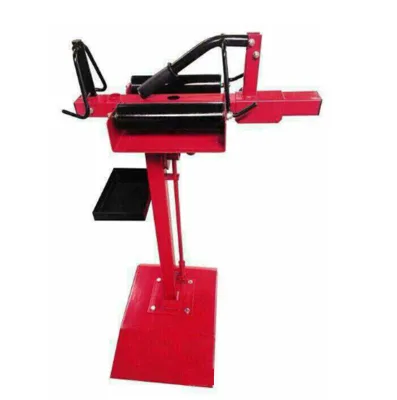
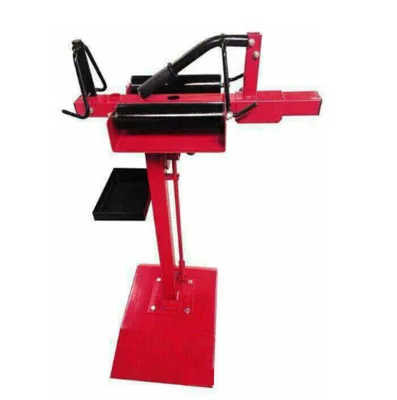
Pneumatic Tire Spreader / Mechanical Expander
$35.00 - $55.00

Qingdao Haylite Machinery Co., Ltd.
- Verified by BV
- Combined
- China Shandong
- Lead time30 days
- Avg. response≤ 24h
Main productsTool Cabinet, Exhibition Tent, Tire Changer, Camper Trailer, Auto Lift, Livestock Product, Trailer, Container Loading Ramp, Iron Gate, Tire
Main marketsAustralia,North America

Ningbo Everwinner Auto Parts Co., Ltd.
- Verified by CTI
- Trading Company
- China Zhejiang
- Lead time30 days
- Avg. response≤ 14h
Main productsTire Repair Tools and Kits, Tire Valve and Tire Valve Accessories, Wheel Weights, Wheel Nuts and Bolts, Wheel Spacers and Adapters, Tyre Changers and Wheel Balancers, Jacks and Stands, Tyre Pressure Gauges, Air Compressors, Air Tools
Main marketsSouth America,Southeast Asia/ Mideast,East Asia(Japan/ South Korea),Europe,Australia,North America
Wuqiang Hongma Tools Manufacture Co., Ltd.
- Verified by SGS Group
- Manufacturer, Trading Company
- Lead time25 days
- Avg. response≤ 2h
Main productsJack Stand, Farm Jack, Car Creeper, Car Ramps, Tool Trolley
Main marketsSouth America(25%), Eastern Europe(25%), North America(20%)
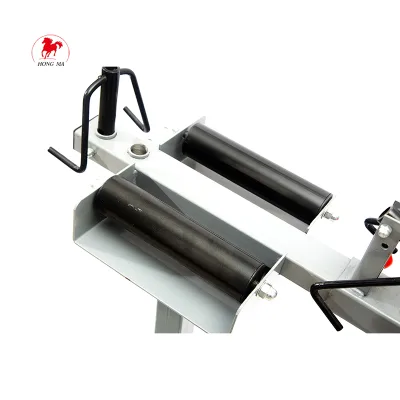
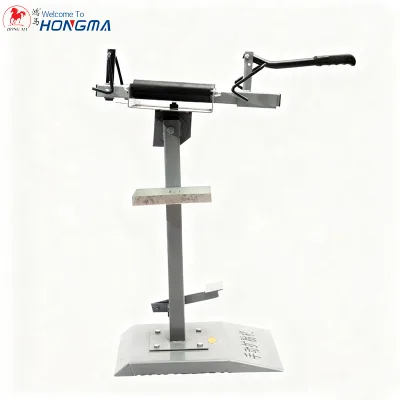
$36.79 - $38.83
MOQ: 300 pieces

Zhejiang Altertool Technology Inc.
- Manufacturer, Trading Company
- Zhejiang, China
- Lead time30 days
- Avg. response≤ 3h
Main productsCar Jack, Car Lift, Shop Press, Motorcycle Tools, Tyre Repair Tools
Main marketsWestern Europe(32.00%), Eastern Europe(32.00%), South America(21.00%), North America(8.00%), Southeast Asia(4.00%), Africa(2.00%), Oceania(1.00%)
Hebei Jingji Lifting Technology Co., Ltd.
- Manufacturer
- Lead time旺季: "1 - 10":7,"11 - 25":15,"26 - 50":25,"> 50":"To be negotiated", 淡季: "1 - 10":7,"11 - 25":15,"26 - 50":25,"> 50":"To be negotiated"
- Avg. response≤ 1h
Main productsAir Jack,Air Bottle Jack,Floor Jack,Bottle Jack,Tire Changer Machine

Baoding Xinghang Heavy Industry Technology Co., LTD
- Verified by BV
- Manufacturer/Factory
- China Hebei
- Lead time23 days
- Avg. response≤ 4h
Main productsAir Jack, Tire Changer, Bottle Jack, Floor Jack, Hydraulic Jack, Pneumatic Hydraulic Jack, Car Lift, Wheel Alignment
Main marketsEastern Europe,North America


Hot Saling Car Truck Tire Changer Garage Tools Tyre Changing Machine
$2050.00 - $2100.00
MOQ: 1 Pieces


XIANXIAN DEEP IMPORT AND EXPORT TRADING CO., LTD
- Verified by BV
- Combined
- China Hebei
- Lead time15 days
- Avg. response≤ 6h
Main productsWheel Balance Weight, Tire Valves, Tire Patch, Tire Pressure Gauge, Air Tools, Work Shop Equipment, Tire Mounting Tools
Main marketsSouth America,North America
Beijing Chengchuang Lianzhong Network Technology Co., Ltd.
- Trading Company
- Beijing, China
- Lead time15 days
- Avg. response≤ 3h
Main productsCar seat cushion,Automobile tire patching film,Automotive tool,Car charging,Car pendant
Main marketsNorth America(30.00%), Northern Europe(20.00%), Southern Europe(10.00%), Mid East(10.00%), Africa(10.00%), Southeast Asia(10.00%), Central America(5.00%), Eastern Asia(3.00%), South America(2.00%)
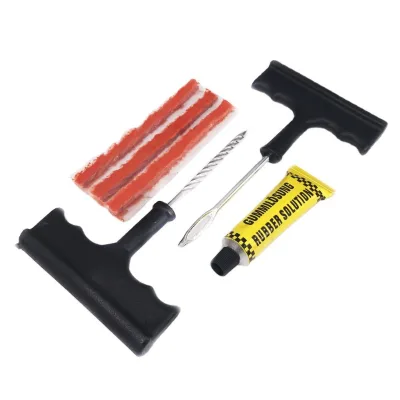
High Quality and Hot Sales Heavy Duty Factory Direct Sale Tire Repair Kit
$103.48 - $155.21
MOQ: 1 sets
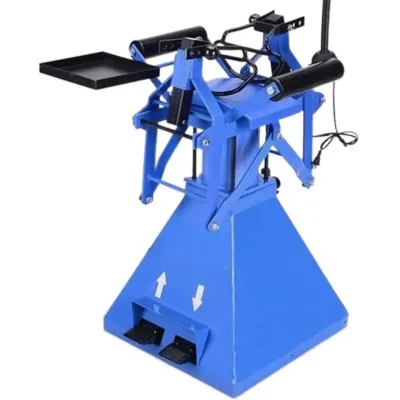

Sino Star Automotive Equipment Co., Ltd.
- Verified by BV
- Trading Company
- China Jiangsu
- Lead time23 days
- Avg. response≤ 5h
Main productsCar Wash Machine, Car Lift, Tire Changer, Wheel Balancer, 3D Wheel Alignment, Blue-Point Tools, Car Wash Shampoo, Hydraulic Jacks, Car LED Light
Main marketsSouth America,Southeast Asia/ Mideast,Domestic,Europe,Australia

Yingkou Yuanmech Machinery Co., Ltd.
- Verified by SGS
- Combined
- China Liaoning
- Lead time23 days
- Avg. response≤ 6h
Main productsTire Changer, Tyre Changer Machine, Wheel Balancer, Wheel Balancing, Car Lift, Automotive Tire Service Tools
Main marketsSouth America,Southeast Asia/ Mideast,East Asia(Japan/ South Korea),Domestic,Europe,Australia,North America


Practical and Compact Practical Garage Equipment Tire Repair Tool Manual Tire Spreader
$135.00 - $185.00
MOQ: 1 Pieces


Dongguan Top Machinery Co., Ltd.
- Trading Company
- Lead time旺季: "1 - 1":8,"> 1":"To be negotiated", 淡季: "1 - 1":8,"> 1":"To be negotiated"
- Avg. response≤ 3h
Main productsMetal Marking Machine,Badge Machine,Automotive Maintenance and Diagnostic products,Jewelry making machinery,Sports Machinery
Yantai Xpromise Garage Equipment Co., Ltd.
- Verified by TUVRHEINLAND
- Manufacturer/Factory
- China Shandong
- Lead time23 days
- Avg. response≤ 5h
Main productsCar Lift, Wheel Alignment, Tire Changer, Wheel Balancer, Auto Diagnostic Scanner, Auto Scanner, Car Jack, Garage Equipment, Auto Diagnostic Tool, Spray Booth
Main marketsSouth America,Eastern Europe,Mid East,North America,Southeast Asia,Eastern Asia,Oceania,Western Europe,Africa

Practical and Compact Practical Automobile Maintenance Tire Repair Tool Manual Tire Spreader
$100.00 - $2000.00
MOQ: 1 Pieces

Practical and Compact Practical Tire Repair Tool Manual Tire Spreader
$100.00 - $2000.00
MOQ: 1 Pieces

Practical and Compact Practical Garage Equipment Tire Repair Tool Manual Tire Spreader
$100.00 - $2000.00
MOQ: 1 Pieces


Excellent Quality Truck and Passenger Car Tire Expander for Automobile Maintenance
$182.00 - $192.00
MOQ: 1 Pieces

Factory-Direct-Sales Tire Spreader for Auto Garage with F. R. L Connection
$100.00 - $2000.00
MOQ: 1 Pieces

Yancheng Biaosin Import&Export Co., Ltd.
- Trading Company
- Jiangsu, China
- Lead time0 days
- Avg. response≤ 5h
Main productsPaint Spray Booth, Retractable Spray Paint Booth, Powder Coating Line, Car Washing Equipment, Car Lift Machine
Main marketsSoutheast Asia(55.00%), Eastern Europe(20.00%), Domestic Market(10.00%), Mid East(10.00%), Oceania(5.00%)

- Verified by BV
- Manufacturer/Factory
- China Shanghai
- Lead time23 days
- Avg. response≤ 16h
Main productsGarage Equipment, Tire Changer, Wheel Balancer, Car Lift, Spraybooth, Nitrogen Inflator, Tire Vulcainzer, 4 Wheel Aligner, Car Turntable, Auto Collision Repair Bench
Main marketsSouth America,Eastern Europe,Mid East,North America,Southeast Asia,Eastern Asia,Oceania,Western Europe,Africa


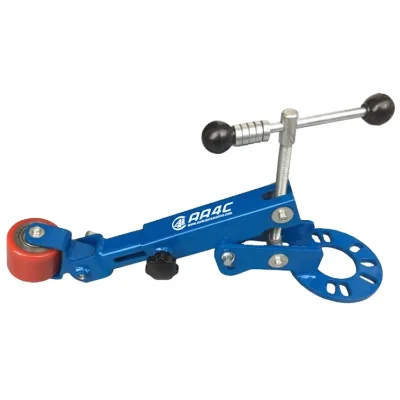
AA4c Heavy Duty Manual Car Light Truck Tyre Spreader Tyre Changer Repair Tyres Tool L AA-333
$100.00 - $200.00
MOQ: 1 Pieces

Yantai Lift Equipment Co., Ltd.
- Trading Company,Manufacturer/Factory
- China Shandong
- Lead time23 days
- Avg. response≤ 4h
Main productsCar Lift, Wheel Alignment, Tire Changer, Wheel Balancer, Auto Diagnostic Scanner, Auto Scanner, Car Jack, Garage Equipment, Auto Diagnostic Tool, Spray Booth
Main marketsSouth America,Eastern Europe,Mid East,North America,Southeast Asia,Eastern Asia,Oceania,Western Europe,Africa

Hot Selling Vehicle Repair Tire Spreader Expander Tire Vulcanizer Pneumatic Spreader Machine
$47.00 - $50.00
MOQ: 1 Pieces


Truck Tire Car Changer/Hoist/Auto Lift/Tyre Changer/Garage Equipment
$6500.00 - $6843.00
MOQ: 1 Pieces


Vehicle Repair Aids Air Operated Tire Spreader Expander Vulcanizer Pneumatic Spreader Machine
$47.00 - $50.00
MOQ: 1 Pieces

$4410.00 - $4643.00
MOQ: 1 Pieces
Hebei Jingji Lifting Technology Co., Ltd.
- Verified by Intertek
- Manufacturer, Trading Company
- Lead time5 days
- Avg. response≤ 1h
Main productsPneumatic Hydraulic Jack, Air Bottle Jack, Floor Jack, Bottle Jack, Jack Accessories
Main marketsSoutheast Asia(60%), South America(18%), Eastern Europe(12%)
Shaanxi Dat Industrial Products Co., Ltd.
- Trading Company
- Shaanxi, China
- Lead time15 days
- Avg. response≤ 2h
Main productsTire repair machine,Tire inflation tools,Car repair equipment,Heavy duty vihicle repair tools,Tire repair tools
Main marketsAfrica(10.00%), Southeast Asia(5.00%), North America(5.00%), South America(5.00%), Eastern Europe(3.00%), Mid East(2.00%)

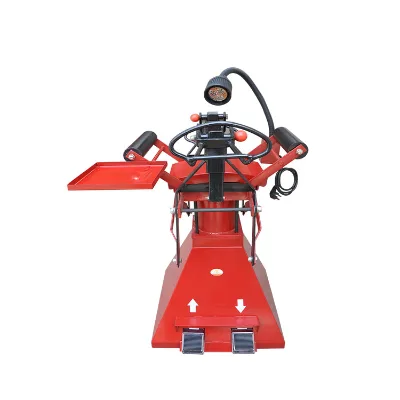
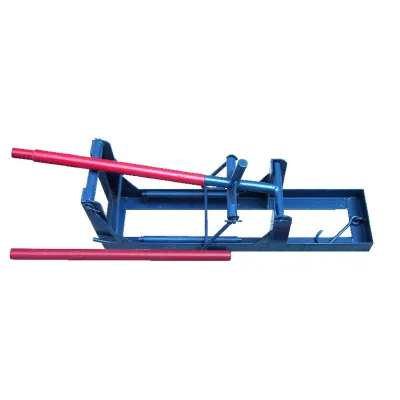
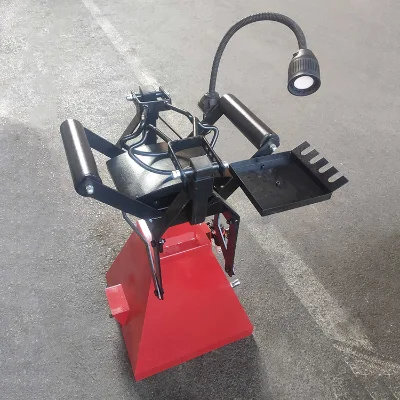
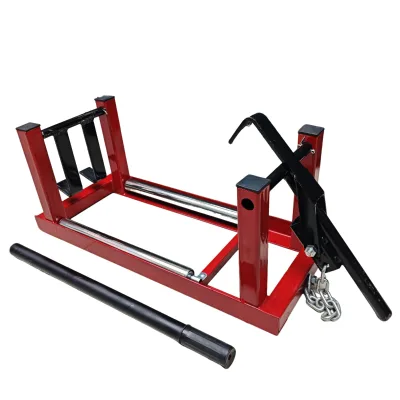
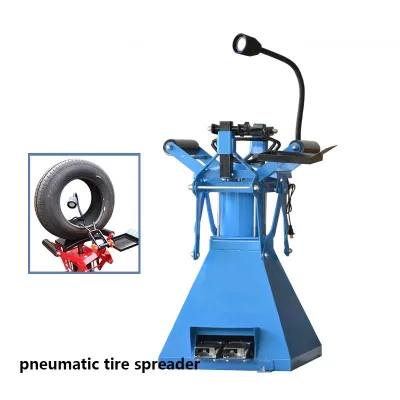
Manufacturer Car Tire Repair Machine Pneumatic Expander Tyre Spreader with Led Light
$99.00 - $135.00
MOQ: 1
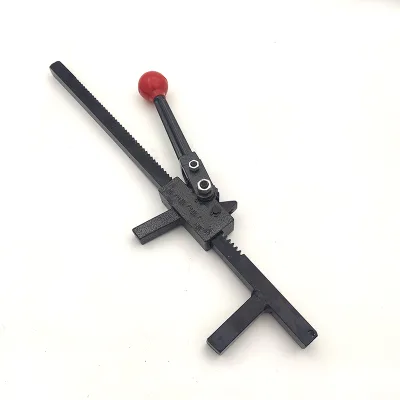

QINGDAO TUWO IMPORT AND EXPORT CO., LTD.
- Verified by SGS
- Manufacturer/Factory
- China Shandong
- Lead time15 days
- Avg. response≤ 25h
Main productsTire, Steel Wheel Rim, Detergent Products, Plywood, Wallspike, Frame Systems, Nylon Tyre
Main marketsSouth America,Eastern Europe,Mid East,Southeast Asia,Eastern Asia,Oceania,Western Europe,Africa

Shanghai Amerigo Trading Co., Ltd.
- Trading Company
- Shanghai, China
- Lead time30 days
- Avg. response≤ 11h
Main productsCar Lift,Tire Changer,Spray Booth,Wheel Balancer,3D Wheel Alignment
Main marketsAfrica(25.00%), Eastern Asia(15.00%), South America(15.00%), South Asia(10.00%), North America(10.00%), Southeast Asia(10.00%), Mid East(5.00%), Northern Europe(5.00%), Eastern Europe(5.00%)
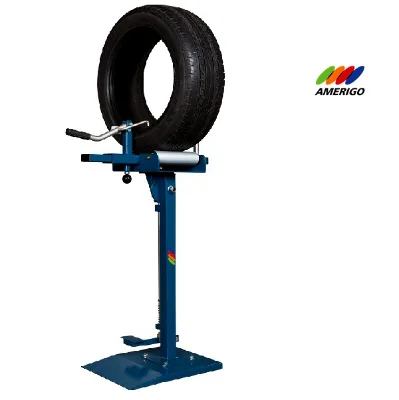
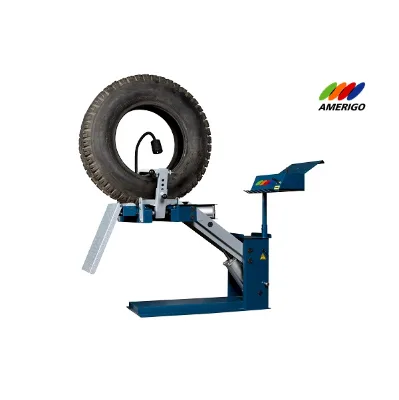
Amerigo A-SD-2 Manual Tire Spreader
$243.90 - $250.00
Yingkou Aisida Auto Maintenance Equipment Co., Ltd.
- Manufacturer, Trading Company
- Liaoning, China
- Lead time0 days
- Avg. response≤ 5h
Main productsHoffman Balancing Machine Special Nut,Electrophoresis Head,Auxiliary Tire Feeder,Bird Head Protection Mat
Main marketsDomestic Market(100.00%)
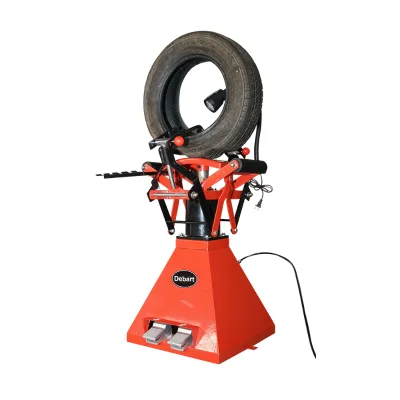
Garage Equipment Tyre Expanding Machine Tire Spreader for Sale
$99.00 - $128.00
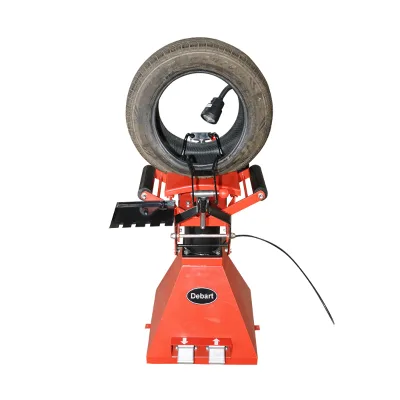
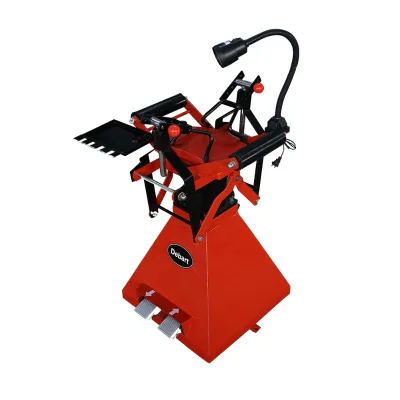
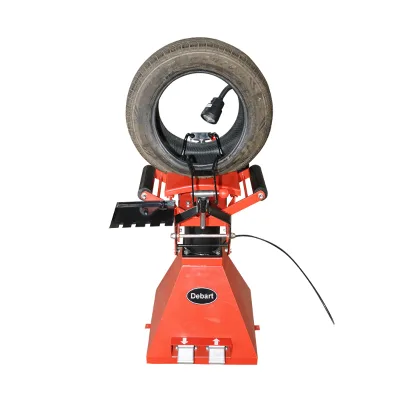
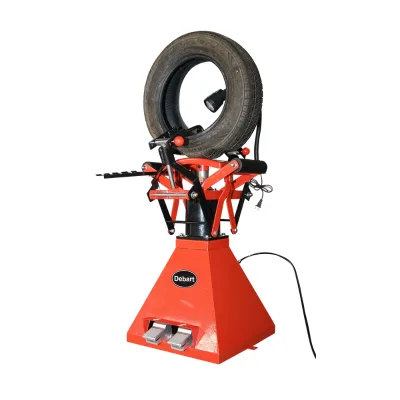
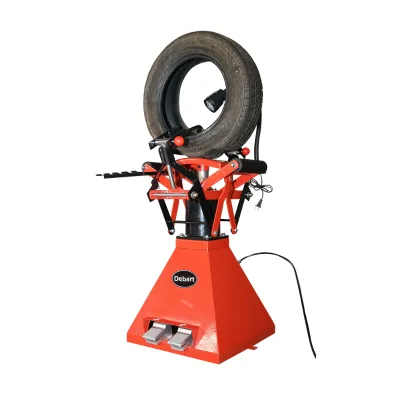
Portable Auto Repair Tools Car Pneumatic Tire Expander with Lamp
$99.00 - $128.00
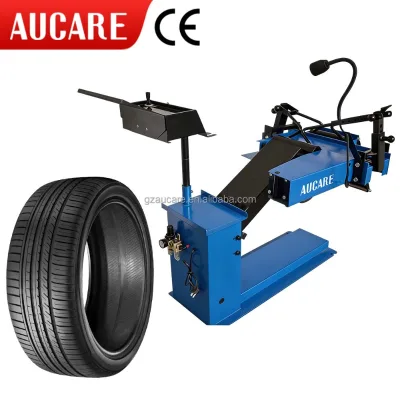
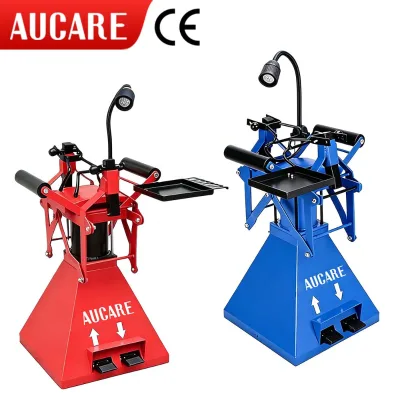
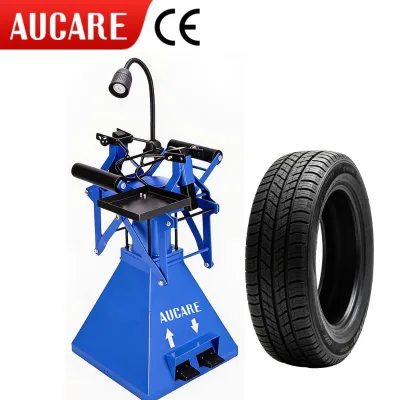
Guangzhou Aucare Automobile Technology Co., Ltd.
- Verified by TüVRheinland
- Trading Company
- Lead time15 days
- Avg. response≤ 1h
Main productsSpray Booths, Tire Repair Equiments And Tools, Automotive Repair Equipments, Powder Coating Equipments, Dust Collection Equipments
Main marketsNorth America(20%), Eastern Europe(20%), South America(10%)
Shandong Ant Electronic Technology Co., Ltd.
- Trading Company
- Shandong, China
- Lead time7 days
- Avg. response≤ 8h
Main productsspray booth,tire repair,lift machine,Auto Sheet Metal Repair,car beauty supplies
Main marketsSoutheast Asia(25.00%), Northern Europe(15.00%), South America(15.00%), Mid East(12.00%), North America(10.00%), Western Europe(10.00%), Africa(8.00%), Eastern Asia(5.00%)

Shenzhen Besita Technology Co., Ltd.
- Manufacturer, Trading Company
- Guangdong, China
- Lead time10 days
- Avg. response≤ 2h
Main productsTool Trolley,power tools,Auto Repair Hand Tools,Insulation Tools,Measuring Tool
Main marketsDomestic Market(25.00%), North America(15.00%), South Asia(10.00%), Southeast Asia(10.00%), Eastern Asia(10.00%), South America(5.00%), Mid East(5.00%), Southern Europe(5.00%), Northern Europe(5.00%), Western Europe(5.00%), Eastern Europe(5.00%)

Jiangsu Tonghui Lifting Equipment Co., Ltd.
- Verified by TUVRHEINLAND
- Trading Company
- China Jiangsu
- Lead time120 days
- Avg. response≤ 12h
Main productsCrane, Grab, Hydraulic Crane, Portal Crane, Telescopic Crane, Gantry Crane, Floating Crane, Marine Crane, Eco Hopper, Dust-Proof Hopper
Main marketsSoutheast Asia/ Mideast
Shanghai AA4C Auto Maintenance Equipment Co., Ltd
- Verified by SGS Group
- Manufacturer, Trading Company
- Shanghai, China
- Lead time15 days
- Avg. response≤ 3h
Main productsCar Lift/Tire Changer/Wheel Balancer/Wheel Aligner/Rim Straightening, Car Washing Machine, Vehicle Inspection Equipments
Main marketsNorthern Europe(23%), Western Europe(16%), Oceania(15%)

Shenzhen Yaojienterprise Co., Ltd.
- Trading Company,Manufacturer/Factory,Group Corporation
- China Guangdong
- Lead time23 days
- Avg. response≤ 4h
Main productsElectric Grease Pump, Electric Oil Pump, Oil Pump, Grease Pump, Grease Gun, Digital Flowmeter Gun, Waste Oil Drainer and Collecting Machine, Waste Oil Collecting Machine, Air Operated Grease Pump, Hose Reel
Main marketsSouth America,Eastern Europe,Mid East,North America,Southeast Asia,Eastern Asia,Oceania,Western Europe,Africa

Beijing Topsky Century Holding Co., Ltd.
- Manufacturer
- China Beijing
- Lead time0 days
- Avg. response≤ 11h
Main productsSecurity and Protection Equipment, Speical Force Device, Public Security Equipment, See Through Wall Radar, Silent Drill, Gas Detector, Measure Equipment, Personal Protection, Firefighting Equipment, Rescue Tools

Taian Yimeite Machinery Co., Ltd
- Verified by TUVRHEINLAND
- Combined
- China Shandong
- Lead time15 days
- Avg. response≤ 3h
Main productsTelehandler, Tmr Feed Mixer Wagon, Skid Loader, Manure Spreader, Feeder Spreader, Feed Pusher, Cow Headlock and Free Stall, Manure Collector, Backhoe Loader, Cow Milking Machine
Main marketsDomestic


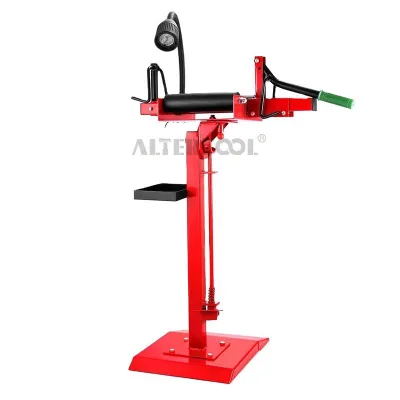
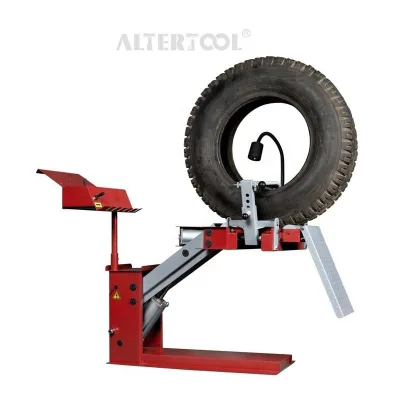
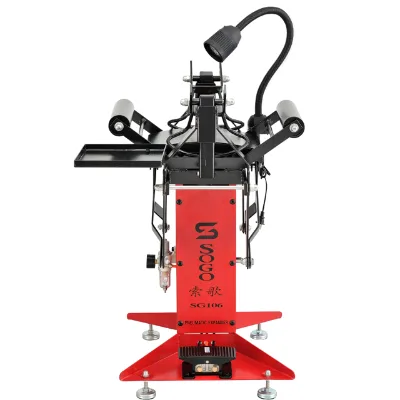
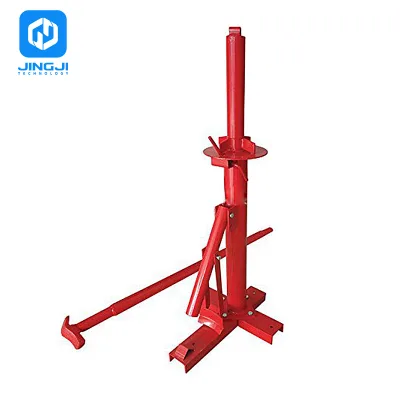


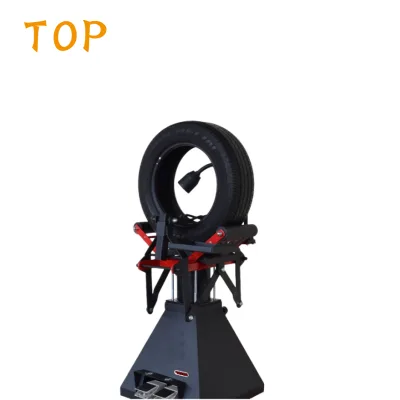




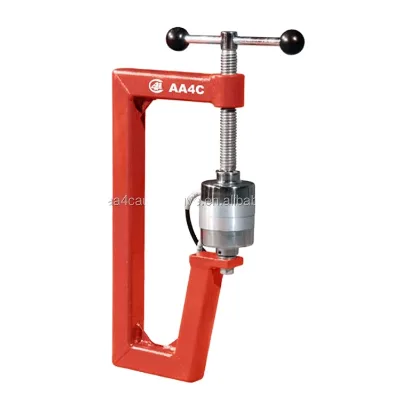
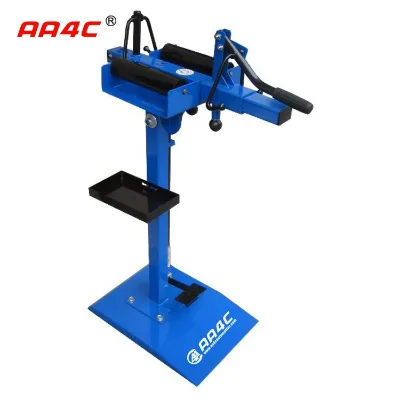
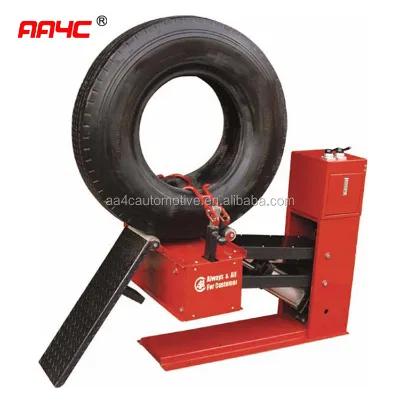
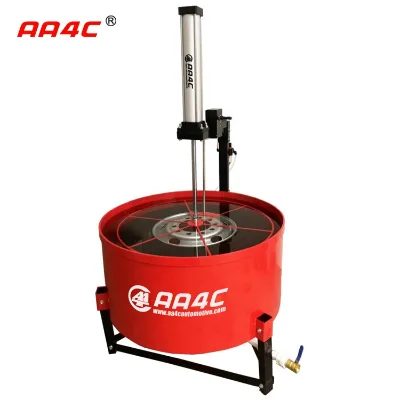


Comprehensive Sourcing Guide
Car Light Truck Tire Spreader Supplier Concentration and Factory Types
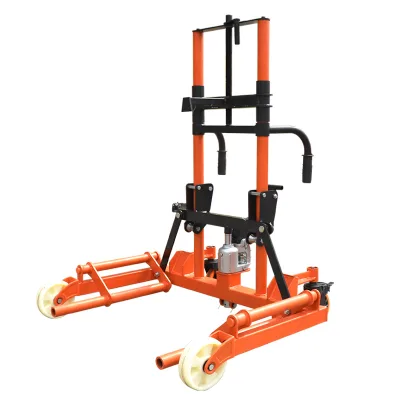
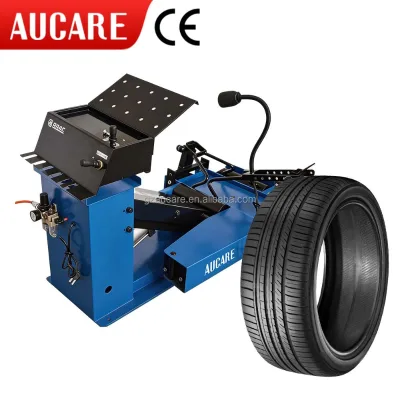
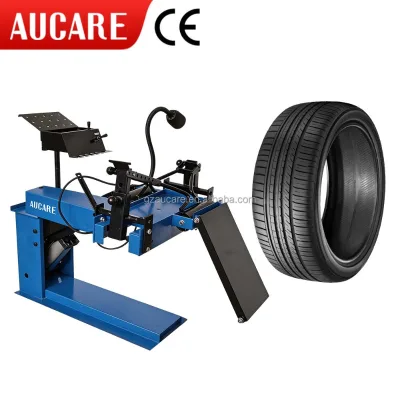
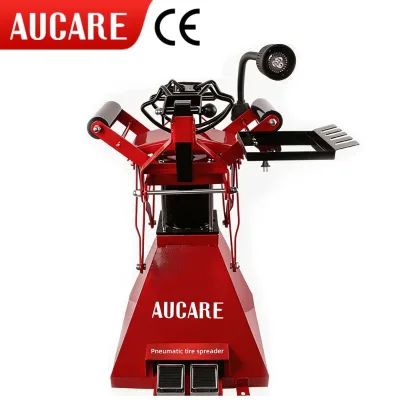
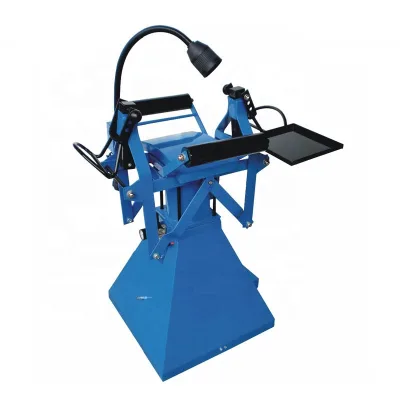
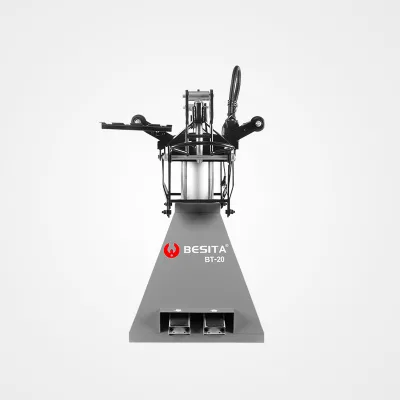
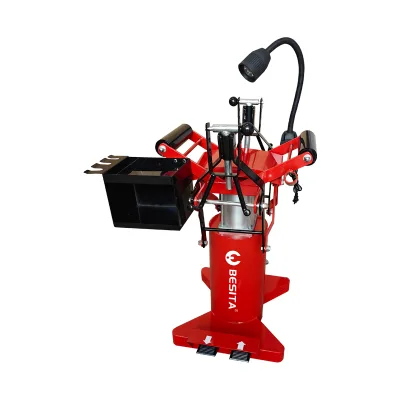
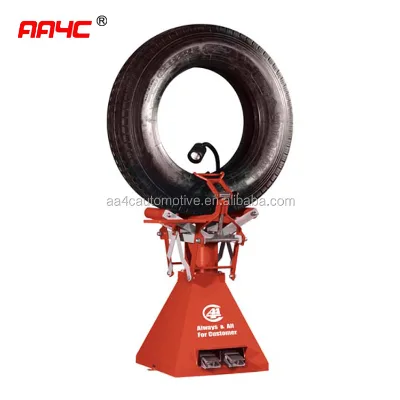
Current data indicates a concentration of suppliers in Hebei, China, where specific manufacturers offer tire repair materials, tools, and pneumatic spreaders. These entities often operate as trading companies, aggregating products like truck tire spreaders and valve caps for broader distribution. Some listings also reference combined company types in Shandong, China, which may offer a wider range of vehicle equipment including tire changers and auto lifts alongside spreaders. This geographic clustering suggests that buyers can find specialized vendors in Hebei while potentially accessing broader industrial tool suppliers in Shandong.
When evaluating factory types, buyers should distinguish between pure trading companies and those with direct manufacturing capabilities. The observed data shows trading companies handling products such as the ZC003 model spreader, which implies a supply chain involving third-party production. In contrast, combined company types in Shandong may possess in-house capabilities for heavy equipment like tire changers. Buyers must verify if a supplier is a direct factory or a middleman by checking their main product list and asking for facility details. This distinction impacts quality control and communication speed, as trading companies may have less direct oversight over the manufacturing process compared to factories.
How to Verify Car Light Truck Tire Spreader Suppliers
Verification begins with checking for established credentials such as ISO9001:2015 certification, which appears in the profiles of some combined suppliers in the region. Buyers should also look for third-party verification badges like BV, which indicate that an independent body has assessed the supplier's business operations. While not all suppliers display these marks, their presence provides a higher degree of confidence regarding the company's legitimacy and operational stability. It is crucial to request copies of these certificates directly rather than relying solely on platform badges, as these documents confirm adherence to specific quality management standards.
Response time and lead time are critical metrics for verifying supplier reliability and operational efficiency. Data shows response times ranging from 6 hours to over 23 hours, with lead times varying between 20 and 30 days. A supplier with a rapid response time, such as 6 hours, may indicate a dedicated sales team ready to address inquiries quickly, whereas longer response times could signal a larger, less agile organization. Buyers should test communication channels before placing orders to ensure the supplier can provide timely updates on production status. Consistent delays in communication often correlate with delays in shipping, making this a vital early-stage verification step for any potential partnership.
What to Compare Across Car Light Truck Tire Spreader Suppliers
Buyers must compare technical specifications such as operating pressure, maximum tire width, and voltage requirements to ensure compatibility with their specific fleet needs. The market offers spreaders with operating pressures ranging from 0.6Mpa to 0.8Mpa and maximum tire widths up to 380mm. Some models are designed for universal fitment with tire diameters between 11 and 24 inches, while others have specific constraints. Comparing these attributes helps identify the right tool for the job, whether it is a manual spreader for smaller tires or a pneumatic electric tool for heavy-duty truck applications.
Commercial terms including price, minimum order quantity (MOQ), and warranty periods also require careful comparison across different vendors. Prices for similar spreaders can vary significantly, with ranges observed from approximately $35 to over $100 depending on the model and features. MOQs are often flexible, with some suppliers accepting single-item orders, while others may require bulk purchases. Warranty periods also differ, with options ranging from 6 months to 12 months. Buyers should weigh these factors against their budget and volume requirements, ensuring that the selected supplier offers a balance of cost-effectiveness and long-term product support.
Common Car Light Truck Tire Spreader Sourcing Risks
One significant risk involves the discrepancy between product descriptions and actual manufacturing capabilities, particularly when dealing with trading companies. A supplier may list a wide array of products, including tire changers and auto lifts, but lack the specific expertise or inventory for specialized tire spreaders. This can lead to delays or the delivery of substandard goods if the supplier relies entirely on third-party manufacturers without quality oversight. Buyers should request detailed product specifications and photos to confirm that the item matches the description before committing to a large order.
Another risk is the variability in lead times and shipping logistics, which can disrupt supply chains if not managed correctly. While some suppliers offer a 20-day lead time, others may require 30 days or more, affecting project timelines. Additionally, shipping from ports like Tianjin involves specific logistics that must be coordinated with the supplier's packaging details. Inconsistent packaging, such as varying carton sizes or gross weights, can lead to unexpected shipping costs or damage during transit. Buyers should clarify these logistical details early in the negotiation process to avoid surprises and ensure that the goods arrive on schedule and in good condition.
Car Light Truck Tire Spreader Regional Sourcing and Logistics
Sourcing from Hebei, China, offers access to a dense network of tire repair tool manufacturers, but buyers must account for specific port logistics. Many products from this region are dispatched via the Tianjin port, which is a major hub for container shipping. Understanding the shipping routes from Tianjin to the destination country is essential for calculating accurate delivery times and freight costs. Buyers should also consider the single package size and gross weight, as these factors influence container loading efficiency and overall shipping expenses.
Regional sourcing from Shandong, China, presents a different logistical profile, often involving combined suppliers with broader product lines. These suppliers may offer tools like tire changers and auto lifts alongside spreaders, potentially simplifying the procurement process for buyers needing multiple vehicle maintenance items. However, the lead times from this region can be longer, sometimes reaching 30 days. Buyers should verify the specific port of dispatch for Shandong-based suppliers, as it may differ from Tianjin, affecting transit times. Coordinating with suppliers who have experience in international shipping can help mitigate these logistical challenges.
Car Light Truck Tire Spreader Commercial Terms and Order Planning
Order planning should begin with a clear understanding of the supplier's supply ability, which can range from 5000 sets per month for pneumatic models to lower volumes for manual tools. This capacity information helps buyers determine if a supplier can meet their demand during peak seasons or large-scale projects. Buyers should also inquire about customization options, as some suppliers offer OEM services for branding and specific technical requirements. Confirming the availability of customization early in the process ensures that the final product meets the buyer's exact specifications without unnecessary delays.
Commercial terms regarding payment and warranty are equally critical for successful order planning. While specific prices vary, buyers should negotiate terms that align with their cash flow and risk tolerance. Warranty periods, typically ranging from 6 to 12 months, provide a safety net against manufacturing defects. Buyers should ensure that the warranty covers both parts and labor and clarify the process for claiming warranty support. Additionally, understanding the packaging details, such as the number of units per carton, helps in planning storage and distribution upon receipt. Clear communication on these terms prevents misunderstandings and ensures a smooth transaction from order placement to final delivery.
FAQs
Where are tire spreaders manufactured?
Most tire spreaders listed originate from Hebei, China. Some products also show a general origin of China. Buyers should verify the specific place of origin for each item before ordering to ensure it matches their logistics requirements.
What is the typical lead time for orders?
Lead times vary between 20 and 30 days depending on the supplier. Some manufacturers offer a 20-day window while others require up to 30 days. Confirm the exact delivery schedule with the seller to plan your inventory effectively.
What is the minimum order quantity required?
The minimum order quantity is often set at one unit for these tools. This allows buyers to test the product quality before committing to larger volumes. Always check the specific listing details to confirm the current MOQ policy.
How fast do suppliers typically respond?
Response times range from 6 hours to over 23 hours. Some suppliers reply within 6 hours while others take nearly a full day. Faster response times usually indicate better availability for immediate inquiries and order processing.
What certifications do the tire changers have?
Selected tire changers carry CE and ISO certifications. One supplier holds an ISO9001:2015 certificate and is verified by BV. Buyers should request proof of these specific certifications to ensure compliance with safety and quality standards.
What is the warranty period for these tools?
Warranty periods typically span 6 to 12 months. Some pneumatic spreaders offer a 12-month warranty while manual tools may provide only 6 months. Verify the specific warranty terms for the model you intend to purchase.
What is the price range for tire spreaders?
Prices generally fall between 35 and 102 dollars per unit. Specific models range from 35 to 56 dollars, while others cost up to 102 dollars. The final price depends on the type, specifications, and quantity ordered from the supplier.