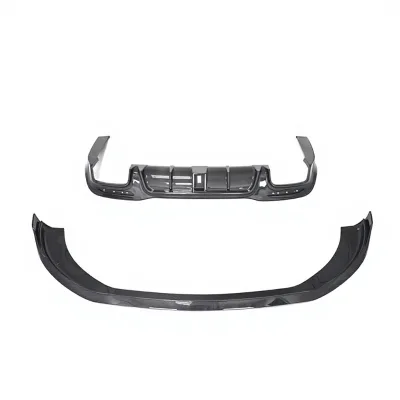
Carbon Fiber Front Diffuser Lip Suppliers and Manufacturers
Source 23 verified suppliers for Carbon Fiber Front Diffuser Lip components. Compare key dimensions including location, lead times, MOQ, response times, and pricing. Review product specifications and request quotes directly from these manufacturers; review the available evidence before requesting comparable quotations from suitable candidates.
Suppliers List

Guangzhou CSS Auto Accessones Co.,Ltd
- Verified by SGS
- Trading Company
- China Guangdong
- Lead time15 days
- Avg. response≤ 5h
Main productsCar Bumpers, Engine Hoods, Rear Spoilers, Carbon Fiber Auto Body Parts, Carbon Fiber Car Interior Trims, Wheel Hub, Front Lip, Rear Diffuser, Front Bumper
Main marketsEurope,Australia,North America

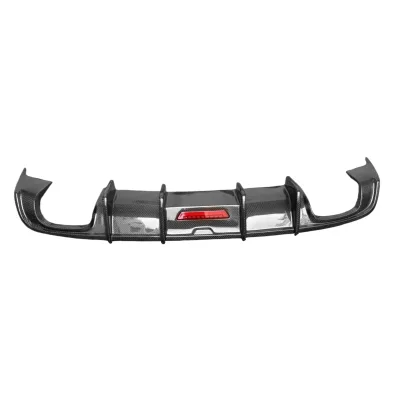
Dry Carbon Fiber Vorsteiner Style Rear Diffuser Splitters Lip for Mclaren 720s
$1200.00 - $1800.00
Moq: 1

Row-En Style Carbon Fiber Car Rear Splitter Diffuser Lips for Lambor Huracan Lp610 Lip
$900.00 - $919.00
Moq: 1


Fiberglass Carbon Fiber Msy Style Car Rear Diffuser Lip for Lamborghini Urus
$3293.00 - $3493.00
Moq: 1


Car Part Accessories Mansory Style Carbon Fiber Rear Diffuser Lip for Ferrari 812
$2000.00 - $3000.00
Moq: 1
Dalian Eurocar Auto Parts Co., Ltd.
- Trading Company
- Lead time旺季: "1 - 20":8,"> 20":"To be negotiated", 淡季: "1 - 20":8,"> 20":"To be negotiated"
Main productsAuto Body Kits, Auto Tuning Parts
Guangzhou Focus Carbon Fiber Auto Products Co., Ltd.
- Manufacturer
- Guangdong, China
- Lead time0 days
- Avg. response≤ 2h
Main productsCar bumpers,Carbon accessories,Carbon interior,Dry carbon mirror covers,Dry carbon body kit
Main marketsNorth America(100.0%)
Guangzhou Css Auto Accessories Co., Ltd.
- Verified by SGS Group
- Trading Company
- Lead time10 days
- Avg. response≤ 2h
Main productsBody Kits/Car Bumpers/Carbon Fiber Auto Body Parts, Carbon Fiber Engine Hoods, Forged Wheel Rims, Carbon Fiber Interior Trims
Main marketsNorth America(18%), Southeast Asia(15%), Mid East(11%)
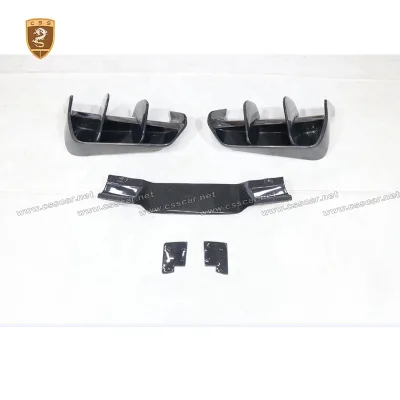
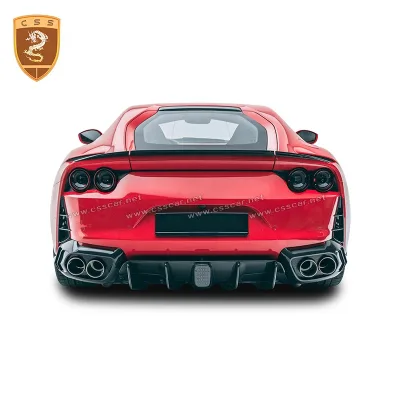
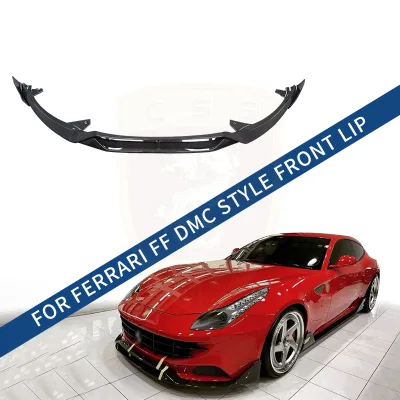
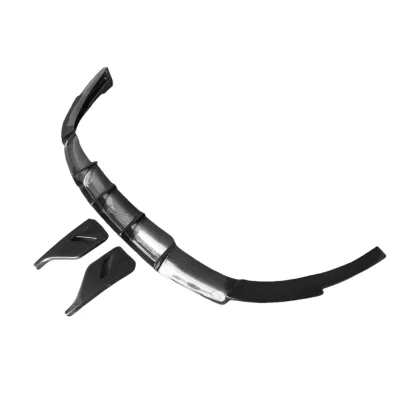
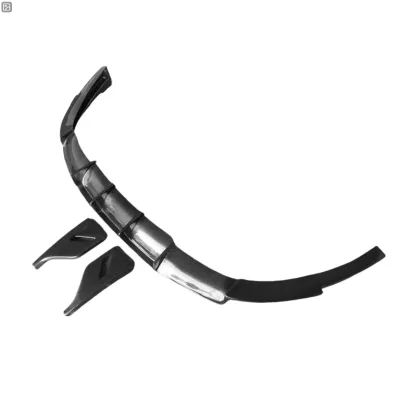
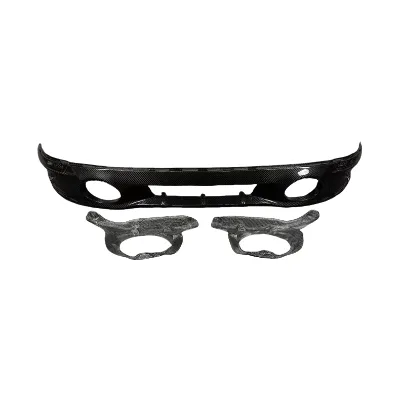
For Ferrari FF Front Bumper Lip DC Style Dry Carbon Fiber Front Diffuser Lip Auto Parts
$3000.00 - $3125.00
Moq: 1
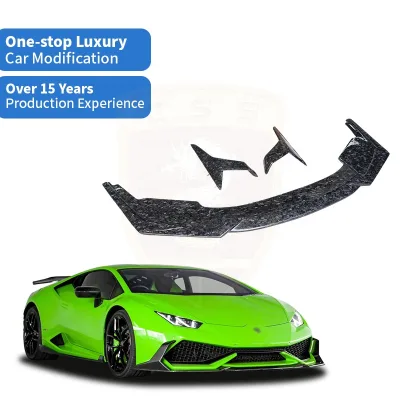
Car Modification Parts DC Style Carbon Fiber Front Lip for Lamborghini Huracan LP610
$430.00 - $550.00
Moq: 1
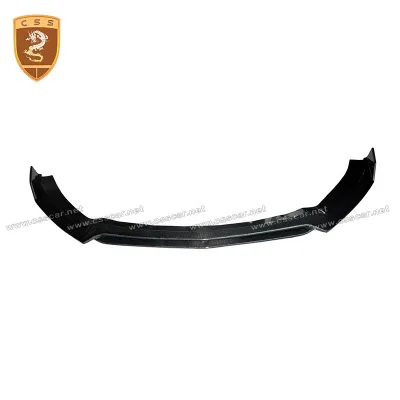
Latest New Model CM-ST Style Carbon Fiber Front Bumper Diffuser Lip Fits for Mustang
Contact supplier
Moq: 1
Guangzhou Css Auto Accessories Co., Ltd.
- Trading Company
- Lead time旺季: "1 - 1":15,"2 - 2":25,"3 - 5":50,"> 5":"To be negotiated", 淡季: "1 - 1":15,"2 - 2":25,"3 - 5":50,"> 5":"To be negotiated"
Main productsBody Kits, Car Bumpers, Car Spoiler, Carbon Fiber Auto Body Parts, Carbon Fiber Interior Trims
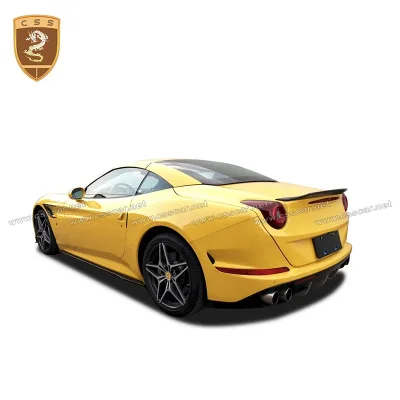
Car Modified Parts 3K Twill Weave Carbon Fiber Rear Bumper Diffuser Lip for Ferrari California
$2950.00 - $3100.00
Moq: 1
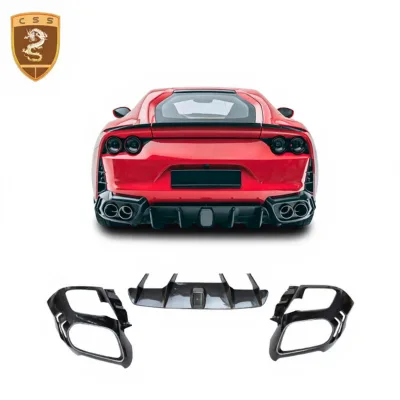
MSY Style Prepreg Dry Carbon Fiber Rear Diffuser Lip for Ferrari 812 Superfast Twill Rear Splitter
$1470.00 - $1830.00
Moq: 1
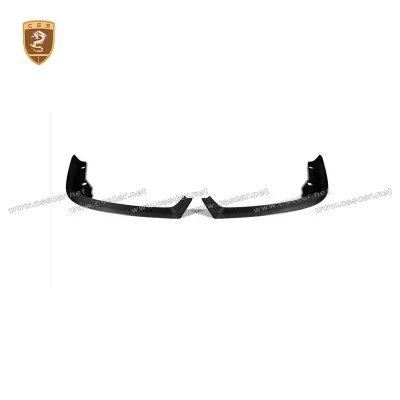
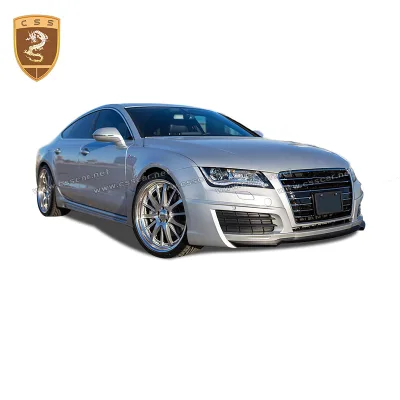
China Manufacturer A7 Rear Diffuser for Ad wd Style Front Bumper Lip Body Kit
$926.13 - $1234.84
Moq: 1

Zhengzhou Zigong Trade Co., Ltd.
- Trading Company
- Henan, China
- Lead time7 days
- Avg. response≤ 2h
Main productsDiesel engine accessories,fuel injector,Fuel Nozzle,Auto spare parts,Engine parts
Main marketsAfrica(30.0%), Southern Europe(10.0%), Western Europe(10.0%), Northern Europe(10.0%), North America(10.0%), Eastern Europe(10.0%), South America(10.0%), Central America(5.0%), Mid East(5.0%)

Qingyuan Huazhongye Auto Accessories Co., Ltd
- Verified by SGS
- Manufacturer
- China Guangdong
- Lead time15 days
- Avg. response≤ 5h
Main productsBody Kits, Carbon Fiber Auto Parts, Car Modification, Auto Parts, Carbon Fiber Engine Hood, Front Lip, Carbon Fiber Automotive Parts, Carbon Fiber Spoiler, Rear Wing, Rear Lip


OEM Carbon Fiber Rear Bumper Lip Diffuser Splitter for BMW M4 F82 Psm Style Rear Diffuser
$530.00 - $540.00
Moq: 1

Dalian Eurocar Auto Parts Co., Ltd.
- Verified by Intertek
- Trading Company
- Lead time7 days
Main productsAuto Body Kits, Auto Tuning Parts
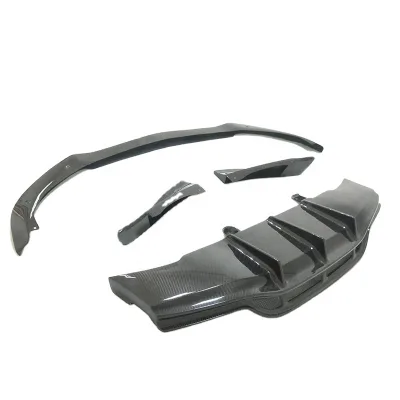
Carbon Fiber Body Kit for MB W205 C63 PSM Style Front Lip Spoiler and Rear Diffuser
$1032.59 - $1084.22
Moq: 1
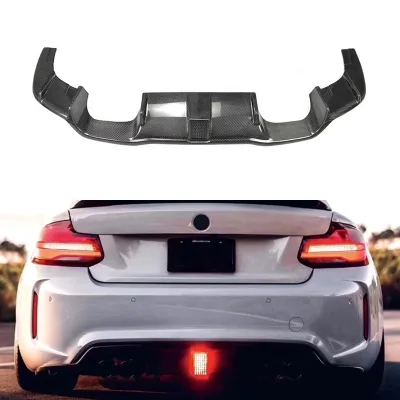
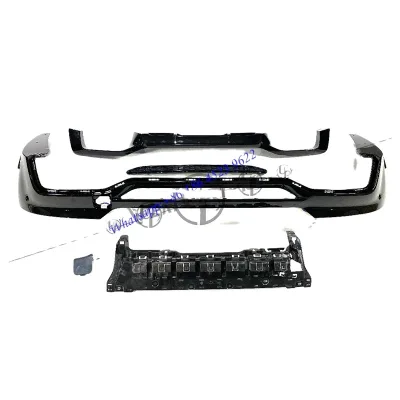
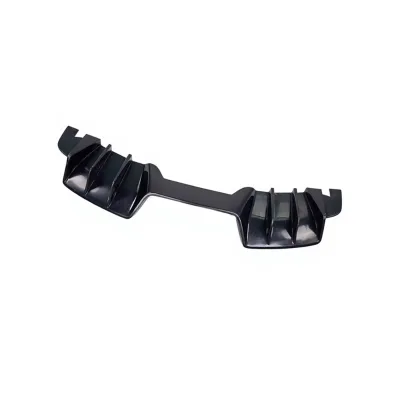
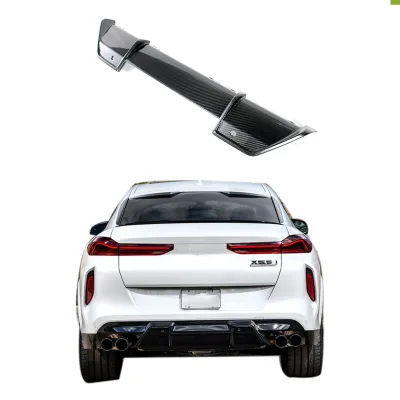
C7 Rear Diffuser PD Design for C7 Carbon Rear Lip
$600.00 - $800.00
Fuzhou Bsd Autoparts Co., Ltd.
- Manufacturer, Trading Company
- Fujian, China
- Lead time10 days
- Avg. response≤ 2h
Main productsCar Modification Accessories (Handmade Fiber Reinforce Polymer,Handmade Carbon Fiber,Vacuum Carbon Fiber,Dry Carbon Fiber),Dry Autoclave Carbon Fiber
Main marketsDomestic Market(47.24%), North America(30.45%), Southeast Asia(6.550000000000001%), Oceania(4.98%), South America(4.06%), Mid East(2.06%), Africa(1.28%), Northern Europe(1.19%), Western Europe(1.14%), Eastern Europe(1.05%)

Shanghai Anma Industry Co., Ltd.
- Trading Company
- China Shanghai
- Lead time30 days
- Avg. response≤ 4h
Main productsCar Accessories, Car Spare Parts, Car Tools, Car Interior Accessories, Car Exterior Accessories, Car Electrical Accessories, Car Lights, Car Mirror, Car Emergency Kits, Car Care Products
Main marketsSouth America,Others(foreignTradeCapacity.exportBusinessCapacityMarketOther),Southeast Asia/ Mideast,Europe,North America

Guangzhou New Vision New Material Technology Co., Ltd.
- Trading Company
- China Guangdong
- Lead time15 days
- Avg. response≤ 13h
Main productsDouble Sided Tape, Reflective Tape, Adhesive Products
Main marketsSouth America,Southeast Asia/ Mideast,Europe
Guangzhou Yuechi Automotive Supplies Co., Ltd.
- Trading Company
- guangdong, China
- Lead time7 days
- Avg. response≤ 4h
Main productsCar Exhausted Muffler Pipe,Car Exhausted,Car Gear Shift Knob,Car Spoiler,Exhaust Downpipe
Main marketsNorth America(40.0%), Southeast Asia(20.0%), South America(20.0%), Western Europe(10.0%), Mid East(10.0%)
Beijing Xueyu Technology Co., Ltd.
- Trading Company
- Beijing, China
- Lead time0 days
- Avg. response≤ 3h
Main productsflow meter
Main marketsSouth Asia(30.0%), North America(30.0%), Africa(20.0%), Mid East(20.0%)
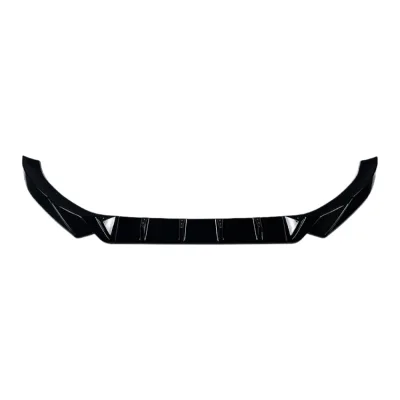
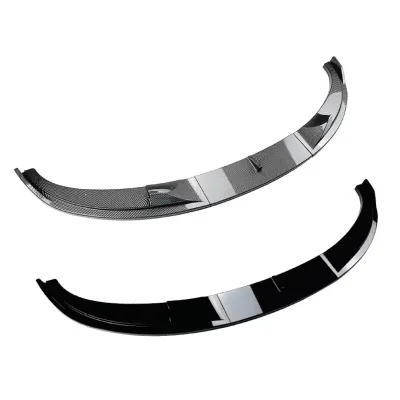
Bumper Front Lip Splitter Body Kits Accessories Car Upgrade Front Splitter Front Lip
$19.10 - $29.25
Moq: 1
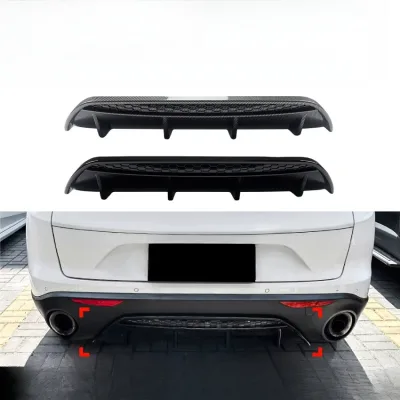

Dongguan Pinhong Plastic Products Co., Ltd.
- Manufacturer
- Guangdong, China
- Lead time15 days
- Avg. response≤ 4h
Main productsCar accessories,Auto accessories,Plastic strip,Rubber edge trim,Car lip spoiler
Main marketsMid East(10.0%), North America(8.0%), Southeast Asia(6.0%), Africa(5.0%), South America(5.0%), South Asia(3.0%), Oceania(2.0%), Southern Europe(2.0%), Northern Europe(2.0%), Central America(2.0%), Western Europe(2.0%), Eastern Europe(2.0%), Domestic Market(1.0%)
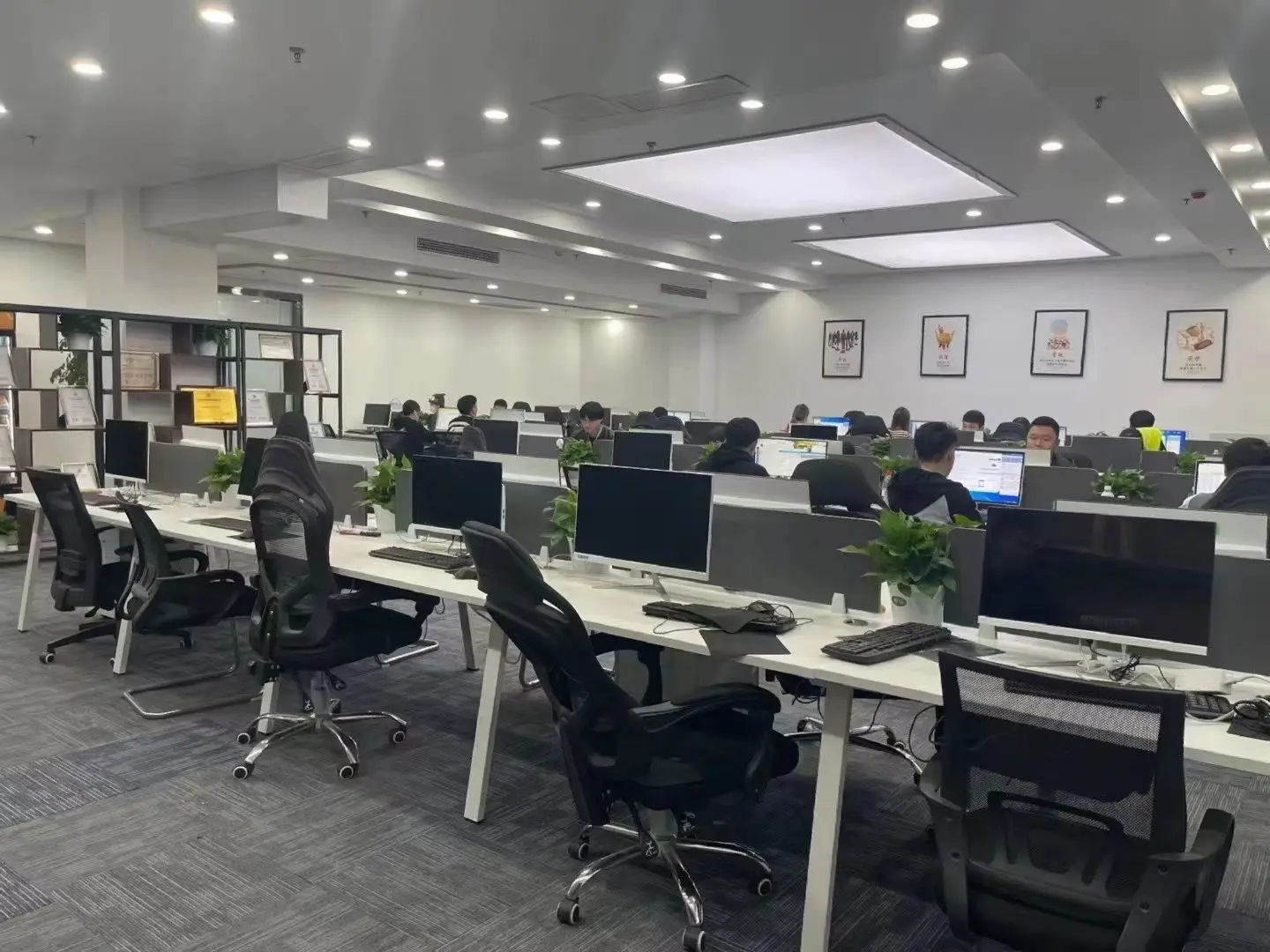
Guangzhou Jituo Trade Co., Ltd.
- Manufacturer, Trading Company
- Guangdong, China
- Lead time7 days
- Avg. response≤ 3h
Main productsVehicle components,Auto parts,Portable car parts,Car body kit,Automobile refitting parts
Main marketsNorth America(20.0%), Central America(16.0%), Eastern Asia(15.0%), South America(15.0%), Western Europe(15.0%), Eastern Europe(13.0%), Northern Europe(10.0%), Southeast Asia(10.0%)
Guangzhou Feisheng Carbon Fiber Co., Ltd.
- Verified by TüVRheinland
- Trading Company
- Lead time3 days
- Avg. response≤ 4h
Main productsCar Exterior Accessories
Main marketsMid East(40%), North America(10%), South America(8%)
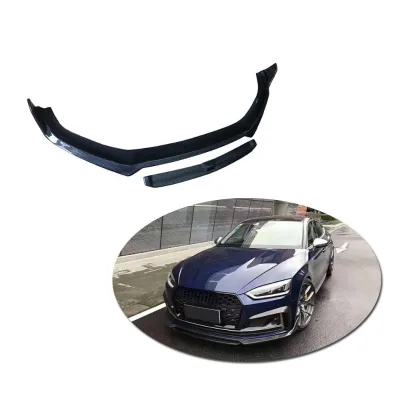
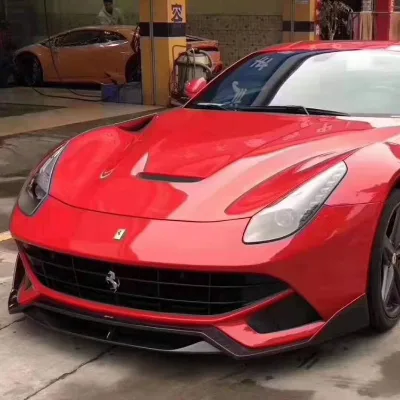
DMC Carbon Front Lip Side Skirts, Rear Diffuser for Fer F12 Berlinetta Carbon Splitter
$950.00 - $1000.00
Moq: 1
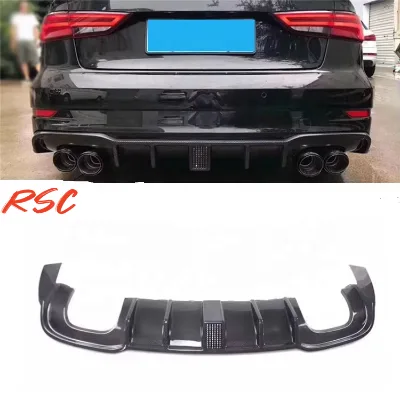
Carbon Fiber Rear Bumper Lip Diffuser With LED Lamp for A3 Sline S3 RS3 Sedan 2017 -2019
$210.00 - $220.00
Moq: 1
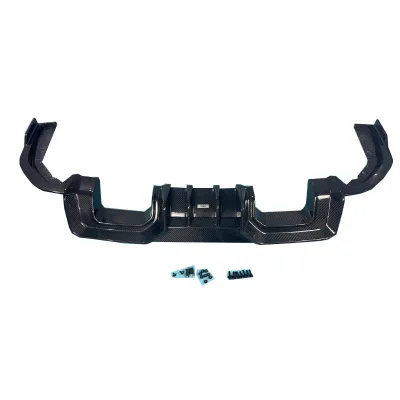
High Quality Dry Carbon Rear Diffuser Rear Bumper Lip for G8X G80 M3 G82 M4 Perfect Fitment
$3400.00 - $3500.00
Moq: 1
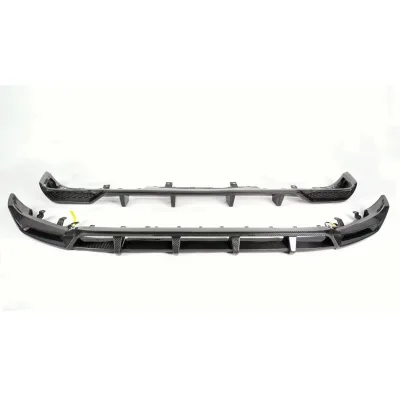
Changzhou Honghang Auto Accessories Co., Ltd.
- Verified by TüVRheinland
- Manufacturer, Trading Company
- Lead time7 days
Main productsAuto Accessories, Moulds
Main marketsDomestic Market(40%), North America(15%), Mid East(15%)

- Verified by TUVRHEINLAND
- Combined
- China Guangdong
- Lead time60 days
- Avg. response≤ 7h
Main productsCarbon Fiber Parts, Carbon Fiber Motorcycle Parts, Carbon Fiber Car Parts, Carbon Fiber Sports Parts, Carbon Parts, Carbon Fiber ATV Parts, Carbon Fiber Produtcs, Carbon Fiber Accessories, Carbon Fiber Ducati Parts, Carbon Fiber BMW Parts
Main marketsNorth America
Changzhou Carbon Tech Composite Material Co., Ltd.
- Verified by TüVRheinland
- Manufacturer, Trading Company
- Lead time7 days
Main productsBody Kit, Bumpers, Carbon Fiber Parts, Head and Taillights, Hood
Main marketsDomestic Market(40%), Eastern Europe(20%), South America(10%)

Shanghai Huaqi Industrial Co., Ltd.
- Verified by TUVRHEINLAND
- Trading Company
- China Shanghai
- Lead time15 days
- Avg. response≤ 6h
Main productsCar Mats, Seat Cover, Car Cover, Wiper Blade, Air Compressor, Steering Wheel Cover, Car Lock, Baby Mirror, Car Jack, Racing Seat
Main marketsSouth America,Africa,Southeast Asia/ Mideast,Europe,Australia,North America

Anhui Jagrow Auto Parts Co., Ltd.
- Verified by TUVRHEINLAND
- Trading Company,Manufacturer/Factory
- China Anhui
- Lead time45 days
- Avg. response≤ 5h
Main productsPerformance Parts, Exhaust System, Air Intake System, Cooling System, Carbon Fiber Parts, Exhaust Downpipe, Exhaust Manifold, Exhaust Catback, Oil Cooler, Turbo Intercooler
Main marketsSouth America,Eastern Europe,Mid East,North America,Southeast Asia,Eastern Asia,Oceania,Western Europe,Africa

Changzhou Haosheng Vehicle Parts Co., Ltd.
- Combined
- China Jiangsu
- Lead time15 days
- Avg. response≤ 7h
Main productsAuto Spoiler, Spoiler, Car Spoiler
Main marketsSouth America,Southeast Asia/ Mideast,Domestic,Europe,Australia,North America

Wonderful Auto Parts Co., Ltd.
- Verified by SGS
- Trading Company
- China Jiangsu
- Lead time30 days
- Avg. response≤ 22h
Main productsDashboard /Instrument Panel, Airbag Cover, Car Bumper Grille, Auto Plastic Parts, Car Metal Body Parts, Auto Accessories, Car Steps, Car Hood, Car Door, Car Fender
Main marketsEurope
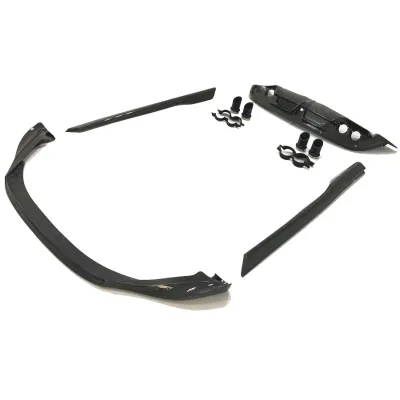
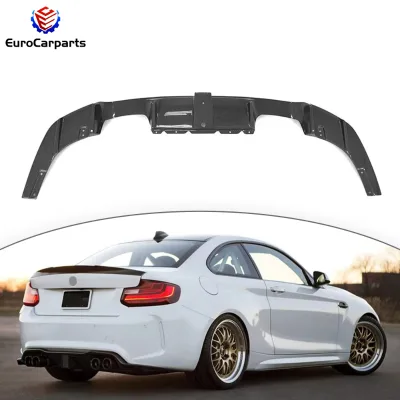
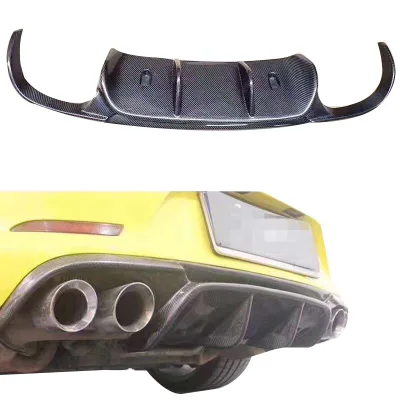
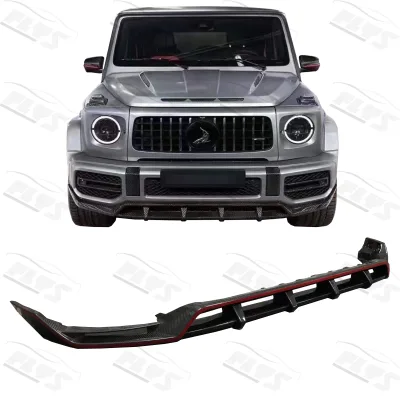
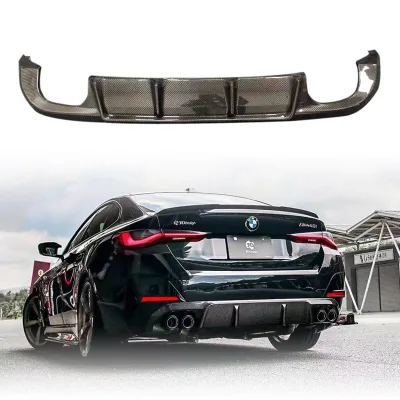
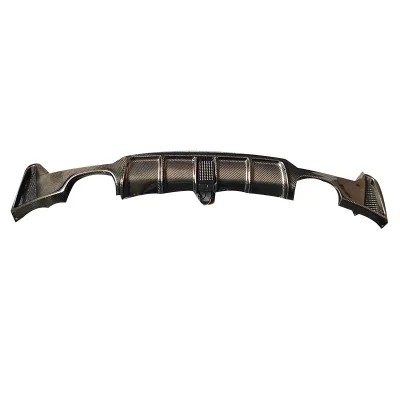
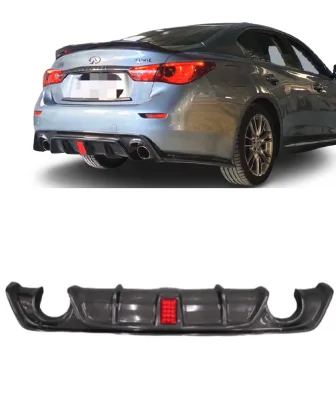
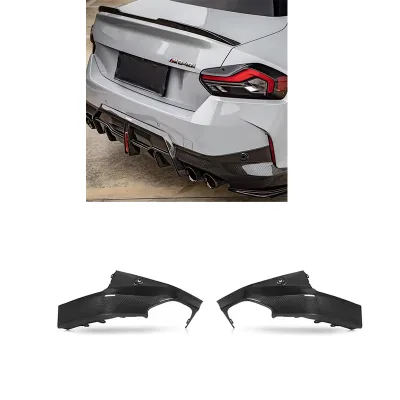






Comprehensive Sourcing Guide
Carbon Fiber Front Diffuser Lip Supplier Concentration and Factory Types
Current supplier data indicates a concentration of manufacturers and trading companies located in Guangdong, China, specifically within the automotive parts manufacturing cluster. This region hosts a mix of trading companies and factories capable of producing carbon fiber components, including front diffuser lips, rear spoilers, and engine hoods. The presence of these entities suggests a mature supply chain for high-performance automotive body parts, where specialized production capabilities often coexist with general trading operations. Buyers should recognize that while some suppliers operate as trading companies, others may possess direct manufacturing capabilities or close partnerships with factories that handle the actual molding and layup processes for carbon fiber products.
When evaluating the factory types available, it is essential to distinguish between pure trading entities and those with direct production control. The observed supplier profiles include companies offering ODM and own-brand services, which implies a capacity for customization beyond standard catalog items. However, not every supplier in this region will offer the same level of manufacturing depth. Some may focus on sourcing finished goods from various workshops, while others might manage the entire process from raw carbon fiber prepreg to final painting and finishing. Buyers must verify whether a supplier's "factory" status is genuine or if they are acting as an intermediary, as this distinction significantly impacts quality control, lead time reliability, and the ability to implement custom design changes for specific vehicle models like the McLaren or Porsche.
How to Verify Carbon Fiber Front Diffuser Lip Suppliers
Verification of supplier credibility relies heavily on third-party audit reports and specific platform verification badges rather than self-declared claims. In the current dataset, one supplier is explicitly noted as verified by SGS, a recognized international inspection and certification body. This verification provides a baseline of confidence regarding the supplier's business legitimacy and operational standards. Buyers should prioritize suppliers displaying similar third-party verification marks, as these indicate that an independent entity has reviewed the company's business license, production capacity, and quality management systems. Without such external validation, claims about factory size, equipment, or employee count remain unproven assertions that carry higher risk for the buyer.
Beyond verification badges, buyers must scrutinize the specific product attributes and customization capabilities listed in supplier profiles. The data shows suppliers offering "Customization: Available" and services like OEM and ODM, which are critical for sourcing unique carbon fiber parts. However, the presence of these labels does not guarantee the supplier has the technical expertise to execute complex carbon fiber layups or precise molding for specific car models. Buyers should request detailed evidence of past projects, such as photos of the actual production line, videos of the molding process, or certificates for specific carbon fiber standards. It is also vital to confirm the supplier's ability to handle the specific finishing requirements, such as 3K twill weave or painted finishes, which are often listed in product attributes but require specific factory equipment to achieve consistently.
What to Compare Across Carbon Fiber Front Diffuser Lip Suppliers
Comparing suppliers requires a systematic analysis of key operational metrics such as lead time, minimum order quantity, and response speed. The available data reveals a standard lead time of 15 days for orders under 20 units, with larger quantities requiring negotiation. This distinction is crucial for buyers planning inventory or urgent repairs, as the "to be negotiated" clause for bulk orders introduces uncertainty. Additionally, the minimum order quantity (MOQ) varies, with some suppliers listing a MOQ of just one piece, while others may have different thresholds for custom orders. Buyers must compare these figures against their specific volume needs to avoid unnecessary costs or inventory bottlenecks, ensuring the supplier can accommodate both small trial orders and larger production runs efficiently.
Response time and service capabilities are equally critical dimensions for comparison. The observed response time of approximately 4 days suggests a moderate level of communication efficiency, but this can vary significantly between suppliers. Buyers should compare how quickly different suppliers reply to inquiries regarding technical specifications, material grades, and shipping options. Furthermore, the range of main products offered, such as carbon fiber bumpers, hoods, and interior trims, indicates the breadth of a supplier's expertise. A supplier specializing solely in diffusers might offer deeper technical knowledge than a general trading company selling a wide array of auto parts. Evaluating these factors helps buyers identify partners who can provide not just a product, but a comprehensive service experience that includes technical support and reliable communication throughout the sourcing process.
Common Carbon Fiber Front Diffuser Lip Sourcing Risks
One significant risk in sourcing carbon fiber components is the discrepancy between advertised material quality and the actual product received. While product attributes often list "Dry Carbon Fiber" or "Prepreg Dry Carbon," the actual manufacturing process can vary, affecting weight, strength, and finish. Some suppliers may use wet layup methods that result in heavier, less durable parts, or they may use lower-grade resin systems that degrade under UV exposure. Without specific material certification or test reports provided by the supplier, buyers cannot confirm if the carbon fiber meets the high-performance standards required for automotive applications. This risk is compounded when suppliers claim "Good Quality" without providing verifiable data on tensile strength, resin content, or fiber orientation.
Another critical risk involves the fitment and installation accuracy of the parts. Product listings often claim "Original Car Hole Installation" and "Excellent Fitment," but these are subjective assertions that require physical verification. Carbon fiber parts are often molded to specific vehicle chassis dimensions, and even minor deviations in the mold can lead to gaps, misalignment, or the need for extensive modification during installation. Buyers face the risk of receiving parts that do not align with the vehicle's body lines or require additional drilling and trimming. To mitigate this, buyers must request detailed fitment documentation, such as 3D CAD files or installation guides, and verify that the supplier has a history of successful installations for the specific car model in question before committing to a large order.
Carbon Fiber Front Diffuser Lip Regional Sourcing and Logistics
Sourcing from the identified region of Guangdong, China, offers access to a dense network of automotive suppliers but introduces specific logistical considerations. The location data confirms that many suppliers operate out of this province, which is a major hub for automotive manufacturing and export. This concentration allows for efficient consolidation of orders, as multiple parts can often be sourced from the same geographic area, reducing shipping complexity. However, buyers must account for the distance and potential transit times involved in international shipping. The standard delivery time of 15 to 30 days mentioned in product attributes typically refers to production time, not the total time to reach the buyer's location. Logistics planning must include buffer time for customs clearance, port delays, and final delivery to the destination country.
Packaging and protection are vital aspects of regional sourcing for fragile carbon fiber components. The data indicates that suppliers use "Safe Carton Box with Bubble Inside" or "Standard Carton" for shipping. While these methods are standard, the risk of damage during long-haul transit remains a concern. Carbon fiber parts are susceptible to impact damage, and improper packaging can lead to cracks or delamination that are not immediately visible. Buyers should verify the specific packaging standards used by each supplier and consider requesting reinforced packaging options for international shipments. Additionally, understanding the Incoterms and who bears the risk during transit is essential. Buyers should clarify whether the supplier's quoted price includes insurance and how claims for damaged goods are handled, ensuring that the logistics chain does not compromise the integrity of the carbon fiber parts upon arrival.
Carbon Fiber Front Diffuser Lip Commercial Terms and Order Planning
Commercial terms for carbon fiber sourcing often include specific payment methods and warranty conditions that must be carefully reviewed. The observed data lists payment terms such as Western Union, PayPal, and Telegraphic Transfer (TT), which are common but vary in security and convenience for the buyer. Buyers should prioritize payment methods that offer buyer protection, such as escrow services, to mitigate the risk of non-delivery or non-conforming goods. Additionally, warranty periods, such as the 12-month warranty noted in some product attributes, provide a layer of protection against manufacturing defects. However, the scope of this warranty must be clearly defined, including what constitutes a defect and the process for filing a claim, as vague terms can lead to disputes when issues arise after installation.
Order planning must align with the supplier's production capacity and lead time variability. The data shows that lead times can change based on order volume, with specific thresholds like "1-20" units having a fixed lead time of 8 days, while larger orders require negotiation. This variability necessitates careful inventory management and communication with the supplier to confirm production schedules well in advance. Buyers should also consider the MOQ requirements, which can range from single pieces to larger sets, and plan their orders accordingly to optimize costs. For custom orders, the lead time may extend due to the need for mold creation or special material sourcing. Effective order planning involves maintaining a buffer for potential delays and establishing clear communication channels to track production progress, ensuring that the carbon fiber parts arrive when needed for vehicle assembly or repair.
FAQs
What is the minimum order quantity for carbon fiber diffusers?
The minimum order quantity is one piece for most items. This allows buyers to test quality before placing larger orders. Suppliers support OEM and ODM customization. You can order single units for specific car models. This low MOQ reduces initial risk for new buyers.
How long does delivery take for these parts?
Delivery time typically ranges from 15 to 30 days. During peak seasons, orders under 20 units take about 8 days. Larger orders require negotiation for timing. Standard packaging ensures safe transit. Buyers should confirm exact dates with the supplier before payment.
Are these parts made from dry carbon fiber?
Yes, many products use dry carbon fiber or prepreg processes. This material offers high strength and lightweight performance. The surface often features a 3K twill weave pattern. Buyers can choose between painted or raw finishes. Quality is generally described as high for body parts.
What is the price range for these diffusers?
Prices vary significantly based on the car model and style. Basic lips start around 150 dollars, while complex kits cost up to 3500 dollars. Most items fall between 900 and 1800 dollars. The price includes customization services. Buyers should request quotes for specific vehicle fits.
Where are these suppliers located?
Suppliers are primarily located in Guangdong, China. This region is known for auto body part manufacturing. The location supports efficient logistics and production. Buyers can verify the origin on product details. Guangdong suppliers often offer competitive pricing and fast turnaround times.
Do suppliers offer customization services?
Customization is available for most carbon fiber parts. Suppliers provide OEM and ODM services. Buyers can request specific styles like Vorsteiner or Mansory. The process allows for tailored fits and finishes. This service ensures the part matches the original car holes perfectly.
What certifications do these suppliers have?
Some suppliers hold SGS verification for their operations. This indicates a level of quality assurance. Buyers should check specific product pages for details. Verification helps ensure reliable manufacturing standards. It is a key factor for serious B2B sourcing decisions.