Carbon Fiber Fog Light Suppliers and Manufacturers
Explore 20 verified suppliers offering halogen and LED fog lights with E-mark, DOT, and CCC certifications. Compare response times, lead times, MOQs, and prices for models like PH24W and H11. Contact suppliers directly to request customization and verify specifications; review the available evidence before requesting comparable quotations from suitable candidates.
Suppliers List

Changzhou Guangyang Auto Bulb Factory
- Verified by BV
- Combined
- China Jiangsu
- Lead time30 days
- Avg. response≤ 9h
Main productsCar Halogen Lamp, Car HID Lamp, Car LED Lamp
Main marketsSoutheast Asia/ Mideast

Guangzhou B-King Auto Electronics Limited
- Verified by TUVRHEINLAND
- Trading Company
- China Guangdong
- Lead time15 days
- Avg. response≤ 9h
Main productsLED Headlight, LED Headlight Bulb, Auto Lights, Car Lights, HID, Car Camera, LED Work Light, Turn Signal Light, LED Fog Light
Main marketsSouth America
Changzhou Jiecheng Photoelectric Technology Co., Ltd
- Verified by CTI
- Trading Company,Manufacturer/Factory
- China Jiangsu
- Lead time0 days
- Avg. response≤ 3h
Main productsHeadlight Projector Lens, Foglamp Projector Lens, Bi LED Projector Lens, Car Headlight Lens, LED Headlight Bulb, Bi LED Lens, LED Projector Lens, Fog Lamp, Car Fog Lamp, Universal Fog Lamp

Factory Car LED Manufacturers Car Fog Lamp Manufacturers Customized Fog Lights for Car
$13.34 - $17.64
MOQ: 4 Pieces

Professional Manufacturer Yellow Light 140W LED Fog Light Auto Fog Lamp for Rural Road
$20.40 - $26.98
MOQ: 4 Pieces


$12.31 - $16.28
MOQ: 4 Pieces

Zhicheng (Beijing) Import and Export Trading Co., Ltd.
- Verified by SGS
- Trading Company
- China Beijing
- Lead time30 days
- Avg. response≤ 7h
Main productsUsed Truck, Used Tipper Truck, Semi Trailer, Tractor, HOWO, Dump Truck, HOWO371, Shacman, Container Truck, Flatbed Trailer
Main marketsAfrica

Guangzhou Beikaer Auto Accessories Co., Ltd.
- Verified by SGS
- Combined
- China Guangdong
- Lead time15 days
- Avg. response≤ 4h
Main productsLED Headlight, Fog Llights, Tail Lights, Work Lights, Light Bars, Atmosphere Lights, Side Lights, Signal Lights, Festoon Lights, Motorcycle Lights
Main marketsSoutheast Asia/ Mideast,Domestic


LED Light Car LED Fog Light 30W Car LED Running Light Car LED Fog Light Running Light
$15.60 - $18.60
MOQ: 10 Pieces

- Verified by SGS
- Trading Company
- China Zhejiang
- Lead time15 days
- Avg. response≤ 19h
Main productsCar Mat, Car Air Freshener, Car Seat Cover, Steering Wheel Cover, Car Phone Holder, Car Roof Tent, Car Sunshade, Jerry Can
Main marketsEurope,Australia

Shenzhen Aurora Technology Limited
- Verified by TUVRHEINLAND
- Combined
- China Guangdong
- Lead time15 days
- Avg. response≤ 10h
Main productsLED Display, LED Lighting, LED Tube Light, LED Bulb Light, LED Ceiling Light, LED Street Light, LED Spot Light, LED Down Light, LED Panel Light, LED Headlight
Main marketsNorth America
Changzhou Jiecheng Photoelectric Technology Co., Ltd.
- Manufacturer, Trading Company
- Jiangsu, China
- Lead time30 days
- Avg. response≤ 1h
Main productsAuto Parts
Main marketsDomestic Market(75.00%), North America(5.00%), South America(5.00%), Western Europe(5.00%), Mid East(5.00%), Southeast Asia(5.00%)

Anhui Light Industries International Co., Ltd.
- Verified by SGS
- Trading Company
- China Anhui
- Lead time30 days
- Avg. response≤ 21h
Main productsConstruction Machinery Parts, Heavy Truck Parts, Undercarriage Parts
Main marketsNorth America

DONGGUAN JIALI OPTOELECTRONICS CO., LTD.
- Verified by TUVRHEINLAND
- Combined
- China Guangdong
- Lead time15 days
- Avg. response≤ 9h
Main productsLED Car Light, LED Auto Light, LED Car Lamp, LED Headlight Bulb, LED Turn Light, LED Brake Light, LED Tail Light, LED Reverse Light, Auto Parts, Car Accessories
Main marketsDomestic

Car Light Three Colors LED Fog Bulb H11 9005 9006 Tri-Color LED Fog Lamp Fog Light
$1.00 - $6.88
MOQ: 50 Sets


Motorcycle Driving LED Spot Light with White Yellow Double Color Fog Light
$5.10 - $5.80
MOQ: 50 Pieces


Guangzhou Ghost Light Trading Co., Ltd.
- Verified by SGS
- Trading Company
- China Guangdong
- Lead time15 days
- Avg. response≤ 4h
Main productsAuto Parts- LED Bar, Work Light, Car Head Light, LED Flood Light, Coil Ignition, Spark Plugs, Entertainment Equipment, Auto Filters, Car Filters, Car DVR
Main marketsSouth America,Southeast Asia/ Mideast,Europe

Ningbo Dawei Automotive Parts Co., Ltd
- Trading Company
- China Zhejiang
- Lead time0 days
- Avg. response≤ 1h
Main productsMan Truck Pars, Auto Parts, Automobile Electronics, Plastic, Auto Electric, Steering Column, Truck Parts, Door Hinge, Ignition Switch, Head Lamp Leveling Actuator

JINAN GUYUE AUTO PARTS CO., LTD.
- Verified by SGS
- Trading Company
- China Shandong
- Lead time15 days
- Avg. response≤ 7h
Main productsFAW Sinotruck Shacman Beiben Truck Spare Part, Bus Spare Parts, Light Truck Spare Parts, Tyre, Construction Machinery, Fuwa Ror BPW Trailer Spare Parts
Main marketsAfrica,Southeast Asia/ Mideast,North America

Pingxiang Bowang Industry Co.,Ltd.
- Verified by TUVRHEINLAND
- Manufacturer/Factory
- China Jiangxi
- Lead time15 days
- Avg. response≤ 2h
Main productsLED Car Light, LED Marker Light, LED Work Light, Truck Lamp, Trailer Light, Tail Light, High Mount Brake Light, Whip Light, Boat Light, RV Light
Main marketsSouth America,Eastern Europe,Mid East,North America,Southeast Asia,Eastern Asia,Oceania,Western Europe,Africa
Guangzhou Aijiehe Electronic Technology Co., Ltd.
- Trading Company
- Guangdong, China
- Lead time0 days
- Avg. response≤ 3h
Main productsLED work light,LED headlight,Motorcycle lamp,Led light Bar,LED T10 W5W
Main marketsWestern Europe(25.00%), Mid East(15.00%), Southern Europe(10.00%), Northern Europe(10.00%), North America(10.00%), South Asia(5.00%), Oceania(5.00%), Southeast Asia(5.00%), Central America(5.00%), Eastern Europe(5.00%), Eastern Asia(5.00%), South America(5.00%)

Shandong Lianwo Heavy Truck Components Co., Ltd.
- Trading Company
- China Shandong
- Lead time15 days
- Avg. response≤ 3h
Main productsTruck Part, Truck Spare Part, Sinotruk HOWO, Gear Box, Mining Truck, Axle Part
Main marketsAfrica,Southeast Asia/ Mideast,Europe

Shenzhen Goongo Technology Co., Ltd.
- Verified by BV
- Trading Company,Manufacturer/Factory
- China Guangdong
- Lead time30 days
- Avg. response≤ 7h
Main productsLED Headlight Bulb, Car LED Light, LED Light Bar, Jeep Headlight Light, Offroad Light Bar, LED Bulb, Signal Bulb, LED Headlight, Jeep Headlight, Work Light
Main marketsSouth America,Eastern Europe,Mid East,North America,Southeast Asia,Eastern Asia,Oceania,Western Europe,Africa
Ningbo TM International Trade Co., Ltd
- Trading Company
- China Zhejiang
- Lead time0 days
- Avg. response≤ 12h
Main productsAuto Body Parts
Xiamen Longhuitong Automobile Technology Co., Ltd.
- Verified by TUVRHEINLAND
- Combined
- China Fujian
- Lead time60 days
- Avg. response≤ 2h
Main productsSpecial Truck, Chassis, Bus, Bus Part, Electric Auto Part, Garbage Truck, Pick up, Van, Tricycle, Air Pump Oil Pump Four in One Charging Station V
Main marketsSoutheast Asia/ Mideast

Shanghai Huaqi Industrial Co., Ltd.
- Verified by TUVRHEINLAND
- Trading Company
- China Shanghai
- Lead time15 days
- Avg. response≤ 6h
Main productsCar Mats, Seat Cover, Car Cover, Wiper Blade, Air Compressor, Steering Wheel Cover, Car Lock, Baby Mirror, Car Jack, Racing Seat
Main marketsSouth America,Africa,Southeast Asia/ Mideast,Europe,Australia,North America


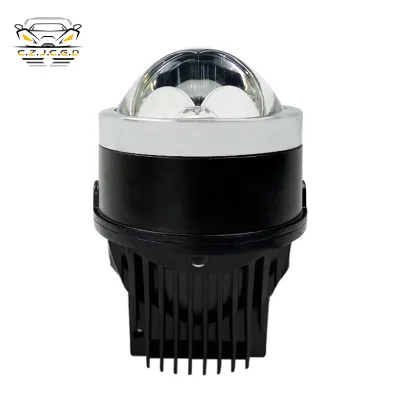
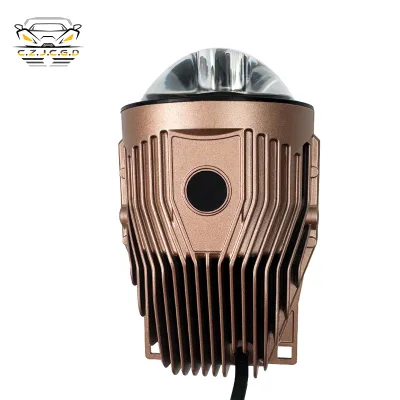


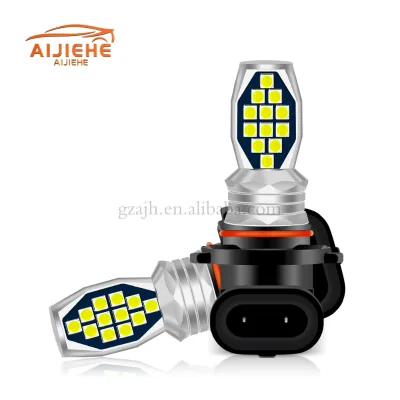
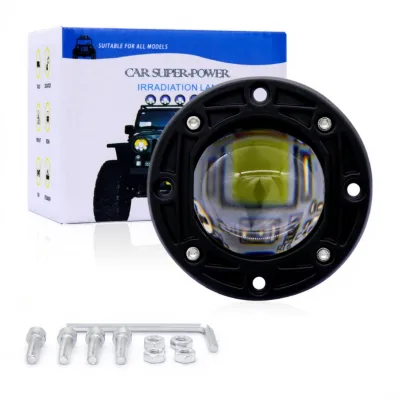


Comprehensive Sourcing Guide
Carbon Fiber Fog Light Supplier Concentration and Factory Types
The current search results indicate a concentration of automotive lighting manufacturers in China, specifically within the Jiangsu and Guangdong provinces. While the specific keyword "Carbon Fiber Fog Light" does not appear in the provided product evidence, the available data confirms that suppliers in these regions specialize in halogen, HID, and LED automotive lighting systems. Buyers should verify if any of these established clusters have dedicated lines for carbon fiber composites, as the current product listings focus heavily on standard halogen bulbs and LED kits rather than composite housing materials. The supplier types observed include combined entities and trading companies, suggesting a mix of direct manufacturing and distribution capabilities.
When assessing factory types, buyers must distinguish between combined suppliers who may handle both production and trading, and pure trading companies that source from external factories. The observed data shows suppliers with ODM and OEM capabilities, which is a critical indicator of manufacturing capacity. However, the absence of carbon fiber specific product evidence means buyers cannot assume these factories possess the specific molding or lamination equipment required for carbon fiber fog lights. It is essential to confirm the actual material composition of the fog light housing during the inquiry phase, as the current catalog data reflects standard plastic or glass materials rather than advanced composite structures.
How to Verify Carbon Fiber Fog Light Suppliers
Verification of suppliers requires a rigorous check of their business credentials and product authenticity, particularly when the core material is carbon fiber. The current results show verification badges such as BV and TÜV Rheinland, which indicate third-party validation of the company's existence and operational stability. Buyers should prioritize suppliers with these verified statuses to ensure the entity is legitimate before discussing specialized materials. However, verification of the company does not automatically verify the specific carbon fiber product quality, so additional due diligence is necessary to confirm the supplier's actual capability to produce or source carbon fiber fog lights.
Buyers must also scrutinize the product evidence provided in the search results to ensure it matches the requested specifications. The current listings display certifications like E-mark, DOT, and GCC, which are relevant for automotive lighting but do not specifically validate carbon fiber material properties. Since the provided product attributes list materials such as Halogen, LED, and Aluminum, buyers should explicitly request material data sheets and carbon fiber certification for the fog light housing. It is crucial to verify that the supplier can provide proof of the carbon fiber weave, resin type, and structural integrity tests, as the generic lighting certifications found in the current data do not cover composite material standards.
What to Compare Across Carbon Fiber Fog Light Suppliers
When comparing potential partners, buyers should evaluate key operational dimensions such as lead time, minimum order quantity, and response speed. The observed data reveals lead times ranging from 15 to 30 days and response times averaging around 8 to 9 hours, which serve as benchmarks for standard automotive lighting. For carbon fiber fog lights, which may involve more complex manufacturing processes, buyers should expect lead times to potentially exceed these averages. It is vital to compare the specific lead time quoted for the carbon fiber component against the standard halogen or LED timelines to understand the production complexity and potential delays.
Minimum order quantities and pricing structures also require careful comparison across different supplier profiles. The current results show MOQs as low as 10 units for LED kits and up to 100 units for halogen bulbs, with prices varying significantly based on the product type. Buyers should compare these thresholds to determine if the supplier can accommodate their specific volume needs for carbon fiber fog lights, which might have higher MOQs due to material costs. Additionally, comparing the price ranges, which currently span from under $1 to over $13 for standard lights, helps establish a baseline for the premium pricing expected for carbon fiber composites. Buyers must ensure the quoted price includes all necessary certifications and packaging standards.
Common Carbon Fiber Fog Light Sourcing Risks
One significant risk in sourcing carbon fiber fog lights is the potential mismatch between the advertised material and the actual product composition. The current product evidence lists materials like Halogen, LED, and Aluminum, with no mention of carbon fiber composites. This discrepancy suggests that suppliers may be marketing standard lighting units while claiming carbon fiber features, or they may lack the specific supply chain for carbon fiber materials. Buyers must mitigate this risk by demanding physical samples and independent material testing before placing large orders to confirm the presence and quality of the carbon fiber.
Another critical risk involves the validity of certifications for composite automotive parts. While the current data shows E-mark and DOT certifications for standard bulbs, these may not apply to carbon fiber housings which have different structural and fire safety requirements. Buyers should verify if the supplier holds specific certifications for composite materials and if the fog lights meet the safety standards of the target market. Relying solely on the general lighting certifications observed in the search results could lead to compliance issues, as the regulatory requirements for carbon fiber components often differ from those for standard plastic or glass lighting units.
Carbon Fiber Fog Light Regional Sourcing and Logistics
Sourcing from the identified regions of Jiangsu and Guangdong offers logistical advantages due to their established automotive supply chains. These provinces are known for their dense network of lighting manufacturers and efficient export infrastructure, which can facilitate faster shipping times for automotive parts. However, buyers must confirm that the specific Carbon Fiber Fog Light products are manufactured within these clusters or if they are being sourced from other locations. The current data confirms the origin as China for the listed products, but the specific logistics for heavy or specialized composite materials may differ from standard bulb shipments.
Logistics planning should also account for the potential need for specialized packaging to protect carbon fiber components during transit. The observed product attributes indicate standard packaging like Color Boxes and Blister Packaging, which may not be sufficient for fragile composite parts. Buyers should discuss packaging requirements with the supplier to ensure the fog lights are protected against moisture and impact, as carbon fiber can be susceptible to damage if not handled correctly. Additionally, verifying the shipping lead times and customs clearance procedures for composite materials is essential to avoid delays, as these items may face different regulatory scrutiny compared to standard automotive lighting.
Carbon Fiber Fog Light Commercial Terms and Order Planning
Commercial terms for carbon fiber fog lights should be negotiated with a clear understanding of the customization and production capabilities of the supplier. The current data indicates that customization is available for many products, which is a positive sign for buyers seeking specific carbon fiber designs. However, buyers must explicitly confirm the customization terms, including tooling costs, design approval processes, and the impact on lead times. Since the observed lead times vary between 15 and 30 days, buyers should plan their order timeline to accommodate any additional time required for custom carbon fiber molding and finishing.
Order planning must also consider the payment terms and escrow options to ensure financial security. While the current data does not explicitly list escrow availability, buyers should verify if the platform offers secure payment methods for high-value composite orders. It is advisable to structure payments in milestones, such as an initial deposit, a payment upon sample approval, and a final payment upon shipment completion. This approach helps manage the risk associated with custom manufacturing and ensures that the supplier is committed to delivering the specified carbon fiber fog lights according to the agreed-upon quality and timeline standards.
FAQs
What is the price range for halogen fog lights?
Halogen fog lights typically range from $0.22 to $4.00 per unit depending on the specific model and wattage. Prices vary based on certifications like E-mark or DOT and whether the product includes custom packaging. Buyers should verify the exact cost for their required quantity and specifications before placing an order.
What is the minimum order quantity for these lights?
The minimum order quantity varies by product type, ranging from 50 to 100 units for halogen options. LED fog lights may have a lower MOQ of 10 units. Buyers must check the specific product page to confirm the exact MOQ applicable to their chosen model and customization requirements.
How long does production take for these orders?
Production lead times generally range from 15 to 30 days depending on the supplier and product type. Suppliers in Guangdong often offer faster turnaround times compared to those in Jiangsu. Buyers should confirm the exact delivery schedule with the supplier before finalizing the purchase agreement.
Are these fog lights certified for international markets?
Many halogen fog lights carry E-mark and DOT certifications, while some LED options include CCC and E-mark approvals. Specific models may also hold GCC certification. Buyers should verify the exact certification list for their target market to ensure compliance with local automotive lighting regulations.
What is the response time for supplier inquiries?
Supplier response times average between 8.11 and 8.77 hours. This indicates a relatively quick turnaround for initial inquiries and quotations. Buyers can expect timely communication regarding product availability, pricing, and customization options during the sourcing process.
Can I customize the fog light packaging?
Customization is available for many fog light models, including packaging options like color boxes or blister packaging. Buyers can often request specific branding or labeling on the product packaging. This service allows for better brand visibility and retail readiness upon delivery.