Cartoon Miniature Figurine Suppliers and Manufacturers in China
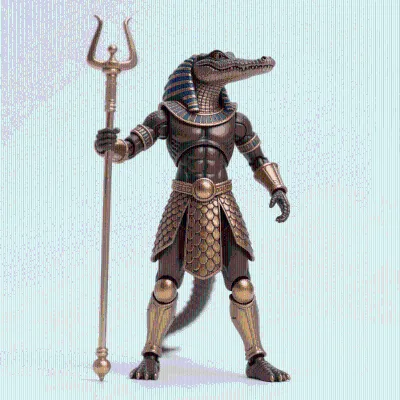
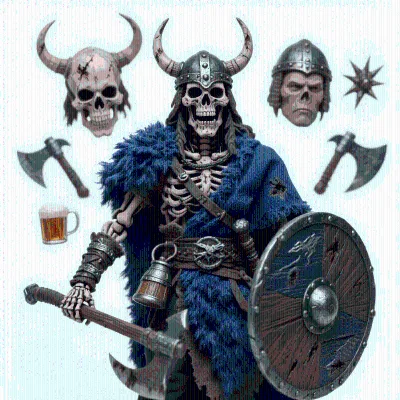
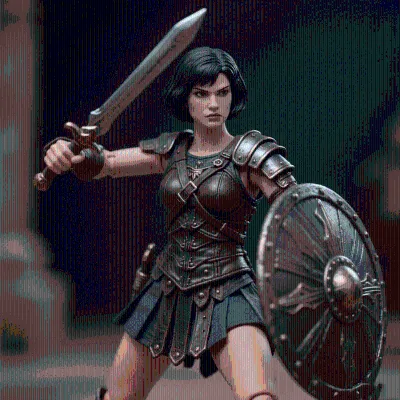
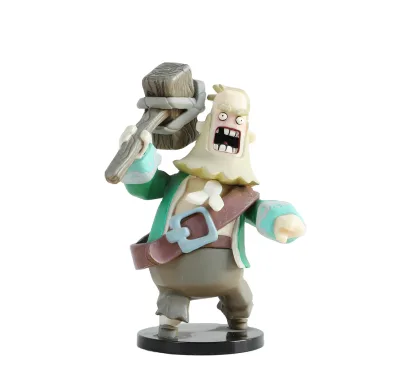
Explore 23 verified suppliers offering Cartoon Miniature Figurine options with varying lead times, certifications, and MOQs. Compare response times, material types like PVC and resin, and customization capabilities to select the right factory for your needs; review the available evidence before requesting comparable quotations from suitable candidates.
Updated
Suppliers List

Dongguan Jiehao Technology Co., Ltd.
- Verified by CTI
- Combined
- China Guangdong
- Lead time30 days
- Avg. response≤ 5h
Main productsPlastic Toys, Vinyl Toys, Silicon Toys, Educational Toys, Intelligent Toy, Toys, Plastic Doll, Soft PVC Toys, 2D Soft PVC Keychain Toys, Blowing Toys
Main marketsSouth America

- Manufacturer/Factory
- China Guangdong
- Lead time23 days
- Avg. response≤ 11h
Main productsStatue, Resin Craft, Figruine, Metal Trophy, Figure, Resin Figure, Polyresin Figurine, Collective Statue, Polyresin Statue, Function Model
Main marketsEastern Europe,Mid East,North America,Southeast Asia,Oceania,Western Europe,Africa
Shantou Beijia Technology Co., Ltd.
- Trading Company
- Guangdong, China
- Lead time30 days
- Avg. response≤ 6h
Main productsEducational Toy,rc car,block toy,toy accessories,car model
Main marketsCentral America(15.00%), South Asia(15.00%), Africa(15.00%), Southeast Asia(15.00%), South America(15.00%), North America(15.00%), Eastern Asia(10.00%)
Shenzhen Linchen Technology Co., Ltd.
- Verified by TüVRheinland
- Manufacturer, Trading Company
- Lead time60 days
- Avg. response≤ 3h
Main productsAction Figure, Vinyl Figure, Resin Figure, Plastic Figure, Bline Box Figure
Main marketsNorth America(35%), Eastern Europe(10%), Southeast Asia(10%)
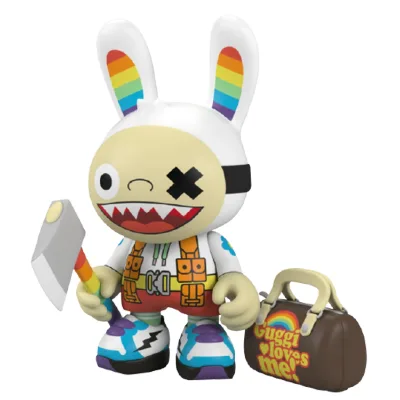
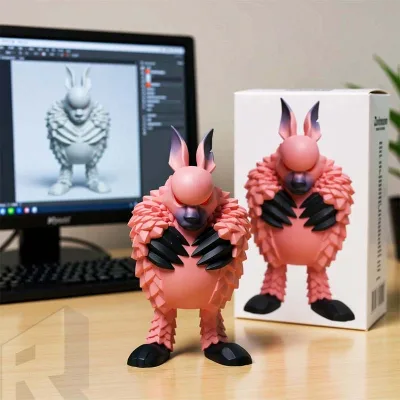
Custom Popular Anime Mini Decorative Resin Action Figure Statues Collectible Toy Figurine
$0.90 - $1.52
MOQ: 100 pieces
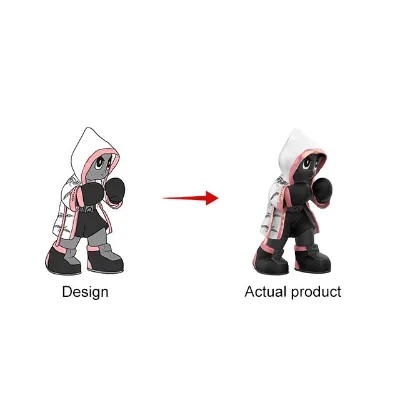
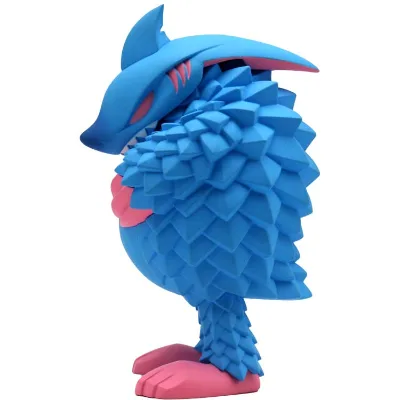
Custom Model 3D Print Classic Resin Sculpture Figures Cartoon Animation Toys Oem
$3.00 - $5.00
MOQ: 100 pieces
OEM Custom Mini Character Poly 1/4 Scale Resin Kids Art Figure Statue Sculpture Toy
$3.00 - $5.00
MOQ: 100 pieces
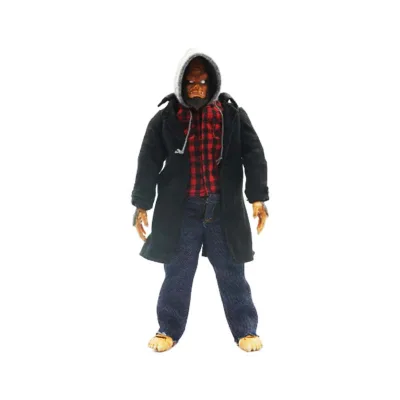
OEM 1/6 Scale Action Figures 3D Diy Resin Kids Art Toys Figure Molds Making Sculpture Collectibles
$0.90 - $1.52
MOQ: 100 pieces

Dongguan Glory Plastic Products Co., Ltd.
- Verified by SGS
- Combined
- China Guangdong
- Lead time30 days
- Avg. response≤ 10h
Main productsBoardgame Accessories, Plastic Injection PVC Miniature, Plastic Dice, Products Design & Mould, Game Components, Print and Painting and Packing, Plastic Products Custom Packing, Poly Resin Craft Gift and Toy, Freight and Shipping, Creative Consultation
Main marketsEast Asia(Japan/ South Korea),Domestic

Custom Cartoon Image Miniature Figure Cartoon Character Miniature Figure
$0.15 - $0.20
MOQ: 3000 Pieces


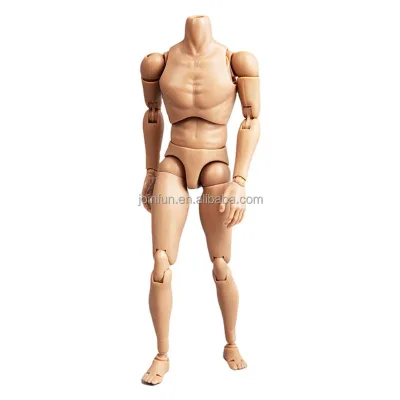
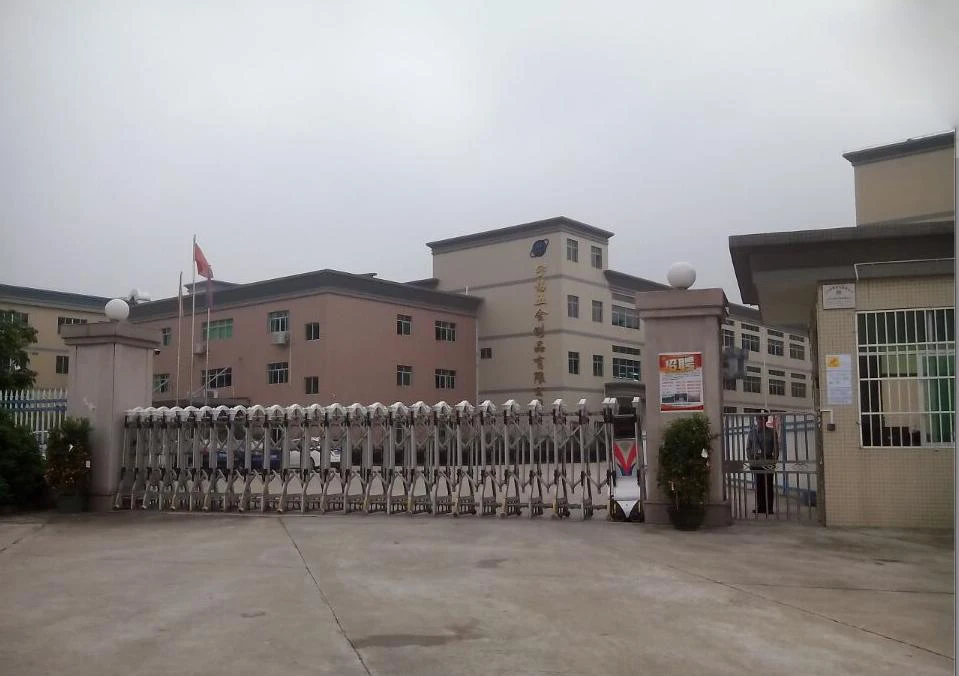
Huizhou Huiyang Joinfun Electronic & Plastic Factory
- Verified by TüVRheinland
- Manufacturer, Trading Company
- Lead time20 days
- Avg. response≤ 9h
Main productsPlastic Toys
Main marketsNorth America(39%), Southeast Asia(11%), Western Europe(9%)
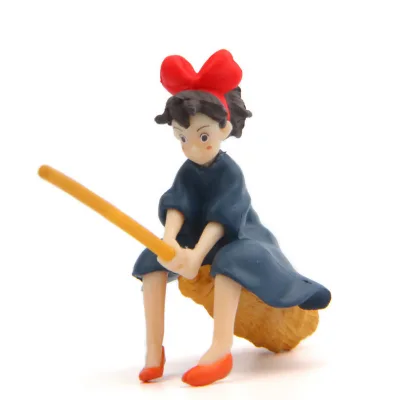
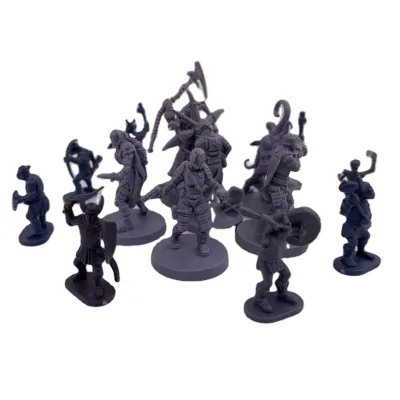
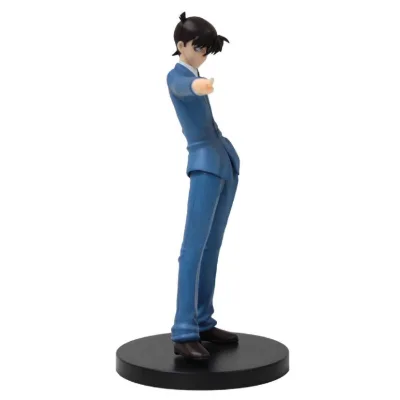
$1.1093 - $1.2846
MOQ: 2 Minimum
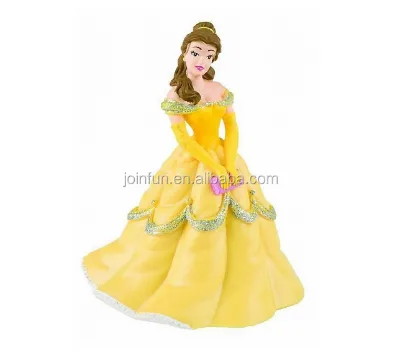
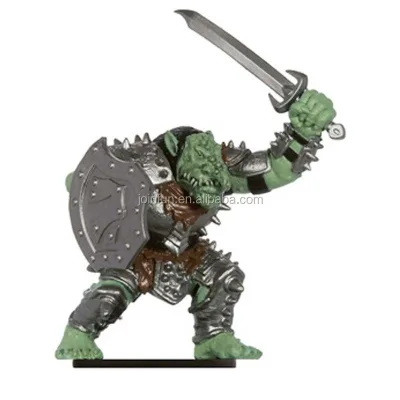
Shenzhen Figures Toy Design Co., Ltd
- Manufacturer
- Guangdong, China
- Lead time30 days
- Avg. response≤ 7h
Main productsaction figure,plastic figure,vinyl figure,toy design,rubber toys
Main marketsNorth America(30.00%), Western Europe(15.00%), Domestic Market(10.00%), Eastern Europe(5.00%), South Asia(5.00%), Northern Europe(5.00%), South America(5.00%), Central America(5.00%), Eastern Asia(5.00%), Mid East(5.00%), Africa(5.00%), Southeast Asia(5.00%)
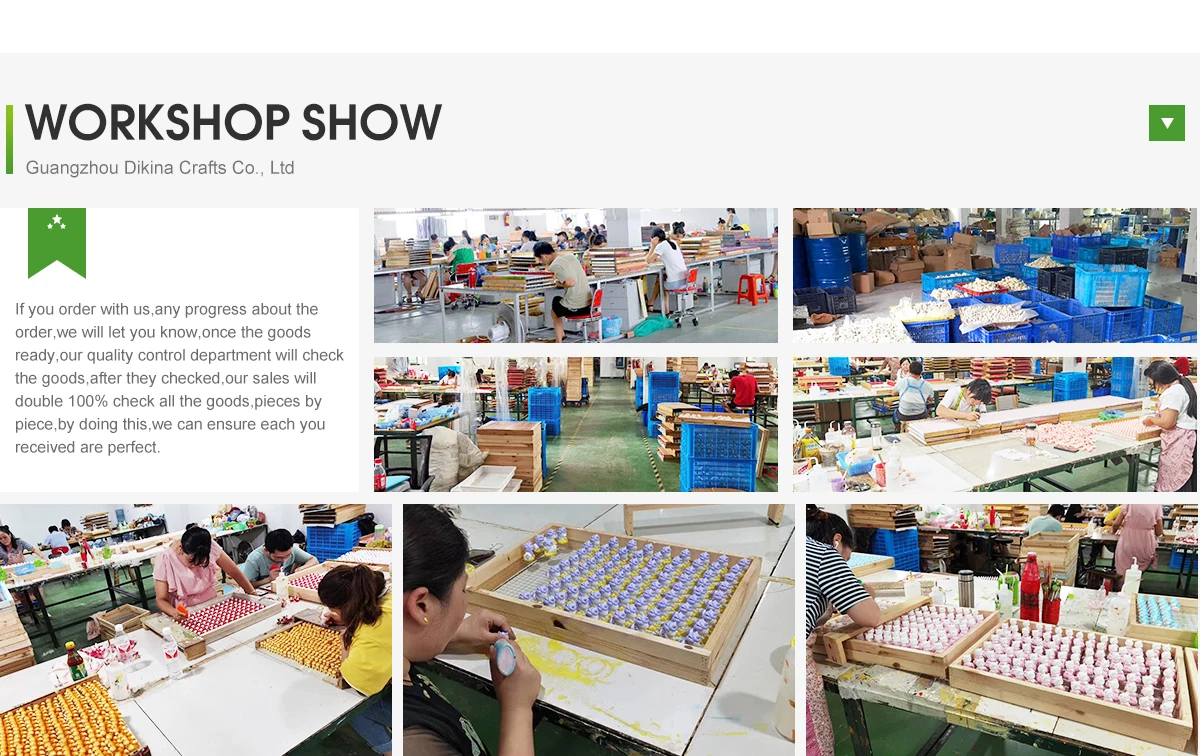
Guangzhou Dikina Crafts Co., Ltd.
- Manufacturer, Trading Company, Distributor/Wholesaler
- Guangdong, China
- Lead time10 days
- Avg. response≤ 2h
Main productsresin crafts,pvc figurine,plastic figure,3D figurines,resin charms
Main marketsSouthern Europe(20.00%), Central America(20.00%), Western Europe(20.00%), Domestic Market(20.00%), Southeast Asia(20.00%), Eastern Europe(20.00%), South America(20.00%), North America(20.00%), South Asia(10.00%), Eastern Asia(10.00%), Northern Europe(10.00%), Mid East(10.00%), Oceania(10.00%), Africa(1.00%)
Dongguan Zhongxin Long Plastic Toys And Gifts Co., Ltd.
- Verified by TüVRheinland
- Manufacturer, Trading Company
- Lead time70 days
- Avg. response≤ 1h
Main productsAction Figure, Figure Toy, Blind Box, Electronic Toy
Main marketsEastern Asia(50%), North America(30%), Domestic Market(20%)
Shenzhen Meiyan Technology Co., Ltd.
- Verified by SGS Group
- Manufacturer, Trading Company
- Lead time15 days
- Avg. response≤ 2h
Main productsPVC Figure, Blind Box, Storytelling Machine, Electronic Toys, Promotional Gifts
Main marketsNorth America(50%), Eastern Europe(20%), Eastern Asia(20%)

Huizhou Shenghui Plastic Product Co., Ltd
- Verified by SGS
- Trading Company
- China Guangdong
- Lead time30 days
- Avg. response≤ 4h
Main productsCustomized Plastic Figure, Plastic Toy, Plastic Figure
Main marketsSoutheast Asia/ Mideast


High Quality PVC Anime Piece Model Miniatures Figura Action Figures Toy
$0.80 - $1.50
MOQ: 3000 Pieces


Dongguan Dihua Decoration Products Company Limited
- Verified by Intertek
- Manufacturer, Trading Company
- Lead time30 days
- Avg. response≤ 1h
Main productsPlastic Toys, Plastic Accessories
Main marketsNorth America(60%), Western Europe(20%), Eastern Asia(10%)
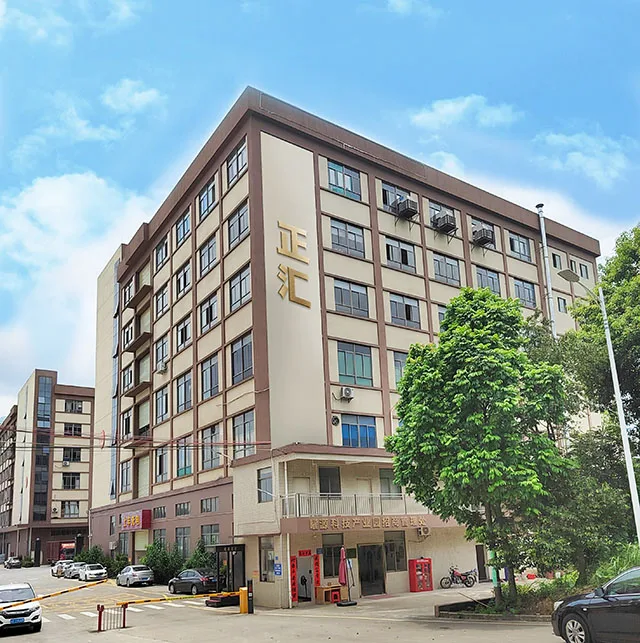
Dongguan Zhenghui Animation Technology Co.,Ltd
- Manufacturer, Trading Company
- Guangdong, China
- Lead time40 days
- Avg. response≤ 3h
Main productsAction Figure, Customization Collectible Toys, PVC Injection Figure, Blind Box Collectible Toys, Gifts And Crafts
Main marketsNorth America(40.00%), Western Europe(20.00%), Northern Europe(17.00%), Eastern Asia(8.00%), Oceania(5.00%), Mid East(5.00%), South Asia(1.00%), South America(1.00%), Southern Europe(1.00%), Eastern Europe(1.00%), Southeast Asia(1.00%)
Handa Zhichuang Technology (Shenzhen) Co., Ltd.
- Trading Company
- Guangdong, China
- Lead time60 days
- Avg. response≤ 3h
Main productsPVC Figure,Vinyl Figure,Resin Figure,TPR toy,Silicone toy
Main marketsNorth America(30.00%), Central America(25.00%), Northern Europe(10.00%), Southeast Asia(10.00%), Eastern Europe(10.00%), Domestic Market(5.00%), South Asia(5.00%), South America(5.00%)
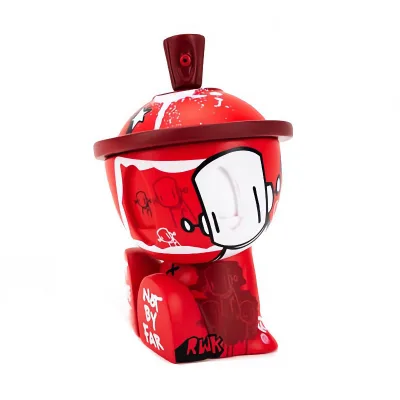
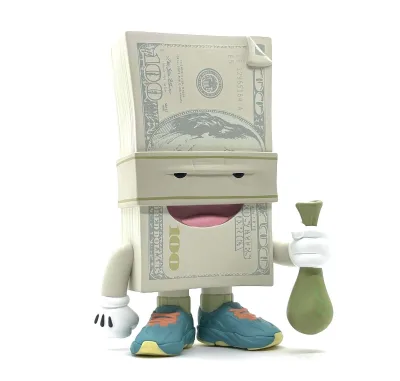
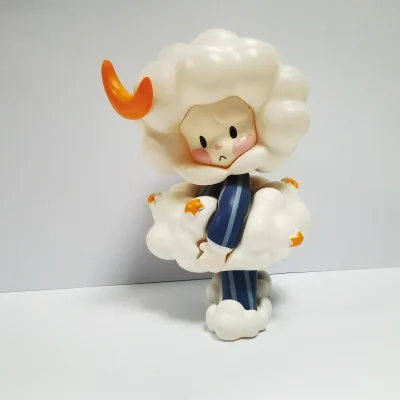
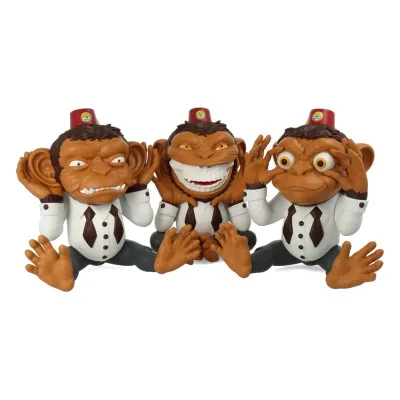
Custom Miniature Figure Resin Polystone Collectable Statues Figure Resin Crafts
$0.84 - $2.95
MOQ: 100

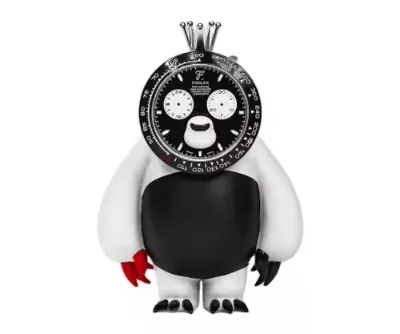
Shenzhen Jiangxinge Gift Crafts Co., Ltd.
- Manufacturer, Trading Company
- Guangdong, China
- Lead time0 days
- Avg. response≤ 1h
Main productsfiberglass statue custom,FRP sculpture manufacturer,fiberglass figurines wholesale,fiberglass animal statue,fiberglass mascot custom
Main marketsSouth America(50.00%), North America(20.00%), Eastern Europe(10.00%)
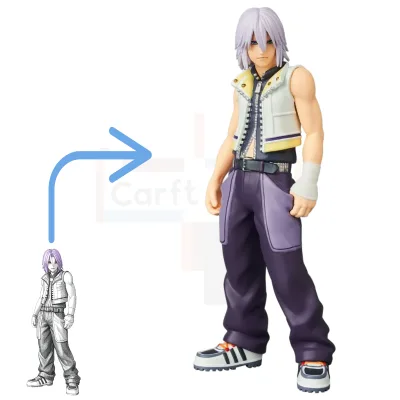
Unisex 3D Action Character Figurine Miniature Anime Model Toy Cartoon Style Resin Rapid Prototyping
$5.90 - $9.80
MOQ: 100 pieces
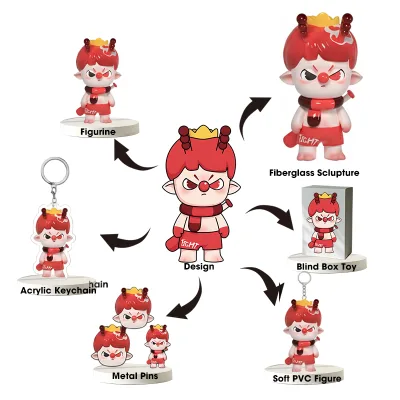
High Quality Resin Figures Figure Custom Action Figure Resin Mini Figures
$6.4187 - $9.1109
MOQ: 100 pieces
Huizhou Shenghong Model Co., Ltd.
- Manufacturer, Trading Company
- Guangdong, China
- Lead time30 days
- Avg. response≤ 4h
Main productsInjection Figure, Vinyl Toy, Anime Figures Game Derivatives, Toy Soldiers Models
Main marketsNorth America(25.00%), Western Europe(13.00%), Southern Europe(13.00%), Eastern Europe(13.00%), South America(12.00%), Northern Europe(12.00%), Southeast Asia(12.00%)
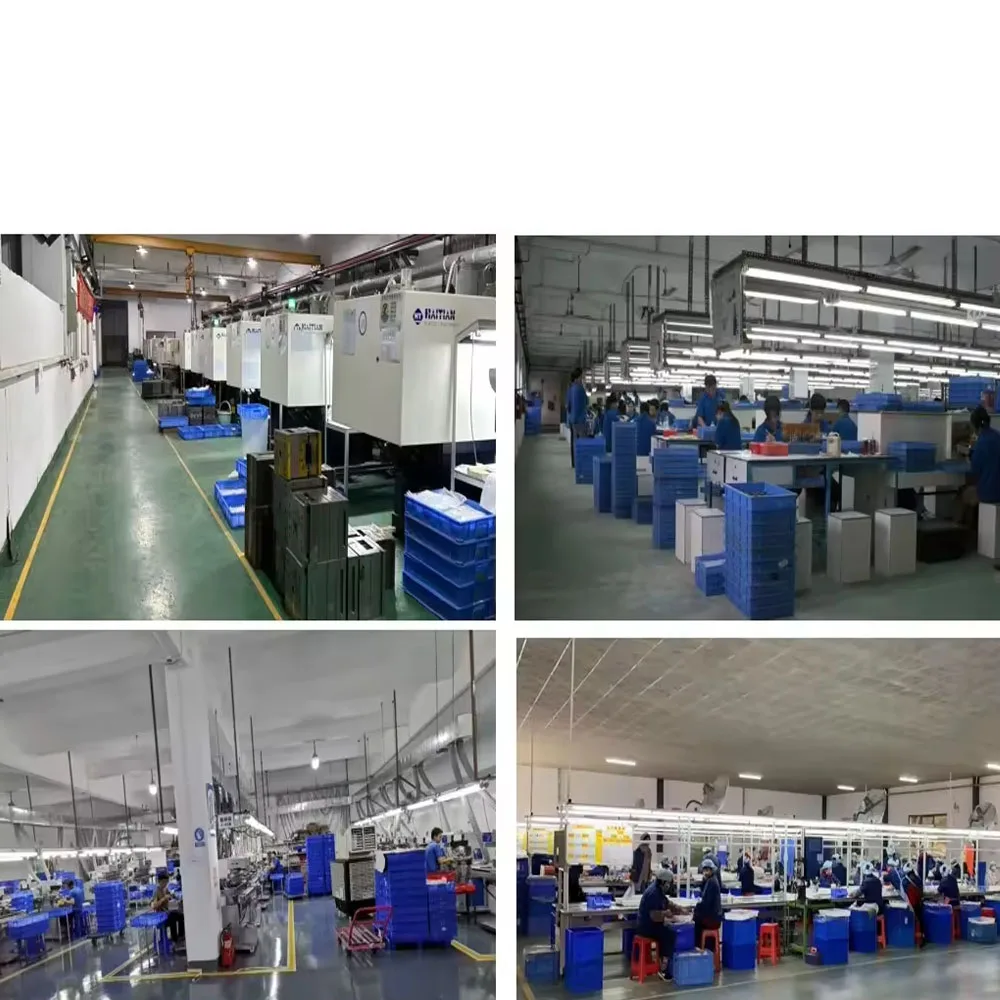
Huizhou Hongqi Plastic Product Co., Ltd.
- Manufacturer
- Guangdong, China
- Lead time0 days
- Avg. response≤ 4h
Main productsAction & Toy Figures,animal/Dinosaur model,Hand-run anime/game spin-offs,Bobblehead figure,Classic Toys
Main marketsNorthern Europe(20.00%), Western Europe(20.00%), Eastern Asia(20.00%), Southern Europe(20.00%), Oceania(15.00%), Domestic Market(5.00%)

Quanzhou Wutongcrafts Co., Ltd.
- Verified by CTI
- Manufacturer/Factory
- China Fujian
- Lead time30 days
- Avg. response≤ 5h
Main productsResin Figurine, Snow Globe, Fridge Magnets, Tourist Souvenirs, Garden Ornaments, Holiday Decorations, Madonna Statue, Bobble Head, Polyresin Statue, Polyresin Flower Pot
Main marketsSouth America,Eastern Europe,North America,Oceania,Western Europe,Africa
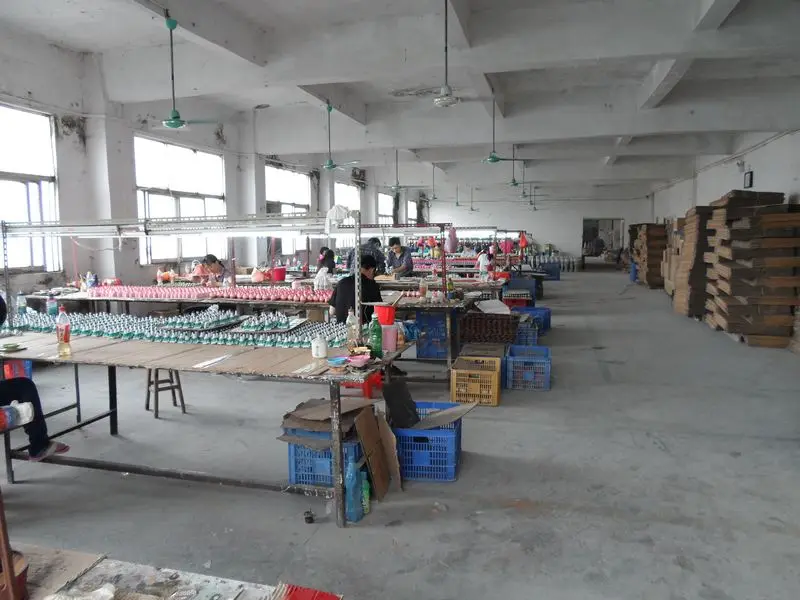
Dongguan Longtu Crafts Co., Ltd.
- Manufacturer, Trading Company
- Guangdong, China
- Lead time35 days
- Avg. response≤ 12h
Main productsbeer tap handle,bar accessories,christmas ornaments,souvenir,home decor
Main marketsNorth America(40.00%), Western Europe(23.00%), Domestic Market(10.00%), Central America(5.00%), Southern Europe(5.00%), Northern Europe(5.00%), Mid East(5.00%), Eastern Asia(3.00%), Oceania(2.00%), Eastern Europe(2.00%)
Guangdong Kinqee International Trade Co., Ltd.
- Verified by SGS Group
- Trading Company
- Lead time10 days
- Avg. response≤ 2h
Main productsPlush Doll/, Mascot Costume, Fiberglass, Resin Figurine, PVC Figurine

Yiniao Animation Culture (Dongguan) Co., Ltd.
- Verified by TUVRHEINLAND
- Trading Company
- China Guangdong
- Lead time30 days
- Avg. response≤ 9h
Main productsToy, 3D-Printed Figures, Blind Boxes, Keychains, Fridge Magnets, Premium Gifts, Crafts, PVC, Eco-Friendly Resin, Rotocast (Vinyl)
Main marketsDomestic


Good Quality Collectible Action Cute Figure Vinyl Action Art Vinyl Miniature Figure Toy
$0.35 - $0.90
MOQ: 1 Pieces

- Combined
- China Guangdong
- Lead time45 days
- Avg. response≤ 1h
Main productsResin Craft, Baby Doll, Christmas Tree, Christmas Wreath, Christmas Garland, Christmas Decoration, Artificial Flower, Artificial Plant, Artificial Tree, Christmas Ornaments
Main marketsSouth America,Europe,North America
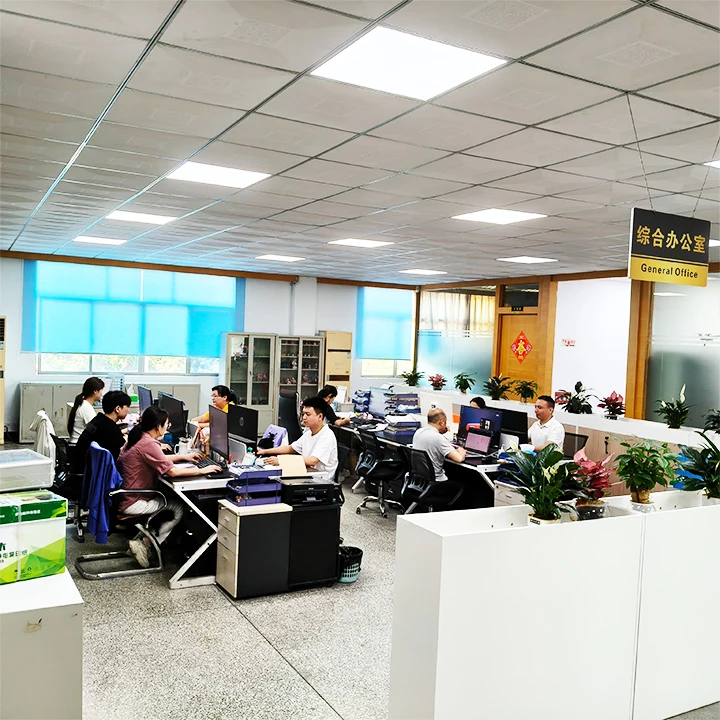
Dongguan Chuangxiong Crafts Co., Ltd.
- Manufacturer, Trading Company
- Guangdong, China
- Lead time25 days
- Avg. response≤ 1h
Main productsCustomized 3D Printing Sculpture and Prototype,OEM Anime and Action Figures,Fibreglass Reinforced Statues,PVC Silicon Key Chain,Shaking Head Car Accessories
Main marketsNorth America(20.00%), Domestic Market(15.00%), Southeast Asia(15.00%), Eastern Europe(5.00%), Southern Europe(5.00%), Northern Europe(5.00%), Central America(5.00%), Western Europe(5.00%), Mid East(5.00%), Africa(5.00%), South America(5.00%)







Comprehensive Sourcing Guide
Cartoon Miniature Figurine Supplier Concentration and Factory Types
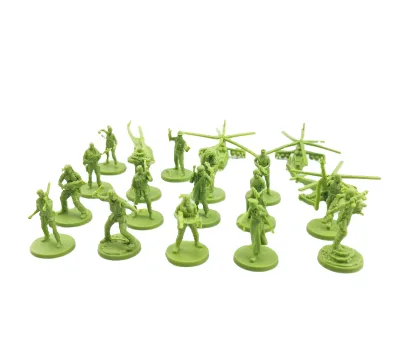
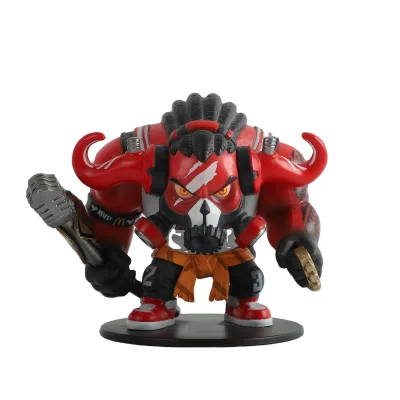
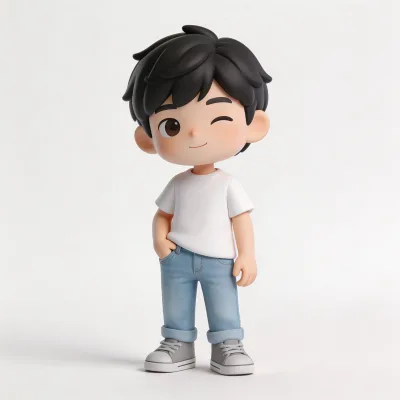
The current supplier landscape for cartoon miniature figurines reveals a diverse mix of manufacturing capabilities, primarily anchored in China’s Guangdong province. This region is a well-established hub for plastic and resin toy production, offering buyers access to a dense network of factories specializing in PVC, vinyl, and soft plastic materials. The available data indicates that suppliers in this area often operate as combined entities, blending trading services with direct manufacturing capabilities. This hybrid model can provide buyers with greater flexibility in order sizes and product customization, as these companies frequently maintain both design teams and production lines. The concentration of such facilities in Guangdong suggests that logistics and supply chain infrastructure are optimized for high-volume toy exports, potentially reducing transit times for finished goods destined for international markets.
Beyond the combined entities, the market also features dedicated manufacturer factories that focus heavily on specific material types, such as resin or polyresin crafts. These factories often emphasize higher-end customization and artistic detail, catering to collectors and premium gift markets rather than mass-market children’s toys. The distinction between these factory types is crucial for buyers, as it directly impacts the minimum order quantities and pricing structures available. While combined suppliers might offer lower MOQs for standard plastic figures, dedicated resin manufacturers may require higher commitments due to the labor-intensive nature of their carving and painting processes. Understanding this split helps buyers align their sourcing strategy with their specific volume needs and quality expectations, ensuring they engage with the right type of partner for their brand.
How to Verify Cartoon Miniature Figurine Suppliers
Verifying the legitimacy and capability of Cartoon Miniature Figurine suppliers requires a multi-layered approach that goes beyond simple profile reviews. Buyers should prioritize suppliers who hold recognized system certifications, such as ISO9001:2015, which indicates a standardized quality management system. Additionally, social compliance certifications like BSCI, SA 8000, and SEDEX are critical for brands concerned with ethical labor practices, especially when sourcing from large manufacturing hubs. The presence of third-party verification badges, such as CTI, adds another layer of trust, confirming that an independent agency has audited the supplier’s operations. These credentials serve as objective evidence of a supplier’s operational maturity and commitment to international standards, reducing the risk of engaging with unverified or non-compliant entities.
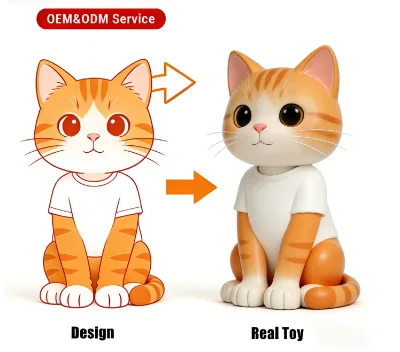
Response time and production capacity are also key indicators of a supplier’s reliability and operational efficiency. A quick response time, such as the 4.67-hour average observed among some suppliers, suggests a responsive sales team capable of handling inquiries and negotiations promptly. Conversely, slower response times may indicate a less agile organization or a high volume of unmanaged leads. Buyers should also examine the supplier’s declared response capabilities and their ability to handle both OEM and ODM requests. Suppliers that explicitly state their capacity for original design manufacturing can be valuable partners for brands seeking unique, proprietary designs rather than off-the-shelf products. Verifying these operational metrics helps buyers assess whether a supplier can meet their timeline and customization requirements effectively.
What to Compare Across Cartoon Miniature Figurine Suppliers
When evaluating multiple suppliers, buyers must compare key operational metrics such as lead times, minimum order quantities, and pricing structures to find the best fit for their business model. Lead times can vary significantly, with some suppliers offering production windows of around 20 to 30 days, while others may have different schedules based on order quantity. It is essential to clarify whether the stated lead time includes mold creation, sampling, and mass production, as these phases can drastically impact the overall timeline. Similarly, MOQs range from small batches of 200 units for high-end resin figures to larger quantities of 5,000 units for mass-produced plastic toys. Understanding these thresholds helps buyers determine which suppliers can accommodate their initial order sizes and inventory strategies without excessive capital tie-up.
Pricing and payment terms are equally critical factors in supplier comparison. Prices for cartoon miniature figurines can vary widely, from under one dollar for basic plastic figures to over fifty dollars for detailed resin collectibles. Buyers should analyze the price range in the context of the material, certification, and customization level offered. For instance, PVC figures with CE and EN71 certifications may command a premium due to safety compliance costs. Additionally, payment terms such as T/T or FOB Shenzhen should be compared to understand the financial implications and risk allocation. Suppliers offering flexible payment options or escrow services can provide greater security for buyers, especially for first-time transactions. By systematically comparing these dimensions, buyers can identify suppliers that offer the best balance of cost, quality, and service reliability.
Common Cartoon Miniature Figurine Sourcing Risks
One of the primary risks in sourcing cartoon miniature figurines is the discrepancy between sample quality and mass production output. Suppliers may provide high-quality samples that do not reflect the consistency of the final batch, particularly when dealing with complex materials like resin or detailed PVC molding. Buyers must establish clear quality control protocols and consider third-party inspections before shipment to mitigate this risk. Another significant concern is intellectual property infringement, especially when sourcing custom designs or licensed characters. Suppliers that offer ODM services must be vetted for their ability to respect copyright laws and avoid producing counterfeit goods. Buyers should ensure that all design files and branding materials are protected and that suppliers sign strict confidentiality agreements to prevent unauthorized replication.
Material safety and regulatory compliance pose another substantial risk, particularly for toys intended for children. Different markets have varying standards for toy safety, such as EN71 in Europe or ASTM in the United States. Suppliers must provide valid test reports and certifications to prove that their products meet these stringent requirements. Failure to verify these documents can lead to customs seizures, product recalls, and legal liabilities. Additionally, the risk of delayed shipments due to raw material shortages or production bottlenecks is common in the toy industry. Buyers should maintain open communication with suppliers regarding production status and have contingency plans in place. Understanding these risks allows buyers to implement proactive measures, such as regular audits and clear contractual terms, to protect their supply chain integrity.
Cartoon Miniature Figurine Regional Sourcing and Logistics
Sourcing cartoon miniature figurines from China’s Guangdong province offers distinct logistical advantages due to the region’s advanced manufacturing infrastructure and proximity to major ports. This concentration of suppliers facilitates efficient consolidation of goods, allowing buyers to combine orders from multiple factories into single shipments, thereby reducing per-unit shipping costs. The availability of specialized logistics providers familiar with toy exports ensures that products are handled with care, minimizing the risk of damage during transit. Buyers should leverage this regional expertise by working with suppliers who have experience in exporting to their target markets, as they can provide valuable insights into packaging requirements and documentation processes. This local knowledge can streamline the import process and reduce the likelihood of customs delays.
However, buyers must also consider the environmental and regulatory aspects of sourcing from this region. Guangdong’s manufacturing sector is subject to increasing environmental regulations, which can impact production schedules and costs. Buyers should inquire about suppliers’ compliance with these regulations to ensure sustainable sourcing practices. Additionally, the choice of shipping method, whether by sea or air, will depend on the order volume and urgency. Sea freight is cost-effective for large orders but involves longer transit times, while air freight is faster but more expensive. Buyers should calculate the total landed cost, including freight, insurance, and duties, to make informed decisions. By understanding the logistical landscape, buyers can optimize their supply chain for efficiency and cost-effectiveness.
Cartoon Miniature Figurine Commercial Terms and Order Planning
Effective order planning for cartoon miniature figurines requires careful attention to commercial terms, including pricing structures, payment methods, and after-sales support. Buyers should negotiate clear terms that specify the scope of customization, such as logo printing, packaging design, and material specifications. Suppliers often offer various imprint options, from simple color prints to full-color silk printing, each with different cost implications. It is crucial to agree on these details in writing to avoid misunderstandings during production. Additionally, buyers should clarify the warranty and after-sales service policies, as some suppliers offer free fixes or replacements for defective items. Understanding these terms helps buyers manage their budget and mitigate potential losses from quality issues.
Lead time management is another critical aspect of order planning. Buyers must account for the time required for mold creation, sampling, and mass production when setting their inventory replenishment schedules. Suppliers may offer different lead times based on order quantity, so buyers should plan accordingly to avoid stockouts or excess inventory. It is also advisable to establish a communication protocol with suppliers to monitor production progress and address any issues promptly. By maintaining a proactive approach to order planning and commercial terms, buyers can ensure a smooth sourcing process and build a reliable supply chain for their Cartoon Miniature Figurine products. This strategic focus on details helps buyers achieve their business goals while minimizing risks and maximizing value.
FAQs
What is the typical lead time for cartoon miniature figurines?
Lead times vary by supplier, with observed ranges from 20 to 30 days. Some manufacturers offer production within 20 days based on order quantity, while others require up to 30 days. Buyers should confirm specific timelines with the factory before placing an order.
What are the minimum order quantities for these toys?
Minimum order quantities differ significantly across suppliers. Some factories require 5,000 units for standard plastic toys, while others accept orders as low as 200 units for resin figures. Buyers must check the specific MOQ listed for each product model to ensure compliance.
Which certifications do these figurines typically hold?
Common certifications include ENASTM, CE, ISO9001:2015, BSCI, and SA 8000. Products often meet safety standards like ENASTM and CE for toys. Buyers should verify that the specific supplier holds valid ISO or safety certificates relevant to their target market requirements.
What materials are used for cartoon miniature figurines?
Materials include PVC, plastic, and eco-friendly ABS. Some high-end items use resin for detailed craftsmanship. Buyers can choose between soft PVC for durability or resin for realistic display pieces depending on the intended use and customization needs.
Are customization options available for these figurines?
Yes, customization is widely available for logos, colors, and shapes. Suppliers offer full color or simple color logo printing with silkprint techniques. Buyers can request specific styles, sizes, and packaging to match their brand requirements or promotional campaigns.
What is the price range for cartoon miniature figurines?
Prices range from $0.60 to $50.00 per unit depending on material and complexity. Basic plastic toys start around $0.60, while detailed resin figures can cost up to $50.00. Buyers should compare unit costs against their budget and order volume requirements.
Where are these figurines manufactured?
Most suppliers are located in Guangdong, China. This region is a major hub for toy manufacturing with established supply chains. Buyers should verify the specific factory location to assess shipping logistics and potential tariffs for their destination country.