Source Enamelled Die Cut Fridge Magnet for Gifts, Parties, and Promotions
Compare 30 Enamelled Die Cut Fridge Magnet options from verified Chinese suppliers. Buyers can evaluate customization, materials like PVC and metal, and eco-friendly features for promotional gifts, parties, and back-to-school events; compare the available evidence and request quotations based on your requirements.
Updated
Key considerations
Products List

$0.50 - $10.00
MOQ: 8000 Pieces


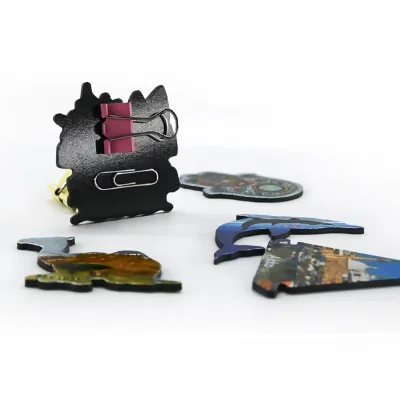
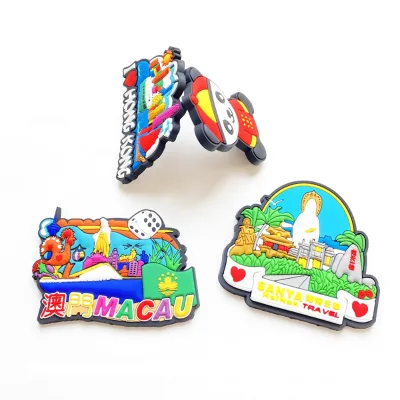
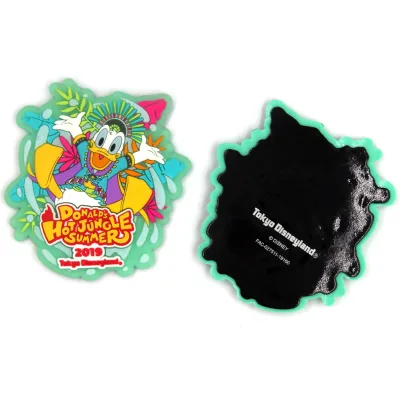
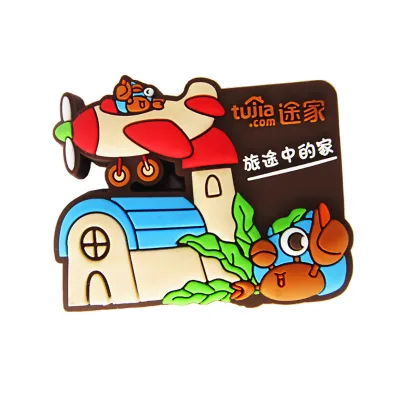
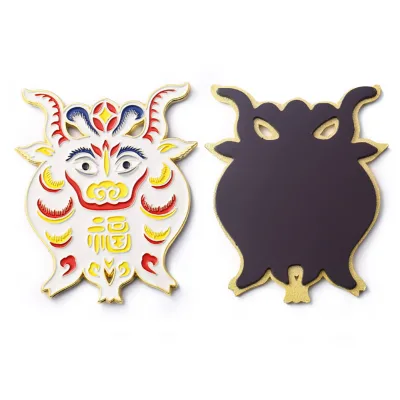

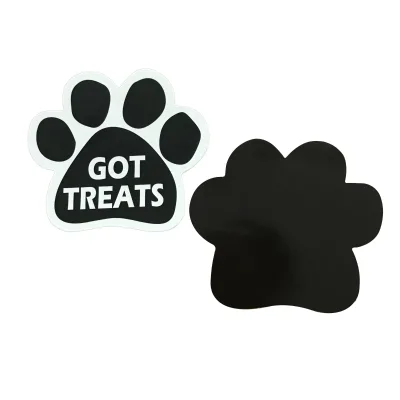
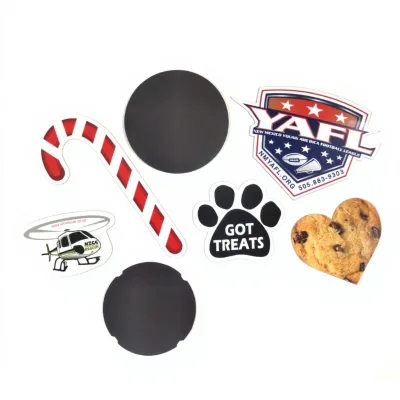



Custom Printed Fridge Magnets Die Cut Refrigerator Magnet for Souvenir
$0.32 - $0.71
MOQ: 10000 Pieces

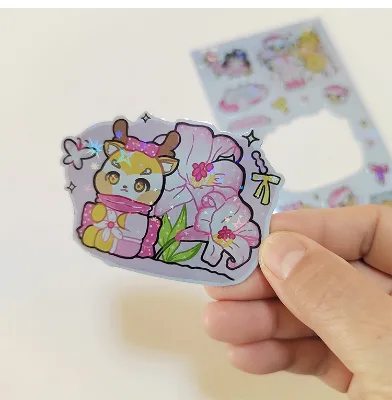


High Quality Accurate Die Cut Custom Mini CD Acrylic Keychain Fridge Magnet
$0.25 - $0.45
MOQ: 500 Pieces
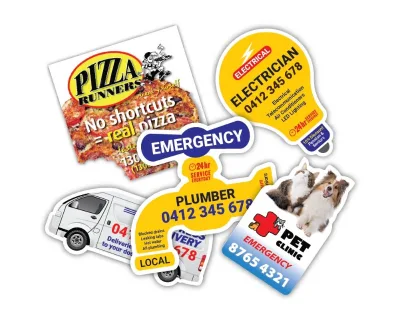
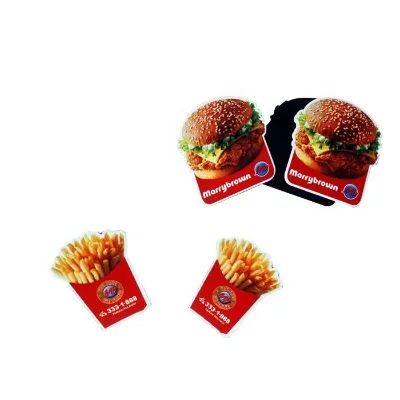
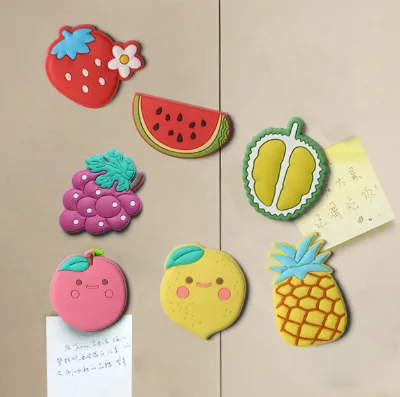


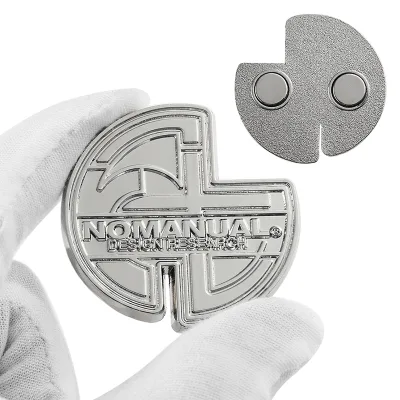
Factory Direct Custom Fridge Magnets Die Cut Metal Magnets for Fridge
$0.421 - $0.661
MOQ: 1200 Pieces
Comprehensive Sourcing Guide
Enamelled Die Cut Fridge Magnet Sourcing Guide
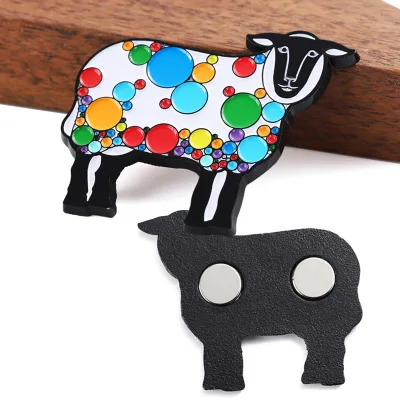
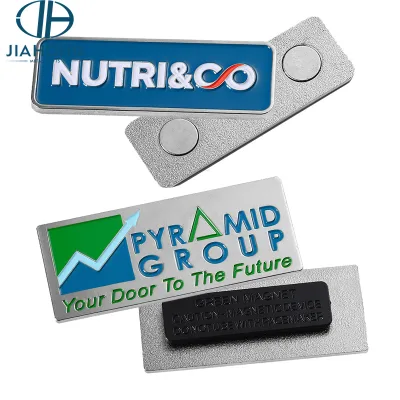
Enamelled die cut fridge magnets serve as versatile promotional tools and decorative items, often featuring custom designs that align with brand identity or seasonal themes. Buyers should note that while some listings describe these products as disposable, others explicitly classify them as non-disposable, indicating a need to verify the intended lifecycle of the specific unit before ordering. The material composition varies significantly across suppliers, ranging from PVC rubber and silicon to aluminum, metal, or plastic substrates, which directly influences the durability and finish of the final product.
Procurement decisions must account for the diverse shape options available, including square, round, or fully customized die-cut profiles that match specific design requirements. The manufacturing technique often involves plating or embossing combined with epoxy finishes to achieve a glossy, durable surface that resists wear. Buyers should confirm whether the product is intended for home decoration, promotional gifts, or back-to-school campaigns, as these applications dictate the necessary robustness and aesthetic style, such as modern or cartoon designs.
Product Scope and Observed Listing Signals
The market for these magnets displays a wide range of price points, with observed listings spanning from $0.02 to $30 per unit, reflecting differences in material quality, customization complexity, and order volume. Minimum order quantities (MOQ) are equally variable, ranging from as low as 50 pieces to as high as 10,000 units, requiring buyers to align their budget and storage capacity with supplier constraints. Some suppliers offer standard export packaging, while others provide neutral wooden cases or custom packing solutions, which can impact the final landed cost and protection during transit.
Buyers must carefully distinguish between products labeled as "customized" and those offering "custom design" capabilities, as the level of involvement in the design process varies. While some listings highlight specific model numbers like the JCK Series or JIUCH-PVC Fridge Magnet, others focus on generic attributes like "Vietnam fridge magnet" or "Fridge Magnet Sticker," suggesting a need to verify the exact product specifications against the supplier's catalog. The presence of features like waterproofing and eco-friendly claims should be treated as observations that require validation rather than guaranteed attributes for every listed item.
Technical Specifications to Verify
Technical verification begins with confirming the material composition, as suppliers list options including PVC, aluminum, metal, and plastic, each offering distinct tactile and visual properties. The printing technique is a critical specification, with die-cutting being a common method to achieve precise shapes, though some products may also feature embossed and epoxy finishes for added texture and protection. Buyers should explicitly request samples to assess the quality of the plating and the adhesion of the magnetic backing, ensuring the product meets the intended application standards for either indoor decoration or outdoor promotional use.
Dimensional accuracy is another vital specification, with sizes ranging from standard 15x15x15 cm single packages to fully customized dimensions tailored to specific design needs. The weight of individual units can vary significantly, with observed single gross weights ranging from 0.02 kg to 1.000 kg, which affects shipping calculations and handling requirements. It is essential to verify the exact model number and size specifications, such as the JIUCH-Fridge Magnet 01 or JIUCH-PVC Fridge Magnet, to ensure the physical attributes match the design files and functional requirements of the end user.
Compliance and Safety Documentation
Compliance verification is essential for products intended for children or international markets, as some listings reference standards such as ROHS, SGS, and CE, while others mention broader safety frameworks like ASTM F963 or EN71. Buyers should not assume that all listed products automatically meet these standards; instead, they must request current test reports and certification documents from the supplier to confirm that the materials and finishes are safe for the intended use. The presence of certifications like ROHS indicates compliance with restrictions on hazardous substances, which is particularly important for products that may come into contact with food or skin.
Safety documentation should also address the specific manufacturing processes, such as the use of epoxy or plating, which may involve chemicals requiring specific handling or disposal protocols. While some suppliers claim eco-friendly features, buyers must verify these claims against recognized environmental standards to ensure the product aligns with corporate sustainability goals. It is crucial to confirm that the supplier can provide documentation for the specific batch being ordered, as compliance status can vary between production runs and different product lines within the same factory.
Cost Drivers and Commercial Terms
Cost drivers for enamelled die cut fridge magnets include the complexity of the custom design, the choice of material, and the volume of the order, with MOQs ranging from 50 to 10,000 units influencing the per-unit price significantly. Buyers should anticipate that customized designs and specialized finishes like embossing or plating will incur higher costs compared to standard, off-the-shelf options. The packaging method, whether standard export packages or neutral wooden cases, also contributes to the overall cost, as does the origin of the product, with manufacturing locations in Fujian and Guangdong, China, affecting labor and logistics expenses.
Commercial terms must be clearly defined, including lead times, payment schedules, and shipping responsibilities, as these factors can vary widely between suppliers. Some suppliers offer 20+ years of OEM/ODM experience, which may translate to more reliable production schedules and better quality control, but this should be verified through direct communication. Buyers should negotiate based on the total landed cost, considering that single item selling units may have different pricing structures compared to bulk orders, and ensure that all cost components are transparently listed in the proforma invoice.
Supplier Qualification and Quality Control
Supplier qualification should focus on verifying their experience and capacity, with some listings highlighting over 20 years of OEM/ODM experience in the industry. Buyers must assess the supplier's ability to handle custom designs and their track record for delivering products that meet specific shape and material requirements. It is advisable to request references or case studies from previous clients to confirm the supplier's reliability in managing complex orders and maintaining consistent quality across different production batches.
Quality control processes should be rigorously evaluated, including in-line inspections and final random inspections before shipment. Buyers should confirm that the supplier has established protocols for checking critical attributes such as the waterproofing capability, the accuracy of the die-cutting, and the durability of the magnetic backing. Given the variation in product attributes like shape and material, a robust quality control plan is essential to ensure that the final products match the approved samples and meet the buyer's expectations for performance and aesthetics.
Long-Term Procurement Checks
Long-term procurement success depends on establishing a consistent supply chain that can adapt to changing design needs and volume fluctuations. Buyers should maintain regular communication with suppliers to monitor production capacity and ensure that the supplier can scale operations up or down as required. It is important to review the supplier's ability to maintain consistent quality over time, especially when dealing with custom designs that may require adjustments or updates based on market feedback.
Continuous monitoring of compliance and safety documentation is necessary to ensure that the products remain suitable for their intended applications and markets. Buyers should periodically re-verify certifications and test results, as standards and regulations can evolve over time. Additionally, maintaining a clear record of product specifications, including model numbers and material compositions, will facilitate smoother reordering processes and help prevent discrepancies between orders and delivered goods.
FAQs
What materials are used for enamelled die cut fridge magnets?
These magnets are typically crafted from PVC, aluminum, metal, or plastic. The die-cutting technique allows for precise shapes, including square or round designs. Materials are selected for durability and eco-friendly properties, ensuring the product remains waterproof and suitable for long-term decoration on refrigerators or other metal surfaces.
Can I customize the design and size of these magnets?
Yes, customization is available for both design and size. Buyers can request custom designs, including cartoon or modern styles, with specific dimensions. The manufacturer offers 100% custom-made options, allowing for unique branding or promotional needs. This flexibility supports various applications such as gifts, souvenirs, or party decorations.
What certifications do these fridge magnets meet?
These products meet ROHS, SGS, and CE standards. These certifications ensure the materials and manufacturing processes comply with international safety and environmental regulations. Buyers can rely on these documented standards for quality assurance, particularly when importing goods for commercial use or distribution in regulated markets across different regions.
What is the typical MOQ for ordering these magnets?
The minimum order quantity is typically 50 pieces. This low MOQ allows buyers to test the market or order small batches for promotional events. However, larger orders may be accommodated with different pricing tiers. The standard export package or neutral wooden cases packing ensures safe delivery for bulk shipments.
Where are these magnets manufactured and shipped from?
These magnets are manufactured in China, specifically in regions like Fujian and Guangdong. The products originate from these mainland locations, leveraging established manufacturing hubs for efficient production. Shipping is handled via standard export packages, ensuring the items are protected during transit to international buyers seeking reliable sourcing solutions.
What features make these magnets suitable for promotional gifts?
These magnets feature embossed and epoxy finishes, offering a premium look. They are waterproof, durable, and available in various colors like brown, gold, and silver. The die-cutting technique allows for intricate designs, making them ideal for back-to-school, camping, or party promotions. Their versatility supports diverse branding needs.