Masonic 3D Epoxy Lapel Pin Suppliers and Manufacturers
Source Masonic 3D Epoxy Lapel Pin from 28 verified suppliers in China. Compare response times, lead times, MOQs, and certifications like SGS and TÜV Rheinland. Filter by plating and technics to find the right partner; review the available evidence before requesting comparable quotations from suitable candidates.
Updated
Suppliers List

Golden One (Jiangmen) Gifts Co., Limited
- Verified by TUVRHEINLAND
- Combined
- China Guangdong
- Lead time15 days
- Avg. response≤ 3h
Main productsKey Chain, Pins, Coin, Keyring, Medals, Bottle Opener, Badge, Lanyards, Promotional Gifts, Souvenir
Main marketsEurope


Personalized Custom Soft Enamel Exquisite Gold 3D Brass Masonic Lapel Pin
$0.30 - $0.80
MOQ: 50 Pieces


Xiangtan Jinhua Metal Art Co., Ltd.
- Verified by SGS
- Manufacturer
- China Hunan
- Lead time15 days
- Avg. response≤ 3h
Main productsLapel Pins, Challenge Coins, Key Chains, Medals, Cufflinks, Button Badges, Dog Tags, Bottle Openers, Golf Divots


Metal Badge Manufacturer Hard Enamel Pins Factory Custom Lapel Pins Custom Enamel Pin
$0.20 - $0.40
MOQ: 50 Pieces


Badge Custom Lapel Pin Hard Soft Enamel Pins Custom Metal Soft Enamel Award Honor Medal Pin
$0.20 - $0.50
MOQ: 100 Pieces


Zhongshan Xiangda Metal Arts & Crafts Co., Ltd.
- Verified by BV
- Combined
- China Guangdong
- Lead time15 days
- Avg. response≤ 4h
Main productsBadge, Keychain, Medal, Lapel Pin, Dog Tag, Fridge Magnet, Cufflink, Tie Clip, Bag Hanger, Wrist Band
Main marketsSouth America,Southeast Asia/ Mideast,Domestic,Europe,Australia,North America


Custom Printing Epoxy Badges Personalized Style Promotional Gift Lapel Pin
$0.12 - $0.30
MOQ: 50 Pieces


Zhongshan Echo Crafts Co., Ltd.
- Verified by SGS Group
- Manufacturer, Trading Company
- Lead time10 days
- Avg. response≤ 2h
Main productsCoin/Badge/Medal/Keychain/Enamel Pin
Main marketsNorth America(50%), South America(10%), Eastern Europe(10%)
Golden One (Jiangmen) Gifts Co., Limited
- Verified by Intertek
- Manufacturer, Trading Company
- Lead time7 days
- Avg. response≤ 3h
Main productsEnamel Pin, Coins, Medals, Keychains , Belt Buckles
Main marketsWestern Europe(45%), North America(30%), Oceania(10%)
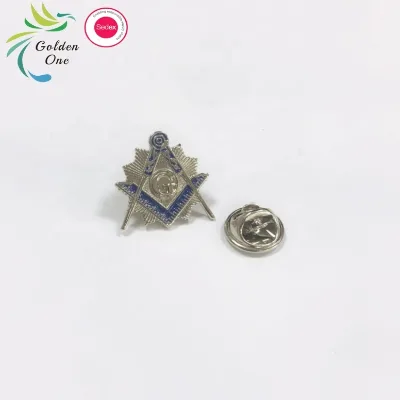
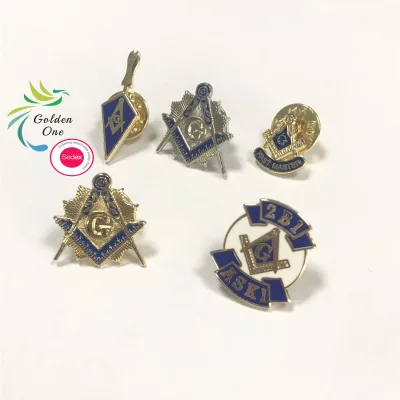
Hot Style Music Texas Custom Soft Enamel Lapel Pins Free Masonic Stick Lapel Pin for Suit Men
$0.23 - $0.30
MOQ: 50 pieces
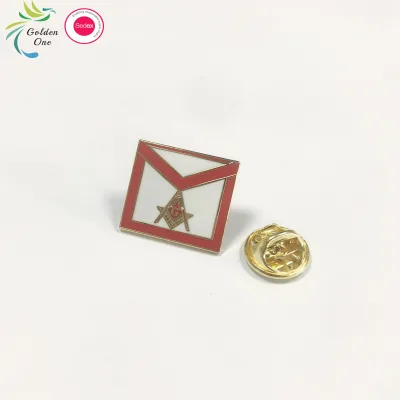
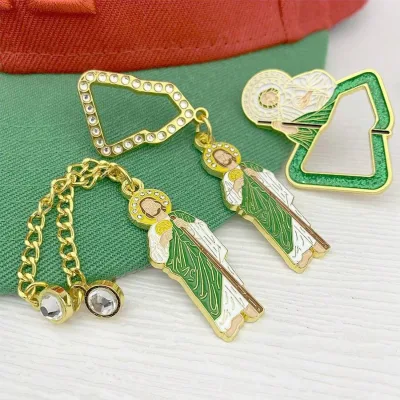
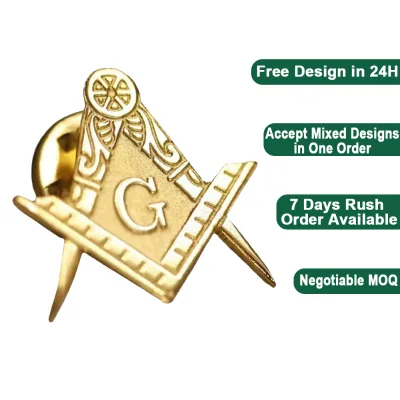
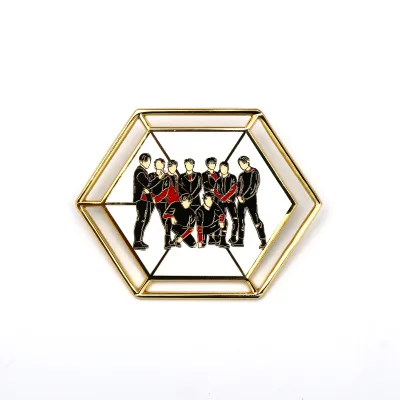
Factory Direct Sale Shiny Gold EXO Lapel Pin Merchandise Garment Accessories Paint Metal Pins
$0.3281 - $0.6037
MOQ: 50 pieces

Suzhou Gusu District Feiruike Trading Firm
- Manufacturer, Trading Company
- Jiangsu, China
- Lead time15 days
- Avg. response≤ 4h
Main productsCustom lapel pin,custom challenge coins,custom metal keychain,custom embroidery patch,custom metal badge
Main marketsNorth America(35.00%), Northern Europe(10.00%), Southern Europe(10.00%), Western Europe(10.00%), Mid East(10.00%), Eastern Europe(10.00%), South America(10.00%), Central America(5.00%)

Meishan Shunjieru Arts & Crafts Co., Ltd.
- Verified by SGS
- Trading Company
- China Sichuan
- Lead time15 days
- Avg. response≤ 2h
Main productsBadge Coin Emblem Medal
Main marketsSoutheast Asia/ Mideast,Europe,Australia,North America

Manufacturer Custom Pins Enamel Zinc Alloy Metal Badge Pin 2D 3D Lapel Pin
$0.15 - $0.95
MOQ: 5 Pieces


Zhongshan Wanjun Crafts Manufactuer Co., Ltd.
- Verified by SGS Group
- Manufacturer, Trading Company
- Lead time15 days
- Avg. response≤ 3h
Main productsMedal, Lapel Pin, Keychain, Bottle Opener, Coin
Main marketsNorth America(20%), South America(10%), Eastern Europe(10%)

- Verified by SGS
- Combined
- China Hunan
- Lead time15 days
- Avg. response≤ 25h
Main productsBadge/Pin, Medal/Fiesta Medal, Coin/Challenge Coin, Pendant/Charm, Cufflink/Tie Clip/Money Clip, Golf Ball Marker/Hat Clip, Printed Pins/Patches/PVC, Belt Buckle, Keychain/Bottle Opener, Invitation Card
Main marketsSouth America,Africa,Southeast Asia/ Mideast,Europe,Australia,North America


Custom No Minimum Quantity Brass Material Offset Printed Lapel Pin with Epoxy
$0.08 - $0.50
MOQ: 100 Pieces

Zhongshan Junchuan Crafts Co., Ltd
- Verified by SGS
- Trading Company
- China Guangdong
- Lead time15 days
- Avg. response≤ 2h
Main productsLapel Pins, Medals, Challenge Coin, Keychains, Bottle Opener, Champion Rings, Dog Tags, Cufflinks / Tie Clips, Lanyards, Embroidery Patches
Main marketsNorth America

Custom Printing Lapel Badge Metal Stainless Steel Epoxy Veteran Pin for Award
$0.12 - $0.58
MOQ: 50 unit

Zhongshan Artigifts Premium Metal & Plastic Co., Ltd.
- Manufacturer, Trading Company
- Lead time旺季: "1 - 100":7,"> 100":"To be negotiated", 淡季: "1 - 100":7,"> 100":"To be negotiated"
- Avg. response≤ 2h
Main productsMedal, Badge Pin, Keychain, Lanyard, Metal Crafts

- Verified by SGS
- Manufacturer
- China Guangdong
- Lead time15 days
- Avg. response≤ 5h
Main productsDice, Enamel Pin, Medal, Trophy, Challenge Coin, Keychain, Lanyard, Embroidery Patch, Bracelet, Clothes Hanger
Main marketsEurope,Australia,North America


Factory Direct Sales Masonic Pin Badge Soft Enamel Lapel Pins Wholesale Die Cut Custom Lapel Pins
$0.20 - $0.62
MOQ: 1 Pieces

OEM Unique Design Custom Metal Silver Enamel Lapel Pin Finish Sports Team Badges with Alligator Clip
$0.20 - $0.62
MOQ: 1 Pieces


Zhongshan Leon crafts and gifts Co., Ltd.
- Verified by SGS
- Trading Company,Manufacturer/Factory
- China Guangdong
- Lead time23 days
- Avg. response≤ 3h
Main productsMetal Pin Badge, Wallet Badge, Sports Medal, Honor Medal, Belt & Buckle, Challenge Coins, Fridge Magnet, Different Kind of Security Products, Keychain, Embroidery Patch
Main marketsSouth America,Eastern Europe,Mid East,North America,Southeast Asia,Eastern Asia,Oceania,Western Europe,Africa


Custom Metal Alloy 3D Badge Name Logo Written Pattern School Badge Lapel Pin
$0.55 - $0.98
MOQ: 100 Pieces


Foshan Eastern Gifts Co., Ltd.
- Trading Company
- Guangdong, China
- Lead time12 days
- Avg. response≤ 8h
Main productschallenge coin,enamel pin,metal badge,keychain,patches
Main marketsCentral America(40.00%), North America(23.00%), Western Europe(10.00%), Southern Europe(5.00%), South America(5.00%), Eastern Asia(3.00%), Northern Europe(2.00%), Domestic Market(2.00%), Southeast Asia(2.00%), Eastern Europe(2.00%), South Asia(2.00%), Mid East(2.00%), Africa(1.00%), Oceania(1.00%)
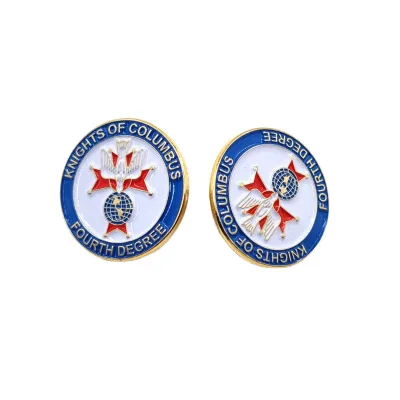
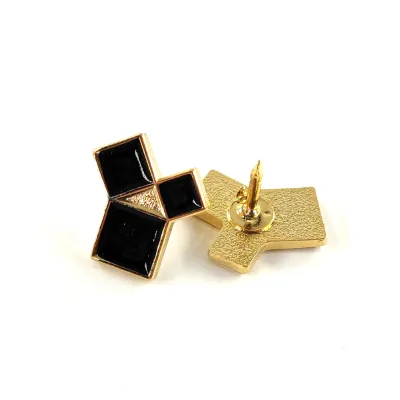
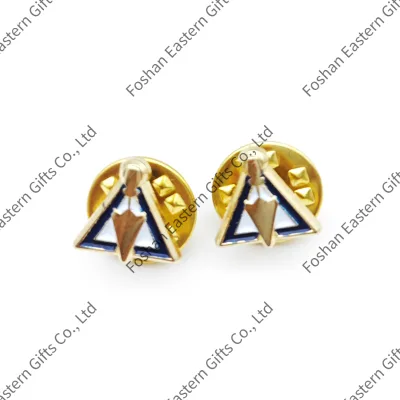
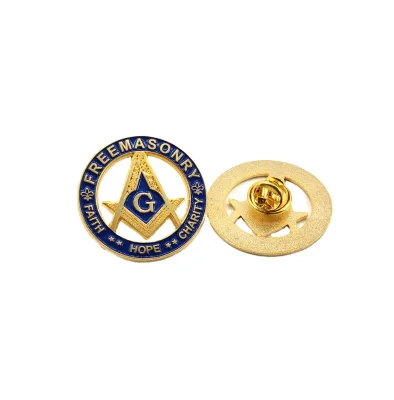
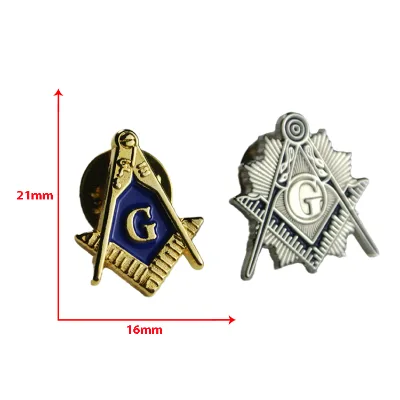
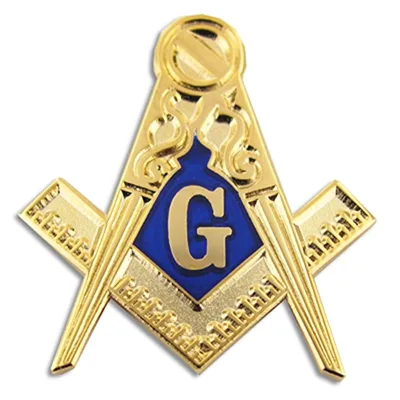
Personalized Pin Badge Masonic the 47th Problem of Euclid Three square Lapel Pin
$0.36 - $0.42
MOQ: 100
Zhongshan Artilanyard Industrial Co., Ltd.
- Verified by Intertek
- Manufacturer, Trading Company
- Lead time15 days
- Avg. response≤ 2h
Main productsLanyard, Medal, Pin Badge, Key Chain
Main marketsNorth America(30%), Eastern Europe(10%), Eastern Asia(10%)
Zhongshan Cugle Metal & Plastic Products Co., Ltd.
- Verified by SGS Group
- Manufacturer, Trading Company
- Lead time10 days
- Avg. response≤ 2h
Main productsLapel Pin, Challenge Coin, Medal, Bookmark, Keychain, Lanyards
Main marketsNorth America(40%), Western Europe(18%), Domestic Market(10%)
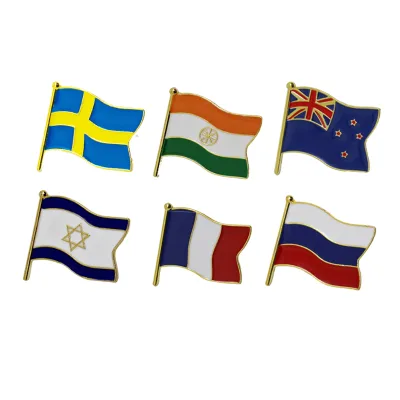
$0.19 - $0.43
MOQ: 100 Minimum

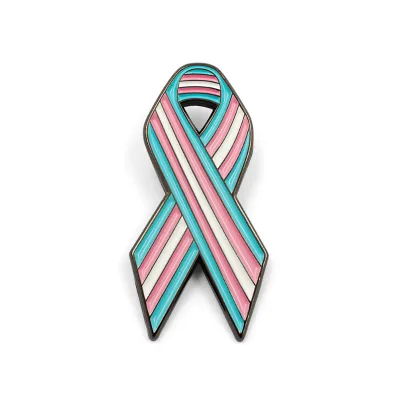
Zhongshan Hongdebo Crafts Co., Ltd.
- Manufacturer
- Lead time旺季: "1 - 500":7,"501 - 5000":12,"5001 - 10000":18,"> 10000":"To be negotiated", 淡季: "1 - 500":7,"501 - 5000":12,"5001 - 10000":18,"> 10000":"To be negotiated"
- Avg. response≤ 2h
Main productsLapel Pin,Medal,Challenge Coins,Keychain,Metal Crafts
Wonder Tech (Xiamen) Co., Ltd.
- Manufacturer, Trading Company, Distributor/Wholesaler
- Fujian, China
- Lead time10 days
- Avg. response≤ 2h
Main productsGarment Accessories,Belt,Metal nameplate,Metal Badge,Button
Main marketsNorth America(35.00%), Western Europe(15.00%), Oceania(10.00%), Mid East(10.00%), Southeast Asia(10.00%), South Asia(5.00%), Africa(5.00%), Northern Europe(4.00%), Eastern Asia(2.00%), Southern Europe(2.00%), Eastern Europe(2.00%)
Zhongshan Liangguan Hardware Co., Ltd.
- Verified by SGS Group
- Manufacturer, Trading Company
- Lead time31 days
- Avg. response≤ 1h
Main productsKeychain, Lapel Pin/Enamel Pin, Medal, Challenge Coin, Fridge Magnets
Main marketsNorth America(40%), Western Europe(30%), Eastern Asia(20%)
Zhong Shan Mao Qun Hardware Co., Ltd.
- Manufacturer, Trading Company
- Guangdong, China
- Lead time0 days
Main productslapel pins,medallions,keychains,coins,Golf products
Main marketsCentral America(25.00%), South America(25.00%), North America(25.00%), Southern Europe(10.00%), Eastern Europe(10.00%), Domestic Market(5.00%)

Zhongshan Hongdebo Crafts Co., Ltd.
- Verified by SGS
- Combined
- China Guangdong
- Lead time30 days
- Avg. response≤ 3h
Main productsLapel Pin, Medal, Keychain, Challenge Coins, Carfts
Main marketsSoutheast Asia/ Mideast,Europe,North America

Zhongshan Echo Crafts Co., Ltd.
- Verified by BV
- Combined
- China Guangdong
- Lead time15 days
- Avg. response≤ 4h
Main productsMedal, Badge, Keychain, Coin, Lanyard, Wristband, Bottle Opener, Dog Tags, Lapel Pin, Key Ring
Main marketsSouth America,Southeast Asia/ Mideast,Europe,Australia,North America

Personalised Lapel Pin Badges 3 Inch Metal Logo Bee Soft Enamel Pin with Epoxy
$0.23 - $0.35
MOQ: 50 Pieces


Custom Metal Christian Lapel Pins in Bulk Unique Crown Cloisonne Soft Hard Enamel Lapel Pins Badge
$0.20 - $0.35
MOQ: 50 Pieces
- Verified by SGS Group
- Trading Company
- Lead time20 days
- Avg. response≤ 12h
Main productsPins & Badges, Medals, Challenge Coins, Leather Product , Promotional Products
Main marketsNorth America(47%), Western Europe(22%), Northern Europe(9%)
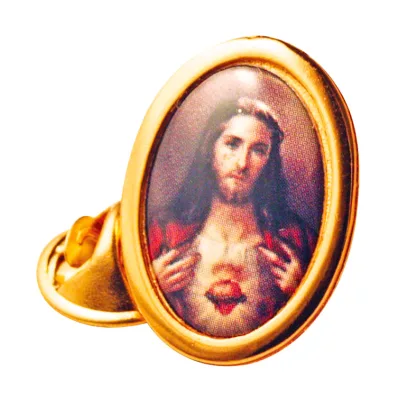
Custom Soft Enamel Jesus Photo Printed Promotional Christian Religious Lapel Pin
$0.2082 - $2.0702
MOQ: 100 pieces
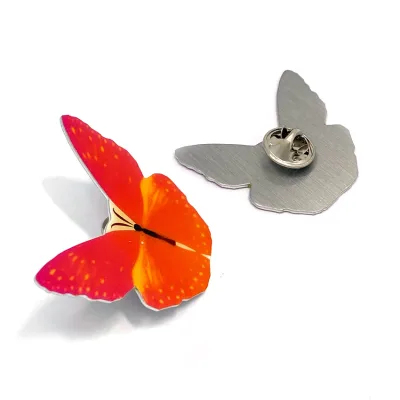

Zhongshan Lucky Art & Crafts Gifts Co., Ltd.
- Verified by BV
- Combined
- China Guangdong
- Lead time15 days
- Avg. response≤ 3h
Main productsCustom Medal, Key Chain, Custom Coin, Custom Lapel Pin, Custom Lanyard, Custom Badge, Custom Patch, Custom Air Fresheners, Custom Silicone Bracelets, Custom Cufflinks
Main marketsEast Asia(Japan/ South Korea),Europe,North America


Custom Hard Enamel Pin Manufacturer Metal Logo Masonic Lapel Pin Metal Collar Pin Badge
$0.12 - $0.35
MOQ: 50 Pieces


Kunshan Hiicoins Technology Co., Ltd.
- Verified by Intertek
- Trading Company
- Lead time15 days
- Avg. response≤ 4h
Main productsEmbroidery Products, Acrylic Products, Metal Products, PVC Products
Main marketsNorth America(40%), Eastern Europe(10%), Western Europe(10%)
Zhongshan Lucky Art And Crafts Gifts Co., Ltd.
- Manufacturer, Trading Company
- Lead time旺季: "1 - 100":7,"101 - 1000":10,"1001 - 10000":12,"> 10000":"To be negotiated", 淡季: "1 - 100":7,"101 - 1000":10,"1001 - 10000":12,"> 10000":"To be negotiated"
- Avg. response≤ 3h
Main productsCoin, Medal, Lanyards, Keychain, Lapel Pin
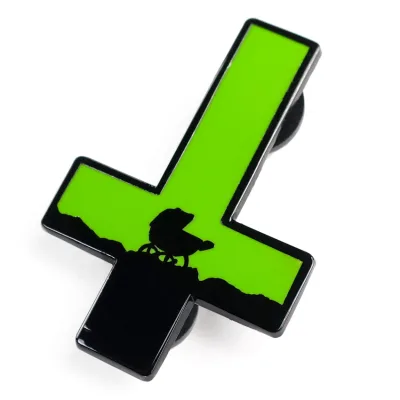
Wholesale Catholic Festival Jesus Church Metal Badge Lapel Religious Brooch Pin for Women
$0.1558 - $0.3625
MOQ: 50 pieces
Fuzhou Ehome Furnishing Import And Export Co., Ltd.
- Trading Company
- Lead time旺季: "1 - 200":25,"> 200":"To be negotiated", 淡季: "1 - 200":25,"> 200":"To be negotiated"
- Avg. response≤ 2h
Main productsCustom Enamel Pins, Keychains, Fridge Magnet, Medal
Zhengzhou Gracy Gifts Co., Ltd.
- Trading Company
- Henan, China
- Lead time0 days
- Avg. response≤ 2h
Main productsenamel pin,enamel keychain,metal medal,metal coin,embroidery patch
Main marketsNorth America(50.00%), Southern Europe(10.00%), Northern Europe(10.00%), Eastern Europe(10.00%), Western Europe(10.00%), Mid East(3.00%), South Asia(1.00%), Africa(1.00%), Southeast Asia(1.00%), Central America(1.00%), South America(1.00%), Eastern Asia(1.00%), Oceania(1.00%)




Comprehensive Sourcing Guide
Masonic 3D Epoxy Lapel Pin Supplier Concentration and Factory Types
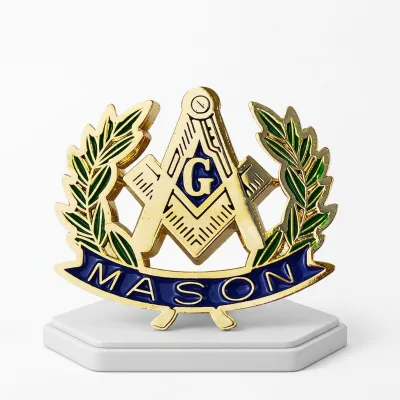
Suppliers matching this keyword are concentrated in China, with listed results pointing to Guangdong and Hunan as the provinces where these manufacturers are based. Guangdong entries tend to be combined-type companies whose main product lines span key chains, coins, medals, bottle openers, badges, lanyards and broader promotional gifts, so lapel pins sit inside a wider souvenir and premiums portfolio. Hunan entries in the results describe themselves as manufacturers focused more tightly on lapel pins, challenge coins, key chains, medals, cufflinks, button badges, dog tags and bottle openers, which suggests a deeper specialization in struck and enameled metal goods.
Understanding these two profile types matters when you shortlist. A combined promotional-gifts supplier can be convenient if you want one vendor for pins plus lanyards, coins or packaging accessories, but verify that masonic 3D epoxy work in particular is produced in-house rather than brokered. A dedicated manufacturer listing soft enamel, hard enamel, photo etched and epoxy-coated pin processes, with ODM or OEM capability and sometimes own-brand development, is generally better positioned to advise on 3D modeling, plating and epoxy doming depth. When a location is not displayed for a listing, do not infer one; instead use the supplier's stated main products, company type and process keywords to judge whether the factory profile actually fits a 3D epoxy lapel pin program.
How to Verify Masonic 3D Epoxy Lapel Pin Suppliers
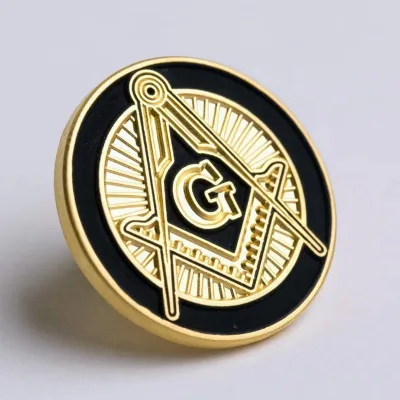
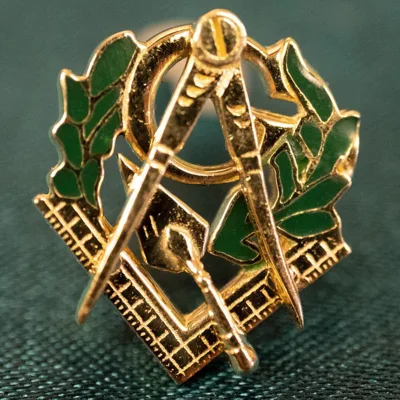
Start with the platform-verified signals shown on each listing and treat them as screening inputs, not proof of quality. In the current results, some suppliers carry third-party verification labels such as TÜV Rheinland, SGS or BV, and some list a company type of manufacturer versus combined trader. Note also whether the supplier offers ODM and OEM services, since a masonic 3D epoxy pin typically requires custom sculpting of the square-and-compasses or other lodge imagery before tooling. Where verification labels are absent, that absence is a reason to request documentation directly, not an automatic disqualification.
Second, verify through the product evidence itself. Several listed pin products reference an SGS production standard and Chinese origin, with attributes such as metal material, gold, nickel or antique plating, printed or enamel technics, and butterfly clutch attachments. Ask any shortlisted supplier to confirm which of these attributes apply to your design and to supply a pre-production sample in the exact plating and epoxy finish you specified. Check that quoted attributes match the listing rather than a generic catalog sheet. Finally, verify responsiveness with a real technical question: suppliers in the results display average response times between roughly 2.7 and 3.6 hours, so a slow or evasive answer to a question about epoxy thickness or 3D molding is a meaningful negative signal that no credential can offset.
What to Compare Across Masonic 3D Epoxy Lapel Pin Suppliers
Build a comparison sheet from the attributes actually displayed, since not every supplier publishes every value. Useful dimensions in this category include: lead time, where one listed result shows 15 days; MOQ, where current product listings show minimums as low as 50 pieces on one printed epoxy pin and 100 pieces on an enamel award pin; unit pricing, where displayed ranges run from about $0.15 to $0.80 depending on process, plating and size; and response time, where measured averages range from roughly 2.7 to 3.6 hours. Also compare location, because Guangdong and Hunan suppliers may differ in freight access and production focus.
Beyond numbers, compare capability signals. Check whether each supplier's main products align with your full requirement — some list lapel pins, medals and challenge coins together, while others emphasize badges, keychains, dog tags and fridge magnets. Review the specific pin constructions shown: die casting and stamping technics, soft enamel and hard enamel options, photo-etched printing under epoxy, 3D features, and iron, zinc alloy, stainless steel or brass metals. A supplier who lists multiple distinct constructions with defined models, plating options and packing details is easier to work with than one who shows a single generic pin image. Weight the comparison toward suppliers whose published product attributes match your specification most closely, then use quotes to confirm rather than replace that evidence.
Common Masonic 3D Epoxy Lapel Pin Sourcing Risks
The most frequent risk in this category is epoxy and finish mismatch. Epoxy doming sits over printed or enamed artwork, and masonic designs often include fine lettering and raised 3D elements; if the supplier prints at low resolution or applies epoxy too thickly, small text becomes unreadable. Listings show both printed-under-epoxy and enamel-under-epoxy constructions, so confirm which process your design needs. A related risk is plating drift: listed products specify gold, nickel or antique plating, and a factory that substitutes a cheaper base tone changes the whole character of a masonic emblem.
Verification and transparency risks are equally common. Some suppliers display third-party verification labels while others show none, so never assume credentials carry over between listings on the same page. Quoted MOQs and prices in this category vary widely — one listing shows 50 pieces at a fixed unit price, another 100 pieces with a $0.15–$0.35 range — so a supplier who quotes aggressively without a sample should be treated cautiously. Lead-time risk is also real: one result displays a 15-day lead time, but that figure may apply to a standard product, not a custom 3D tool with multiple plating steps. Finally, beware of attribute copying: recycled keywords and identical prop sheets across listings can mask trading companies relisting factory products. Require the supplier to state, in writing, which processes it performs in-house.
Masonic 3D Epoxy Lapel Pin Regional Sourcing and Logistics
Both provinces represented in the current results, Guangdong and Hunan, sit within China's established metals-and-crafts manufacturing geography, but they differ in logistics character. Guangdong suppliers benefit from the Pearl River Delta's dense freight-forwarding ecosystem and major export ports, which typically simplifies consolidation when your order includes pins plus other promotional items, as many combined-type suppliers there list. Hunan-based manufacturers sit further inland, and their listings emphasize direct factory production of pins, coins and medals; inland origin can affect inland haulage cost to port, so ask each supplier how it ships and whether the quoted price includes delivery to the departure port.
Plan logistics around the physical nature of the product. Lapel pins are small and dense, polybag-packed per the listed packing attributes, so they ship cheaply by air for samples and rush quantities, and economically by sea for full production runs. Because these are custom metal goods, build the schedule backward from tooling: 3D modeling and mold approval precede production, and one listed supplier shows a 15-day lead time that should be validated against your own design's complexity. Confirm packaging details — whether 1 piece per poly bag with bulk carton packing, as some Hunan listings describe — and who handles export documentation. Do not assume freight terms; get them written into the quote for your specific destination.
Masonic 3D Epoxy Lapel Pin Commercial Terms and Order Planning
Structure your commercial terms around evidence, not promises. Anchor price discussions to the displayed ranges: current listings show unit prices from roughly $0.15 to $0.80 across soft enamel, hard enamel and printed epoxy constructions, with plating, size and 3D complexity driving the spread. Use MOQ as a negotiation lever but respect the floors shown — 50 pieces on one printed epoxy item and 100 pieces on an enamel medal pin — and remember that unusually low quoted minimums may come with sample fees, setup charges or simplified tooling. Confirm what the quote includes: butterfly clutch attachment, polybag packing, plating type and epoxy coating.
Order planning should sequence payments and milestones against verifiable checkpoints. A practical structure: pay a tooling or sample fee, approve a physical pre-production sample photographed against your specification, then release the balance against production photos or an inspection report. Tie lead time to milestones rather than accepting a single number, even where a supplier displays one such as 15 days, because custom 3D modeling and plating stages can extend it. Ask about payment methods that provide recourse — where escrow or trade-assurance-style protection is offered on the platform, note whether the specific listing participates, since not all do. Finally, plan reorder economics: masonic pins often recur annually, so locking tooling ownership and documented specifications in your contract protects every future order, and a modest volume increase usually moves you to a better unit price.
(Sections: 6; total word count: ~1,405)
FAQs
What is the price range for custom masonic 3d epoxy lapel pins?
Prices for custom masonic 3d epoxy lapel pins typically range from $0.15 to $0.80 per unit. The final cost depends on the chosen plating, such as gold or nickel, and the complexity of the 3D enamel design. Buyers should expect higher prices for intricate custom shapes or specific metal materials like zinc alloy.
What is the minimum order quantity for these custom pins?
The minimum order quantity varies by supplier, with common requirements being 50 or 100 units. Some manufacturers offer lower MOQs for standard designs, while others require higher volumes for custom masonic 3d epoxy lapel pins. Buyers should verify the specific MOQ with the supplier before placing an order to ensure it fits their budget.
How long does production take for custom enamel pins?
Production lead times for custom masonic 3d epoxy lapel pins are typically around 15 days. This timeframe allows for die creation, stamping, and enamel filling. Buyers should confirm the exact lead time with the supplier, as rush orders or complex designs may extend the production schedule beyond the standard period.
What certifications do these lapel pins meet?
Many suppliers offer lapel pins that meet SGS standards for quality and safety. These certifications ensure the materials and manufacturing processes comply with international regulations. Buyers should request specific certification documents from the supplier to verify that the custom masonic 3d epoxy lapel pins meet their required safety and quality standards.
What attachment types are available for these pins?
Butterfly clutch is the most common attachment type for these lapel pins, providing a secure fit on fabric. Some suppliers may offer other options like magnetic backs or rubber clutches. Buyers should specify their preferred attachment method when requesting quotes to ensure the final product meets their functional requirements.
Can I get custom shapes and colors for these pins?
Yes, most manufacturers offer fully customizable shapes and colors for masonic 3d epoxy lapel pins. Buyers can choose from various metal materials, plating finishes, and enamel colors to match their brand identity. Customization is available for both soft and hard enamel techniques, allowing for detailed and durable designs.