Automatic Peanut Bar Machine Suppliers and Manufacturers
Compare 25 verified suppliers of automatic peanut bar machines by location, lead time, and certification. Review product specs like production speed and voltage before contacting vendors for quotes to find the right fit for your production needs; review the available evidence before requesting comparable quotations from suitable candidates.
Updated
Suppliers List

Shanghai Papa Industrial Co., Ltd.
- Verified by BV
- Combined
- China Shanghai
- Lead time30 days
- Avg. response≤ 4h
Main productsProtein Bar Extruder Machine, Protein Ball Rolling Machine, Automatic Encrusting Machine, Energy Bar Production Line, Mooncake Making Machine, Chocolate Enrober Machine, Cereal Bar Forming Machine, Energy Date Bar Making Machine, Energy Ball Extruder Machine, Flow Wrapping Machine
Main marketsSoutheast Asia/ Mideast,Domestic,Europe,North America

Gusu Food Processing Machinery Suzhou Co., Ltd.
- Verified by TUVRHEINLAND
- Combined
- China Jiangsu
- Lead time60 days
- Avg. response≤ 5h
Main productsChocolate Machine, Conche Machine, Chocolate Enrober, Chocolate Moulding Machine, Chocolate Deposting Machine, Candy Bar Forming Line, Chocolate Tempering Machine, Chocolate Storage Tank, Ball Mill, Snicker Bar Forming Line
Main marketsSoutheast Asia/ Mideast,Domestic

Zheng Zhou Taizy Trading Co., LTD
- Verified by BV
- Trading Company
- China Henan
- Lead time15 days
- Avg. response≤ 5h
Main productsWood Processing Machine, Plastic Processing Machine, Charcoal Processing Machine, Food Processing Machine, Waste Recycling Machine, Packing Machine, Agricultural Machine, Egg Tray Machine, Metal Processing Machine
Main marketsSouth America,Others(foreignTradeCapacity.exportBusinessCapacityMarketOther),Southeast Asia/ Mideast,Europe
Zhengzhou Longer Machinery Co., Ltd.
- Manufacturer, Trading Company
- Lead time旺季: "1 - 1":31,"> 1":"To be negotiated", 淡季: "1 - 1":31,"> 1":"To be negotiated"
- Avg. response≤ 9h
Main productsPeanut Butter Production Line,Cashew Processing Machine,Cocoa Powder Processing Machine,Nuts Roasting Machine
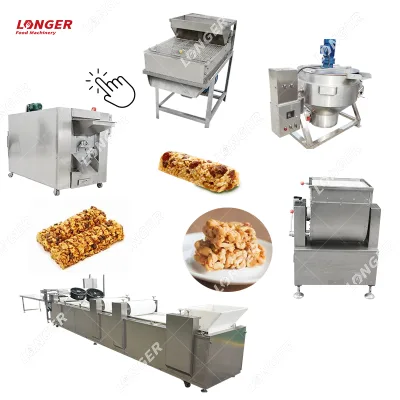
Automatic Energy Bar Production Line Peanut Bar Production Line Protein Cereal Bar Machine
$18999.00 - $27999.00
MOQ: 1 sets
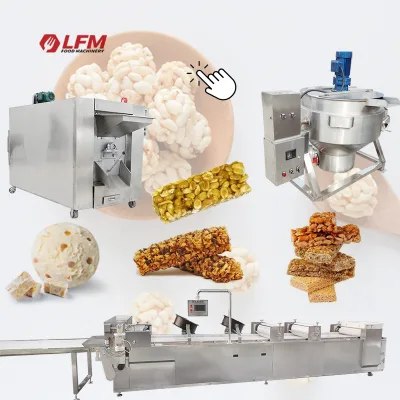
LFM Automatic Peanut Square Nougat Bar Forming Cutting Machine Peanut Snack Bar Making Machine
$7899.00 - $8999.00
MOQ: 1 sets
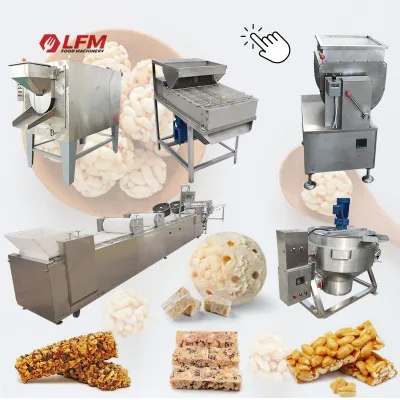
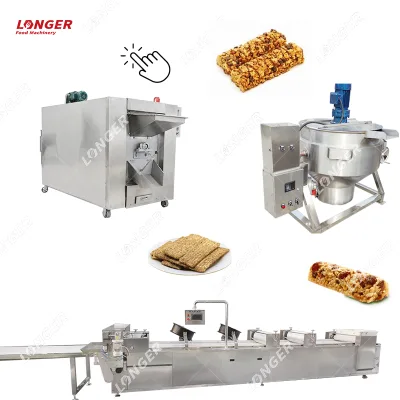
Automatic Peanut Candy Bar Sesame Bar Making Machine Muesli Protein Nuts Bar Machine
$32799.00 - $57699.00
MOQ: 1 sets
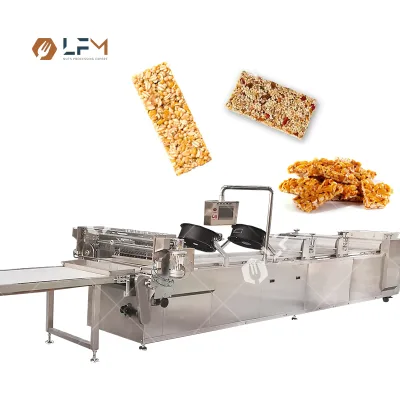
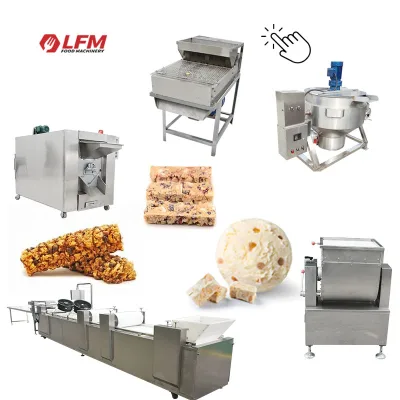
Nougat Cereal Bar Making Machine Industrial Grano Bar Production Line
$12799.00 - $17699.00
MOQ: 1 sets
Gelgoog Intelligent Technology Co., Ltd.
- Verified by Intertek
- Manufacturer, Trading Company
- Lead time20 days
Main productsGarlic Processing Line, Tomato Ketchup Production Line, Fruit and Vegetable Processing Machine, French Fries Production Line, Snacks Frying Machine
Main marketsNorth America(18%), Southeast Asia(15%), Africa(14%)
Jiangsu Haitel Machinery Co., Ltd.
- Manufacturer, Trading Company
- Lead time旺季: "1 - 1":30,"> 1":"To be negotiated", 淡季: "1 - 1":30,"> 1":"To be negotiated"
- Avg. response≤ 3h
Main productsPacking Machine,Food Machine,Candy Machine,Oatmeal Machine,Potato Chips Machine
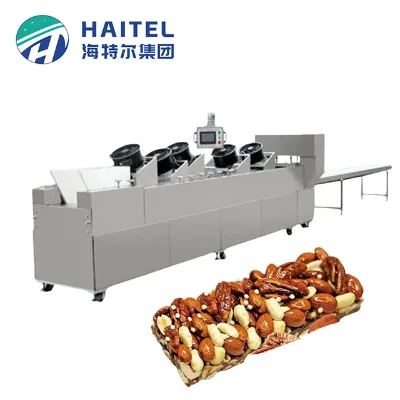
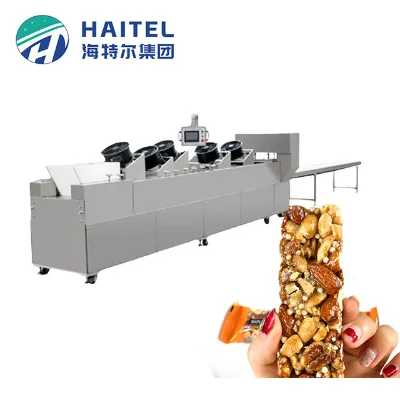
PLC Intelligent Computer Control a Nuts bar Production Line Machine for Food Industry
$12000.00
MOQ: 1 pieces
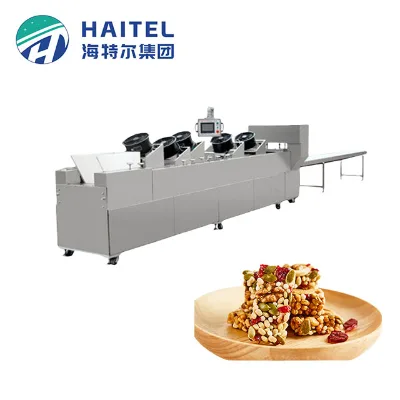
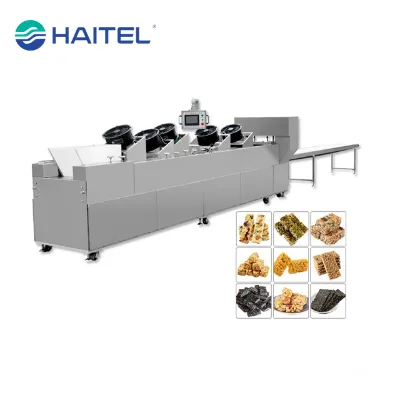
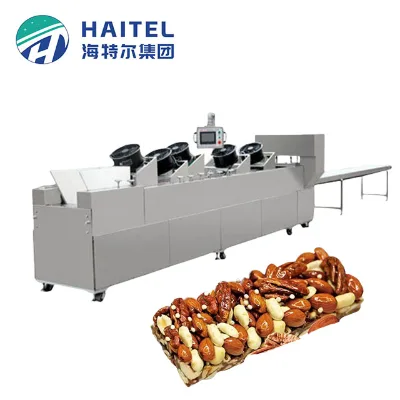
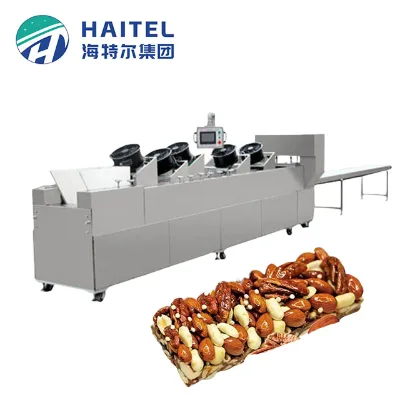
High Quality Automatic Industrial Peanut Cereal bar Making Production Line Machine
$12295.8634 - $13320.5186
MOQ: 1 sets
Jinan Darin Machinery Co., Ltd.
- Verified by TüVRheinland
- Manufacturer, Trading Company
- Lead time60 days
- Avg. response≤ 2h
Main productsCereal Bar Machine, Meat Strip Extruding Line, Pet Food Machine, Corn Flakes Machine, Puff Snack Machine
Main marketsNorth America(30%), South America(15%), Eastern Europe(8%)
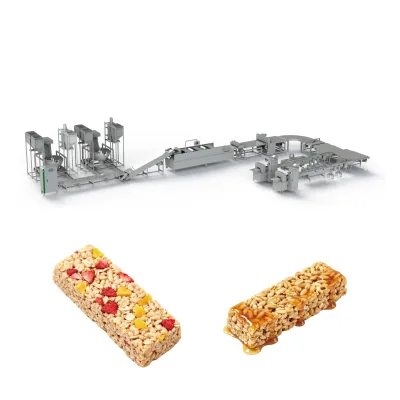
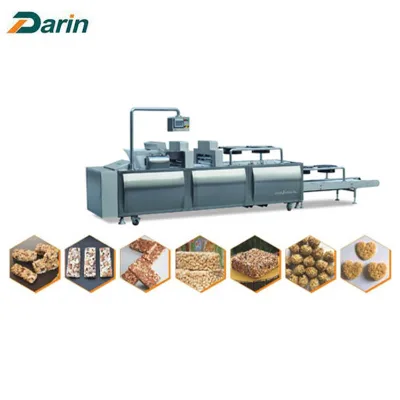
$5212.5128 - $8340.0205
MOQ: 1 sets
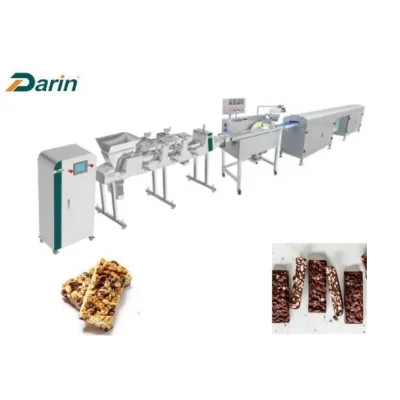
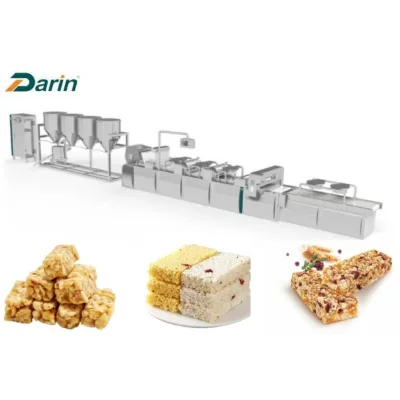
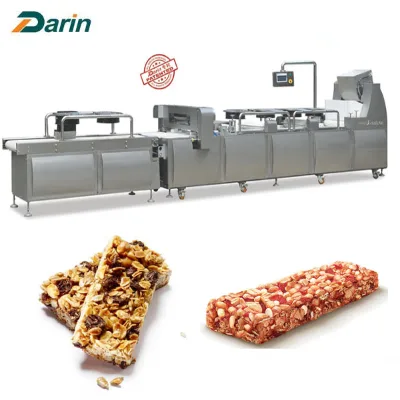
Protein Bar Making Machine or Cereal Bar Production Line Factory Price
$8000.00 - $10000.00

Gelgoog Intelligent Technology Co., Ltd.
- Verified by TUVRHEINLAND
- Manufacturer/Factory
- China Henan
- Lead time23 days
- Avg. response≤ 5h
Main productsBiscuit Making Machine, Ice Cream Cone Machine, French Fries Machine, Snack Frying Machine, Vegetable Washing Machine, Cellophane Wrapping Machine, Peanut Butter Machine, Garlic Processing Machine, Cocoa Procssting Machine, Nut Roasting Machine
Main marketsSouth America,Eastern Europe,Mid East,North America,Southeast Asia,Eastern Asia,Oceania,Western Europe,Africa

Henan Methena Intelligent Technology Co., Ltd
- Verified by SGS
- Manufacturer/Factory
- China Henan
- Lead time15 days
- Avg. response≤ 3h
Main productsCandy Machinery, Biscuit Machinery, Meat Processing Machinery, Pasta Processing Machinery, Mixing Machinery, Drying Machinery, Freeze Drying Machinery, Fruit and Vegetable Processing Machinery, Egg Processing Machinery, Packaging Machinery
Main marketsSouth America,Eastern Europe,Mid East,North America,Southeast Asia,Eastern Asia,Oceania,Western Europe,Africa

Automatic Peanut Butter Bar Make Fruit Nut Bar Snack Food Cereal Bar Granola Form Machine
$5000.00 - $10000.00
MOQ: 1 Pieces

Mtn Bar De Cereale Oat Chocolate Bar Peanut Crispy Protein Energy Bar Maker Machine
$5000.00 - $10000.00
MOQ: 1 Pieces

Gusu Food Processing Machinery Suzhou Co., Ltd.
- Verified by SGS Group
- Manufacturer, Trading Company
- Lead time10 days
- Avg. response≤ 5h
Main productsCandy Bar Line, Chocolate Machine
Main marketsDomestic Market(42%), North America(15%), Southeast Asia(10%)
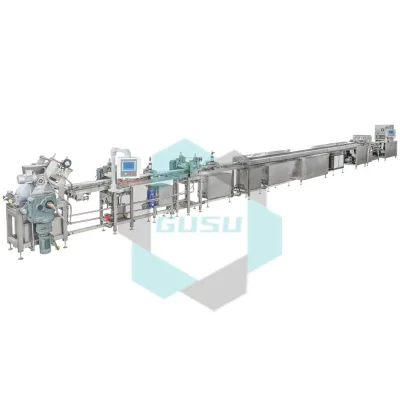
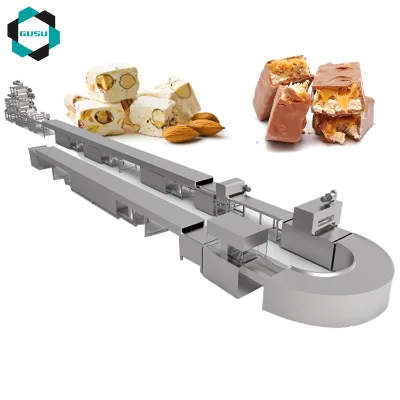
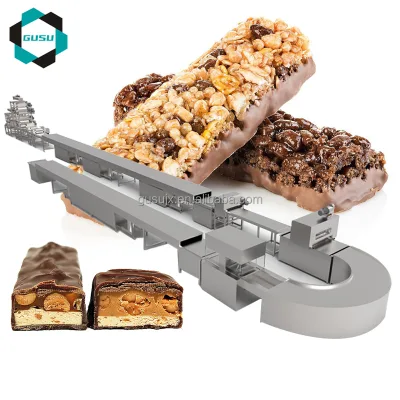
Gusu Automatic Peanut Candy Bar Making Machine Cereal Protein Energy Bar Production Line
$100000.00
MOQ: 1 Minimum
Zhengzhou Taizy Trading Co., Ltd.
- Verified by TüVRheinland
- Trading Company
- Lead time7 days
- Avg. response≤ 3h
Main productsSnack Frying Machine, Fruit Vegetable Washing Line, Nuts Roasting Seasoning Line, Grain Product Making Machine, Multifunction Packing Machine
Main marketsSoutheast Asia(17%), Domestic Market(14%), North America(11%)
Guangzhou Gelgoog Foods Co., Ltd.
- Verified by Intertek
- Manufacturer, Trading Company
- Lead time15 days
- Avg. response≤ 2h
Main productsMultifunction Packing Machine, Tomato Paste Making Machine, Nuts Roasting Seasoning Machine, Fruit And Vegetable Washing Sorting Machine, Full Automatic Ice Cream Cone Machine
Main marketsSouth America(40%), Southeast Asia(30%), Western Europe(5%)
Luohe Orange Mechanical Equipment Co., Ltd.
- Verified by SGS Group
- Manufacturer, Trading Company
- Lead time15 days
- Avg. response≤ 2h
Main productsFood processing production line, Baking equipment, Candy Production Line, Dairy Processing Machines, Packaging Machinery
Main marketsNorth America(23%), South Asia(13%), South America(12%)
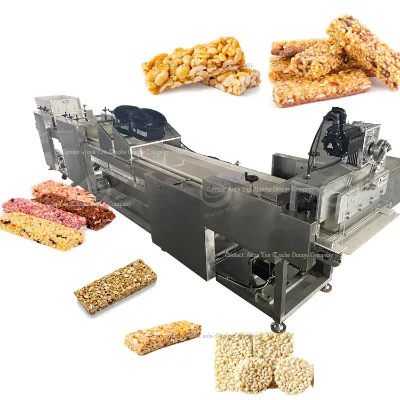
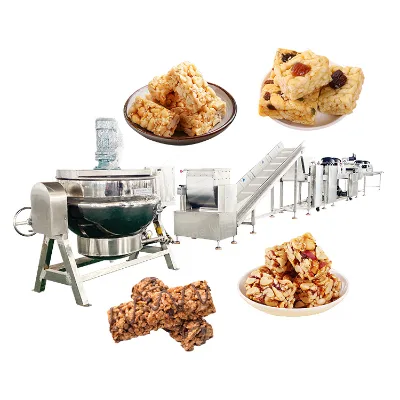
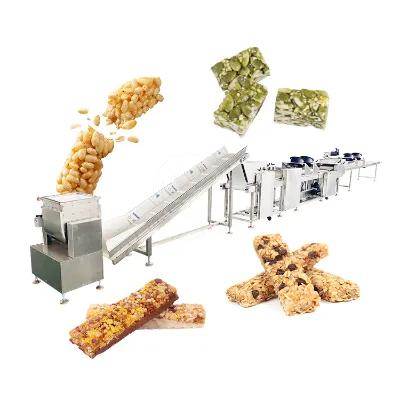
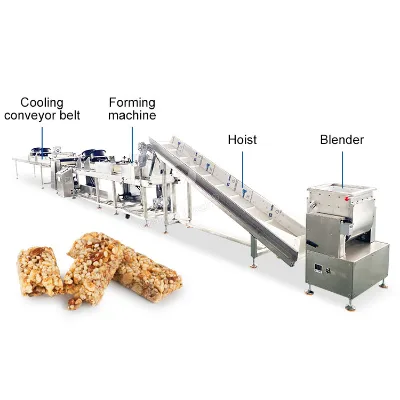
$12500.00 - $16500.00
MOQ: 1 units
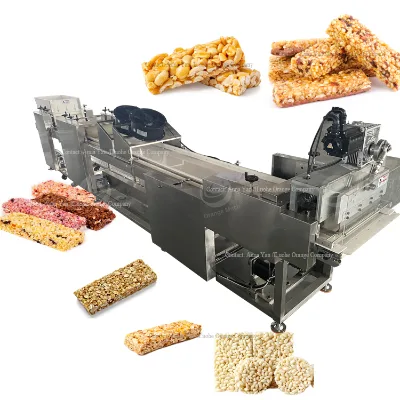
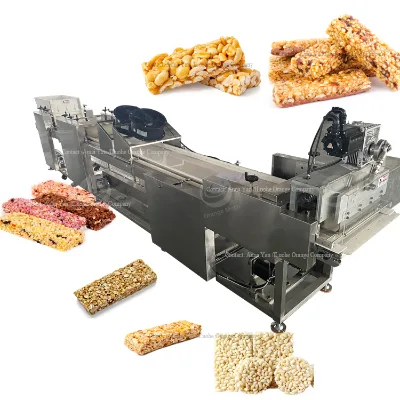

ZHENGZHOU HONGLE MACHINERY EQUIPMENT CO., LTD.
- Trading Company,Manufacturer/Factory
- China Henan
- Lead time0 days
- Avg. response≤ 9h
Main productsVegetable Fruit Production Machine, Meat Processing Machines, Nuts Processing Machine, Water Treatment System, Snack Processing Machine
Main marketsSouth America,Eastern Europe,Mid East,North America,Southeast Asia,Eastern Asia,Oceania,Western Europe,Africa
Zhengzhou Inber Machinery Co., Ltd.
- Trading Company
- Henan, China
- Lead time5 days
- Avg. response≤ 9h
Main productsfarm machinery,food machinery
Main marketsDomestic Market(10.00%), South Asia(10.00%), Northern Europe(10.00%), Central America(10.00%), Eastern Asia(10.00%), Mid East(10.00%), Africa(10.00%), Southeast Asia(10.00%), South America(10.00%), North America(10.00%)

Dongying Zhida Food Machine Co., Ltd.
- Combined
- China Shandong
- Lead time60 days
- Avg. response≤ 11h
Main productsCandy Machine, Chocolate Enrobing Machine, Vacuum Cooker, Snickers Making Machine, Nougat Making Machine, Toffee Pot, Die Forming Machine, Chain Forming Machine, Snack Candy Bar Making Line, Syrup Cooker
Main marketsAfrica,Southeast Asia/ Mideast,Europe

Peanuts Bar Candy Machine/Candy Bar Machine/Peanuts Bar Candy Machine
$15000.00 - $35000.00
MOQ: 1 Sets

Energy Bar Making Machine/Peanuts Bar Candy Machine/Peanuts Bar Candy Machine
$15000.00 - $35000.00
MOQ: 1 Sets


Energy Bar Making Machine/Protein Bar Machines/Peanuts Bar Candy Machine
$15000.00 - $35000.00
MOQ: 1 Sets

Energy Bar Making Machine/Protein Bar Machines/Peanuts Bar Candy Machine
$15000.00 - $35000.00
MOQ: 1 Sets
Dongtai Hanyuan Food Machinery Manufacturing Co., Ltd.
- Verified by SGS Group
- Manufacturer, Trading Company
- Lead time30 days
- Avg. response≤ 3h
Main productsCereal Bar Production Line, Energy Bar Production Line, Protein Bar Production Line, Puffed Rice Machine, Peanut Candy Machine
Main marketsDomestic Market(60%), Southeast Asia(8%), North America(6%)
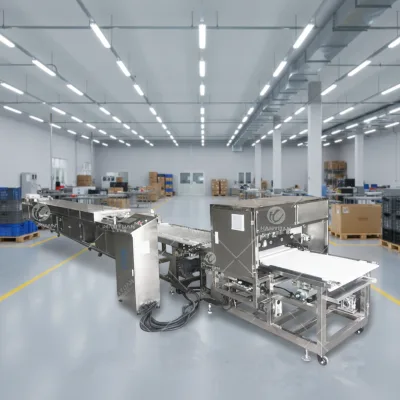
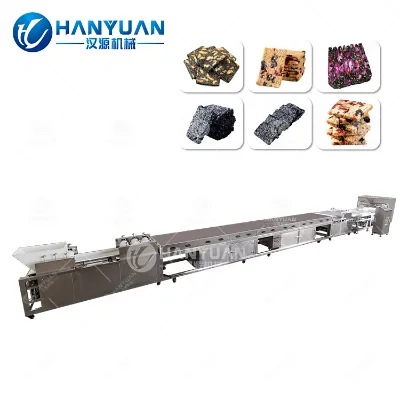
Factory Automatic Corn Chocolate Bar Machine
$8800.00 - $10000.00
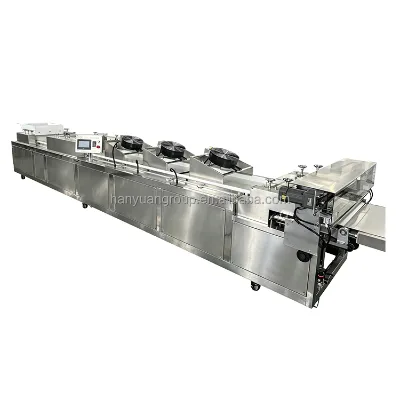
Peanut bar Making Machine, Shaqima bar Cutting Machine,cereal bar Forming Machine
$10000.00 - $15000.00
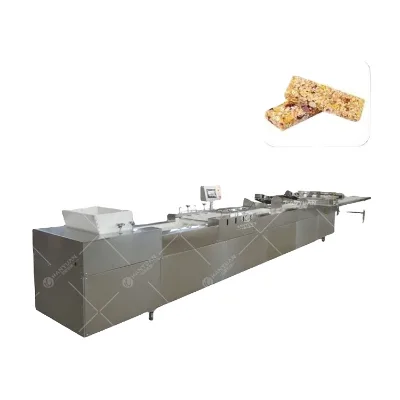
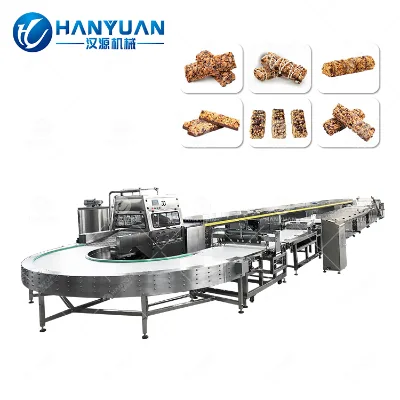
Factory Professional Fruit High Energy Bar Manufacturing Machine
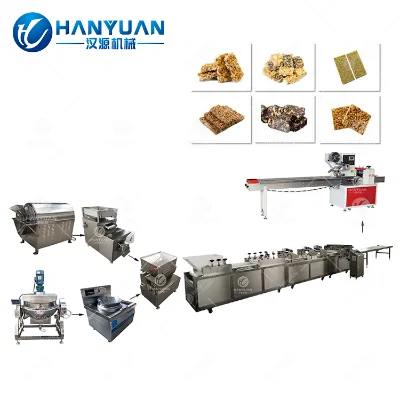
$30000.00 - $35000.00
- Verified by Intertek
- Trading Company
- Lead time7 days
- Avg. response≤ 1h
Main productsFruit Vegetable Machine, Meat Processing Machine, Pastry Bakery Machine, Snack Machine, Feed Processing Machine
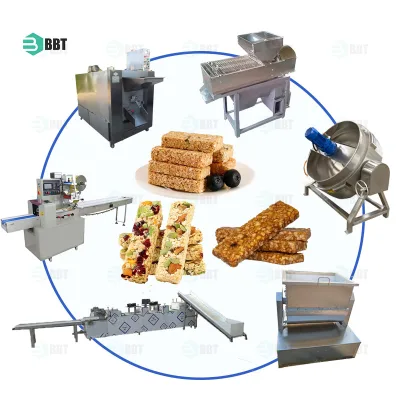
$506.3257 - $17329.8794
MOQ: 1 Minimum
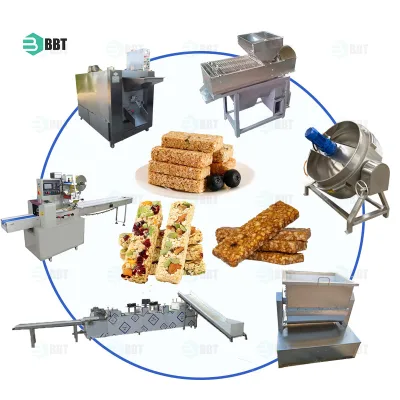
$506.3257 - $17329.8794
MOQ: 1 Minimum
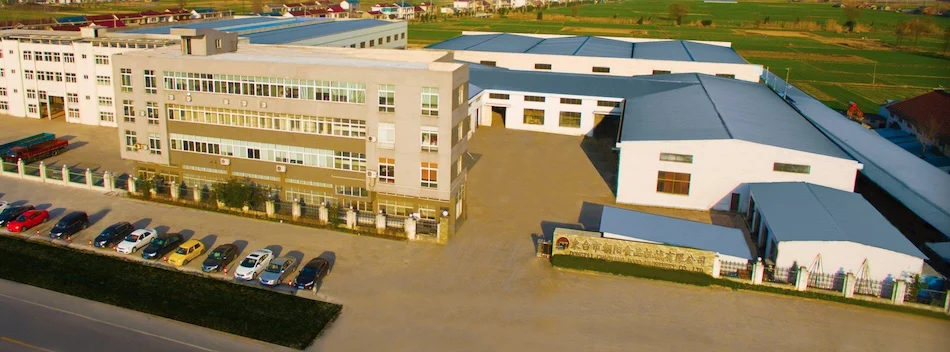
Dongtai Chaoyang Food Machinery Co., Ltd.
- Manufacturer, Trading Company
- Jiangsu, China
- Lead time0 days
- Avg. response≤ 8h
Main productsPackaging machine,Candy product line,Lollipop product line,Nougat product line,Bar forming machine
Main marketsDomestic Market(65.00%), South America(8.00%), Southeast Asia(8.00%), Eastern Asia(6.00%), Africa(5.00%), Oceania(4.00%), Northern Europe(2.00%), South Asia(2.00%)
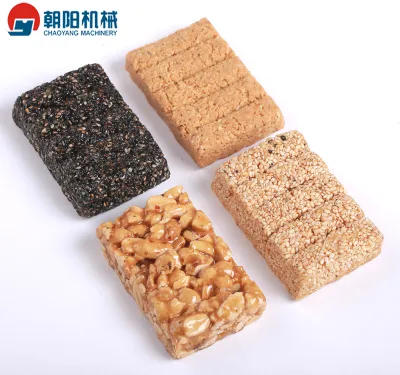
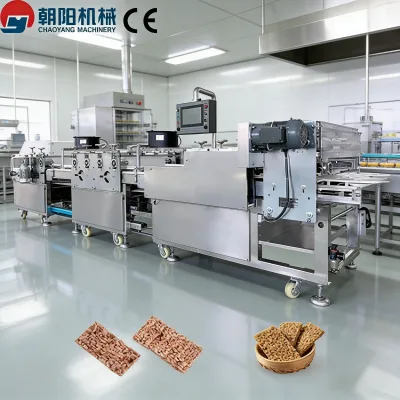
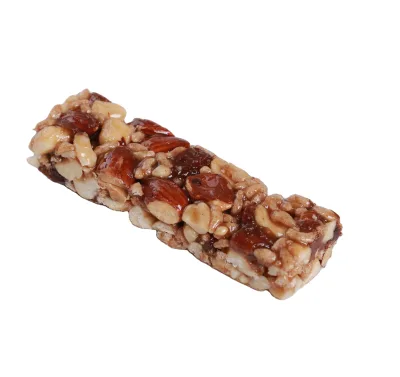
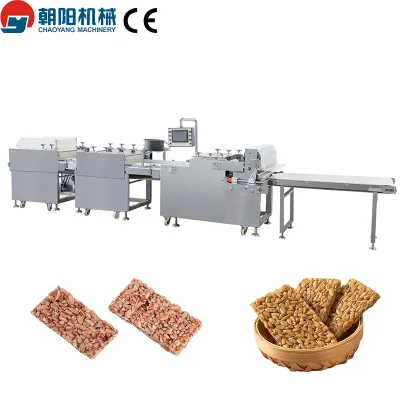
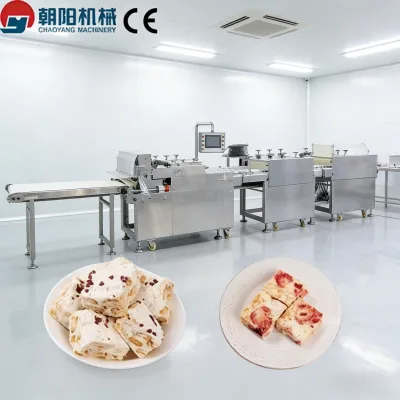
Automatic Continuous Sesame bar Making Machine/hot Sale Cereal bar Pressing Machine
$7700.7348 - $20535.2928
MOQ: 1 sets
Hunan Kangxin Technology Co., Ltd.
- Verified by SGS Group
- Trading Company
- Lead time15 days
- Avg. response≤ 2h
Main productsDumpling Machine, Food Machinery, Oven, Baking Machinery, Refrigeration Equipment
Main marketsDomestic Market(40%), North America(20%), Western Europe(20%)
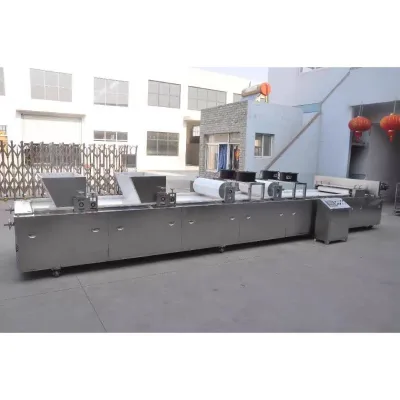
Automatic High Quality Crispy Factory Peanut Candy Making Machine Bar Line for Sale
$2637.8714
MOQ: 1 Minimum
Hot Selling Brittle Making Machine Cereal 304 SS Peanut Chikki / Sweet Nuts bar Production Line
$2637.8714
MOQ: 1 Minimum

Henan Penghui Machinery And Equipment Co., Ltd.
- Manufacturer, Trading Company
- Henan, China
- Lead time3 days
- Avg. response≤ 2h
Main productsFood machinery,Agricluture machinery,Wood machinery,Recycling machinery,Plastic machinery
Main marketsAfrica(30.00%), Eastern Europe(30.00%), North America(30.00%), Mid East(10.00%)
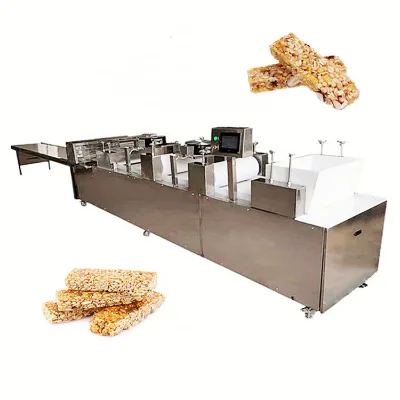
Factory Price Protein Peanut Candy Bar Making Cutting Machine Automatic Cereal Bar Production Line
$6600.00 - $7000.00
MOQ: 1
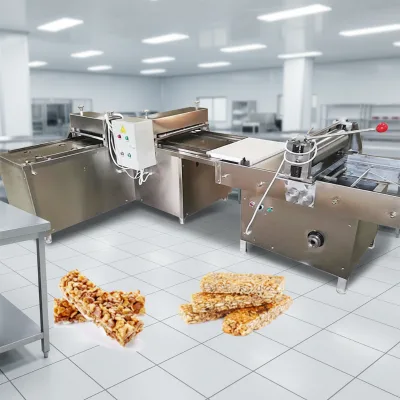
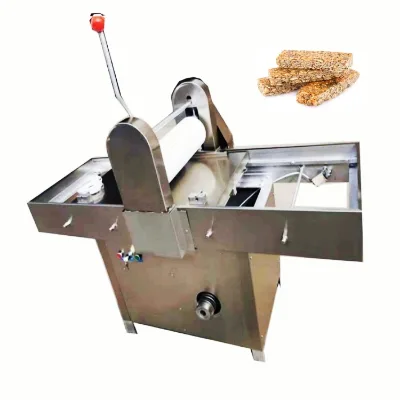
Cereal Granola Protein Bar Production Pressing Machine Sesame Snack Bar Forming Making Machine
$1332.0519 - $1639.4484
MOQ: 1 sets
Henan Yanneng Intelligent Technology Co., Ltd.
- Trading Company
- Henan, China
- Lead time10 days
- Avg. response≤ 3h
Main productsFood processing machinery,Packaging machinery
Main marketsNorthern Europe(30.00%), North America(20.00%), Mid East(20.00%), Southeast Asia(20.00%), Domestic Market(10.00%)
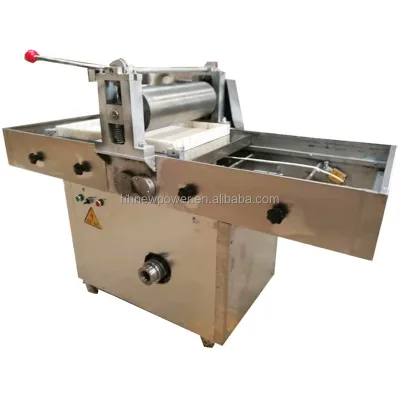
Factory Peanut Bar Producing Machine Peanut Candy Maker Peanut Crisp Candy Moulding Machine on Sale
$2791.4507 - $7237.0945
MOQ: 1 sets
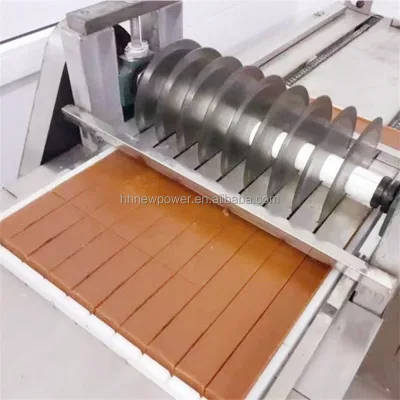
Sesame Candy Machines Creal Nuts Bar Production Line Full Automatic Peanut Nougat Production Line
$2781.8374 - $7212.1711
MOQ: 1 sets
Henan Gelgoog Machinery Co., Ltd.
- Verified by Intertek
- Manufacturer, Trading Company
- Lead time15 days
- Avg. response≤ 1h
Main productsSnack Frying Machine, Fruit Vegetable Washing Line, Nuts Roasting Line, Ice Cream Cone Production Line, Food Packing Machine
Main marketsSouth America(17%), North America(15%), Southeast Asia(15%)
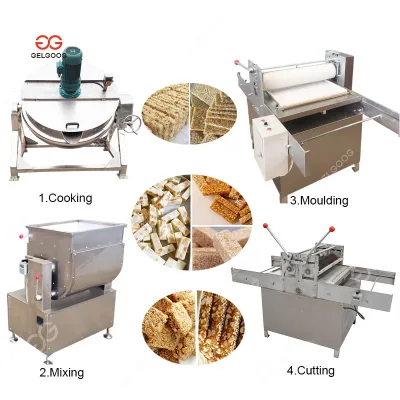
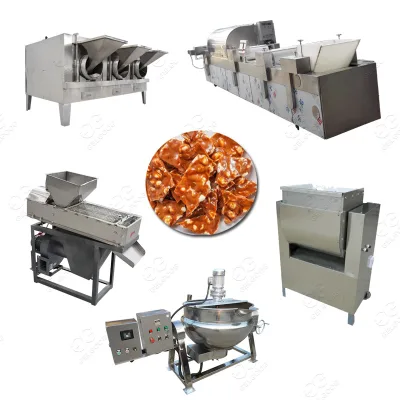
$11500.00 - $12500.00
MOQ: 1 sets

Zhengzhou Inber Machinery Co., Ltd.
- Verified by CTI
- Trading Company,Manufacturer/Factory
- China Henan
- Lead time23 days
- Avg. response≤ 20h
Main productsFruit Processing Machines, Vegetable Processing Machines, Peanut Processing Machine, Food&Beverages Processing Machine, Peanut Butter Processing Machine, Chilli Paste Processing Machine, Vegetable Washing Machine, Cassava Processing Machine, Tortilla Making Machine, Meat Product Making Machine
Main marketsSouth America,Eastern Europe,Mid East,North America,Southeast Asia,Eastern Asia,Oceania,Western Europe,Africa
Henan Mayboom Energy Saving Equipment Co., Ltd.
- Verified by Intertek
- Trading Company
- Lead time15 days
- Avg. response≤ 3h
Main productsFreeze Dryer, Chocolate Equipment, Protein Bar Equipment, Nuts Equipment, Fruit and Vegetable Equipment


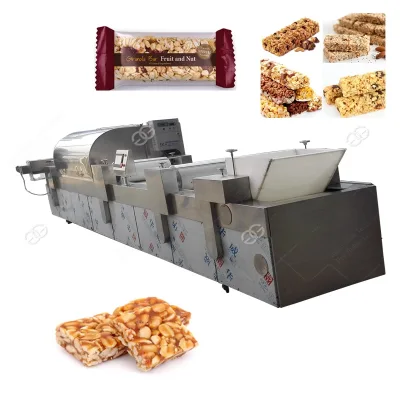
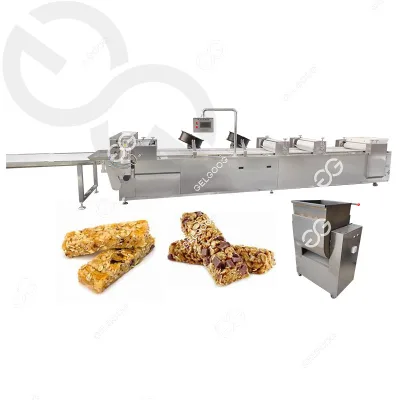


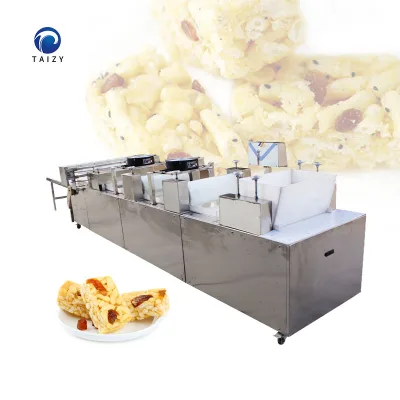
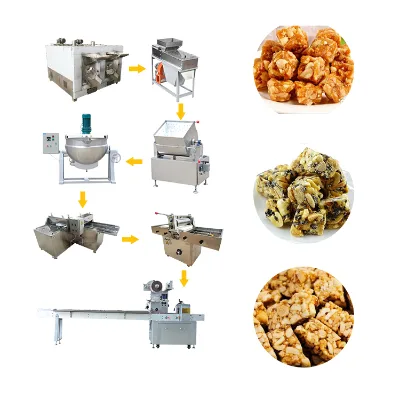


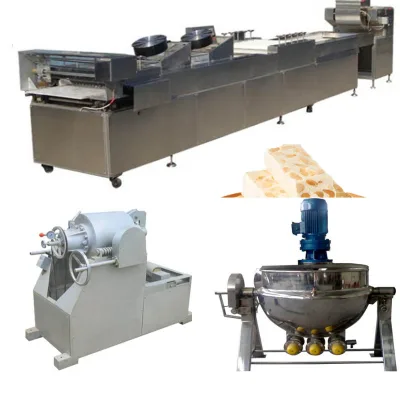
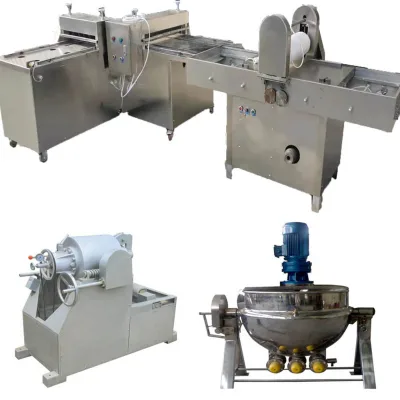
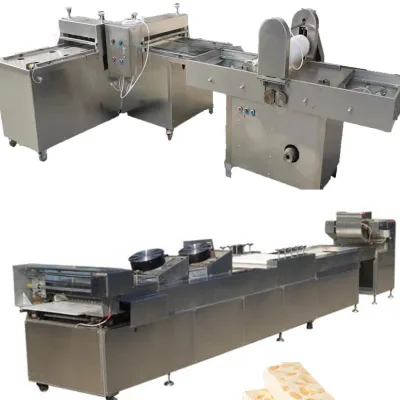
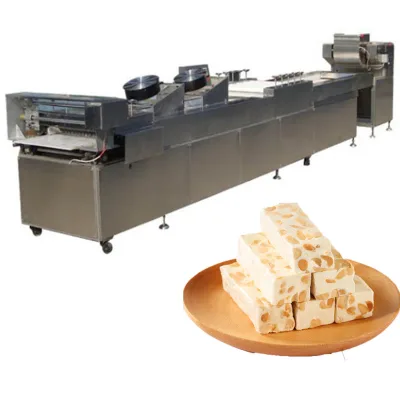


Comprehensive Sourcing Guide
Automatic Peanut Bar Machine Supplier Concentration and Factory Types
The current supplier landscape for automatic peanut bar machines reveals a distinct geographic concentration in China, with specific manufacturing hubs identified in Shanghai, Jiangsu, and Henan provinces. Suppliers located in Shanghai often present as combined entities capable of offering both original design manufacturing and original equipment manufacturing services, alongside their own branded products. This structural flexibility allows buyers to access a wider range of customization options, from standard extrusion lines to specialized encrusting and flow wrapping systems. The presence of these combined companies in Shanghai suggests a mature industrial ecosystem where engineering capabilities are integrated with commercial trading functions, potentially streamlining communication for international buyers who require both technical support and logistical coordination.
In contrast, suppliers based in Jiangsu and Henan exhibit different operational profiles that may influence sourcing decisions. Jiangsu-based manufacturers often specialize in chocolate and confectionery processing equipment, including enrobing and tempering machines, which can be integrated into broader peanut bar production lines. These suppliers frequently hold ISO9001:2015 certification, indicating a standardized approach to quality management systems. Meanwhile, Henan-based suppliers often operate as trading companies, dealing in a diverse array of processing machinery including food, plastic, and wood processing equipment. This diversity means that while they may offer competitive pricing and faster lead times, the depth of specialized engineering for peanut bar specific applications might vary compared to dedicated food machinery manufacturers. Buyers must carefully distinguish between dedicated food equipment specialists and general trading companies to ensure technical compatibility and after-sales support reliability.
How to Verify Automatic Peanut Bar Machine Suppliers
Verification of Automatic Peanut Bar Machine suppliers requires a multi-layered approach that goes beyond basic company registration checks. Buyers should prioritize suppliers who have undergone third-party verification processes, such as those conducted by Bureau Veritas or TÜV Rheinland. These verifications provide an additional layer of confidence regarding the supplier’s business legitimacy and operational capacity. For instance, some suppliers display BV verification status, while others may hold TÜV Rheinland credentials. These external validations are crucial for mitigating the risk of engaging with fraudulent entities or companies that lack the physical infrastructure to deliver complex machinery. Buyers should request verification reports or certificates directly from the supplier and cross-reference them with the issuing body to ensure authenticity and current validity.
Beyond verification badges, buyers must scrutinize the specific certifications attached to the machinery itself. Many automatic peanut bar machines are listed with ISOCE or CE certifications, which are critical for ensuring compliance with international safety and electrical standards. The presence of these certifications indicates that the equipment has undergone testing for electrical safety, mechanical integrity, and operational reliability. Buyers should verify that the certification documents match the specific model numbers of the machines they intend to purchase, as certifications are often model-specific. Additionally, checking for material certifications, such as the use of 304 stainless steel for food-contact surfaces, is essential for ensuring hygiene and durability. Suppliers who provide detailed technical documentation and material specifications are more likely to be reliable partners who prioritize product quality and regulatory compliance in their manufacturing processes.
What to Compare Across Automatic Peanut Bar Machine Suppliers
When evaluating multiple suppliers for automatic peanut bar machines, buyers should compare key operational metrics such as lead times, response speeds, and minimum order quantities. Lead times can vary significantly, with some suppliers offering production completion within 15 days, while others may require up to 60 days. This variance often correlates with the supplier’s location and production capacity; for example, suppliers in Henan may offer faster turnaround times compared to those in Jiangsu. Response times, measured in hours, also differ, with some suppliers responding within 3.41 hours and others taking up to 4.86 hours. Faster response times can indicate a more agile customer service team, which is beneficial for resolving technical queries or negotiating custom specifications. Buyers should align these metrics with their project timelines to avoid delays in production setup.
Price and customization capabilities are equally critical factors in supplier comparison. The price range for automatic peanut bar machines can span from approximately $1,000 to over $100,000, depending on the complexity and automation level of the equipment. Basic cutting or forming machines may be available at lower price points, while full automatic production lines with extrusion, cooling, and wrapping capabilities command higher prices. Buyers should also assess the customization options offered, such as available power sources, voltage specifications, and production speeds. Some suppliers offer fully customized solutions, including specific dimensions and automatic grades, while others may provide standardized models with limited modification options. Comparing these technical specifications alongside pricing helps buyers identify the best value proposition that meets their specific production requirements and budget constraints.
Common Automatic Peanut Bar Machine Sourcing Risks
One significant risk in sourcing automatic peanut bar machines is the potential mismatch between advertised specifications and actual machine performance. Buyers may encounter suppliers who list generic certifications or vague product descriptions that do not accurately reflect the machine’s capabilities. For example, a machine advertised as "automatic" might only feature semi-automatic controls, leading to inefficiencies in production. Additionally, discrepancies in production speed, such as claims of 150-250kg/hr versus actual output, can impact overall plant productivity. Buyers must request detailed technical datasheets and, if possible, video demonstrations of the machine in operation to verify these claims. Relying solely on product keywords or brief descriptions can lead to purchasing equipment that does not meet the required throughput or quality standards for peanut bar production.
Another risk involves the variability in after-sales support and spare parts availability. Suppliers who operate as trading companies may not have direct access to technical support or replacement parts, leading to prolonged downtime in case of equipment failure. In contrast, manufacturers with in-house engineering teams can provide more reliable technical assistance and customized spare parts. Buyers should inquire about the supplier’s warranty terms, technical support channels, and availability of critical components like motors, sensors, and cutting blades. Furthermore, the risk of logistical damage during shipping is heightened for large, heavy machinery. Ensuring that the supplier uses appropriate packaging, such as wooden cases or containers, and provides insurance coverage is essential to protect the investment. Buyers should also verify the supplier’s experience in exporting similar machinery to their region to ensure familiarity with international shipping and customs requirements.
Automatic Peanut Bar Machine Regional Sourcing and Logistics
Sourcing automatic peanut bar machines from China involves navigating regional logistics and shipping considerations that can impact total cost and delivery timelines. Suppliers located in Shanghai, Jiangsu, and Henan have different proximity to major ports, which can influence shipping costs and transit times. Shanghai, being a major port city, often offers more direct and frequent shipping options to global destinations, potentially reducing transit times and freight costs. Buyers should consider the supplier’s location when calculating the total landed cost of the machinery. Additionally, the size and weight of the equipment, which can range from 180kg to 1200kg, require careful planning for container loading and inland transportation. Suppliers who provide standardized packing, such as wooden cases or containers, facilitate easier handling and reduce the risk of damage during transit.
Logistics planning also involves understanding the import regulations and documentation requirements in the buyer’s country. Buyers must ensure that the supplier provides all necessary export documents, including commercial invoices, packing lists, and certificates of origin. For machinery with electrical components, buyers should verify that the voltage and frequency specifications, such as 220V/50Hz, are compatible with their local power grid. Mismatches in electrical standards can lead to additional costs for transformers or rewiring. Furthermore, buyers should consider the lead time for manufacturing and shipping when planning their production schedule. Suppliers with shorter lead times, such as 15 days, may offer more flexibility for urgent orders, while those with longer lead times, such as 60 days, require earlier planning. Coordinating with freight forwarders early in the process can help optimize shipping routes and ensure timely delivery of the automatic peanut bar machines.
Automatic Peanut Bar Machine Commercial Terms and Order Planning
Commercial terms and order planning are critical components of successfully acquiring automatic peanut bar machines. Buyers should negotiate clear payment terms, such as deposits and balance payments upon shipment or installation, to mitigate financial risk. Minimum order quantities (MOQ) can vary, with some suppliers offering MOQs as low as one unit, which is beneficial for small-scale operations or pilot projects. However, buyers should be aware that ordering single units may result in higher per-unit costs compared to bulk orders. It is also important to clarify the scope of customization included in the price. Some suppliers offer customization as an available option, which may incur additional costs for design changes, tooling, or specialized components. Buyers should request detailed quotes that break down the costs of the base machine, customization fees, and any optional accessories.
Order planning should also include considerations for installation, training, and commissioning. Buyers should verify whether the supplier provides on-site installation services or remote technical support. For complex automatic peanut bar machines, on-site assistance can ensure proper setup and calibration, reducing the risk of operational errors. Additionally, buyers should inquire about the availability of operator training materials or sessions. Understanding the machine’s operational requirements, such as power consumption and maintenance schedules, is essential for long-term efficiency. Suppliers who provide comprehensive documentation, including user manuals and maintenance guides, add value to the purchase. Finally, buyers should plan for future scalability and potential upgrades. Choosing a supplier with a broad product range, such as those offering extruders, formers, and wrapping machines, can facilitate future expansion of the production line without needing to source components from multiple vendors.
FAQs
What is the price range for automatic peanut bar machines?
Prices for automatic peanut bar machines typically range from $1,000 to over $117,000 depending on complexity. Basic cutting units start around $1,000, while full production lines with extruders and wrapping capabilities can exceed $100,000. Buyers should verify specific model pricing as costs vary significantly based on automation levels and included features.
What certifications do these machines usually have?
Most automatic peanut bar machines carry ISOCE or CE certifications to ensure safety and operational standards. Some suppliers also provide ISO9001:2015 certificates for their manufacturing systems. Buyers should always request valid certification documents directly from the supplier to confirm compliance with international quality and safety regulations before placing an order.
What is the typical lead time for manufacturing?
Manufacturing lead times generally range from 15 to 60 days depending on the supplier and machine complexity. Some suppliers offer faster turnaround times of 15 days, while others may require up to 60 days for fully automatic lines. Buyers should confirm exact delivery schedules with the supplier to align with their production planning needs.
What is the minimum order quantity for these machines?
The minimum order quantity is typically one unit for most automatic peanut bar machines. Suppliers often allow single-unit purchases for testing or small-scale production needs. This low MOQ makes it accessible for startups or businesses looking to expand their snack production capabilities without committing to large bulk orders initially.
Where are these machines primarily manufactured?
These machines are primarily manufactured in China, with key production hubs in Shanghai, Jiangsu, and Henan provinces. Suppliers in these regions offer various models ranging from simple cutters to complex extrusion lines. Buyers can source directly from these locations to benefit from established manufacturing ecosystems and competitive pricing structures.
What production speeds can these machines achieve?
Production speeds vary by model, with some machines processing 150-250kg per hour or producing 40-60 pieces per minute. Higher-end lines may offer different throughput rates depending on the specific configuration. Buyers should select a machine that matches their required output volume to ensure efficient production without bottlenecks in the manufacturing process.