CE 2WD Robot Car Chassis Suppliers and Manufacturers
Explore 19 verified options for CE 2WD Robot Car Chassis from Guangdong and Henan factories. Compare response times, lead times, and product specifications like load capacity and material. Contact suppliers directly to request quotes and verify shipping details; review the available evidence before requesting comparable quotations from suitable candidates.
Suppliers List
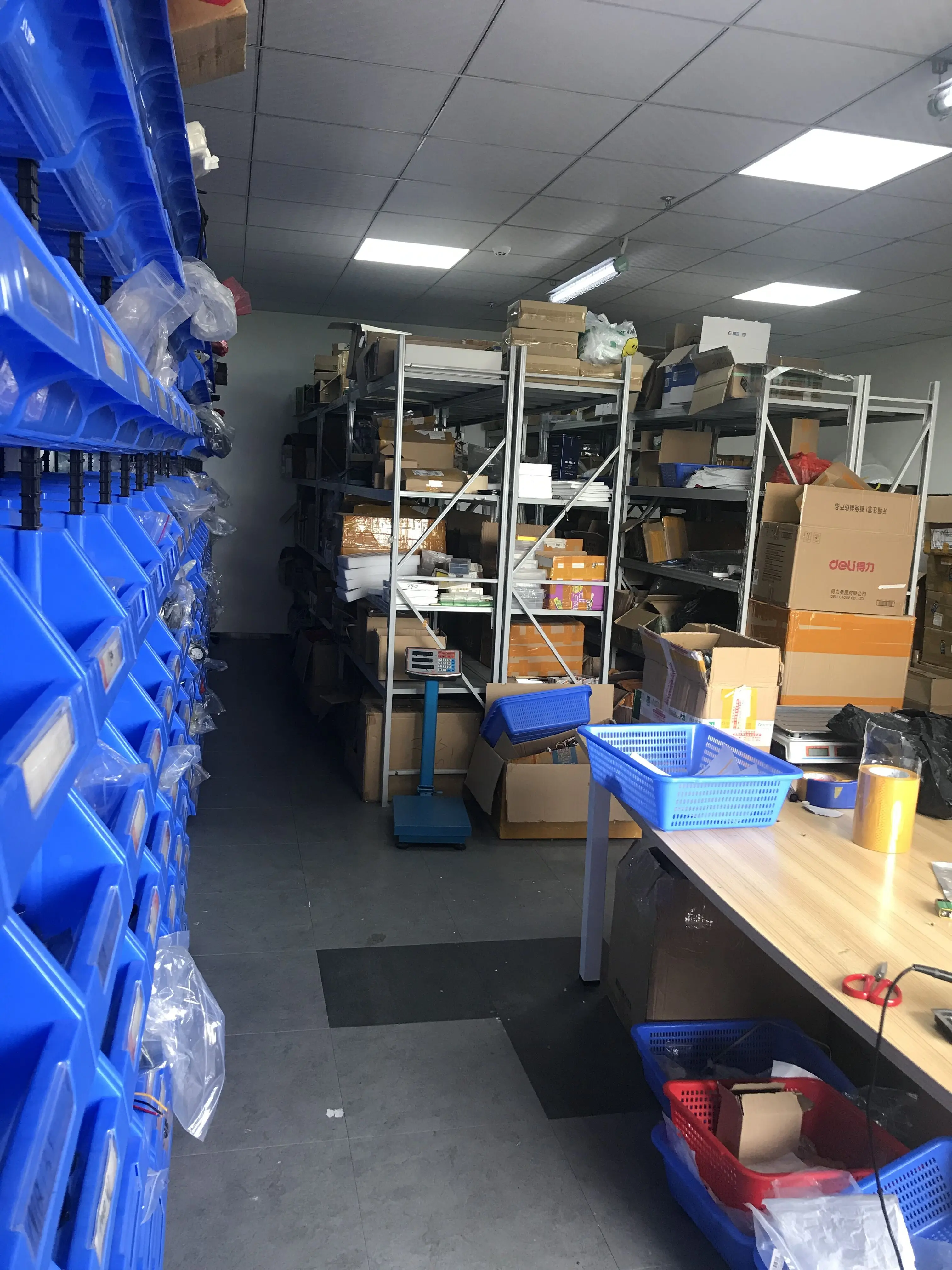
Shenzhen Aiconnecting Electronic Co., Ltd.
- Manufacturer, Trading Company
- Guangdong, China
- Lead time3 days
- Avg. response≤ 8h
Main productsFor Ardui,Raspberry Pi,3d Printer,Sensor Module,Wireless Bluetooth module
Main marketsWestern Europe(30.0%), North America(30.0%), South America(20.0%), Southern Europe(10.0%), Northern Europe(10.0%)
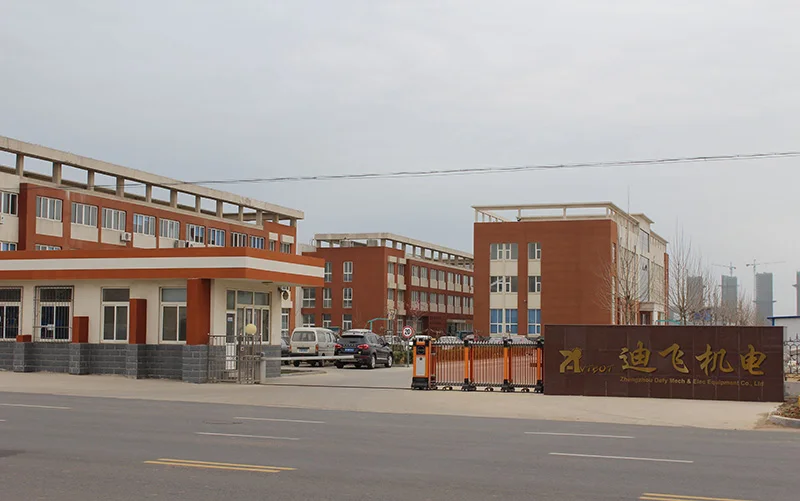
Zhengzhou Ledy Optical-Electrical Technology Co., Ltd.
- Manufacturer, Trading Company
- Henan, China
- Lead time10 days
- Avg. response≤ 3h
Main productsrobot chassis,duct cleaning equipment
Main marketsNorth America(20.0%), Western Europe(15.0%), Mid East(10.0%), Domestic Market(10.0%), Eastern Europe(10.0%), South Asia(7.000000000000001%), South America(7.000000000000001%), Africa(4.0%), Oceania(4.0%), Southeast Asia(4.0%), Central America(3.0%), Eastern Asia(3.0%), Southern Europe(2.0%), Northern Europe(1.0%)

Beijing Topsky Century Holding Co., Ltd.
- Manufacturer
- China Beijing
- Lead time0 days
- Avg. response≤ 12h
Main productsSecurity and Protection Equipment, Speical Force Device, Public Security Equipment, See Through Wall Radar, Silent Drill, Gas Detector, Measure Equipment, Personal Protection, Firefighting Equipment, Rescue Tools

Fujian Hantewin Intelligent Technology Co., Ltd.
- Verified by CTI
- Trading Company,Manufacturer/Factory
- China Fujian
- Lead time23 days
- Avg. response≤ 1h
Main productsService Robot, Delivery Robot, Intelligent Robot, Express Delivery Robot, Disinfection Robot, Sprayer Disinfection Robot, Food Delivery Robot, Cleaning Robot, Robot Machine Equipment, Industrial Delivery Robot
Main marketsSouth America,Eastern Europe,Mid East,North America,Southeast Asia,Eastern Asia,Western Europe

Wheel Chassis Robot Mobile Free Sdk Secondary Development Arm Robot Base Chassis
$5000.00 - $6000.00
Moq: 1


Changzhou Lunyee Electromechanical Manufacturing Co., Ltd.
- Manufacturer/Factory
- China Jiangsu
- Lead time15 days
- Avg. response≤ 12h
Main productsAC Electric Motor, DC Electric Motor, Engraving Machine, Stepper Motor, Hub Motor, Spindle Motor, Linear Actuator, Servo Motor
Main marketsSouth America,Eastern Europe,Mid East,North America,Southeast Asia,Eastern Asia,Oceania,Western Europe,Africa

Mobile Robot Chassis with Unmanned Ugv Patrol Vehicle 4ws-4WD Robot Chassis
$15920.00 - $17988.00
Moq: 1

Rubber Tracked Robot Chassis Mobile Robot Chassis with Industrial Remote Controller
$11768.00 - $13978.00
Moq: 1

Rubber Crawler Robot Robotic Tank Chassis Use for Agricultural Robot Chassis
$11768.00 - $13978.00
Moq: 1

Tracked Vehicle Chassis Rubber Track Undercarriage Chassis Use for Tracked Robot
$11768.00 - $13978.00
Moq: 1

Rubber Track Undercarriage Chassis Platform Tracked Robot Chassis for Orchard Transport
$2888.00 - $3999.00
Moq: 1

Rubber Track Undercarriage Chassis Platform Robot Tank Chassis for Orchard Transport
$2888.00 - $3999.00
Moq: 1
Shenzhen Bxf Electronic Technology Co., Ltd.
- Manufacturer, Trading Company
- Guangdong, China
- Lead time3 days
- Avg. response≤ 3h
Main productsRaspberry Pi,3D Printer,Drone,Electronic Components
Main marketsWestern Europe(30.0%), North America(25.0%), South America(20.0%), Mid East(5.0%), Southeast Asia(4.0%), South Asia(4.0%), Eastern Asia(4.0%), Northern Europe(2.0%), Domestic Market(1.0%), Oceania(1.0%), Southern Europe(1.0%), Africa(1.0%), Central America(1.0%), Eastern Europe(1.0%)
Shenzhen Zehengfeng Technology Co., Ltd.
- Trading Company, Buying Office, Distributor/Wholesaler
- Guangdong, China
- Lead time0 days
- Avg. response≤ 12h
Main productsIC chip,IGBT,module for Arduino,Sensor,LCD
Main marketsNorth America(15.0%), Southeast Asia(10.0%), Eastern Europe(10.0%), South America(10.0%)

Shenzhen Reeman Intelligent Equipment Co., Ltd.
- Verified by TUVRHEINLAND
- Combined
- China Guangdong
- Lead time15 days
- Avg. response≤ 3h
Main productsCleaning Robot, Disinfection Robot, UVC Disinfection Robot, Spray Disinfection Robot, Delivery Robot, Robot Chassis
Main marketsAfrica,Southeast Asia/ Mideast,East Asia(Japan/ South Korea),Europe,Australia,North America

Robot Chassis Open Sdk Navigation Anti-Collision Autonomous Charging 4WD Robot Chassis
$2500.00 - $2800.00
Moq: 1

Robot Car Chassis Round Base 4WD Robot Open Sdk Secondary Development Chassis Equipment
$2500.00 - $2800.00
Moq: 1


Auto Parts Robot Car Chassis Round Base 4WD Robot Open Sdk Secondary Development Chassis Equipment
$2500.00 - $2800.00
Moq: 1

Robot Chassis Development Research Agv Robot Chassis Intelligent Robot Chassis Mobile Robot Chassis
$2800.00 - $2980.00
Moq: 1
Zhengzhou Defy Mechanical & Electrical Equipment Co., Ltd.
- Trading Company
- Lead time旺季: "1 - 1":7,"> 1":"To be negotiated", 淡季: "1 - 1":7,"> 1":"To be negotiated"
- Avg. response≤ 3h
Main productsRobot Chassis,Duct Cleaning Equipment

- Verified by TUVRHEINLAND
- Trading Company,Manufacturer/Factory
- China Guangdong
- Lead time15 days
- Avg. response≤ 7h
Main productsAgv/AMR Motor Wheels Rollers Planetary Reducer, AMR, Motor Wheels, Reducer Wheels, Automated Guided Vehicles, Planetary, Reducer
Main marketsSouth America,Eastern Europe,Mid East,North America,Eastern Asia,Western Europe


Multi-Use Automated Guided Vehicle Robot Stable Operation Agv Robot Chassis
$4000.00 - $70000.00
Moq: 1

New Custom Robot Chassis Unmanned Vehicle Intelligent Service Robot Development Agv
$4000.00 - $70000.00
Moq: 1

Agv Robot Chassis 650kg Industrial Base Moving Transportation Equipment Agv
$2000.00 - $25000.00
Moq: 1

Shandong Manda Intelligent Technology Co., Ltd.
- Verified by TUVRHEINLAND
- Combined
- China Shandong
- Lead time15 days
- Avg. response≤ 3h
Main marketsDomestic

RG MECHANICAL EQUIPMENT CO.LTD
- Verified by SGS
- Trading Company
- China Shandong
- Lead time15 days
- Avg. response≤ 1h
Main productsEngine Spare Parts, Mini Excavator, Excavator Spare Parts, Used Agricultural Machinery, New and Used Tractors, New and Used Forklifts, Construction Machinery Spare Parts, New and Used Bulldozers and Spare Parts, New and Used Loaders and Spare Parts
Main marketsDomestic


Tracked Chassis Robot Enhanced Tractor Rubber Tracked Robot Tank Chassis Tracked Robot Vehicle
$999.00 - $9999.00
Moq: 1

Robot Tracked Tank Car Chassis with DC Motor Full-Metal Robotic Moving Platform Track
$999.00 - $9999.00
Moq: 10

Henan Chuangwang Intelligent Equipment Co., LTD
- Verified by TUVRHEINLAND
- Combined
- China Shanghai
- Lead time15 days
- Avg. response≤ 3h
Main productsFully Automatic Car Washing Machine, Steam Cleaning Machine, Steam Car Washing Machine, Self Service Car Washing Machine, High Pressure Cleaning Machine, Intelligent Services, Touchless Car Wash Machine, Transfer Robot
Main marketsSouth America,Africa,Europe
Huamaoji Construction Machinery Trading (beijing) Co., Ltd.
- Trading Company
- Beijing, China
- Lead time10 days
- Avg. response≤ 9h
Main productsshovel,Machete,Undercarriage Part,Rubber track,Diesel Engine Assy
Main marketsAfrica(30.0%), Eastern Asia(20.0%), Domestic Market(10.0%), Southeast Asia(7.000000000000001%), Oceania(6.0%), South America(5.0%), Mid East(5.0%), South Asia(5.0%), Eastern Europe(2.0%), North America(2.0%), Southern Europe(2.0%), Northern Europe(2.0%), Central America(2.0%), Western Europe(2.0%)

Shenzhen Reeman Intelligent Equipment Co., Ltd.
- Verified by TUVRHEINLAND
- Combined
- China Guangdong
- Lead time15 days
- Avg. response≤ 3h
Main productsDelivery Robot, Material Handling Robot, Factory Delivery Robot, Autonomous Forklift, Clean Robot, Disinfection Robot, Food Delivery Robot, Robotics Mobility Platform, Agv, AMR
Main marketsAfrica,Southeast Asia/ Mideast,East Asia(Japan/ South Korea),Europe,Australia,North America

OEM Mobile Robotics Platform Robot Chassis with Navigation Sdk for Indoor Applications
$2880.00 - $2980.00
Moq: 1


Shandong Zhongmei Construction Engineering Co., Ltd.
- Verified by SGS
- Combined
- China Shandong
- Lead time30 days
- Avg. response≤ 5h
Main productsSteel Structure, Net Rack
Main marketsDomestic

Shenzhen Ke Zhi You Technology Co., Ltd.
- Verified by CTI
- Trading Company,Manufacturer/Factory
- China Guangdong
- Lead time23 days
- Avg. response≤ 18h
Main productsArduino Board, Arduino Sheild, Arduino Starter Kit, 3D Printers, Arduino Robot, Arduino Sensor/Modules, Raspberry Pi, Smart Car, Display, Mico Bit: Bbc Board
Main marketsSouth America,Eastern Europe,Mid East,North America,Southeast Asia,Eastern Asia,Oceania,Western Europe,Africa

Shanghai Puyi Industrial Co., Ltd.
- Verified by BV
- Trading Company,Manufacturer/Factory
- China Shanghai
- Lead time23 days
- Avg. response≤ 8h
Main productsRubber Track, Solid Tire, Rubber Pad, Rubber Track Assembly, Rubber Track Chassis, Excavator Rubber Tracks, Dumper Track, Wheels, Snowmobile Rubber Track, Sprockets
Main marketsSouth America,Eastern Europe,Mid East,North America,Southeast Asia,Eastern Asia,Oceania,Western Europe,Africa
Shenzhen Boruijintong Technology Co., Ltd.
- Trading Company
- Guangdong, China
- Lead time3 days
- Avg. response≤ 3h
Main productsIntegrated Circuit ICs, Transistors /IGBT, Modules, Develop Boards And Kits, PCBA
Main marketsSoutheast Asia(22.0%), North America(17.0%), South America(11.0%), Western Europe(11.0%), Eastern Asia(7.000000000000001%), Northern Europe(6.0%), Mid East(6.0%), South Asia(5.0%), Central America(5.0%), Eastern Europe(5.0%), Southern Europe(4.0%), Africa(1.0%)
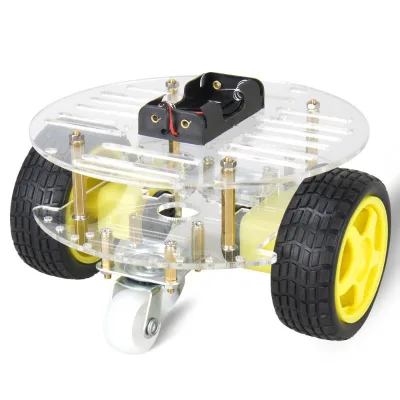






Comprehensive Sourcing Guide
CE 2WD Robot Car Chassis Supplier Concentration and Factory Types
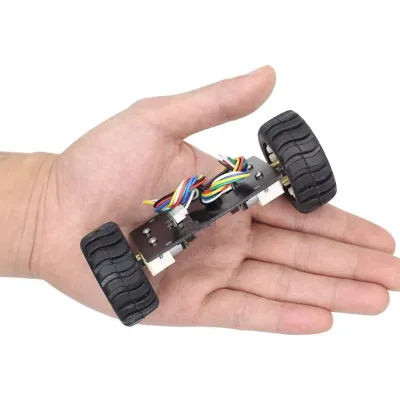
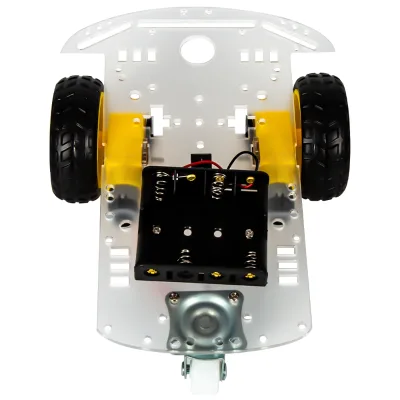
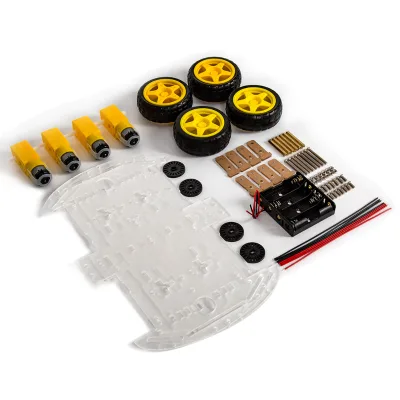
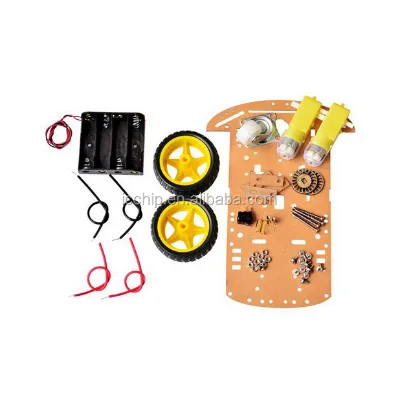
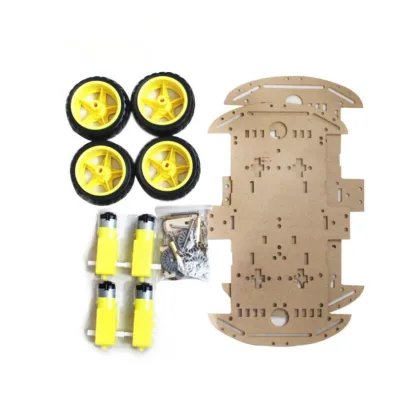
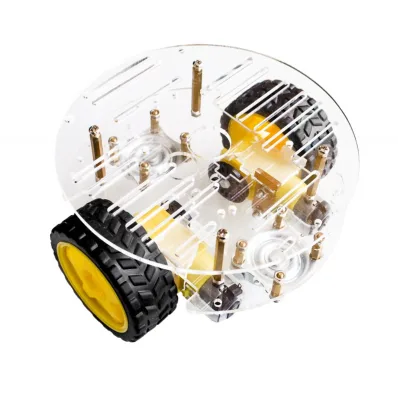
The current supplier landscape for this category shows a distinct concentration of manufacturing activity within Guangdong, China, where several entities list their primary location. These suppliers in this region often operate as both manufacturers and trading companies, offering a hybrid model that can streamline communication while maintaining direct production oversight. The main product focus for these Guangdong-based entities includes components for Arduino, Raspberry Pi, 3D printers, and various sensor modules, indicating a strong ecosystem for maker and educational robotics. This clustering suggests that buyers seeking small-scale DIY kits or electronic accessories may find the most relevant inventory in this specific province, where the supply chain for electronic components is deeply established.
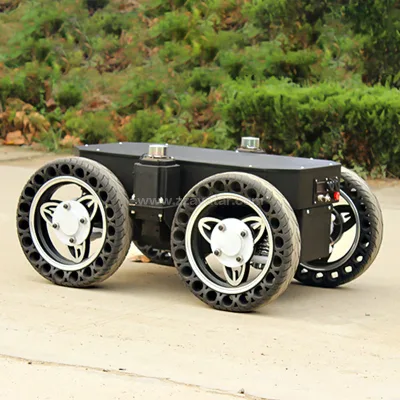
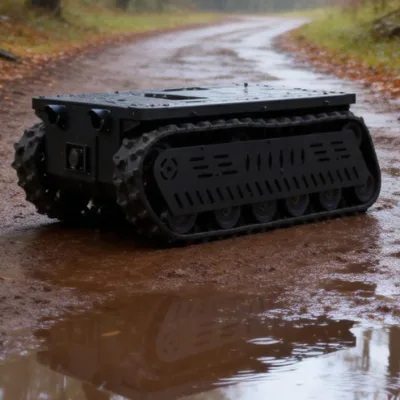
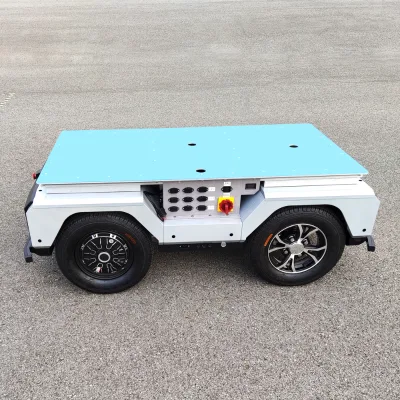
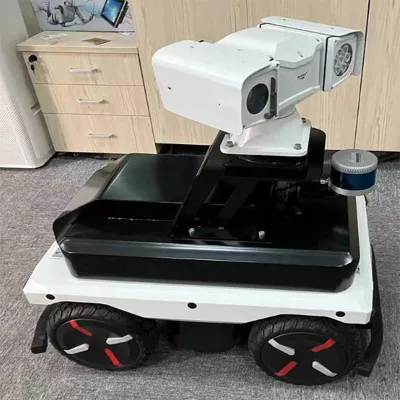
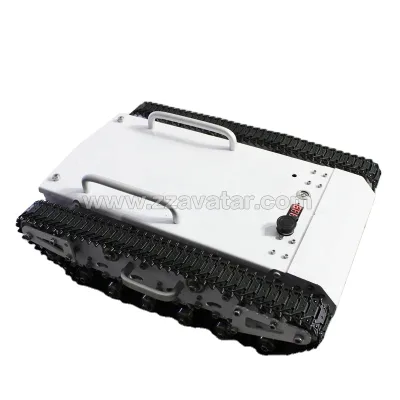
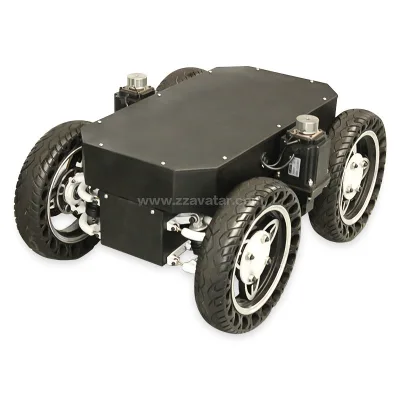
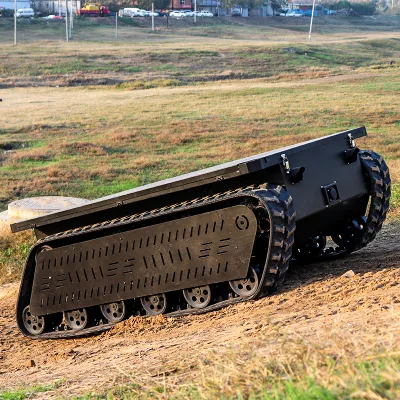
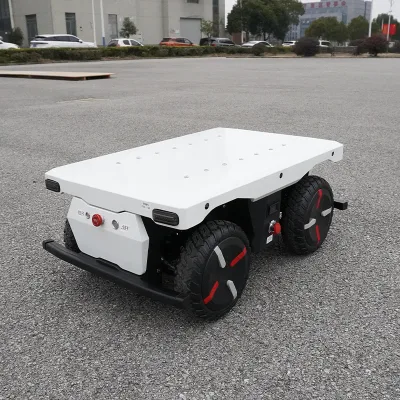
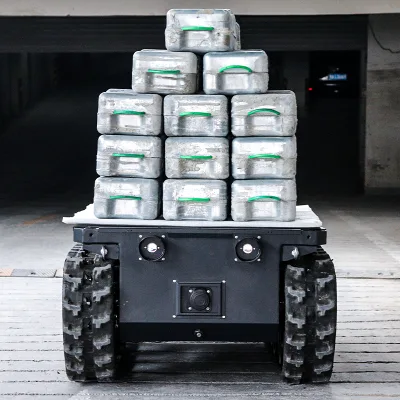
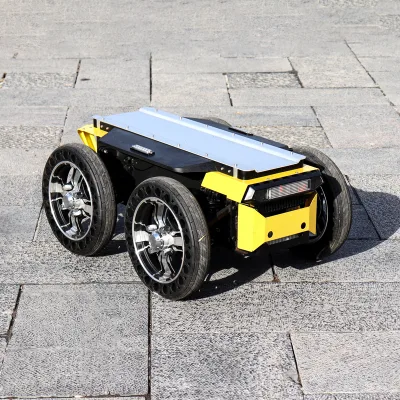
In contrast, other significant sourcing hubs appear in Henan, China, where the supplier profile shifts toward heavy-duty industrial applications rather than small educational kits. Suppliers in this region specialize in robust platforms such as 4-wheeled robot car chassis designed for outdoor mobile robot platforms and commercial inspection tasks. These factories often list main products that include duct cleaning equipment alongside robot chassis, suggesting a broader industrial machinery background. While the Guangdong cluster focuses on acrylic frames and DIY projects, the Henan cluster demonstrates capabilities in high-load capacity units with features like explosion-proof tires and significant payload ratings. Buyers must distinguish between these two distinct manufacturing clusters to align their sourcing strategy with the specific complexity and scale of the required robot chassis.
How to Verify CE 2WD Robot Car Chassis Suppliers
Verification begins with scrutinizing the response time and lead time metrics provided in the supplier profile, as these are critical indicators of operational efficiency. Data shows response times ranging from 3 to 8 hours, with lead times varying significantly from 3 days to 10 days depending on the specific product and factory location. A supplier with a 3-day lead time in Guangdong may be suitable for rapid prototyping of small acrylic chassis, whereas a 10-day lead time in Henan might reflect the complexity of manufacturing heavy-duty steel or aluminum industrial platforms. Buyers should request proof of these timelines by asking for recent shipping documents or production schedules to ensure the stated metrics are current and reliable for their specific order volume.
Beyond logistical metrics, buyers must verify the authenticity of product attributes and certifications through direct evidence rather than marketing claims. For instance, some listings provide detailed specifications such as waterproof ratings of IP53, maximum load capacities of 300kg, or specific model numbers like AA003 and Tins-13. Verification requires cross-referencing these technical details against the actual product samples or factory audit reports. If a supplier claims a Machinery Test Report is provided, the buyer should request the specific document before finalizing the order. Similarly, for products claiming video outgoing-inspection, the buyer should ask for a live video call or recorded footage of the specific unit being prepared for shipment to confirm the physical condition matches the description.
What to Compare Across CE 2WD Robot Car Chassis Suppliers
When comparing suppliers, the primary differentiator is often the minimum order quantity (MOQ) and the unit price structure, which vary widely based on the product type and intended application. For small DIY robot chassis kits, the MOQ is typically set at 5 units with a price range between 5.00 and 6.50 per unit, making these options accessible for individual developers or small educational programs. In contrast, industrial-grade robot platforms often have an MOQ of just 1 set but command prices ranging from 3,800 to nearly 15,000 per unit due to the heavy materials and advanced engineering involved. Buyers must calculate the total cost of ownership, including shipping and potential customization fees, rather than focusing solely on the per-unit price listed in the catalog.
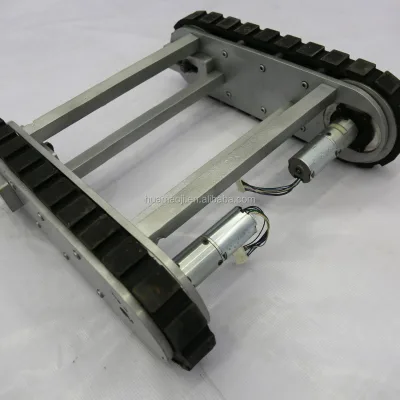
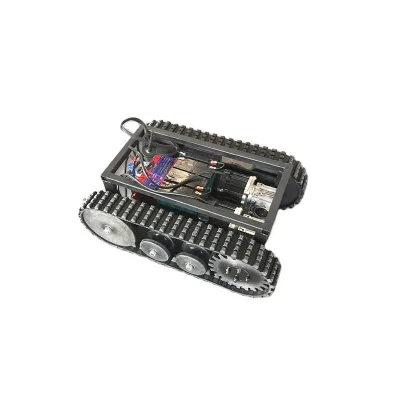
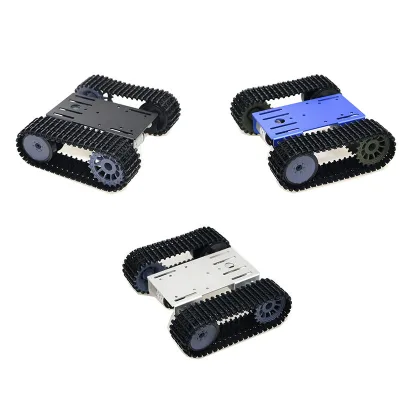
Another critical comparison point is the supply ability and the specific product attributes listed in the technical specifications. Some suppliers offer a supply ability of 5,000 sets per week for standard 2WD models, ensuring high-volume availability for large projects. Others focus on specialized features such as differential steering, specific ground clearance measurements, or compatibility with major construction machinery brands. Buyers should compare the material composition, such as acrylic frames versus heavy-duty metal, and the mounting type, which can be manual installation or integrated systems. Evaluating these technical details ensures that the selected supplier can meet the precise performance requirements of the project, whether it involves a lightweight educational robot or a heavy-duty autonomous delivery vehicle.
Common CE 2WD Robot Car Chassis Sourcing Risks
One significant risk in sourcing this category is the potential mismatch between the advertised product capabilities and the actual performance of the delivered unit, particularly regarding load capacity and durability. Some listings for heavy-duty chassis claim maximum loads of 300kg, yet the machinery test reports may be marked as not available, creating uncertainty about the structural integrity under stress. Buyers face the risk of receiving a chassis that fails under operational loads if they do not independently verify the test data or request third-party inspection reports. This is especially critical for applications involving outdoor mobile robot platforms where safety and reliability are paramount, and a failure could lead to equipment damage or operational downtime.
Another prevalent risk involves the ambiguity of shipping ports and packaging details, which can lead to unexpected delays or increased logistics costs. While some suppliers list multiple potential ports such as Shenzhen, Guangzhou, Shanghai, Yiwu, and Hong Kong, the specific port used for a particular order may not be confirmed until the final shipping stage. This lack of specificity can complicate freight forwarding arrangements and customs clearance, particularly for international buyers. Additionally, the absence of standardized certifications or clear warranty terms for industrial-grade units can leave buyers without recourse if the product malfunctions shortly after deployment. Buyers must clarify these logistical and warranty details in the contract to mitigate the risk of supply chain disruptions.
CE 2WD Robot Car Chassis Regional Sourcing and Logistics
Sourcing from Guangdong, China, offers distinct logistical advantages for buyers seeking smaller, electronic-focused robot chassis components. The region's proximity to major ports like Shenzhen and Guangzhou facilitates faster shipping times for lightweight items, often aligning with the short lead times of 3 days observed in the data. The packaging details for these items often include multiple port options, suggesting a flexible logistics network capable of handling high volumes of small parcels. For buyers requiring rapid turnaround on DIY kits or sensor modules, the established infrastructure in Guangdong allows for efficient consolidation and dispatch, reducing the overall time from order placement to delivery.
Conversely, sourcing from Henan, China, presents different logistical challenges due to the nature of the heavy industrial products involved. Suppliers in this region produce large, heavy chassis units with dimensions exceeding 1.3 meters in length and weights reaching 170kg or more. These items require specialized freight arrangements, often involving sea freight or heavy-duty trucking rather than standard courier services. The lead times in this region are longer, typically around 10 days, reflecting the time needed for heavy manufacturing and quality control. Buyers must plan their logistics carefully, accounting for the need for specialized handling equipment at the destination port and the potential for higher shipping costs associated with oversized and heavy cargo.
CE 2WD Robot Car Chassis Commercial Terms and Order Planning
Commercial terms for this category vary significantly based on the scale of the order and the complexity of the product. For small DIY kits, the selling units are often listed as single items with a low minimum order quantity, allowing for flexible purchasing without large capital commitments. However, for industrial-grade platforms, the commercial terms often involve a single set minimum order with a much higher price point, requiring careful budget planning and potentially larger upfront investments. Buyers should also consider the warranty terms, which range from one year for some models to online support for others, and ensure these terms are clearly defined in the purchase agreement to protect against defects.
Order planning must account for the specific supply ability and production capacity of the chosen supplier to avoid delays. Suppliers with a stated supply ability of 5,000 sets per week can accommodate large orders for standard models, but buyers should confirm this capacity before placing bulk orders to ensure timely delivery. For custom or specialized units, the lead time may extend beyond the standard 3 to 10 days, requiring earlier planning and potentially deposit payments. Buyers should also verify the compatibility of the chassis with their existing systems, such as ESP32 or Arduino boards, to ensure seamless integration. By aligning the order timeline with the supplier's production schedule and verifying all technical specifications, buyers can minimize the risk of delays and ensure a smooth procurement process.
FAQs
What is the price range for 2wd robot car chassis kits?
The price range for 2wd robot car chassis kits typically falls between 5.00 and 9.90 USD per unit. Specific models like the acrylic frame kit start at 5.00 USD, while ESP32 compatible versions range up to 9.90 USD. These prices apply to single item selling units with a minimum order quantity of five sets.
Where are these robot chassis manufacturers located?
Manufacturers of these robot chassis are primarily located in Guangdong and Henan, China. Products originate from these regions, with Guangdong suppliers offering DIY kits and Henan suppliers providing heavy-duty platforms. The packaging details often list ports in Shenzhen, Guangzhou, and Shanghai for shipping.
What is the minimum order quantity for these chassis?
The minimum order quantity varies by product type, generally starting at five sets for smaller DIY kits. Some heavy-duty commercial platforms allow a minimum order of just one set. Buyers should verify specific model requirements as the standard MOQ for acrylic frame kits is five units.
How long does it take to receive these robot chassis?
Lead times for these robot chassis range from three to ten days depending on the supplier and product type. Suppliers in Guangdong often report a three-day lead time, while those in Henan may require up to ten days. Response times for inquiries can be as fast as three to eight hours.
Are there heavy-duty 2wd robot chassis available for inspection?
Yes, heavy-duty 2wd robot chassis are available for inspection applications with features like explosion-proof tires. These units can support loads up to 100kg and offer waterproof ratings of IP53. They are designed for outdoor mobile robot platforms and include video outgoing-inspection services provided by the manufacturer.
What materials are used for the 2wd robot chassis frames?
Common materials for 2wd robot chassis frames include acrylic for DIY kits and robust metal for commercial platforms. The acrylic frame kits are designed for educational projects and weigh significantly less than industrial versions. Heavy-duty models feature high load capacities and are built for durability in automobile industry applications.
Can these chassis be customized for specific speed requirements?
Yes, certain chassis models allow for speed customization, with standard speeds ranging from 3 to 6.5 km/h. Some units can be customized to reach speeds up to 50 km/h depending on the motor configuration. Buyers should check specific model specifications for endurance and payload limits when planning custom speed requirements.