Modern Solid Wood Knife Rack Suppliers and Manufacturers
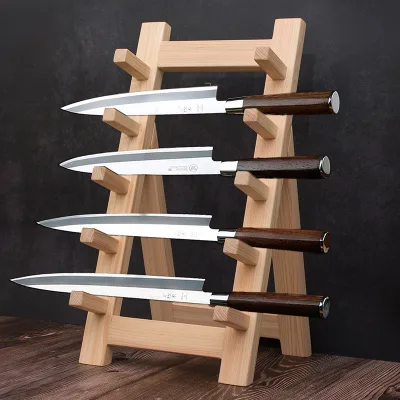
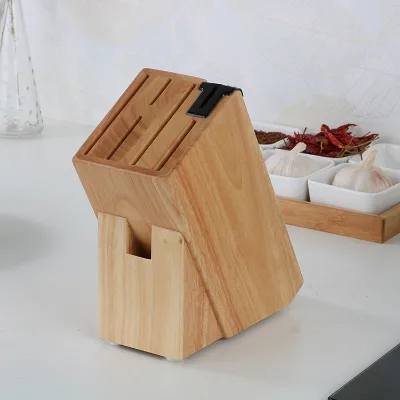
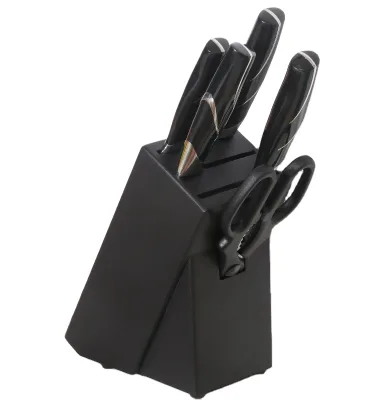
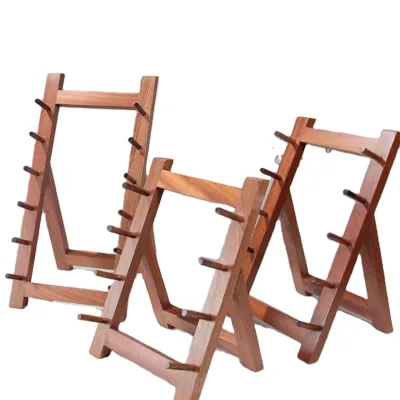
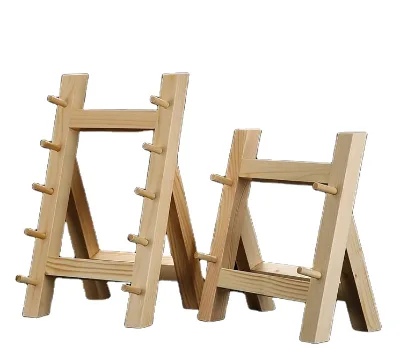
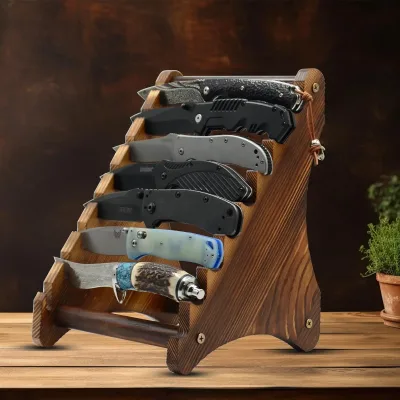
Compare 27 suppliers of the Modern Solid Wood Knife Rack on material, MOQ, sample lead time, customization and certifications before committing. Filter listings by pine wood construction and origin, then request quotes and samples from shortlisted manufacturers; review the available evidence before requesting comparable quotations from suitable candidates.
Updated
Suppliers List

Xuzhou Risen Industry and Supply Co., Ltd
- Verified by TUVRHEINLAND
- Trading Company
- China Jiangsu
- Lead time30 days
- Avg. response≤ 4h
Main productsHousehold Adornment, Household Supplies, Home Decoration, Compressed Sofa, Dining Furniture, Bothroom Organizer, Kitchen Storage, Glass Ornaments, Ceramic Tableware, Home Fragrance
Main marketsSouth America

Caoxian Huashen Arts And Crafts Co., Ltd.
- Manufacturer, Trading Company
- Shandong, China
- Lead time30 days
- Avg. response≤ 1h
Main productsCustom Wooden Boxes,Wooden Storage Crates,Wooden Home Decor,Raised Garden Beds,Wooden Pet Furniture
Main marketsNorth America(35.00%), Western Europe(25.00%), Oceania(12.00%), Northern Europe(10.00%), Eastern Europe(8.00%), Eastern Asia(6.00%), Southeast Asia(4.00%)
Cao County Grandview Arts & Crafts Co., Ltd.
- Manufacturer, Trading Company
- Shandong, China
- Lead time20 days
- Avg. response≤ 4h
Main productskitchen knife rack,wooden trash bin,wooden frames,kitchen wall shelf,bathroom storage rack
Main marketsNorth America(35.00%), Western Europe(13.00%), South Asia(10.00%), Eastern Europe(7.00%), Mid East(7.00%), Southern Europe(5.00%), Domestic Market(5.00%), Eastern Asia(5.00%), Southeast Asia(5.00%), Northern Europe(4.00%), Oceania(2.00%), Africa(2.00%)

Eagle Catering Equipment Co., Ltd.
- Manufacturer/Factory
- China Guangdong
- Lead time30 days
- Avg. response≤ 10h
Main productsTrolleys, Gastronorm Containers, Table, Shelves, Sink, Barrier Post, Cookware, Buffetware, Barware, Kitchen Utensils
Main marketsSouth America,Eastern Europe,Mid East,North America,Southeast Asia,Eastern Asia,Oceania,Western Europe,Africa
Jiangmen Expands Handicraft Co.,Ltd
- Verified by Intertek
- Manufacturer, Trading Company
- Lead time25 days
- Avg. response≤ 2h
Main productsWood Box, Pepper Mill, Wooden Bowl, Cutting Board, Wooden Tray
Main marketsNorth America(50%), Domestic Market(28%), Eastern Europe(12%)

Shaowu Han Well Import and Export Trade Co., Ltd.
- Trading Company
- China Fujian
- Lead time23 days
- Avg. response≤ 8h
Main productsChopping Boards, Serving Boards, Bamboo Skewer, Bamboo Stick, Tray, Cutting Board, Box, Utensil Tool, Bamboo Chopsticks, Coffee Stirrers
Main marketsEast Asia(Japan/ South Korea),Europe,Australia,North America

Guangzhou Welldo Hardware Manufacturing Co.,Ltd.
- Trading Company,Manufacturer/Factory
- China Guangdong
- Lead time45 days
- Avg. response≤ 7h
Main productsKitchen Pull-out Basket, Kitchen Wire Basket, Pull out Basket, Kitchen Cabinet Organiser, Wardrobe Accessories, Kitchen Rack, Storage Basket, Kitchen Accessories, Pantry Unit, Tall Unit
Main marketsSouth America,Eastern Europe,Mid East,North America,Western Europe,Africa

Anhui Lulang New Material Technology Co., Ltd.
- Verified by BV
- Combined
- China Anhui
- Lead time15 days
- Avg. response≤ 2h
Main productsMagnet, Strong Magnet, Magnet Neodymium, Neodymium Magnet, Motor Magnet, NdFeB Magnet, Magnets Neodymium, Speaker Magnet, N52 Magnet, Ring Magnet
Main marketsDomestic


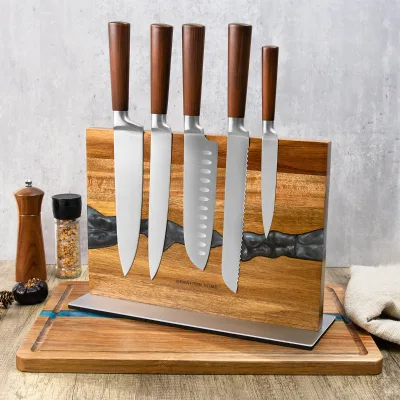
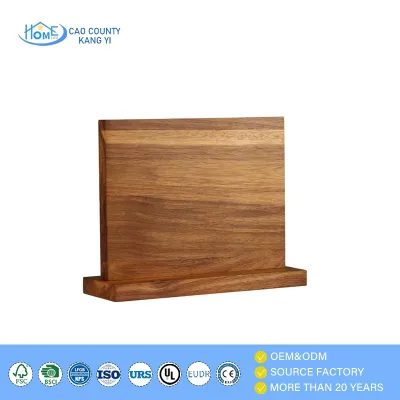
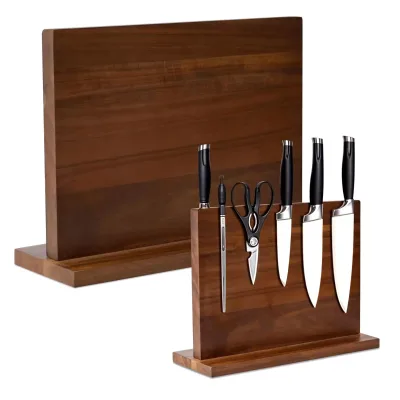
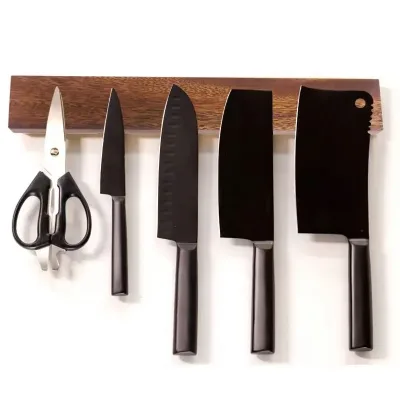
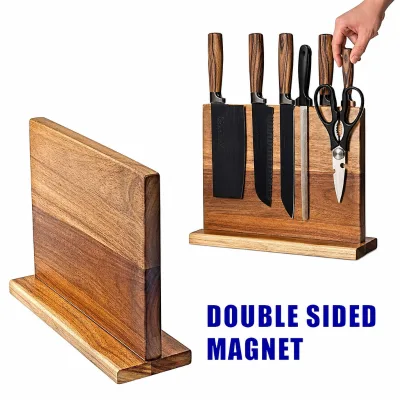
Magnetic Knife Block Holder Rack Acacia Wooden Universal Stands Magnets Knife Rack
$5.00 - $9.00
MOQ: 1000 Pieces

Cao County Huiy Arts & Crafts Factory
- Verified by SGS Group
- Manufacturer, Trading Company
- Lead time30 days
- Avg. response≤ 3h
Main productsWooden Box, Wooden Decoration, Bird House, Wood Craft, Wood Homeware
Main marketsNorth America(22%), Western Europe(18%), Eastern Asia(16%)
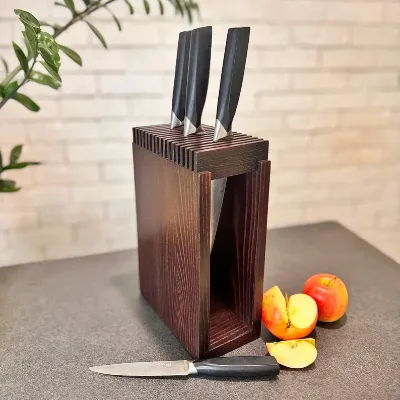
Wooden Knife Stand for Kitchen Durable Knife Storage Block Chef Knives Set Wood Storage Rack
$3.3383 - $3.8922
MOQ: 200 sets
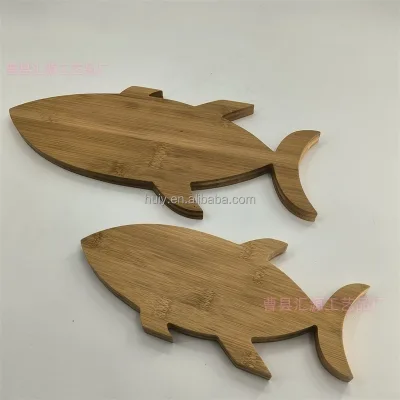
$1.00 - $5.00
MOQ: 200 Minimum
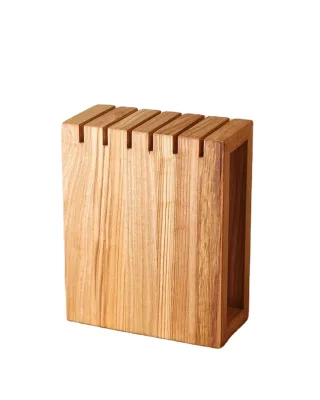
Oak Wood Knife Block Custom Knife Holder Rustic Wooden Knife Set Stand Rack
$3.2874 - $3.7694
MOQ: 200 sets
Jiangxi Kelier Industry And Trade Co., Ltd.
- Manufacturer, Trading Company
- Jiangxi, China
- Lead time7 days
- Avg. response≤ 11h
Main productsAcrylic table,Acrylic chair,Acrylic desk,Acrylic furniture,Acrylic shelf
Main marketsNorth America(30.00%), Northern Europe(20.00%), Western Europe(20.00%), Eastern Europe(20.00%)
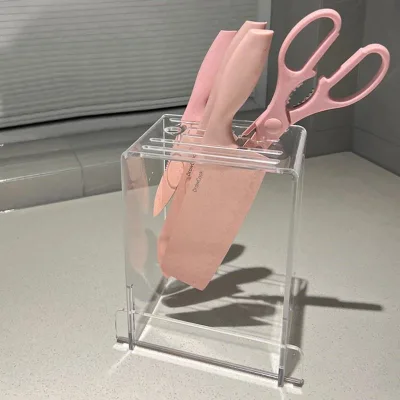
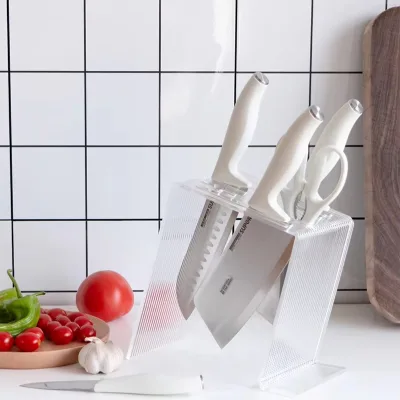
Multi Hole Transparent Acrylic Knife Storage Rack Multifunctional Kitchen Storage Rack
$3.90 - $5.90
MOQ: 1 pieces
Caoxian Kangyi Wood Products Co., Ltd.
- Manufacturer, Trading Company
- Lead time旺季: "1 - 1000":35,"> 1000":"To be negotiated", 淡季: "1 - 1000":35,"> 1000":"To be negotiated"
- Avg. response≤ 2h
Main productsWooden Tableware, Serving Trays, Small Furniture, Wooden Outdoor Goods

Henan Zlovy Enterprise Co., Ltd.
- Trading Company
- Henan, China
- Lead time1 days
- Avg. response≤ 7h
Main productsCoffee Pot,Coffee Tools,Water Bottle,Home Appliances,Baking Tools
Main marketsNorth America(35.00%), Western Europe(20.00%), Mid East(20.00%), Southeast Asia(15.00%), South America(10.00%)

YANGJIANG GILLY METAL PLASTIC PRODUCTS LTD
- Trading Company
- GUANGDONG, China
- Lead time30 days
- Avg. response≤ 4h
Main productsknife sharpener,knife set,cookware,kitchen gadgets,kitchenware
Main marketsCentral America(15.00%), North America(15.00%), Mid East(10.00%), Northern Europe(10.00%), Africa(10.00%), South America(10.00%), Domestic Market(5.00%), South Asia(5.00%), Southern Europe(5.00%), Oceania(5.00%), Eastern Europe(5.00%), Western Europe(5.00%)
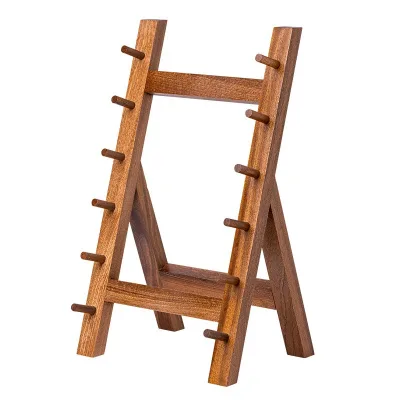
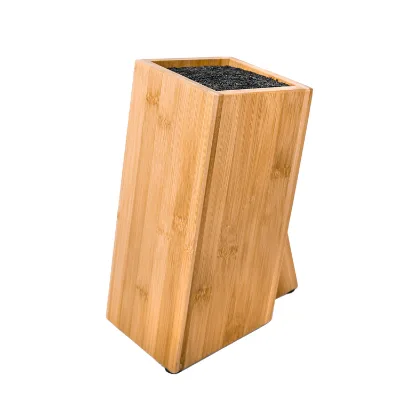
$5.00 - $5.50
MOQ: 500 pieces
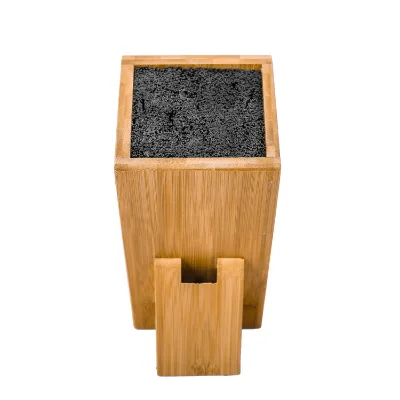
$5.0928 - $5.6018
MOQ: 500 pieces
Zhejiang Hynawin E-Commerce Co., Ltd.
- Manufacturer, Trading Company
- Zhejiang, China
- Lead time15 days
- Avg. response≤ 5h
Main productsStorage Shelf,LED Light,Craft Items
Main marketsNorth America(40.00%), Eastern Asia(15.00%), Northern Europe(10.00%), Western Europe(6.00%), Domestic Market(5.00%), Southern Europe(5.00%), Central America(5.00%), Eastern Europe(5.00%), Oceania(3.00%), South Asia(2.00%), South America(1.00%), Mid East(1.00%), Africa(1.00%), Southeast Asia(1.00%)

- Combined
- China Zhejiang
- Lead time30 days
- Avg. response≤ 11h
Main productsButcher Knife, Meat Grinder Knife, Commercial Kitchen Knives, Slaughtering Knives, Butchery Supply Knives Tools, Meat Mincer Knives Blades
Main marketsSouth America,Africa,Southeast Asia/ Mideast,East Asia(Japan/ South Korea),Domestic,Europe,Australia,North America


Wire Mesh Stainless Steel Knife Racks Storages Baskets for Butchers Chefs Knives Professional
Negotiable
MOQ: 1000 Pieces

Wall or Table Mounted ABS Knife Racks Storages Holders Magnetic Knife Racks Bars
Negotiable
MOQ: 1000 Pieces

Dongguan Jimi Household Products Co., Ltd.
- Verified by TüVRheinland
- Trading Company
- Lead time20 days
- Avg. response≤ 5h
Main productsSpice Rack, Dish Rack, Microwave Oven Rack, Vegetable Basket Rack, Tool Holder
Main marketsSoutheast Asia(35%), North America(15%), Eastern Europe(15%)

Jinhua Hengyang Cross-Border Trade Limited Liability Company
- Verified by SGS
- Trading Company
- China Zhejiang
- Lead time15 days
- Avg. response≤ 9h
Main productsCoffee Maker Air Fryer Storage Box Knife Set, Silicone Baking Mold Robot Vacuum Cleaning Table, Shower Head Non-Slip Shower Curtain Vacuum Stora, Collapsible Laundry Basket Bohemian Wall Tapestr, Fringe Pillow Cover Bedding Set Memory Foam Pill, Bamboo Tissue Biodegradable Trash Bags LED Fair, Smart Plug Fairy Lights Pet Food Bowl, Household Daily Necessities Kitchen Cleaning, Bathroom Storage and Care Fabric Home Decor, Bedding Daily Chemical Paper Products
Main marketsEurope

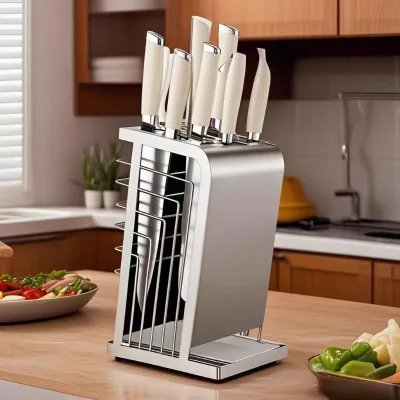
Kitchen Countertop Knife Rack Shelf Integrated Kitchen Knife Drainage Organizer
$2.23 - $2.78
MOQ: 120 Pieces


Kitchen Knife Storage Rack Stainless Steel Kitchen Supplies Appliances Storage
$3.17 - $3.97
MOQ: 100 Pieces

Stainless Steel Knife Holder Organizer Kitchen Utensil Shelf Random Insertion Storage Boxes
$1.91 - $2.38
MOQ: 150 Pieces
Huizhou Bailiang Industry Co., Ltd.
- Manufacturer
- Guangdong, China
- Lead time15 days
- Avg. response≤ 2h
Main productskitchen storage hardware,kitchen organizer rack,household hardware,metal material products
Main marketsDomestic Market(40.00%), Eastern Europe(15.00%), North America(10.00%), South America(10.00%), Southeast Asia(8.00%), Mid East(5.00%), Northern Europe(5.00%), Africa(2.00%)

Dongguan Aimeicheng Technology Co., Ltd.
- Trading Company
- Guangdong, China
- Lead time7 days
- Avg. response≤ 9h
Main productsStainless Steel Kitchen Sink, Stainless Steel Showerhead Sets, Kitchen Rack, Stainless Steel Faucet
Main marketsNorthern Europe(30.00%), Western Europe(20.00%), North America(10.00%), South America(10.00%), Southern Europe(10.00%), Central America(10.00%), Mid East(10.00%)
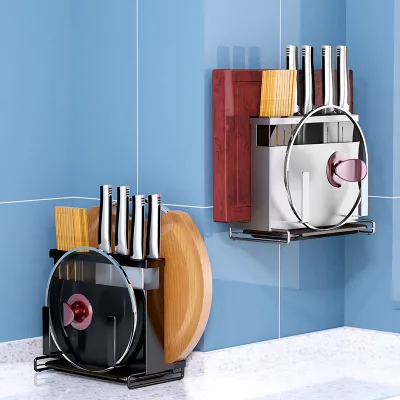
Wall-Mounted Stainless Steel Knife Holder Kitchen Unique Storage Shelf Dish Drying Rack
$6.6452 - $9.8443
MOQ: 2 Minimum
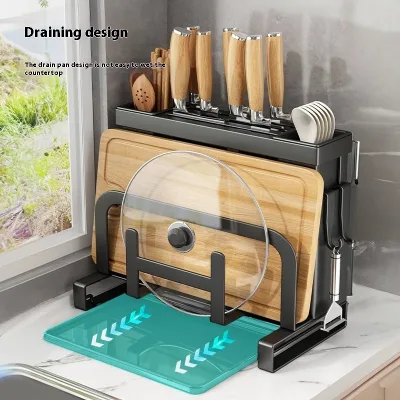

Heze Nature Home Furnishing Products Co., Ltd.
- Manufacturer, Trading Company
- Shandong, China
- Lead time30 days
- Avg. response≤ 8h
Main productsMetal Coffee table,Wall Shelves,Wooden Boxes,Wooden Furniture,wine rack
Main marketsNorth America(40.00%), Northern Europe(20.00%), Eastern Asia(8.00%), Western Europe(5.00%), Eastern Europe(5.00%), Mid East(5.00%), Domestic Market(5.00%), Southeast Asia(5.00%), South America(2.00%), Africa(2.00%), Central America(1.00%), South Asia(1.00%), Southern Europe(1.00%)

- Verified by TUVRHEINLAND
- Trading Company
- China Zhejiang
- Lead time15 days
- Avg. response≤ 4h
Main productsHome, Kitchen, Outdoors, Garden, Sports, Travel, Pet Supplies
Main marketsNorth America
Changxing Grand Home Products Co., Ltd.
- Verified by SGS Group
- Trading Company
- Lead time30 days
- Avg. response≤ 2h
Main productsCutting Boards; Cheese Boards, Bamboo Organizer; Storage Baskets; Racks; Storage Bags; Mesh Bags, Bread Bags, Placemats
Main marketsWestern Europe(35%), North America(20%), Eastern Europe(20%)
Fuzhou Bridge Trading Co., Ltd.
- Verified by TüVRheinland
- Manufacturer, Trading Company
- Lead time45 days
- Avg. response≤ 2h
Main productsCutting Board, Cheese Board, Bamboo Drawer Organizer, Bath Tray, Bamboo Storage Box
Main marketsNorth America(60%), Western Europe(40%)
Dongguan Yunxiang Wooden Handicrafts Co., Ltd.
- Verified by TüVRheinland
- Manufacturer, Trading Company
- Lead time30 days
- Avg. response≤ 3h
Main productsWood Products, Wooden Lid, Wooden Box, Wooden Toy, Wood Kitchenware
Main marketsDomestic Market(39%), North America(20%), Southeast Asia(10%)
Cao County Jinpengyuan Container Packaging Co., Ltd.
- Verified by SGS Group
- Manufacturer, Trading Company
- Lead time30 days
- Avg. response≤ 4h
Main productsOak Barrel, Wooden Box, Wood Tray, Fumigator, Cutting Board
Main marketsDomestic Market(30%), North America(15%), South America(10%)
Caoxian Keyu Arts & Crafts Factory
- Verified by SGS Group
- Manufacturer, Trading Company
- Lead time30 days
- Avg. response≤ 3h
Main productsWood Crafts, Wooden Boxes, & Wall Signs, Wooden & Bamboo Packaging, Wooden Home & Garden Products
Main marketsNorth America(45%), Domestic Market(30%), Western Europe(10%)

Xiamen Ebei Import & Export Co., Ltd.
- Verified by CTI
- Trading Company,Manufacturer/Factory
- China Fujian
- Lead time45 days
- Avg. response≤ 2h
Main productsEco-Friendly Products, Bamboo Tableware, Bamboo Furniture, Bamboo Kitchenware, Bamboo Office Supply, Bamboo Fibre Products, Biodegradable Products, Bamboo Towel, Solar Energy Products, Bamboo Garden Products
Main marketsSouth America,Eastern Europe,Mid East,North America,Southeast Asia,Eastern Asia,Oceania,Western Europe,Africa






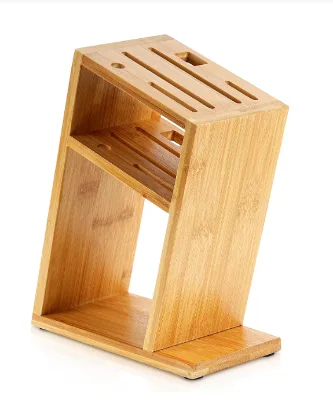
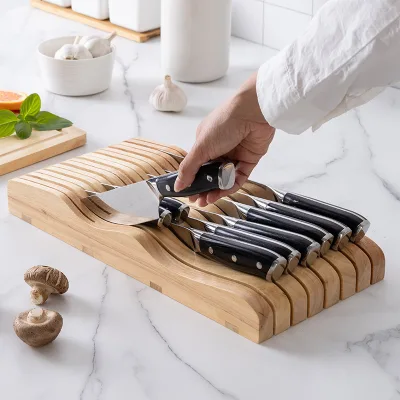
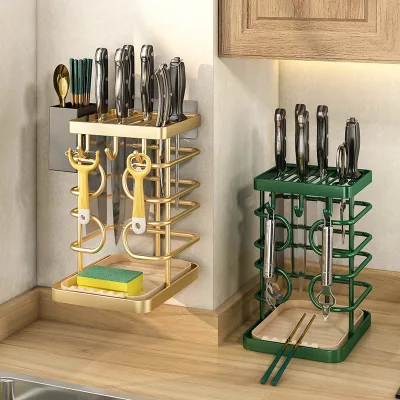
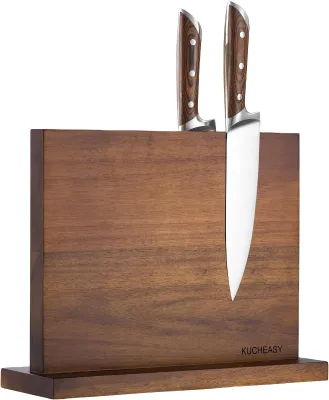
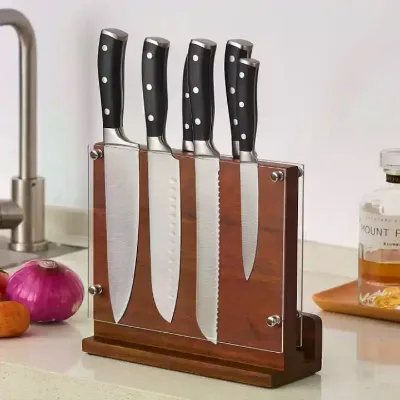





Comprehensive Sourcing Guide
Modern Solid Wood Knife Rack Supplier Concentration and Factory Types
The current supplier landscape for modern solid wood knife racks reveals a distinct geographic concentration in China, with specific manufacturing hubs identified in Jiangsu and Shandong provinces. Suppliers located in Jiangsu often operate as trading companies, focusing on a broad array of household supplies and home decoration items, including kitchen storage solutions. This suggests that buyers sourcing from this region may encounter intermediaries who aggregate products from various workshops rather than direct factory outlets. In contrast, suppliers based in Shandong, China, present a mixed operational model, with some entities functioning as both manufacturers and trading companies. This dual role is particularly relevant for solid wood products, where the proximity to timber resources and established woodworking clusters can influence both production capabilities and supply chain efficiency. The presence of these specific locations provides a tangible anchor for buyers to assess the logistical and operational realities of sourcing wooden kitchen accessories, allowing for more targeted supplier outreach and clearer expectations regarding the origin of materials and finished goods.
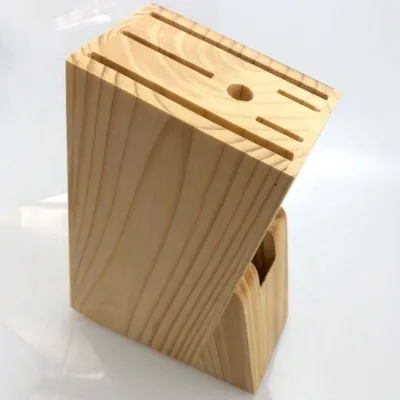
Factory types vary significantly across these regions, impacting the buyer’s ability to customize and scale orders. Suppliers in Jiangsu are explicitly categorized as trading companies, which may offer a wider variety of non-wooden items like glass ornaments or ceramic tableware alongside wooden racks, potentially indicating a broader sourcing network. Conversely, Shandong-based suppliers highlight their manufacturing capabilities, with some listing themselves as manufacturers. This distinction is critical for buyers seeking direct control over production processes, material selection, and quality assurance. The Shandong suppliers also emphasize specific materials such as pine wood and bamboo, indicating a specialization in natural, sustainable materials that align with the modern minimalist aesthetic. Understanding these factory types allows buyers to determine whether they are engaging with a direct producer who can offer bespoke modifications or a trading entity that provides convenience and variety but may have less direct oversight over the manufacturing floor. This structural difference directly influences lead times, customization options, and the overall flexibility of the supply chain for modern solid wood knife racks.
How to Verify Modern Solid Wood Knife Rack Suppliers
Verification is a critical step in ensuring the reliability of suppliers offering modern solid wood knife racks, particularly when dealing with international trade. One key indicator of supplier credibility is the presence of third-party verification badges, such as those from TÜV Rheinland. This type of verification suggests that the supplier has undergone rigorous audits regarding their business legitimacy, production capacity, and quality management systems. Buyers should prioritize suppliers who display such certifications, as they provide an additional layer of security and confidence in the supplier’s operational standards. Additionally, the response time of a supplier can serve as a proxy for their operational efficiency and customer service quality. Suppliers with faster response times, such as those averaging around one hour, are likely more engaged and responsive to buyer inquiries, which is crucial for negotiating terms and resolving issues promptly. This metric helps buyers gauge the supplier’s readiness to handle complex orders and their commitment to maintaining clear communication throughout the procurement process.
Beyond verification badges and response speeds, buyers should scrutinize the specific product attributes and certifications listed for the modern solid wood knife racks. For instance, some products may carry CARB (California Air Resources Board) certification, which is essential for ensuring that the wood products meet strict formaldehyde emission standards, particularly if the goods are destined for markets with stringent environmental regulations. Buyers must verify that the supplier can provide valid documentation for such certifications and that the products match the claimed specifications. Furthermore, examining the supplier’s main products can reveal their area of expertise. Suppliers focusing on household adornment and kitchen storage are likely more specialized in this niche than those with a disparate range of unrelated items. By cross-referencing verification status, response efficiency, product certifications, and product focus, buyers can construct a comprehensive profile of each supplier’s reliability and suitability for their specific sourcing needs, thereby mitigating the risks associated with unverified or underqualified vendors.
What to Compare Across Modern Solid Wood Knife Rack Suppliers
When evaluating suppliers for modern solid wood knife racks, buyers must carefully compare key operational metrics to determine the best fit for their business needs. One of the most significant factors is the Minimum Order Quantity (MOQ), which can vary widely depending on the supplier’s production model and location. For example, some suppliers may require an MOQ of 50 units, making them suitable for smaller businesses or trial orders, while others may set the MOQ at 200 or 300 units, catering to larger volume purchasers. This disparity directly impacts inventory management and cash flow, so buyers should align their order sizes with their sales forecasts and storage capabilities. Additionally, the price range for these products is another critical comparison point. Prices for modern solid wood knife racks can range from approximately $3.56 to $11.00 per unit, depending on factors such as material quality, design complexity, and customization options. Buyers should analyze these price points in conjunction with the MOQ to calculate the total landed cost and determine the most cost-effective supplier for their specific volume requirements.
Lead times and customization capabilities are also essential dimensions for comparison. Suppliers may offer different lead times, with some providing a standard lead time of 30 days, while others may have longer production cycles, such as 25-35 days, especially for customized orders. Buyers should assess whether the supplier’s lead times align with their inventory replenishment schedules and market demand cycles. Furthermore, the availability of customization services, such as logo printing, custom packaging, or specific wood finishes, can be a decisive factor for brands looking to differentiate their products. Some suppliers explicitly state that customization is available, while others may offer only stocked items. By comparing these operational details, buyers can identify suppliers that not only offer competitive pricing and reasonable MOQs but also provide the flexibility and speed necessary to support their business strategy. This holistic comparison ensures that the selected supplier can meet both the quantitative and qualitative demands of the Modern Solid Wood Knife Rack market.
Common Modern Solid Wood Knife Rack Sourcing Risks
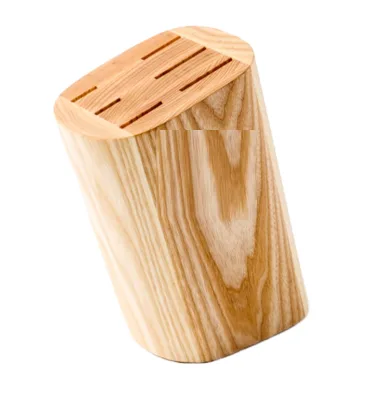
Sourcing modern solid wood knife racks from international suppliers introduces several potential risks that buyers must proactively manage. One significant risk is the variability in material quality and consistency. Since these products are made from natural materials like pine wood or bamboo, variations in grain, color, and texture are inherent. Buyers must ensure that suppliers have robust quality control processes in place to minimize defects and ensure that the finished products meet the specified standards. Additionally, the risk of non-compliance with environmental and safety regulations is a concern, particularly if the supplier claims certifications such as CARB without providing valid documentation. Buyers should request proof of these certifications and conduct independent verification if necessary to avoid potential legal issues or product recalls in their target markets. Another risk is the discrepancy between the sample and the bulk production. Suppliers may provide high-quality samples but fail to maintain the same standard in mass production, leading to customer dissatisfaction and returns.
Logistical and communication risks also pose challenges in the sourcing process. Delays in production or shipping can disrupt supply chains, especially if the supplier has a history of missed deadlines or poor communication. Buyers should monitor supplier response times and track order progress closely to identify potential bottlenecks early. Furthermore, the risk of intellectual property infringement is a concern if buyers are working with custom designs or proprietary logos. It is essential to have clear contracts and non-disclosure agreements in place to protect intellectual property rights. Additionally, buyers should be aware of the potential for hidden costs, such as customs duties, taxes, and freight charges, which can significantly impact the total cost of ownership. By understanding and mitigating these risks through thorough due diligence, clear communication, and robust contractual agreements, buyers can ensure a smoother and more secure sourcing experience for modern solid wood knife racks, ultimately protecting their brand reputation and bottom line.
Modern Solid Wood Knife Rack Regional Sourcing and Logistics
The geographic location of suppliers plays a pivotal role in determining the logistics and shipping costs associated with modern solid wood knife racks. Suppliers located in Jiangsu and Shandong provinces in China offer distinct logistical advantages and challenges. Jiangsu, being a major industrial hub, often has well-developed infrastructure and access to major ports, which can facilitate efficient export operations. However, as many suppliers in this region are trading companies, buyers may need to coordinate with multiple entities, potentially complicating the logistics chain. In contrast, suppliers in Shandong, which is known for its woodworking industry, may offer more direct access to raw materials and manufacturing facilities. This proximity can reduce lead times and transportation costs for raw materials, potentially resulting in more competitive pricing for finished goods. Buyers should consider the specific location of their chosen supplier when planning their logistics strategy, as it can impact shipping routes, transit times, and overall supply chain resilience.
Logistics planning also involves considering the packaging and dimensions of the products, which affect shipping efficiency. Modern solid wood knife racks are often packaged in cartons or customized packaging, with specific dimensions that influence container loading capacity. Buyers should work with suppliers to optimize packaging designs to maximize space utilization and reduce shipping costs. Additionally, the weight of the products, such as the single gross weight of 1.5 kg for some items, must be factored into freight calculations. Buyers should also be aware of the potential for damage during transit, especially for wooden products that may be susceptible to moisture or impact. Implementing proper packaging solutions and selecting reliable freight forwarders can mitigate these risks. Furthermore, understanding the import regulations and duties in the buyer’s home country is essential for accurate cost estimation and compliance. By carefully analyzing the regional sourcing advantages and logistical implications, buyers can develop a robust supply chain strategy that minimizes costs and ensures the timely delivery of modern solid wood knife racks to their customers.
Modern Solid Wood Knife Rack Commercial Terms and Order Planning
Commercial terms and order planning are fundamental aspects of successfully sourcing modern solid wood knife racks from international suppliers. Payment terms, such as T/T (Telegraphic Transfer), are commonly used and should be clearly defined in the contract to protect both parties. Buyers should negotiate favorable payment terms, such as a deposit followed by payment upon shipment or against a copy of the bill of lading, to manage cash flow and mitigate financial risk. Additionally, understanding the supplier’s sample policy is crucial for order planning. Some suppliers may charge for samples, while others may offer them for free or deduct the cost from the bulk order. Buyers should factor in sample costs and lead times when planning their product development and launch schedules. Furthermore, the supplier’s delivery time, which can range from 25 to 35 days, must be integrated into the buyer’s inventory management system to avoid stockouts or excess inventory.
Order planning also involves considering the scalability of the supplier’s production capacity. Buyers should assess whether the supplier can handle increased order volumes without compromising quality or lead times. This is particularly important for businesses planning to expand their product lines or enter new markets. Additionally, buyers should evaluate the supplier’s flexibility in handling order modifications or cancellations, as market demands can fluctuate. Clear communication regarding order specifications, including size, material, and customization requirements, is essential to prevent misunderstandings and ensure that the final products meet the buyer’s expectations. By establishing robust commercial terms and implementing a strategic order planning process, buyers can build a reliable and efficient supply chain for modern solid wood knife racks. This approach not only minimizes operational risks but also enhances the buyer’s ability to respond to market changes and customer demands, ultimately driving business growth and profitability in the competitive home storage and organization sector.
FAQs
What is the price range for modern solid wood knife racks?
Prices for these racks typically range from $3.56 to $11.00 per unit. The cost varies based on material and customization options. Plastic models start around $5.50, while solid wood or multi-functional designs may reach $11.00. Buyers should check specific product listings for exact pricing tiers and volume discounts.
What is the minimum order quantity for these racks?
Minimum order quantities vary significantly by supplier and product type. Some plastic storage racks require a minimum of 50 units. Wooden knife holders often have higher thresholds, such as 200 or 300 pieces. Buyers must verify the specific MOQ for each item to ensure it aligns with their procurement volume.
How long does delivery take for these kitchen organizers?
Standard lead times are approximately 30 days for many suppliers. Some manufacturers offer faster delivery windows, such as 25 to 35 days for wooden items. Sample times can range from 7 to 15 working days. Buyers should confirm production schedules with suppliers before placing bulk orders to avoid delays.
Are these racks customizable for branding or design?
Customization is available for many modern knife racks. Suppliers offer options for customized logos, packaging, and specific dimensions. Some products allow for material selection, such as pine wood or plastic. Buyers seeking branded solutions should contact suppliers directly to discuss customization capabilities and any associated costs or minimum requirements.
Where are these suppliers located?
Suppliers for these racks are primarily located in China. Key manufacturing hubs include Jiangsu and Shandong provinces. These regions are known for producing household storage solutions and wooden crafts. Buyers can filter search results by these locations to find suppliers with established supply chains and relevant export experience.
What certifications do these products have?
Many modern knife racks carry CARB certification, ensuring compliance with formaldehyde emission standards. This is common for wooden and composite material products. Buyers should verify specific certification documents for each product listing. Additional safety or quality standards may apply depending on the material and target market regulations.