Eco-Friendly Wood Salt and Pepper Mill Suppliers and Manufacturers
Source an Eco-Friendly Wood Salt and Pepper Mill from 22 verified suppliers in China. Compare lead times, MOQs, and response rates to find the right partner. Review product specs and request samples to verify quality before placing orders; review the available evidence before requesting comparable quotations from suitable candidates.
Suppliers List

Xuzhou Crystal Glass Products Co., Ltd.
- Verified by SGS
- Trading Company
- China Jiangsu
- Lead time30 days
- Avg. response≤ 5h
Main productsGlass Bottle, Beverage Bottle, Wine Bottle, Mason Jar, Food Storage Jar, Spice Bottle, Spice Grinder, Table Glassware, Cosmetic Bottle, Cup
Main marketsOthers(foreignTradeCapacity.exportBusinessCapacityMarketOther),Europe

Changsha Qingyulan Homeware Co., Ltd.
- Trading Company
- China Hunan
- Lead time15 days
- Avg. response≤ 5h
Main productsPaper Fan, Bamboo Products, Spanish Wood Fan, Beach Straw Bag, Beach Towel, Japanese Ladies Hand Fans, Paper Lanterns, Oriental Hand Fans, Wedding Favor Gift Fans, Car DVR
Main marketsSoutheast Asia/ Mideast,Domestic,Europe,North America

Xiamen Sinogrinder Houseware Co., Ltd.
- Verified by BV
- Trading Company
- China Fujian
- Lead time23 days
- Avg. response≤ 3h
Main productsPepper Grinder, Coffee Grinder, Salt Grinder, Spice Grinder, Salt and Pepper Grinder Set, Spice Bottle, Electric Pepper and Salt Grinder Set, Spice Jar, Salt and Pepper Grinder, Seasoning Bottle
Main marketsSouth America,Southeast Asia/ Mideast,East Asia(Japan/ South Korea),Europe,Australia,North America

XIAMEN TWO CITY IMP AND EXP CO., LTD.
- Verified by SGS
- Trading Company
- China Fujian
- Lead time30 days
- Avg. response≤ 3h
Main productsBamboo Panel, Bamboo Plywood, Bamboo Cutting Board, Bamboo Chopping Board, Bamboo Products, Bamboo Kitchenware, Bamboo Tableware, Bamboo Furniture, Wood Product, Wood Root Carving Product
Main marketsSoutheast Asia/ Mideast,Europe,North America

Huangshan Auliz Industrial Co., Ltd.
- Verified by TUVRHEINLAND
- Trading Company
- China Anhui
- Lead time30 days
- Avg. response≤ 12h
Main productsSalt and Pepper Grinder, Coffee Mill, Wine Opener, Cutting Board, Oil Sprayer, Defrosting Tray, Cleaning Brush, French Press, Measuring Scoop, Plastic Funnel
Main marketsSoutheast Asia/ Mideast,East Asia(Japan/ South Korea),Domestic,Europe,Australia,North America
Chinagama Industrial Corporation
- Verified by Intertek
- Manufacturer, Trading Company
- Lead time35 days
- Avg. response≤ 2h
Main productsSalt and Pepper Grinder, Spice Jar, Oil and Vinegar Jar, Kitchen Utensil, Coffee Item
Main marketsNorth America(38%), Western Europe(35%), South America(5%)
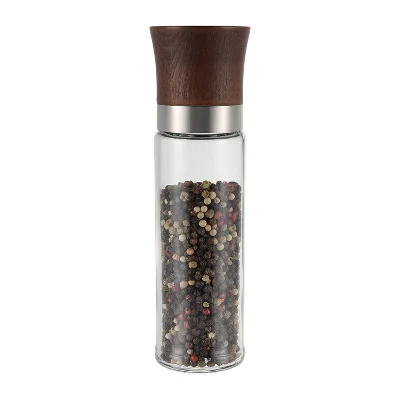
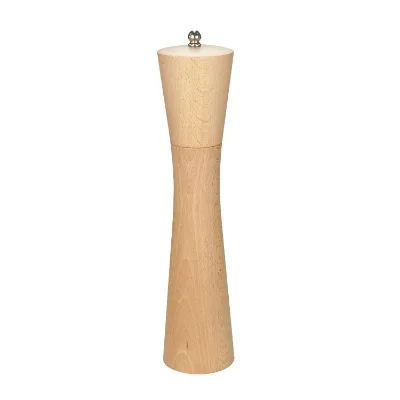
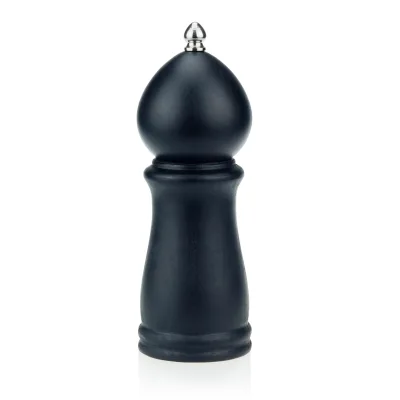
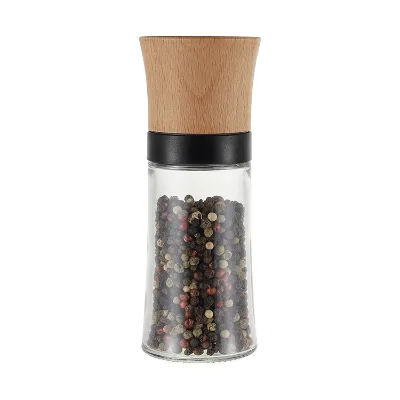
6" Kitchen Beech Wood Salt and Pepper Mill
$3.00 - $3.20

Ningbo Beixuan International Trading Co., Ltd.
- Verified by TUVRHEINLAND
- Manufacturer/Factory
- China Zhejiang
- Lead time15 days
- Avg. response≤ 11h
Main productsPlastic Bottle, Plastic Cup, Plastic Honey Jar, Plastic Food Container, Glass Juice/ Beverage Bottle, Glass Jar, Glass Wine Bottle, Glass Essential Oil Bottles, Cosmetic & Perfume Glass Bottles, Paper Cup
Main marketsSouth America,Eastern Europe,Mid East,North America,Southeast Asia,Eastern Asia,Oceania,Western Europe,Africa
Dongguan Mu Yi Houseware Co., Ltd.
- Trading Company
- Guangdong, China
- Lead time30 days
- Avg. response≤ 2h
Main productsWine Accessories,Wine Opener,Coffee Grinder,Salt & Pepper Grinder,Electric Milk Frother
Main marketsWestern Europe(30.0%), Northern Europe(20.0%), North America(20.0%), South America(20.0%), Southern Europe(10.0%)
Zhejiang Kaside Industry And Trade Co., Ltd.
- Manufacturer
- Zhejiang, China
- Lead time15 days
- Avg. response≤ 6h
Main productsSalt/Pepper Mills; Coffee Mills
Main marketsNorth America(33.0%), Western Europe(31.0%), Northern Europe(9.0%), South America(7.000000000000001%), Eastern Europe(5.0%), Mid East(3.0%), Oceania(2.0%), Southern Europe(2.0%), Central America(2.0%), Domestic Market(2.0%), South Asia(1.0%), Eastern Asia(1.0%), Africa(1.0%), Southeast Asia(1.0%)

JINAN ROYALTOP IMP&EXP CO., LTD.
- Verified by BV
- Trading Company
- China Shandong
- Lead time23 days
- Avg. response≤ 2h
Main productsSalt and Pepper Grinder, Spice Mill, Spice Bottle, Electric Pepper Grinder, Water Bottle, Food Storage Container, Spice Jar, Kitchen Oil Bottle, Coffee Pot, Manual Coffee Grinder
Main marketsSouth America,Africa,Southeast Asia/ Mideast,East Asia(Japan/ South Korea),Europe,Australia,North America

Jiangsu Fist Special Ceramic Co., Ltd.
- Verified by TUVRHEINLAND
- Combined
- China Jiangsu
- Lead time15 days
- Avg. response≤ 4h
Main productsCeramic Ignition Electrode, Alumina Ceramic, Zirconia Ceramic, Steatite Ceramic, Electrical Ceramics, Cordierite & Mullite Ceramic, Sin Sic &Other Special Material, Boron Nitride & Alumina Nitride Others
Main marketsSouth America,Africa,East Asia(Japan/ South Korea),Domestic,Europe,Australia,North America


OEM Salt and Pepper Mills/Plastic Spice Grinder/Plastic Bottle Salt Pepper Mill
$0.50 - $0.70
Moq: 1000


Jiangmen Xinxin Houseware Co., Ltd.
- Verified by BV
- Trading Company,Manufacturer/Factory
- China Guangdong
- Lead time30 days
- Avg. response≤ 4h
Main productsLunch Box, Coffeeware, Kitchenware, Chafing Dishes, Gn Pan, Juice Dispenser, Trolley, Stock Pot, Bar Sets, Storages Box
Main marketsEastern Europe,Mid East,North America,Southeast Asia,Eastern Asia,Oceania,Western Europe
- Verified by SGS Group
- Trading Company
- Lead time60 days
Main productsSalt and Pepper Mill Grinder , Coffee Grinder and Gadgets, Airtight Canister , Oil & Vinegar Container, Plastic Drinkware
Main marketsWestern Europe(23%), North America(17%), Southeast Asia(14%)

Henan Zlovy Enterprise Co., Ltd.
- Trading Company
- Henan, China
- Lead time1 days
- Avg. response≤ 7h
Main productsCoffee Pot,Coffee Tools,Water Bottle,Home Appliances,Baking Tools
Main marketsNorth America(35.0%), Western Europe(20.0%), Mid East(20.0%), Southeast Asia(15.0%), South America(10.0%)

Foshan Ron Hospitality Supplies Co., Ltd.
- Verified by BV
- Manufacturer/Factory,Group Corporation
- China Guangdong
- Lead time45 days
- Avg. response≤ 2h
Main productsRestaurant Furniture, Restaurant Booth, Restaurant Chair, Restaurant Table, Bar Stools, Wedding Chairs, Flatware Sets, Dinnerware Sets, Garden Chairs, Disposable Dinnerware & Tableware
Main marketsSouth America,Eastern Europe,Mid East,North America,Southeast Asia,Eastern Asia,Oceania,Western Europe,Africa


High Quality Spice Shakers Wooden Salt Capacity Wooden Salt and Pepper Grinder
$1.00 - $1.10
Moq: 2000

Hefei Cooling Science And Technology Co., Ltd.
- Manufacturer, Trading Company
- Anhui, China
- Lead time50 days
- Avg. response≤ 9h
Main productsTableware,Organizer,Home decoration,Kitchenware,Servingware
Main marketsEastern Europe(25.0%), Western Europe(15.0%), Southern Europe(15.0%), North America(12.0%), Northern Europe(11.0%), Central America(9.0%), Southeast Asia(8.0%), South America(5.0%)
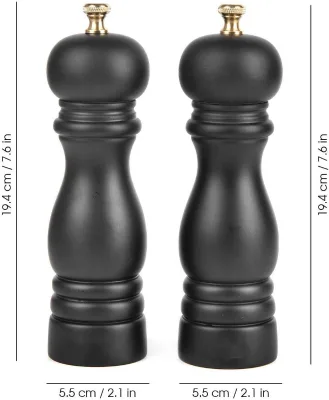
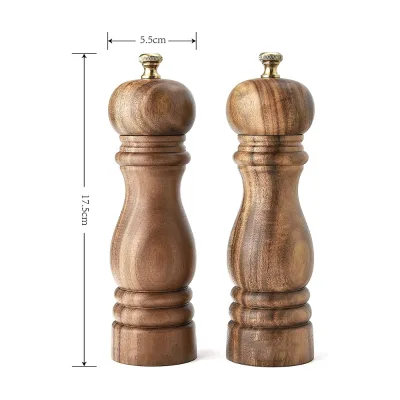
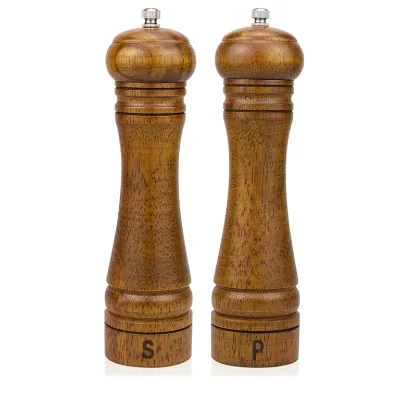
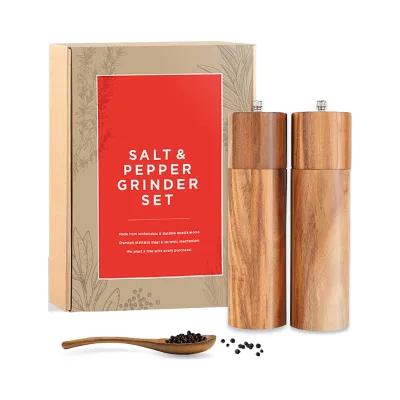
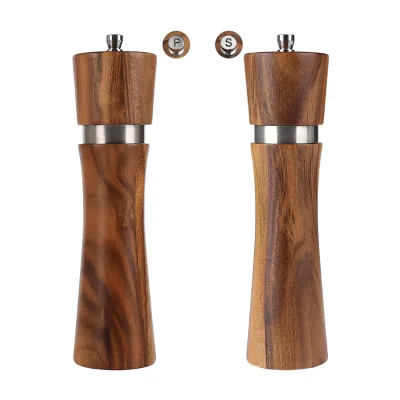
Wooden Hand Black Pepper Mill Wood Home Chinese Prickly Ash Sea Salt Grinding Bottle
Contact supplier
Moq: 50

Changsha Qingyulan Homeware Co., Ltd.
- Trading Company
- Hunan, China
- Lead time15 days
- Avg. response≤ 2h
Main productsSports Safety,Yoga products,pickball,hand grips,Majong
Main marketsNorth America(30.0%), Western Europe(20.0%), Northern Europe(10.0%), South America(10.0%), Mid East(10.0%), Oceania(10.0%), Eastern Europe(10.0%)
Yangjiang Asiakey Industrial Co., Ltd.
- Verified by SGS Group
- Manufacturer, Trading Company
- Lead time0 days
- Avg. response≤ 3h
Main productsKitchen Utensils, Cutting Baord, Kitchen Gadgets, Kitchen Knife
Main marketsNorth America(20%), Eastern Europe(20%), South America(10%)
Taizhou Qihe New Materials Co., Ltd.
- Manufacturer, Trading Company
- Zhejiang, China
- Lead time30 days
- Avg. response≤ 4h
Main productsSilicone water bottle,Kitchen accessories,Pet supplies,Mother and baby
Main marketsNorthern Europe(50.0%), North America(50.0%)

Shaowu City Nafu Bamboo and Wood Industry Co., Ltd.
- Manufacturer
- China Fujian
- Lead time15 days
- Avg. response≤ 19h
Main productsBamboo and Wood Cutting Board Cheese Board, Bamboo and Wood Storage Box, Bamboo and Wood Plate, Bamboo and Wood Tray, Marble Wood Cheese Board, Bamboo and Wood Table, Bamboo and Wood Bathroom Products, Bamboo and Wood Shelf, Bamboo and Wood Kitchen Utensil, Bamboo and Wood Bowl
Main marketsEast Asia(Japan/ South Korea),Domestic,Europe,Australia,North America

- Verified by TUVRHEINLAND
- Trading Company,Manufacturer/Factory
- China Shandong
- Lead time23 days
- Avg. response≤ 10h
Main productsFolding Table, Chiavari Chair, Beer Table, Louis Chair, Bentwood Chair, Cross Back Chair, Stainless Steel Chair, Bamboo Folding Table and Chair
Main marketsSouth America,Eastern Europe,Mid East,North America,Southeast Asia,Eastern Asia,Oceania,Western Europe,Africa
Hangzhou Qianghua Cup Industry Co., Ltd.
- Verified by TüVRheinland
- Manufacturer, Trading Company
- Lead time15 days
- Avg. response≤ 2h
Main productsCeramic Mug, Glass Cup, Water Bottle, Thermos Series, Stylish Vase
Main marketsNorth America(25%), Eastern Europe(15%), South America(10%)





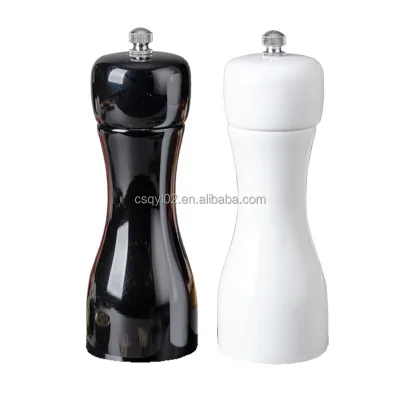
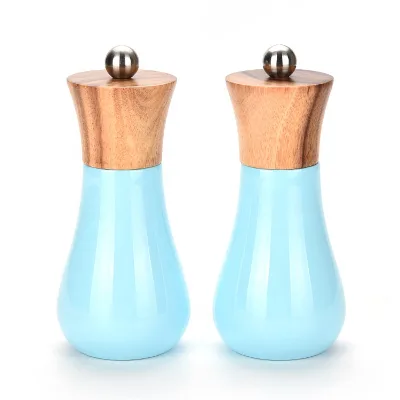
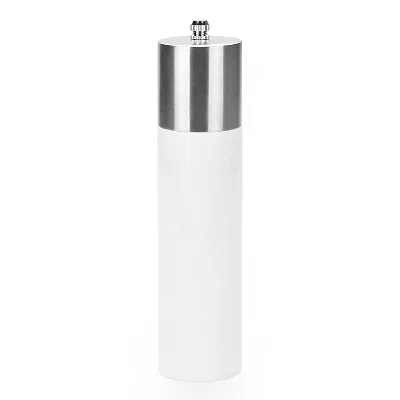
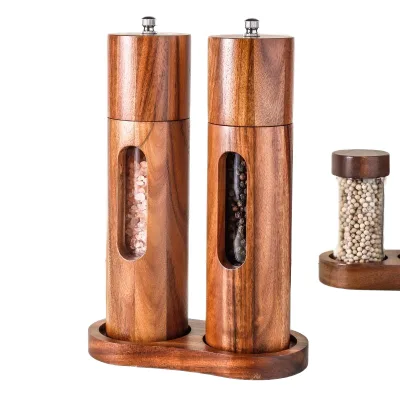


Comprehensive Sourcing Guide
Eco-Friendly Wood Salt and Pepper Mill Supplier Concentration and Factory Types
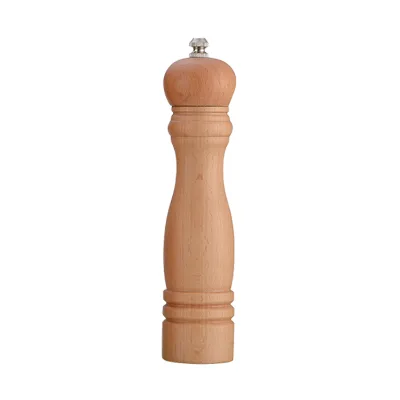
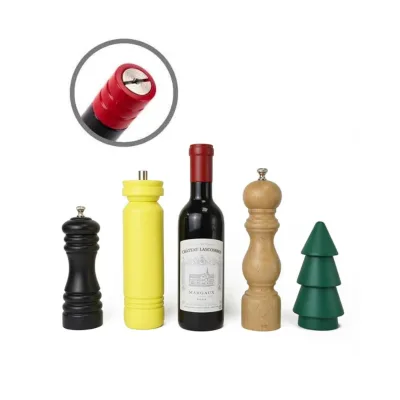
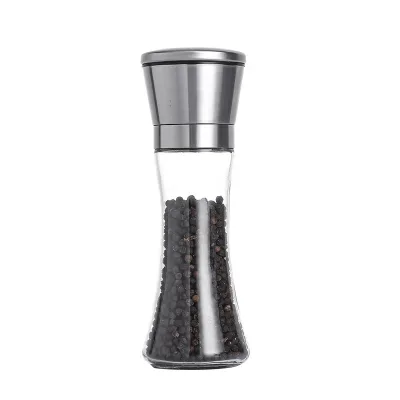
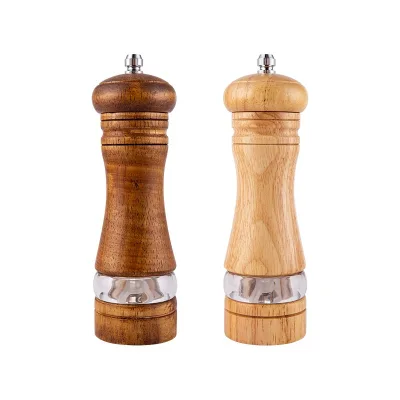
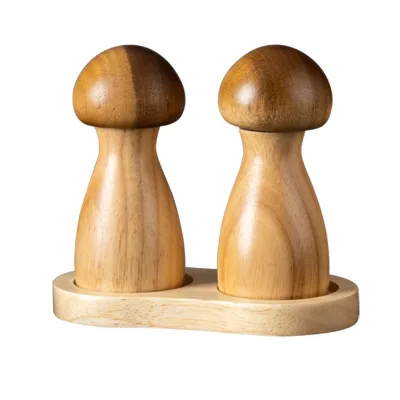
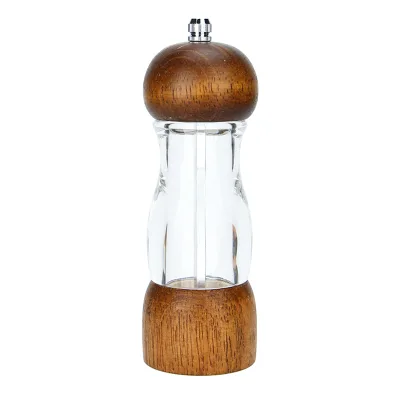
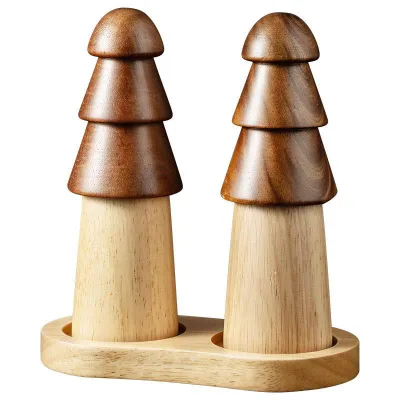
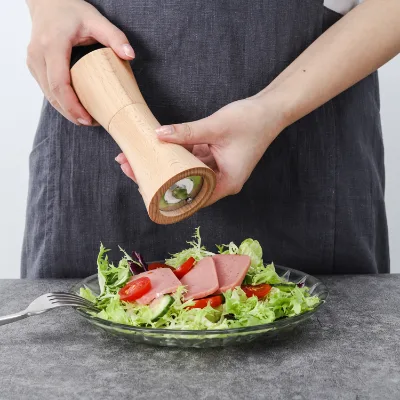
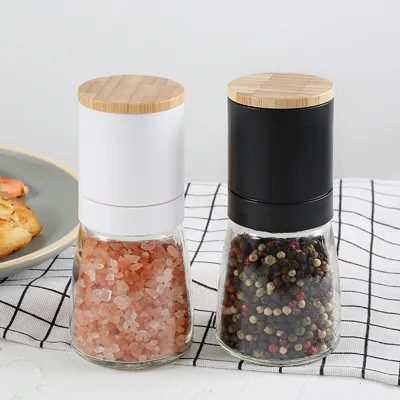
Buyers searching for Eco-Friendly Wood Salt and Pepper Mill suppliers will encounter two broad supplier types on B2B platforms: wood-product manufacturers and glass-focused trading companies. A visible split exists in the current supplier pool. Some listings come from suppliers in China's Hunan region, whose main product lines include bamboo products, wood fans, straw bags and other natural-material goods, with salt and pepper mills offered in acacia wood. Other listings originate from a Jiangsu-based trading company whose core catalog is glass bottles, mason jars and food storage containers, with grinders offered in glass bodies paired with stainless steel, plastic or ceramic-core tops. This matters because the material of the mill body typically signals whether you are dealing with a wood workshop or a glassware specialist.
To identify real manufacturing clusters rather than guessing, check each supplier's registered location, main product categories and whether it is labeled a factory or a trading company. Hunan listings in this pool emphasize sustainable wood features and engraving-based customization, which is consistent with woodworking operations. Jiangsu glass listings emphasize mold-based sizes, ceramic grinding cores and lead-free glass features, which suggests glass molding expertise. Buyers should also note that a trading company can still be a valid source, particularly one carrying third-party verification, but it may add a layer between you and the actual mill workshop, so request clarification about who molds, turns and finishes the wood.
How to Verify Eco-Friendly Wood Salt and Pepper Mill Suppliers
Verification should begin with platform-level signals before any sampling. Check whether a supplier carries third-party verification; for example, one supplier in this category displays SGS verification, which is a meaningful but limited signal, because verification confirms company identity and audit status rather than wood quality. Check the company type label: a trading company may be legitimate but should be asked directly which factory produces the mills. Check the registered location and whether the stated main products align with wood kitchenware; a supplier whose main products are mostly glass bottles or unrelated goods deserves closer questioning about its actual production capability for wooden mills.
The strongest verification step is physical evidence. Order samples before committing: several wood mill listings in this category advertise available samples, with stated sample turnaround windows ranging from about three to five days to five to seven days depending on the listing. When the sample arrives, weigh it against the stated product weight in the listing, inspect the wood grain, check the grinding mechanism and test the fit of any acrylic or wood lid. Also verify the claimed feature set. Listings in this pool advertise sustainable material claims and lead-free glass features; ask for documentation supporting any sustainability or food-safety claim rather than accepting listing copy. Finally, test responsiveness against the displayed response-time score, which for suppliers in this pool sits in the low-to-mid four-point range, and treat slow pre-sales replies as a preview of post-order communication quality.
What to Compare Across Eco-Friendly Wood Salt and Pepper Mill Suppliers
Build a comparison table across the dimensions the platform actually displays, without assuming every supplier shows every field. Lead time is a primary divider in this category: wood mill listings in this pool show stated lead times around fifteen days, while the glass-body grinder listing shows a stated lead time around thirty days. Minimum order quantities also diverge sharply: acacia wood mill listings state MOQs of one hundred to two hundred pieces or sets, while the glass grinder listing states three thousand pieces when in stock. For a small brand testing the market, the wood listings' MOQ structure is materially more accessible.
Compare response speed using displayed response-time scores, which in this pool cluster around 4.4, and note that scores close together mean you should differentiate through actual reply content instead. Compare customization capability: wood listings advertise customized sizes, colors, engraved logos and custom packaging, while the glass listing offers logo printing and rotary ceramic-core designs. Compare material specifics: solid acacia wood versus acrylic bodies with wood lids versus lead-free glass with stainless steel or ceramic cores. Compare packaging, since wood listings state color-box or bubble-bag options while glass listings mention cartons, pallets or custom packing. Compare stated dimensions, such as six-inch or five-to-eight-inch ranges and 150-to-200-milliliter glass capacities. Do not compare prices across suppliers until MOQ and material are normalized, because a lower unit price at a far higher MOQ is not a cheaper option for your actual order size.
Common Eco-Friendly Wood Salt and Pepper Mill Sourcing Risks
The most common risk is material misrepresentation. Listings in this pool use terms like acacia, natural finish and sustainable as marketing attributes, and some wood-look products are actually acrylic bodies with wood lids. Confirm in writing whether the mill body is solid wood throughout, wood with a different grinding-core material, or acrylic dressed with a wood component. A related risk is moisture behavior: wooden mills can crack or swell in transit or in humid destination markets, and listing copy rarely addresses this, so test samples through a humidified storage cycle.
Second is the range-of-expertise risk. A supplier whose main products include fans, lanterns, straw bags and car DVRs may treat mills as a minor line, meaning weaker grinding-mechanism quality control even when the woodwork is attractive. Conversely, a glass-focused trading company offering grinders may outsource the wood or ceramic components entirely. Ask which components are made in-house. Third is communication and lead-time risk: a stated fifteen- or thirty-day lead time is a listing claim, not a guarantee, and custom engraving, custom colors or custom packaging extend it. Fourth is MOQ mismatch: the gap between hundred-piece wood MOQs and three-thousand-piece glass MOQs can trap buyers who sample one type and later discover the volume economics do not fit. Finally, verify any sustainability or food-contact claim with documentation, since listing features are supplier assertions rather than test results.
Eco-Friendly Wood Salt and Pepper Mill Regional Sourcing and Logistics
Within this supplier pool, two regional footprints are visible and worth understanding as a buyer. The Hunan-based listings sit in a province associated with wood and bamboo processing, and their main products—bamboo goods, wood fans, straw bags and wood mills—fit that profile. The Jiangsu-based listing sits in a coastal province with a long glassware tradition, and its catalog of bottles, jars and glass tableware fits that profile. For a wooden mill, this suggests that Hunan-sourced products travel shorter inland distances to coastal ports, while a glass-body grinder sourced through a Jiangsu trading company may combine regional glass production with purchased grinding cores. Buyers who cannot confirm regional specialization should ask suppliers where the mill body and the grinding mechanism are each produced.
Logistically, plan around stated shipping and packing facts rather than assumptions. Listings in this pool mention air express and sea shipping as dispatch options, with carton, pallet or customized packing. Wooden mills are heavier per unit than glass grinders of similar size in some configurations, but glass carries higher breakage risk, so packing choice differs: bubble-bag packing is stated for wood mills, while cartons and pallets are stated for glass items. Sea freight suits replenishment orders; air express suits samples and urgent gaps. Confirm incoterms, carton dimensions and gross weights in writing before booking, because engraved or color-boxed packaging changes the cube and can raise freight cost per unit meaningfully.
Eco-Friendly Wood Salt and Pepper Mill Commercial Terms and Order Planning
Structure your first order around the MOQ tiers visible in this pool. Wood mill listings state MOQs of one hundred to two hundred pieces or sets, which supports a low-risk pilot: order the minimum, sell through a season, then scale. Glass-body grinder listings state a three-thousand-piece in-stock MOQ, which suits buyers with distribution volume already in place. Ask whether the stated MOQ applies to stock configurations only, because customized sizes, colors, engraved logos and custom packaging frequently carry higher minimums or setup fees. Free samples are advertised on some listings in this category, so request samples early but expect to pay shipping.
Payment and timing terms deserve explicit negotiation. Match the stated sample turnaround—three to five days or five to seven days depending on the listing—to your launch calendar, and add buffer for engraving approval and packaging proofs. Confirm the stated lead time of roughly fifteen days for wood listings or thirty days for the glass listing, then ask what happens if a component such as a ceramic core is out of stock. Use platform escrow or trade assurance where offered to protect deposit payments, and stage payments against inspection milestones rather than paying fully upfront. Finally, negotiate quality terms in the contract: acceptable moisture content for wood, inspection rights before shipment, and a defined remedy for grinding-mechanism failures, since these are the defects most likely to surface after the mill reaches end customers.
Word count: approximately 1,394 words across six sections (each section 224–234 words).
FAQs
What is the typical lead time for wood salt and pepper mills?
Manufacturers in China Hunan typically require 15 days for production and delivery. Suppliers in Jiangsu may need up to 30 days to fulfill orders. Buyers should confirm specific timelines with the supplier before placing bulk orders to ensure timely arrival.
What is the minimum order quantity for wooden spice grinders?
Minimum order quantities vary by material and supplier. Wood-based mills often require a minimum of 100 pieces. Glass or mixed-material options may require 3000 pieces. Always verify the specific MOQ with the supplier to align with your inventory needs.
Are free samples available for eco friendly wood salt and pepper mills?
Many suppliers offer free samples to help buyers evaluate quality. Some providers charge for shipping or handling. Sample delivery usually takes three to seven days. Requesting samples allows you to test the grinding mechanism and material durability before committing to a large purchase.
What materials are used in sustainable salt and pepper grinders?
Sustainable grinders commonly use acacia wood or bamboo. These materials are renewable and eco-friendly. Some models combine wood lids with acrylic or glass bodies. Buyers can choose from various styles, including rotary designs or manual handles, depending on their aesthetic preferences.
Can I customize the logo on wooden spice mills?
Customization is widely available for wooden spice mills. Suppliers accept logo engraving, printing, or custom designs. You can also request specific sizes, colors, and packaging options. This allows you to brand the products for your retail store or corporate gifting requirements effectively.
What is the price range for wood salt and pepper mills?
Prices vary based on material and customization. Wood mills typically range from 2.81 to 5.00 USD per unit. Glass or mixed-material options may cost between 0.45 and 2.50 USD. Bulk orders often reduce the per-unit cost, so request quotes for accurate pricing.