Kitchen Funnel Suppliers and Manufacturers in China
Explore 29 verified suppliers offering Kitchen Funnel options with varying lead times, response speeds, and certifications like BSCI and SEDEX. Buyers can compare prices, MOQs, and customization capabilities before contacting factories directly; review the available evidence before requesting comparable quotations from suitable candidates.
Updated
Suppliers List

Yangjiang Feehome Tech Co., LTD
- Verified by TUVRHEINLAND
- Trading Company,Manufacturer/Factory,Group Corporation,Other
- China Guangdong
- Lead time23 days
- Avg. response≤ 3h
Main productsKitchen Knives, Outdoor Knives, Nail Clippers, Kitchen Ware, Tea Infuser, BBQ Tools, Multi Function Tools, Kitchen Tools, Baking Tools, Coffee Tools
Main marketsSouth America,Eastern Europe,Mid East,North America,Southeast Asia,Eastern Asia,Oceania,Western Europe,Africa


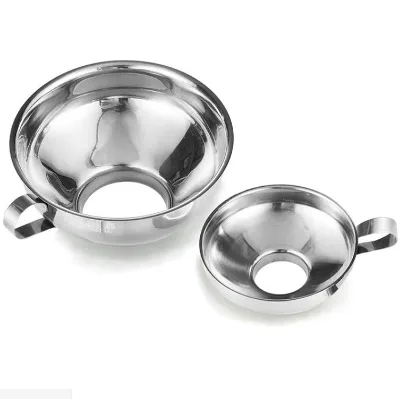
Kitchen Wide Mouth Canning Stainless Steel Jam Funnel Multi-Purpose Canning Funnel
$1.99
MOQ: 2000 Pieces


Eagle Catering Equipment Co., Ltd.
- Manufacturer/Factory
- China Guangdong
- Lead time30 days
- Avg. response≤ 10h
Main productsTrolleys, Gastronorm Containers, Table, Shelves, Sink, Barrier Post, Cookware, Buffetware, Barware, Kitchen Utensils
Main marketsSouth America,Eastern Europe,Mid East,North America,Southeast Asia,Eastern Asia,Oceania,Western Europe,Africa
Yangjiang Ceasen Industry & Trade Co., Ltd.
- Manufacturer, Trading Company
- Guangdong, China
- Lead time35 days
- Avg. response≤ 10h
Main productsBakeware,Barware,Kitchen gadgets,Kitchen utensil,Barbecue tools
Main marketsWestern Europe(20.70%), Eastern Europe(15.20%), Northern Europe(14.00%), Southern Europe(10.10%), South America(10.00%), Domestic Market(5.80%), Mid East(5.60%), North America(5.30%), Central America(5.00%), Southeast Asia(4.40%), South Asia(2.10%), Africa(1.00%), Eastern Asia(0.40%), Oceania(0.40%)
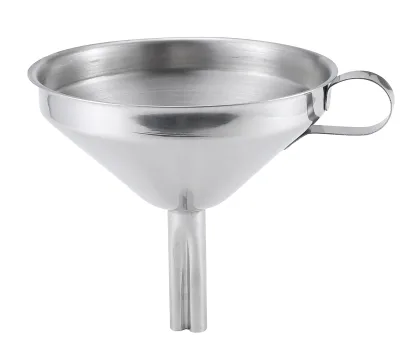
Kitchen Accessories Stainless Steel Kitchen Funnel/Oil Funnel Strainer Jam Funnel
$0.90 - $1.50
MOQ: 1000
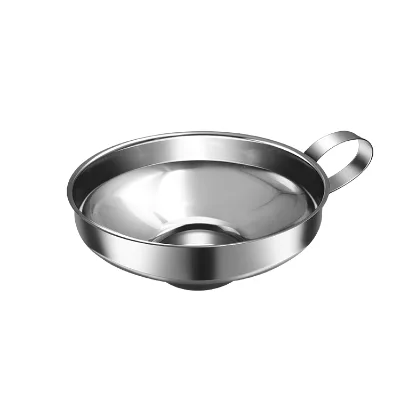
Stainless Steel Wide-Mouth Funnel with Handle for Jam Canning for Home Kitchen Use
$0.78 - $1.00
MOQ: 1000

Heavybao Commercial Kitchenware Co., Ltd.
- Verified by SGS
- Combined
- China Guangdong
- Lead time30 days
- Avg. response≤ 3h
Main productsRestaurant Equipment / Catering Equipment, Kitchen Equipment / Fast Food Equipment, Cooking Equipment / Bakery Equipment, Coffee Urn / Coffee Maker / Coffee Percolator, Electric Grill / Deep Fryer / Electric Fryer, Gn Pan/Toaster / Salamander / Waffle Maker, Dog Wash / Dog Cage / Pet Bathtub / Pet Dryer, Workbench / Working Table / Folding Table, Trolley Cart / Trolley / Service Trolley / Cart, Buffet Chafing Dish / Food Warmer / Chafing Dish
Main marketsSouth America,Europe,North America

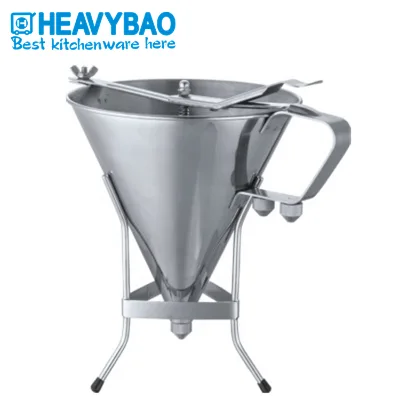
Heavybao Food Grade Kitchen Funnel Metal Cooking Funnel for Transferring of Liquid
$2.86 - $12.00
MOQ: 100 Pieces

Heavybao Kitchen Stainless Steel Hopper Cake Cream Funnel for Bakery Baking
$3.65 - $4.14
MOQ: 100 Pieces


WELSHINE COMMERCIAL EQUIPMENT CO. LTD
- Verified by TUVRHEINLAND
- Combined
- China Guangdong
- Lead time60 days
- Avg. response≤ 2h
Main productsGn Pans, Storage Boxes, Storage Containers, Trays, Trolley, Glass Rack, Barrel, Tote Boxes, Bin, Jug
Main marketsDomestic
Chaozhou City Chaoan District Caitang Town Hongyuan Hardware Products Factory
- Verified by SGS Group
- Manufacturer, Trading Company
- Lead time6 days
- Avg. response≤ 3h
Main productsStainless Steel Plate, Stainless Steel Basin, Stainless Steel Pot, Stainless Steel Square Plate, Stainless Steel Bowl
Main marketsNorth America(25%), Southeast Asia(20%), Western Europe(20%)

Hot Selling Kitchen Oil Funnel Metal Drinking Beer Funnel Cup Stainless Steel Funnel
$0.40 - $0.58
MOQ: 400 Minimum


Qingdao Brother Rubber Co., Ltd.
- Manufacturer, Trading Company
- Shandong, China
- Lead time5 days
- Avg. response≤ 3h
Main productsRubber moulded parts,Rubber injection parts,Rubber extrusion profile,plastic extursion profile,Plastic injection products.
Main marketsNorth America(30.00%), Oceania(20.00%), Western Europe(20.00%), Northern Europe(10.00%), Eastern Europe(10.00%), Eastern Asia(10.00%)

Milesun Rubber & Plastic Technology Co., Ltd.
- Verified by CTI
- Manufacturer/Factory
- China Guangdong
- Lead time23 days
- Avg. response≤ 12h
Main productsRubber Components, Rubber Damper/Shock Absorber/Sheet, Rubber-Metal Components, Sealing Ring, Home Appliance Rubber and Metal Components, Power Tool Rubber and Metal Components, Auto Rubber and Metal Components, Sanitary Rubber and Metal Components, Kitchen Ware / Daily Use Rubber Products, Food Grade Rubber Products/Toy
Main marketsSouth America,Eastern Europe,Mid East,North America,Southeast Asia,Eastern Asia,Oceania,Western Europe,Africa

Xiamen Zhongying Electronic Technology Co., Ltd.
- Verified by SGS
- Combined
- China Fujian
- Lead time15 days
- Avg. response≤ 7h
Main productsPlastic Products, Rubber Ring, Sealing Ring, Gasket
Main marketsSoutheast Asia/ Mideast,Australia,North America


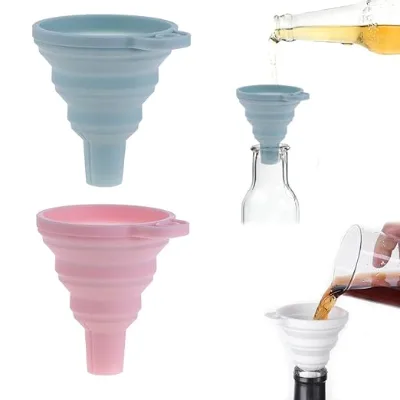
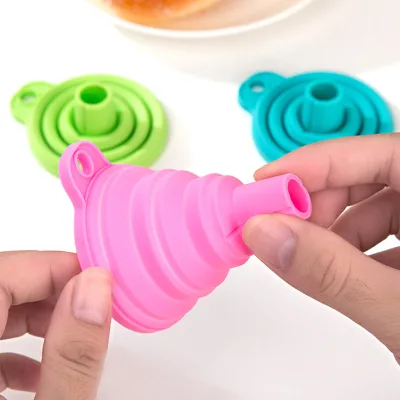
Multifunctional Food-Grade Silicone Folding Funnel for Liquid & Powder Transfer
$0.12 - $0.22
MOQ: 500 Pieces

Food Grade Silicone Foldable Funnel Kitchen Utensil for Liquid & Powder Use
$0.15 - $0.22
MOQ: 500 Pieces

Dongguan Guibaoquan Rubber Technology Co., Ltd.
- Verified by TUVRHEINLAND
- Combined
- China Guangdong
- Lead time15 days
- Avg. response≤ 3h
Main marketsDomestic

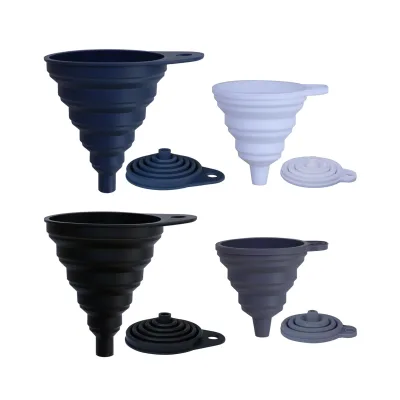
Heat-Resistant Silicone Funnel for Kitchen - Perfect for Cooking and Filling
$0.68 - $0.78
MOQ: 1000 Pieces

Silicone Funnel for Cooking - Heat Resistant Kitchen Tool for Easy Filling
$0.68 - $0.78
MOQ: 1000 Pieces

Food Grade Silicone Funnel, Multi-Purpose Kitchen Liquid Transfer Funnel with Hanging Hole
$0.68 - $0.78
MOQ: 1000 Pieces


Durable Silicone Funnel for Kitchen - Transfer Oil Sauce and Liquids Easily
$0.68 - $0.78
MOQ: 1000 Pieces

Multi-Purpose Silicone Funnel - Kitchen Cooking Tool for Hot and Cold Liquids
$0.68 - $0.78
MOQ: 1000 Pieces

Zhongshan Xinyuan Silicone Rubber Co. Ltd
- Verified by TUVRHEINLAND
- Combined
- China Guangdong
- Lead time15 days
- Avg. response≤ 2h
Main productsSilicone Mold, Silicone Ice Cube Tray, Silicone Wristband, Silicone Tea Infuser, Silicone Bakeware, Silicone Keychain, Silicone Cup Coaster, Silicone Bag
Main marketsSouth America,Southeast Asia/ Mideast,Domestic,Europe,North America
Yangjiang Yigo Kitchen Products Co., Ltd.
- Trading Company
- Guangdong, China
- Lead time30 days
- Avg. response≤ 7h
Main productsKitchen Utensils,Kitchen Accessories,Bakeware,Bar Accessories,Hot Selling Stock Products
Main marketsNorth America(30.00%), South America(20.00%), Northern Europe(15.00%), Southeast Asia(15.00%), Domestic Market(10.00%), South Asia(10.00%)

Zhongshan Mingxin Silicone Manufactory
- Verified by SGS
- Combined
- China Guangdong
- Lead time15 days
- Avg. response≤ 4h
Main productsSilicone Kitchenware, Silicone Keypaid, Silicone Bracelet, Silicone Wristband, Silicone Ashtray, Silicone Tube, Silicone Watch, Silicone Rubber, Silicone Sex Doll, Silicone Mold
Main marketsEurope,North America

for Oil Hopper Flexible Eco-Friendly Wholesale Kitchen Beer Food Grade Funnel
$0.19 - $0.28
MOQ: 100 Pieces

$0.22 - $0.28
MOQ: 1000 Pieces


Kitchenware Flexible Foldable Collapsible Silicone Rubber Oil Water Funnel
$0.19 - $0.28
MOQ: 500 Pieces

Promotional Great Kitchen Tool Mini Silicone Foldable Silicone Oil Funnel
$0.22 - $0.28
MOQ: 1000 Pieces

Jiangmen Xiangsheng Stainless Steel Kitchenware Co., Ltd.
- Verified by SGS Group
- Manufacturer, Trading Company
- Lead time45 days
- Avg. response≤ 7h
Main productsStock Pot, Homebrew Equipment, Kitchen Sink, Cart, Kitchenware
Main marketsNorth America(40%), Northern Europe(10%), Domestic Market(10%)

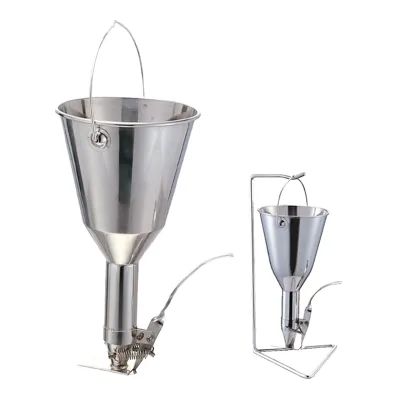
Xiangsheng Commercial Stainless Steel Oil Funnel Kitchen Piston Funnel for Cake Shop
$15.6047 - $20.8068
MOQ: 20 pieces

$15.00 - $20.00
MOQ: 20 pieces


Xiangsheng Commercial Stainless Steel Tapered Sirup Funnel With Standing Piston Funnel
$15.00 - $20.00
MOQ: 20


Huangshan Auliz Industrial Co., Ltd.
- Manufacturer, Trading Company
- Anhui, China
- Lead time30 days
- Avg. response≤ 4h
Main productsSalt And Pepper Mill, Coffee Grinder, Oil Sprayer, Wine Opener, Cutting Board
Main marketsNorth America(50.00%), Western Europe(11.00%), Southern Europe(10.00%), Northern Europe(10.00%), Eastern Europe(10.00%), Oceania(2.00%), South Asia(1.00%), Eastern Asia(1.00%), South America(1.00%), Central America(1.00%), Africa(1.00%), Mid East(1.00%), Southeast Asia(1.00%)
Yiwu JC Import & Export Co., Ltd.
- Verified by Intertek
- Trading Company
- Lead time10 days
- Avg. response≤ 2h
Main productsShaker Bottle, Vacuum Bottle, Umbrella, Kitchen Utensil, Tableware
Main marketsNorth America(50%), South America(10%), Mid East(10%)

Chaozhou City Chao'an District Jinshi Town Jiaqier Stainless Steel Products Factory
- Manufacturer
- Guangdong, China
- Lead time15 days
- Avg. response≤ 1h
Main productsstainless steel kettle,Stainless steel lunch box,stainless steel disc,Stainless steel pot,stainless steel basin
Main marketsDomestic Market(20.80%), Africa(13.00%), Southeast Asia(11.50%), Eastern Asia(10.00%), South Asia(10.00%), Mid East(9.00%), Southern Europe(5.50%), South America(5.00%), Northern Europe(3.30%), Western Europe(3.30%), Central America(3.20%), Oceania(2.90%), Eastern Europe(1.50%), North America(1.00%)

Shenzhen Kingod Silicone Products Co., Ltd
- Verified by TUVRHEINLAND
- Combined
- China Guangdong
- Lead time15 days
- Avg. response≤ 2h
Main productsBaby Set, Baby Products, Baby Goods, Breast Pump, Face Mask, Baby Bottle, Medical Components, Phone Case, Silicone Kitchen Products, Toys
Main marketsNorth America

Jinhua Hengyang Cross-Border Trade Limited Liability Company
- Verified by SGS
- Trading Company
- China Zhejiang
- Lead time15 days
- Avg. response≤ 9h
Main productsCoffee Maker Air Fryer Storage Box Knife Set, Silicone Baking Mold Robot Vacuum Cleaning Table, Shower Head Non-Slip Shower Curtain Vacuum Stora, Collapsible Laundry Basket Bohemian Wall Tapestr, Fringe Pillow Cover Bedding Set Memory Foam Pill, Bamboo Tissue Biodegradable Trash Bags LED Fair, Smart Plug Fairy Lights Pet Food Bowl, Household Daily Necessities Kitchen Cleaning, Bathroom Storage and Care Fabric Home Decor, Bedding Daily Chemical Paper Products
Main marketsEurope

Stainless Steel Mini Funnel Household Medium-Sized Oil Pouring Kitchen Dispenser Funnel
$0.34 - $0.43
MOQ: 710 Pieces

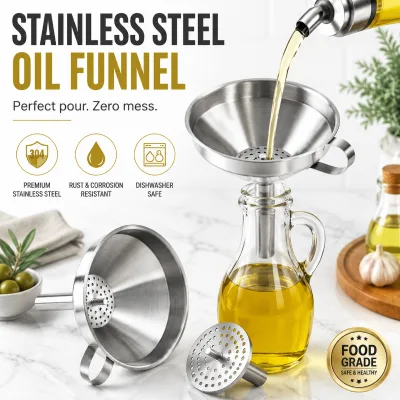
304 Stainless Steel Mesh Funnel Solid Juice Soybean Milk Strainer Funnel
$1.35 - $1.37
MOQ: 250 Pieces

Stainless Steel Square Wide Mouth Funnel Kitchen Supplies Appliances Storage
$1.21 - $1.51
MOQ: 200 Pieces

Stainless Steel Wide Mouth Funnel Thickened Kitchen Supplies Appliances Storage
$1.24 - $1.55
MOQ: 200 Pieces

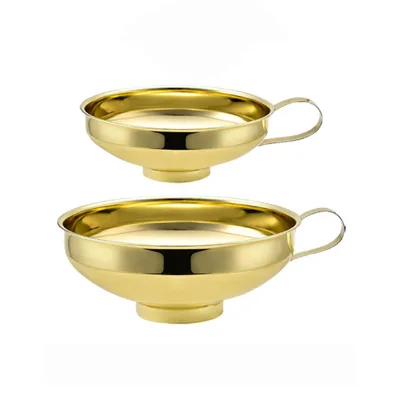
Gold-Plated Stainless Steel Wide-Mouth Funnel Large-Diameter Funnel Zihe Kitchen
$1.54 - $1.92
MOQ: 180 Pieces
Jinhua Hengyang Cross Border Trade Co., Ltd.
- Trading Company
- Zhejiang, China
- Lead time0 days
- Avg. response≤ 5h
Main productsKitchen,Housekeeping,Household Sundries,Home Decor,Hotel Supplies
Main marketsSouth Asia(10.00%), Central America(10.00%), Eastern Asia(10.00%), Mid East(10.00%), South America(10.00%), North America(10.00%), Domestic Market(5.00%), Oceania(5.00%), Southern Europe(5.00%), Northern Europe(5.00%), Africa(5.00%), Western Europe(5.00%), Southeast Asia(5.00%), Eastern Europe(5.00%)
Ningbo Equator Import And Export CO., Ltd.
- Verified by SGS Group
- Trading Company
- Lead time10 days
- Avg. response≤ 8h
Main productsAutomobile Accessories, Household Goods, Household Appliances, Electronic and Tool Equipment
Main marketsNorth America(20%), South America(15%), Eastern Europe(10%)

Huangshan Auliz Industrial Co., Ltd.
- Verified by TUVRHEINLAND
- Trading Company
- China Anhui
- Lead time30 days
- Avg. response≤ 15h
Main productsSalt and Pepper Grinder, Coffee Mill, Wine Opener, Cutting Board, Oil Sprayer, Defrosting Tray, Cleaning Brush, French Press, Measuring Scoop, Plastic Funnel
Main marketsSoutheast Asia/ Mideast,East Asia(Japan/ South Korea),Domestic,Europe,Australia,North America

One Hand Folding Mini Funnels Kitchenware Portable Colorful Silicone Funnel
$0.24 - $0.32
MOQ: 100 pieces


Custom Silicone Creative Retractable Kitchen Funnel Foldable Kitchen Transfer Funnels
$0.23 - $0.32
MOQ: 500 Pieces

Food Grade Foldable Silicone Funnel Custom Separator Collapsible Funnel for Liquid Powder Transfer
$0.25 - $0.32
MOQ: 100 pieces
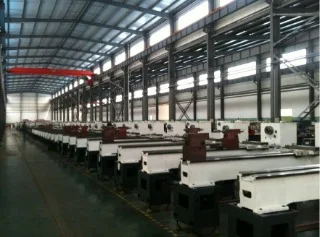
Suzhou Sunrise Technologies Ltd.
- Trading Company
- Jiangsu, China
- Lead time15 days
- Avg. response≤ 3h
Main productsTumblers, Bartender Kits, Lunch Box, Pizza Peel, BBQ Tools
Main marketsNorth America(50.00%), Western Europe(15.00%), South America(10.00%), Southern Europe(5.00%), Northern Europe(5.00%), Eastern Europe(5.00%), Southeast Asia(5.00%), Oceania(3.00%), Eastern Asia(2.00%)
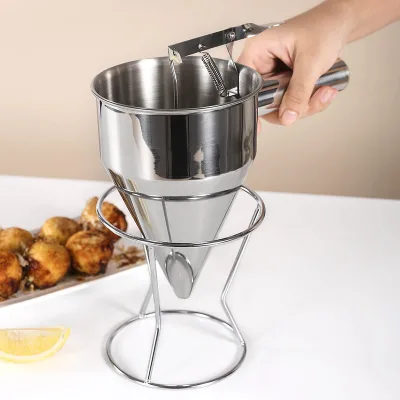
Baking Batter Dispenser Customised Kitchen Metal Oil Separatory Stainless Steel Funnel
$4.60 - $5.00
MOQ: 250 Minimum
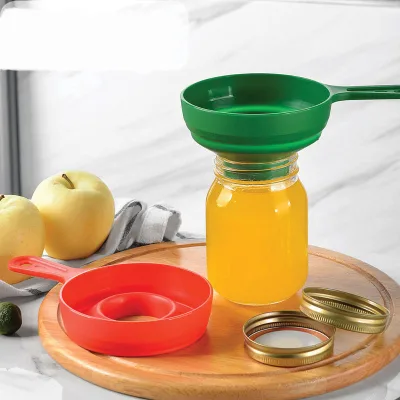
New Manufacturer Tool No Spill Wide Kitchen Separator Plastic Funnel Oil
$0.6242 - $0.7275
MOQ: 500 pieces
- Trading Company
- Zhejiang, China
- Lead time15 days
- Avg. response≤ 6h
Main productsDaily provisions,Beauty makeup tools,Wash bath things,Kitchen cleaner,hangers
Main marketsNorth America(30.00%), Western Europe(20.00%), South Asia(10.00%), Southeast Asia(10.00%), Eastern Asia(10.00%), Africa(10.00%), Central America(5.00%), Northern Europe(5.00%)
Shenzhen Hanchuan Industrial Co,.Ltd
- Verified by Intertek
- Manufacturer, Trading Company
- Lead time3 days
- Avg. response≤ 3h
Main productsSilicone Baby Placemat, Silicone Ice Tray, Silicone Collapsible Lunch Box, Silicone BBQ Gloves, Silicone Baby Bib
Main marketsNorth America(40%), Western Europe(30%), Eastern Europe(10%)
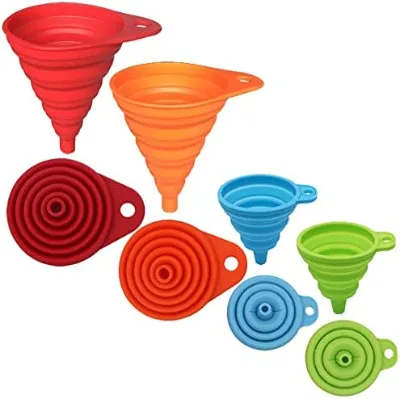
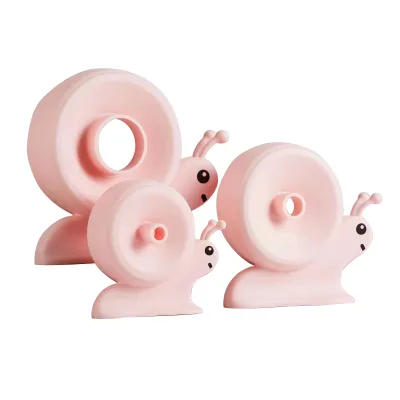
$3.1362 - $3.238
MOQ: 100 units
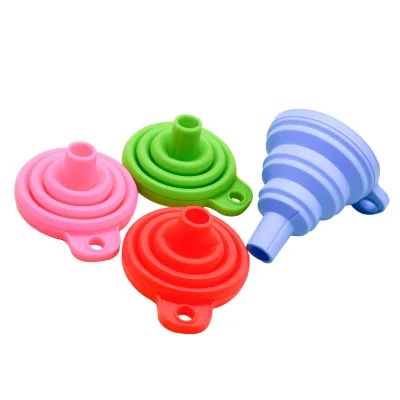
Guangdong Heavybao Commercial Kitchenware Co., Ltd.
- Verified by Intertek
- Manufacturer, Trading Company
- Lead time20 days
- Avg. response≤ 2h
Main productsService Trolleys & Carts, Electric Water Boiler & Coffee Urm, Working Table & Sink, Cutlery & Glassware Polishing Machine, Catering Equipment
Main marketsWestern Europe(20%), Southern Europe(20%), Northern Europe(15%)

Yishui Xinsen Stainless Steel Products Co., Ltd
- Verified by SGS
- Manufacturer
- China Shandong
- Lead time15 days
- Avg. response≤ 1h
Main productsStainless Steel Tank, Daily Chemical Reaction Vessel, Glue Dispensing Machine, Pressure Tank, Water Storage Tank, Palletizer, Stainless Steel Pressure Tank, Hot Melt Glue Dispenser Pressure Tank, PU Injection Machine Pressure Vessel, Composite Autoclave
Main marketsDomestic

Hot-Selling Stainless Steel Kitchen Funnel Eco-Friendly Modern Kitchen Tool
$11.00 - $15.00
MOQ: 1 Pieces

Economy Business Hotel Restaurant Kitchen Stainless Steel 304 Oil Filter Funnel
$13.00 - $19.00
MOQ: 1 Pieces

Kitchen Stainless Steel Funnel, Suitable for Transferring Liquid Essential Oils
$7.00 - $11.00
MOQ: 1 Pieces

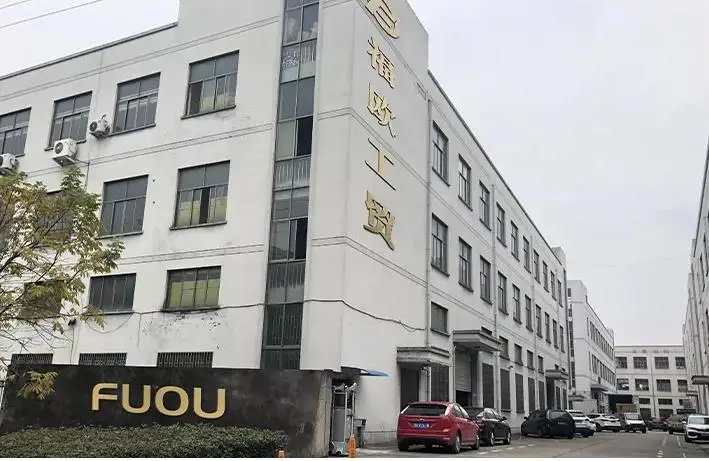
Yongkang Fuou Industry & Trade Co., Ltd.
- Manufacturer
- Zhejiang, China
- Lead time35 days
- Avg. response≤ 5h
Main productsCar Wash Stool,Tool Car,Mov Bucket,car wash bucket,car detailing
Main marketsDomestic Market(85.00%), North America(5.00%), South Asia(2.00%), Southeast Asia(2.00%), Oceania(1.00%), Eastern Europe(1.00%), Southern Europe(1.00%), Northern Europe(1.00%), Eastern Asia(1.00%), Mid East(1.00%)
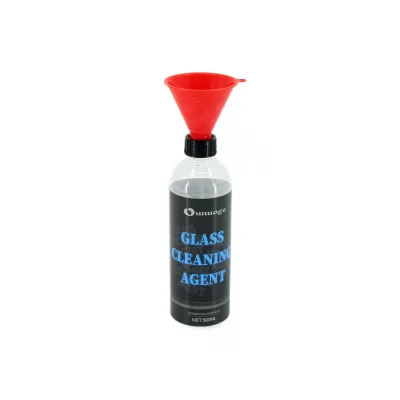
Mini Red Plastic Funnel High Quality Home Kitchens Economical and Practical Funnel
$1.60 - $2.50
MOQ: 1000 pieces
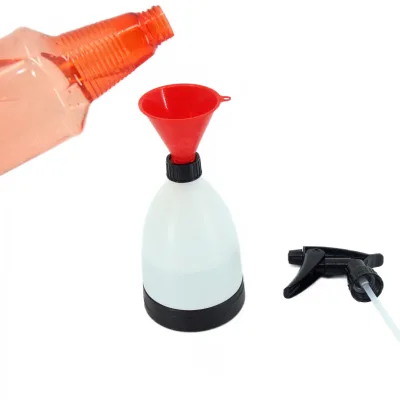
Manufacturers Direct Sales Plastic Household Funnel Multi-Functional Kitchen Water Oil Small Funnel
$1.60 - $2.50
MOQ: 1000 pieces
Shenzhen Hejia Industry Co., Ltd.
- Verified by SGS Group
- Trading Company
- Lead time0 days
- Avg. response≤ 7h
Main productsAluminium Tin, Pill Box , Vials Box, LED Stick




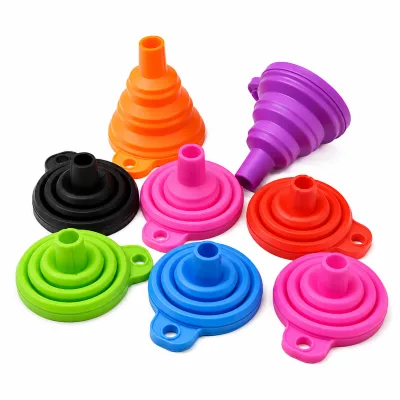
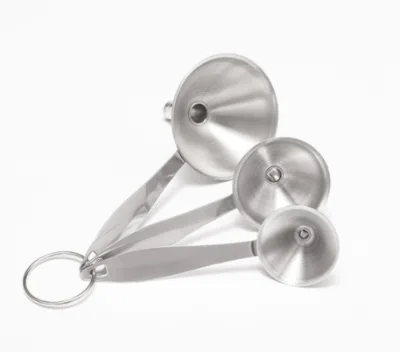
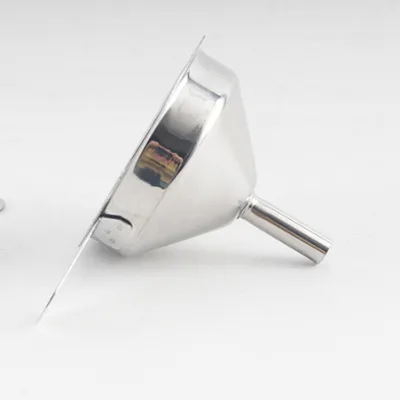
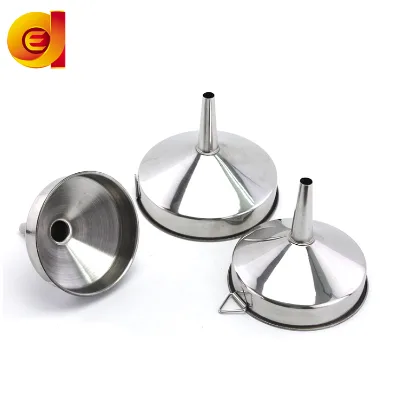







Comprehensive Sourcing Guide
Kitchen Funnel Supplier Concentration and Factory Types
Kitchen Funnel production sits within the broader metal kitchenware and kitchen tools manufacturing base in China, with supplier results in this category pointing to Guangdong as a sourcing location. Buyers should treat that regional signal as a starting point rather than a guarantee: within any province, funnel output can range from small stamping workshops that only cut, form and polish funnels, to full-line kitchen utensil factories whose catalogues span trolleys, gastronorm containers, cookware, sinks and kitchen utensils alongside funnels. When a listed location is confirmed in supplier data, use it to plan region-specific factory visits and consolidate shipments; when it is not, ask prospective suppliers directly for their registered address, factory address and any difference between the two.
Supplier type matters as much as geography. The results show a mix of trading companies, manufacturers/factories and group corporations supplying kitchen funnels, and each model changes how a buyer works. Manufacturers usually control tooling, material sourcing and production scheduling, which suits buyers who need custom diameters, detachable strainers or built-in filter designs. Trading companies aggregate products from several factories and can simplify communication, but they add a margin and may not control quality directly. Group corporations often combine both. Ask every candidate to state whether they produce funnels in-house, which production steps they outsource, and whether their OEM and ODM capacity covers your customization needs before you invest in sampling.
How to Verify Kitchen Funnel Suppliers
Verification should start with third-party evidence rather than self-declared claims. In this category, some supplier profiles carry a TÜV Rheinland verification badge, and system certifications such as BSCI, ASME and SEDEX appear on certain accounts. None of these appear universally, so treat each as a checkpoint to confirm, not an assumption. Ask the supplier for the certificate number, the audit scope and the audit date, then verify the number with the issuing body. A SEDEX or BSCI report tells you about social compliance; it does not confirm food-contact material quality, so request material documentation separately, especially for stainless steel funnels marketed with food grade or medical grade filtering claims.
Company-type and product evidence also need confirmation. A profile labelled Manufacturer/Factory should be backed by a business licence matching the factory address, photographs or a live video walkthrough of stamping and polishing lines, and an explanation of who owns the tooling for your funnel design. Trading companies should disclose their partner factories. Check whether the specific funnel models you saw — such as models with detachable strainers or wide-mouth canning designs — are listed with customization marked as available, and ask what customization actually covers: size, handle, packaging, logo or material thickness. Finally, contact responsiveness is a verifiable signal; response times shown in the results vary noticeably between suppliers, so test it yourself with a technical question rather than a generic enquiry.
What to Compare Across Kitchen Funnel Suppliers
Build a comparison table using the attributes suppliers actually display, and leave cells blank where evidence is missing rather than assuming values. Useful dimensions from this category include: lead time, which ranges in the results from around 23 days to around 30 days; minimum order quantity, where listed funnels span roughly 200 pieces on the low end to 2,000 pieces for some stainless steel models; response time, which differs substantially between suppliers; company type; verification status; and main product lines, since a factory whose catalogue is dominated by kitchen knives, BBQ tools or nail clippers may treat funnels as a side item, while a commercial kitchenware maker may run them as core volume.
Price is only meaningful alongside specification and scale. Listed funnel prices in this category range from under one dollar to around two dollars per unit, but those figures attach to different models — a basic stainless steel Kitchen Funnel, a wide-mouth canning funnel with strainer, and a multi-size commercial funnel are not equivalent products. Compare price per model against material, size (for example 100mm, 120mm or 140mm diameters), packing format and customization options. Also compare OEM/ODM capability: some suppliers advertise own brands plus OEM and ODM, others only OEM and ODM, and some show no capacity statement at all. Weight and packing details, such as a roughly 70g funnel shipped in export cartons, help you estimate landed cost early.
Common Kitchen Funnel Sourcing Risks
The most frequent risk in this category is specification drift on material. Listings commonly describe funnels as stainless steel, food grade, or in some cases medical grade filtering, but those words are not interchangeable and are not always backed by documentation. A supplier may quote a food-contact material for the sample and substitute a cheaper grade at volume production, which is hard to detect without testing. Mitigate this by specifying the exact steel requirement in your purchase contract, requiring material certificates with each shipment, and stating that third-party testing at the buyer's cost is permitted on arrival. Also note that some listings explicitly state no warranty, which shifts defect risk entirely to you without pre-shipment inspection.
MOQ and sampling risks follow closely. Some funnel models list MOQs as low as 200 pieces, which suits market testing, while others require 2,000 pieces — a jump that changes your cash exposure and warehouse planning. Confirm in writing whether the quoted MOQ applies to standard stock or to customized variants, since customization is widely advertised but its MOQ impact is rarely shown. Other common traps: assuming a strainer is detachable when only some models are, ordering a diameter (100mm versus 140mm) that does not fit your target jars or flasks, and underestimating lead time differences — a 23-day supplier and a 30-day supplier behave very differently during peak season or reorders.
Kitchen Funnel Regional Sourcing and Logistics
Where the results confirm a location — as they do for Guangdong-based suppliers in this category — buyers can use it for concrete logistics planning. Guangdong offers dense access to ports, forwarders and metal fabrication inputs, which typically shortens inland haulage to port and widens your choice of freight options. That regional advantage is most valuable when you consolidate funnels with other kitchenware from the same province. Where a supplier's location is not displayed, do not guess; request the factory address, the nearest major port, and the standard inland transit time to that port, because those three details determine your true door-to-port timeline far more than province-level labels.
Funnel logistics are straightforward but detail-sensitive. Stainless steel funnels are rigid, relatively light (one listed model weighs about 70g) and nest well, so they cube out slowly and usually ship economically in export cartons; confirm carton dimensions, pieces per carton and gross weight so your forwarder can quote accurately. If you order funnels with detachable strainers or long handles, ask whether they ship assembled or knocked down, since that changes carton counts. Against the 23–30 day lead times visible in the results, add production queue time for customized tooling and seasonal congestion around Chinese holidays. For sea freight, request desiccant protection; for air samples, confirm who handles courier accounts and export documentation before the first shipment.
Kitchen Funnel Commercial Terms and Order Planning
Commercial terms should be negotiated against the evidence each supplier displays. Use listed MOQs as opening reference points — this category shows funnels from roughly 200 to 2,000 pieces — and negotiate trial quantities on stock models before committing to customized runs where MOQs typically rise. Confirm what the quoted unit price includes: some listings show a single fixed price while others show ranges (for example, roughly 0.50 to 1.50 depending on specification), so tie each price to a specific model, size, packing format and customization level. Ask about payment structure, deposit proportions, and whether escrow or trade-assurance-style protection is available on the platform account; some suppliers advertise such arrangements, others do not, so verify per account rather than assuming.
Order planning should sequence small, then scale. Start with a paid sample of your target model — a wide-mouth canning funnel, a detachable-strainer funnel or a commercial-size funnel with strainer — then a pilot order near the lowest confirmed MOQ, then volume once inspection results hold. Match reorder cycles to the supplier's stated lead time: a 23-day producer supports tighter replenishment than a 30-day one, but only if response times stay consistent, so log actual reply speed against the displayed figure. Lock annual volume commitments in exchange for price breaks, agree on packaging and carton marking in writing, and calendar a pre-shipment inspection window roughly a week before each agreed ship date.
FAQs
What is the typical lead time for Kitchen Funnel orders?
Manufacturers generally require 23 to 30 days to produce and ship Kitchen Funnel orders. This timeframe allows for material sourcing, manufacturing, and quality checks. Buyers should confirm specific delivery schedules with suppliers before finalizing purchase agreements to ensure timely project completion.
What is the minimum order quantity for stainless steel funnels?
Minimum order quantities vary significantly by supplier, ranging from 200 to 2000 pieces. Some manufacturers offer lower MOQs of 200 units for standard models, while others require 1000 or 2000 pieces. Buyers should check individual product listings to find options that match their volume needs.
Are kitchen funnels available with custom branding or OEM services?
Yes, many suppliers offer customization and OEM services for kitchen funnels. Buyers can often request specific materials, sizes, or packaging options. Customization is typically available for bulk orders, allowing businesses to brand products according to their specific requirements and market preferences.
What certifications do Kitchen Funnel suppliers typically hold?
Suppliers often hold certifications such as BSCI, ASME, and SEDEX to ensure ethical and quality standards. These certifications verify compliance with international labor and safety regulations. Buyers should request valid certification documents to ensure suppliers meet specific industry requirements and quality benchmarks.
What is the price range for stainless steel kitchen funnels?
Prices for stainless steel kitchen funnels typically range from $0.50 to $1.99 per unit. The cost depends on factors like material grade, size, and customization options. Buyers can find competitive pricing by comparing multiple suppliers and negotiating based on order volume and specific product requirements.
How quickly do suppliers respond to sourcing inquiries?
Response times vary, with some suppliers replying within 2.33 hours and others taking up to 9.06 hours. Faster response times often indicate higher availability and efficient communication channels. Buyers should prioritize suppliers with quicker response rates to ensure smooth and timely procurement processes.