CCTV Camera DC Power Cable Suppliers and Manufacturers
Explore 25 verified options for CCTV Camera DC Power Cable from Jiangsu and Zhejiang. Compare response times, lead times, certifications, and pricing to find the right partner. Contact suppliers directly to request quotes; review the available evidence before requesting comparable quotations from suitable candidates.
Suppliers List

Changzhou Carrot Import & Export Co., Ltd.
- Trading Company
- China Jiangsu
- Lead time45 days
- Avg. response≤ 15h
Main productsAudio/Video Cable, HDMI Cable, USB Cable, CATV Connector, Patch Cord, CATV Splitter, Cooling Fan, CATV Cable, RCA Cable, Scart Cable
Main marketsSouth America,Africa,Southeast Asia/ Mideast,East Asia(Japan/ South Korea),Europe,Australia,North America

Hangzhou Spring Electronics Co., Ltd.
- Verified by BV
- Trading Company,Manufacturer/Factory
- China Zhejiang
- Lead time23 days
- Avg. response≤ 17h
Main productsCoaxial Cable, LAN Cable, UTP Cat5e, RG6, Telephone Cable, Rg59 with Power Cable, CAT6, Speaker Cable, Fiber Optical Cable, Alarm Cable
Main marketsSouth America,Eastern Europe,Mid East,North America,Southeast Asia,Eastern Asia,Oceania,Western Europe,Africa

Shenzhen Aohua Electric Corporation Limited
- Verified by BV
- Combined
- China Guangdong
- Lead time23 days
- Avg. response≤ 3h
Main productsWaterproof Connector, LED Connector, Waterproof Plug, M15 Waterproof Connector, Y Connector, T Connector, X Connector, Wire Connector, Cable Connector, IP67 Connector
Main marketsSouth America,Africa,Southeast Asia/ Mideast,East Asia(Japan/ South Korea),Europe,Australia,North America

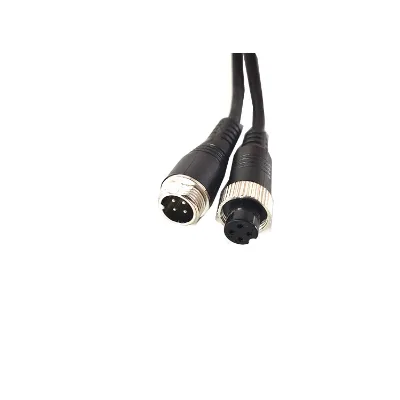
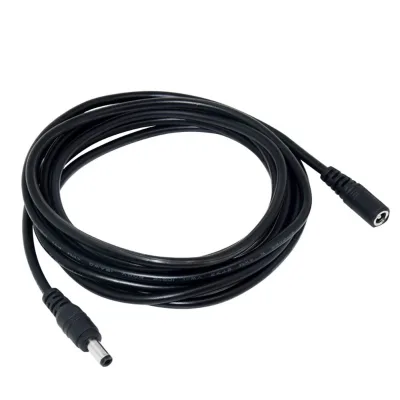
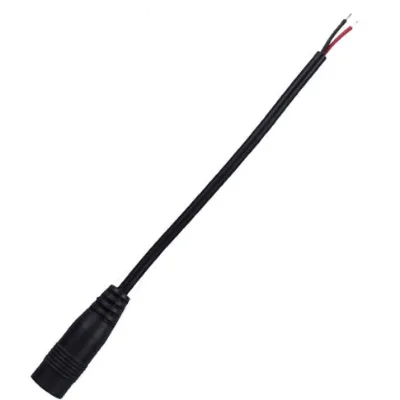
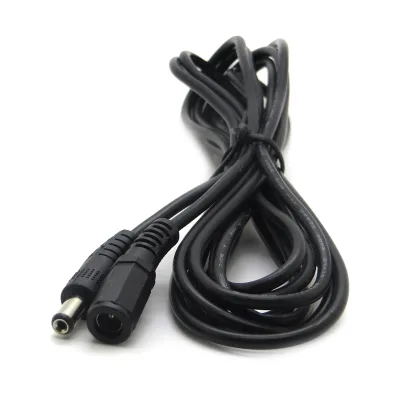
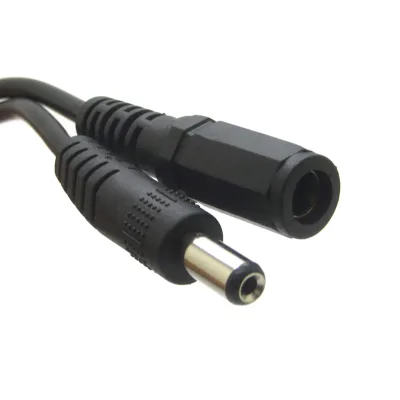
CCTV Camera Power Cable Connector Male Female Extension 5521 5525 12V DC Power Cable
$0.10 - $0.90
Moq: 100

CCTV Camera Quick Locking Male Female Extension 5521 5525 12V DC Cable Power Cord
$0.40 - $0.90
Moq: 1000

- Trading Company,Manufacturer/Factory
- China Jiangsu
- Lead time45 days
- Avg. response≤ 8h
Main productsCable, Connector, Electronic, LED Lighting, Plug Adaptor, Panel Lighting, LAN Cable, AV Cable, Electronic Parts, Voltage Protector
Main marketsSouth America,Eastern Europe,Mid East,North America,Southeast Asia,Eastern Asia,Western Europe,Africa

Shenzhen Baiwei E-Commerce Industrial Co., Ltd.
- Manufacturer
- Guangdong, China
- Lead time15 days
- Avg. response≤ 3h
Main productsMobile DVR,MDVR,Vehicle Camera,4G Dashcam,Body camera
Main marketsSouth America(20.0%), North America(20.0%), Eastern Europe(10.0%), Southern Europe(8.0%), Northern Europe(8.0%), Western Europe(8.0%), Africa(5.0%), Southeast Asia(5.0%), Mid East(5.0%), South Asia(3.0%), Oceania(3.0%), Central America(3.0%), Domestic Market(2.0%)

Changzhou Lesen Electronics Technology Co., Ltd.
- Verified by BV
- Combined
- China Jiangsu
- Lead time45 days
- Avg. response≤ 11h
Main productsSpeaker Cable
Main marketsSouth America,Africa,Southeast Asia/ Mideast,East Asia(Japan/ South Korea),Europe,Australia,North America

Ningbo Yinzhou Join Industry Co., Ltd.
- Trading Company
- China Zhejiang
- Lead time30 days
- Avg. response≤ 3h
Main productsSpeaker Cable, Alarm Cable, Connector, Power Cable, RCA Cable, HDMI Cable, LAN Cable, Optic Filer Cable, Audio Cable, Telephone Cable
Main marketsSouth America,Africa,Southeast Asia/ Mideast,East Asia(Japan/ South Korea),Europe,Australia,North America
- Verified by TUVRHEINLAND
- Manufacturer/Factory,Group Corporation
- China Guangdong
- Lead time23 days
- Avg. response≤ 5h
Main productsLED Light Box, Digital Signage & Interactive Kiosks, LED Light Panel, LED Shelf Lighting, LED Neon Light, LED Neon Sign, LED Freezer Light, LED Flexible Strip, LED COB Strip, Bespole Product for Display
Main marketsSouth America,Eastern Europe,Mid East,North America,Southeast Asia,Eastern Asia,Oceania,Western Europe,Africa
Shanghai Fengy Cable Technology Co., Ltd.
- Verified by CTI
- Trading Company
- China Shanghai
- Lead time23 days
- Avg. response≤ 3h
Main productsPower Cord, Flexible Cable, PVC Cable, Spiral Cable, Ethernet Cable, Extension Cord, Drag Chain Cable, Electrical Cables, Flat Cable, Data Cable
Main marketsSouth America,Africa,Southeast Asia/ Mideast,East Asia(Japan/ South Korea),Domestic,Europe,Australia,North America
Shenzhen Huajunxin Electronic Technology Co., Ltd.
- Verified by SGS
- Trading Company
- China Guangdong
- Lead time15 days
- Avg. response≤ 5h
Main productsDC Cable, USB Cable, Waterproof Cable, USB to DC Power Cable, DC Male-to-Male / Male-to-Female Power Cable, 3.5mm Audio Cable, Automotive Wiring Harness, Finished Spooled Cable, Right-Angle DC Power Cable, Type-C Cable
Main marketsDomestic
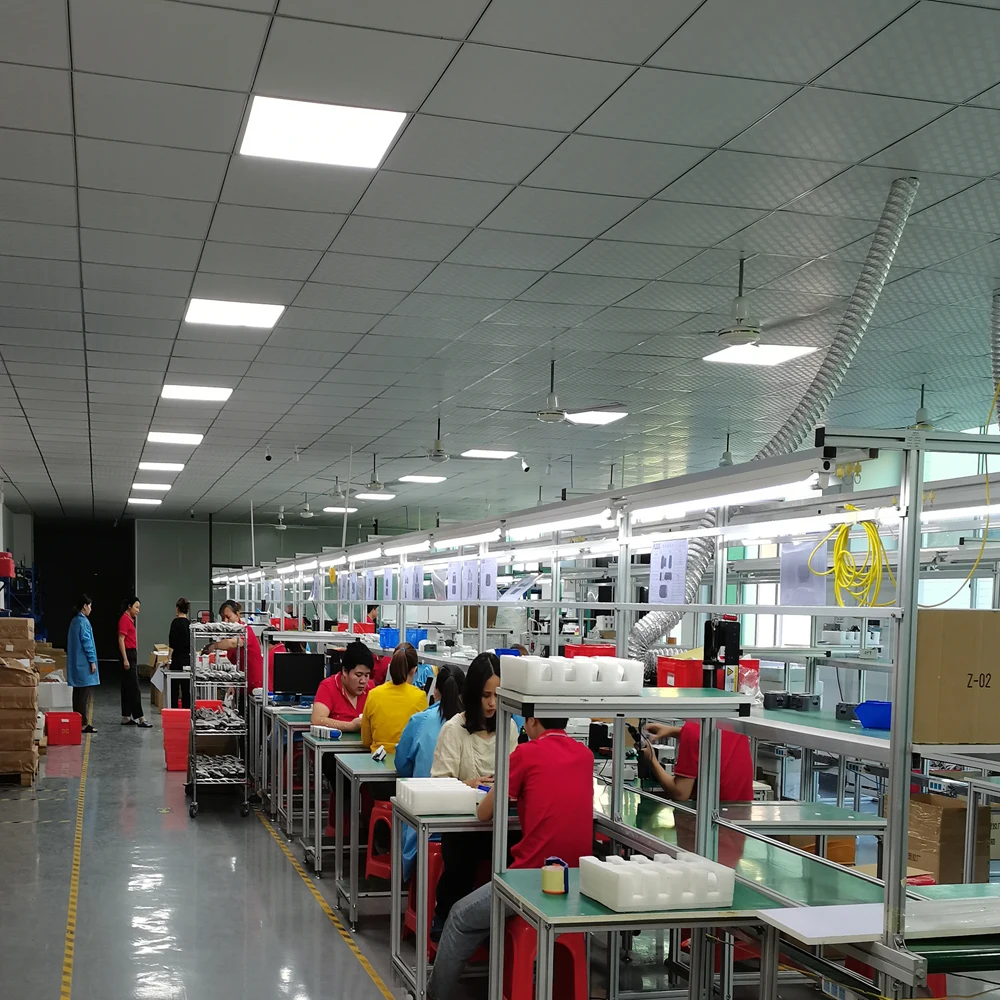
Shenzhen Fansu Technology Innovation Co., Ltd.
- Trading Company
- Guangdong, China
- Lead time15 days
- Avg. response≤ 7h
Main productsPoE IP Camera, Smart WiFi Camera, AHD Analog Camera, 4G Camera, WiFi NVR KIT
Main marketsEastern Europe(20.0%), Western Europe(20.0%), Eastern Europe(20.0%), North America(15.0%), Eastern Asia(12.0%), Southern Europe(10.0%), Africa(8.0%), Africa(8.0%), Northern Europe(5.0%), Northern Europe(5.0%), Central America(2.0%), Southeast Asia(2.0%), South Asia(2.0%), South America(2.0%), Oceania(2.0%), Central America(2.0%), Southeast Asia(2.0%)

Ninghai Yingjiao Electrical Co., Ltd.
- Verified by BV
- Combined
- China Zhejiang
- Lead time30 days
- Avg. response≤ 22h
Main productsAdapter, Power Adapter, AC/DC Adapter, Power Supply, Battery Charger, AC Adapter, CCTV Power Supply, Linear Power Adapter, LED Driver, Switching Power Adaptor
Main marketsEurope,North America

Lanka Industrial Automation (Shanghai) Co., Ltd.
- Combined
- China Shanghai
- Lead time15 days
- Avg. response≤ 3h
Main productsPower Cord, Power Cable, Electric Wire, Extension Cord, Power Extension Cable, Cable Reel, Spiral Cable, Data Cable, PDU, Flat Wire
Main marketsEast Asia(Japan/ South Korea),Europe,North America

Huizhou Tat Shing Electronic Co., Ltd.
- Verified by SGS
- Combined
- China Guangdong
- Lead time15 days
- Avg. response≤ 7h
Main productsDC Cables, USB Cables, Waterproof Cables
Main marketsOthers(foreignTradeCapacity.exportBusinessCapacityMarketOther),Domestic,Europe
Shenzhen Zhide Cable Technology Co., LTD
- Verified by SGS
- Combined
- China Guangdong
- Lead time15 days
- Avg. response≤ 1h
Main productsWire Harness Cable, Power Cord, DC Cable, Electronic Wire, New Energy Wiring Harness, Photovoltaic Cable, Terminal Connector, Heat Shrink Tubing, USB Cable, Data Cable
Main marketsDomestic
Zhengzhou C-Power Electronics Firm
- Trading Company
- Henan, China
- Lead time5 days
- Avg. response≤ 3h
Main productsCCTV Power Supply,LED Power Supply,UPS Power Supply,CCTV Accessories,Switch Power Supply
Main marketsSouth America(20.0%), Domestic Market(20.0%), Eastern Europe(10.0%), Mid East(10.0%), Western Europe(8.0%), Southern Europe(8.0%), Northern Europe(5.0%), North America(5.0%), South Asia(3.0%), Central America(3.0%), Southeast Asia(3.0%), Eastern Asia(2.0%), Africa(2.0%), Oceania(1.0%)
Shenzhen Zhongpu Electronics Co., Ltd.
- Verified by SGS
- Manufacturer
- China Guangdong
- Lead time15 days
- Avg. response≤ 8h
Main productselectronic cables, AC/DC power cables, extension cables
Dongguan Saisonic Electronics Co., Ltd
- Verified by SGS
- Combined
- China Guangdong
- Lead time30 days
- Avg. response≤ 6h
Main productsWire Harness, Custom Cable Assembly, Wire Cable, Over Molded Cable Assemblies, USB Cable, Medical Cable Harness Assembly, Aux Audio and Video Cable, Automotive Wiring Harness, Computer Cable, Home Appliances Wiring Harness

- Verified by SGS
- Combined
- China Guangdong
- Lead time15 days
- Avg. response≤ 2h
Main productsWire Harness, Wireharness, Wiring Harness, Harness Assemlby, Cable Harness, Cable Assembly, Gasket Harness, Harness Kits, Edgarcn, Wire Harnesses
Main marketsSoutheast Asia/ Mideast,East Asia(Japan/ South Korea),Europe,Australia,North America

- Verified by SGS
- Manufacturer/Factory
- China Zhejiang
- Lead time30 days
- Avg. response≤ 5h
Main productsNetwork Cable, Telephone Cable, Coaxial Cable, Alarm Cable, Speaker Wire, Microphone Cable, Power Cable, Electric Wire, Patch Cord, Non Woven
Main marketsSouth America,Eastern Europe,Mid East,North America,Southeast Asia,Eastern Asia,Oceania,Western Europe,Africa
Shenzhen Dowdon Technology Co., Ltd.
- Manufacturer, Trading Company
- Lead time旺季: "1 - 1000":2,"1001 - 2000":3,"> 2000":"To be negotiated", 淡季: "1 - 1000":2,"1001 - 2000":3,"> 2000":"To be negotiated"
- Avg. response≤ 10h
Main productsPhone & Computer Accessories,Consumer Electronic Products,Security & Protection,Electrical Equipment & Supplies,Lights & Lighting
SHENZHEN XIANGTIANZHONG TECHNOLOGY CO., LTD.
- Manufacturer/Factory
- China Guangdong
- Lead time23 days
- Avg. response≤ 4h
Main productsUSB C Type Series Cable, USB Series Connector, Wire Harness Cable, HDMI Cable, Displayport Cable
Main marketsSouth America,Eastern Europe,Mid East,North America,Southeast Asia,Eastern Asia,Oceania,Western Europe,Africa
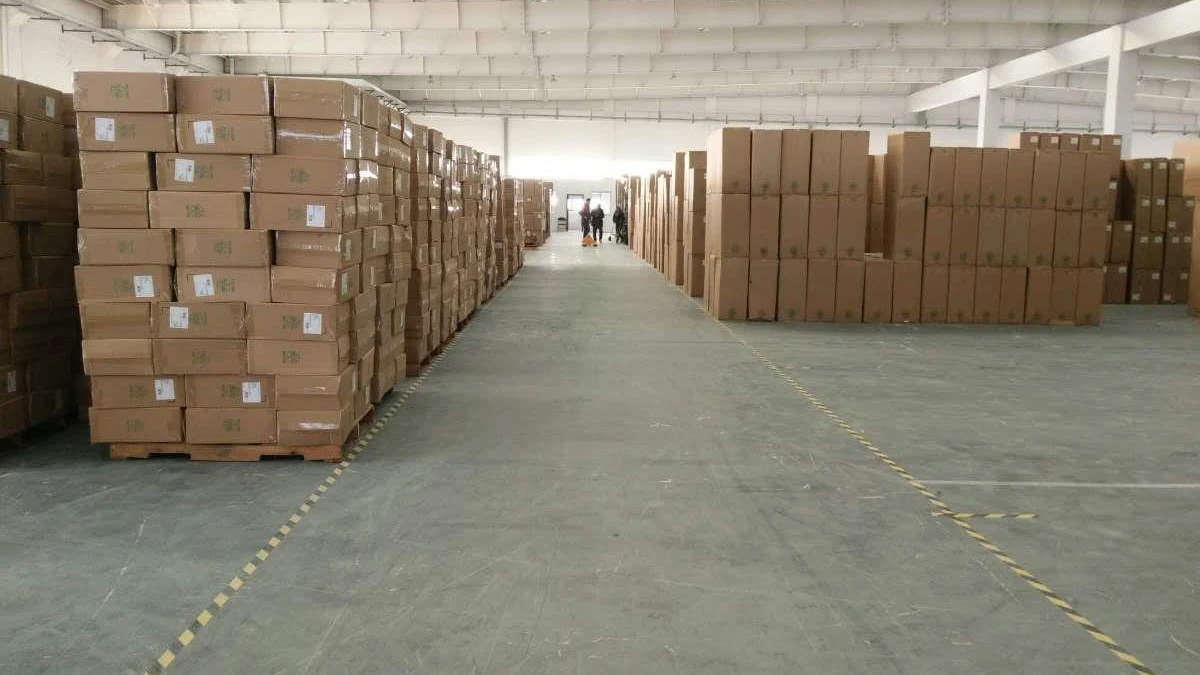
Shenzhen Sritec Technology Co., Ltd.
- Manufacturer, Trading Company
- Guangdong, China
- Lead time7 days
- Avg. response≤ 2h
Main productsLi-ion battery chrager,Lead-Acid Battery Charger,LiFePO4 Battery Charger,NiMH/Nicd battery charger,wire harness
Main marketsNorth America(25.0%), Central America(10.0%), Eastern Europe(10.0%), Western Europe(10.0%), Southeast Asia(8.0%), Oceania(8.0%), South America(8.0%), Northern Europe(5.0%), Southern Europe(5.0%), Mid East(4.0%), Domestic Market(3.0%), South Asia(2.0%), Africa(1.0%), Eastern Asia(1.0%)

Shandong Liaocheng Yuanhetai Steel Products Co., Ltd.
- Combined
- China Shandong
- Lead time15 days
- Avg. response≤ 12h
Main productsSteel Pipe, Seamless Steel Pipe, Steel Tube, Carbon Steel Pipe, ERW Pipe, Saw Pipe, Larger Diameter Steel Pipe, Pipe
Main marketsSoutheast Asia/ Mideast,Domestic

- Verified by SGS
- Manufacturer/Factory
- China Guangdong
- Lead time15 days
- Avg. response≤ 6h
Main productsSewer Camera, Drain Camera, Pipe Inspection Camera, 512Hz Sonde Transmitter, Self-Leveling Camera, Articulating Borescope, Cavity Wall Camera, Rigid Borescope Inspection Camera, Videoscope, Endoscopes
Main marketsSouth America,Eastern Europe,Mid East,North America,Southeast Asia,Eastern Asia,Oceania,Western Europe,Africa










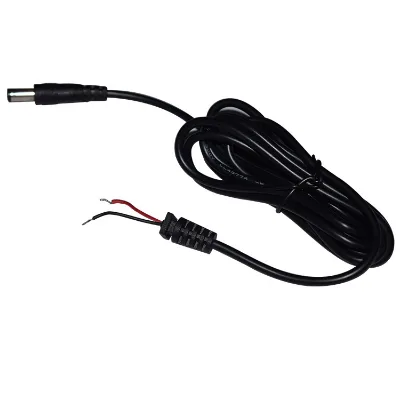


Comprehensive Sourcing Guide
CCTV Camera DC Power Cable Supplier Concentration and Factory Types
Supplier listings for CCTV Camera DC Power Cable products cluster among Chinese sellers operating in Jiangsu and Zhejiang, based on the location data visible in current results. These provinces appear repeatedly because connector assembly and cable extrusion sit close to one another there: one supplier profile from Jiangsu lists DC power plugs, CCTV connectors, AV cables, HDMI cables, patch cords and CATV accessories as its main products, while a Zhejiang-based listing combines coaxial cable, RG6, CAT6, LAN cable and siamese camera cable production. When your own search shows no location field, infer clustering indirectly by checking whether product origins in the listing text name a province, whether the main product line mixes connectors with finished cable, and whether the seller describes manufacturing equipment rather than pure resale.
Factory types in this category split into three groups worth distinguishing before you shortlist. The first is the trading company that sources plugs and cable from separate workshops and resells them assembled; the Jiangsu connector specialist in the current results identifies itself as a trading company. The second is the hybrid listing that declares both trading company and manufacturer status, such as the Zhejiang cable supplier, which also claims OEM, ODM and an own brand. The third is the component maker selling plugs alone, whose connectors you would pair with bulk cable from a second source. Decide early whether you need one consolidated supplier or a split bill of materials.
How to Verify CCTV Camera DC Power Cable Suppliers
Begin with the identity signals already displayed on each profile and treat them as claims to confirm, not facts to trust. Company type, province, system certifications, verification badges and response times are self-reported or platform-observed attributes, and current results show how uneven they are: one supplier carries ISO 9001 and ISO 14000 system certifications plus a third-party verification badge, while the Jiangsu connector seller shows none of these labels but does show a fast measured response time of roughly fifteen hours. Ask every candidate to send its business license, and check that the registered scope covers cable or connector manufacturing if the profile claims factory status.
Then verify product-level claims against the goods themselves. Listings in this category frequently state certifications such as CE and RoHS at the product level, as both the connector and cable listings here do, so request the actual certificate documents and confirm the certificate numbers, scope and expiry rather than accepting the badge. For a claimed factory, ask for photos or a live video tour of the extrusion line and braiding machines, the moulding workshop for DC plugs, and recent packing records. For connector items, ask whether customization is genuinely available in-house, since the listings here advertise it but a trading intermediary may simply pass your drawing to a third workshop. Finally, order paid samples of the exact connector model, such as the TV-series plugs listed here, and test fit and pull strength on your own camera cable before committing.
What to Compare Across CCTV Camera DC Power Cable Suppliers
Build a comparison sheet from the attributes that appear on supplier profiles, but expect gaps, because not every seller displays every field. Useful displayed dimensions in the current results include lead time, with one Zhejiang supplier quoting around twenty-three days and the Jiangsu connector specialist around forty-five; measured response time, roughly fifteen to seventeen hours for the two suppliers shown; location; company type; and whether the seller lists OEM, ODM or own-brand capability. Establishment year is another commonly displayed label, so capture it where present and weight long-operating sellers more heavily for orders involving custom tooling or private packaging.
Compare product evidence with equal rigor. For cable items, record conductor material options, since one Zhejiang listing offers BC, CCS, CCA, TC, CU and CCAG conductors; conductor size, braiding density options ranging from 32 to 144 strands; and PVC color choices, which affect both signal quality and your landed cost. For connectors, record the coupling mechanism, female classification, interface type, packing format such as 100-piece bags versus 2,500-piece cartons, and the model numbers so you can requote identically. Note the MOQ spread across listings: the connector items here start at 500 pieces, while bulk coaxial cable runs to 30,000 units but accessory camera cables list as low as 200. Also compare price ranges per listing rather than single quotes, since ranges reveal where the seller expects your specification to land.
Common CCTV Camera DC Power Cable Sourcing Risks
The most frequent risk in this category is conductor substitution. Listings openly advertise CCA and CCS alongside pure copper, and a supplier can ship one grade while invoicing another, especially on long siamese cable runs where resistance drift only appears as voltage drop at the camera. Mitigate by specifying conductor material by abbreviation in the purchase contract, requesting a copper-content or resistance test on the received cable, and rejecting any quote that does not state the conductor alloy. The braiding density is a second substitution point, because the same RG59-style cable may be braided at 32 or 144 strands, changing shielding performance dramatically while looking identical.
Connector-related risks follow a similar pattern. Double bayonet plug-in DC plugs in this category are small, low-value parts, often quoted near tenths of a dollar, so suppliers have little margin cushion against rework, making inconsistent moulding, plating too thin, or loose female contacts plausible failure modes. Verify the female bayonet interface against your camera and power adaptor mating parts before mass production, since interface type is listed simply as AV across these models. Third, beware of consolidated assembly risk: if you buy cable from a Zhejiang factory and plugs from a Jiangsu trading company, neither party owns the crimped or moulded joint, so failures in the field will produce finger-pointing. Finally, the 45-day lead time shown for the connector specialist signals that small components can carry long lead times, so plan reorders ahead of installation season.
CCTV Camera DC Power Cable Regional Sourcing and Logistics
The location evidence in this category points to two workable provinces. Jiangsu, with the Changzhou origin cited on connector listings, suits buyers whose core need is the DC plug and CCTV connector side, since the supplier there specializes in connectors, CATV accessories and AV cables. Zhejiang suits buyers whose volume is the cable itself, because that supplier manufactures coaxial, LAN, RG6, telephone and fiber cable and holds ISO 9001 and ISO 14000 system certification with factory status confirmed. If your search surfaces no regional data, identify clusters yourself by checking the production origin field printed in product listings, sampling several sellers and noting which provinces repeat, then asking each candidate which nearby port it ships from.
Logistics planning should follow the packing formats listed. Cable typically ships in 200-meter, 300-meter or 305-meter reels or coils, which is convenient because 305 meters approximates a standard install roll, but reel weight and drum dimensions determine container utilization, so ask for drum drawings before booking. Connectors pack at 100 pieces per bag and 2,500 pieces per carton, so a 500-piece MOQ is only two bags and can often be consolidated into a carton alongside cable on the same pallet. Confirm whether the supplier quotes FOB from the nearest port or ex-works, and whether cartons are palletized, because loose cartons of small connectors are vulnerable to crushing in mixed containers. Sea freight dominates for cable volume; connectors can move by air if a project schedule slips.
CCTV Camera DC Power Cable Commercial Terms and Order Planning
Commercial terms should be locked in a specification sheet before any deposit. Fix the exact model numbers, such as the TV-series connector models listed, the conductor alloy and size, braiding count, PVC color, reel length and carton packing, and attach the product certification requirement, including which of CE, RoHS or ISO documents must be supplied with the shipment. The listings here show customization marked as available on connector items, so treat any branding, printing or bespoke mould as a separately quoted item with its own tooling fee, sample round and lead-time addition, and never assume the customization claim covers free design work.
Order planning should respect the MOQ and lead-time structure visible in the results. Connector MOQs of 500 pieces make first orders cheap, so use them to qualify fit and finish before scaling. Bulk cable MOQs around 30,000 units represent serious volume; negotiate a trial-run reduction or a mixed-color initial production if your demand cannot absorb a full run. Accessory camera cables with MOQs near 200 units suit pilot installations. Lead times range from roughly three weeks to six and a half weeks in the current data, so build a procurement calendar that places your cable order and connector order simultaneously, allowing for the longer component lead time. Finally, agree on payment terms that balance risk, confirm whether any platform escrow or trade-assurance mechanism applies to your chosen seller, and requote prices each quarter, since copper-driven cable pricing moves with the metals market.
FAQs
What is the price range for CCTV DC power plugs?
CCTV DC power plugs are available starting at $0.10 per unit. This pricing applies to specific models like the TV-196. Buyers should verify exact costs based on order volume and customization requirements before finalizing procurement decisions.
What is the minimum order quantity for these connectors?
The minimum order quantity for CCTV DC power plugs is 500 pieces. This threshold ensures efficient production and shipping logistics for the supplier. Buyers seeking smaller quantities may need to negotiate directly or look for alternative stock options.
How long does it take to manufacture these cables?
Manufacturing lead times for CCTV cables typically range from 23 to 45 days depending on the supplier. Zhejiang-based suppliers often offer faster turnaround times around 23 days, while Jiangsu suppliers may require up to 45 days for production.
Are these products certified for international standards?
Yes, many CCTV connectors and cables carry CE and RoHS certifications. Some suppliers also hold ISO 9001 and ISO 14000 system certifications. Buyers should request specific certificate copies to verify compliance with their local regulatory requirements before placing orders.
What is the typical response time from suppliers?
Supplier response times generally range between 14.59 and 16.53 hours. Faster responses often indicate higher engagement levels. Buyers should expect replies within this window and follow up promptly to ensure timely communication regarding quotes and production schedules.
Where are these CCTV cables primarily manufactured?
These products are primarily manufactured in China, specifically in Jiangsu and Zhejiang provinces. Jiangsu suppliers often produce connectors, while Zhejiang suppliers focus on coaxial and camera cables. Buyers can filter results by these locations to align with logistical preferences.