Ceramic Heat Lamp for Chicken Suppliers and Manufacturers
Compare 24 verified Ceramic Heat Lamp for Chicken suppliers by location, response time, and lead time. Review certifications like CE and product specs including wattage and lifespan before contacting factories for quotes; review the available evidence before requesting comparable quotations from suitable candidates.
Suppliers List
Shenzhen Newplanet Technology Co., Ltd.
- Trading Company
- Guangdong, China
- Lead time15 days
- Avg. response≤ 3h
Main productsHeat Lamps,UV Lamps,IR light,Machine Accessories,Infrared heat tubes
Main marketsSoutheast Asia(44.00%), South Asia(30.00%), North America(8.00%), Western Europe(3.00%), Africa(3.00%), Eastern Europe(3.00%), Oceania(2.00%), Northern Europe(2.00%), South America(2.00%), Mid East(2.00%), Southern Europe(1.00%)
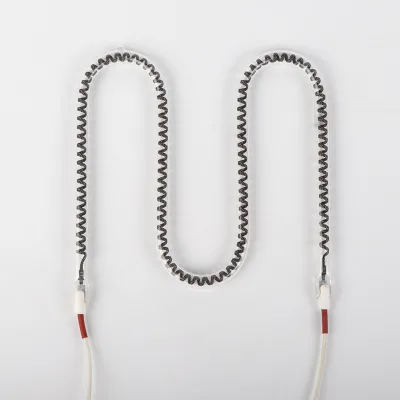
M Shape Carbon Fiber Clear Quartz Tube Ceramic Infrared Heating Lamps for Poultry Chicken
$4.91 - $6.65
MOQ: 50 Minimum
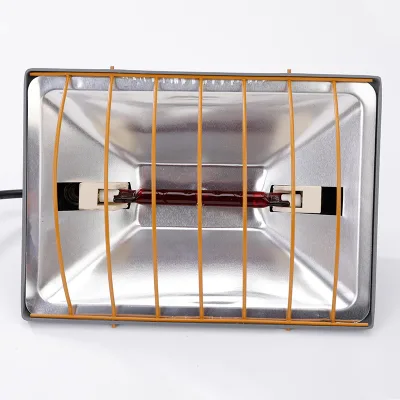
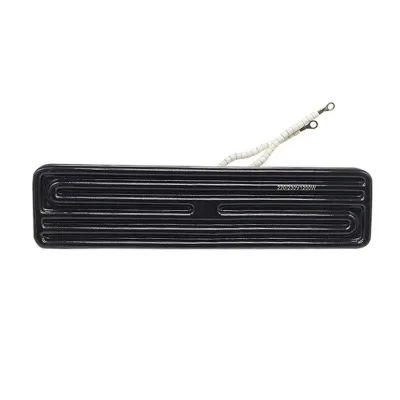

Shenzhen Superb Heater Technology Co., Limited
- Verified by SGS
- Manufacturer/Factory
- China Guangdong
- Lead time23 days
- Avg. response≤ 5h
Main productsCartridge Heater, Tubular Heater, Band Heater, Hot Runner Coil Heater, Ceramic Infrared Heater, Thermocouple Sensor, Mica Band Heater, Flexible Heater, Flat Heater, Finned Heater
Main marketsSouth America,Eastern Europe,Mid East,North America,Southeast Asia,Eastern Asia,Oceania,Western Europe,Africa

Lianyungang Yuanda Quartz Product Co., Ltd.
- Manufacturer
- China Jiangsu
- Lead time0 days
- Avg. response≤ 4h
Main productsInfrared Heat Lamp, Quartz Glass Product, Heater, Quartz Glass Plate


Hot Sale Gold Ceramic 1200W Halogen Infrared Heat Lamp for Poultry Chicken
$3.50 - $5.00
MOQ: 10 Pieces


Factory Directly Clear Quartz Tube Carbon Fiber Infrared Heat Lamp for Chicken
$3.50 - $5.00
MOQ: 10 Pieces

Wholesale Clear Quartz Tube Carbon Fiber Infrared Heating Lamp for Chicken
$2.50 - $5.00
MOQ: 10 Pieces

Sk15 Half White Coating Short Wave Halogen Infrared Heat Lamp for Chicken
$3.50 - $5.00
MOQ: 10 Pieces

Topright Industrial Technology Co., Ltd.
- Manufacturer/Factory
- China Jiangsu
- Lead time23 days
- Avg. response≤ 4h
Main productsCartridge Heaters, Tubular Heater, Themocouple Sensor, Rtd Temperature Sensor, Silicone Rubber Heaters, Cast-in Heaters, Infrared Ceramic Heater, Band Heater, Hot Runner Heater, Polyimide Heater
Main marketsSouth America,Eastern Europe,Mid East,North America,Southeast Asia,Oceania,Western Europe,Africa
Dezhou Decheng Yuancheng Poultry Equipment Factory
- Manufacturer, Trading Company
- Shandong, China
- Lead time5 days
- Avg. response≤ 5h
Main productspoultry feeders,poultry drinkers,poultry equipment,livestock products,incubator relevant prodcuts
Main marketsMid East(30.00%), North America(10.00%), Africa(10.00%), Southeast Asia(10.00%), Eastern Europe(10.00%), Northern Europe(10.00%), Western Europe(5.00%), Domestic Market(5.00%), Southern Europe(4.00%), Eastern Asia(2.00%), South Asia(2.00%), South America(2.00%)
Nanchang Huatuo Industrial Co., Ltd.
- Verified by Intertek
- Manufacturer, Trading Company
- Lead time3 days
- Avg. response≤ 2h
Main productsEgg Incubator And Accessories, Temperature And Humidity Controller, Clean Robot, Plastic Products, Other Livestock Products
Main marketsSouth America(42%), Southeast Asia(20%), Africa(18%)
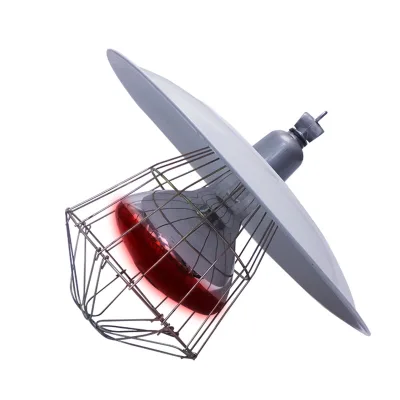
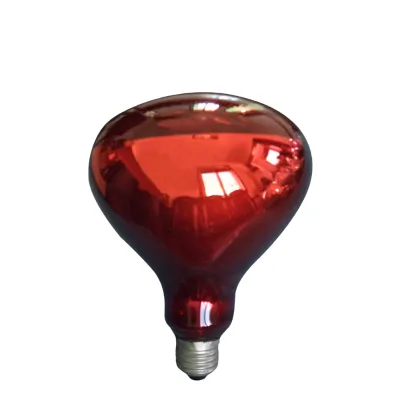
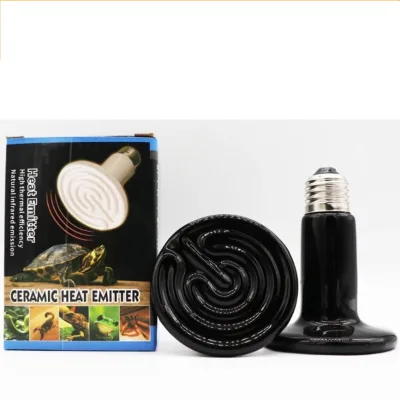
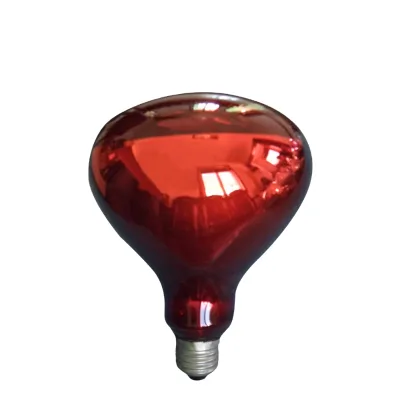
Pet Heating Lamp for Heating Chicken Coops Element Ceramic Infrared Bulb Heater
$2.21 - $2.46
MOQ: 1 pieces
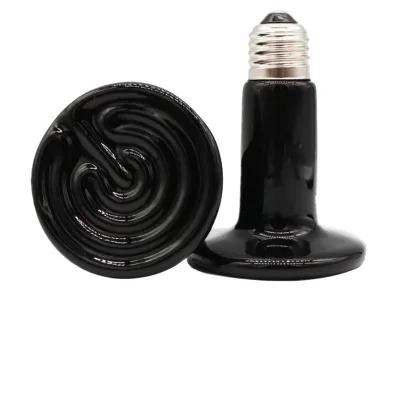
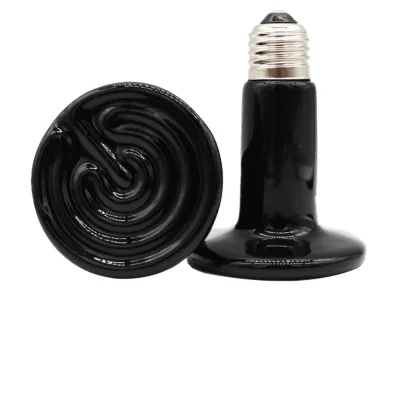
Chicken Heat Lamp Reptile Ceramic Ir Emitter Heated Heater Light Lamp Bulb Brooder Heater
$1.40 - $2.50
MOQ: 1 pieces

Anping County Yize Metal Products Co., Ltd.
- Verified by CTI
- Combined
- China Hebei
- Lead time30 days
- Avg. response≤ 3h
Main productsWire Mesh, Fence, Animal Cage, Farm Fence, Decorative Mesh, Wire, Greenhouse, Poultry Equipment, Metal Mesh, Livestock Equipment
Main marketsSouth America,Africa,Southeast Asia/ Mideast,East Asia(Japan/ South Korea),Domestic,North America

Aoxin Machinery Equipment (Qingyun) Co., Ltd.
- Manufacturer, Trading Company
- Shandong, China
- Lead time10 days
- Avg. response≤ 1h
Main productspig equipment,farrowing crate,slatted flooring,pig cages,feeder trough
Main marketsOceania(14.00%), Mid East(11.00%), Eastern Europe(10.00%), Northern Europe(9.00%), South America(8.00%), Eastern Asia(8.00%), Southern Europe(7.00%), Southeast Asia(6.00%), Western Europe(6.00%), Domestic Market(6.00%), North America(5.00%), Central America(4.00%), Africa(3.00%), South Asia(3.00%)
Nanchang Alex Machinery Manufacturing Co., Ltd.
- Verified by Intertek
- Manufacturer, Trading Company
- Lead time3 days
- Avg. response≤ 2h
Main productsIncubator, Temperature and Humidity Controller, Plastic Products, Poultry Plucker, Other Livestock Equipment
Main marketsSouth America(30%), Mid East(30%), Southeast Asia(10%)
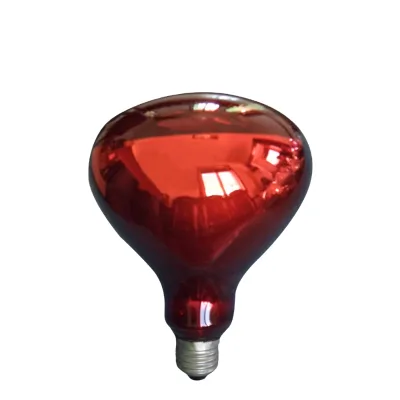
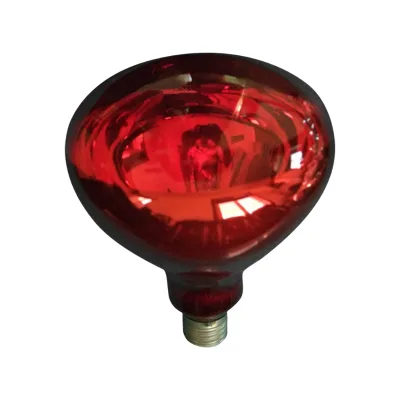
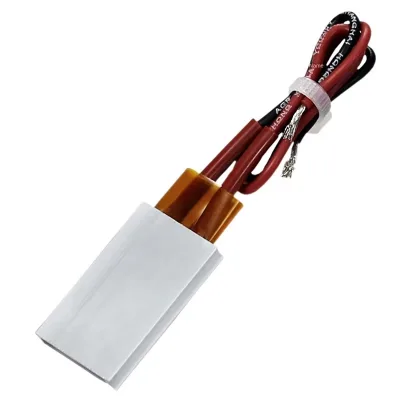
High Quality Heat Lamp 100w Ceramic Black Lamp Ceramic Heat Preservation Lamp
$1.72 - $1.99
MOQ: 60 pieces
$0.63 - $1.40
MOQ: 1 pieces
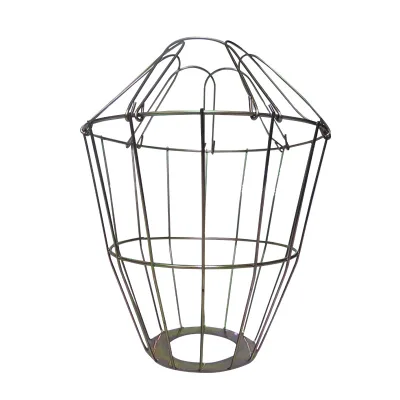
150W Culinary Coop Infrared Heat Lamp for Chickens Coop Brooder and Reptile Bulb
$4.09 - $5.09
MOQ: 20 pieces
Zhengzhou Jinhui Agricultural S&T Co., Ltd.
- Verified by SGS Group
- Manufacturer, Trading Company
- Lead time10 days
- Avg. response≤ 2h
Main productsSteel processing, Plastic products, Animal artificial breeding equipment and tools, Automation control systems
Main marketsSoutheast Asia(20%), Mid East(15%), North America(10%)
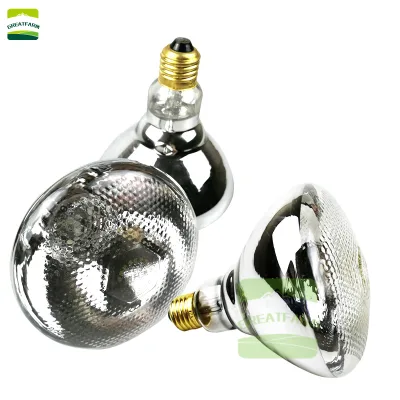
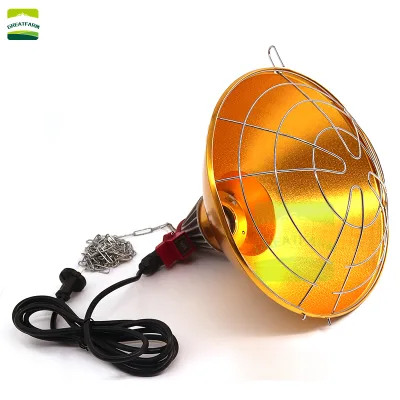
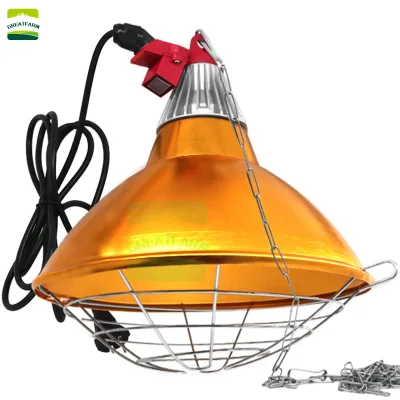
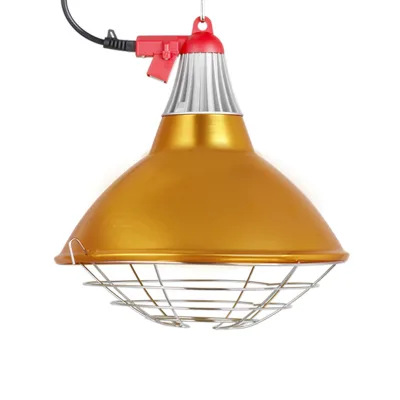
Pig Heating Lamp Pet Warm Heating Lamp Shade Livestock Insulation Lamp Shade
$6.00 - $7.80
MOQ: 20 pieces
$5.21 - $8.34
MOQ: 1 pieces

Dezhou Des Champs Agricultural Machinery Co., Ltd.
- Manufacturer, Trading Company
- Shandong, China
- Lead time20 days
- Avg. response≤ 5h
Main productsFeed Crusher,Chick Heating Plate,Egg Laying Nest,Poultry Brooder,Rabbit Drinker
Main marketsWestern Europe(38.00%), Eastern Europe(28.00%), Africa(15.00%), Domestic Market(8.00%), Oceania(6.00%), Northern Europe(5.00%)

Yancheng Hongtai Alloy Electric Apparatus Co., Ltd.
- Manufacturer/Factory
- China Jiangsu
- Lead time15 days
- Avg. response≤ 15h
Main productsTubular Heater, Cartridge Heater, Ceramic Heater, Electric Heating Element, Coil Heater, Flange Heater, Nickel Alloy Wire, Immersion Heater, Silicone Heater, Thermocouple
Main marketsSouth America,Eastern Europe,Mid East,North America,Southeast Asia,Eastern Asia,Oceania,Western Europe,Africa


Standard Type 150W E27 Infrared Bulb Type Ceramic Lamp Heater for Reptile/Animal/Pig Heating
Contact supplier
MOQ: 1 Pieces
Huizhou Huiyang District Xinxu Lican Electrothermal Products Factory
- Manufacturer
- Guangdong, China
- Lead time0 days
- Avg. response≤ 1h
Main productselectric heater,ceramic heat emitter,heater,infrared heater
Main marketsNorthern Europe(20.00%), North America(20.00%), South America(10.00%), Mid East(10.00%), South Asia(10.00%), Southeast Asia(10.00%), Africa(5.00%)

Haining Hongxin Electrical Co., Ltd.
- Manufacturer, Trading Company
- Zhejiang, China
- Lead time30 days
- Avg. response≤ 1h
Main productsLighting lamp,Lnfrared lamp,Animal husbandry machinery manufacturing,heat lamp,bath bully bulb
Main marketsNorth America(40.00%), South Asia(20.00%), Western Europe(20.00%), Eastern Asia(20.00%)
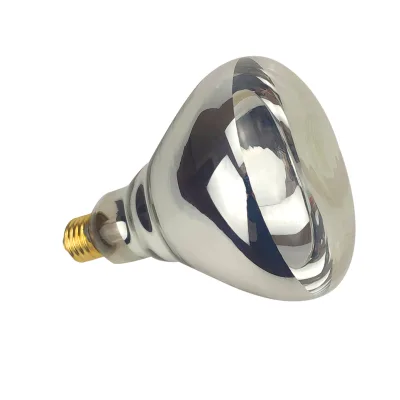
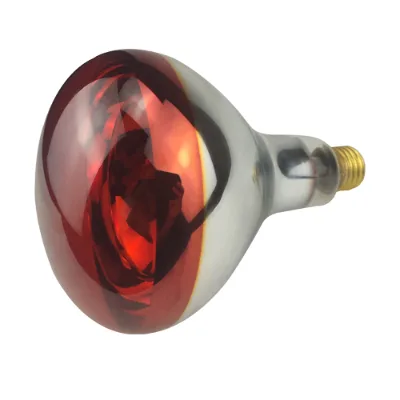
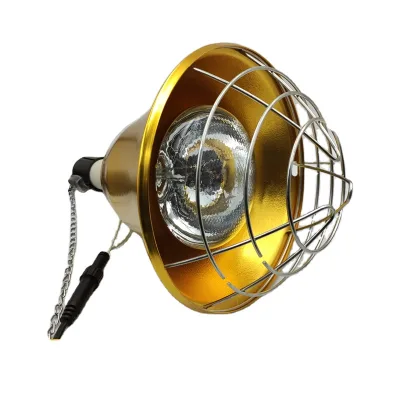
Hongxin Factory Price Infra Red Chicks Heat Lamp Poultry Animal Brooder Chicks
$1.03 - $1.34
MOQ: 1000 Minimum
Zhengzhou Yangxiang Machinery Equipment Co., Ltd.
- Verified by SGS Group
- Trading Company
- Lead time0 days
- Avg. response≤ 2h
Main productsAutomatic poultry farming equipment, chicken cage, Automatic feeding system, Automatic egg collection system, Automatic fecal cleaning system
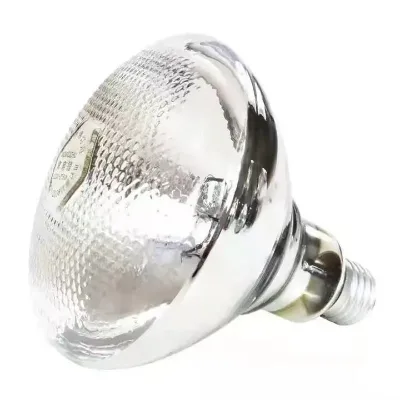
150W Waterproof Poultry Heat Lamp Infrared Heat Bulb for Brooding Chickens & Animal
$1.10 - $1.16
MOQ: 80 pieces
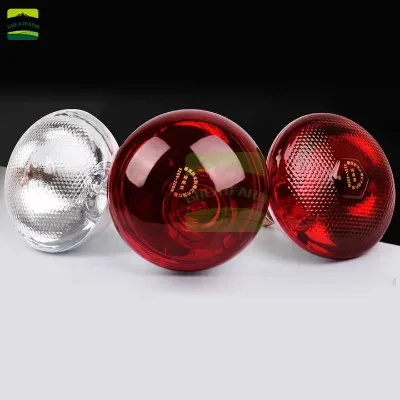
$1.23 - $1.43
MOQ: 80 pieces
Hebei Guanjiang Animal Husbandry Technology Co., Ltd.
- Verified by Intertek
- Trading Company
- Lead time10 days
- Avg. response≤ 1h
Main productsSlat Floor for Farm, Poultry Drinker, Poultry Feeder, Farrowing Sow Crate, Animal Ear Tags

Jaye Heater Technology (Huizhou) Co., Ltd.
- Verified by BV
- Trading Company
- China Guangdong
- Lead time23 days
- Avg. response≤ 2h
Main productsIndustrial Heater, Silicone Rubber Heater, Domestic Heating Elements, Machinery Parts, Thermostat, Band Heater, Hot Run Heater, Cartridge Heater, Finned Tubular Heater, Quarts Heater
Main marketsSouth America,Africa,Southeast Asia/ Mideast,East Asia(Japan/ South Korea),Europe,Australia,North America

100W Infrared Ceramic Heat Lamp for Pet Coop Heater Chicken Turtle Brooder Aquarium Snake
$5.00 - $10.00
MOQ: 500 Pieces


Dezhou Baite Animal Husbandry Machinery Co., Ltd.
- Trading Company
- Shandong, China
- Lead time0 days
- Avg. response≤ 8h
Main productsEGG INCUBATOR,PLUCKER,CAGE,FEEDER AND DRINKER,PALLET MACHINE
Main marketsDomestic Market(50.00%), Africa(30.00%), Southeast Asia(10.00%), Mid East(10.00%)
Cangzhou Chuangce Machinery Equipment Co., Ltd.
- Trading Company
- Hebei, China
- Lead time15 days
- Avg. response≤ 3h
Main productsslat floor,animal drinker,animal feeder,farm stall,farrowing pen
Main marketsAfrica(20.00%), Southeast Asia(20.00%), South America(20.00%), Eastern Asia(20.00%), South Asia(10.00%), North America(10.00%)
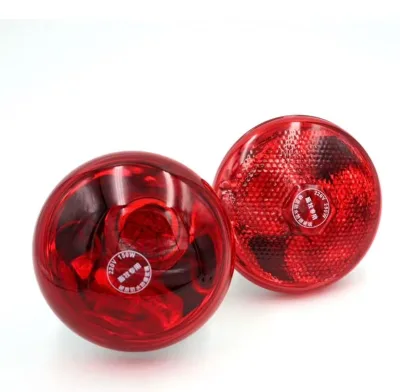
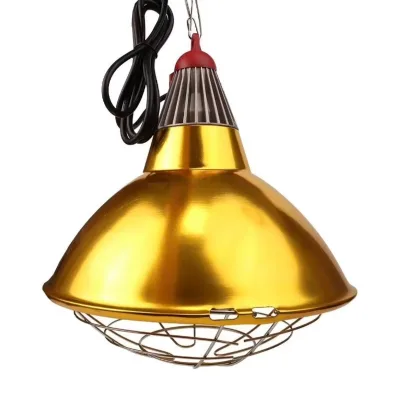
Poultry Animal Heating Lamp Pig Poultry Livestock Warming Heat Preservation Lamp for Sale
$0.60 - $2.00
MOQ: 10 Minimum
Donghai County Qi Hui Lighting Electric Appliance Co., Ltd.
- Manufacturer, Trading Company
- Jiangsu, China
- Lead time7 days
- Avg. response≤ 2h
Main productsHalogen Light Bulb, Quartz Products, Halogen Car Light Bulbs, Industrial Halogen lamp, LED
Main marketsDomestic Market(100.00%)
Zhengzhou Zhimuren Machinery Co,, Ltd.
- Verified by SGS Group
- Manufacturer, Trading Company
- Lead time15 days
- Avg. response≤ 5h
Main productsWater bowls for pigs/ cattle and sheep, Cow and sheep milking machine, Ear tag pliers, Ear tag, Water bucket/ Feeder bucket
Main marketsSouth America(25%), Eastern Europe(21%), North America(18%)
Lianyungang Huayao Lighting Equipment Co., Ltd.
- Verified by SGS Group
- Trading Company
- Lead time20 days
- Avg. response≤ 2h
Main productsLed Bulb, Led Filament Bulb, LED Strip Light With Controller & Plug
Main marketsEastern Europe(20%), Western Europe(20%), South America(15%)
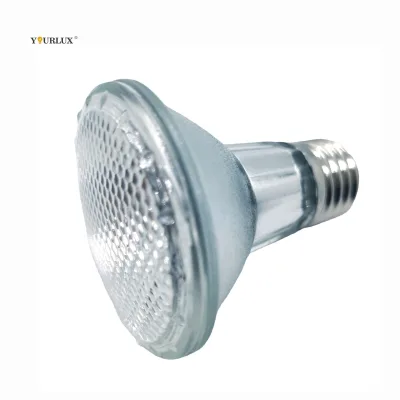
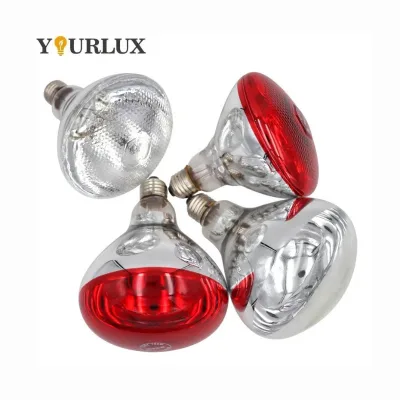
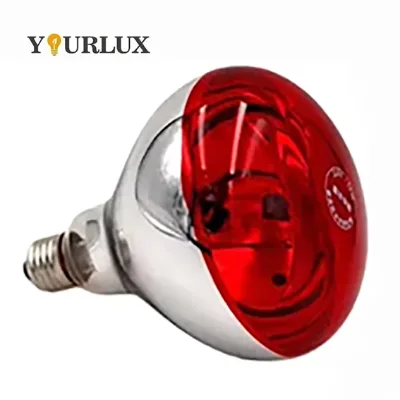
High Quality Chicken Heating Warm Lamp Waterproof 75w 100w 150w R80 R95 R125 Bulb
$0.61 - $0.82
MOQ: 1000 pieces

Eagle Catering Equipment Co., Ltd.
- Manufacturer/Factory
- China Guangdong
- Lead time30 days
- Avg. response≤ 8h
Main productsTrolleys, Gastronorm Containers, Table, Shelves, Sink, Barrier Post, Cookware, Buffetware, Barware, Kitchen Utensils
Main marketsSouth America,Eastern Europe,Mid East,North America,Southeast Asia,Eastern Asia,Oceania,Western Europe,Africa

Shanghai Heat Element Electric & Lighting Co., Ltd.
- Verified by TUVRHEINLAND
- Combined
- China Shanghai
- Lead time30 days
- Avg. response≤ 1h
Main productsInfrared Lamp, Infrared Light, Infrared Emitter, IR Lamp, IR Oven, Infrared Oven, Infrared Furnace, IR Modular, Infared Modular, Quartz Infrared Emitter
Main marketsSoutheast Asia/ Mideast,Domestic







Comprehensive Sourcing Guide
Ceramic Heat Lamp for Chicken Supplier Concentration and Factory Types
When sourcing a Ceramic Heat Lamp for Chicken applications, buyers typically encounter two broad supplier archetypes on B2B platforms: manufacturers that operate their own production lines and trading companies that consolidate output from multiple factories. Both can be viable, but they behave differently in practice. A factory will usually control tooling, materials such as ceramic plates, quartz tubes and heating wire, and can support OEM or ODM customization, while a trading company may offer wider product breadth, faster communication during office hours, and flexibility when a single order spans several item types. Neither model is inherently superior; the right choice depends on order volume, customization depth and the buyer's own quality-control capacity.
Supplier concentration should be verified rather than assumed. In the current results, listed suppliers are located in Guangdong, China, with one product originating from Chongqing, so buyers should treat Guangdong as a relevant sourcing region for this category while still confirming each supplier's actual address. To identify clusters independently, filter search results by province, note which locations repeat across multiple qualified listings, and cross-check the "Place of Origin" field on individual product pages, which frequently differs from the supplier's registered location. Main-product lines also matter: some listed companies focus on heat lamps, UV lamps and infrared tubes, while others center on industrial heaters such as cartridge, band and ceramic infrared heaters. Matching a supplier's core product mix to poultry heating lamps improves the odds of genuine category experience.
How to Verify Ceramic Heat Lamp for Chicken Suppliers
Verification begins with documents the platform already displays, followed by checks you request directly. In the current supplier results, one manufacturer carries an SGS verification label and operates as a factory, while another participant is identified as a trading company. Use these labels as a starting point, not a conclusion: request the business license, confirm the legal entity name matches the platform profile, and ask the supplier to state whether it manufactures or trades the specific ceramic lamp models you need. For a Ceramic Heat Lamp for Chicken rearing, ask for a production video of the exact wattage and base type, because a trader can legitimately supply factory footage, but you should know whose footage it is.
Next, verify product-level claims rather than supplier-level slogans. One listed product cites CE certification and a stated lifespan, while a ceramic heating lamp listing references a different rated lifetime; treat each specification as a claim to be proven with a test report or a returned sample batch. Check that the declared place of origin, electrical ratings such as 220V input, and certification marks appear consistently across the quotation, the proforma invoice and the packaging artwork. Finally, conduct an independent audit if order value justifies it: a third-party inspection agency can confirm workshop ownership, in-line quality controls for ceramic firing and wire welding, and outgoing inspection records. Buyers skipping the audit should at minimum order a signed sample and retain a sealed reference unit before mass production begins.
What to Compare Across Ceramic Heat Lamp for Chicken Suppliers
Build a comparison matrix from attributes the platform actually discloses, and record blanks instead of guessing. The current results show meaningful variation worth capturing: response times ranging from three hours to roughly five, lead times of fifteen days versus twenty-three days, MOQs of fifty pieces on one quartz-tube lamp and one hundred pieces on a ruby quartz infrared lamp, and a product price band displayed roughly between five and seven US dollars per unit on those lamp listings. Company type, location, verified status and main product lines complete the baseline. Not every supplier will display every attribute, so mark unlisted fields as "to confirm" and request them in your RFQ rather than assuming parity.
Beyond the displayed labels, compare depth of category fit. One listing describes an M-shape carbon fiber quartz infrared lamp for poultry with wattages from 500W to 2000W and dimmer support; another covers a 200W square ceramic emitter for livestock breeding with 150W to 500W options. These are different technologies for different housing layouts, so score each supplier on how well its flagship products match your barn configuration, voltage standard and mounting method. Also compare service dimensions: OEM/ODM capacity is explicitly stated for one manufacturer, customization of diameter and wattage appears in product attributes for another, and warranty terms differ between listings. Weight the matrix by your priorities—speed, price, customization or certification—so the ranking reflects your project, not a generic average.
Common Ceramic Heat Lamp for Chicken Sourcing Risks
The most frequent risk in this category is specification drift between sample and shipment. A ceramic or quartz infrared lamp's critical parameters—wattage, base type such as R7s ceramic, tube diameter, glass color and rated lifetime—are easy to alter subtly during mass production, especially when a supplier substitutes a material grade to protect margin. The current listings show products weighing from 0.1 kg to 0.75 kg with differing lifespans and voltages, so a lightweight substitution or a voltage mismatch (for example shipping 220V units to a 110–130V market) can pass casual inspection. Counter this with a signed golden sample, incoming inspection of weight and dimensions, and random electrical testing on arrived cartons.
A second cluster of risks involves claims and intermediation. Certification marks such as CE appear on some listings but should be validated against actual certificates naming the correct model, because a mark on a product page is not proof of conformity for your shipment. Trading companies add a transparency risk: you may not learn the true factory identity, which complicates warranty claims and reorders; the listed one-year warranty on one lamp is only as enforceable as the entity behind it. Also watch for mismatched place-of-origin data, in which a supplier's registered province differs from the product's stated origin, and for lead-time optimism—quoted fifteen-day production can stretch during peak poultry-season demand. Build buffer time into every schedule and confirm stock before promising delivery dates downstream.
Ceramic Heat Lamp for Chicken Regional Sourcing and Logistics
Region selection should follow the evidence in supplier results rather than folklore. The listings currently place participating suppliers in Guangdong, China, and show one product line originating in Chongqing, which suggests buyers should canvass both coastal and inland provinces when mapping the Ceramic Heat Lamp for Chicken supply base. Guangdong's export infrastructure typically simplifies container consolidation and courier sampling, while an inland origin can affect inland freight cost to port and overall transit days. Do not assume either advantage; ask each supplier for the shipping origin address, the nearest port and an all-in freight quotation so regional differences become explicit numbers in your comparison.
Logistics planning should reflect the physical profile of the products. Listed single-package sizes include 35×15×15 cm for an M-shape lamp and 35×9×9 cm for a ruby quartz tube, with one ceramic emitter packing into a much larger 55×28×46 cm carton—so carton engineering, not just unit price, drives container utilization. Fragility is the dominant hazard: ceramic plates and quartz tubes crack under compression and vibration, so specify double-wall cartons, individual bubble sleeves, drop-test expectations and desiccants for humid seasons. Clarify incoterms early—whether the quoted price includes sea freight, air freight for urgent top-ups, or ex-works pickup only—and confirm who handles export customs documentation. For mixed orders combining lamps with holders or accessories, ask whether the supplier consolidates cartons or ships separate packages, since this affects both freight cost and arrival inspection workload.
Ceramic Heat Lamp for Chicken Commercial Terms and Order Planning
Commercial terms should be negotiated against the disclosed baselines rather than accepted as fixed. The current results display MOQs of fifty and one hundred pieces on lamp listings and per-unit prices clustered around five to seven dollars, but these figures are listing-level data points, not commitments; your quoted MOQ and price will vary with wattage, customization and packaging. Use the displayed numbers as anchors: if a supplier lists a 50-piece MOQ, a trial order at or near that level is a reasonable first step, while customized diameters or wattages—both explicitly offered in some listings—may carry different minimums. Push for tiered pricing at trial, repeat and annual volumes so future scaling is priced in advance.
Order planning should sequence risk reduction deliberately. Place a sample order first, confirm signed golden samples, then launch a pilot batch sized to one barn cycle before committing to container volumes. Align payment structure with verification depth: avoid full prepayment, and if platform-backed escrow or trade assurance is available on a given listing, use it, since only some suppliers display such protections and availability must be confirmed per supplier. Lock the production lead time—fifteen and twenty-three days appear in current results—in the contract with a late-delivery clause, and schedule inspection before balance payment. Finally, plan reorders around poultry seasonality and lamp replacement intervals; a stated 5000–6000-hour lifespan on some lamps means predictable annual demand, which is your strongest lever for negotiating better terms on the second and third orders.
Word count check: sections ~232+228+231+236+229+236. Need to verify total within 1350–1450. Approximately 1390 total. Sections 4 and 6 may slightly exceed 235; let me trim a few words there.
Section 4 trim: remove "so a lightweight substitution" clause — keep. Remove "especially when a supplier substitutes a material grade to protect margin" → saves ~10 words. Section 6: remove "since availability must be confirmed per supplier" redundancy.## Ceramic Heat Lamp for Chicken Supplier Concentration and Factory Types
When sourcing a Ceramic Heat Lamp for Chicken applications, buyers typically encounter two broad supplier archetypes on B2B platforms: manufacturers that operate their own production lines and trading companies that consolidate output from multiple factories. Both can be viable, but they behave differently in practice. A factory will usually control tooling, materials such as ceramic plates, quartz tubes and heating wire, and can support OEM or ODM customization, while a trading company may offer wider product breadth, faster communication during office hours, and flexibility when a single order spans several item types. Neither model is inherently superior; the right choice depends on order volume, customization depth and the buyer's own quality-control capacity.
Supplier concentration should be verified rather than assumed. In the current results, listed suppliers are located in Guangdong, China, with one product originating from Chongqing, so buyers should treat Guangdong as a relevant sourcing region for this category while still confirming each supplier's actual address. To identify clusters independently, filter search results by province, note which locations repeat across multiple qualified listings, and cross-check the "Place of Origin" field on individual product pages, which frequently differs from the supplier's registered location. Main-product lines also matter: some listed companies focus on heat lamps, UV lamps and infrared tubes, while others center on industrial heaters such as cartridge, band and ceramic infrared heaters. Matching a supplier's core product mix to poultry heating lamps improves the odds of genuine category experience.
How to Verify Ceramic Heat Lamp for Chicken Suppliers
Verification begins with documents the platform already displays, followed by checks you request directly. In the current supplier results, one manufacturer carries an SGS verification label and operates as a factory, while another participant is identified as a trading company. Use these labels as a starting point, not a conclusion: request the business license, confirm the legal entity name matches the platform profile, and ask the supplier to state whether it manufactures or trades the
FAQs
What wattage should a Ceramic Heat Lamp for Chicken coops provide?
Most chicken brooding setups use ceramic heat lamps between 150W and 500W, with larger units reaching 1000W or 2000W for bigger spaces. Choose wattage based on coop size, ambient temperature, and chick age. Many suppliers offer 150, 200, 250, 300, and 500W options, plus customized wattages for specific poultry heating requirements.
What certifications should a Ceramic Heat Lamp for Chicken farming have?
Look for CE certification as a baseline, since listings for these lamps commonly carry it. Certification confirms basic safety compliance for electrical heating products in many markets. Always request the actual certificate document rather than relying on listing badges, and verify it matches the exact lamp model, wattage, and voltage configuration you plan to order.
What is the typical MOQ for ceramic heat lamps for chickens?
Listed MOQs for poultry ceramic heat lamps typically range from 50 to 100 units, varying by lamp type and supplier. Tube-style quartz lamps often sit at 100 pieces while M-shape infrared heating lamps may start at 50. Confirm MOQ in writing before ordering, as trial orders and custom wattage requests can affect minimum quantity requirements.
How long do ceramic heat lamps last in poultry use?
Lifespan varies by lamp type: quartz halogen infrared lamps commonly list around 5000 to 6000 hours, while ceramic heating plates can reach about 20000 hours. Real-world life depends on voltage stability, fixture quality, and continuous versus intermittent operation. Ask suppliers for rated lifespan data and confirm warranty terms covering the claimed hours.
What voltage options are available for ceramic chicken heat lamps?
Common options include 110-130V and 220-240V ranges, with specific listings showing 115V, 220V, 230V, and 240V configurations. Choose the voltage matching your farm's electrical system to avoid performance issues or safety hazards. Many models also support multiple plugs such as EU, US, UK, and AU, so confirm plug type along with voltage before shipment.
What is the typical lead time for ceramic heat lamp orders?
Observed lead times for these products range from roughly 15 days for a trading company to around 23 days for a factory supplier. Lead time depends on order quantity, customization, and current production schedules. Request a written production and shipping timeline before placing your order, and build in buffer time for peak poultry season demand.
Which ceramic heat lamp materials suit chicken brooding best?
Quartz and ceramic are the main materials used. Quartz tube lamps, including ruby and clear quartz variants, deliver infrared heat quickly and are lightweight. Ceramic heating plates offer longer rated lifespans and even radiant warmth, suited to livestock breeding. Match material to your fixture type, desired heat pattern, and whether you need dimmer support.
Should I buy from a trading company or factory for ceramic heat lamps?
Factories offer direct production control, OEM and ODM customization, and often deeper technical knowledge of ceramic infrared heaters. Trading companies may offer broader product ranges and faster responses, with observed response times around 3 to 5 hours across these listings. Verify the supplier type claimed on the platform, request business licenses, and compare quotations from both types.