Cigar Lighter Suppliers and Manufacturers in China
Explore 24 verified options for Cigar Lighter suppliers and manufacturers located in Guangdong and Zhejiang. Buyers can compare response times, lead times, and product specifications like material and flame type before contacting factories directly; review the available evidence before requesting comparable quotations from suitable candidates.
Suppliers List

Guangzhou Yujia Smoking Trading Co., Ltd.
- Manufacturer, Agent, Distributor/Wholesaler
- Guangdong, China
- Lead time30 days
- Avg. response≤ 8h
Main productslighter,cigar case,humidor,ashtray,cigar cutter
Main marketsMid East(10.0%), Domestic Market(10.0%), Southeast Asia(10.0%), South Asia(5.0%), Southern Europe(5.0%), Northern Europe(5.0%), Central America(5.0%), Western Europe(5.0%), Eastern Europe(5.0%), South America(5.0%), North America(5.0%), Eastern Asia(3.0%)
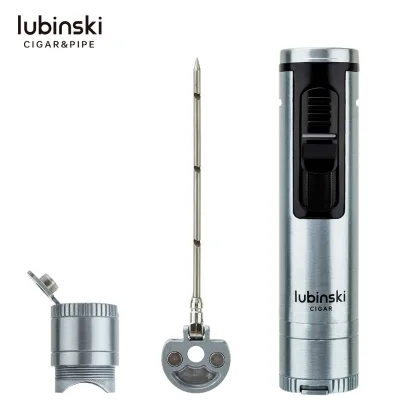
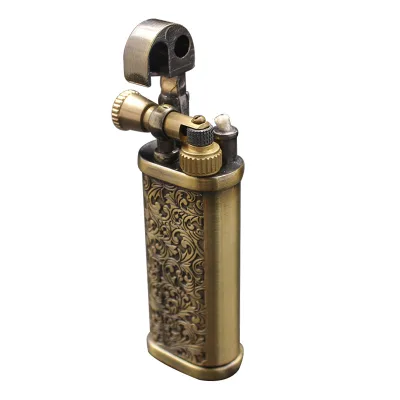
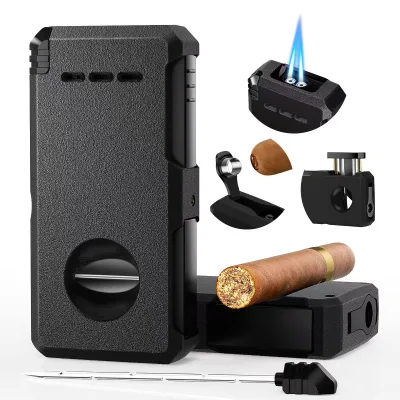
Newest Style Single Flame Cigar Lighter with Punch Cigar Cutter Have Good Packing
$10.00 - $14.01
Moq: 1
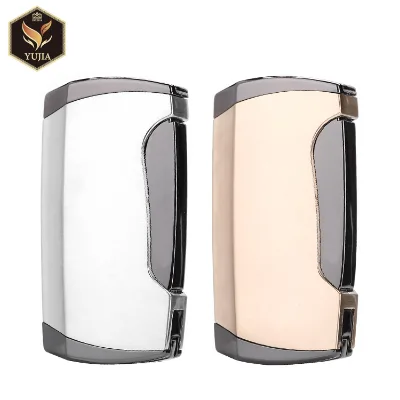
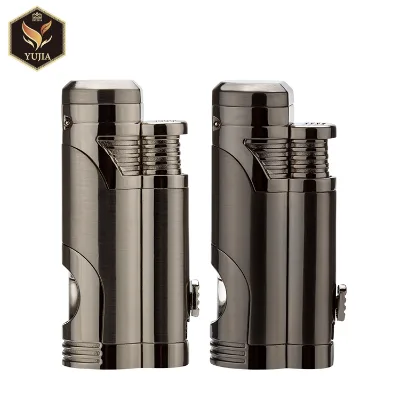
$5.10 - $6.80

Shenzhen Lovisle Technology Co., Ltd.
- Verified by TUVRHEINLAND
- Trading Company,Manufacturer/Factory,Group Corporation
- China Guangdong
- Lead time38 days
- Avg. response≤ 6h
Main productsTorch Gas Lighter, Cigarette Lighter, Cigarettes Cases, USB Lighter, Herb Grinder, Water Hookah Shisha, Rolling Machine, Smoking Accessories, Electronic Cigarettes Lighters
Main marketsSouth America,Eastern Europe,Mid East,North America,Southeast Asia,Eastern Asia,Oceania,Western Europe,Africa

Hunan Dongyi Electric Co., Ltd.
- Verified by CTI
- Combined
- China Hunan
- Lead time15 days
- Avg. response≤ 18h
Main productsElectronic Lighter, Flint Lighter, BBQ Lighter, USB Lighter, Utility Lighter, LED Item
Main marketsSouth America,Africa,Southeast Asia/ Mideast,East Asia(Japan/ South Korea),Domestic,Europe,Australia,North America
Wenzhou Anda Smoking Sets Co., Ltd.
- Manufacturer, Trading Company
- Zhejiang, China
- Lead time25 days
- Avg. response≤ 6h
Main productsElectric lighter,Gas Lighter,Torch lighter,Cigarette case,Ashtray
Main marketsWestern Europe(25.0%), Eastern Europe(25.0%), North America(25.0%), Domestic Market(10.0%), Southeast Asia(5.0%)
Guangzhou Guevara Trading Co., Ltd.
- Verified by TüVRheinland
- Manufacturer, Trading Company
- Lead time3 days
- Avg. response≤ 2h
Main productsCigar Lighter, Cigar Cutter, Cigar Ashtray, Cigar Accessories, Cigar Cases And Humidors
Main marketsNorth America(45%), Mid East(35%), Oceania(10%)
- Verified by SGS Group
- Trading Company
- Lead time15 days
- Avg. response≤ 2h
Main productsLighters, Cigarette Case, Ashtray
Main marketsNorth America(70%), Northern Europe(25%), Southeast Asia(5%)

Ningbo Newlite International Trade Co., Ltd.
- Trading Company
- China Zhejiang
- Lead time60 days
- Avg. response≤ 21h
Main productsOven Parts, Oven Components, Gas Cooker Part, Spark Igniter, Oven Switch, Gas Stove Part, Oven Timer, Gas Valve, Barbeque Grill Parts, Gas Water Heater Parts
Main marketsSoutheast Asia/ Mideast,Europe,North America
Hzhm (shenzhen) Technology Co., Ltd.
- Trading Company, Distributor/Wholesaler
- Guangdong, China
- Lead time7 days
- Avg. response≤ 2h
Main productsLighter,Cigar Accessories,Whisky Accessories,Golf Accessories,Waterpipe Accessories
Main marketsNorth America(40.0%), Eastern Europe(30.0%), South America(20.0%), Northern Europe(5.0%), Western Europe(5.0%)
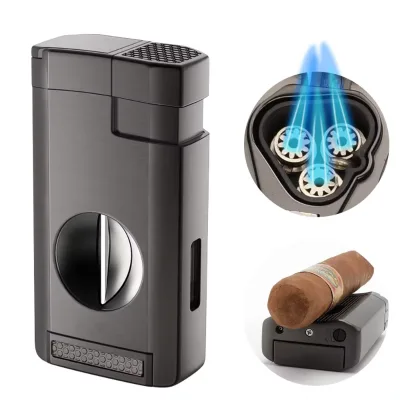
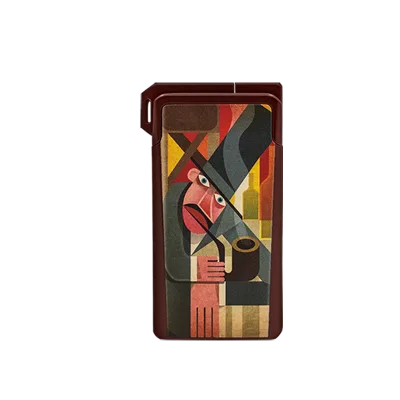
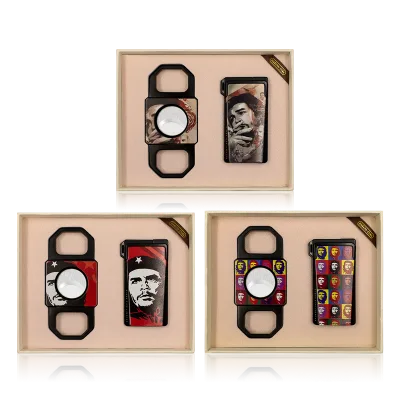
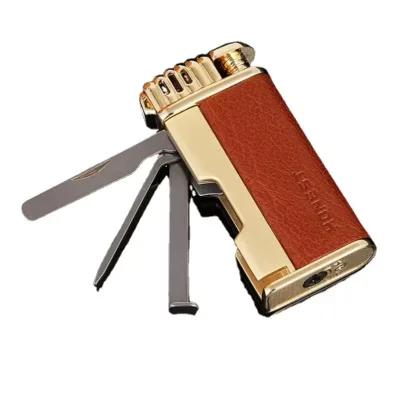
Low Moq Cigar Lighters Wholesale 2 in 1 for Cigar and Pipe with Cigar Cutting Knife
$19.20 - $19.80
Moq: 10

- Trading Company
- Zhejiang, China
- Lead time15 days
- Avg. response≤ 2h
Main productsgas lighter,USB lighter,oil lighter,arc lighter,torch lighter
Main marketsNorth America(50.0%), Eastern Europe(20.0%), Southeast Asia(20.0%), South America(10.0%)

Ningbo Klaid Imp & Exp Co., Ltd.
- Verified by TUVRHEINLAND
- Trading Company
- China Zhejiang
- Lead time30 days
- Avg. response≤ 2h
Main productsChafing Fuel, Gel Fuel, Wire Chafing Dish Racks, Butane Gas Refill, Lighter Gas Refill, Chafing Fuel Cans, Disposable Biodegradable Packaging
Main marketsSouth America,Southeast Asia/ Mideast,Europe,North America


Small Size Electronic Lighters Classic Gas Lighter Export of Lighters for Foreign Trade
Contact supplier
Moq: 200000

Shenzhen Giver Technology Co., Ltd.
- Manufacturer, Distributor/Wholesaler
- Guangdong, China
- Lead time10 days
- Avg. response≤ 8h
Main productsTorch lighter,cigarette lighter,Electric lighter,plasma lighter,USB lighter
Main marketsCentral America(40.0%), North America(10.0%), Western Europe(10.0%), Southern Europe(10.0%), Eastern Europe(6.0%), Southeast Asia(5.0%), Northern Europe(5.0%), South Asia(5.0%), South America(5.0%), Africa(2.0%), Eastern Asia(1.0%), Oceania(1.0%)

Jiangsu Crown Police Equipment Manufacturing Co., Ltd.
- Verified by SGS
- Combined
- China Jiangsu
- Lead time15 days
- Avg. response≤ 5h
Main productsAnti-Riot Helmet, Anti-Riot Shield, Pepper Spray, Tactical Vest, Helmet, Anti-Riot Suit
Main marketsSouth America,Africa,Southeast Asia/ Mideast,East Asia(Japan/ South Korea),Domestic,Europe,Australia,North America
Guizhou Dongyi Electric Industry Co.,Ltd.
- Verified by TüVRheinland
- Manufacturer, Trading Company
- Lead time20 days
- Avg. response≤ 3h
Main productsLighters
Main marketsDomestic Market(30%), Mid East(15%), Africa(10%)
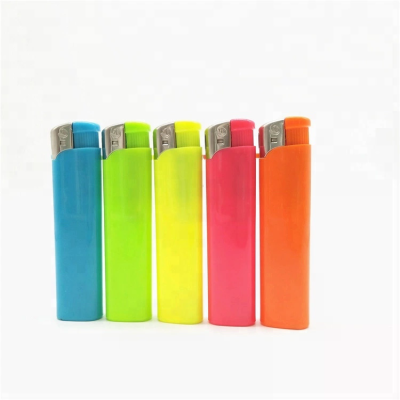
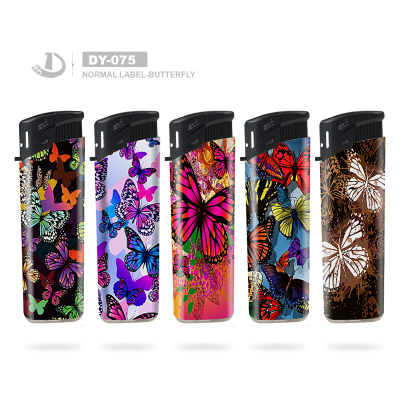
$0.06 - $0.10
Jiashan Jiaxin Electronic Products Co., Ltd.
- Verified by TüVRheinland
- Manufacturer, Trading Company
- Lead time15 days
Main productsLighter, Electronic Lighter, Cigarette Lighter, USB Lighter
Main marketsNorth America(30%), South America(30%), Eastern Europe(30%)

Hangzhou Radiant Glass Import & Export Co., Ltd.
- Verified by SGS
- Trading Company
- China Zhejiang
- Lead time23 days
- Avg. response≤ 4h
Main productsGlass Water Pipe, Glass Pipe, Oil Burner Pipe/Bowl, Silicone Pipe, Quartz Banger, Downstem, Glass Bowl, Glass Accessories, Ash Catcher, Glass Smoking Pipe
Main marketsSouth America,North America
Hong Kong Hange Technology Co., Limited
- Trading Company
- Hong Kong S.A.R.
- Lead time0 days
- Avg. response≤ 7h
Main productsLighter,smoking accessories
Main marketsNorth America(80.0%)
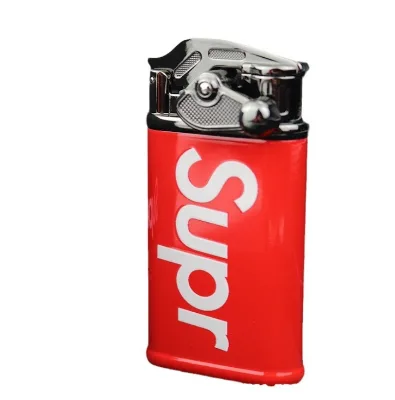
Customized Fashion Trend LOGO Cigarette Lighter
$0.40 - $5.50
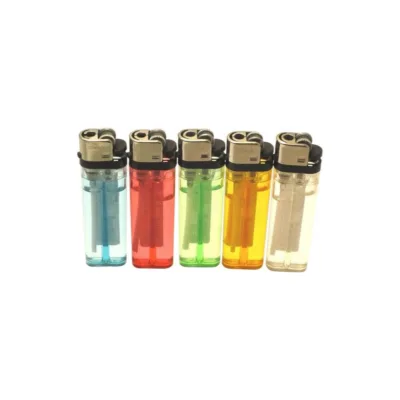
Cigarette Lighter Disposable Classic Lighters
$0.05 - $0.09
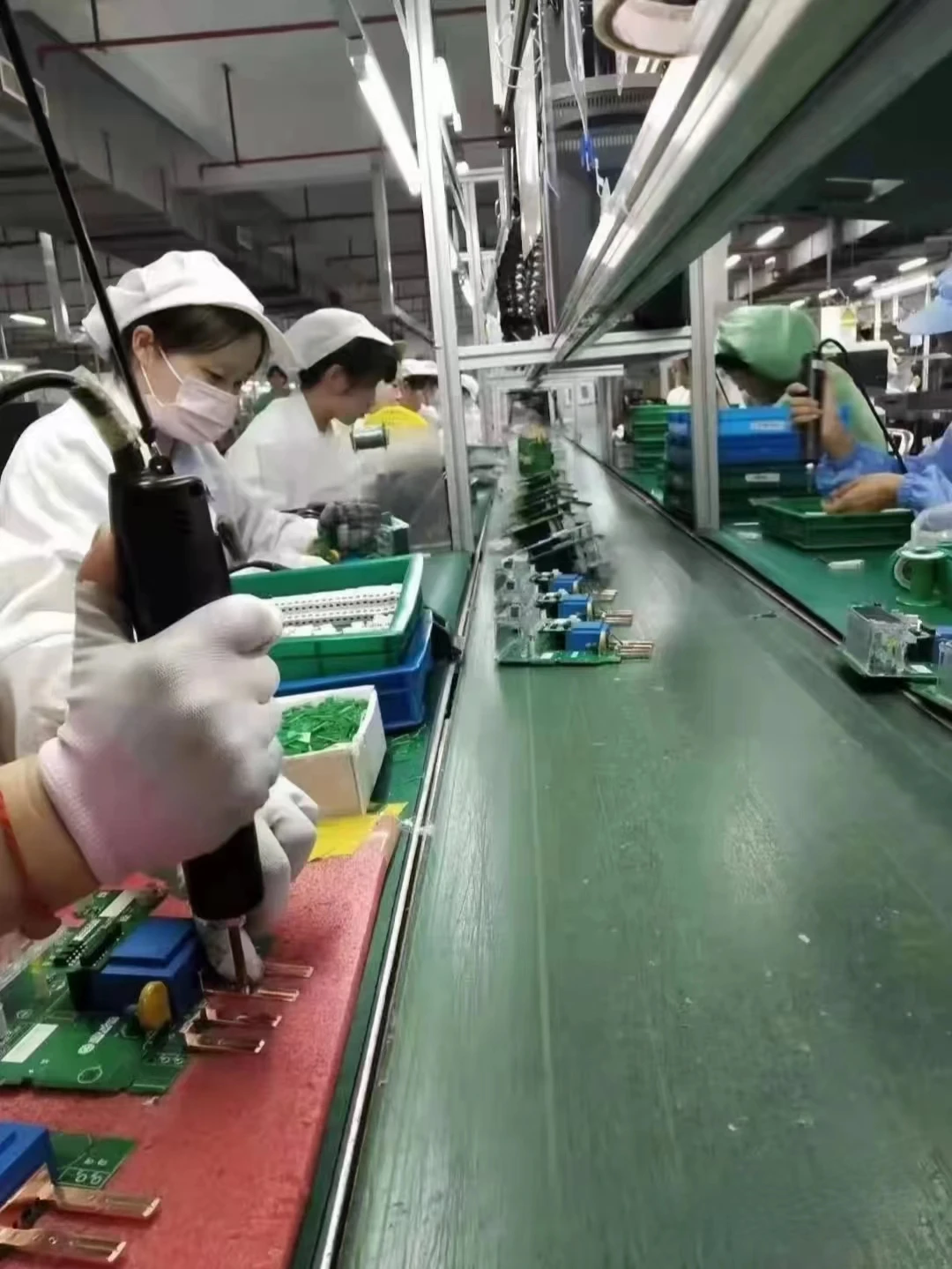
Zhejiang Jiaxin Electronic Products Co., Ltd.
- Manufacturer, Trading Company
- Zhejiang, China
- Lead time15 days
- Avg. response≤ 2h
Main productsLighters,Electronic USB Lighter,Cigarette set,herb grinder,BBQ torch ignitor
Main marketsEastern Europe(30.0%), South America(30.0%), North America(30.0%), Southeast Asia(10.0%)
Shenzhen Ottoya Technology Co., Ltd.
- Manufacturer, Agent, Government ministry/Bureau/Commission
- Guangdong, China
- Lead time0 days
- Avg. response≤ 3h
Main productsElectronic lighter,Windproof lighter,Torch lighter,Metal lighter,Smoking accessories
Main marketsNorth America(42.0%), Western Europe(16.0%), Mid East(8.0%), Northern Europe(7.000000000000001%), Eastern Europe(5.0%), Southern Europe(4.0%), Eastern Asia(4.0%), South America(3.0%), South Asia(2.0%), Central America(2.0%), Africa(2.0%), Oceania(2.0%), Southeast Asia(2.0%), Domestic Market(1.0%)

TAIZHOU HARSOUL IMP. & EXP. CO., LTD.
- Trading Company
- China Zhejiang
- Lead time30 days
- Avg. response≤ 14h
Main productsPromotion Gifts, Promotional Bag, Promotional Jewelry, Promotional Toys, Promotional Stationery, Promotional Plastic Goods
Main marketsOthers(foreignTradeCapacity.exportBusinessCapacityMarketOther),Europe,North America

Zhongshan Saiya Souvenirs & Gifts Manufacturer
- Verified by SGS
- Combined
- China Guangdong
- Lead time23 days
- Avg. response≤ 3h
Main productsFridge Magnet, Metal Crafts, Keychain, Shot Glass, Bottle Opener, License Plate, Photo Frame, Souvenir Bag
Main marketsSoutheast Asia/ Mideast,Europe,North America


Custom Logo Pocket Souvenirs Windproof Lighter Metal Cigarette Smoking Lighters
$1.00 - $1.20
Moq: 720


Souvenir Windproof Lighter Custom Logo Metal Cigarette Smoking Kerosene Lighter
$1.00 - $1.20
Moq: 720


Xi'an Smart Technology Co., Ltd.
- Trading Company
- Shaanxi, China
- Lead time3 days
- Avg. response≤ 1h
Main productswedding decor,Personal Care,party decorations,Lighters & Smoking Accessories,home deco
Main marketsNorth America(50.0%), Eastern Europe(30.0%), Southeast Asia(10.0%), Eastern Asia(10.0%), Southern Europe(5.0%), South America(5.0%), Africa(5.0%)
Hunan Dongyi Electric Co., Ltd.
- Manufacturer, Trading Company
- Hunan, China
- Lead time10 days
- Avg. response≤ 1h
Main productsGas lighter,BBQ,Metal Lighter,Lighter parts,USB lighter
Main marketsMid East(15.0%), Africa(10.0%), Western Europe(10.0%), Central America(10.0%), South Asia(10.0%), Eastern Europe(9.0%), South America(8.0%), North America(5.0%), Southeast Asia(5.0%), Eastern Asia(5.0%), Northern Europe(5.0%), Southern Europe(5.0%), Domestic Market(3.0%)
Wenzhou Debang Smoking Set Co., Ltd.
- Verified by Intertek
- Manufacturer, Trading Company
- Lead time7 days
Main productsCooking Lighter, Lighter Sleeve, Gas Lighter, Kitchen Lighter, Jet Torch Lighter
Main marketsWestern Europe(34%), Domestic Market(20%), North America(16%)

Benxi Fenghe Lighter Co., Ltd.
- Verified by TUVRHEINLAND
- Combined
- China Liaoning
- Lead time30 days
- Avg. response≤ 5h
Main productsFlint Lighter, Electronic Lighter, Cr Lighter, Disposable Lighter, Refillable Lighter, Torch Lighter, Cigarette Lighter, Plastic Lighter, Gas Lighter, Pocket Lighter
Main marketsEast Asia(Japan/ South Korea)

Disposable Butane Gas Plastic Refillable Electric Custom Lighter for Cigarette Smoking
$0.07 - $0.08
Moq: 200000

Mini Plastic Pocket Refillable Electric Gas Custom Design Lighter for Cigarette and Gift
$0.07 - $0.07
Moq: 200000













Comprehensive Sourcing Guide
Cigar Lighter Supplier Concentration and Factory Types
Current data indicates a concentration of manufacturing activity in Guangdong, China, alongside specific product origins noted in Zhejiang, China. This geographic clustering suggests that buyers evaluating cigar lighters should prioritize regions where supply chains for metal components and gas mechanisms are established. When assessing potential partners, verify the specific province listed in their profile, as Guangdong often hosts a mix of manufacturers and trading companies, while Zhejiang may indicate specialized production facilities. Do not assume all suppliers in a search result share the same location; some may list Guangdong as their headquarters while manufacturing in other provinces.
The supplier landscape includes manufacturers, agents, and distributors, each offering different value propositions for bulk procurement. Manufacturers typically provide direct control over production quality and customization, whereas trading companies may offer a broader range of accessories like cigar cases and humidors alongside the lighters themselves. Some entities operate as group corporations with their own brands, such as ZROOG or VDOSMOO, while others focus on OEM and ODM services. Buyers must distinguish between these types to ensure the partner can meet specific volume requirements and branding needs without relying on third-party intermediaries for core manufacturing steps.
How to Verify Cigar Lighter Suppliers
Verification begins with checking for recognized third-party certifications, such as the TUVRHEINLAND mark observed in current results, which signals adherence to specific safety and quality standards. While not every supplier displays this credential, its presence is a strong indicator of a verified operational history. Buyers should request proof of such certifications directly rather than relying on profile badges alone, as these documents confirm that the factory has undergone external audits for production capabilities and quality management systems. Absence of visible verification does not disqualify a supplier but warrants deeper due diligence before committing to an order.
Response time and communication speed are critical indicators of supplier reliability and operational efficiency. Current data shows response times ranging from 5.5 to 8 hours, suggesting that faster communication often correlates with more active and organized sales teams. Buyers should test this metric by sending an inquiry and measuring the actual reply duration, as slow responses can signal bottlenecks in the sales process or a lack of dedicated support staff. Additionally, verify the company type listed, ensuring it matches the claimed role, whether they are a direct factory or a trading entity, to align expectations regarding lead times and customization capabilities.
What to Compare Across Cigar Lighter Suppliers
When comparing suppliers, focus on tangible metrics like lead time, minimum order quantity (MOQ), and supply ability to determine fit for your specific project scale. Current listings show lead times varying between 30 and 38 days, with some suppliers offering an MOQ as low as one piece while others require larger volumes for custom logo engraving. Supply ability figures, such as 3000 pieces per month, help buyers gauge whether a supplier can handle seasonal spikes or large-scale distribution needs without compromising delivery schedules. These numbers should be cross-referenced against your own production calendar to avoid delays.
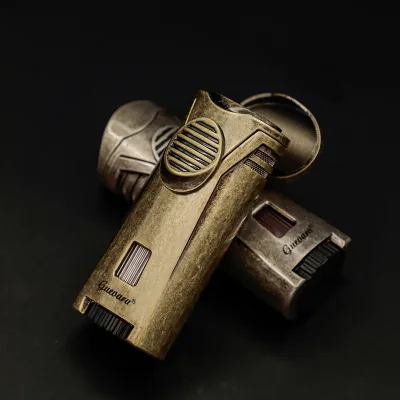
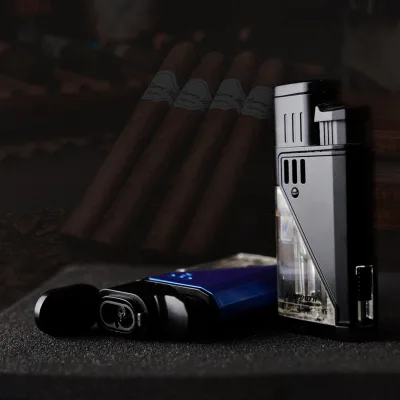
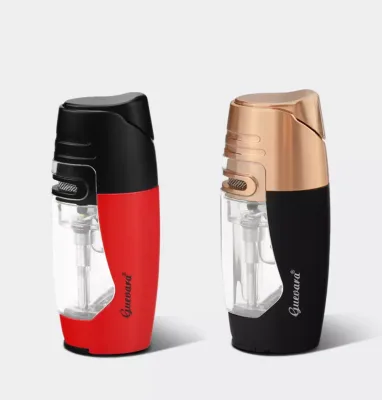
Product specifications and material composition are equally vital for ensuring the final goods meet your quality standards. Differences in materials, such as zinc alloy versus other unspecified composites, directly impact durability and perceived value. Buyers should compare attributes like weight, size, and flame type, noting that some models feature dual flames or integrated cutters while others are single-flame designs. Price ranges also vary significantly, with some items listed between $5.10 and $7.19 and others between $10.00 and $14.00. These price points often reflect differences in material quality, branding options, and packaging details, so buyers must align their budget with the specific feature set required for their market.
Common Cigar Lighter Sourcing Risks
One significant risk involves discrepancies between the stated place of origin and the actual manufacturing location, which can affect shipping costs and tariff classifications. While some products list Zhejiang as the origin, the supplier's main location might be Guangdong, creating potential confusion in logistics planning. Buyers must confirm the exact port of dispatch, such as Guangzhou, Shenzhen, or Hong Kong, to accurately calculate freight charges and transit times. Relying solely on the product description without verifying the shipping port can lead to unexpected delays or increased costs that were not accounted for in the initial budget.
Another risk lies in the variability of customization capabilities and the associated minimum order quantities for branding. Some suppliers offer OEM logo services with a minimum of 200 pieces for engraving, while others may have different thresholds or limitations on color choices. If a buyer requires a specific color combination or a unique design style, they must verify that the supplier's production line can accommodate these requests without inflating the unit cost. Failure to clarify these customization limits early in the negotiation can result in orders that do not meet brand standards or require costly rework, delaying the time-to-market for the product.
Cigar Lighter Regional Sourcing and Logistics
Logistics planning must account for the specific ports of dispatch listed in supplier profiles, which often include Guangzhou, Shenzhen, and Hong Kong. These ports offer different advantages depending on the buyer's destination and preferred shipping carrier, such as DHL, UPS, TNT, FedEx, or EMS. Buyers should request detailed shipping terms to understand who bears the cost of freight and insurance, as these terms can vary significantly between suppliers. Understanding the specific port allows for more accurate estimation of transit times and helps in selecting the most efficient shipping method for the destination market.
Packaging details and carton dimensions are critical for optimizing container space and reducing shipping costs. Current data indicates varying packing standards, with some suppliers using gift boxes and others utilizing standard cartons with specific dimensions like 694234 cm. The net weight and gross weight per carton also differ, affecting the total volume and weight calculations for freight forwarding. Buyers should request the exact packing details for their chosen model to ensure that the shipping container is utilized efficiently. Inaccurate packing information can lead to underfilled containers or unexpected surcharges based on volumetric weight, impacting the overall profitability of the import.
Cigar Lighter Commercial Terms and Order Planning
Order planning requires a clear understanding of the payment terms and the specific commercial conditions attached to the minimum order quantity. While some suppliers list an MOQ of one piece, this often applies to standard stock items, whereas custom orders with logos or specific colors may require higher volumes. Buyers must clarify the pricing structure, noting that unit costs can fluctuate based on order size and material choices. It is essential to confirm whether the quoted price includes packaging, branding, and shipping, or if these are separate line items that will increase the total landed cost.
Lead time consistency is a key factor in maintaining a reliable supply chain for cigar lighters. With observed lead times ranging from 30 to 38 days, buyers should build a buffer into their inventory planning to accommodate potential production delays. Establishing a clear timeline for production milestones, from material sourcing to final inspection, helps in managing expectations and ensuring timely delivery. Buyers should also verify the supplier's capacity to handle rush orders or changes in demand, as this flexibility can be crucial for responding to market trends or unexpected sales spikes without disrupting the overall supply schedule.
FAQs
What is the typical lead time for cigar lighters?
The typical lead time for these products is 30 days, though some suppliers offer 38 days. Buyers should confirm specific schedules with manufacturers in Guangdong or Zhejiang. This duration covers production and initial packaging before shipping begins.
What is the minimum order quantity for these lighters?
The minimum order quantity is often as low as one piece for sample orders. However, custom logo engraving usually requires a minimum of 200 pieces. Bulk orders may have different thresholds depending on the specific supplier and product model selected.
How quickly do suppliers typically respond to inquiries?
Suppliers generally respond within 5.5 to 8 hours during business days. This rapid response helps buyers clarify product details like material composition or shipping options. Faster response times are common among verified trading companies and manufacturers in the region.
What materials are commonly used for cigar lighters?
Most cigar lighters are constructed from zinc alloy or stainless steel. Some models feature gas refill capabilities while others use electric torch mechanisms. The choice of material affects durability and weight, with options ranging from 78 grams to 176 grams.
Are custom logos available for these products?
Custom logos are available for many models, often requiring a minimum order of 200 pieces for engraving. Suppliers offer OEM services with various color options like silver, black, or gold. Buyers should verify specific design requirements and costs before placing an order.
What is the price range for these lighters?
Prices typically range from approximately 5.10 to 14.00 per unit depending on features and volume. Basic models start near 5.10, while premium jet flame or double flame versions cost more. Bulk purchasing often reduces the per-unit price significantly.
Where are these cigar lighters manufactured?
These products are primarily manufactured in Guangdong and Zhejiang provinces in China. Major shipping ports include Guangzhou, Shenzhen, and Hong Kong. Buyers can expect consistent quality from suppliers located in these established industrial hubs.