Chunky Ring Suppliers and Manufacturers in China
Source 29 verified suppliers for Chunky Ring products, comparing key dimensions like lead times, MOQs, and certifications. Review specific attributes such as stainless steel or acrylic materials and response times to identify the right partner for your bulk orders; review the available evidence before requesting comparable quotations from suitable candidates.
Suppliers List
Guangzhou Huifu Jewelry Co., Ltd.
- Verified by BV
- Manufacturer/Factory
- China Guangdong
- Lead time90 days
- Avg. response≤ 3h
Main productsJewelry, Stainless Steel Jewelry, Stainless Steel Ring, Stainless Steel Pendant, Stainless Steel Earring, Fashion Jewelry, Ring, Necklace, Pendant, Bracelet
Main marketsEastern Europe,Mid East,North America,Western Europe,Africa
Yiwu Dingying Jewelry Co., Ltd.
- Verified by Intertek
- Trading Company
- Lead time20 days
Main productsJewelry
Main marketsNorth America(45%), Western Europe(25%), South America(20%)
- Manufacturer, Trading Company
- Lead time旺季: "1 - 200":7,"201 - 1000":15,"> 1000":"To be negotiated", 淡季: "1 - 200":7,"201 - 1000":15,"> 1000":"To be negotiated"
- Avg. response≤ 2h
Main productsNecklace,Bracelet,Earring,Ring,Anklet

Rizhao Fenghua Scaffoldings Co., Ltd.
- Verified by BV
- Combined
- China Shandong
- Lead time45 days
- Avg. response≤ 17h
Main productsScaffolding, Scaffold, Forging, Formwork, Scaffold Couplers, Swivel Coupler, Frame System, Hand Tools, Scaffold Plank
Main marketsSouth America,East Asia(Japan/ South Korea),Europe,North America

MOQ: 1000 Pieces

MOQ: 1000 Pieces

MOQ: 1000 Pieces

MOQ: 1000 Pieces

MOQ: 1000 Pieces

MOQ: 5000 Pieces
- Trading Company
- hunan, China
- Lead time0 days
- Avg. response≤ 7h
Main productsEarring,Ring,Jewelry set,Bracelet,Necklace
Main marketsMid East(18.00%), Southeast Asia(15.00%), South Asia(11.00%), Central America(10.00%), North America(10.00%), Domestic Market(5.00%), Eastern Europe(5.00%), Southern Europe(5.00%), Northern Europe(5.00%), Africa(5.00%), South America(5.00%), Western Europe(5.00%), Eastern Asia(5.00%), Oceania(5.00%)
- Verified by TüVRheinland
- Manufacturer, Trading Company
- Lead time15 days
Main productsNecklace, Earrings, Bracelet, Hair Accessory
Main marketsDomestic Market(46%), North America(25%), Southern Europe(10%)

TongLing Adjustable Rings High Quality Popular Thick Dome Chunky Rings Wholesale Anel
$1.99 - $2.53
MOQ: 2 pieces


- Verified by TüVRheinland
- Manufacturer, Trading Company
- Lead time7 days
Main productsFashion Jewelry
Main marketsNorth America(75%), South America(8%), Southeast Asia(7%)
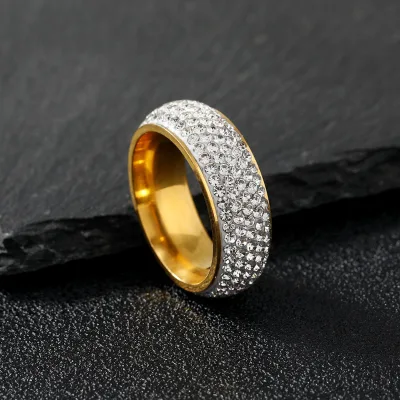
Hot Sale Chunky High Quality Punk Shiny 5 Layer Rhinestone Stainless Steel Ring Wholesale for Women
$0.72 - $0.85
MOQ: 10 pieces
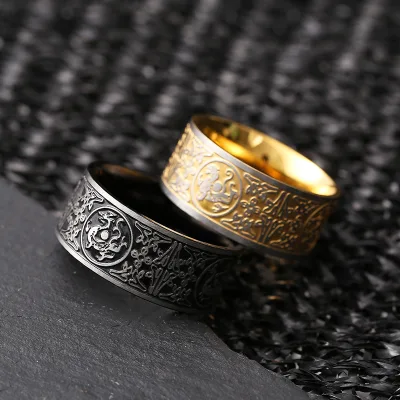
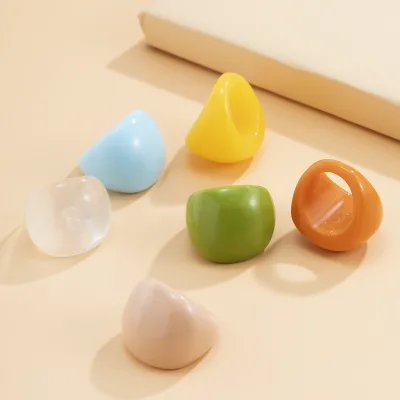


Shenzhen Hanhao Arts & Crafts Co., Ltd.
- Trading Company
- Guangdong, China
- Lead time10 days
- Avg. response≤ 8h
Main products925 Silver Jewelry, Stainless Steel Jewelry, Brass Jewelry
Main marketsNorth America(40.00%), South America(10.00%), Eastern Europe(10.00%), Oceania(5.00%), Southern Europe(5.00%), Eastern Asia(5.00%), Central America(5.00%), Northern Europe(5.00%), Africa(5.00%), Domestic Market(5.00%), Mid East(5.00%)

Yiwu Baiyao Clothing Accessories Co., Ltd.
- Manufacturer, Trading Company
- Zhejiang, China
- Lead time15 days
- Avg. response≤ 12h
Main productsJewelry, Clothing Accessories, Brooch Accessories
Main marketsNorth America(60.00%), Southeast Asia(10.00%), Western Europe(6.00%), South America(5.00%), Eastern Europe(5.00%), Southern Europe(4.00%), Northern Europe(4.00%), Oceania(2.00%), Africa(2.00%), Eastern Asia(1.00%), Mid East(1.00%)

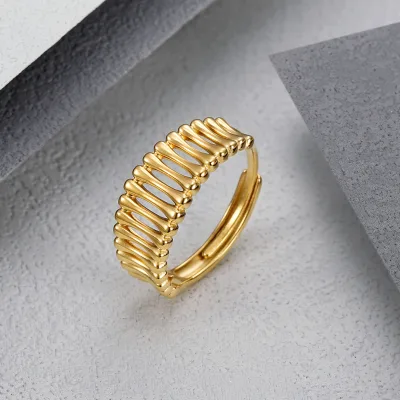
Hollow E Dainty Stainless Steel Elegant Titanium Steel Men's Adjustable Ring
$0.75 - $0.90
MOQ: 6 pieces

Shaoxing Feida Nail Industry Co., Ltd.
- Combined
- China Zhejiang
- Lead time0 days
- Avg. response≤ 14h
Main productsStaples, Mattress Clips, Nail, C Ring Staples, Hog Ring Staples, Hog Ring Pliers, Air Hole, Pneumatic Gun, Takeover, Industrial Staples
- Verified by Intertek
- Manufacturer, Trading Company
- Lead time15 days
Main productsNecklaces, Rings, Earrings, Bracelets, Jewelry Accessories
Main marketsNorth America(41%), Western Europe(18%), Oceania(10%)

Shanxi Donghuang Wind Power Flange Manufacturing Co., Ltd.
- Manufacturer
- China Shanghai
- Lead time23 days
- Avg. response≤ 4h
Main productsForging, Forging Part, Forged Ring, Forged Shaft, Big Flange, Flange, Forged, Steel Flange, Machinery Part, Pipe Fitting
Main marketsSoutheast Asia/ Mideast,Europe
Haifeng Chengdong Gluck Jewelry Firm ( Individual Business)
- Trading Company
- Guangdong Province, China
- Lead time7 days
- Avg. response≤ 3h
Main productsring,earring,bracelet,jewelry,necklace
Main marketsSouth America(35.00%), North America(35.00%), Eastern Europe(20.00%), Southeast Asia(10.00%)
- Verified by Intertek
- Manufacturer, Trading Company
- Lead time10 days
Main productsStainless Steel Ring, Stainless Steel Necklace, Stainless Steel Earring, Bracelets, Trousers Chain
Main marketsNorth America(40%), Western Europe(30%), Oceania(20%)
Qingdao Yanfei Rigging Co., Ltd.
- Trading Company
- China Shandong
- Lead time30 days
- Avg. response≤ 18h
Main productsRigging Hardware, Stainless Steel Rigging, Steel Wire Rope, Chain, Cargo Control, Lifting Equipements, Hook, Shackle, Turnbuckle, Ratchet Strap
Main marketsSouth America,Africa,Southeast Asia/ Mideast,East Asia(Japan/ South Korea),Domestic,Europe,Australia,North America

Qingdao Gemopia Jewelry Co., Ltd.
- Combined
- China Shandong
- Lead time30 days
- Avg. response≤ 3h
Main productsGold Jewelry, Silver Ring
Main marketsSouth America,Africa,Southeast Asia/ Mideast,East Asia(Japan/ South Korea),Domestic,Europe,Australia,North America
Shenzhen Es Jewelry And Gift Co., Ltd.
- Verified by TüVRheinland
- Trading Company
- Lead time20 days
Main productsRings, Bracelets, Necklace, Pendants, Earrings
Main marketsNorth America(30%), Eastern Europe(20%), Northern Europe(20%)

Jinjiang Jiaxing Supply Management Co., Ltd.
- Verified by TUVRHEINLAND
- Trading Company
- China Fujian
- Lead time30 days
- Avg. response≤ 1h
Main productsEVA Clogs, Flip Flop, Shoe Charms, Shopping Bags, Wristbands, Gifts, Promotional Gifts, Slipper, Sport Cap, Ball
Main marketsNorth America
- Verified by TUVRHEINLAND
- Combined
- China Guangdong
- Lead time30 days
- Avg. response≤ 3h
Main marketsDomestic

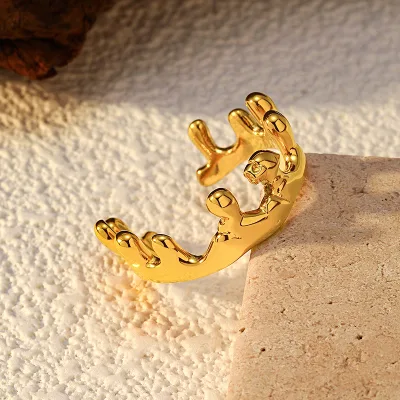
Effortlessly Stylish Open Ring Adjustable for a Perfect Comfortable Fit Every Time
$1.03 - $1.65
MOQ: 50 Pieces

- Manufacturer, Trading Company
- Zhejiang, China
- Lead time10 days
- Avg. response≤ 4h
Main productsStainless Steel Jewelry,Fashion Jewelry,necklace,earrings,bracelet
Main marketsWestern Europe(50.00%), North America(45.00%), Domestic Market(5.00%)
$2.25 - $2.70
MOQ: 2 pieces


Stainless Steel Gold-plated Ring Korean Instagram-style Trendy Design Lightweight and Luxurious
$1.80 - $2.20
MOQ: 2 pieces
Qingdao Xinquanxi Metal Products Co., Ltd.
- Verified by TUVRHEINLAND
- Combined
- China Shandong
- Lead time15 days
- Avg. response≤ 4h
Main productsShackle, Turnbuckle, Standard Conneting Link, Eye Bolts & Nuts, Wire Rope Clips, Snap Hooks, D Rings, Wire Rope Thimbles, Pulley Blocks, Casting
Main marketsEast Asia(Japan/ South Korea),Domestic,Europe,North America
- Manufacturer, Trading Company
- Guangdong, China
- Lead time25 days
- Avg. response≤ 3h
Main productsRings, Bracelets, Earrings, Necklaces, Accessories
Main marketsNorth America(30.00%), South America(22.00%), Western Europe(10.00%), Southeast Asia(10.00%), Domestic Market(9.00%), Eastern Europe(5.00%), Africa(3.00%), Mid East(3.00%), South Asia(2.00%), Central America(2.00%), Eastern Asia(1.00%), Oceania(1.00%), Southern Europe(1.00%), Northern Europe(1.00%)

- Trading Company
- Zhejiang, China
- Lead time30 days
- Avg. response≤ 5h
Main productsFashion Jewelries,Promotional Gifts,Crafts,Toys
Main marketsWestern Europe(30.00%), North America(20.00%), Eastern Europe(10.00%), Northern Europe(5.00%), Oceania(5.00%), Central America(5.00%), Southern Europe(5.00%), Mid East(2.00%), South Asia(2.00%), South America(2.00%), Eastern Asia(2.00%), Domestic Market(1.00%), Africa(1.00%), Southeast Asia(1.00%)

Shanghai Eastern Waves Co., Ltd.
- Trading Company
- China Shanghai
- Lead time45 days
- Avg. response≤ 10h
Main productsRetaining Ring, Circlip, Washers, Internal Retaining Ring, External Circlip, Parallel Key, Nuts, Snap Ring, Pin, Bolts
Main marketsSouth America,Africa,Europe,Australia,North America

MOQ: 1000 Pieces

Snap Ring, Retaining Ring 5100-187
MOQ: 1000 Pieces

5101 Series-Bowed External Rings, Snap Ring
MOQ: 1000 Pieces

Retaining Ring, Snap Ring GOST13940-86, GOST13941-86
MOQ: 1000 Pieces

Snap Ring, Retaining Ring 5100-168
MOQ: 1000 Pieces

Tongxiang Spring Rubber & Plastics Tech Co., Ltd.
- Verified by SGS
- Combined
- China Zhejiang
- Lead time30 days
- Avg. response≤ 1h
Main productsRubber Product, Rubber Parts, Bellow, Damper, O Ring, Grommet, Gasket, Custom Rubber, Seals, Rubber Plug
Main marketsEurope,North America
Xiamen Papler Technology Co., Ltd.
- Verified by TUVRHEINLAND
- Manufacturer/Factory
- China Fujian
- Lead time30 days
- Avg. response≤ 2h
Main productsRubber Molding, CNC Machining, Mould, Plastic Injection Molding, Metal Fabrication, Metal Stamping
Main marketsSouth America,Eastern Europe,Mid East,North America,Southeast Asia,Eastern Asia,Oceania,Western Europe,Africa
Dongguan Changan Fantasy Accessories Factory (Individual Business)
- Verified by TüVRheinland
- Trading Company
- Guangdong, China
- Lead time7 days
Main productsStainless Steel Rings, Stainless Steel Earings, Stainless Steel Necklaces, Stainless Steel Bracelets & Bangles, Fashion Jewelry Sets
Main marketsNorth America(25%), Northern Europe(15%), Eastern Asia(10%)
- Verified by Intertek
- Trading Company
- Lead time7 days
Main productsStainless Steel Jewelry
Main marketsNorth America(48%), Western Europe(32%), Northern Europe(8%)

Qingdao Grand Forging Co., Ltd.
- Combined
- China Shandong
- Lead time30 days
- Avg. response≤ 11h
Main productsForging Part
Main marketsEurope




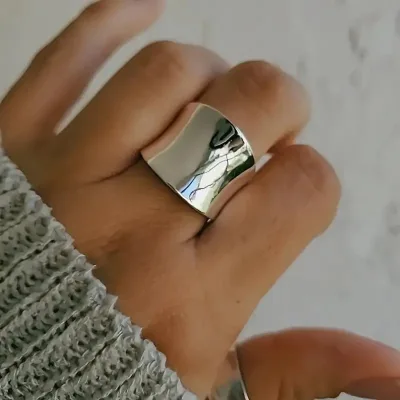


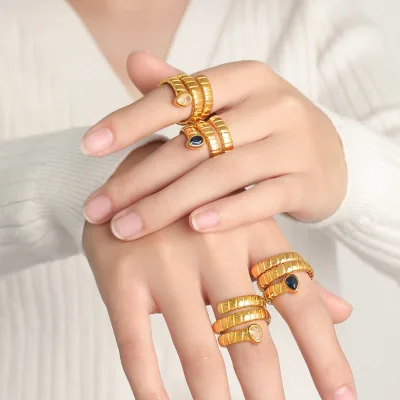


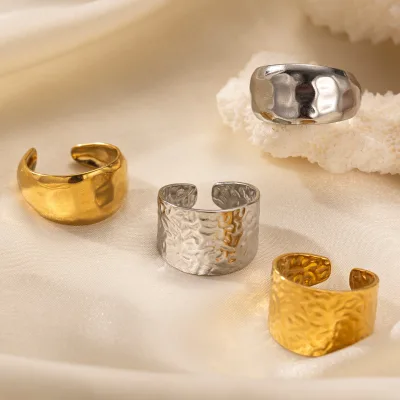


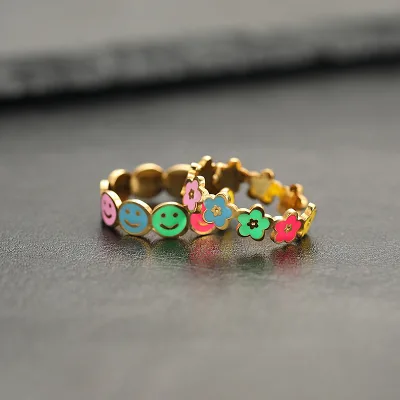



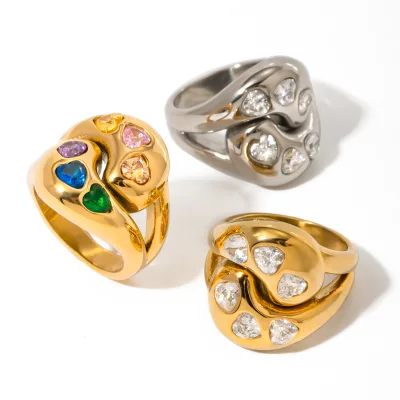

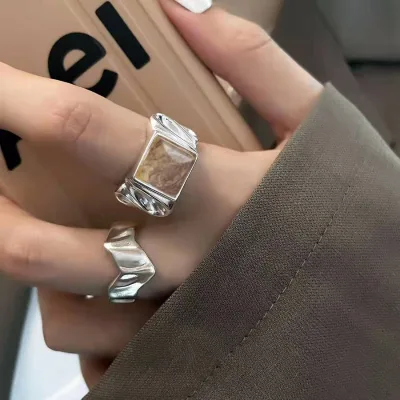


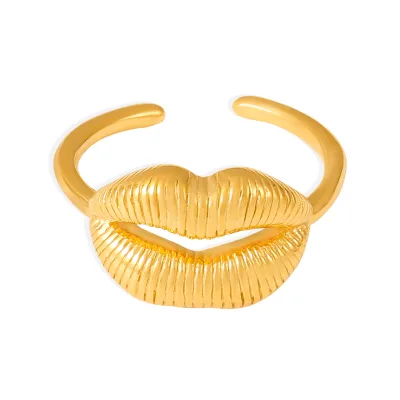


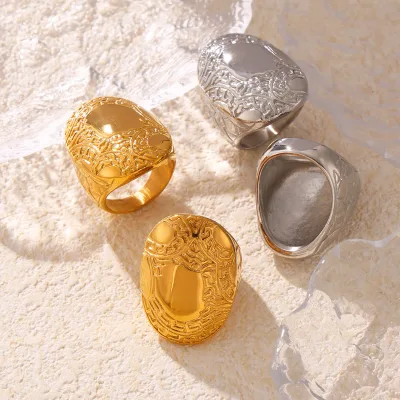


Comprehensive Sourcing Guide
Chunky Ring Supplier Concentration and Factory Types
The sourcing landscape for chunky rings reveals a distinct split between manufacturing capabilities and trading efficiencies, requiring buyers to align their procurement strategy with the specific operational model of the supplier. Evidence indicates that a significant portion of the market consists of manufacturers and factories located in China, specifically within the Guangdong province, which serves as a major hub for jewelry production. These entities typically possess the infrastructure for OEM and ODM services, allowing for deep customization of materials such as stainless steel, including processes like polishing, casting, and plating. This concentration suggests that buyers seeking high-volume orders with specific material requirements, such as fade-resistant or hypoallergenic properties, should prioritize direct factory engagement to ensure quality control and cost efficiency. The presence of verified manufacturer status, often backed by third-party inspections like BV, provides a layer of assurance regarding the physical production capabilities and the authenticity of the supply chain.
Conversely, a notable segment of the market is composed of trading companies that specialize in trendy, fashion-forward items such as acrylic, resin, and plastic chunky rings. These suppliers often focus on rapid turnover of styles, offering products with vibrant color palettes and unique designs like dome bubbles or geometric shapes. While they may not own the manufacturing facilities, their role is crucial for buyers who require smaller minimum order quantities and faster access to diverse, low-cost fashion accessories. The distinction is vital because trading companies often provide more flexible sample processing and graphic customization services, catering to brands that need quick iterations without the long lead times associated with tooling and mold creation in factories. Understanding this dichotomy helps buyers determine whether their priority lies in material integrity and scale, which favors manufacturers, or in design variety and speed, which favors trading entities.
How to Verify Chunky Ring Suppliers
Verification is a critical step in mitigating risk, and buyers must rigorously assess the credentials provided by potential partners to ensure reliability and compliance. The presence of third-party verification badges, such as BV or Intertek, serves as an initial indicator of a supplier’s legitimacy and operational transparency. Buyers should actively look for these verification marks, as they signify that an independent agency has audited the company’s business license, factory conditions, or trading capabilities. For manufacturers, it is essential to confirm that the verification covers the actual production site, ensuring that the claimed capacity for processes like casting and polishing is genuine. Additionally, suppliers may hold specific system certifications, such as CE or compliance with (EC) 1907/2006, which are particularly relevant for jewelry entering certain international markets. These certifications indicate adherence to safety and chemical standards, which is crucial for products that come into direct contact with skin, especially those made from metals or resins.
Beyond static certifications, buyers should evaluate the supplier’s responsiveness and communication efficiency as a proxy for operational maturity. Data shows that response times can vary, with some suppliers demonstrating rapid engagement metrics, such as a response time of approximately 2.40 hours, while others may be slower. A quick and professional response to initial inquiries often correlates with better project management and after-sales support. Buyers should also verify the supplier’s ability to provide detailed product attributes, such as material composition, fabrication processing methods, and customization options. For instance, a legitimate supplier should be able to clearly articulate whether a Chunky Ring is made from stainless steel or acrylic, and whether it offers logo services or custom design acceptance. Requesting samples and checking for specific product evidence, such as model numbers or packing standards, further validates the supplier’s claim to expertise. This multi-layered verification process ensures that the chosen partner is not only legally compliant but also operationally capable of meeting the buyer’s specific quality and service expectations.
What to Compare Across Chunky Ring Suppliers
When evaluating multiple suppliers, buyers must systematically compare key operational metrics to identify the most suitable partner for their specific needs. One of the most significant differentiators is the lead time, which can vary drastically depending on the supplier type and order volume. Manufacturers may have longer lead times, such as 90 days for certain complex stainless steel pieces, due to the intricacies of casting and polishing processes. In contrast, trading companies or those with ready stock may offer significantly shorter lead times, such as 20 days, which is advantageous for fast-fashion retailers. Buyers should also scrutinize the Minimum Order Quantity (MOQ) requirements, as these can range from very low thresholds, such as 12 pieces for trendy acrylic rings, to higher volumes like 100 pieces for metal jewelry. This comparison is crucial for determining the financial feasibility of the order, especially for new brands testing the market with limited capital.
Price and customization capabilities are equally important factors in the comparison process. The price range for chunky rings can vary widely, from under one dollar for basic acrylic designs to over three dollars for intricate stainless steel pieces with specific finishes. Buyers should request detailed quotations that break down costs based on material, labor, and customization options. Furthermore, the availability of OEM and ODM services should be assessed, as some suppliers offer extensive customization, including logo printing, color matching, and design acceptance, while others may only offer standard products. The response time to inquiries is another critical metric, as faster responses often indicate a more agile and customer-centric organization. By creating a comparison matrix that includes lead time, MOQ, price, customization options, and response speed, buyers can objectively rank suppliers and select the one that best aligns with their strategic goals, whether those goals are cost minimization, speed to market, or product uniqueness.
Common Chunky Ring Sourcing Risks
Sourcing chunky rings involves several inherent risks that buyers must proactively manage to avoid supply chain disruptions and quality issues. One significant risk is the discrepancy between the sample and the bulk production, particularly when dealing with complex materials like stainless steel or resin. Manufacturers may use different casting techniques or polishing standards that result in variations in color, texture, or finish. For example, a black stainless steel ring might appear differently in bulk due to variations in the "Cast Mop Black" process or plating quality. Buyers should mitigate this risk by establishing clear quality standards and requesting pre-shipment inspections. Additionally, the risk of material degradation, such as fading or allergic reactions, is a concern, especially for rings marketed as hypoallergenic or fade-resistant. Buyers must verify these claims through product attributes and, if necessary, third-party testing reports to ensure compliance with safety standards.
Another common risk is the inconsistency in packaging and labeling, which can lead to logistical challenges and customer dissatisfaction. Suppliers may use different packing methods, such as OPP bags or PP bags, which may not provide adequate protection during transit, especially for fragile acrylic or resin rings. Buyers should specify packaging requirements in the contract to ensure that products are securely packed and labeled correctly. Furthermore, the risk of intellectual property infringement is a concern when working with suppliers that offer custom design services. Buyers must ensure that the designs they provide are original and do not infringe on existing patents or trademarks. Clear communication and legal agreements are essential to protect both parties’ interests. Finally, the risk of delayed shipments due to production bottlenecks or raw material shortages is prevalent in the jewelry industry. Buyers should maintain open communication with suppliers and have contingency plans in place to address potential delays, ensuring that their inventory levels remain stable and customer demand is met.
Chunky Ring Regional Sourcing and Logistics
The geographic location of suppliers plays a pivotal role in determining logistics costs, lead times, and overall supply chain efficiency. Evidence indicates that a significant concentration of Chunky Ring manufacturers and trading companies is located in China, particularly in the Guangdong province. This region is well-established as a global hub for jewelry production, offering a robust ecosystem of suppliers, raw material providers, and logistics services. Buyers sourcing from this region can benefit from the economies of scale and the availability of specialized manufacturing capabilities, such as stainless steel casting and polishing. However, the distance from other major markets, such as North America or Europe, can result in longer shipping times and higher freight costs. Buyers should carefully evaluate the total landed cost, including shipping, duties, and insurance, when sourcing from this region.
For buyers looking to diversify their supply base or reduce logistics risks, it is advisable to explore suppliers in other regions, although specific location data for other regions is not provided in the current results. Buyers should actively identify manufacturing clusters in other countries by conducting market research and attending industry trade shows. When sourcing from different regions, buyers must consider the local infrastructure, including port facilities and customs procedures, which can impact delivery times. Additionally, the time zone difference can affect communication and project management, requiring buyers to establish clear protocols for regular updates and issue resolution. Regardless of the region, buyers should work with reliable freight forwarders who can optimize shipping routes and provide real-time tracking. Understanding the logistical implications of regional sourcing allows buyers to make informed decisions that balance cost, speed, and reliability, ensuring a smooth and efficient supply chain for their Chunky Ring products.
Chunky Ring Commercial Terms and Order Planning
Effective commercial terms and order planning are essential for managing cash flow and ensuring timely delivery of chunky rings. Buyers should negotiate clear payment terms, such as a deposit followed by the balance upon shipment, to mitigate financial risk. It is also advisable to explore escrow services or other secure payment methods that protect both parties until the goods are received and inspected. The lead time for chunky rings can vary significantly, with some suppliers offering lead times as short as 20 days, while others may require up to 90 days for complex orders. Buyers must align their order planning with these lead times to avoid stockouts or excess inventory. For seasonal products, such as trendy acrylic rings, early ordering is crucial to ensure availability during peak demand periods.
Customization and branding options should be clearly defined in the contract to avoid misunderstandings. Suppliers may offer logo services, custom packaging, or specific design modifications, but these often come with additional costs or higher MOQs. Buyers should confirm these details in writing and ensure that the supplier has the capability to deliver on these promises. Additionally, buyers should establish a clear process for handling defects or discrepancies, including return policies and compensation terms. Regular communication with the supplier throughout the production process is vital to monitor progress and address any issues promptly. By carefully planning orders and negotiating favorable commercial terms, buyers can build a resilient and efficient supply chain that supports their business growth and customer satisfaction. This proactive approach minimizes risks and maximizes the value derived from the sourcing relationship.
FAQs
What is the price range for chunky rings?
Chunky rings typically cost between $0.49 and $3.00 per unit. Prices vary based on material and design complexity. Stainless steel options range from $2.60 to $3.00, while acrylic resin styles are priced between $0.49 and $0.99. Buyers should check specific product listings for exact pricing tiers.
What is the minimum order quantity for these rings?
Minimum order quantities vary by supplier and product type. Stainless steel rings generally require a minimum of 100 pieces. Acrylic resin chunky rings have a lower threshold, starting at 12 pieces. Buyers should verify the specific MOQ for their chosen style and material before placing an order.
How long does production take for chunky rings?
Lead times depend on the supplier and order volume. Stainless steel manufacturers typically require up to 90 days. Trading companies specializing in resin styles offer faster turnaround, often around 20 days. Volume-based schedules may apply, with larger orders requiring negotiation for delivery timelines.
Are chunky rings made from stainless steel hypoallergenic?
Yes, stainless steel chunky rings are generally hypoallergenic. Product attributes indicate they are non-allergic and do not fade or oxidize easily. These rings are suitable for sensitive skin. Buyers should confirm specific material certifications with the supplier to ensure compliance with personal safety standards.
Can I customize the design of chunky rings?
Customization is available for many Chunky Ring styles. Suppliers offer OEM and ODM services, allowing for logo printing and design adjustments. Stainless steel options support polishing and casting customization. Acrylic styles accept trendy design inputs. Buyers should contact suppliers directly to discuss specific customization requirements and feasibility.
What materials are used for chunky rings?
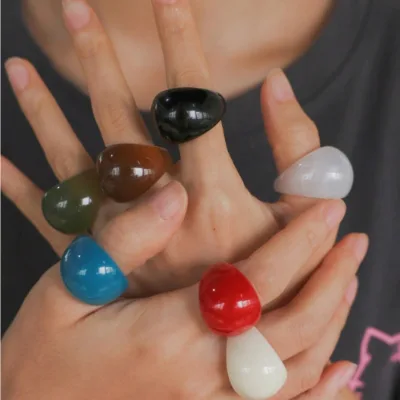
Chunky rings are primarily made from stainless steel and acrylic resin. Stainless steel options feature polishing and casting crafts, often in black or silver tones. Acrylic resin rings come in various colors like olive green, beige, and black. Some styles combine plastic and resin for a trendy, chunky appearance.