Class II Children Wheelchair Suppliers and Manufacturers
Source Class II Children Wheelchair from 18 verified suppliers in China. Compare ISO 13485 certifications, lead times, and MOQs to find the right partner. Contact suppliers directly to request quotes and verify production capabilities; review the available evidence before requesting comparable quotations from suitable candidates.
Suppliers List

Ningbo Finer Medical Instruments Co., Limited
- Trading Company,Manufacturer/Factory
- China Zhejiang
- Lead time23 days
- Avg. response≤ 22h
Main productsMedical Consumables, Medical Equipment, Hospital Furniture, Mobility Safety Aid, Daily Living Aid
Main marketsSouth America,Eastern Europe,Mid East,North America,Southeast Asia,Eastern Asia,Oceania,Western Europe,Africa

Science Medical Equipment Co., Ltd.
- Manufacturer/Factory
- China Guangdong
- Lead time60 days
- Avg. response≤ 3h
Main productsWheelchair, Handicapped Scooters, Rehabilitation Therapy Supplies, Clinical Analytical Instruments, Hospital Furniture, Ward Nursing Equipments, Hospital Bed, Operating Table, Examination Therapy Equipments
Main marketsSouth America,Eastern Europe,Mid East,North America,Southeast Asia,Eastern Asia,Western Europe,Africa

Shanghai Brother Medical Manufacturer Co., Ltd.
- Verified by CTI
- Manufacturer/Factory
- China Shanghai
- Lead time23 days
- Avg. response≤ 20h
Main productsWheelchair, Hearing Aid, Mobility Scooter, Commode Chair, Shower Chair, Crutch, Walking Stick
Main marketsSouth America,Eastern Europe,Mid East,North America,Southeast Asia,Eastern Asia,Oceania,Western Europe,Africa

Wheelchair Type Wheel Chair Manual Cerebral Palsy Children Wheelchair
$109.00 - $129.00
MOQ: 50 Pieces

Ergonomic Design Pediatric Wheelchair for Children with Cerebral Palsy
$125.00 - $145.00
MOQ: 1 Pieces

Adjustable Backrest and Footplate High-Back Reclining Cerebral Palsy Children Wheelchair
$115.00 - $149.00
MOQ: 50 Pieces


Children Cerebral Palsy Wheelchair Children Wheel Chair Customize and Adjustable
$120.00 - $150.00
MOQ: 1 Pieces

Hebei Webian Medical Instrument Trading Co., Ltd.
- Verified by TUVRHEINLAND
- Trading Company
- China Hebei
- Lead time15 days
- Avg. response≤ 4h
Main productsMedical Bed, Nursing Bed, Electric Bed, Wheelchair and Walking Aids, Other Hospital Furniture and Accessories, Bed Accessories
Main marketsSouth America,Africa,Southeast Asia/ Mideast,East Asia(Japan/ South Korea)

- Verified by TUVRHEINLAND
- Trading Company
- China Guangdong
- Lead time60 days
- Avg. response≤ 7h
Main productsElectric Wheelchair, Manual Wheelchair, Sports Wheelchair, Hospital Bed, Crtuches, Walking Aids, Shower Chair, Trailer Mobility Scooter, Commode Wheelchair, Stretcher
Main marketsEurope


Children Wheelchair with Awning and Foot Brake Suitable for 3-5 Years-Old Children
$315.00 - $385.00
MOQ: 1 Pieces

Aluminum Children Wheelchair Special for Cerebral Palsy Child for 7-14 Years-Old Body Shape
$315.00 - $400.00
MOQ: 1 Pieces

Medical Equipment Manual Aluminum Children Wheelchair with Adjustable Seat Size
$227.82
MOQ: 10 Pieces

Benemed (Hongkong) Industry Co., Limited
- Verified by TUVRHEINLAND
- Trading Company,Manufacturer/Factory
- China Henan
- Lead time23 days
- Avg. response≤ 6h
Main productsHematology Analyzer, Ultrasound Scanner, Patient Monitor, Chemistry Analyzer, Electrolyte Analyzer, Urine Analyzer, ECG Machine, Pulse Oximeter, Ot Light, X-ray Film Viewer
Main marketsSouth America,Eastern Europe,Mid East,Southeast Asia,Eastern Asia,Western Europe,Africa

Sainty International Group Jiangsu Yangzhou Sumex Imp. & Exp. Co., Ltd.
- Trading Company
- China Jiangsu
- Lead time30 days
- Avg. response≤ 11h
Main productsSyringe, Suction Catheter, Endotracheal Tube, Drainage Bag, Bandage, Dental Instrument, Surgical Gown, Vaginal Speculum, Vacutainer, Suture
Main marketsSouth America,Africa,Southeast Asia/ Mideast,East Asia(Japan/ South Korea),Europe,Australia,North America


High Quality Economic Lightweight Foldable Pediatric Wheelchair for Children
$26.00 - $31.00
MOQ: 10 Pieces


- Verified by BV
- Manufacturer/Factory
- China Shanghai
- Lead time23 days
- Avg. response≤ 20h
Main productsWheelchair, Electric Wheelchair, Commode Chair, Shower Chair, Crutch, Walking Stick, Mobility Scooter, Walker, Lift Chair, Cane
Main marketsSouth America,Eastern Europe,Mid East,North America,Southeast Asia,Eastern Asia,Oceania,Western Europe,Africa

Children's Adjustable Rehab Wheelchair for Enhanced Mobility and Comfort
$119.00 - $149.00
MOQ: 50 Pieces


Size Option 5 Year Warranty Brother Medical Foldable Children Wheelchair
$28.00 - $32.50
MOQ: 50 Pieces


- Trading Company
- China Guangdong
- Lead time15 days
- Avg. response≤ 8h
Main productsElectric Wheelchair, Manual Wheelchair, Sports Wheelchair, Hospital Bed, Crtuches, Walking Aids, Shower Chair, Trailer Mobility Scooter, Commode Wheelchair, Stretcher
Main marketsSouth America,Europe,Australia


Aluminum Chair Children Wheelchair with Awing Suitable for 5-7 Years-Old Children
$286.95 - $380.43
MOQ: 1 Pieces

Handicapped Manual Children Wheelchair with Quick Release Rear Wheels
$147.66 - $164.07
MOQ: 50 Pieces

$198.00 - $250.00
MOQ: 1 Pieces


High Quality Folding Reclining Wheelchair for Children with Cerebral Palsy
$200.00 - $301.00
MOQ: 1 Pieces

Ningbo Greetmed Medical Instruments Co., Ltd.
- Verified by SGS
- Trading Company,Manufacturer/Factory
- China Zhejiang
- Lead time45 days
- Avg. response≤ 17h
Main productsDiagnostics, Nebulizer, Hospital Equipment, Laboratory Instrument, Medical Tubes, Monitor, Medical Products, Non Woven Face Mask, Infusion Set, Syringe
Main marketsSouth America,Eastern Europe,Mid East,North America,Eastern Asia,Oceania,Western Europe,Africa

Shanghai Hubang Intelligent Rehabilitation Equipment Co., Ltd
- Verified by TUVRHEINLAND
- Combined
- China Shanghai
- Lead time15 days
- Avg. response≤ 5h
Main productsWheelchair, Electric Wheelchair, Power Wheelchair, Cane, Walker, Rollator, Crutch, Reclining Wheelchair, Manual Wheelchair, Rehabilitation Wheelchair
Main marketsEast Asia(Japan/ South Korea),Europe,North America
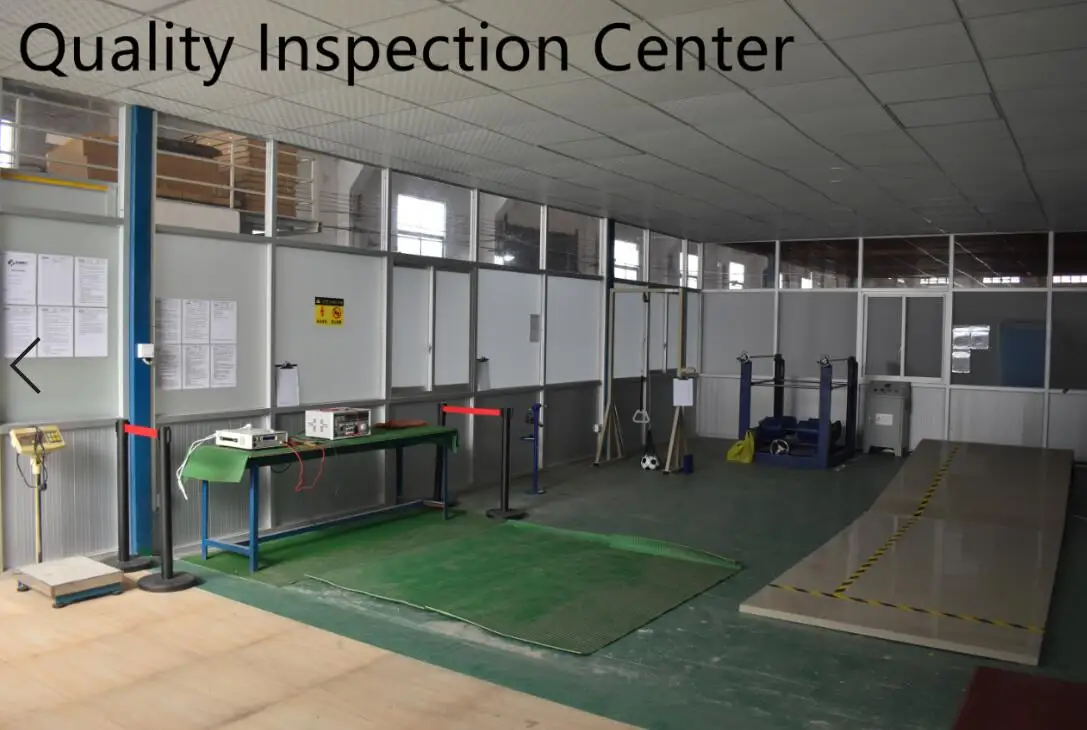
Foshan Yikang Medical Technology Co., Ltd.
- Manufacturer, Trading Company
- Guangdong, China
- Lead time45 days
- Avg. response≤ 4h
Main productsWheelchair, Hospital Bed, Commode Chair, Walking Frame, Crutch
Main marketsMid East(25.00%), South America(15.00%), Southeast Asia(15.00%), Africa(10.00%), Domestic Market(8.00%), North America(5.00%), Western Europe(5.00%), Eastern Europe(5.00%), South Asia(2.00%), Eastern Asia(2.00%), Oceania(2.00%), Southern Europe(2.00%), Central America(2.00%), Northern Europe(2.00%)
Hebei Tebang Technology Co., Ltd.
- Verified by TüVRheinland
- Trading Company
- Lead time0 days
Main productsMedical Bed, Protective Equipment, Wheelchairs, Outdoor Products, Sports And Fitness
Main marketsSoutheast Asia(18%), Africa(15%), Eastern Europe(10%)
Shanghai Brother Medical Products Manufacturer Co., Ltd.
- Verified by Intertek
- Trading Company
- Lead time25 days
Main productsWheelchair, Commode Chair, Shower Chair, Walker, Crutch
Main marketsSouth America(35%), North America(20%), Eastern Europe(10%)

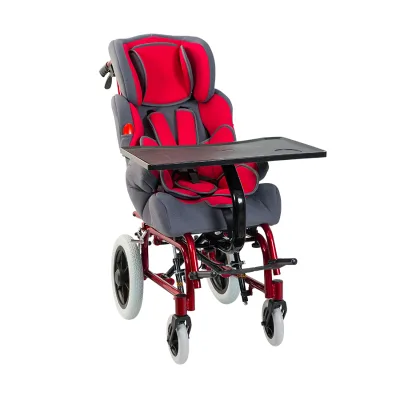
Adjustable Multifunctional Manual Children's Cerebral Palsy Wheelchair with Leaning Function
$97.62 - $102.76
MOQ: 10


Hebei Renjie Medical Technology Co., Ltd.
- Verified by SGS
- Trading Company,Manufacturer/Factory
- China Hebei
- Lead time15 days
- Avg. response≤ 6h
Main productsMedical Bed, Patient Bed, Wheelchair
Main marketsSouth America,Eastern Europe,Mid East,North America,Southeast Asia,Oceania,Western Europe,Africa

Professional Factory Supply Foldable Wheelchair for Cerebral Palsy Children and Special Wheelchairs
$35.00 - $50.00
MOQ: 10 Pieces

$50.00 - $65.00
MOQ: 10 Pieces

Children's Wheelchair 001 Wheelchair Foldable Aluminum Alloy Lightweight Wheelchair
$250.00 - $350.00
MOQ: 10 Pieces

Hot Selling High-Quality Accessible Adjustable for Children Manual Wheelchair
$35.00 - $80.00
MOQ: 10 Pieces

Tianjin Hongyue Medical Equipment Co., Ltd
- Verified by TUVRHEINLAND
- Combined
- China Tianjin
- Lead time15 days
- Avg. response≤ 2h
Main productsWheelchair
Main marketsSouth America,Others(foreignTradeCapacity.exportBusinessCapacityMarketOther)


Compact Portable Folding Wheelchair for Kids Lightweight Children's Design
$21.99 - $24.99
MOQ: 10 Pieces


Lightweight Folding Wheelchair Portable Cheap Manual Wheelchair for Children
$22.90 - $23.90
MOQ: 10 Pieces

XIAMEN DORRELLA HEALTH TECHNOLOGY CO.,LTD
- Verified by SGS
- Trading Company,Manufacturer/Factory,Group Corporation
- China Fujian
- Lead time23 days
- Avg. response≤ 7h
Main productsOrthotic Brace, Ankle Brace, Arm Brace, Back Brace, Cervical Collar, Finger Splint, Hip Abduction Braces, Hand and Wrist Brace, Post-Op Shoes, Orthopedic Waiking Boot
Main marketsSouth America,Eastern Europe,Mid East,North America,Southeast Asia,Eastern Asia,Oceania,Western Europe,Africa

Factory Price 2~5 Years Children Foldable Adjustable Lightweight Manual Wheelchairs
$220.00 - $260.00
MOQ: 10 Pieces

Special Wheelchairs Cerebral Palsy Children Reclining Wheelchair Wheelchair for Disabled Children
$130.00 - $150.00
MOQ: 10 Pieces

Hengshui Haoshen Medical Instrument Co., Ltd.
- Verified by SGS
- Combined
- China Hebei
- Lead time15 days
- Avg. response≤ 2h
Main productsHospital Bed, Outpatient Bed, Operating Table, Bedside Table, Wheelchair, Walking Aid, Hospital Furniture, Medical Consumables, Clinic Equipment, Surgical Instruments
Main marketsOthers(foreignTradeCapacity.exportBusinessCapacityMarketOther),Southeast Asia/ Mideast

Portable Disabled Wheelchair with 1-Year Warranty for Class Classification
$35.00 - $55.00
MOQ: 10 pieces


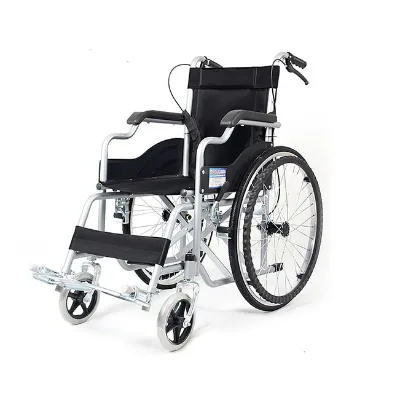

Comprehensive Sourcing Guide
Class II Children Wheelchair Supplier Concentration and Factory Types
The current supplier landscape for Class II Children Wheelchair products reveals a distinct concentration of manufacturing and trading entities within specific Chinese provinces. Evidence indicates that suppliers are located in China Zhejiang and China Guangdong, suggesting these regions serve as primary hubs for this category of medical rehabilitation equipment. In China Zhejiang, the available data points to a mix of company types, including both Trading Companies and Manufacturer/Factory entities. This dual presence allows buyers to access a broader range of sourcing options, from direct factory pricing to the logistical convenience of trading firms that may aggregate products from multiple smaller workshops. The Zhejiang-based suppliers are noted for offering a wide array of main products, such as Medical Consumables, Medical Equipment, Hospital Furniture, and Mobility Safety Aids, indicating a diversified operational scope that can support bulk procurement needs for comprehensive hospital or clinic outfitting.
Conversely, suppliers located in China Guangdong appear to operate primarily as Manufacturer/Factory entities, focusing heavily on specialized rehabilitation and clinical equipment. These Guangdong-based factories list main products that include Wheelchair, Handicapped Scooters, Rehabilitation Therapy Supplies, Clinical Analytical Instruments, and Hospital Bed systems. This specialization suggests a deeper technical capability in the mechanical and structural aspects of wheelchair manufacturing, particularly for models requiring precise engineering like those for cerebral palsy or specific pediatric needs. The distinction between trading companies and direct manufacturers is critical for buyers, as it influences pricing structures, communication efficiency, and the ability to customize products. Understanding whether a supplier is a factory or a trader helps in assessing the directness of the supply chain and the potential for negotiating better terms on raw materials or production schedules.
How to Verify Class II Children Wheelchair Suppliers
Verifying the legitimacy and capability of suppliers requires a close examination of their system certifications and response metrics. For Class II Children Wheelchair sourcing, the presence of ISO 13485 and ISO 9001 certifications is a strong indicator of quality management systems tailored to medical devices. Some suppliers in the current results also hold ISO 20000 and GAP certifications, which may relate to service management or agricultural practices, but the medical-specific ISO standards are paramount for ensuring product safety and regulatory compliance. Buyers should request copies of these certificates and verify their validity through the issuing bodies, as the display of certifications on a profile does not guarantee current status. Additionally, the response time metric provides insight into the supplier's operational efficiency. A response time of 2.11 hours, as seen in some Guangdong-based manufacturers, suggests a highly responsive sales team, whereas a 21.44-hour response time in Zhejiang-based entities might indicate a larger, potentially slower-moving organization or a different time zone alignment.
Beyond certifications and response speeds, buyers must scrutinize the specific product attributes and regulatory types listed for each item. The evidence shows products labeled with CE, RoHS, UL, and ISO certifications, which are crucial for market entry in various regions. However, the "Medical Device Regulatory Type" field, which includes entries like "Type Tilted:Non-Tilted," requires careful interpretation to ensure it matches the buyer's specific clinical requirements. It is essential to confirm that the supplier can provide test reports or conformity assessments that align with the declared certifications. Buyers should also verify the "Customization" availability, as many products are listed as "Customized" or "Available," but the actual feasibility of such changes depends on the factory's tooling and production flexibility. Direct communication with the supplier to discuss these verification points is necessary to build a reliable partnership and mitigate the risk of receiving non-compliant or substandard equipment.
What to Compare Across Class II Children Wheelchair Suppliers
When evaluating multiple suppliers, comparing lead times and minimum order quantities (MOQ) is essential for aligning procurement with inventory needs. The data reveals a significant variance in lead times, ranging from 23 days for some Zhejiang-based suppliers to 60 days for Guangdong manufacturers. This difference may reflect the complexity of the products, the scale of production, or the current order backlog. Similarly, MOQs vary widely, with some products requiring as few as 1 unit, while others mandate orders of 20 or 10 units. For buyers seeking to test the market or fulfill small-scale clinical needs, the low MOQ options are advantageous, whereas larger institutions may benefit from the economies of scale offered by higher MOQs. It is crucial to assess whether the supplier can accommodate mixed orders or if strict MOQs apply to each specific model, as this impacts the flexibility of the supply chain.
Price comparison must also be conducted with a clear understanding of the product specifications and included features. The price range for Class II Children Wheelchair products spans from $0.01 to $195.00, but these figures likely represent different product tiers or promotional listings rather than a uniform price point. For instance, a Steel Manual Wheelchair for Children is listed at $82.00, while a Durable Aluminum Child Wheelchair with Quick Release Rear Wheels is priced at $195.00. Buyers should compare not just the unit price but also the packing dimensions and weight, as these factors influence shipping costs. The "Standard Children Wheelchair" is listed with a price range of $0.01 to $1.00, which may indicate a placeholder or a specific component price, requiring clarification from the supplier. A comprehensive comparison should include the total landed cost, factoring in shipping, insurance, and any potential tariffs, to ensure an accurate assessment of value across different suppliers.
Common Class II Children Wheelchair Sourcing Risks
One of the primary risks in sourcing Class II Children Wheelchair products is the potential mismatch between advertised specifications and actual product delivery. The evidence shows a variety of materials, including Steel and Aluminium Alloy, with different structural features like Folding, Tilted, or Non-Tilted designs. Buyers must ensure that the material grade and construction quality meet the durability and safety standards required for pediatric use, as children's equipment undergoes significant stress and wear. There is a risk that lower-priced items, such as those listed with minimal price points, may use inferior materials or lack robust safety mechanisms. Additionally, the "Condition" is listed as "New" for all products, but buyers should verify the manufacturing date and storage conditions to prevent issues with battery degradation in powered models or material brittleness in plastic components.
Another significant risk involves the accuracy of certification claims and regulatory compliance. While products are listed with CE, RoHS, and UL certifications, buyers must verify that these certifications are valid for the specific model and batch being ordered. There is a risk that suppliers may use generic certification documents that do not apply to the exact product configuration, leading to customs delays or legal issues in the destination market. Furthermore, the "Medical Device Regulatory Type" field contains ambiguous entries like "Type Tilted:Non-Tilted," which may indicate a lack of clear regulatory classification. Buyers should request detailed technical files and user manuals to ensure that the product meets all local regulatory requirements. Failure to properly verify these aspects can result in costly returns, legal liabilities, and damage to the buyer's reputation in the medical community.
Class II Children Wheelchair Regional Sourcing and Logistics
Sourcing from China Zhejiang and China Guangdong offers distinct logistical advantages and challenges for buyers of Class II Children Wheelchair products. Zhejiang-based suppliers, often operating as trading companies or mixed entities, may benefit from proximity to major ports like Ningbo-Zhoushan, facilitating efficient export logistics. The diversity of main products in this region, including Medical Consumables and Hospital Furniture, allows for consolidated shipping, which can reduce overall freight costs for buyers purchasing multiple types of medical equipment. However, the longer response times observed in this region may require more advanced planning and communication to ensure timely order processing. Buyers should consider the potential for combined shipments from Zhejiang suppliers to optimize logistics and reduce the carbon footprint of their procurement activities.
In contrast, Guangdong-based manufacturers, with their focus on specialized rehabilitation and clinical equipment, may offer more direct control over production quality and lead times. The region's robust manufacturing infrastructure and proximity to Shenzhen and Guangzhou ports provide reliable export channels. However, the longer lead times of up to 60 days for some Guangdong suppliers necessitate careful inventory management and advance ordering. Buyers should evaluate the packing dimensions and weights provided, such as the 882389 Cm packing for a Steel Manual Wheelchair, to calculate container loading efficiency. Understanding the regional logistics landscape helps in selecting suppliers that align with the buyer's delivery schedules and budget constraints, ensuring a smooth supply chain from factory to final destination.
Class II Children Wheelchair Commercial Terms and Order Planning
Effective order planning for Class II Children Wheelchair products requires a thorough understanding of commercial terms, including payment methods, warranty policies, and after-sales support. While specific payment terms are not detailed in the current evidence, buyers should negotiate clear conditions that protect their interests, such as using escrow services for initial orders to ensure product quality before final payment. The availability of customization options, listed as "Available" for many products, should be discussed in detail to understand any additional costs or lead time extensions associated with bespoke requirements. Buyers must also clarify the warranty period and the process for handling defective units, as this is critical for maintaining trust with end-users in the medical field.
Furthermore, buyers should plan for the long-term supply of spare parts and accessories, such as batteries for powered wheelchairs or replacement wheels for manual models. The evidence shows products with specific models like "Standard Children Wheelchair" and "Cerebral Palsy Wheelchair," each with unique component requirements. Establishing a relationship with a supplier that can provide consistent access to these parts is essential for the longevity of the equipment. Buyers should also consider the total cost of ownership, including maintenance and potential repairs, when evaluating suppliers. By carefully planning commercial terms and order logistics, buyers can mitigate risks and ensure a sustainable supply of high-quality Class II Children Wheelchair products for their patients and clients.
FAQs
What certifications do children wheelchairs have?
Manufacturers typically provide CE, ISO, RoHS, and UL certifications for pediatric mobility devices. These standards ensure the equipment meets international safety and quality requirements for medical use. Buyers should verify specific regulatory types, such as non-tilted or tilted models, to confirm compliance with local healthcare regulations before placing orders.
What is the minimum order quantity?
Minimum order quantities vary significantly by supplier and product type. Some manufacturers accept orders as low as one unit for testing, while others require twenty or more units for standard steel models. Buyers should check specific product listings to determine the exact MOQ, as aluminum or specialized power wheelchairs often have different thresholds.
How long does production take?
Lead times generally range from twenty-three to sixty days depending on the supplier and customization needs. Manufacturers in China typically offer faster turnaround for standard items, while complex OEM or ODM requests may require additional time. Buyers should confirm exact delivery schedules with suppliers to ensure timely procurement for their specific inventory requirements.
Are customization options available?
Many suppliers offer customization services, including OEM and ODM capabilities for pediatric wheelchairs. Buyers can often select specific colors, materials like steel or aluminum, and features such as folding mechanisms or leg rest types. Customization availability should be confirmed directly with the manufacturer to ensure the final product meets specific clinical or aesthetic requirements.
What materials are used in construction?
Children wheelchairs are commonly constructed from steel or aluminum alloy to balance durability and weight. Steel models provide robust support for higher weight capacities, while aluminum options offer lightweight portability for easier handling. Buyers should review product specifications to select the appropriate material based on the child's needs and intended usage environment.
What is the price range?
Prices for children wheelchairs vary widely based on material and features. Basic steel manual models may start around thirty-nine dollars, while lightweight aluminum or specialized power wheelchairs can exceed one hundred ninety-five dollars. Buyers should request detailed quotes to understand cost implications, including shipping and customization fees, for accurate budgeting.