Stainless Steel Hammer Horn Cup Suppliers and Manufacturers
Compare 25 verified suppliers offering stainless steel hammer horn cups with varying lead times, certifications, and customization options. Review response times and MOQs to select a factory that matches your production needs; review the available evidence before requesting comparable quotations from suitable candidates.
Updated
Suppliers List

Wenzhou Guanmin Import and Export Co., Ltd.
- Verified by BV
- Trading Company,Manufacturer/Factory
- China Zhejiang
- Lead time120 days
- Avg. response≤ 6h
Main productsShopping Bag, Cooler Bag, Notebook, Pen, Color Pencil, Lanyard, Beach Ball, Umbrella, Sunshade, Air Freshener
Main marketsSouth America,Eastern Europe,Mid East,North America,Southeast Asia,Eastern Asia,Western Europe
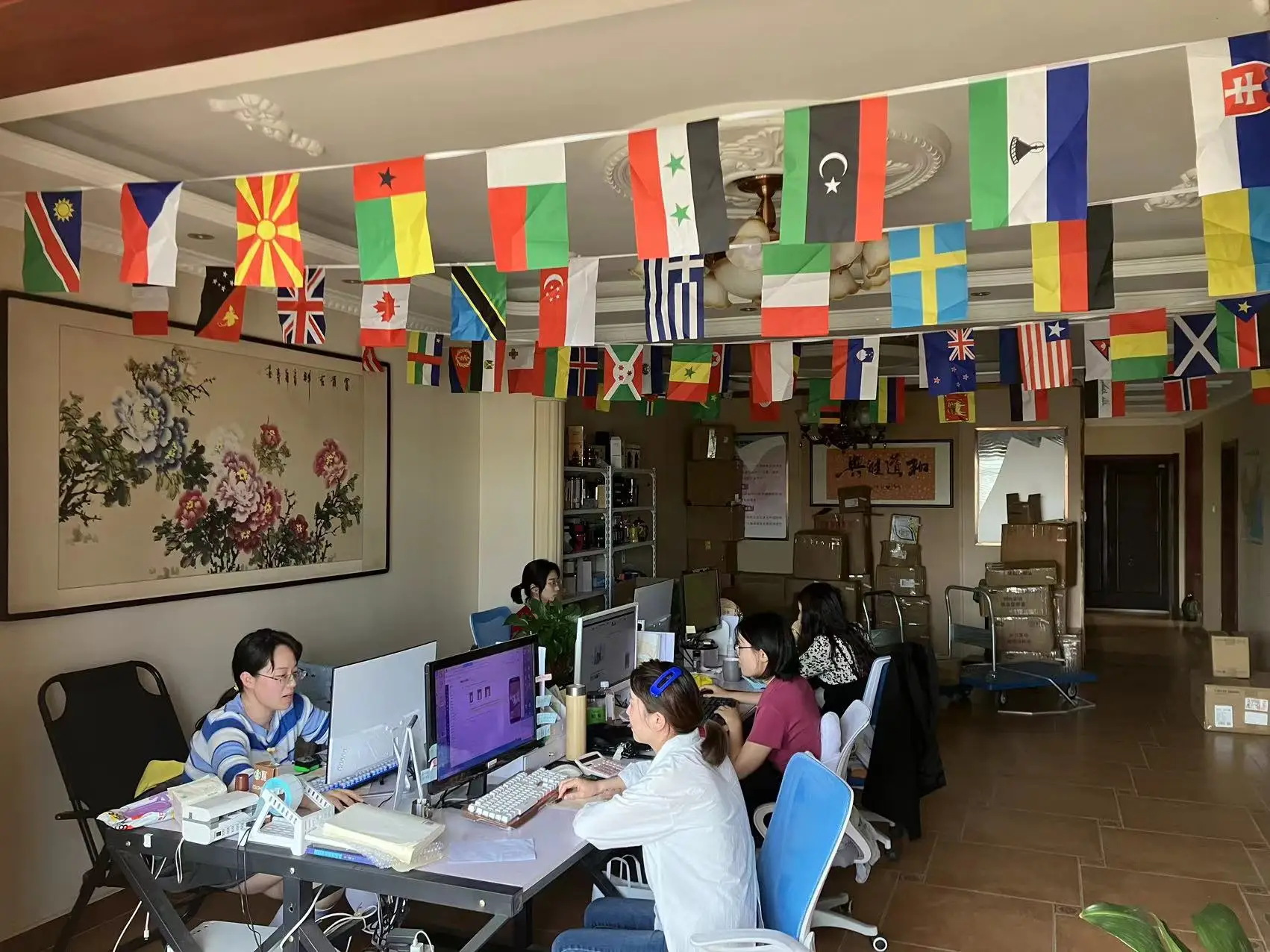
Henan Jbett Industrial Technology Co., Ltd.
- Trading Company
- Henan, China
- Lead time0 days
- Avg. response≤ 5h
Main productsBBQ Grills,Smoking Accessories,Bar tools,kitchen gadgets,Cigar accessories
Main marketsNorth America(80.00%), Western Europe(20.00%)
Hangzhou Sijiang Material Trade Co., Ltd.
- Verified by TüVRheinland
- Manufacturer, Trading Company
- Lead time15 days
- Avg. response≤ 7h
Main productsCocktail Shaker Set, Bar Mat, Beer Tower, Aluminum Cup, Ice Cube
Main marketsNorth America(20%), South America(20%), Central America(15%)

Shantou Zhiwei Electronic Technology Co., Ltd.
- Combined
- China Guangdong
- Lead time15 days
- Avg. response≤ 9h
Main productsElectronic Prayer Mat
Main marketsOthers(foreignTradeCapacity.exportBusinessCapacityMarketOther),Europe

GuangDong Infull Industrial Co., Ltd.
- Verified by TUVRHEINLAND
- Manufacturer/Factory
- China Guangdong
- Lead time45 days
- Avg. response≤ 4h
Main productsCutlery & Flatware, Dinnerware&Tableware, Tray&Lunch Plate, Ceramic Dinnerware, Kitchenware, Baking & Pastry Tools, Kitchen Knife, Kitchen Gadgets, Barware, Drinkware
Main marketsSouth America,Eastern Europe,Mid East,North America,Southeast Asia,Eastern Asia,Oceania,Western Europe,Africa

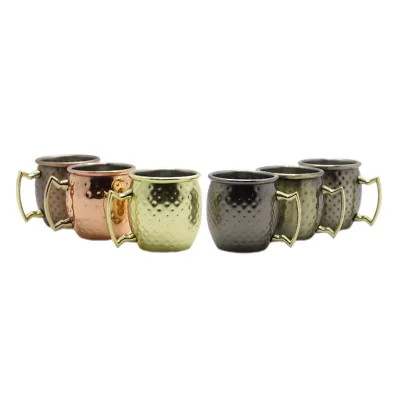
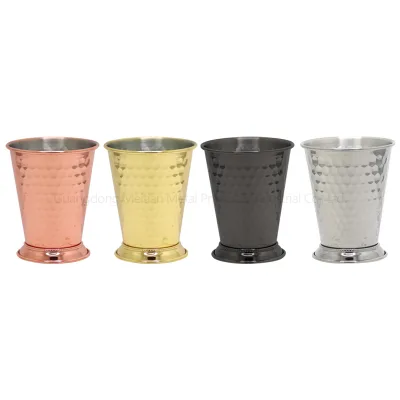
High Quality Beer Cocktail Cups Party Hammer Stainless Steel Barware Mule Mug
$2.82 - $3.40
MOQ: 100 Pieces


Guangzhou Haha Housewares Manufacturing Co., Ltd.
- Trading Company
- Guangdong, China
- Lead time30 days
- Avg. response≤ 4h
Main productsTumbler,Water Bottle,Mug,Can Cooler
Main marketsNorth America(85.00%), Northern Europe(3.00%), South America(2.00%), South Asia(1.00%), Southern Europe(1.00%), Eastern Europe(1.00%), Central America(1.00%), Western Europe(1.00%), Eastern Asia(1.00%), Mid East(1.00%), Oceania(1.00%), Africa(1.00%), Southeast Asia(1.00%)

Jinhua Hengyang Cross-Border Trade Limited Liability Company
- Verified by SGS
- Trading Company
- China Zhejiang
- Lead time15 days
- Avg. response≤ 9h
Main productsCoffee Maker Air Fryer Storage Box Knife Set, Silicone Baking Mold Robot Vacuum Cleaning Table, Shower Head Non-Slip Shower Curtain Vacuum Stora, Collapsible Laundry Basket Bohemian Wall Tapestr, Fringe Pillow Cover Bedding Set Memory Foam Pill, Bamboo Tissue Biodegradable Trash Bags LED Fair, Smart Plug Fairy Lights Pet Food Bowl, Household Daily Necessities Kitchen Cleaning, Bathroom Storage and Care Fabric Home Decor, Bedding Daily Chemical Paper Products
Main marketsEurope

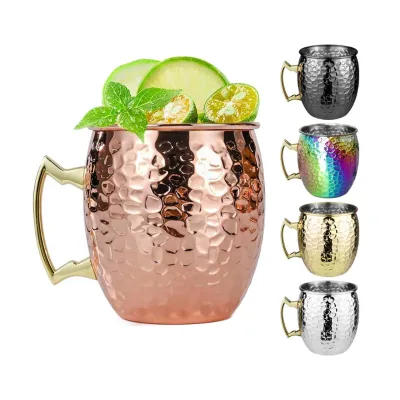
Copper Cup Hammer Point Drum Cocktail Stainless Steel Beer Copper Plated Mule Cup
$1.91 - $2.39
MOQ: 130 Pieces

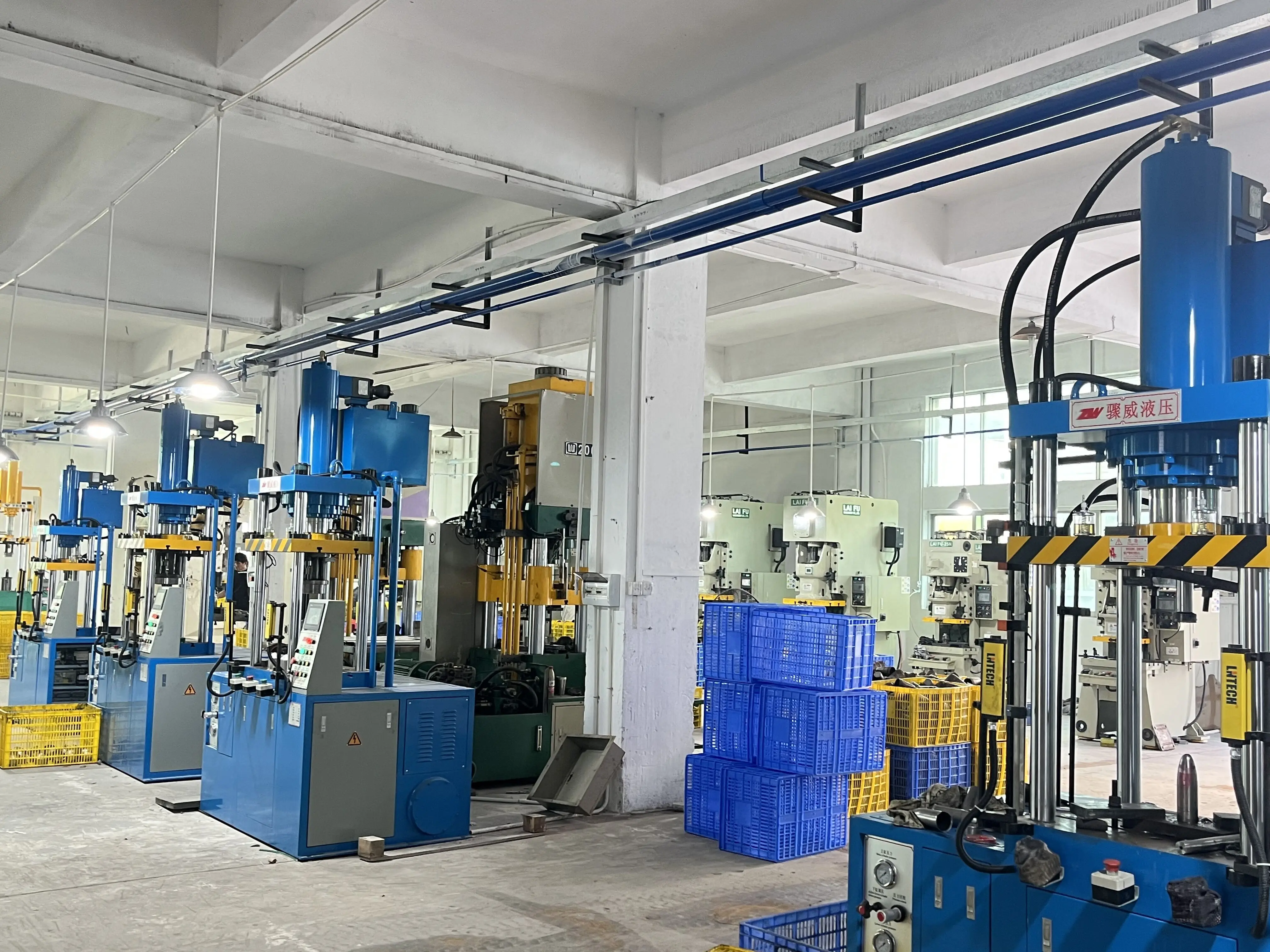
Guangzhou Meitian Metal Products Co., Ltd.
- Manufacturer, Trading Company
- Guangdong, China
- Lead time35 days
- Avg. response≤ 7h
Main productsShaker, Jigger, Strainer, Ice Bucket, Mug
Main marketsDomestic Market(43.00%), Northern Europe(30.00%), Western Europe(14.00%), North America(6.00%), Eastern Europe(3.00%), Oceania(2.00%), Southeast Asia(2.00%)

Chinapack Ningbo Import & Export Co., Ltd.
- Verified by SGS
- Trading Company,Manufacturer/Factory
- China Zhejiang
- Lead time23 days
- Avg. response≤ 17h
Main productsSnowboard, Water Bottle, Promotional Hats, Glass Bottle, Ski Set, Snowboot, Snowboard Binding, Home Sock, Hood, Scarf
Main marketsSouth America,Eastern Europe,North America,Southeast Asia,Eastern Asia,Oceania,Western Europe


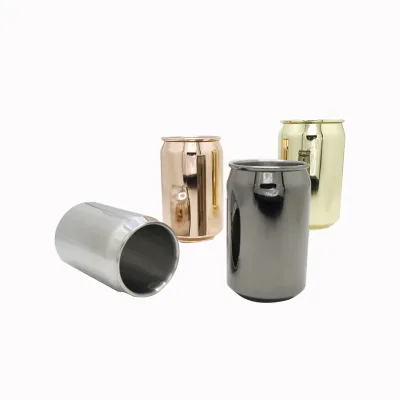
Large Capacity Stainless Steel Car Cup with Straw – Durable & Leak-Resistant
$3.50 - $4.50
MOQ: 500 Pieces

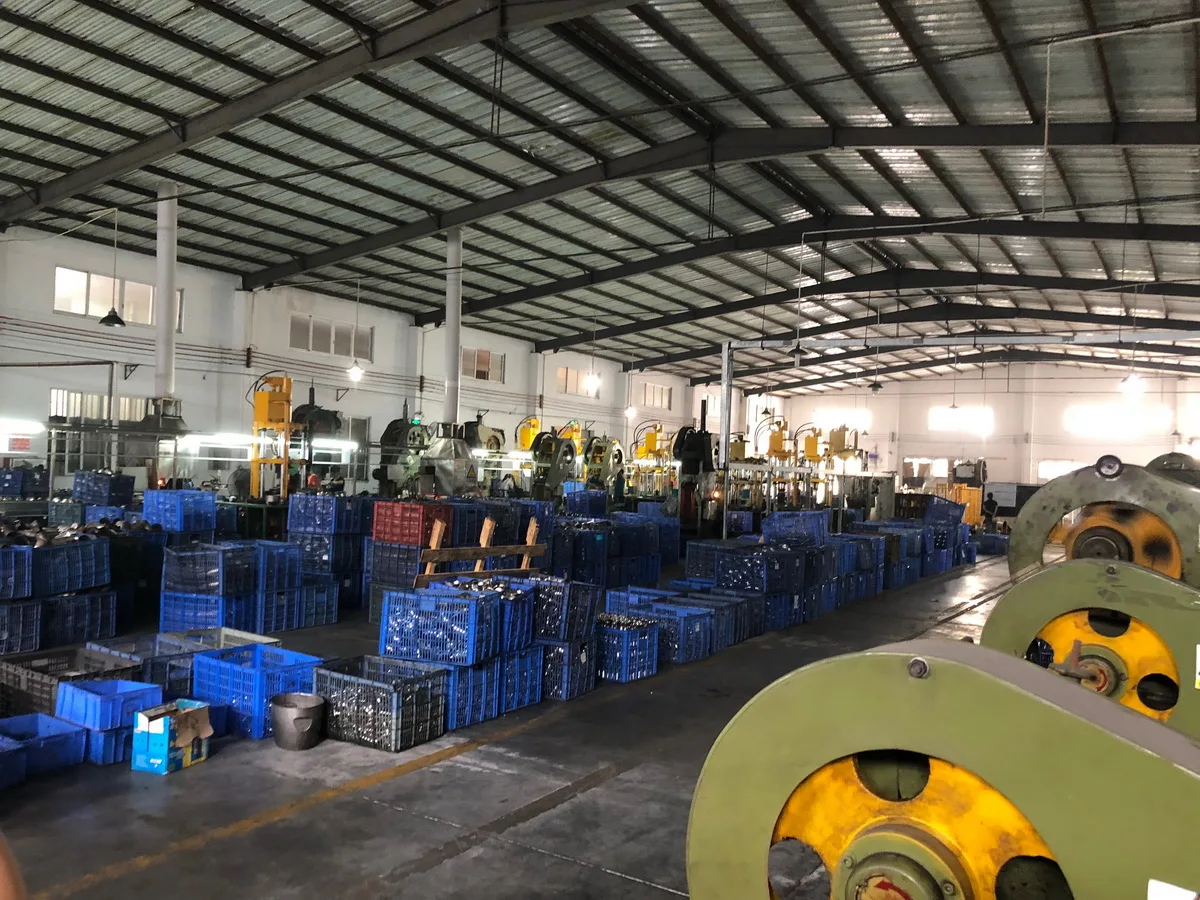
Jiangmen Hoffee Houseware Company Ltd.
- Manufacturer
- Guangdong, China
- Lead time35 days
- Avg. response≤ 2h
Main productsCoffee Accessories, Bar Tools, Kitchenware
Main marketsNorth America(30.00%), South America(15.00%), Oceania(10.00%), Northern Europe(10.00%), Domestic Market(9.00%), Western Europe(8.00%), Eastern Europe(5.00%), Mid East(5.00%), Southeast Asia(5.00%), Eastern Asia(3.00%)
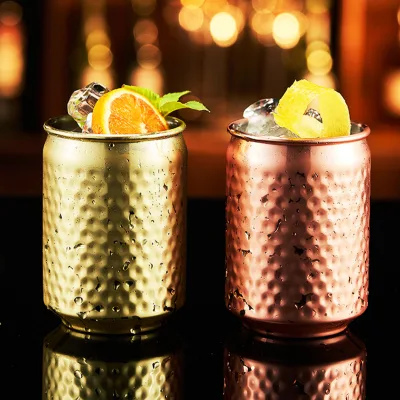
$1.74 - $2.87
MOQ: 1000 Minimum
- Manufacturer, Trading Company, Distributor/Wholesaler
- Fujian, China
- Lead time30 days
- Avg. response≤ 2h
Main productscoffee product,coffee mug,coffee cup,coffee maker,nespresso
Main marketsEastern Europe(20.00%), Northern Europe(18.00%), Southern Europe(13.00%), Western Europe(12.00%), Mid East(11.00%), North America(10.00%), South America(5.00%), Africa(3.00%), Eastern Asia(2.00%), South Asia(2.00%), Domestic Market(1.00%), Central America(1.00%), Southeast Asia(1.00%), Oceania(1.00%)

Xiamen Polaris Innovate Co., Ltd.
- Trading Company
- China Fujian
- Lead time23 days
- Avg. response≤ 4h
Main productsBar Tools, Brewery Point of Sale Materials, LED Bar Decoration, Packaging Materials, Promotional Gifts
Main marketsAfrica,East Asia(Japan/ South Korea),Europe,Australia,North America

Stainless Steel 12oz Egg Shape Colorful Hammer Processed Cocktail Drinking Cup
$2.00 - $2.50
MOQ: 1000 Pieces


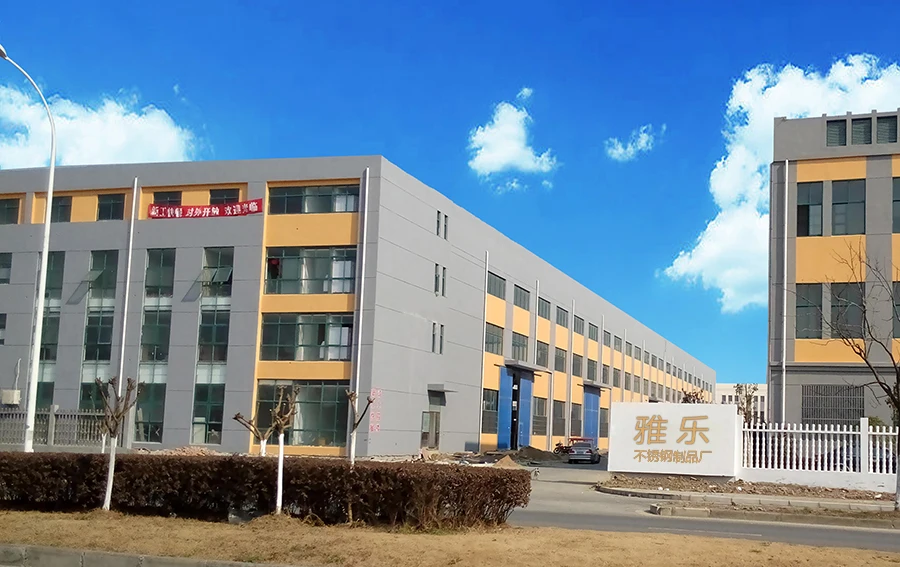
Chaozhou Chaoan District Anbu Town Yale Stainless Steel Products Factory
- Manufacturer, Trading Company
- Guangdong, China
- Lead time7 days
- Avg. response≤ 3h
Main productsStainless steel cup,stainless steel plate,stainless steel bowl,stainless steel plate,Korean tableware
Main marketsAfrica(50.00%), South Asia(30.00%), Mid East(20.00%)
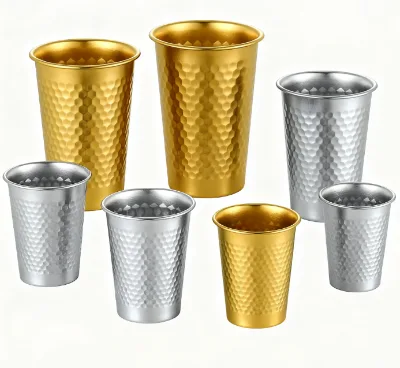
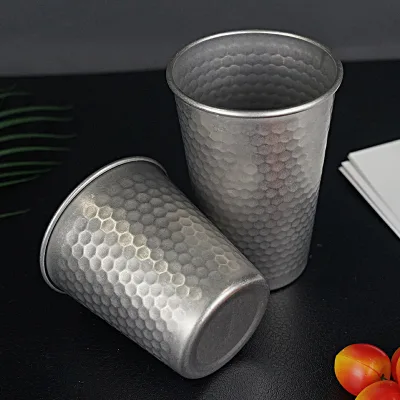
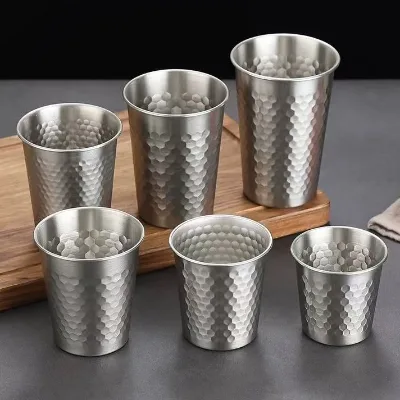
$1.0449 - $2.1721
MOQ: 100 Minimum
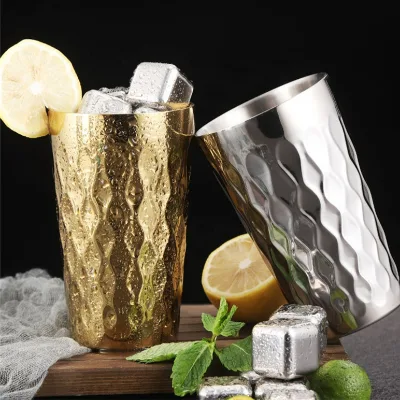
$1.8802 - $2.006
MOQ: 20 pieces
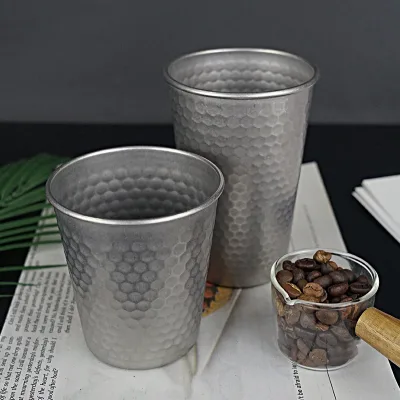
$1.1003 - $1.9805
MOQ: 50 Minimum
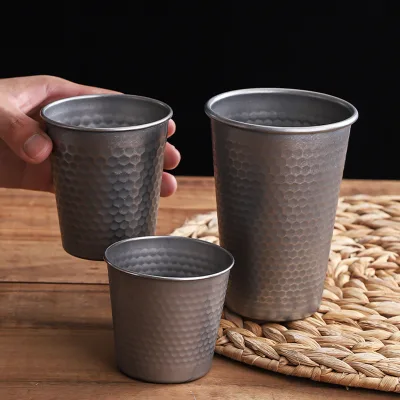
$1.0973 - $1.976
MOQ: 100 Minimum
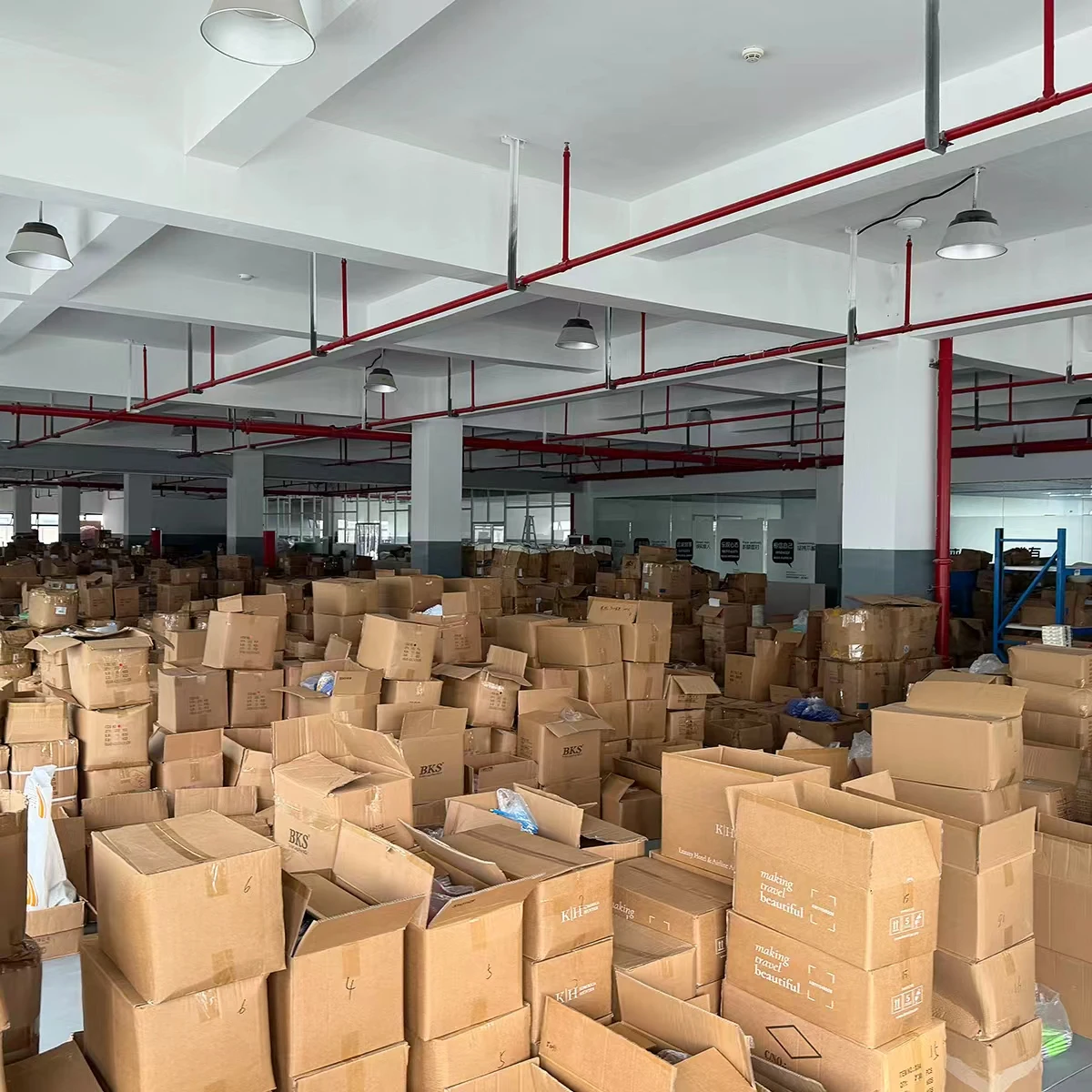
Hangzhou Jinchengyu Industry And Trad Co., Ltd.
- Manufacturer, Trading Company
- Zhejiang, China
- Lead time30 days
- Avg. response≤ 1h
Main productsStainless Steel Bottle,Thermos Water Bottle,Plastic Water Bottle,Glass Series Product,Home Decorations
Main marketsNorth America(30.00%), South Asia(25.00%), Southern Europe(20.00%), Eastern Europe(10.00%), Western Europe(10.00%), Southeast Asia(5.00%)
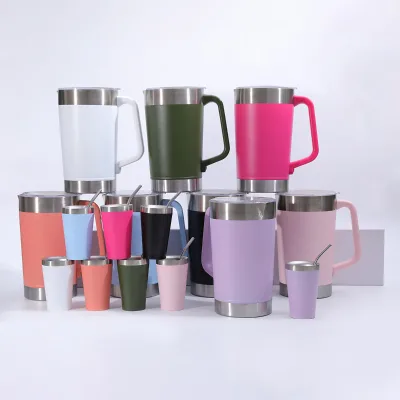
$6.7051 - $8.5808
MOQ: 2 pieces
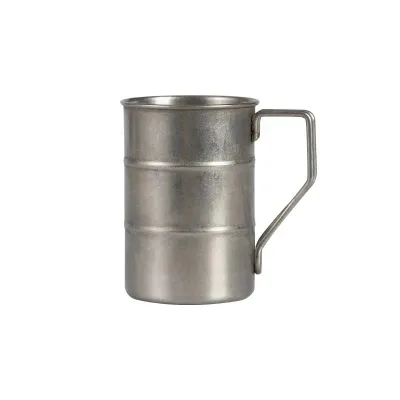
$1.8458 - $2.6662
MOQ: 10 Minimum

Wuyi Yuxin Outdoors Products Co., Ltd
- Trading Company
- China Zhejiang
- Lead time0 days
- Avg. response≤ 2h
Main productsStainless Steel Cup, Coffee Mug, Tumbler Cup, Sports Bottles, Travel Mug, Thermos, Water Flask, Beer Mug, Metal Bottles, Jug
Shenzhen Hua Shan Qi Industrial Co., Ltd.
- Verified by Intertek
- Trading Company
- Lead time10 days
- Avg. response≤ 2h
Main productsPromotional Gifts, Customized Gifts, 3C Consumer Electronic Products, Bag Gifts, Advertising Gifts
Main marketsNorth America(30%), South America(12%), Western Europe(10%)
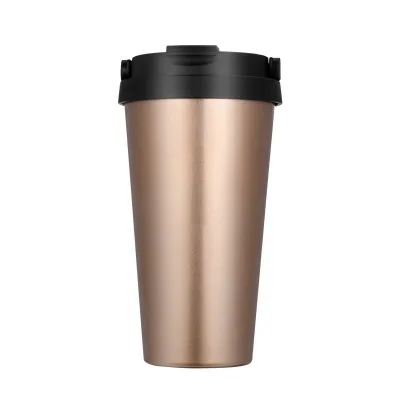
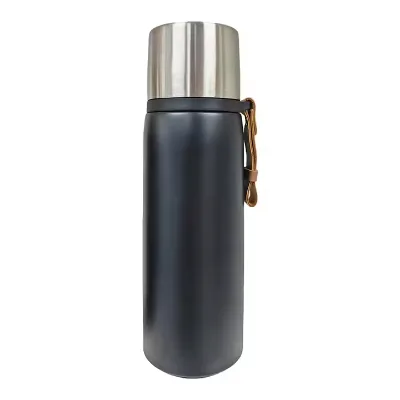
Wholesale Hammer-Design Lid Hot and Cold Stainless Steel Double Wall Vacuum Thermos Cup
$5.5943 - $6.6901
MOQ: 25 units

- Trading Company
- China Zhejiang
- Lead time30 days
- Avg. response≤ 13h
Main productsHome Appliance, Cookware Set, Thermos, Home Storage, Furniture, Pet Supplies, Garden Tools, Outdoor Supplies, Baby Supplies, Houesehold Items
Main marketsSouth America,Africa,Southeast Asia/ Mideast,East Asia(Japan/ South Korea),Domestic,Europe,Australia,North America

Jinjiang Jiaxing Supply Management Co., Ltd.
- Verified by TUVRHEINLAND
- Trading Company
- China Fujian
- Lead time30 days
- Avg. response≤ 1h
Main productsEVA Clogs, Flip Flop, Shoe Charms, Shopping Bags, Wristbands, Gifts, Promotional Gifts, Slipper, Sport Cap, Ball
Main marketsNorth America

Shenzhen Kingline Technology Development Co., Ltd.
- Verified by BV
- Trading Company
- China Guangdong
- Lead time15 days
- Avg. response≤ 3h
Main productsShaker Bottle, Water Bottle, Sports Water Bottle, Pill Box, Stainless Steel Water Bottle, Vacuum Flask, Water Jug, Travel Water Bottle, Gym Water Bottle, Cycling Water Bottle
Main marketsSouth America,Southeast Asia/ Mideast,Europe,Australia,North America


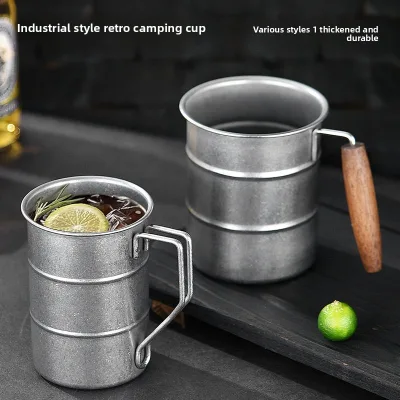
Colorful corrugated stainless steel double-layer vacuum cup with straw for camping
$2.95
MOQ: 2000 Pieces

Hangzhou Findme Technology Co., Ltd.
- Trading Company
- Zhejiang, China
- Lead time1 days
- Avg. response≤ 2h
Main productswater bottles,tumbler & mug,flasks,one stop drinkware products,customize service
Main marketsNorthern Europe(20.00%), Southeast Asia(20.00%), Eastern Europe(20.00%), South America(20.00%), North America(20.00%)

Yiwu Huajing Trading Co., Ltd.
- Trading Company
- Zhejiang, China
- Lead time25 days
- Avg. response≤ 5h
Main productskeychain&key holder,Lanyard & strap,Stuffed animal,coin bags,sticker
Main marketsNorth America(50.00%), Eastern Europe(20.00%), Northern Europe(12.00%), South Asia(8.00%), South America(6.00%), Mid East(4.00%)

Jingfeng International Co., Ltd.
- Verified by SGS
- Trading Company,Manufacturer/Factory
- China Anhui
- Lead time15 days
- Avg. response≤ 1h
Main productsWater Bottle, Perfume Bottle, Cup, Thermos, Plastic Water Bottles, Sports Bottles, The Wine Bottle, Tumblers, Glass Bottles, Lunch Box
Main marketsSouth America,Eastern Europe,Mid East,North America,Southeast Asia,Eastern Asia,Oceania,Western Europe,Africa
Guangzhou Lemo Technology Co., Ltd.,
- Manufacturer, Trading Company
- Guangdong, China
- Lead time0 days
- Avg. response≤ 5h
Main productsStainless steel pressure cooker, Set soup pot, Stainless steel bowl, Stainless steel hot pot, Stainless steel plate
Main marketsNorth America(25.00%), Eastern Europe(20.00%), Southeast Asia(18.00%), Western Europe(10.00%), Eastern Asia(10.00%), Central America(4.00%), South Asia(3.00%), South America(3.00%), Northern Europe(3.00%), Africa(3.00%), Oceania(1.00%)

Hebei Zhuozhongxi Glass Products Co., Ltd.
- Verified by BV
- Manufacturer/Factory
- China Hebei
- Lead time15 days
- Avg. response≤ 4h
Main productsGlass Cup, Glass Teapot, Coffee Appliance, Tea Set, Glass Crafts, Glass Jug, Glass Food Storage Jar, Wine Glass, Candle Holders, Double Wall Glass
Main marketsSouth America,Eastern Europe,Mid East,North America,Southeast Asia,Eastern Asia,Oceania,Western Europe,Africa

Shanghai Jspeed Industry Co.Ltd
- Verified by TUVRHEINLAND
- Trading Company
- China Shanghai
- Lead time30 days
- Avg. response≤ 2h
Main productsWater Bottle, Stainless Steel Bottle, Vacuum Bottle, Thermal Mug, Vacuum Flask, Thermal Cup, Insulated Cup, Vacuum Cup
Main marketsSouth America


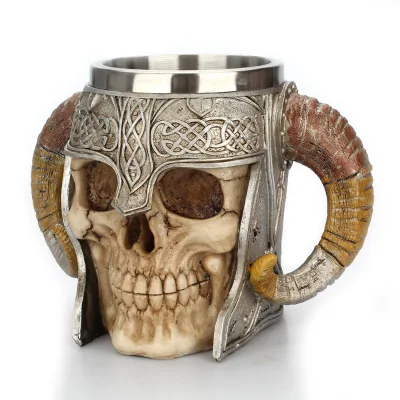




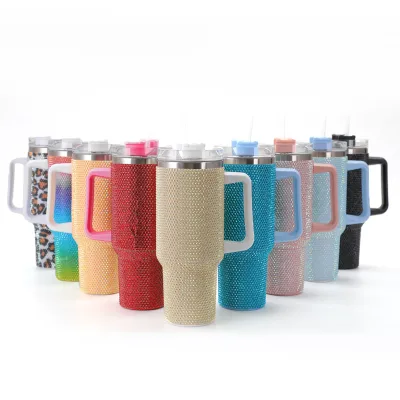


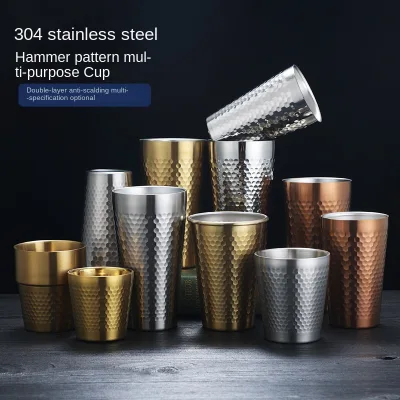
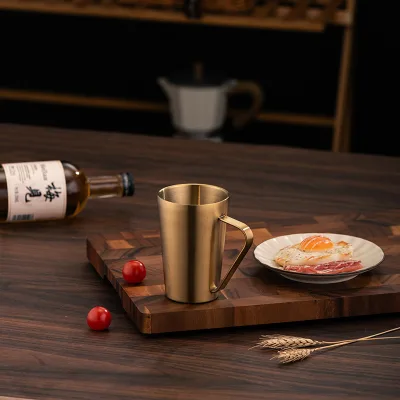


Comprehensive Sourcing Guide
Stainless Steel Hammer Horn Cup Supplier Concentration and Factory Types
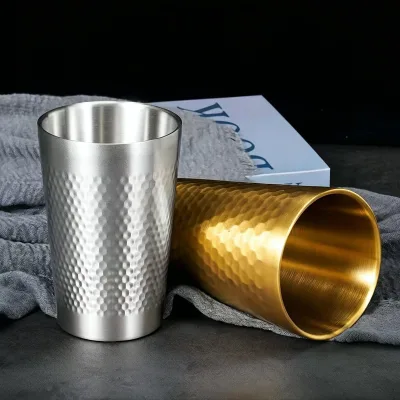
The current supplier landscape for stainless steel hammer horn cups reveals a distinct concentration of manufacturing and trading entities within specific Chinese provinces. Evidence indicates that suppliers located in Zhejiang are actively engaged in producing these items, often operating as either trading companies or manufacturer/factory hybrids. This dual operational model is significant because it suggests that buyers may encounter intermediaries who also possess direct factory access, potentially offering more flexible customization options than pure trading firms. The presence of Zhejiang-based suppliers highlights a regional cluster where drinkware manufacturing capabilities are established, allowing for efficient production of complex designs like hammered finishes and horn-shaped structures. Buyers should recognize that while Zhejiang is a confirmed location for these suppliers, other regions such as Henan also host relevant vendors, though their primary product focus may vary. Understanding this geographic distribution helps in assessing the logistical ease of sourcing and the likelihood of finding specialized metalworking expertise. The concentration in Zhejiang implies a mature supply chain for stainless steel products, which can be leveraged for quality control and material sourcing. However, the existence of trading companies within this cluster means that buyers must carefully distinguish between direct factory quotes and intermediary markups. This distinction is crucial for accurate cost estimation and lead time planning. The variety of company types available means that buyers have options ranging from large-scale manufacturers to agile trading firms that can aggregate products from multiple smaller workshops. This diversity in supplier structure provides flexibility but requires diligent verification to ensure that the claimed manufacturing capabilities align with the actual production capacity. The focus on Zhejiang as a key location provides a concrete starting point for identifying suppliers with proven experience in stainless steel drinkware, reducing the risk of engaging with entities that lack the necessary technical infrastructure for producing hammered horn cups.
In addition to Zhejiang, other regions like Henan contribute to the supplier pool, although their main product lines may include broader categories such as BBQ grills or bar tools. This suggests that some suppliers may offer stainless steel horn cups as part of a diversified catalog rather than as a specialized core product. Buyers should be aware that suppliers with broader main product lines might have less specialized tooling for intricate hammered designs compared to those focused exclusively on drinkware. The presence of both trading companies and manufacturers in the results indicates a mixed market where direct factory relationships are not guaranteed. Buyers must navigate this landscape by verifying the actual production capabilities of each supplier, regardless of their stated company type. The evidence shows that some suppliers are verified by third-party inspection agencies, which adds a layer of credibility to their operational claims. However, verification status alone does not confirm specialization in hammered horn cups. Buyers should look for suppliers who explicitly list stainless steel drinkware as a primary or significant product category. The geographic spread across China means that logistics and shipping costs will vary depending on the supplier's location. Zhejiang suppliers may offer advantages in terms of proximity to major ports like Ningbo or Shanghai, potentially reducing shipping times and costs. Understanding these regional differences allows buyers to make more informed decisions about which suppliers to engage with based on their specific logistical needs and budget constraints. The concentration of suppliers in specific areas also facilitates easier comparison and benchmarking, as buyers can evaluate multiple vendors within the same industrial ecosystem. This proximity can lead to more competitive pricing and faster response times, as suppliers are accustomed to serving a dense network of buyers and competitors.
How to Verify Stainless Steel Hammer Horn Cup Suppliers
Verifying suppliers for stainless steel hammer horn cups requires a multi-layered approach that goes beyond simple profile reviews. Buyers should prioritize suppliers who hold relevant system certifications, as these indicate adherence to international quality and safety standards. The evidence shows that some suppliers possess certifications such as BSCI, ISO 9000, ISO 13485, TS 16949, ISO 9001, and SEDEX. While ISO 9001 is a common quality management standard, certifications like BSCI and SEDEX are particularly relevant for ethical labor practices, which may be important for buyers with strict corporate social responsibility policies. Additionally, food contact safety certifications are critical for drinkware. Some suppliers display certifications like (EC) 1935/2004, EU NO 10/2011, FDA 21 CFR 175, and FDA GRAS. These certifications confirm that the stainless steel materials used in the hammer horn cups are safe for food and beverage contact, ensuring that no harmful substances leach into drinks. Buyers must verify that these certifications are current and applicable to the specific products they intend to purchase. Third-party verification badges, such as BV or TüV Rheinland, provide additional assurance that the supplier has undergone rigorous audits. These badges indicate that an independent agency has inspected the supplier's facilities and processes. However, buyers should not rely solely on these badges; they should request copies of the actual certification documents to confirm their validity and scope. The presence of these credentials suggests a higher level of professionalism and compliance, reducing the risk of receiving substandard or unsafe products. Buyers should also check the supplier's response time, as a quick and professional response can indicate good communication practices and operational efficiency. A response time of around 5 to 7 hours is observed among some suppliers, which is a positive indicator of their responsiveness. This metric can help buyers gauge how quickly they can expect to receive quotes and answers to technical questions. By combining certification checks, verification badges, and response time analysis, buyers can build a comprehensive picture of a supplier's reliability and capability. This thorough verification process helps mitigate risks associated with engaging with unverified or non-compliant suppliers, ensuring that the final products meet all necessary quality and safety requirements.
Beyond certifications and verification badges, buyers should assess the supplier's production capabilities and customization options. The evidence indicates that many suppliers offer OEM and ODM services, which is essential for buyers looking to create unique hammer horn cup designs. Buyers should inquire about the supplier's ability to handle specific customization requests, such as logo printing, color matching, and packaging design. Some suppliers explicitly state that customized logos are acceptable and that they offer various packaging options, including PE/OPP bags and color boxes. This flexibility is a key differentiator for buyers who need branded products for marketing or retail purposes. Buyers should also verify the supplier's sample processing capabilities, as obtaining high-quality samples is crucial for evaluating the final product before placing a large order. The evidence shows that sample times can range from 7 to 10 days, which buyers should factor into their project timelines. Additionally, buyers should ask about the supplier's quality control processes, including how they inspect materials and finished products. Suppliers with robust quality control systems are less likely to deliver defective goods. Buyers should also check the supplier's main products to ensure that stainless steel drinkware is a significant part of their portfolio. Suppliers whose main products are exclusively drinkware are likely to have more specialized expertise and better quality control than those with diverse product lines. By focusing on these specific verification criteria, buyers can identify suppliers who are not only compliant but also capable of meeting their specific customization and quality requirements. This detailed verification process ensures that buyers partner with suppliers who can deliver high-quality stainless steel hammer horn cups that meet their brand standards and customer expectations.
What to Compare Across Stainless Steel Hammer Horn Cup Suppliers
When evaluating multiple suppliers for stainless steel hammer horn cups, buyers must compare several key dimensions to identify the best fit for their needs. One critical factor is the minimum order quantity (MOQ), which varies significantly across suppliers. The evidence shows that some suppliers have an MOQ of 1000 units, while others offer much lower MOQs, such as 4 pieces or 10 pieces. This wide range allows buyers with different order volumes to find suitable partners. Buyers with smaller budgets or those testing the market may prefer suppliers with low MOQs, while those planning large-scale retail distributions may benefit from the economies of scale offered by suppliers with higher MOQs. Comparing MOQs helps buyers align their supplier choice with their inventory strategy and financial capacity. Another important dimension is the lead time, which indicates how long it takes to produce and deliver the order. The evidence shows lead times ranging from 0 to 120 days, with some suppliers offering a lead time of 15 days. A shorter lead time is advantageous for buyers who need to replenish stock quickly or respond to sudden market demands. Buyers should compare lead times in conjunction with MOQs, as suppliers with lower MOQs may have longer lead times due to smaller production runs. Understanding this trade-off helps buyers make informed decisions about their supply chain planning. Additionally, buyers should compare the response times of suppliers, as this reflects their communication efficiency. Suppliers with response times around 5 to 7 hours are generally more responsive, which can facilitate smoother negotiations and problem-solving. Comparing these operational metrics allows buyers to select suppliers who can meet their timeline and volume requirements effectively.
Price is another crucial factor in supplier comparison, although it should be evaluated in context with quality and service. The evidence shows price ranges for stainless steel products, with some items priced as low as $0.50 and others up to $7.24. However, buyers should be cautious when comparing prices directly, as they may reflect different product specifications, materials, or customization levels. For instance, a hammered finish or a specific horn shape may command a higher price than a standard mug. Buyers should request detailed quotes that break down costs for materials, customization, and shipping to ensure accurate comparisons. Additionally, buyers should compare the certifications and verification status of suppliers, as these factors can impact the overall value proposition. Suppliers with relevant food safety certifications and third-party verifications may charge a premium, but this cost is justified by the reduced risk of compliance issues and product recalls. Buyers should also compare the main products and specialization of suppliers, as those focused on drinkware may offer better quality and design options than general trading companies. By systematically comparing MOQs, lead times, response times, prices, certifications, and specialization, buyers can identify suppliers who offer the best balance of cost, quality, and service. This comprehensive comparison process ensures that buyers make data-driven decisions that align with their business goals and customer expectations. It also helps buyers avoid pitfalls associated with selecting suppliers based solely on price, which can lead to quality issues and supply chain disruptions.
Common Stainless Steel Hammer Horn Cup Sourcing Risks
Sourcing stainless steel hammer horn cups involves several risks that buyers must proactively manage to ensure a successful procurement process. One significant risk is the potential for quality inconsistencies, particularly with complex designs like hammered finishes and horn shapes. These designs require specialized tooling and skilled labor, and not all suppliers may have the necessary expertise to produce them consistently. Buyers may receive products with uneven hammering, sharp edges, or structural weaknesses if they engage with suppliers who lack experience in this niche. To mitigate this risk, buyers should request detailed product specifications and samples before placing large orders. They should also verify the supplier's production capabilities through third-party inspections or factory audits. Another risk is the misrepresentation of materials, such as using lower-grade stainless steel instead of the specified 304 grade. This can affect the durability and safety of the product. Buyers should insist on material certifications and conduct independent testing if necessary. The evidence shows that some suppliers specify 304 stainless steel, but buyers should verify this claim through documentation. Additionally, buyers should be aware of the risk of delayed shipments, which can disrupt their inventory planning and customer deliveries. Lead times can vary significantly, and some suppliers may not adhere to their stated delivery schedules. Buyers should include penalty clauses in their contracts for late deliveries and maintain open communication with suppliers to track production progress.
Another common risk is the lack of customization flexibility, which can limit a buyer's ability to differentiate their products in the market. Some suppliers may have rigid design
FAQs
What is the minimum order quantity for stainless steel horn cups?
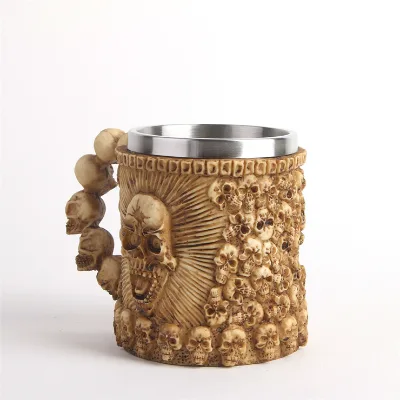
Minimum order quantities vary by supplier and product type. Some suppliers offer low MOQs starting at just 4 pieces for specific skeleton or horn designs, while others require 1000 pieces for standard stainless steel tumblers. Buyers should check individual product listings to confirm the exact MOQ applicable to their chosen style and customization needs.
How long does production take for custom stainless steel horn cups?
Lead times depend on the supplier and order complexity. Some manufacturers report lead times of 15 days, while others may take up to 120 days. Sample processing typically takes 7-10 days, with final delivery occurring 15-40 days after sample confirmation. Buyers should verify specific timelines with suppliers before placing bulk orders.
Are stainless steel horn cups available with custom logos?
Yes, many suppliers offer customized logo printing on stainless steel horn cups. Options include custom colors, pantone matching, and various logo application methods. Suppliers often support OEM and ODM services, allowing buyers to tailor designs. Buyers should confirm customization availability and associated costs directly with the supplier during the inquiry process.
What certifications do stainless steel cup suppliers hold?
Suppliers may hold various certifications including BSCI, ISO 9001, SEDEX, and FDA compliance. Some products meet EU standards like EC 1935/2004 and EU NO 10/2011. Verification services like BV and TüV Rheinland may also be available. Buyers should request specific certification documents to ensure compliance with their market regulations.
Where are stainless steel horn cup suppliers located?
Suppliers are primarily located in China, with specific concentrations in Zhejiang and Henan provinces. Zhejiang suppliers often focus on drinkware and stainless steel products, while Henan suppliers may offer specialized items like skeleton or horn mugs. Buyers can filter results by location to find suppliers closer to their shipping ports or preferred regions.
What is the price range for stainless steel horn cups?
Prices vary significantly based on design and material. Standard stainless steel cups may start around $0.50 per piece, while specialized horn or skeleton designs range from $2.99 to $7.24 per piece. Prices depend on order volume, customization requirements, and specific material grades. Buyers should request quotes for accurate pricing based on their quantity and specifications.