Club Fan Scarf Suppliers and Manufacturers in China
Explore 20 verified options for Club Fan Scarf products from suppliers in Jiangsu, Chongqing, and Shanghai. Compare response times, lead times, certifications, and pricing to find the right partner. Contact suppliers directly to request samples and confirm customization details; review the available evidence before requesting comparable quotations from suitable candidates.
Suppliers List

Jurong Yuanfeng Industries Ltd.
- Verified by BV
- Trading Company
- China Jiangsu
- Lead time23 days
- Avg. response≤ 4h
Main productsBandana, Multi Tube Bandana, Baseball Caps, Beanie, Handkerchiefs, Socks, Durag, Head Band, Wrist Band, Head Wear
Main marketsEurope,North America

- Verified by TUVRHEINLAND
- Trading Company,Manufacturer/Factory
- China Chongqing
- Lead time38 days
- Avg. response≤ 4h
Main productsBaseball Cap, Beanie Hat, Trucker Hat, Bucket Hat, Snapback Hat, Scarf, Gloves, Apron, Sock, T Shirt&Polo Shirt
Main marketsSouth America,Eastern Europe,Mid East,North America,Southeast Asia,Eastern Asia,Oceania,Western Europe,Africa


Sport Scarf Custom Printed Knitted Scarves Football Soccer Club Winter Fan Scarf
$1.90 - $3.90
Moq: 50


Shanghai Touch Industrial Development Co., Ltd.
- Verified by TUVRHEINLAND
- Combined
- China Shanghai
- Lead time15 days
- Avg. response≤ 5h
Main productsInstant Hot Pack, Hot Cold Pack, Gel Eye Mask, Gel Ice Pack, Gel Bottle Cooler, Instant Ice Pack, Hand Warmer, Heat Pack, Cooling Scarf, Gel Beads
Main marketsSouth America,Others(foreignTradeCapacity.exportBusinessCapacityMarketOther),Southeast Asia/ Mideast,East Asia(Japan/ South Korea),Domestic,Europe,Australia,North America
Suzhou Dongdong International Trading Co., Ltd.
- Verified by SGS Group
- Trading Company
- Jiangsu, China
- Lead time15 days
- Avg. response≤ 5h
Main productsEZ Fabric Display, Pavement Sign, Roll Up Banners, Canopy Tents, Promotional Gifts
Main marketsWestern Europe(49%), North America(30%), Central America(6%)
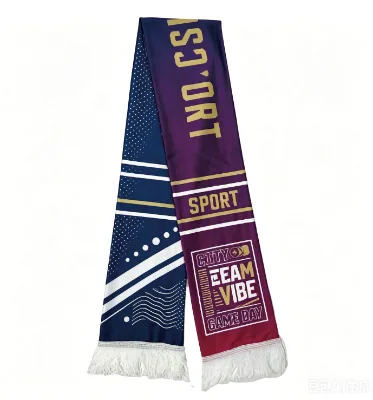
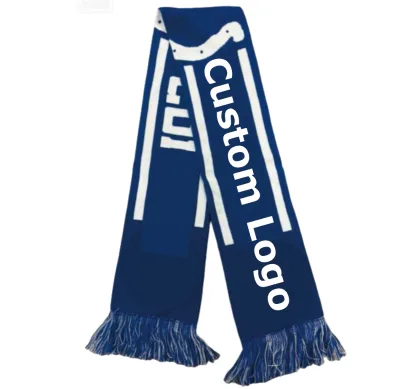
Personalized Custom Knitted Scarf Football Club Fan Scarf Jacquard Knitted Scarf
$1.75 - $2.50
Moq: 200
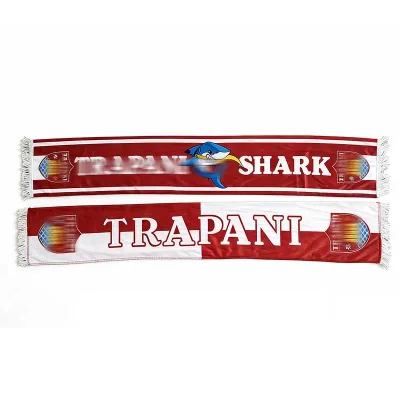
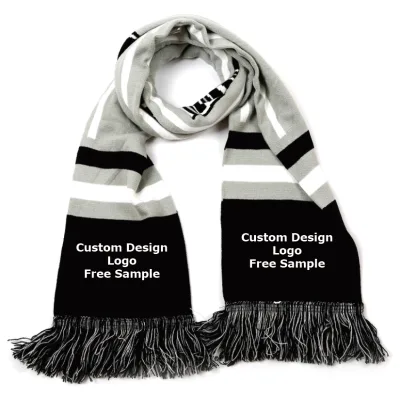
Customized Logo Jacquard Knitted Sport Club Soccer Football Fan Scarf Winter Scarves
$1.20 - $3.10
Moq: 100

Weifang Ronning Industry Co., Ltd.
- Verified by TUVRHEINLAND
- Combined
- China Shandong
- Lead time15 days
- Avg. response≤ 2h
Main productsCustom Flag, Hand Flag, Car Flag, Garden Flag, Custom Bandanna, Custom Scarf, Custom Pennant
Main marketsNorth America
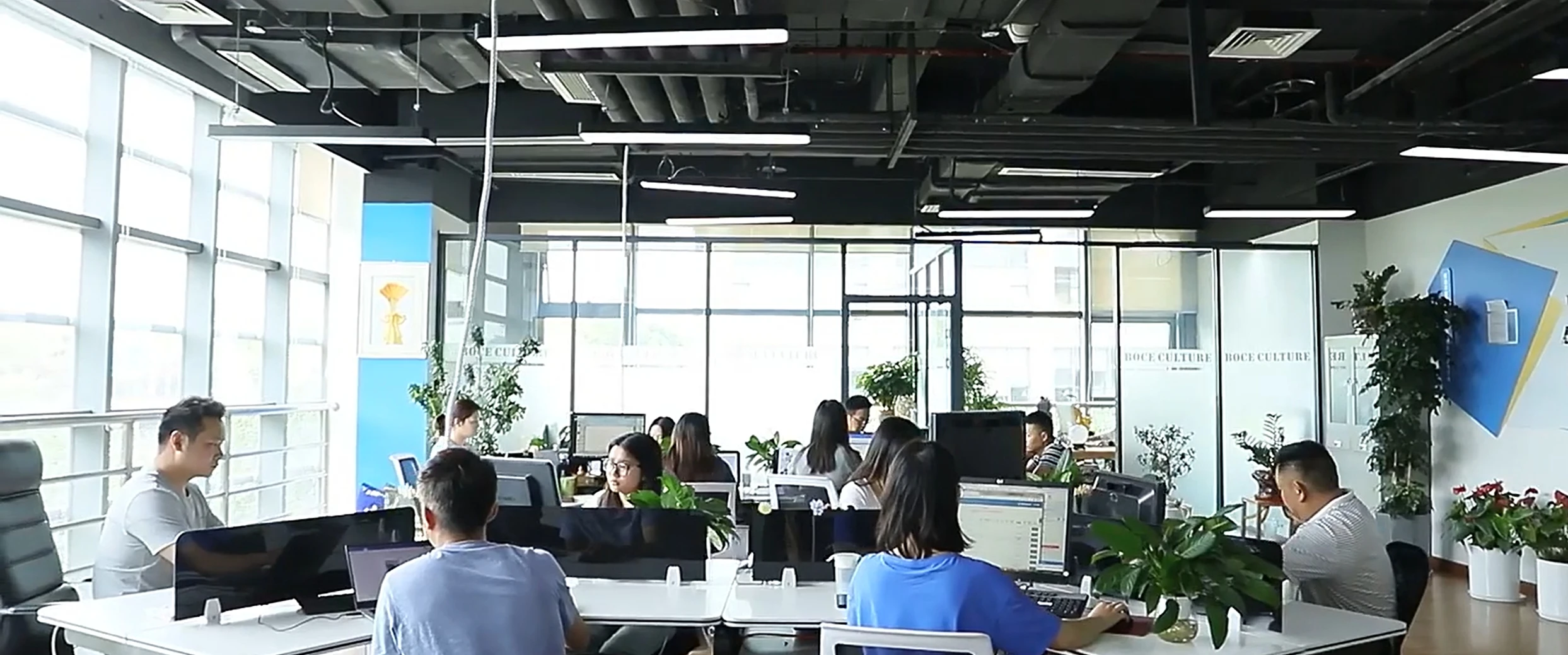
- Trading Company
- Hong Kong S.A.R.
- Lead time15 days
- Avg. response≤ 3h
Main productsPromotional gift set,Election Gifts,Events Gifts,keychain,silicone bracelet
Main marketsNorth America(80.0%), South America(10.0%), Mid East(10.0%)

Guangzhou Inly Sporting Goods Co., Ltd.
- Verified by BV
- Trading Company
- China Guangdong
- Lead time30 days
- Avg. response≤ 3h
Main productsSoccer Jersey, Football Shirt, Sports Wear, Basketball Jersey, Sportswear, T-Shirt, Polo Shirt, Baseball Jersey, Jacket, Rugby Jersey
Main marketsAustralia

Hefei Jingyi Image Printing Co., Ltd.
- Verified by CTI
- Trading Company,Manufacturer/Factory
- China Anhui
- Lead time15 days
- Avg. response≤ 8h
Main productsTent, Inflatable Arch, Flag, Banner, Sticker, Photo Booth Props, Event Display Stands, Pop up Tent, Star Tent, Inflatable Advertising
Main marketsSouth America,Eastern Europe,Mid East,North America,Southeast Asia,Eastern Asia,Oceania,Western Europe,Africa
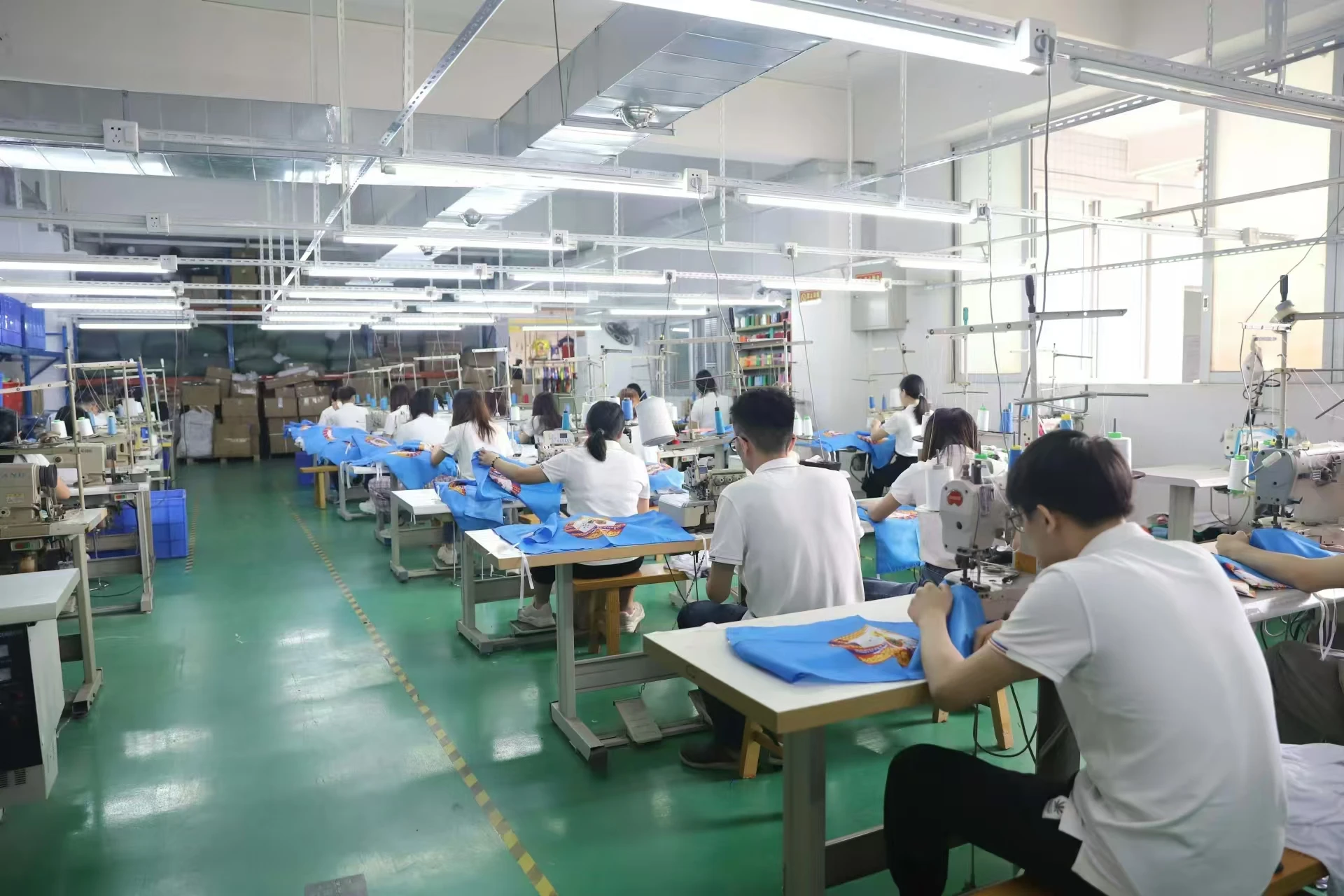
Nanjing Xingchi Import And Export Co., Ltd.
- Trading Company
- Jiangsu, China
- Lead time7 days
- Avg. response≤ 1h
Main productsFlags,Banner,Display Accessories,Electric bikes
Main marketsEastern Asia(30.0%), Mid East(20.0%), North America(20.0%), South Asia(12.0%), Western Europe(10.0%), Eastern Europe(8.0%)

Linyi Aozhan Import and Export Co., Ltd.
- Verified by SGS
- Manufacturer/Factory
- China Shandong
- Lead time23 days
- Avg. response≤ 3h
Main productsFlag, Banner, Car Falg, National Flag, Hand Waving Flag, Advertising Flag, Christmas Decoration Banner Flag, Pennant Sports Scarf, Garden Flag, Beach Feather Flag
Main marketsSouth America,Eastern Europe,Mid East,North America,Southeast Asia,Eastern Asia,Oceania,Western Europe,Africa

Shanghai J&D International Co., Ltd.
- Trading Company
- China Shanghai
- Lead time23 days
- Avg. response≤ 25h
Main productsShirts, Necktie, Ties, Scarves, Waistcoat, Cufflink, Neckwear, Accessories
Main marketsSoutheast Asia/ Mideast,Domestic,Europe,Australia,North America

Fuzhou Chongkang Gifts Trade Co., Ltd.
- Verified by SGS
- Manufacturer/Factory
- China Fujian
- Lead time23 days
- Avg. response≤ 5h
Main productsPromotional Gifts, Baseball Cap, Beanies Hat, Gift Bags, Scarf, Microfiber Cleaning Cloth, Keychain, USB Charging Line, Luggage Tag, Mobile Phone Holder
Main marketsSouth America,Eastern Europe,Mid East,North America,Southeast Asia,Eastern Asia,Oceania,Western Europe,Africa
Dongyang Junmei Flags Co., Ltd.
- Manufacturer, Trading Company
- Zhejiang, China
- Lead time7 days
- Avg. response≤ 9h
Main productsCustom Flags/ String Flags/ Stick Flags/ Car Flags; Scarfs
Main marketsNorth America(30.0%), Domestic Market(30.0%), Western Europe(20.0%), Northern Europe(10.0%), Southern Europe(5.0%), Eastern Europe(5.0%)

Shanghai David International Trade Co., Ltd.
- Verified by TUVRHEINLAND
- Combined
- China Shanghai
- Lead time15 days
- Avg. response≤ 6h
Main productsPromotional Gifts, Gift Sets, Tshirts, Hats, Hot Packs, Hot Cold Packs, Ice Packs, Bags, Umbrellas, Water Bottles
Main marketsSouth America,Africa,Southeast Asia/ Mideast,East Asia(Japan/ South Korea),Domestic,Europe,Australia,North America


2021 New Product Fashion Custom Scarf Low Price Fan Scarf for Promotional Gift
$0.40 - $1.20
Moq: 3000

Tongxiang Bojay Trade Co., Ltd.
- Trading Company
- Lead time旺季: "1 - 100":15,"> 100":"To be negotiated", 淡季: "1 - 100":15,"> 100":"To be negotiated"
- Avg. response≤ 6h
Main productsWeaving Blanket, Knitted Weighted Blanket, Weighted Blanket, Hand Knitted Blanket, Knitted Wool Blanket
Hongsu Promotion & Advertising Products (Yancheng) Co., Ltd.
- Trading Company
- Jiangsu, China
- Lead time30 days
- Avg. response≤ 3h
Main productsFlag Banner,Advertising Tents,Advertising Inflatables,Indoor and Outerdoor Displays,Gift Promotion
Main marketsNorth America(50.0%), Western Europe(40.0%), Mid East(10.0%)
Jurong Dongyu Knitwear Co., Ltd.
- Manufacturer, Trading Company
- Jiangsu, China
- Lead time30 days
- Avg. response≤ 5h
Main productsBeanie,Scarf,Glove,Baseball Cap,Snapback Hat
Main marketsNorth America(50.0%), Western Europe(25.0%), Oceania(15.0%), Africa(10.0%)

Dongguan Kangbao Garment Co., Ltd.
- Verified by BV
- Combined
- China Guangdong
- Lead time23 days
- Avg. response≤ 7h
Main productsBeanie, Winter Hat, Scarf and Neck Warmer, Gloves and Mittens, Knit Poncho and Blanket, Headband Sports Gear, Canvas Bag, Golf Cover
Main marketsAfrica,Europe,North America
- Trading Company
- Jiangsu, China
- Lead time7 days
- Avg. response≤ 3h
Main productsSilk Scarf,Silk fabric,Silk Pillowcase,Silk eye mask,Silk Scrunchies
Main marketsNorthern Europe(15.0%), Western Europe(15.0%), Southern Europe(15.0%), North America(15.0%), Eastern Asia(10.0%), Southeast Asia(5.0%), Central America(5.0%), Eastern Europe(5.0%), South Asia(5.0%), South America(5.0%), Mid East(3.0%), Africa(2.0%)

Changzhou Sitan Imp. and Exp. Co., Ltd.
- Verified by BV
- Trading Company,Manufacturer/Factory
- China Jiangsu
- Lead time45 days
- Avg. response≤ 10h
Main productsFitness Equipment, Barbell Series, Resistance Bands, Agility & Speed, Yoga Ball, Massage Series, Power Rack, Weight Ball, Charging Notebook, Custom Logo Goods
Main marketsSouth America,Eastern Europe,Mid East,North America,Southeast Asia,Eastern Asia,Oceania,Western Europe,Africa

Custom Traditional Scarves Polyester Sports Fan Shawls for Football Basketball Clubs
$1.30 - $2.00
Moq: 300








Comprehensive Sourcing Guide
Club Fan Scarf Supplier Concentration and Factory Types
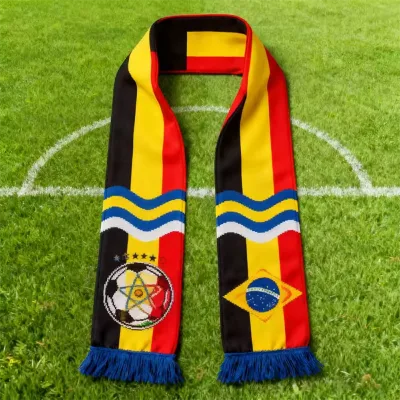
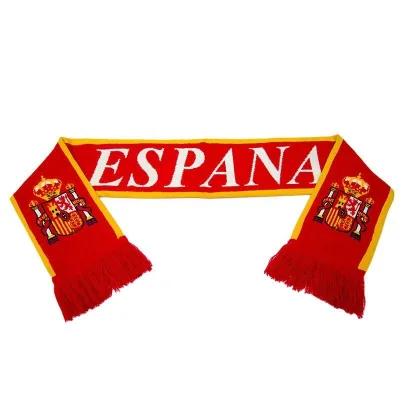
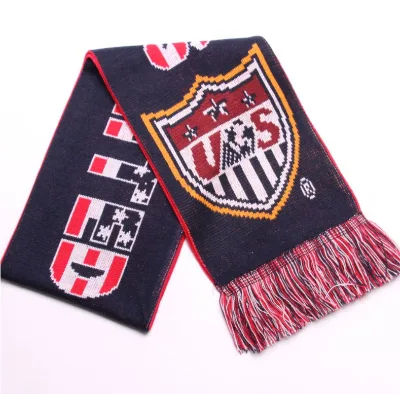
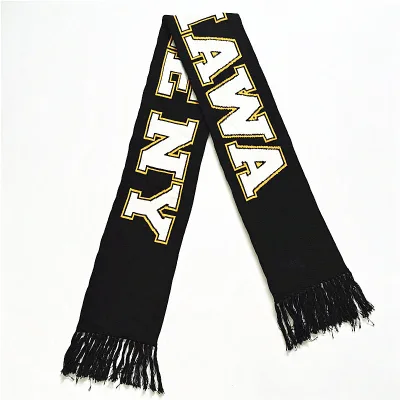
Supplier results for Club Fan Scarf products in this dataset point to sourcing concentrated in China, with listed suppliers based in Jiangsu, Chongqing, and Shanghai. Jiangsu appears as a trading-company location with a broad headwear and neckwear portfolio that includes bandanas, baseball caps, beanies, durags, and football fan scarves. Chongqing results show a mixed profile combining trading company and manufacturer/factory classifications, with main products spanning baseball caps, trucker hats, bucket hats, scarves, gloves, aprons, and socks. Shanghai entries in the dataset are not scarf specialists; they list cooling scarves and gel-based products, so buyers seeking knitted football scarves should treat such entries as adjacent rather than core.
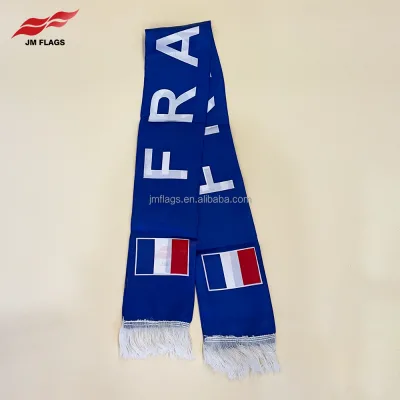
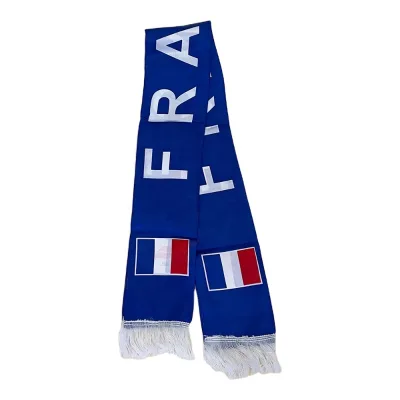
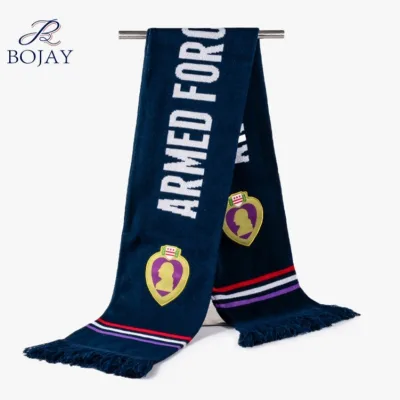
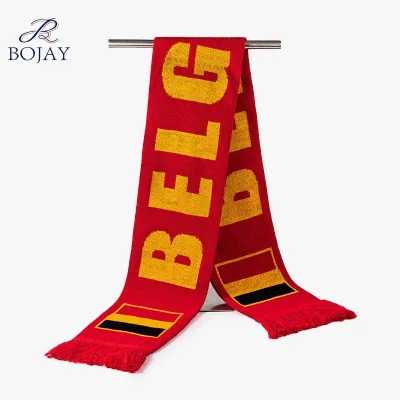
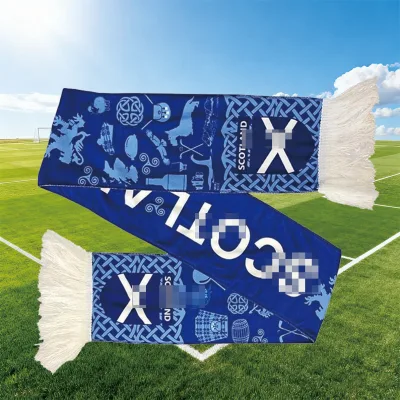
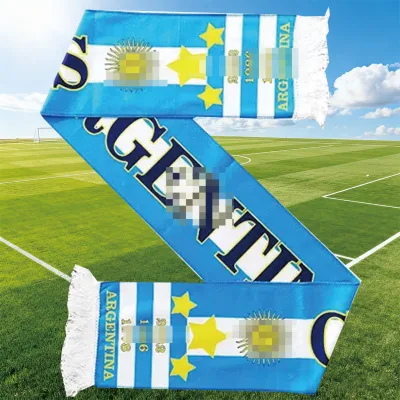
Understanding the factory-type label matters because it shapes negotiation. A trading company typically consolidates multiple knitting or printing workshops and can offer a wider accessory assortment, useful when bundling scarves with caps or beanies for a fan-collection order. A manufacturer/factory or combined profile suggests direct production control, which can matter for jacquard knitting consistency and digital printing color matching. The product evidence shows knitted jacquard models, double-sided printed satin styles, and woven fan scarves, which involve different processes: jacquard knitting, digital printing on satin polyester, and screen or transfer printing. Buyers should ask each supplier which of these processes is in-house versus subcontracted, because that answer determines who controls pattern accuracy, colorfastness, and the double-sided design alignment on finished scarves.
How to Verify Club Fan Scarf Suppliers
Verification starts with the platform badges shown on each profile. In the current results, one Jiangsu supplier carries BV verification while a Chongqing supplier is verified through TÜV Rheinland and additionally lists BSCI and ISO 9001 system certifications. These are meaningful but not interchangeable: BV and TÜV Rheinland verification generally confirms that a company exists as registered and that profile information was audited, while ISO 9001 addresses quality management systems and BSCI addresses social compliance audits often required by European retail buyers. A supplier with no listed system certification, such as the Shanghai combined-type entry, is not automatically unreliable, but it shifts the burden of audit onto the buyer.
Beyond badges, verify scarf-specific capability. Request the actual sample model referenced in listings, such as a knitted jacquard scarf or a double-side printed satin scarf, and check the listed specification claims: 100% polyester composition, approximately 135x18 cm sizing, medium thickness, and polybag-per-piece packing with carton packing for bulk. Confirm that the customization attributes advertised—logo, design, size, and color listed as customizable—are supported by artwork proofs and a pre-production sample, not just listing text. Ask for the factory address, business license, and whether the knitting and printing stages occur at the registered address, especially for trading companies whose production may be outsourced. For orders destined for club or federation merchandising, ask what trademark authorization documentation the supplier requires or expects from you before production.
What to Compare Across Club Fan Scarf Suppliers
Build a comparison sheet from the attributes suppliers actually display, without assuming every supplier publishes every field. Useful dimensions in this dataset include location, company type, verification body, system certifications, main product lines, response time, and stated lead time. For example, response times in the results cluster around roughly 3.7 to 4 hours, but individual values differ slightly, and response speed displayed on a platform is not a contractual commitment. Stated lead times differ more sharply: one Jiangsu trading supplier lists around 23 days while a Chongqing trading-plus-factory supplier lists around 38 days. For a seasonal fan-scarf campaign tied to a fixture calendar, that difference can decide the shortlist before pricing is even discussed.
Compare product-level fields too. Listed MOQs in this dataset range widely, from 50 pieces on a satin polyester cheering scarf up to 1,000 pieces on a printed double-sided polyester scarf, with intermediate 300 and 500 piece options on knitted and custom designs. Published price ranges also vary by construction, with printed polyester styles listed lower than knitted jacquard models. Match each product attribute to your need: winter-season, adult, unisex, long-length scarves with customizable logo and color are common claims, but the underlying model names—knitted jacquard, printed satin, dobby-pattern knitted—signal different cost structures and minimums. Also compare OEM/ODM capability, which one Chongqing supplier explicitly lists, and main-product breadth if you plan to consolidate headwear and scarf orders.
Common Club Fan Scarf Sourcing Risks
The most frequent risk is conflating listing claims with confirmed capability. Listings commonly state that logo, design, size, and color can be customized, but customization depth differs by process: digital printing on satin tolerates photographic gradients and full-color crests, while knitted jacquard constrains designs to yarn colors and stitch resolution, which can distort fine badge detail. A buyer who samples one process and orders another often receives a scarf that reads differently from the approved artwork. Double-sided printing adds a further risk of back-side misalignment, so inspection should check both faces and the selvedge.
Other risks are commercial and logistical. MOQ spread matters: a 50-piece minimum invites small trial orders but may carry higher unit costs and less favorable decoration options, while 1,000-piece minimums on printed styles lock in artwork decisions early; changing a club crest after sampling can void the quoted range. Lead-time estimates, such as the roughly 23-day and 38-day figures shown by different suppliers, typically exclude artwork approval, sample courier time, and shipping, so real calendar time is longer. Trading-company structures add a transparency risk: the knitting or printing workshop may change without notice between sample and bulk stages. Finally, club and national-team names, and keyword references to specific teams, raise intellectual-property risk; producing unauthorized crest merchandise can trigger customs seizure, so verify who holds design rights before any bulk commitment.
Club Fan Scarf Regional Sourcing and Logistics
The confirmed geography in these results is China, specifically Jiangsu, Chongqing, and Shanghai, and buyers should read regional position in practical terms. Chongqing is an inland manufacturing hub, so export logistics typically involve longer inland transfer to a major seaport; the listed supplier there is also the one showing a longer lead-time figure, which fits that logistical pattern. Jiangsu sits within China's eastern coastal export corridor near major ports, and the shorter listed lead time of the Jiangsu trading supplier is consistent with easier consolidation and dispatch. Shanghai's port access is among the world's busiest, though the Shanghai suppliers in this dataset are not scarf-focused, so treat the region as a transit advantage rather than a sourcing signal.
Plan logistics around the product's physical characteristics. Knitted and woven fan scarves are lightweight but bulky relative to value; a listed packing standard of 100 pieces per carton, with polybag-per-piece inner packing and paper carton outer packing, lets you estimate carton counts, container utilization, and freight class for air versus sea. Digital satin styles can arrive with print odor or static, so ask about degassing and inner-bag sealing before shipping to hot climates. Build a schedule backward from a match-day or season-launch date: allow time for artwork approval, a pre-production sample in the chosen process, bulk production per the stated lead time, inland transit to port, booking, and final delivery. Where the destination market has compliance or labeling rules for textile fiber content, confirm labeling formats before cartons are packed.
Club Fan Scarf Commercial Terms and Order Planning
Commercial terms should be settled in writing before sampling, using the supplier's displayed data as the baseline. In this dataset, published unit price ranges for scarf models span from under one dollar up to several dollars depending on construction, and MOQs range from 50 to 1,000 pieces across models. Quote each process separately: a knitted jacquard scarf at a 500-piece minimum, a satin printed scarf at a 50-piece minimum, and a double-sided printed polyester scarf at a 1,000-piece minimum are different commercial products even when the artwork is identical. Confirm what the quoted range assumes—yarn colors, print coverage, fringe finishing, and packing—because fringe and double-side options are common surcharge triggers not always itemized in listings.
Order planning should sequence commitments against verification steps. A sensible pattern is a small trial run at the lowest listed MOQ to validate color matching and packing, followed by bulk at the tier that balances unit price against inventory risk, especially for designs tied to a single season or fixture. Confirm payment protection options the platform actually offers—escrow-style arrangements are commonly available on B2B platforms, but availability and coverage vary, so verify terms on the specific order rather than assuming. Align payment milestones with inspection points: deposit after sample approval, balance after a pre-shipment check of both printed faces, dimensions near the stated 135x18 cm standard, and carton counts. Finally, reconfirm lead time at order placement, since displayed figures like 23 or 38 days may not include peak-season knitting capacity.
FAQs
What is the price range for club fan scarves?
Prices for club fan scarves typically range from $0.70 to $3.90 per unit. The final cost depends on the material choice, such as polyester or acrylic, and the complexity of the printing or knitting design. Buyers should expect higher prices for custom digital satin or jacquard styles with specific team logos.
What is the minimum order quantity for these scarves?
Minimum order quantities vary significantly by supplier and product type. Some suppliers require a minimum of 50 pieces for specific satin styles, while others set the threshold at 300 or 500 units. Standard printed polyester scarves often have a minimum order of 1000 pieces. Buyers must check the specific listing for exact MOQ requirements.
How long does production take for custom scarves?
Production lead times generally range from 23 to 38 days. This duration depends on the supplier's location and current order volume. Suppliers in Jiangsu often report faster turnaround times compared to those in Chongqing. Buyers should confirm the exact timeline with the supplier before placing an order to ensure timely delivery for events.
Can I customize the logo and design on the scarf?
Yes, customization is widely available for club fan scarves. Suppliers offer options to customize logos, designs, sizes, and colors to match specific team requirements. Both printed and jacquard knitting methods support detailed team emblems. Buyers should provide high-resolution artwork to ensure the best quality reproduction on the final fabric product.
What materials are used for football fan scarves?
Most club fan scarves are made from 100% polyester or acrylic blends. Polyester is common for digital satin and printed styles due to its vibrant color retention. Acrylic is often used for knitted jacquard scarves to provide warmth and durability. Some listings also mention wool or cotton blends for premium winter wear options.
Are these suppliers verified for quality assurance?
Many suppliers hold third-party verification badges such as BV or TÜV Rheinland. Some manufacturers also possess ISO 9001 and BSCI certifications for quality and social compliance. Buyers should look for these verification marks to ensure the supplier meets international standards. Always request recent inspection reports to confirm product quality before finalizing large orders.