CNC Metal Fishing Reel Suppliers and Manufacturers
Explore 24 verified suppliers offering cnc metal fishing reels with customizable options and specific gear ratios. Buyers can compare locations in Jiangsu, response times, and minimum order quantities before requesting samples or quotes; review the available evidence before requesting comparable quotations from suitable candidates.
Suppliers List
Suqian Blue Sea Sports Goods Co., Ltd.
- Verified by TüVRheinland
- Trading Company
- Jiangsu, China
- Lead time0 days
- Avg. response≤ 5h
Main productsFishing Lure, Fishing Hook, Fishing Rig, Fishing Line, Fishing Accessories
Main marketsNorth America(50%), Eastern Europe(10%), Western Europe(10%)
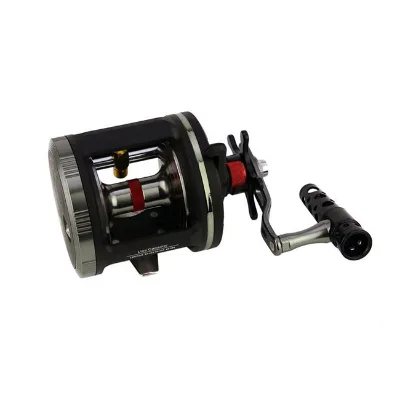
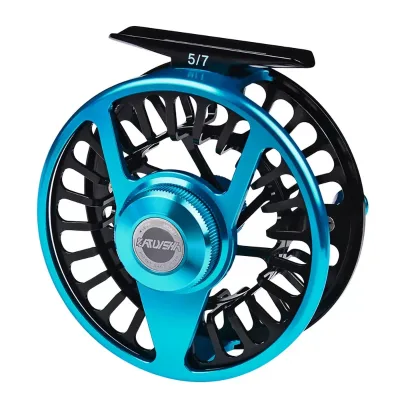
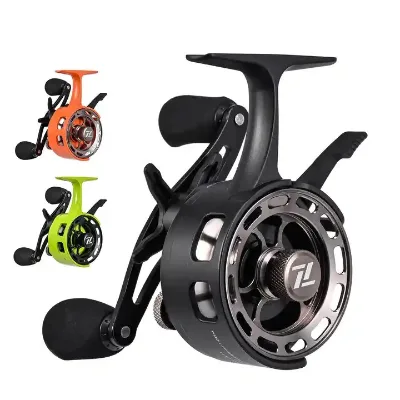
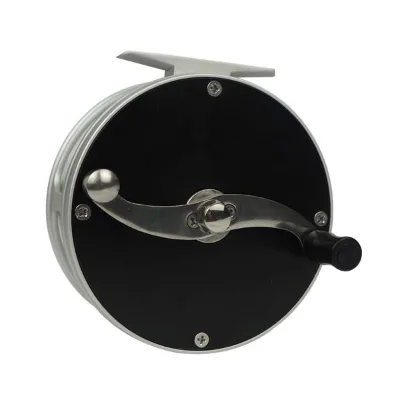
Fly Fishing Reel CNC Machine Right & Left Handle Light Ice Mini Fly Fishing Reel
$21.86 - $29.54
MOQ: 10 Minimum
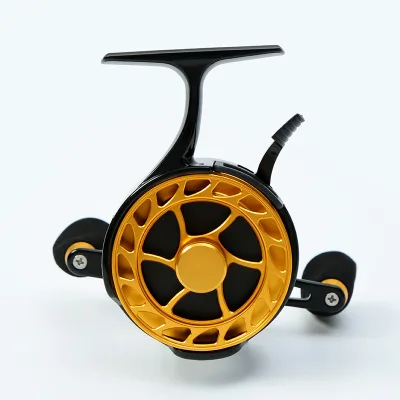
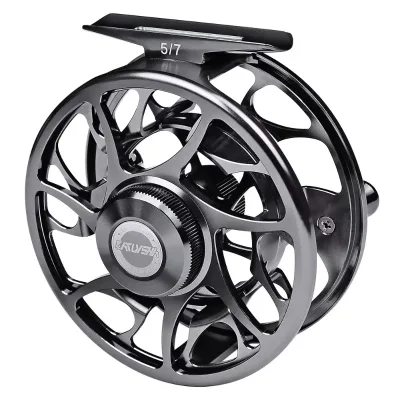
Aluminum Alloy CNC Front Wheel Reel for Fly Fishing in Rivers and Lakes
$21.86 - $29.54
MOQ: 10 Minimum
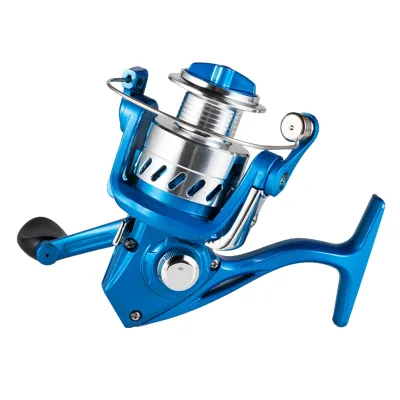
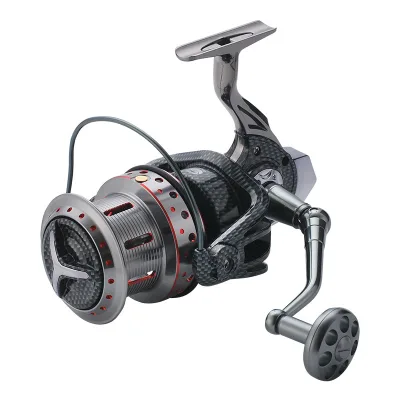

Shandong Zhoutai Outdoor Products Co., Ltd.
- Verified by SGS
- Trading Company
- China Shandong
- Lead time60 days
- Avg. response≤ 5h
Main productsFishing Rod, Fishing Line, Fishhook, Fish Reel, Fishing Lure
Main marketsSouth America,Southeast Asia/ Mideast,Europe
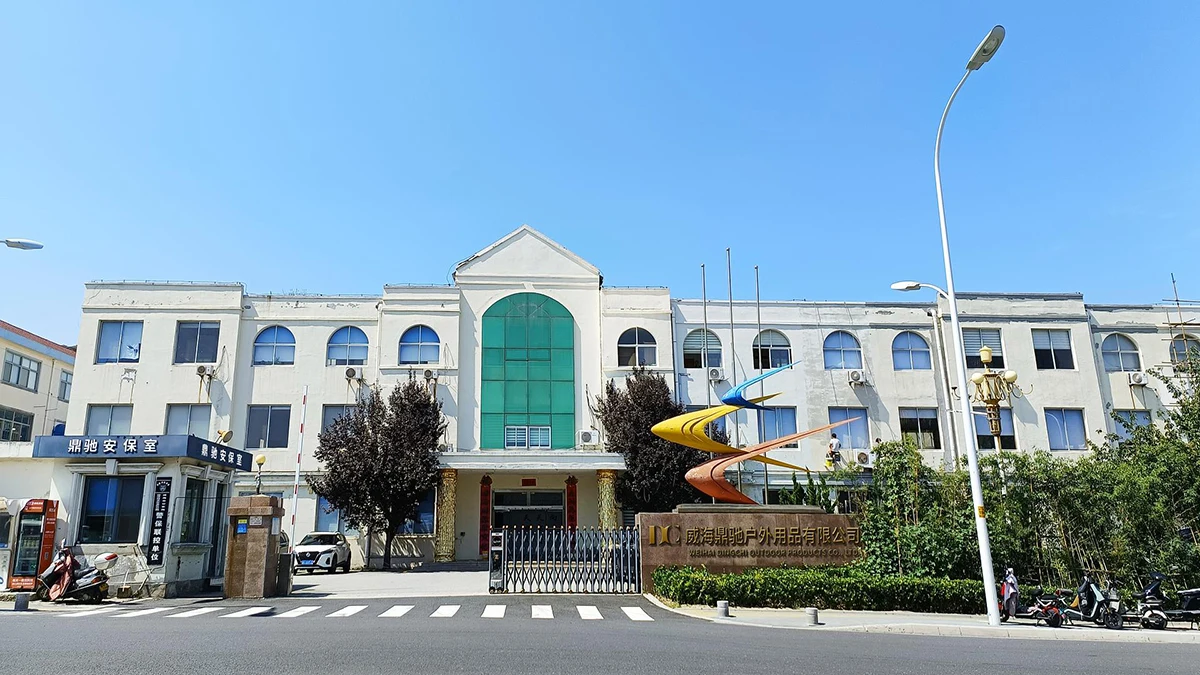
Weihai Dingchi Outdoor Products Co., Ltd.
- Manufacturer, Trading Company
- Shandong, China
- Lead time0 days
- Avg. response≤ 2h
Main productsFishing Lures , Fish Pole, Fishing Reel, Fish Hook, Fishing Tools
Main marketsNorth America(30.00%), Domestic Market(20.00%), Western Europe(10.00%), Southern Europe(10.00%), Northern Europe(10.00%), Eastern Europe(10.00%), Southeast Asia(10.00%)
Shijiazhuang Chentilly Trading Co., Ltd.
- Trading Company
- Hebei, China
- Lead time15 days
- Avg. response≤ 4h
Main productsTrolling lures,Bucktail jigs,Jigging lures,Fishing reel,Fishing rod
Main marketsNorth America(35.00%), Oceania(23.00%), Mid East(10.00%), South America(10.00%), Eastern Europe(10.00%), Western Europe(7.00%), Central America(5.00%)

Weihai Surefish Fishing Tackle Co., Ltd.
- Trading Company
- China Shandong
- Lead time30 days
- Avg. response≤ 2h
Main productsFishing Tackle, Fishing Rod, Fishing Line, Fishing Swivel, Fishing Lure, Fly Fishing, Fishing Reel, Fishing Hook, Fishing Equipment, Carp Fishing
Main marketsEurope,Australia,North America
Cixi Aoqiusite Electric Appliance Co., Ltd.
- Verified by SGS Group
- Manufacturer, Trading Company
- Lead time10 days
- Avg. response≤ 4h
Main productsFish Reel, Spinning Reel , Baitcast Reel, Long cast Reel
Main marketsSoutheast Asia(25%), Eastern Asia(25%), Domestic Market(20%)

Ningbo Rodcore International Co., Ltd.
- Trading Company
- China Zhejiang
- Lead time60 days
- Avg. response≤ 5h
Main productsFly Rod, Fly Reel, Fly Line, Fly Box, Bamboo Fly Rod, Fishing Rod, Fishing Lure, Fishing Reel, Fishing Line, Fishing Hook
Main marketsSouth America,North America

- Verified by SGS
- Trading Company
- China Zhejiang
- Lead time15 days
- Avg. response≤ 13h
Main productsBike, Bicycle
Main marketsEurope,Australia

$6.07 - $6.79
MOQ: 440 Pieces

$8.01 - $8.96
MOQ: 340 Pieces

$5.59 - $6.24
MOQ: 480 Pieces

$3.04 - $3.39
MOQ: 880 Pieces

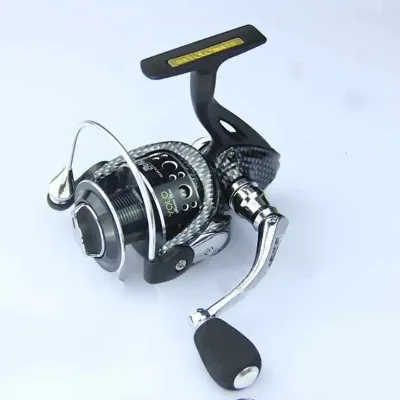
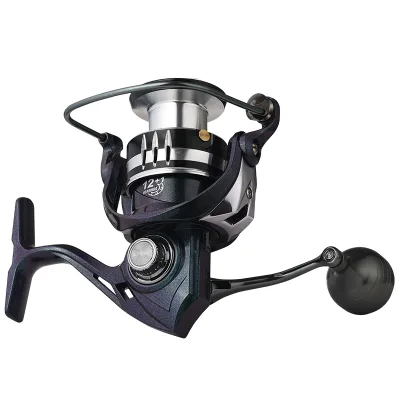
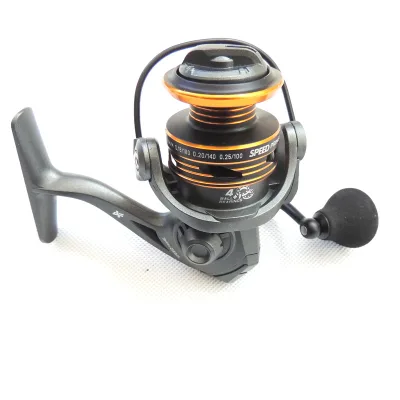
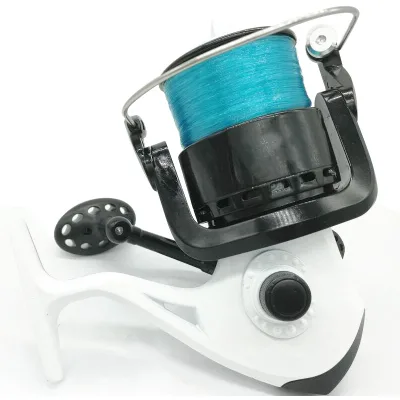
Full Metal Double Handle Durable Lure Fishing Spinning Reel None Gap Special Saltwater Spinning Reel
$6.07 - $6.79
MOQ: 440 Pieces

WEIHAI ONETE OUTDOOR PRODUCTS CO., LTD.
- Verified by BV
- Trading Company
- China Shandong
- Lead time45 days
- Avg. response≤ 9h
Main productsFishing Lures, Fishing Tackle, Fishing Rods, Fishing Reels, Fishing Line, Fly Fishing, Ice Rods, Tackle Box, Fishing Rod Handle, CNC Metal Parts
Main marketsNorth America

Nanjing Jiashanmei Import And Export Trade Co., Ltd.
- Trading Company
- Jingsu, China
- Lead time30 days
- Avg. response≤ 6h
Main productsFish Hook, Fishing Lure, Fishing Reels, Fishing Line, Fishing Supplies
Main marketsNorth America(50.00%), Eastern Asia(10.00%), Western Europe(10.00%), Southeast Asia(10.00%), South America(5.00%), Oceania(5.00%), Africa(5.00%), Eastern Europe(5.00%), South Asia(0.00%), Southern Europe(0.00%), Central America(0.00%), Northern Europe(0.00%), Domestic Market(0.00%), Mid East(0.00%)
Weihai Hunt House Fishing Tackle Co., Ltd.
- Verified by TüVRheinland
- Trading Company
- Lead time30 days
- Avg. response≤ 3h
Main productsFishing Rod, Fishing Reel, Fishing Lure, Fishing Accessories, Fishing Line
Main marketsNorth America(20%), Oceania(20%), South America(10%)

- Verified by SGS
- Trading Company
- China Zhejiang
- Lead time15 days
- Avg. response≤ 13h
Main productsTents, BBQ Grill, Folding Table and Chair, Cooler Bag, Outdoor Lamp, Beach Mat, Picnic Blanket, Sleeping Bag, Water Bottle, Hammock
Main marketsEurope,Australia

Multi Style Metal Square Seat Multigrade Structure Three Colors Available Fishing Reel
$2.05 - $2.42
MOQ: 400 Pieces

Thick Stainless Steel Bearing Metal Non-Slip Grip Alloy Tooth Plate Fishing Reel
$0.50 - $2.64
MOQ: 379 Pieces

Travel Saltwater Freshwater Portable Telescopic Spinning Reels Fishing Reel Rod
$1.60 - $2.00
MOQ: 500 Pieces

Right Left Handle Red Complete Spincast Reel Stainless Steel Fishing Rod
$3.30 - $3.50
MOQ: 300 Pieces

No-Tangle Design Simple Push-Button Mechanics Spincast Reels Fishing Rod
$6.00 - $8.00
MOQ: 125 Pieces

Novice Sea Long-Range Throwing Reel Combination 1.5m 1.8m Rod Fishing Set
$3.31 - $3.73
MOQ: 500 Pieces
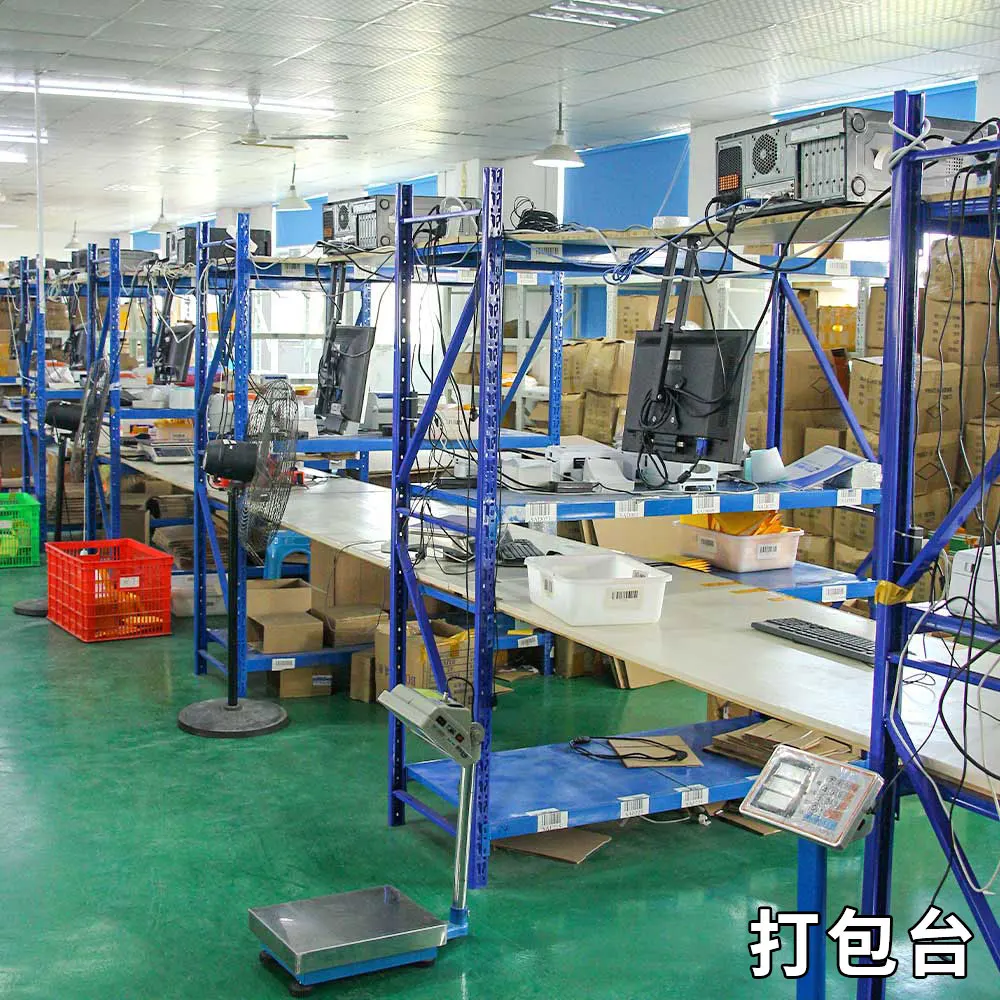
Shanghai Hengjia Network Technology Co., Ltd.
- Trading Company
- Shanghai, China
- Lead time30 days
- Avg. response≤ 5h
Main productsFishing Lure,Fishing Reel,Spoon Spinner Bait,Fishing Rod,Fishing Line
Main marketsDomestic Market(20.00%), North America(20.00%), Western Europe(15.00%), South America(10.00%), Southeast Asia(10.00%), Eastern Asia(10.00%), Mid East(10.00%), South Asia(5.00%)
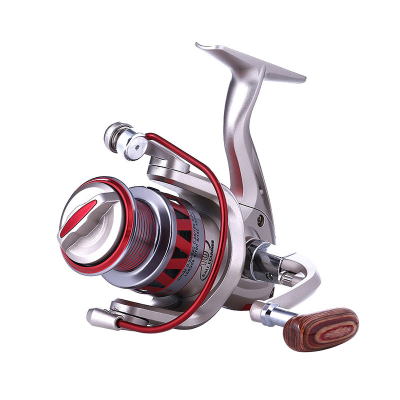
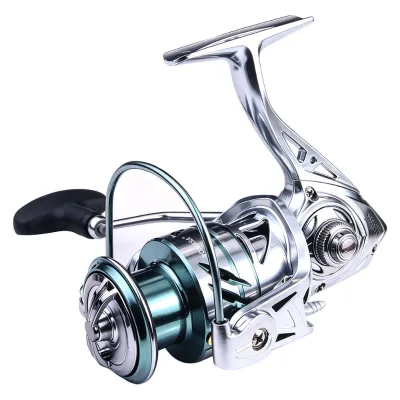
High Quality Freshwater Carp Fishing Reels Metal Spinning Reel Baitcasting Pole Reel
$6.28 - $8.70
MOQ: 1 Minimum

Dongyang Shanye Fishing Tackle Co., Ltd.
- Combined
- China Zhejiang
- Lead time15 days
- Avg. response≤ 3h
Main productsFishing Line, Fishing Tackle, Fishing Tool, PE Fishing Line, Nylon Fishin Gline, Fluorocarbon Line, Kate Line, Fishing Equipment, Braid Line
Main marketsSouth America,Africa,Southeast Asia/ Mideast,East Asia(Japan/ South Korea),Domestic,Europe,Australia,North America
Dongyang Kangle Fishing Tackle Co., Ltd.
- Manufacturer, Trading Company
- Zhejiang, China
- Lead time35 days
- Avg. response≤ 6h
Main productsFishing Line
Main marketsNorth America(25.00%), Eastern Europe(20.00%), Western Europe(15.00%), Domestic Market(10.00%), Oceania(10.00%), Southeast Asia(10.00%), Eastern Asia(5.00%), Africa(5.00%)
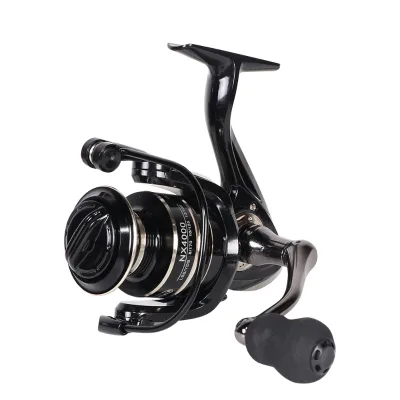
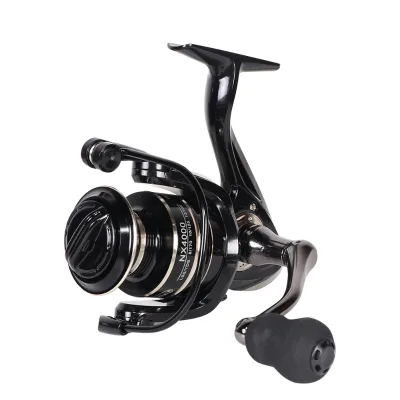
New Arrival REELSKING Double Brake Design Spinning Fishing Reel Sea Fishing Metal Carp Reels
$3.75 - $5.03
MOQ: 2 Minimum

- Verified by SGS
- Manufacturer/Factory
- China Guangdong
- Lead time23 days
- Avg. response≤ 20h
Main productsCNC Machining Parts
Main marketsSouth America,Eastern Europe,Mid East,North America,Southeast Asia,Eastern Asia,Oceania,Western Europe

ISO9001 CNC Custom Qualified Factory CNC Metal Parts for Medical Device Fishing Reel Parts
$1.00 - $2.00
MOQ: 100 Pieces

High Precision Custom CNC Machining Metal Fishing Gear Aluminum Fishing Reel Parts Fishing Tackle
$1.50 - $10.00
MOQ: 10 Pieces

Wholesale Factory Manufacture CNC Machining Custom Aluminum Fishing Reel Parts
$1.00 - $6.00
MOQ: 10 Pieces
Yangzhou Bti-Sports Jabest Co., Ltd.
- Trading Company
- Jiangsu, China
- Lead time60 days
- Avg. response≤ 8h
Main productsFly rods , Fly reels , Fly boxes , Fishing net, High-carbon Fishing hook
Main marketsNorth America(70.00%), Western Europe(15.00%), South Asia(5.00%), Africa(5.00%), Northern Europe(3.00%), Southern Europe(2.00%)

Shandong Juyutai Fishing Gear Co., Ltd.
- Verified by TUVRHEINLAND
- Combined
- China Shandong
- Lead time15 days
- Avg. response≤ 1h
Main productsFishing Tackle
Main marketsDomestic

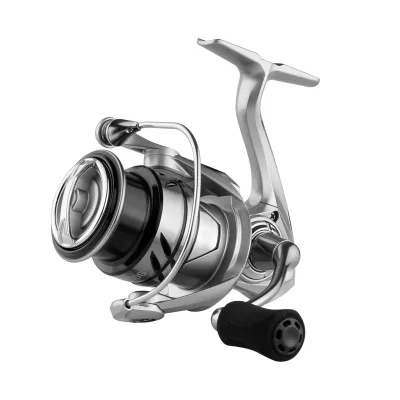
2000/2500 Size Lightweight Spinning Fishing Reel Equipped with Full Metal CNC Handle
$9.00 - $10.00
MOQ: 100 Pieces

Intermediate Grade CNC Machined Spinning Fishing Reel for Freshwater & Saltwater Fishing
$9.00 - $10.00
MOQ: 100 Pieces
Weihai Guosong Outdoor Products Co., Ltd.
- Trading Company
- Shandong, China
- Lead time0 days
- Avg. response≤ 4h
Main productsFISHING LURE,FISHING REEL,FISHING HOOK,FISHING TOOLS,FISHING ROD
Main marketsNorth America(30.00%), South America(20.00%), Northern Europe(10.00%), Eastern Europe(10.00%), Western Europe(8.00%), Southern Europe(4.00%)
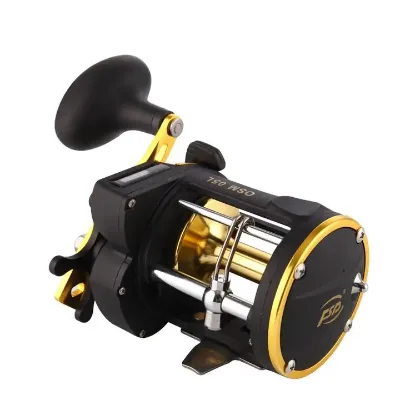
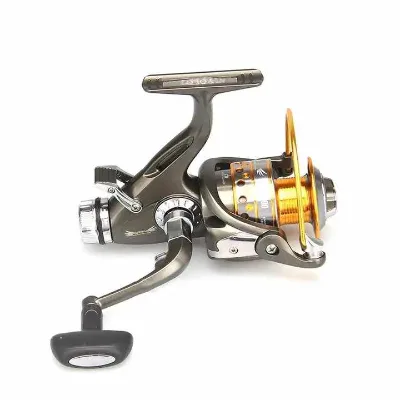
Stainless Steel Spool Sea Fishing Trolling Reel Jigging Reel for Boat Fishing
$23.90 - $29.90
MOQ: 2 pieces
- Trading Company
- Anhui, China
- Lead time30 days
- Avg. response≤ 3h
Main productsArtificial Lures,Carbon Rod,Spinning Casting Reel,Fishing Net,Carp Fishing
Main marketsWestern Europe(20.00%), North America(20.00%), Eastern Europe(15.00%), Southern Europe(10.00%), South Asia(5.00%), Southeast Asia(5.00%), Northern Europe(5.00%), South America(5.00%), Eastern Asia(5.00%), Mid East(5.00%), Oceania(5.00%)
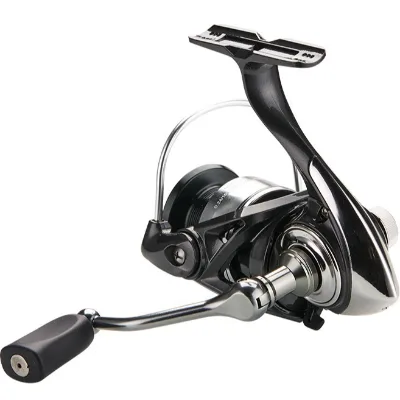
$21.87 - $23.90
MOQ: 2 Minimum
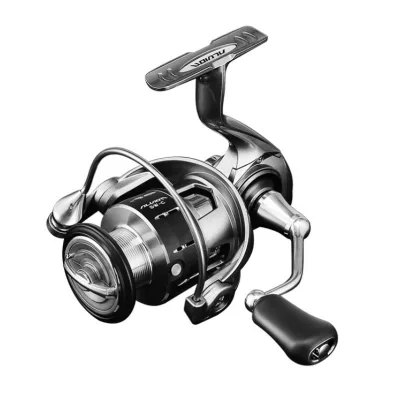
$10.12 - $12.14
MOQ: 2 Minimum
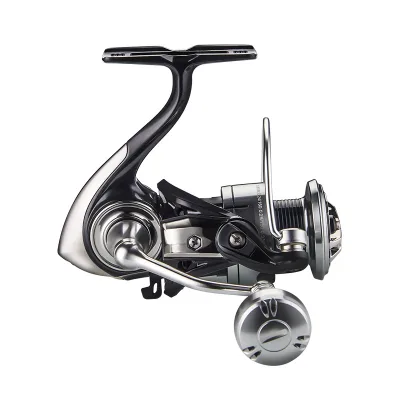
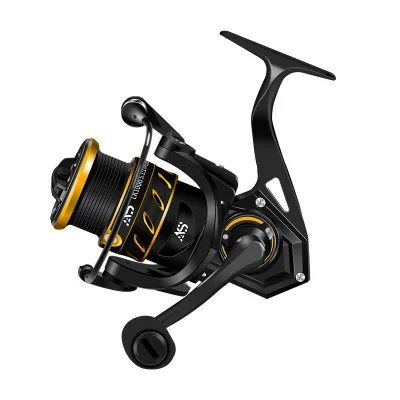
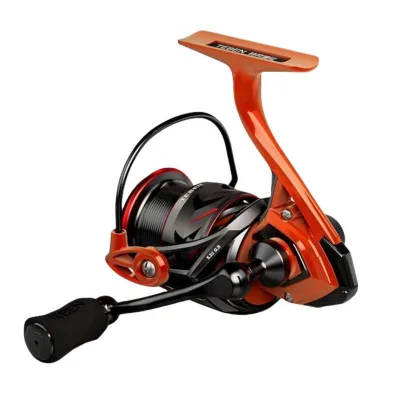
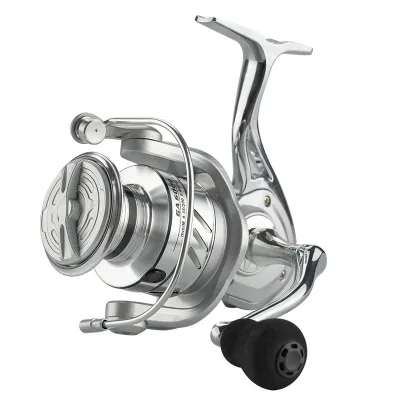
2026 New Design Aluminum Alloy 1000 2000 3000 4000 Stainless Steel Spinning Fishing Reel
$13.78 - $15.27
MOQ: 5 Minimum

Weihai Huayue Sports Co., Ltd.
- Combined
- China Shandong
- Lead time45 days
- Avg. response≤ 12h
Main productsFishing Tackle, Fishing Rod, Fishing Combo, Fishing Reel, Fishing Lure, Fishing Tackle Set
Main marketsSouth America,Africa,Southeast Asia/ Mideast,East Asia(Japan/ South Korea),Domestic,Europe,Australia,North America


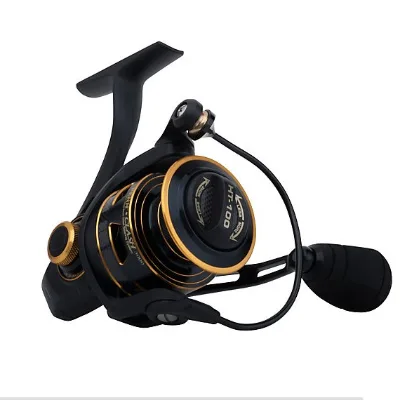
Spinning Fishing Reels 2000-7000 Series Fishing Reel 5.1: 1 Gear Ratio Spinning Reel
$79.00 - $119.00
MOQ: 100 Pieces
Weihai Double-Winner Outdoor Product Co., Ltd.
- Manufacturer, Trading Company
- Shandong, China
- Lead time45 days
- Avg. response≤ 3h
Main productsFishing Rods, Fishing Lures, Fishing Bags
Main marketsCentral America(35.00%), Eastern Europe(20.00%), South America(10.00%), Eastern Asia(10.00%), South Asia(5.00%), North America(5.00%), Oceania(5.00%), Northern Europe(5.00%), Southeast Asia(5.00%)
Hangzhou Ecooda E-Commerce Co., Ltd.
- Trading Company
- Hangzhou, China
- Lead time0 days
- Avg. response≤ 4h
Main productsOEM Producks,Fishing Reels,Fishing Lure,Reels/Spooler,Fishing Rods
Main marketsDomestic Market(80.00%), North America(15.00%), South America(5.00%)

Guangzhou Tianyuehua International Trading Co., Ltd.
- Manufacturer, Trading Company
- Guangdong, China
- Lead time10 days
- Avg. response≤ 7h
Main productsPet Water Fountain,Pet Toy,Pet Snacks,Pet Cleaning Grooming Product,Veterinary Products
Main marketsSoutheast Asia(25.00%), North America(15.00%), Domestic Market(10.00%), Western Europe(10.00%), Eastern Asia(10.00%), Mid East(10.00%), South Asia(10.00%), South America(5.00%), Eastern Europe(5.00%)




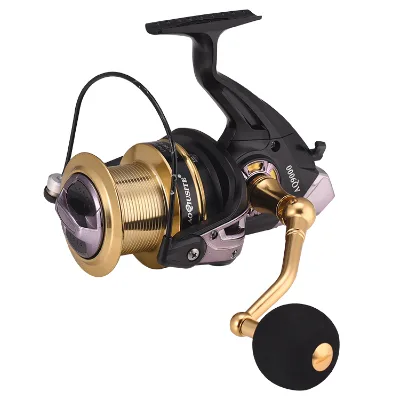
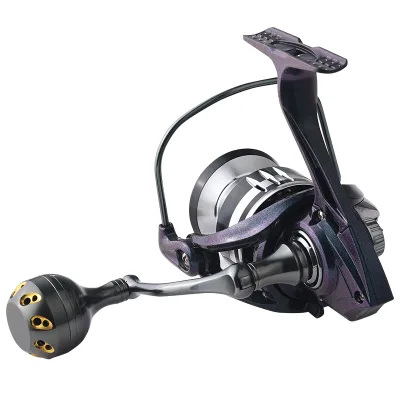
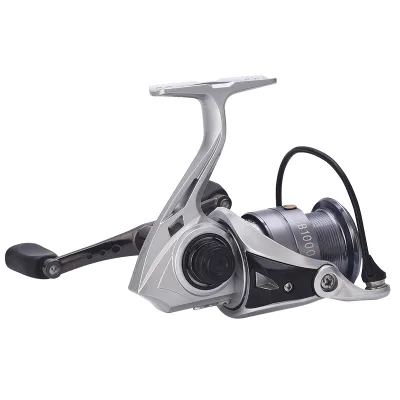
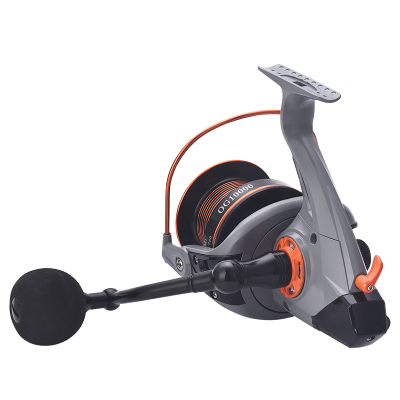




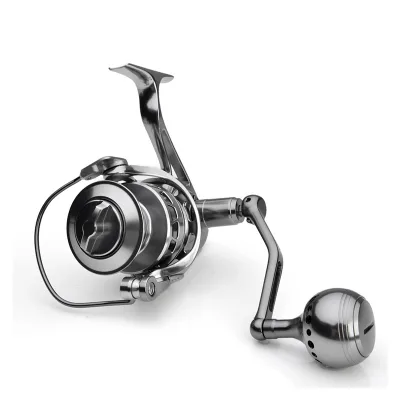
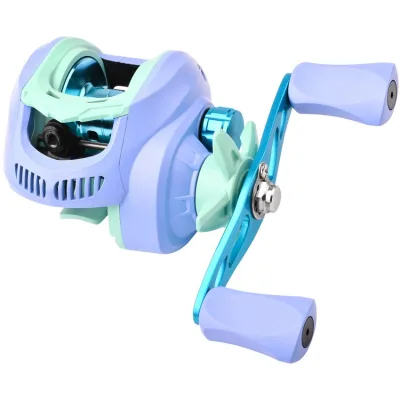
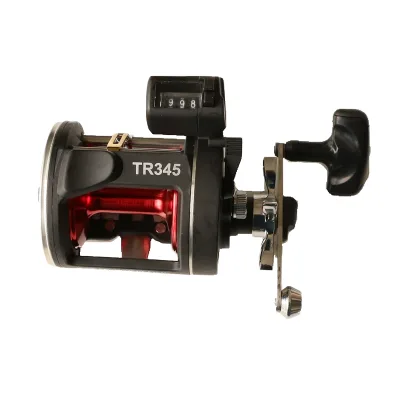
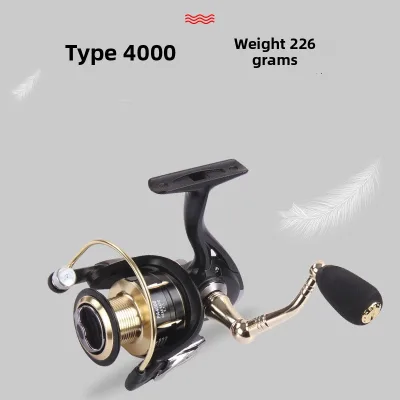
Comprehensive Sourcing Guide
CNC Metal Fishing Reel Supplier Concentration and Factory Types
The available data indicates a specific concentration of suppliers in Jiangsu, China, for CNC metal fishing reels. This region appears to host companies offering customized production capabilities, including sample processing and graphic design services. These suppliers are primarily identified as trading companies rather than direct manufacturers, which suggests they may source finished goods from various factories within the cluster or manage the supply chain on behalf of production units. Buyers should verify if the trading company structure impacts the ability to inspect the actual manufacturing floor or if the entity acts solely as an intermediary. The presence of Jiangsu as a verified location provides a concrete starting point for geographic filtering, though the exact number of active factories within this province remains undefined in the current results.
When assessing factory types, the distinction between trading companies and manufacturers is critical for CNC metal reel sourcing. Trading companies often provide broader product ranges, such as fishing hooks, lines, and accessories, alongside the reels themselves. This diversification can be advantageous for buyers seeking a single point of contact for multiple components. However, for specialized CNC machining, buyers must confirm whether the supplier owns the machinery or outsources the machining process. The current facts show suppliers offering customized on-demand capacity, which implies flexibility but requires validation of the actual production workflow. Buyers should request proof of the machining equipment and the specific facility location to ensure the claimed capabilities align with the high-precision requirements of CNC metal reels.
How to Verify CNC Metal Fishing Reel Suppliers
Verification of suppliers in this category relies heavily on third-party credentials and specific product evidence. One observed supplier holds a TüVRheinland verification status, which serves as a concrete indicator of a completed audit or assessment. Buyers should prioritize suppliers with similar recognized certifications to ensure operational legitimacy. Beyond general verification, the product attributes provide a method for cross-checking claims. For instance, specifications like gear ratios, bearing quantities, and material compositions (such as aluminum alloy or stainless steel) must match the physical samples or detailed technical drawings provided. If a supplier claims a specific gear ratio or bearing count, the buyer must request a test report or a video demonstration of the reel in operation to validate these technical claims before committing to an order.
Response time and delivery capabilities are also essential verification metrics. The data shows a response time of five units, which may indicate the speed of communication, though the specific unit of measurement requires clarification from the supplier. Buyers should test this responsiveness by sending a detailed inquiry and measuring the actual turnaround time. Additionally, the "Fast Delivery" attribute noted in some product listings should be treated as a claim rather than a guarantee. Buyers must verify the actual lead time by requesting a production schedule for a specific order volume. The presence of sample availability is another positive signal, but the buyer should confirm the cost and lead time for these samples. Ensuring that the supplier can consistently meet the stated response and delivery expectations is a fundamental step in the verification process.
What to Compare Across CNC Metal Fishing Reel Suppliers
Comparing suppliers requires a systematic evaluation of key commercial and operational dimensions. The minimum order quantity (MOQ) varies significantly across the observed results, ranging from 10 pieces to 50 pieces. This variation directly impacts the initial investment and inventory risk for the buyer. A supplier with a lower MOQ may be preferable for testing the market, while a higher MOQ might offer better unit economics for established buyers. Buyers should also compare the price points, which range from approximately $6.62 to $42.95 depending on the specific model and specifications. It is crucial to understand that price differences often correlate with material quality, such as the use of stainless steel versus aluminum alloy, or the complexity of the CNC machining involved.
Beyond price and MOQ, the technical specifications and customization options are vital comparison points. Some reels feature a gear ratio of 4.2:1, while others offer 5.2:1 or 1:1, catering to different fishing techniques like trolling or spinning. The bearing configuration, such as 11 bearings or 14+1BB, also varies and affects the smoothness and durability of the reel. Buyers should compare these technical attributes against their specific application needs. Furthermore, the ability to accept OEM requests and the availability of custom graphic processing should be evaluated. A supplier that offers flexible customization but has a high MOQ might not be suitable for a startup, whereas a supplier with low MOQ but rigid standard products might not fit a brand looking for unique specifications.
Common CNC Metal Fishing Reel Sourcing Risks
One significant risk in sourcing CNC metal fishing reels is the discrepancy between advertised specifications and actual product quality. The data shows multiple product listings with varying details, such as different gear ratios and bearing counts for similar reel types. This inconsistency can lead to confusion and potential receipt of products that do not meet the buyer's performance expectations. Buyers must mitigate this risk by demanding detailed technical datasheets and, if possible, third-party inspection reports before production begins. Relying solely on the product title or keyword description is insufficient, as these may not reflect the final manufactured item's true capabilities.
Another risk involves the reliability of lead times and delivery promises. While some listings mention "Fast Delivery," the actual lead time data shows a value of zero, which is ambiguous and requires immediate clarification. A lead time of zero could imply an immediate stock availability or a data error. Buyers should treat any unverified lead time claim with skepticism and insist on a written production schedule. Additionally, the trading company structure of many suppliers introduces a layer of separation between the buyer and the actual manufacturing facility. This separation can complicate quality control and communication if issues arise. Buyers should verify the supply chain transparency to ensure that the trading company has direct oversight of the production process and can effectively manage any quality or logistical issues that occur.
CNC Metal Fishing Reel Regional Sourcing and Logistics
The primary sourcing region identified in the current data is Jiangsu, China. This location is explicitly linked to the main products and the place of origin for several listed items. Buyers focusing on this region can expect a concentration of suppliers with established logistics networks for exporting fishing equipment. The "Ships From: China" attribute confirms that the goods originate from this region, which influences shipping costs and transit times. Buyers should calculate the total landed cost by factoring in freight charges from Jiangsu to their destination port. The specific port of departure within Jiangsu may vary, and this detail should be confirmed during the negotiation phase to optimize shipping routes.
Logistics planning must also account for the packaging and weight specifications provided in the product data. For example, some reels have a single package size of 10x8x8 cm and a weight of 193g, while others are heavier, such as a 770g reel. These variations affect the number of units that can be shipped per container and the overall shipping volume. Buyers should request the exact packaging dimensions and gross weight for their specific order to accurately estimate freight costs. Additionally, the "Fast Delivery" claim should be contextualized within the broader logistics timeline, including customs clearance and inland transportation. Understanding the specific logistics capabilities of the supplier in Jiangsu is essential for ensuring timely delivery and avoiding unexpected delays in the supply chain.
CNC Metal Fishing Reel Commercial Terms and Order Planning
Commercial terms for CNC metal fishing reels often include specific minimum order quantities and pricing structures that vary by model. The observed MOQs range from 10 pieces to 50 pieces, and prices fluctuate based on the reel's specifications, such as gear ratio and material. Buyers must plan their orders carefully to balance the MOQ requirements with their inventory needs. For instance, an order of 10 pieces at a higher price point might be suitable for a prototype run, while a larger order of 50 pieces at a lower unit price could be more economical for bulk distribution. It is essential to clarify whether the price includes all costs or if additional fees for tooling, packaging, or shipping apply.
Order planning should also consider the customization capabilities and sample availability. Many suppliers offer customized on-demand services, including graphic processing, which can be a key differentiator. Buyers should plan their timeline to accommodate the sample approval process before full-scale production begins. The availability of samples is a positive indicator, but the cost and lead time for these samples must be factored into the overall project budget. Furthermore, buyers should verify the payment terms and escrow options to ensure financial security. While the current data does not specify escrow details, buyers should insist on secure payment methods that protect their interests until the goods are verified and delivered. Proper planning of these commercial terms is crucial for a successful sourcing experience.
FAQs
What is the minimum order quantity for CNC fishing reels?
The minimum order quantity varies by product type. Trolling reels require a minimum of 10 pieces, while spinning reels for carp fishing need 50 pieces. Other models may have a minimum of 30 pieces. Buyers should check the specific product listing to confirm the exact MOQ before placing an order.
What materials are used in these CNC fishing reels?
Most CNC fishing reels are constructed from aluminum alloy or stainless steel. Some models also incorporate nylon components for specific parts. The reel bodies are typically made of aluminum alloy to ensure durability and lightweight performance. Buyers can choose between metal or aluminum alloy options depending on their fishing requirements.
What gear ratios are available for these fishing reels?
Several gear ratios are available for different fishing techniques. Trolling reels often feature a 4.2:1 ratio, while spinning reels may offer 4.7:1 or 5.2:1 ratios. Some specialized fly fishing reels have a 1:1 ratio. Buyers should select the ratio that best matches their intended fishing method and target species.
Where are these CNC fishing reels manufactured?
These fishing reels are manufactured in Jiangsu, China. The products ship directly from China to international buyers. The place of origin is consistently listed as Jiangsu for the various reel models available. Buyers should consider shipping logistics and delivery times when sourcing from this specific region.
What is the price range for CNC fishing reels?
Prices vary significantly based on the reel type and specifications. Trolling reels are priced around 42.95 units, while fly fishing reels range from 21.86 to 29.54 units. Basic spinning reels can be found for approximately 11.20 units, and other models start at 6.62 units. Buyers should compare specific product listings for accurate pricing.
Are these fishing reels suitable for saltwater use?
Yes, many models are designed for saltwater fishing. Specific spinning reels are explicitly labeled for saltwater use and feature corrosion-resistant materials like aluminum alloy and metal. Buyers should verify the product description to ensure the reel is suitable for marine environments. Some reels are also suitable for freshwater applications in rivers and lakes.