Nylon Tea Bag Suppliers and Manufacturers in China
Explore 16 verified Nylon Tea Bag suppliers in China Hebei offering products with varying lead times, MOQs, and response speeds. Buyers can compare certifications like ISO 9001 and BV, along with specific product attributes such as material and sealing methods. Review the listed price ranges and specifications to select a suitable partner.
Suppliers List

- Verified by BV
- Trading Company
- China Hebei
- Lead time15 days
- Avg. response≤ 3h
Main productsPolyester Screen Printing Mesh, Screen Printing Squeegee, Aluminum Screen Printing Frames, Bolting Cloth, Screen Printing, Screen Printing Machine, Filter Mesh, Filter Bag, Bag Filter Housing
Main marketsAfrica,Others(foreignTradeCapacity.exportBusinessCapacityMarketOther),Southeast Asia/ Mideast,Europe,Australia,North America


$0.50 - $1.10
MOQ: 100 Pieces


Hebei Meshtech Technology Co.,LTD
- Verified by BV
- Trading Company,Manufacturer/Factory,Group Corporation
- China Hebei
- Lead time23 days
- Avg. response≤ 20h
Main productsWire Mesh, Wire Cloth, Printing Mesh, Filter Cloth, Bolting Cloth, Wire Fence, Rockshild Net, Drone Net, Polyester Mesh, Nylon Mesh
Main marketsSouth America,Eastern Europe,Mid East,Southeast Asia,Eastern Asia,Oceania,Western Europe,Africa

Henan ZM Import and Export Co., Ltd.
- Manufacturer, Trading Company
- Henan, China
- Lead time15 days
- Avg. response≤ 5h
Main productsfilter paper,filter bag,empty coffee capsule,package bag,package machine
Main marketsNorth America(20.00%), Southeast Asia(14.00%), South America(10.00%), South Asia(10.00%), Eastern Europe(5.00%), Southern Europe(5.00%), Northern Europe(5.00%), Central America(5.00%), Western Europe(5.00%), Eastern Asia(5.00%), Mid East(5.00%), Oceania(5.00%), Africa(5.00%), Domestic Market(1.00%)
Hebei Enyang Import And Export Trading Co., Ltd.
- Trading Company
- Hebei, China
- Lead time0 days
- Avg. response≤ 2h
Main productsLiquid filter bag,Nylon filter mesh,Dust filter bag,Tea bag,Filter Bag
Main marketsEastern Asia(30.00%), Southeast Asia(30.00%), North America(30.00%), Western Europe(10.00%)
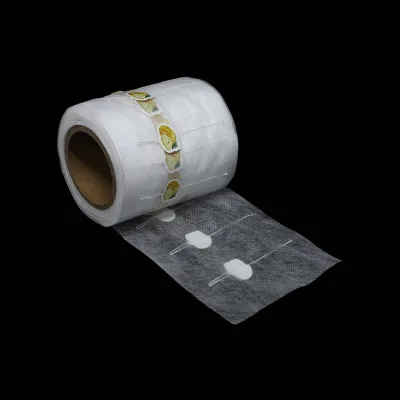
$0.01 - $0.02
MOQ: 6 pieces
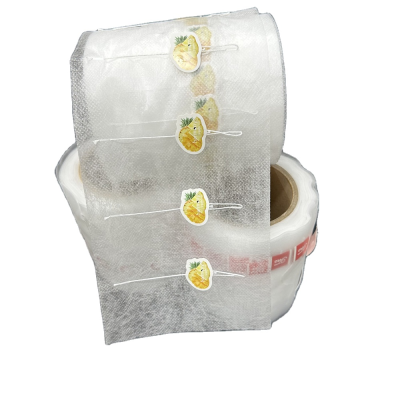
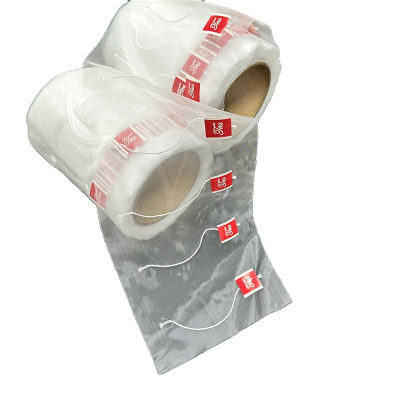
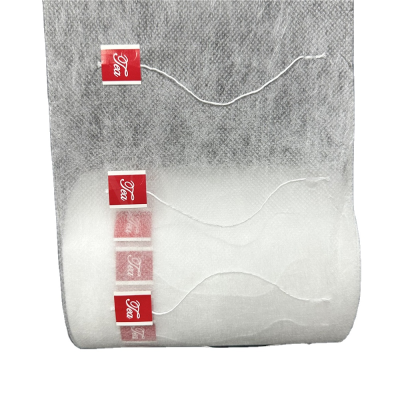
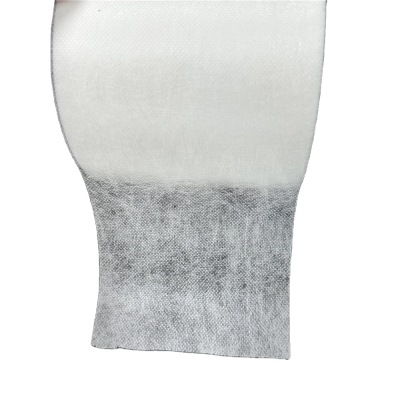
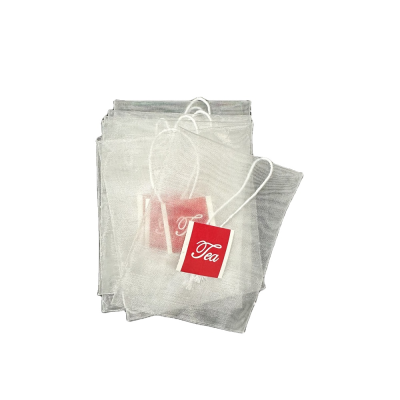

Hefei Amedcare Import and Export Trade Co., Ltd.
- Verified by BV
- Combined
- China Anhui
- Lead time30 days
- Avg. response≤ 6h
Main productsChinese Medicine, Vitamin Syrup, Flower Tea, Slim Tea, Iron Syrup, Vitamim B Syrup, Multivitamin Syrup, Soft Capsule
Main marketsSouth America,Europe

- Combined
- China Anhui
- Lead time15 days
- Avg. response≤ 20h
Main productsTea, Tea Bags, Green Tea, Black Tea, Flower Tea, Herbal Tea, Slimming Tea, Oolong Tea, Ginger Tea, Flavored Tea
Main marketsSoutheast Asia/ Mideast,Domestic,Europe,North America

MOQ: 5000


Hebei Enyang Import And Export Trading Co., Ltd.
- Verified by SGS
- Trading Company
- China Hebei
- Lead time15 days
- Avg. response≤ 4h
Main productsBaseball Caps, Custom Baseball Caps, Plain Baseball Caps, Embroidered Baseball Caps, Running Cap, Washed Cap, Trucker Hat, Flat Bill Hat
Main marketsSouth America,Southeast Asia/ Mideast,Europe

Hunan Lvhang Tea Industry Co., Ltd.
- Verified by SGS
- Trading Company,Manufacturer/Factory
- China Hunan
- Lead time60 days
- Avg. response≤ 25h
Main productsGreen Tea, Black Tea, White Tea, Blooming Tea, Oolong Tea, Jasmine Tea, Tea Bags, Fruit Tea
Main marketsSouth America,Eastern Europe,North America,Southeast Asia,Oceania,Western Europe

- Verified by SGS
- Trading Company
- China Hebei
- Lead time15 days
- Avg. response≤ 1h
Main productsStand up Pouch, Mylar Bag, Food Packaging Bag, Coffee Packaging Bag, Pet Food Bags, Stand up Bag, Aluminium Foil Bag, Pet Food Packaging Bag, Square Bottom Bag, Side Gusset Bag
Main marketsEurope,North America

Chaozhou Jiayin Packaging Co., Ltd.
- Verified by BV
- Combined
- China Guangdong
- Lead time23 days
- Avg. response≤ 2h
Main productsStand up Pouch, Coffee Bag, Zipper Bag, Spout Pouch, Ziplock Bag, Drinking Bag, Printed Roll Film
Main marketsDomestic

Gift Bag Packaging Bag Coffee Packing Bag Stand up Pouch Bag for Tea Leaf Bag
$0.10 - $0.50
MOQ: 10000 Pieces

Zipper Bag Coffee Bag Flat Bottom Bag Stand up Zipper Pouch Tea Bag for Coffee Packing Bag
$0.01 - $0.50
MOQ: 40000 Pieces

Gift Bag Packaging Bag Coffee Packing Bag Stand up Pouch Colorful Design Bag
$0.10 - $0.50
MOQ: 10000 Pieces

Gift Bag Packaging Bag Coffee Packing Bag Stand up Pouch Airtight Seal Bag
$0.10 - $0.50
MOQ: 10000 Pieces

Gift Bag Packaging Bag Coffee Packing Bag Stand up Pouch Milk Tea Mix Sack Bag
$0.10 - $0.50
MOQ: 10000 Pieces

Zhongshan Dongfeng Town Orient Printing Plastic Factory
- Verified by SGS
- Combined
- China Guangdong
- Lead time15 days
- Avg. response≤ 1h
Main productsBag, Roll Film, Packing, Gift Bag, Light Chemical Products, Gift Box, Doypack, Degradable Material, Composite Matrial
Main marketsDomestic

JIANGMEN MST PACKAGING GROUP LIMITED
- Verified by TUVRHEINLAND
- Trading Company
- China Guangdong
- Lead time30 days
- Avg. response≤ 2h
Main productsPackaging Bag, Box Pouch, Kraft Paper Bag, Paper Bag, Coffee Bag, Plastic Bag, Compostable Bags, Recyclable Bags, Biodegradable Bags, Spout Pouch
Main marketsSouth America,Southeast Asia/ Mideast,Europe,Australia,North America
Qingdao Fullsun Biotechnology Packaging Co., Ltd
- Verified by BV
- Combined
- China Shandong
- Lead time15 days
- Avg. response≤ 18h
Main productsBiodegradable Bag
Main marketsNorth America

Qingdao Zhongbang Packaging Co., Ltd.
- Verified by SGS
- Manufacturer/Factory
- China Shandong
- Lead time15 days
- Avg. response≤ 4h
Main productsPlastic Bag, Food Bag, Food Packaging Bag, Coffee Bag, Pet Food Bag, Stand up Pouch, Kraft Paper Bag, Zipper Bag, Spout Pouch, Plastic Packaging Bag
Main marketsSouth America,Eastern Europe,Mid East,North America,Southeast Asia,Eastern Asia,Oceania,Western Europe,Africa

Qingdao Xinte Packaging Co., Ltd.
- Verified by TUVRHEINLAND
- Trading Company,Manufacturer/Factory
- China Shandong
- Lead time15 days
- Avg. response≤ 6h
Main productsGlass Jar, Glass Bottles, Plastic Bags, Perfume Bottle, Dropper Bottles, Paper Box, Tin Box, Glass Syringe, Glass Tubes, Plastic Bottle
Main marketsSouth America,Eastern Europe,North America

Beijing Honghai Packaging Co., Ltd.
- Verified by TUVRHEINLAND
- Trading Company
- China Beijing
- Lead time15 days
- Avg. response≤ 3h
Main productsCoffee Bag, Mylar Bag, Food Bag, Pet Food Bag
Main marketsEurope,Australia,North America




Comprehensive Sourcing Guide
Nylon Tea Bag Supplier Concentration and Factory Types
Buyers searching for Nylon Tea Bag suppliers on B2B platforms will notice a strong concentration signal from Hebei, China, where several listed companies identify that province as their origin. Hebei has a documented base of mesh and filter fabric producers, and suppliers there commonly list related products such as polyester screen printing mesh, filter mesh, filter cloth, bolting cloth, and filter bags alongside their tea bag offerings. This overlap matters because the raw material for a Nylon Tea Bag—fine woven nylon mesh—is the same material family used in industrial filtration, so suppliers often serve both markets from one production or sourcing capability.
Company types vary meaningfully within the category. Some listings identify as trading companies, while others combine trading company, manufacturer/factory, and group corporation labels. Trading-only suppliers can be useful for small mixed orders and quick sampling, but a factory label generally means closer control over mesh weaving, cutting, and heat-sealing quality. When reviewing profiles, check whether the main products list centers on mesh and filter materials or on packaging generally; a supplier whose core business is woven mesh is more likely to control the critical food-contact fabric specification. Buyers should not assume every listing carries a manufacturer label—verify the company type shown, confirm whether the mesh is woven in-house or purchased, and ask which production steps happen at the supplier's own facility.
How to Verify Nylon Tea Bag Suppliers
Verification starts with the platform evidence attached to each listing. Some suppliers in this category display third-party verification badges such as BV assessment, and at least one shows an ISO 9001 system certification. Treat these as screening signals rather than proof of product safety: a quality management certificate covers processes, not necessarily food-contact compliance for the nylon mesh itself. For a product intended to hold hot tea, ask each supplier for material safety documentation on the nylon fabric, including any food-grade claims, and confirm which certification body issued it rather than accepting a listing keyword at face value.
Beyond documents, verify capability with concrete requests. Order samples from shortlisted suppliers and compare mesh uniformity, edge sealing strength after steeping, and odor when the empty bag is steeped in hot water—these tests expose differences that listing photos cannot. Check the supplier's stated product attributes against what arrives: several listings describe heat-sealing as the sealing method, bio-degradable or food-grade features, and capacities around 3–10 grams, so confirm the delivered sample matches those claims. Also verify responsiveness in practice. Displayed response times in this category range from under three hours to nearly twenty hours, and real reply behavior on a technical question is a better predictor of how the relationship will run. Finally, confirm the legal entity name, business scope, and whether customization offered in listings is supported by in-house printing or labeling capability.
What to Compare Across Nylon Tea Bag Suppliers
Build a comparison table using the attributes suppliers actually display, then test gaps directly. Useful dimensions in this category include lead time, with observed listings showing figures such as 15 days and 23 days; MOQ, which varies dramatically from single-piece sample-friendly minimums to 5,000–6,000 pieces for production runs; and response time, where the spread from roughly two hours to nearly twenty hours affects how quickly problems get resolved. Company type, verification status, system certifications, and main products are additional columns worth recording, though not every supplier displays every attribute—note gaps explicitly instead of assuming a value.
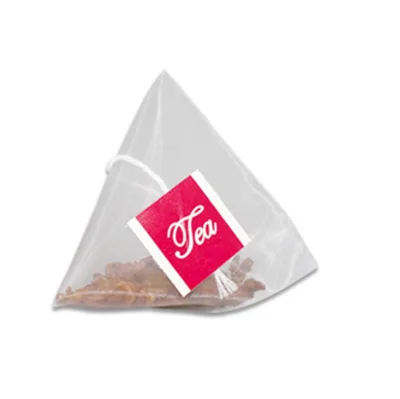
Compare product-level evidence next. Listed prices in this category span a wide range, from a few cents per bag for simple empty triangle bags to higher prices for finished bags with strings and labels, so normalize quotations to the same specification: bag shape, size, mesh type, string and tag included, and printing. Several listings state customization is available and support custom logos, but printing capability differs—some list label sizes such as single-sided or double-sided printing options. Weigh suppliers whose product evidence is detailed (stated mesh materials, capacity ranges, and standards like custom sizes) more heavily than those with thin listings, and favor those whose main products show genuine mesh and filter fabric expertise, since that indicates control over the most safety-critical component.
Common Nylon Tea Bag Sourcing Risks
The most serious risk is food-contact compliance drift. Listings frequently use keywords such as food grade and bio-degradable, but one product claims degradability while another lists only recyclable features, and terminology is not documentation. A supplier may ship mesh that matches the sample but substitute material from a different lot in production, so specify in the purchase contract that the approved sample material defines acceptance. Heat-seal integrity is a second recurring risk: a bag that seals well at low ambient humidity can fail in a humid production environment or with certain tea particle sizes, so test seals under your actual filling conditions before mass production.
Miscounted expectations around MOQ and specification are also common. Some listings advertise very low minimums that apply to stock configurations, while customized sizes, printing, or string-and-tag combinations push the practical minimum to thousands of pieces. Confirm in writing which configuration the quoted MOQ covers. Other risks include color and odor transfer from the mesh, mesh count inconsistency causing slow or fast steeping, and label printing errors on small-format tags where a 20×20mm print area leaves little tolerance. Finally, treat trading-company intermediaries carefully: when the listed supplier does not weave the mesh itself, a quality complaint can bounce between the trader and an unnamed mill, so require the actual production source to be disclosed and referenced in the quality agreement.
Nylon Tea Bag Regional Sourcing and Logistics
Hebei, China is the location most strongly evidenced among suppliers in this category, with multiple listings stating Hebei origin, and it sits within the broader northern China mesh-weaving belt. Sourcing from a concentrated region has practical advantages: competing suppliers are close enough that visiting several factories in one trip is realistic, local auxiliary services such as mesh weaving, slitting, and bag converting are established, and freight forwarders familiar with the product category operate in the area. However, concentration also means regional disruptions—holiday shutdowns, environmental inspections affecting mesh mills, or local capacity surges—can affect several suppliers simultaneously.
For logistics planning, note that nylon tea bags are lightweight and compact, so air freight is viable for samples and urgent top-ups, while sea freight suits volume production. Ask each supplier how finished bags are packed; several listings mention export packaging, but confirm moisture protection, since nylon mesh and paper tags absorb humidity. Also clarify Incoterms early, because a Hebei-based supplier may quote ex-works from the factory or FOB from a distant port, and the inland leg materially affects landed cost and lead time. When comparing suppliers, factor stated lead times of around 15 to 23 days into your reorder cycle and confirm whether that clock starts at deposit, artwork approval, or material availability, since mesh weaving lead time can differ from bag-converting time.
Nylon Tea Bag Commercial Terms and Order Planning
Structure commercial terms to match the category's price dynamics. Unit prices observed in listings range from roughly two cents to over one dollar depending on configuration, so small specification changes—adding a string and tag, switching to custom label printing, or altering bag dimensions—can move unit cost substantially. Always quote the identical specification to all shortlisted suppliers and request a price breakdown separating mesh cost, converting, printing, and packing. Negotiate payment terms proportionally to supplier risk: a newly contacted trading company warrants more protective terms than a verified manufacturer with documented certifications, and escrow-style or platform-protected payment should be used where available for first orders.
Plan orders around the MOQ spread documented in the category. Use low-minimum listings, where observed MOQs can be as small as a single piece, to build a sample matrix cheaply, then place pilot orders at mid-range minimums before committing to 5,000–6,000-piece production runs. Build a rolling forecast that respects stated lead times of 15 to 23 days plus shipping, and lock artwork and label proofs before production since small-format printing errors are costly to remediate. Include in the contract: the approved physical sample as the quality standard, material substitution restrictions, seal-strength acceptance criteria, and remedies for rejected lots. Finally, reconfirm prices and material specifications at each reorder rather than assuming continuity, because mesh lots and quoted MOQs in this category can change between orders.
FAQs
What is the price range for nylon tea bags?
Prices for nylon tea bags typically range from $0.02 to $1.10 per unit depending on specifications. Basic empty pyramid bags start at $0.02, while custom printed options with strings and labels cost up to $1.10. Bulk orders generally secure lower unit costs within this bracket.
What is the minimum order quantity for these bags?
Minimum order quantities vary significantly by product type. Standard empty nylon bags may require as few as one piece, while custom logo pyramidal bags often require 100 pieces. Bulk manufacturing runs for specific mesh filters typically start at 5,000 to 6,000 pieces.
Are nylon tea bags biodegradable and food grade?
Many suppliers offer nylon tea bags labeled as bio-degradable, recyclable, and food grade. These products are designed for high-temperature steeping and are suitable for food, household, and chemical applications. Always verify specific material certifications with the supplier to ensure compliance with your safety standards.
What is the typical lead time for production?
Production lead times generally range from 15 to 23 days. Suppliers located in Hebei, China, often cite these timeframes for standard manufacturing runs. Expedited shipping options may reduce total delivery time, but production duration remains the primary factor for planning inventory replenishment schedules.
Can I customize the logo and size of the bags?
Customization is widely available for nylon tea bags. Suppliers support custom logos, single or double-sided printing, and specific dimensions like 5.8x7cm or 6.5x8cm. You can also request custom shapes and sealing methods. Confirm exact customization capabilities and associated costs directly with the manufacturer.
What certifications do these suppliers hold?
Verified suppliers often hold BV verification and ISO 9001 system certification. Some products are explicitly described as FDA approved or food grade. These credentials indicate adherence to quality management standards. Buyers should request current certification documents to verify compliance for their specific market regulations.
How quickly do suppliers respond to inquiries?
Response times vary among suppliers, with recorded averages ranging from 2.44 to 19.35 hours. Faster response rates often correlate with higher engagement levels. Prompt communication helps clarify technical details like mesh count and sealing methods. Expect quicker replies from suppliers with verified badges and active trading histories.