Indoor Home Electronic Dart Machine Suppliers and Manufacturers
Source 24 verified suppliers for Indoor Home Electronic Dart Machine units. Compare lead times, certifications, and customization options to find the right partner. Review product specs and request quotes today; review the available evidence before requesting comparable quotations from suitable candidates.
Suppliers List
Guangzhou EPARK Electronic Technology Co., Ltd.
- Verified by SGS Group
- Manufacturer, Trading Company
- Lead time7 days
- Avg. response≤ 1h
Main products9D Virtual Reality Simulators, Racing Simulators, Shooting Arcade Simulators, Kids Game Machines, Gift Crane Machines
Main marketsMid East(30%), Africa(20%), South America(14%)
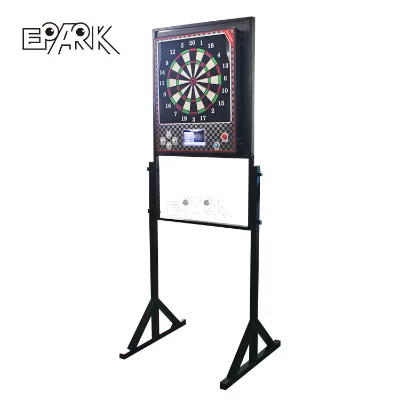
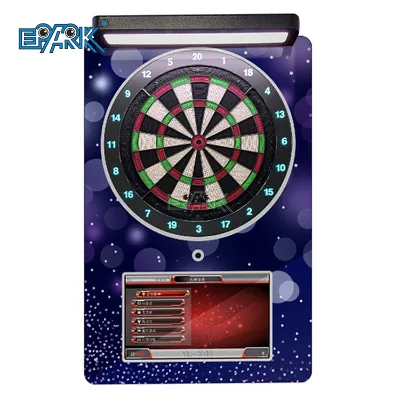
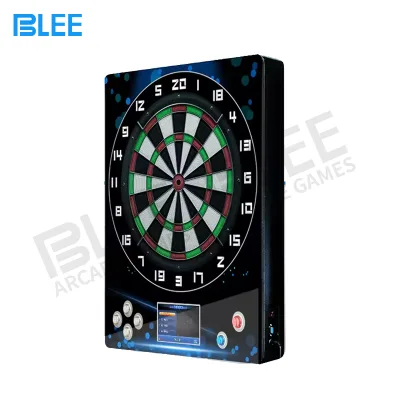
Indoor Home Mini Dart Game Electronic Machine Arcade Game Machine
$600.00 - $750.00
VJ Electronics Limited Company
- Verified by Intertek
- Manufacturer, Trading Company
- Lead time45 days
- Avg. response≤ 3h
Main productsElectronic Dartboard , Children's Ride On, Handheld LCD Game, Health Care
Main marketsNorth America(60%), Western Europe(16%), Eastern Europe(12%)
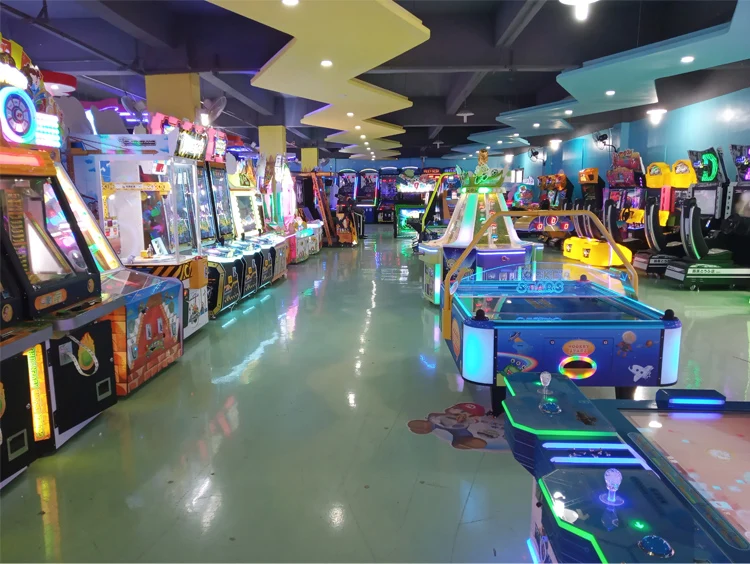
Guangzhou Easyfun Animation Technology Co., Ltd.
- Manufacturer
- Guangdong, China
- Lead time7 days
- Avg. response≤ 2h
Main productsArcade Game Machine,Ball Clean Machine,Gift Machine,Cotton Candy Machine,Racing Simulators
Main marketsNorth America(30.00%), Domestic Market(20.00%), Mid East(10.00%), Southeast Asia(10.00%), Oceania(6.00%), Africa(6.00%), Western Europe(6.00%), Northern Europe(4.00%), South America(4.00%), Eastern Europe(4.00%)
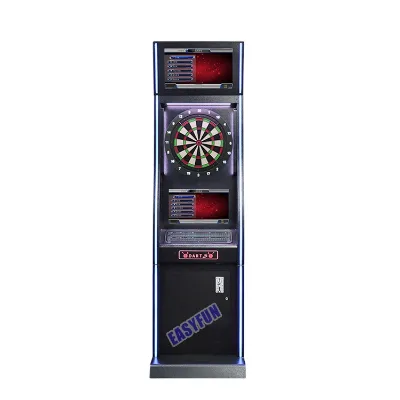
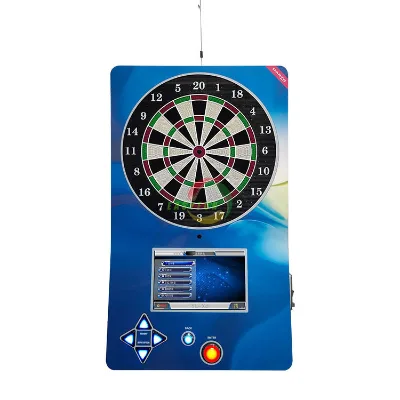
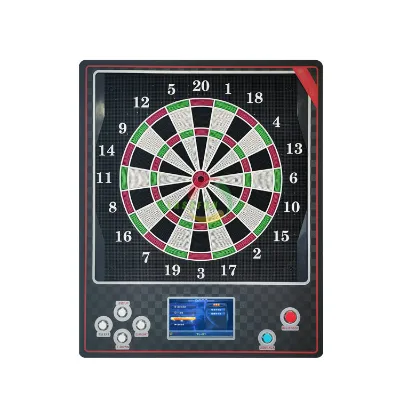
Mini Dart Machine Electronic Dart Machine Dart Game Machine
$500.00 - $550.00
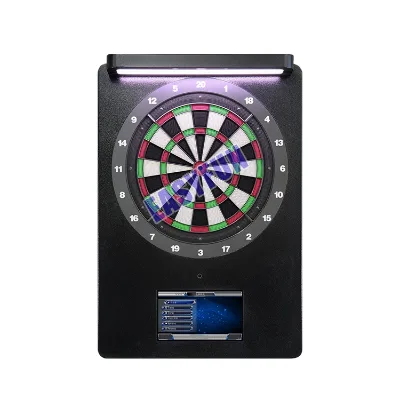
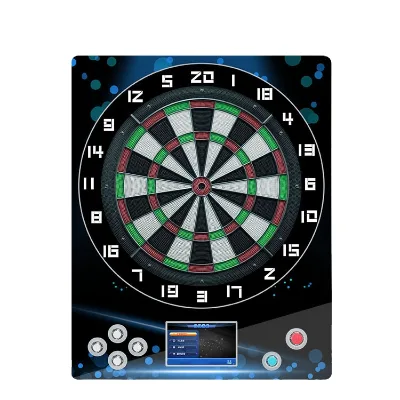
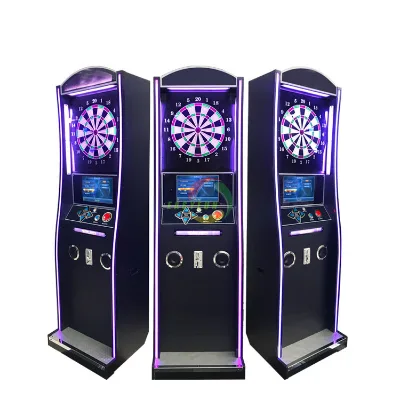

Guangzhou EPARK Electronic Technology Co., Ltd.
- Verified by SGS
- Combined
- China Guangdong
- Lead time15 days
- Avg. response≤ 3h
Main products9d Vr, Racing Game Machines, Boxing Machine, Kids Game Machine, Claw Machine, Arcade Game Machine, Vr Simulator Series, Kiddie Ride, Basketball Game Machine, Amusement Game Machine
Main marketsSouth America,Africa,Southeast Asia/ Mideast

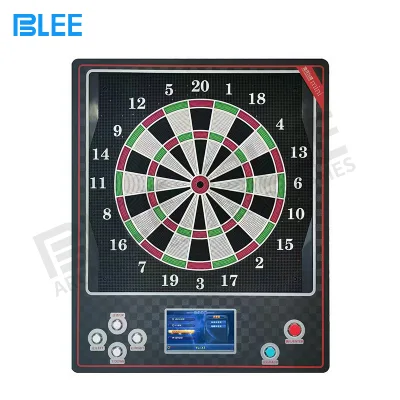
Coin Operated Electronic Mini Dart Machine Indoor Amusement Dart Game Machine
$400.00 - $800.00
MOQ: 1 set


Indoor Sport Electronic Darts Electronic Dartboard Mini Arcade Machine for Coin Operated
$400.00 - $550.00
MOQ: 1 set

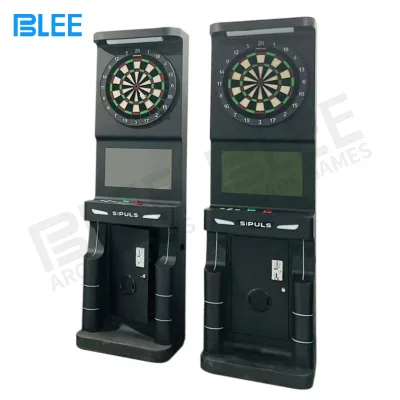
X1 Dart Machine Normal Indoor Sports Coin Operated Arcade Electronic Darts Game Machine
$900.00 - $1800.00
MOQ: 1 set


- Verified by TüVRheinland
- Trading Company
- Lead time15 days
- Avg. response≤ 5h
Main productsSimulator Game Machine, Redemption Game Machine, Kiddie Rides, Vending Prize Game Machine, Game Machines Software
Main marketsMid East(20%), Western Europe(20%), Southeast Asia(10%)
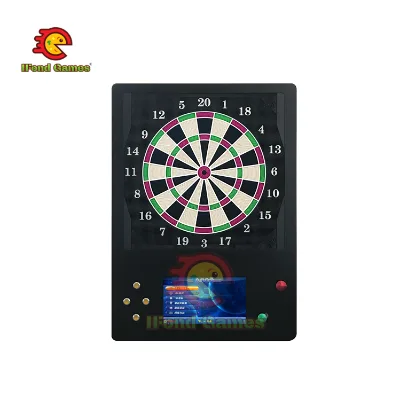
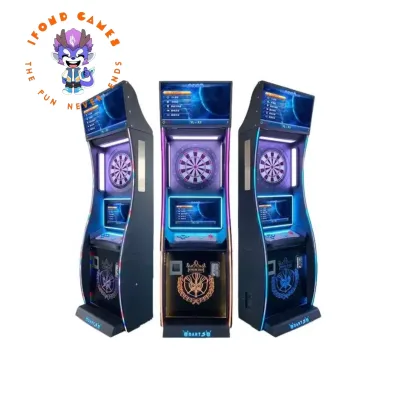
2026 IFD Games Dart Machine Darts Machines for Sale Dart Machine
$1588.00 - $1680.00
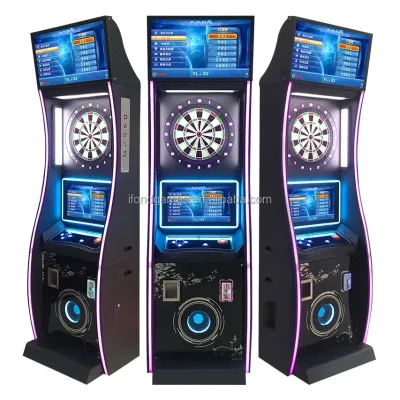
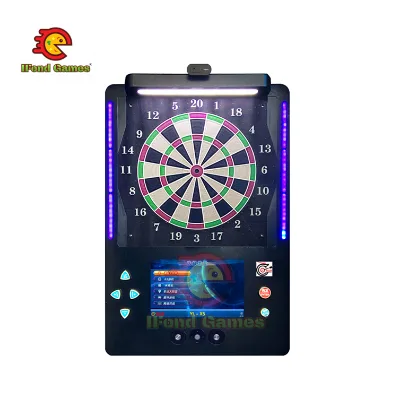

Liangjia Sports Technology (Guangzhou) Co., Ltd.
- Verified by SGS
- Combined
- China Guangdong
- Lead time15 days
- Avg. response≤ 5h
Main productsAr Sports Equipment, Sport Simulator
Main marketsDomestic

Indoor Amusement Electronic Dart Game Machine Electronic Dart Equipment
$2400.00 - $2900.00
MOQ: 1 sets

Wholesale Indoor Sport Game Coin Operated Arcade Machines Electronic Dart Machine
$1920.00 - $2200.00
MOQ: 1 sets

$1920.00 - $2200.00
MOQ: 1 sets

Hot Selling Indoor Games Electronic Dart Board Arcade Dart Game Machine Mini Dart Simulator
$5500.00 - $6500.00
MOQ: 1 Pieces


Guangzhou Ama Amusement Equipment Co, . Ltd
- Verified by SGS
- Combined
- China Guangdong
- Lead time30 days
- Avg. response≤ 8h
Main productsCoin Operated Game Meachine, Toy Crane Machine, Swing Machine, Kiddie Ride, Cotton Candy Machine, Kiddy Ride, Amusement Game, Prize Game, Soft Play, Arcade Game Machine
Main marketsSouth America,Africa,Southeast Asia/ Mideast,East Asia(Japan/ South Korea),Europe,Australia,North America

Arcade Game Dart Game Coin-Operated Electronic Dart Machine for Indoor Entertainment
$2200.00 - $2570.00
MOQ: 1 piece

Indoor Amusement Park Coin Operated Dart Machine Adults Sports Electronic Arcade Game Equipment
$1300.00 - $1665.00
MOQ: 1 piece

Ama Fashion Indoor Sports Coin Operated Darts Arcade Game Electronic Online Darts Machine
$1000.00 - $1450.00
MOQ: 2 piece

Entertainment Center Coin Operated Arcade Dart Machine Luxury Electronic Dart Machine for Sale
$1900.00 - $2500.00
MOQ: 2 piece

Ama Entertainment Coin Operated Electronic Dart Machine Mrcade Dart Machine Luxury Dart Machine
$2200.00 - $2570.00
MOQ: 1 pieces
Guangzhou Baoli Animation Technology Co., Ltd.
- Verified by SGS Group
- Manufacturer, Trading Company
- Lead time7 days
- Avg. response≤ 3h
Main productsClaw Machine, VR Game Machine, Kids Arcade Machine, Interactive Game Equipment, Indoor Playground Equipment
Main marketsNorth America(45%), South America(10%), Southeast Asia(5%)
Guangzhou EPARK Electronic Technology Co., Ltd.
- Manufacturer, Trading Company
- Lead time旺季: "1 - 150":7,"> 150":"To be negotiated", 淡季: "1 - 150":7,"> 150":"To be negotiated"
- Avg. response≤ 2h
Main productsGame Machines, Arcade Game Machines, Shooting Game Machines, Kids Game Machines, Virtual Reality Simulators
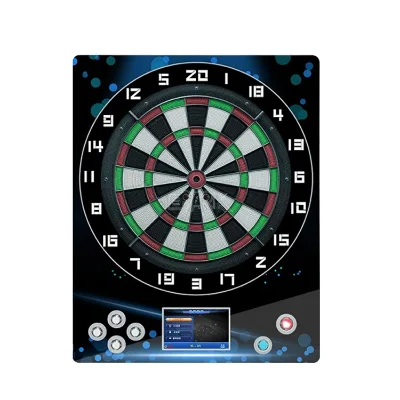
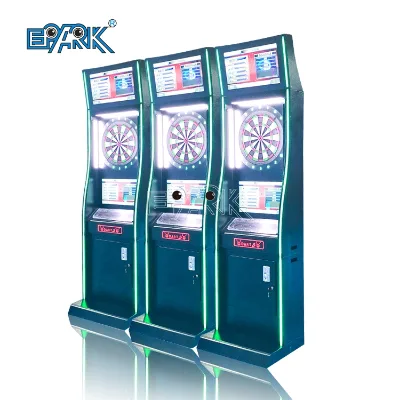
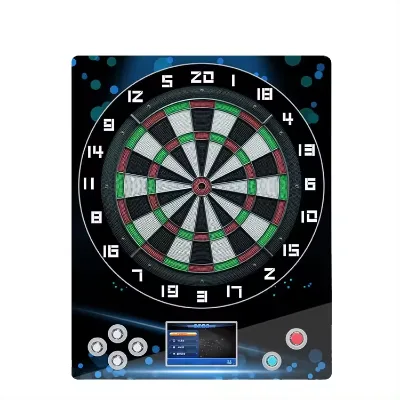
Hardware Arcade Video Game Machine Indoor Mini Electronic Sport Darts Machine
$400.00 - $800.00
MOQ: 1
New Hardware Commercial Electronic Dartboard Professional Led Display Dart Game Machine
$800.00 - $2100.00
MOQ: 1
Guangzhou Konghui Electronic Co., Ltd.
- Manufacturer, Trading Company
- Guangdong, China
- Lead time5 days
- Avg. response≤ 2h
Main productsarcade game,bartop arcade,cocktail arcade,pinball table,customized arcade machine
Main marketsEastern Europe(22.00%), Southeast Asia(18.00%), Domestic Market(15.00%), South Asia(15.00%), North America(12.00%), Southern Europe(12.00%), Northern Europe(6.00%)

Guangzhou Colorful Park Animation Technology Co., Ltd
- Verified by SGS
- Combined
- China Guangdong
- Lead time15 days
- Avg. response≤ 7h
Main productsGame Machine, Video Game, Arcade Game Machines, Vending Machine, Car Racing Game Machine, 5D 7D 9d Cinema, Key Master Machine, Claw Crane Machine, Kiddle Ride, Amusement Machine
Main marketsAfrica,Southeast Asia/ Mideast,Europe,North America

Indoor Sport Game Coin Operated Street Slot Machine Arcade Game Machines Electronic Dart Machine
$320.00 - $350.00
MOQ: 1 Pieces

Hot Selling Coin Operated Indoor Sport Amusement Arcade Electronic Dart Board Machine with Dart
$180.00 - $1800.00
MOQ: 1 Pieces

$996.00 - $1400.00
MOQ: 1 Pieces


$100.00 - $150.00
MOQ: 1 Pieces

Mini Dart Hanging on The Wall Coin-Operated Arcade Electronic Sports Boards Dart Game Machine
$780.00 - $850.00
MOQ: 1 Pieces
Guangzhou Baby Bear Animation Technology Co., Ltd.
- Verified by TüVRheinland
- Manufacturer, Trading Company
- Lead time0 days
- Avg. response≤ 1h
Main productsClaw Machine, Arcade Game Machine, Racing Game Machine, Amusement Equipment, Vr Simulator
Main marketsNorth America(60%), Western Europe(10%), Southern Europe(10%)
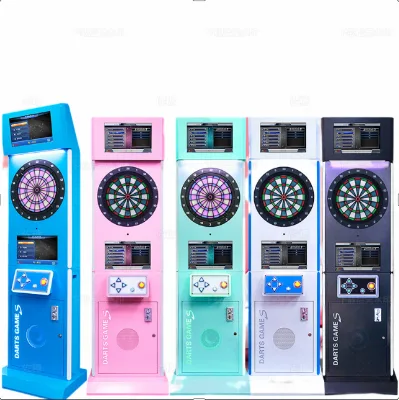
$1603.68 - $1842.29
MOQ: 1 sets
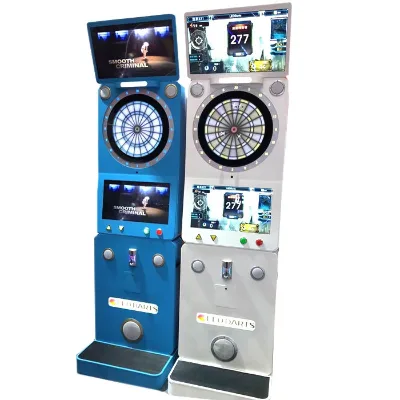
$1550.00 - $1780.00
MOQ: 1 sets
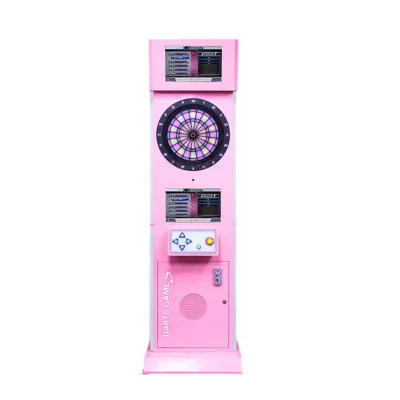
$1550.00 - $1780.00
MOQ: 1 sets
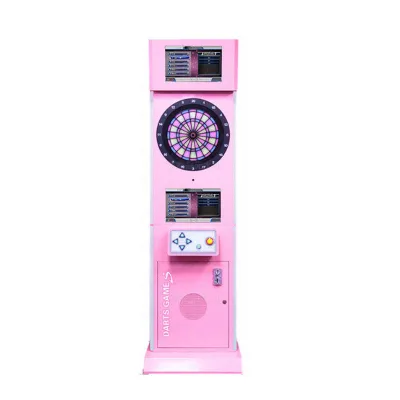
$1650.22 - $1895.15
MOQ: 1 sets
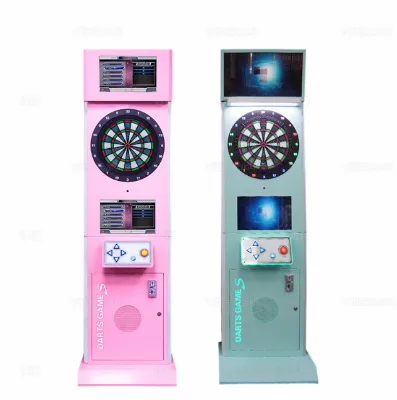
$1615.03 - $1854.68
MOQ: 1 sets
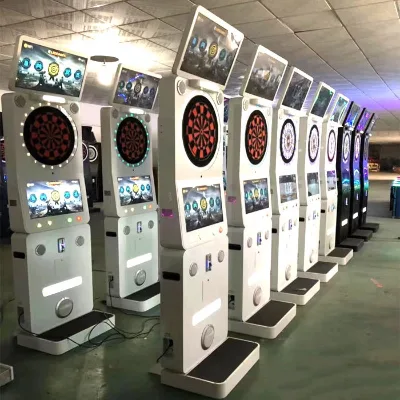
$1550.00 - $1780.00
MOQ: 1 sets
Guangzhou Jin Xi Animation Technology Co., Ltd
- Verified by Intertek
- Manufacturer, Trading Company
- Lead time7 days
- Avg. response≤ 3h
Main productsArcade Gifts Machines, Simulation Game Machine, Interactive Game Equipment, VR Game Machine, Kids Game Machine
Main marketsNorth America(50%), Western Europe(20%), South America(8%)
Guangzhou Waimar Animation Technology Co., Ltd.
- Verified by SGS Group
- Manufacturer, Trading Company
- Lead time7 days
- Avg. response≤ 3h
Main productsBumper Car, Coin-operated Game Consoles
Main marketsNorth America(50%), Southeast Asia(40%), Eastern Europe(10%)
Guangzhou Brother Heart Technology Co., Ltd.
- Manufacturer
- Guangdong, China
- Lead time5 days
- Avg. response≤ 2h
Main productsInteractive Projection,AR Projection Game,Immersive Projection,Projection Mapping
Main marketsNorth America(30.00%), Mid East(25.00%), Southeast Asia(20.00%), Domestic Market(10.00%), Eastern Europe(10.00%), Western Europe(5.00%)
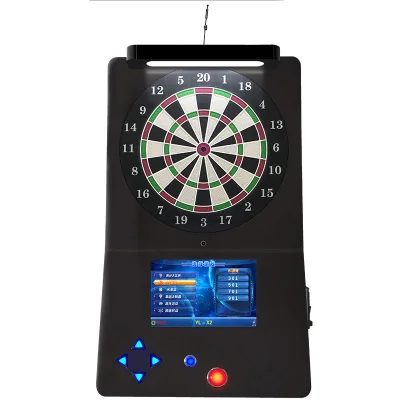
$664.72 - $1533.97
MOQ: 2 sets
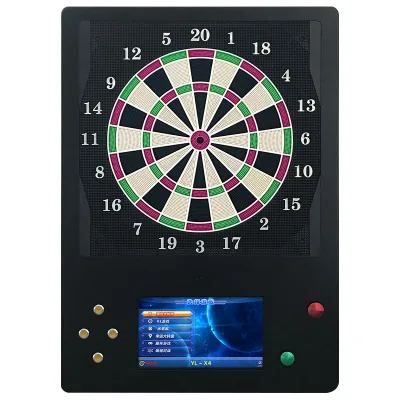
. best price Electronic Darts Machine electronic dart games Dart Board indoor amusement park
$650.00 - $780.00
MOQ: 2 sets
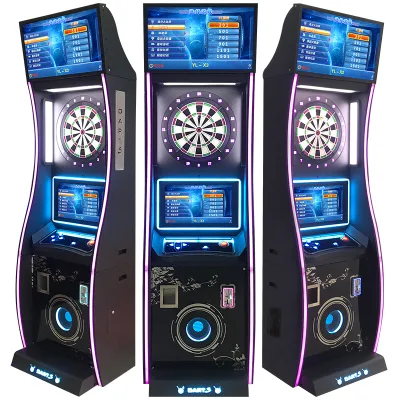
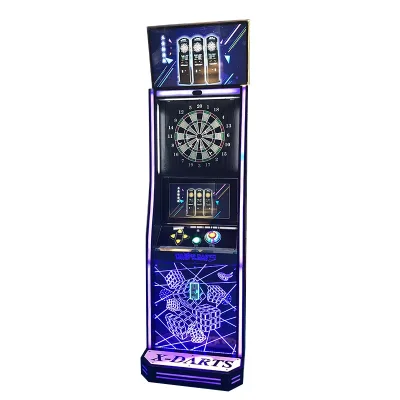
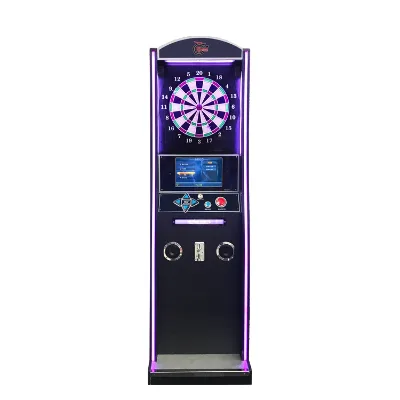
Guangzhou Imyjoy Electronic Technology Co., Ltd.
- Manufacturer
- Guangdong, China
- Lead time7 days
- Avg. response≤ 3h
Main productsLotto machine,Marble Race Track,Interactive Games,Activate Game,Carnival Game
Main marketsDomestic Market(20.00%), Eastern Europe(20.00%), Southern Europe(10.00%), Western Europe(10.00%), Northern Europe(10.00%), Mid East(8.00%), North America(6.00%), Eastern Asia(5.00%), South Asia(3.00%), South America(2.00%), Oceania(2.00%), Central America(2.00%), Africa(1.00%), Southeast Asia(1.00%)
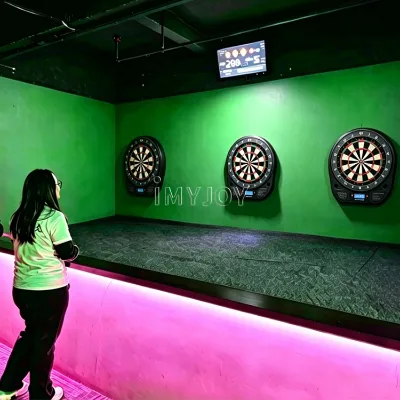
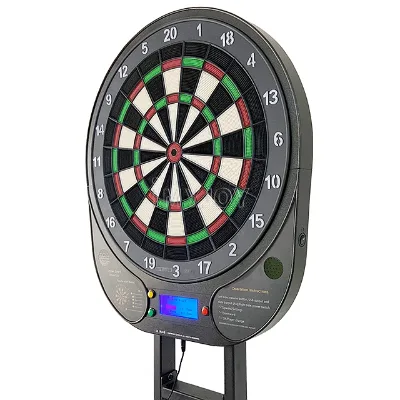
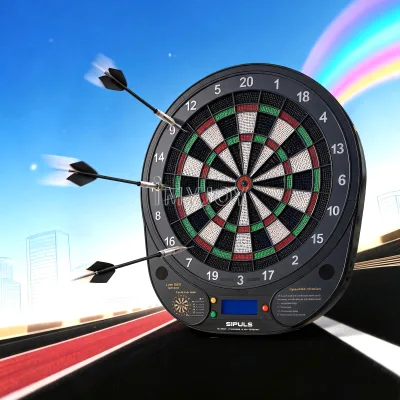
Professional LED Display Dart Game Machine Dartslive Machines Electronic Dartboard Machine for Sale
$172.47 - $243.91
MOQ: 2 pieces
- Manufacturer, Trading Company
- Taiwan, China
- Lead time50 days
- Avg. response≤ 3h
Main productselectronic dartboard,dartboard,dart,plastic injection,small appliance
Main marketsEastern Europe(45.00%), North America(45.00%), Mid East(10.00%)
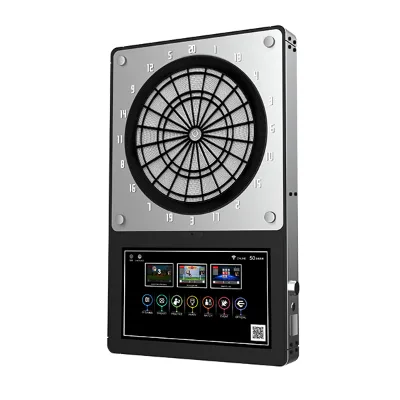
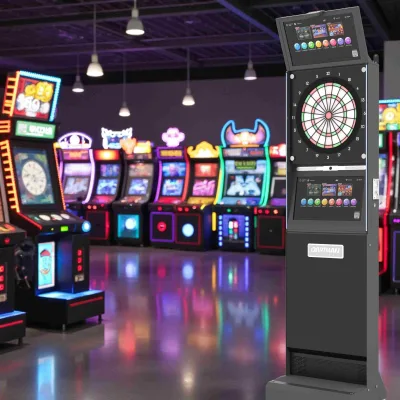
Dual 21.5 Inch Displays Multiplayer Dart Machine Commercial Electric
$3089.17 - $3604.03
MOQ: 1 Minimum
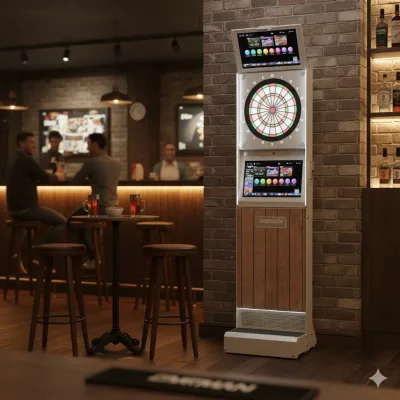
New Promote Luxury Arcade Commercial Dart Machine LDS Sensor With Online Match
$2500.00 - $2600.00
MOQ: 5 Minimum
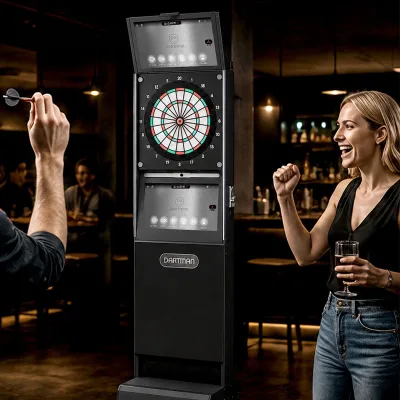
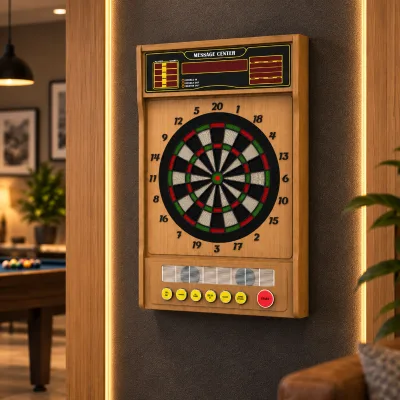
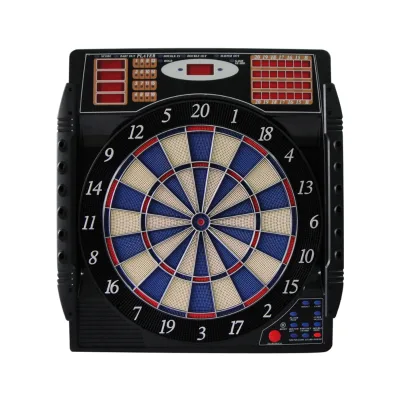
Man Cave Dart Game Home Electronic Dartboard Wall Mounted WiFi No Screen
$2445.00 - $2635.00

NEOFUNS AMUSEMENT EQUIPMENT CO.LTD.
- Verified by SGS
- Combined
- China Guangdong
- Lead time30 days
- Avg. response≤ 3h
Main productsClaw Machine, Boxing Machine, Arcade Game Machine, Dart Machine, Prize Game Machine, Basketball Machine, Redemption Machine, Kids Game Machine, Penny Press Machine
Main marketsSouth America,North America

Neofuns Interactive Phoenix Dart Machine with Electronic Scoring System
$1799.00 - $2499.00
MOQ: 1 piece


Neofuns Dart Arcade Game Coin Operated Electronic Automatic Dart Machines
$1699.00 - $2699.00
MOQ: 1 piece


$3599.00 - $4299.00
MOQ: 1 piece

Guangzhou Dinibao Animation Technology Co., Ltd.
- Verified by SGS
- Combined
- China Guangdong
- Lead time15 days
- Avg. response≤ 2h
Main productsRacing Arcade Machine, Motorcycle Arcade Machine, Shooting Arcade Machine, Arcade Ticket Machine, Arcade Prize Machine, Gashapon/Vending Machine, Kids Arcade Machine, Arcade Air Hockey Table, Carousel/Kiddie Ride/Kid Train, Basketball Arcade Machine
Main marketsSouth America,Southeast Asia/ Mideast,Europe,Australia,North America

Dart Machine Electronic Dartboard Redemption Arcade Machine - Adult-Focused Skill Game
$880.00 - $980.00
MOQ: 1 Sets

Commercial Electronic Dart Machine Coin Operated Machine for Game Center
$399.00 - $799.00
MOQ: 1 Pieces


Guangzhou Tengyue Technology Co., Ltd.
- Verified by SGS Group
- Manufacturer, Trading Company
- Lead time7 days
- Avg. response≤ 1h
Main products9D Virtual Reality Simulators, Racing Simulators, Shooting Arcade Simulators, Kids Game Machines, Gift Crane Machines
Main marketsMid East(30%), Africa(23%), North America(15%)
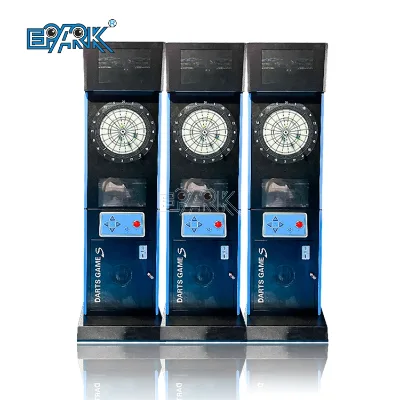
China Best Price Professional Wooden Led Display Electronic Cabinet Dartboard
$2046.69 - $2353.70
MOQ: 1 pieces
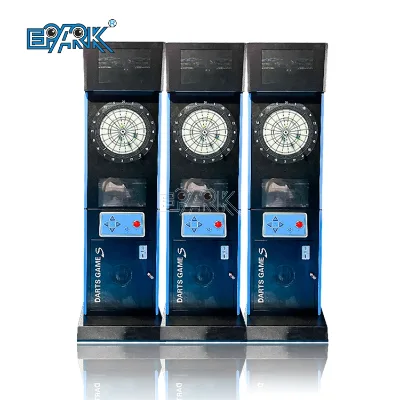

Guangzhou Riteng Electronics Co., Ltd.
- Verified by TUVRHEINLAND
- Combined
- China Guangdong
- Lead time30 days
- Avg. response≤ 8h
Main productsArcade Game Machine, Lottery Game Machine, Kids Game Machine, Air Hockey Game Machine, Racing Game Machine, Shooting Game Machine, Basketball Game Machine, Gift Game Machine, Roulette Game Machine, Slot Game Machine
Main marketsSoutheast Asia/ Mideast,East Asia(Japan/ South Korea),Domestic,Europe,North America

$2800.00 - $3500.00
MOQ: 1 Pieces

Coin Operated Arcade Dartboard Game Adult Dart Machine Online Games Machines for Bar
$2800.00 - $3500.00
MOQ: 1 Pieces

Guangzhou Shanghaojia Electronic Technology Co., Ltd
- Verified by TUVRHEINLAND
- Trading Company,Manufacturer/Factory,Group Corporation,Other
- China Guangdong
- Lead time23 days
- Avg. response≤ 1h
Main productsDoll Machine, Lottery Machine, Amusement Machine, Parent-Child Interactive Game Console, Basketball Machine, Video Game Console, Electronic Arcade, Amusement Equipment, Claw Machine, Pizza Vending Machine
Main marketsSouth America,Eastern Europe,Mid East,North America,Southeast Asia,Eastern Asia,Oceania,Western Europe,Africa
Guangzhou Huayi Animation Technology Co., Ltd.
- Manufacturer, Trading Company
- Guangdong, China
- Lead time0 days
- Avg. response≤ 6h
Main productsVR Simulator,VR Game Machine,VR Entertainment Equipment,5D Cinema,Arcade Game Machine
Main marketsDomestic Market(60.00%), North America(20.00%), Southeast Asia(10.00%), Africa(5.00%), Mid East(5.00%)
Guangzhou Yuto Amusement Technology Co., Ltd.
- Manufacturer, Trading Company
- Guangdong, China
- Lead time7 days
- Avg. response≤ 16h
Main productsGame Machine,coin operated game machine,claw crane machine,VR cinema,Amusement Game
Main marketsWestern Europe(25.00%), North America(15.00%), Eastern Asia(14.00%), Northern Europe(10.00%), Southern Europe(6.00%), Africa(5.00%), South America(5.00%), Eastern Europe(5.00%), Mid East(5.00%), Central America(4.00%), South Asia(3.00%), Southeast Asia(3.00%)
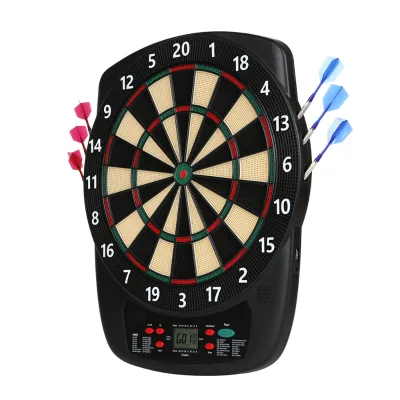
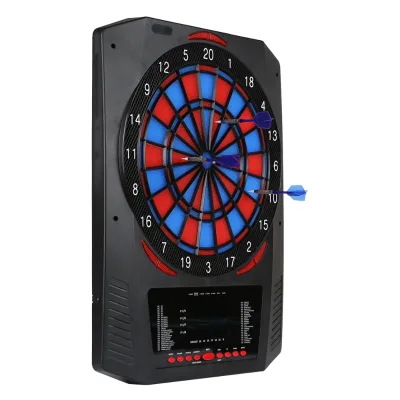
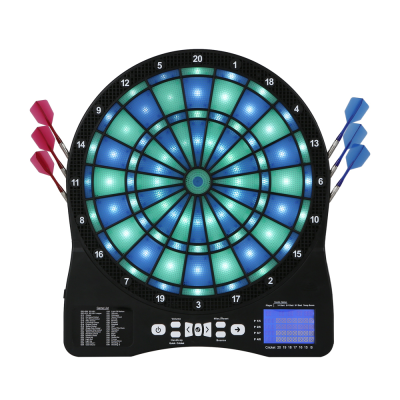
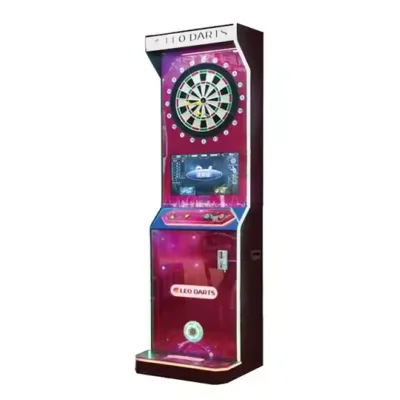
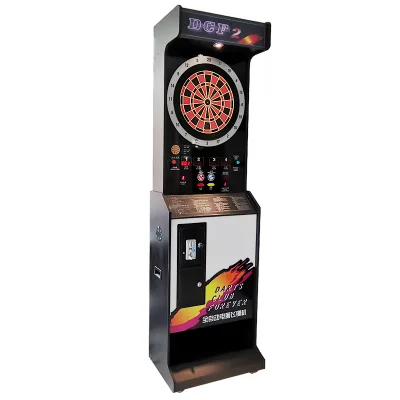
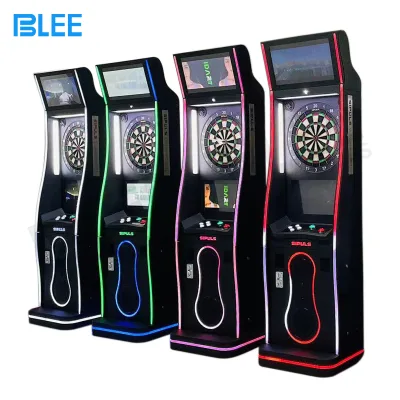
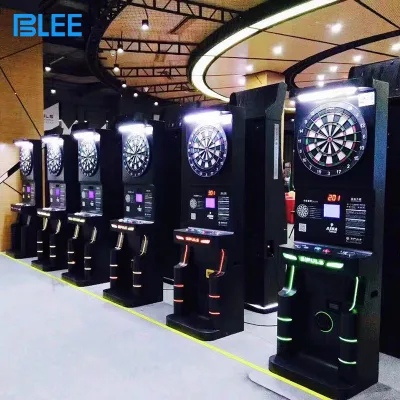


Comprehensive Sourcing Guide
Indoor Home Electronic Dart Machine Supplier Concentration and Factory Types
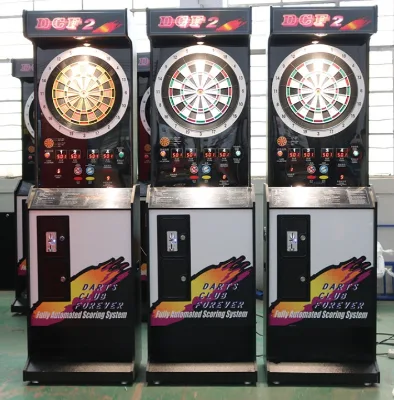
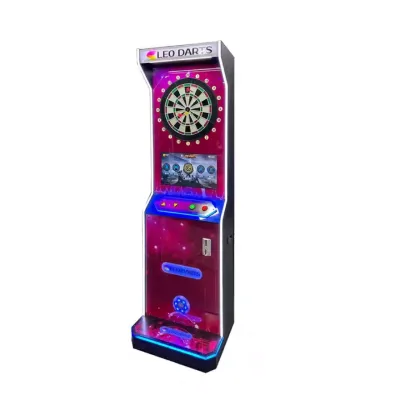
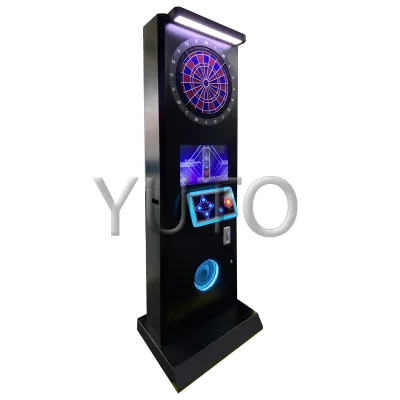
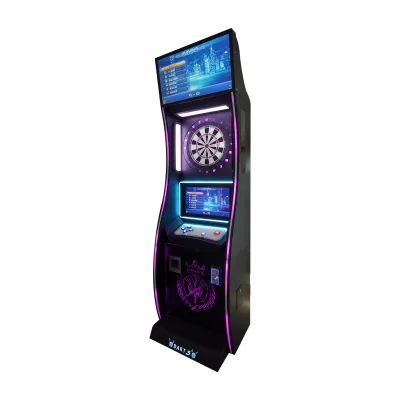
The current supplier landscape for indoor home electronic dart machines reveals a mix of manufacturers and trading companies operating within the broader entertainment and sports equipment sector. Evidence indicates that primary product lines often include racing simulators, shooting arcade units, and various game machines alongside the specific dart boards requested. This diversification suggests that many factories producing these items are not exclusive to darts but operate as general amusement machine manufacturers capable of handling multiple product categories. Buyers should expect to encounter suppliers who list main products such as 9D virtual reality simulators and gift crane machines, indicating a facility capable of broader electronic arcade production rather than a niche-only dart specialist.
When assessing factory types, the distinction between a pure manufacturer and a trading company is critical for understanding supply chain dynamics. Some suppliers in the results are verified by third-party agencies like SGS Group or Intertek, which adds a layer of credibility to their operational claims. These verified entities often possess specific capabilities such as light customization, sample processing, and graphic design services, which are essential for branded electronic dart machines. However, the presence of trading companies implies that some sellers may source from different factories, potentially affecting lead times and direct communication regarding technical specifications. Buyers must verify if the entity they are engaging with holds the actual production capacity or merely facilitates the transaction.
How to Verify Indoor Home Electronic Dart Machine Suppliers
Verification of suppliers for indoor home electronic dart machines requires a rigorous check of third-party credentials and system certifications. The available data shows that reputable suppliers often hold certifications such as CE, UKCA, LVD, EMC, and FCC, which are essential for electronic products sold in various international markets. Additionally, specific industry standards like ISO13485 and ISO 9001 may appear for manufacturers focusing on quality management and medical-grade precision, though these are less common for general arcade equipment. Buyers should not assume all suppliers possess these credentials; instead, they must request current certificates and cross-reference them with the issuing bodies to ensure validity before proceeding with any order.
Beyond certifications, the verification status provided by independent inspection groups serves as a primary indicator of supplier reliability. In the observed results, suppliers are marked as verified by organizations like SGS Group or Intertek, which implies that their business licenses and factory audits have been conducted by external experts. Buyers should prioritize suppliers with these verified badges, as they reduce the risk of dealing with fraudulent entities. Furthermore, checking the response time is a practical verification step; suppliers with a response time of one day or three days demonstrate operational readiness and customer service commitment. A lack of response data or a significantly delayed response time should trigger further due diligence before any financial commitment is made.
What to Compare Across Indoor Home Electronic Dart Machine Suppliers
Comparing suppliers requires a detailed analysis of key operational metrics such as lead time, minimum order quantity, and response speed. The data indicates that lead times can vary significantly, with some suppliers offering a seven-day turnaround while others require up to forty-five days for production and delivery. This variance often correlates with the supplier's capacity for customization and their current order volume. Buyers must explicitly ask for the specific lead time for their order size, as a standard seven-day estimate might not apply to bulk orders or customized designs. Additionally, the minimum order quantity (MOQ) is a critical differentiator, with some suppliers accepting orders as low as a single piece, while others may have higher thresholds that impact the initial investment required.
Another vital comparison point is the scope of customization and the technical specifications of the products offered. Suppliers demonstrate varying levels of capability, ranging from basic graphic processing to full custom design services including laser printing and silicone printing. The product attributes, such as display size, voltage requirements, and material composition, must be matched against the buyer's specific market needs. For instance, some units feature 10.1-inch displays with hardware materials, while others offer 21.5-inch screens with different power ratings. Buyers should create a comparison matrix to evaluate these technical details alongside the price range, which can span from approximately 15.80 to 2450.00 depending on the complexity and features of the machine.
Common Indoor Home Electronic Dart Machine Sourcing Risks
One of the primary risks in sourcing indoor home electronic dart machines is the potential mismatch between advertised specifications and actual product delivery. The product evidence shows a wide array of attributes, including varying dart board sizes, power consumption levels, and packaging dimensions. Without strict verification, a buyer might receive a unit with a different display size or voltage requirement than specified, leading to compatibility issues in the target market. This risk is heightened when dealing with trading companies that may not have direct control over the manufacturing process, making it essential to request detailed product datasheets and photos before finalizing the purchase agreement.
Another significant risk involves the reliability of the supply chain and the consistency of quality control. While some suppliers claim to offer customized on-demand services, the actual execution of these requests can vary based on the factory's current workload and technical expertise. The presence of certifications like RoHS and CE suggests a commitment to safety standards, but these do not guarantee consistent quality across every batch produced. Buyers must be wary of suppliers who do not provide clear information about their production capacity or who fail to respond promptly to inquiries. A lack of transparency regarding the supply ability, such as the number of pieces produced per month, can lead to delays and stock shortages that disrupt business operations.
Indoor Home Electronic Dart Machine Regional Sourcing and Logistics
Regional sourcing for indoor home electronic dart machines is heavily influenced by the manufacturing clusters identified in the product data, which frequently point to Guangdong, China, as a primary origin. This region is known for its robust electronics manufacturing infrastructure, making it a logical hub for producing arcade games and electronic dart machines. Buyers should verify the specific port of dispatch, as options like Guangzhou, Shenzhen, and Hong Kong are commonly listed, which can impact shipping costs and transit times. Understanding the logistics from these specific ports is crucial for calculating the total landed cost and ensuring that the supply chain can meet delivery deadlines efficiently.
Logistics planning must also account for the physical dimensions and weight of the products, which vary significantly across different models. The product evidence indicates that some units weigh as little as 1.38 kilograms, while others can reach up to 100 kilograms, requiring different shipping methods and packaging solutions. For heavier machines, such as those with wooden box packaging and strong wood frames, freight costs will be higher, and special handling may be required. Buyers should confirm the packaging details, including whether bubble packs, stretch films, or wooden crates are used, to ensure the products arrive without damage. Additionally, verifying the plug type and frequency requirements is essential to ensure compatibility with the electrical standards of the destination country.
Indoor Home Electronic Dart Machine Commercial Terms and Order Planning
Commercial terms for indoor home electronic dart machines must be carefully negotiated to align with the buyer's financial and operational goals. The price range observed in the data spans from low-cost single units to high-end commercial machines, reflecting the diversity of the product line. Buyers should clarify whether the quoted price includes all necessary accessories, such as darts, spare tips, and mounting hardware, as these can add significant value to the order. It is also vital to confirm the payment terms, including the use of escrow services, to protect against non-delivery or quality disputes. Understanding the full scope of the commercial agreement helps prevent unexpected costs and ensures a smooth transaction process.
Order planning should begin with a clear definition of the customization requirements and the expected timeline for production. Suppliers offering light customization and graphic processing services can accommodate specific branding needs, but these requests often extend the lead time beyond the standard production window. Buyers must factor in the time required for sample approval and graphic design confirmation before mass production begins. Additionally, the supply ability of the supplier, such as the capacity to produce 1000 pieces per month, should be evaluated against the buyer's projected demand. Planning for potential delays and maintaining open communication with the supplier regarding production status will help mitigate risks and ensure timely delivery of the indoor home electronic dart machines.
FAQs
What is the price range for indoor home electronic dart machines?
Prices for indoor home electronic dart machines typically range from $15.80 to $2,450. Entry-level models cost around $15.80 to $18.20, while coin-operated arcade versions range from $600 to $900. High-end multiplayer systems with larger displays can reach up to $2,250, depending on features and customization.
What certifications do these dart machines usually have?
Manufacturers often provide CE, UKCA, LVD, EMC, and FCC certifications for electronic dart machines. Some suppliers also hold ISO 9001, ISO 13485, and RoHS standards. These certifications ensure compliance with safety and electromagnetic compatibility regulations, making the products suitable for international markets and commercial installations.
What is the typical lead time for ordering dart machines?
Lead times vary significantly by supplier and product type. Some manufacturers offer rapid production with a lead time of just 7 days for standard items. Others, particularly those handling complex customizations or larger orders, may require up to 45 days. Buyers should confirm specific timelines with suppliers before placing orders.
What is the minimum order quantity for these machines?
The minimum order quantity (MOQ) for many indoor electronic dart machines is as low as 1 piece. This allows buyers to test samples or purchase small batches. However, some suppliers may have different MOQs for bulk orders or customized designs, so verifying the specific requirement with the seller is recommended.
Can these dart machines be customized with logos or graphics?
Yes, many suppliers offer customization services including logo and graphic design. Options typically include laser printing and silicone printing to match brand requirements. Buyers can request custom designs for the dartboard or machine casing, ensuring the product aligns with their specific aesthetic or branding needs for bars or amusement centers.
Where are these dart machines typically manufactured?
Most indoor home electronic dart machines are manufactured in Guangdong, China. Suppliers in this region often provide fast response times and efficient logistics through ports like Guangzhou, Shenzhen, or Hong Kong. Buyers should verify the exact place of origin and shipping details with the supplier to ensure timely delivery.