Cold Press Oil Machine for Nuts and Sesame Suppliers and Manufacturers
Discover 15 verified suppliers offering Cold Press Oil Machine for Nuts and Sesame with varying capacities and voltage options. Compare response times, lead times, and pricing to find the right fit for your production needs. Contact suppliers directly to request quotes and verify specifications.
Suppliers List

Henan Yishen Machinery Co., Ltd.
- Verified by BV
- Trading Company
- China Henan
- Lead time23 days
- Avg. response≤ 5h
Main productsMachinery and Equipment Sales, Agricultural Machinery Sales, Mining Machinery Sales.
Main marketsAfrica,Southeast Asia/ Mideast,North America


Olive Oil Cold Press Machinegrape Seed Oil Press Machinepalm Nut Oil Press Machine
$1100.00 - $1200.00
MOQ: 1 Pieces


Zhengzhou Sinoder Indutech Machinery Co., Ltd.
- Verified by BV
- Trading Company
- China Henan
- Lead time60 days
- Avg. response≤ 14h
Main productsOil Press Machine, Oil Refining Machine, Oil Solvent Extraction Plant, Oil Extraction Machine, Fertilizer Machine, Egg Tray Machine, Pellet Mill, Animal Feed Plant, Load Cell, Sensor Meter
Main marketsAfrica,Southeast Asia/ Mideast


Sunflower Cold Press Oil Making Machine Sesame Hot Oil Pressers Machine
$2000.00 - $4000.00
MOQ: 1 Pieces


Henan Lewin Industrial Development Co., Ltd.
- Verified by TUVRHEINLAND
- Manufacturer/Factory
- China Henan
- Lead time23 days
- Avg. response≤ 3h
Main productsOil Presser, Filling Machine, Roasting Machine, Peeling Machine, Oil Refinery System
Main marketsSouth America,Eastern Europe,Mid East,North America,Southeast Asia,Eastern Asia,Western Europe,Africa


Hydraulic Cold Pressed Oil Machine Sesame Walnut Cashew Nut Oil Press Machine
$2500.00 - $3000.00
MOQ: 1 set


Hydraulic Cold Pressed Oil Machine Sesame Walnut Cashew Nut Oil Processing Machine
$2500.00 - $3000.00
MOQ: 1 set

Qingdao Glad Engineering Technology Co., Ltd.
- Verified by BV
- Manufacturer/Factory
- China Shandong
- Lead time23 days
- Avg. response≤ 2h
Main productsDrying Machine, Food Processing Machine, Packing Machine, Dryer, Nuts Processing Machine, Fruit and Vegetable Processing Machine, FM PIR Panel, Food Machine, Milling Machine
Main marketsSouth America,Eastern Europe,Mid East,North America,Southeast Asia,Eastern Asia,Oceania,Western Europe,Africa

Commercial Sesame Oil Press Machine and Cold Press Peanut Hydraulic Oil Press
$1000.00 - $8000.00
MOQ: 1 Pieces

Commercial Sesame Oil Press Machine and Cold Press Hydraulic Oil Press
$1000.00 - $8000.00
MOQ: 1 Pieces

Chinese Hot and Cold Press Screw Oil Press Machine for Sesame/Peanut/Soybean
$1000.00 - $8000.00
MOQ: 1 Pieces


$1000.00 - $8000.00
MOQ: 1 Pieces


HENAN WIN-GLOBAL MACHINERY AND EQUIPMENT CO., LTD.
- Verified by SGS
- Trading Company,Manufacturer/Factory
- China Henan
- Lead time30 days
- Avg. response≤ 5h
Main productsScrew Oil Press, Oil Expeller Machine, Small Oil Refinery, Palm Oil Press, Sunflower Oil Extraction Machine, Coconut Oil Expeller, Spiral Oil Press, Oil Extractor, Oil Extruder
Main marketsSoutheast Asia,Africa

Hot and Cold Automatic Oil Press Soybean Sesame Peanut Oil Press Machine
$800.00 - $1500.00
MOQ: 1 Pieces

Cold and Hot Oil Extraction Sesame Vegetable Peanut Coconut Oil Press Machine
$420.00 - $800.00
MOQ: 1 Pieces

Small Oil Extraction Peanut Soybean Sesame Hot and Cold Oil Press Machine
$420.00 - $800.00
MOQ: 1 Pieces

Cold Press Oil Olive Coconut Soybean Peanut Sunflower Seed Oil Press Machine
$420.00 - $800.00
MOQ: 1 Pieces


Olive Coconut Sesame Soybean Sunflower Oil Extraction Machine Cold Press Oil Press
$420.00 - $800.00
MOQ: 1 Pieces

Zhengzhou Effort Trading Co., Ltd.
- Trading Company
- China Henan
- Lead time30 days
- Avg. response≤ 7h
Main productsBall Mill, Jaw Crusher, Rubber Autoclave, Stone Vibrating Screen, Stone Vibrating Feeder, Wet Pan Mill, Oil Press Machine, Wood Powder Milling Machine, Hammer Crusher, Sand Making Line
Main marketsSouth America,Africa,Southeast Asia/ Mideast,East Asia(Japan/ South Korea),Europe,Australia,North America

Zhengzhou Sunshine Machinery Co., Ltd.
- Trading Company,Manufacturer/Factory
- China Henan
- Lead time15 days
- Avg. response≤ 1h
Main productsOil Processing Machine, Grain Processing Machine, Nut Processing Machine, Fruit/Vegetable Processing Machine, Food Machine, Briquette Making Machine, Moisture Meter, Dewatering Machine, Food Machinery, Food Processor
Main marketsSouth America,Eastern Europe,Mid East,North America,Southeast Asia,Eastern Asia,Oceania,Western Europe,Africa

Sesame Walnut Peanut Coconut Hazelnut Pinenut Olive Small Cold Press Oil Machine
$3680.00 - $4500.00
MOQ: 1 Sets

Pinenut Hazelnut Walnut Cocoa Sesame Oil Press Machine New Type Cold Press Oil Machine
$4680.00 - $5500.00
MOQ: 1 Sets

CE Quality Olive Oil Mill Machinery Sesame Pinenut Hazelnut Cold Press Oil Machine
$4680.00 - $5500.00
MOQ: 1 Sets


Zhengzhou Shuogui Machinery Co., Ltd
- Verified by SGS
- Trading Company
- China Henan
- Lead time15 days
- Avg. response≤ 3h
Main productsFresh Noodle Machine, Ice Cream Machine, Ice Maker, Food Dryer, Fryer, Tortilla Maker, Pizza Oven, Meat Processing Machine
Main marketsSouth America,Southeast Asia/ Mideast,North America

Cold Oil Press Machine Peanut/Soybean/Sesame/Sunflower Seeds Cold Press Oil Machine for Sale
$579.00 - $629.00
MOQ: 1 Pieces

Hot-Selling Cold Oil Press Machine for Groundnut/Sesame/Soybean/Peanut/Sunflower Seeds
$249.00 - $289.00
MOQ: 1 Pieces

Sesame/Peanut/Sunflower/Rapeseed Oil Press Machine/Cold Press Oil Extraction Machine for Sale
$249.00 - $299.00
MOQ: 1 Pieces

Good Quality Cold Oil Pressing Machine Sesame/Peanut/Sunflower Seed/Olive Oil Press Machine
$579.00 - $629.00
MOQ: 1 Pieces

Multifunctional Cold Oil Press Machine/Small Cold Press Oil Machine for Commercial Use
$139.00 - $179.00
MOQ: 1 Pieces

Multi-Colour Oil Press Machine/Oil Extracting Machine/Cold Oil Press for Sale
$189.00 - $210.00
MOQ: 1 Pieces

Zhengzhou Hongte Machinery Import & Export Co.,Ltd.
- Verified by SGS
- Trading Company
- China Henan
- Lead time15 days
- Avg. response≤ 4h
Main productsScrew Oil Press Machine, Hydraulic Oil Press, Oil Production Line, Oil Filter, Oil Refinery Machine, Oil Press Parts, Roasting Machine, Shelling Machine
Main marketsOthers(foreignTradeCapacity.exportBusinessCapacityMarketOther)

Sesame Cold Oil Press for Palm Kernel Soybean Oil Press Machine Peanut Seed Oil Expeller
$1839.00 - $1939.00
MOQ: 1 set


Peanut Cold Oil Press Sesame Oil Press Machine Sunflower Seeds Oil Press with Durable Structure
$6350.00 - $6800.00
MOQ: 1 set

Sesame Oil Press Machine Linseed Cold Oil Press Linseed Oil Extraction Machine for Sale
$4165.00 - $4265.00
MOQ: 1 set

Coconut Cold Oil Press for Sesame with Easy-Operation Peanut Oil Expeller Linseed Oil Press
$2466.00 - $2566.00
MOQ: 1 set

High Quality Peanut Oil Press Machine Sesame Cold Oil Press Mustard Seeds Oil Press for Hot Sale
$1300.00 - $1500.00
MOQ: 1 Pieces

Zhengzhou Leabon Machinery Equipment Co., Ltd.
- Trading Company,Manufacturer/Factory
- China Henan
- Lead time23 days
- Avg. response≤ 9h
Main productsPellet Making Line, Filter Press, Mixer, Wood Timber Dryer, Hammer Mill, Packing Machine, Sawmill, Palletizer, Pallet Making Line, Wrapping Machine
Main marketsSouth America,Eastern Europe,Mid East,North America,Southeast Asia,Eastern Asia,Oceania,Western Europe,Africa

ZHENGZHOU YUSHOU HEAVY INDUSTRY CO., LTD.
- Combined
- China Henan
- Lead time15 days
- Avg. response≤ 4h
Main productsSoap Machinery Laundry Soap Line, Three Roll Mill, Soap Stamper, Soap Mixer, Oil & Fat Saponification Machinery
Main marketsAfrica,Southeast Asia/ Mideast,East Asia(Japan/ South Korea),Domestic,Europe

Henan Vanmay Industry Co., Ltd.
- Verified by BV
- Trading Company
- China Henan
- Lead time15 days
- Avg. response≤ 4h
Main productsGrinding Machine, Feeding Machine, Rice Mill Machine, Animal Feed Pellet Machine, Grain Grinding/Grinder Machine, Chaff Cutter Machine, Corn/Wheat/Beans Harvester Machine, Corn/Paddy/Millet/Sorghum Thresher Machine, Silage Baler & Wrapper Machine, Animal Feed Mixer Machine
Main marketsSouth America,Africa,Others(foreignTradeCapacity.exportBusinessCapacityMarketOther),Southeast Asia/ Mideast,Europe,North America
Henan Gelgoog Machinery Co., Ltd.
- Verified by Intertek
- Manufacturer, Trading Company
- Lead time15 days
- Avg. response≤ 1h
Main productsSnack Frying Machine, Fruit Vegetable Washing Line, Nuts Roasting Line, Ice Cream Cone Production Line, Food Packing Machine
Main marketsSouth America(17%), North America(15%), Southeast Asia(15%)

- Verified by BV
- Trading Company,Manufacturer/Factory
- China Henan
- Lead time15 days
- Avg. response≤ 4h
Main productsOil Expeller, Oil Press Machine, Oil Refinery, Pellet Machine, Food Processing Machine, Animal Feed Machine, Packing Machine, Filling Machine, Briquette Machine, Brick Machine
Main marketsSouth America,Eastern Europe,Mid East,North America,Southeast Asia,Eastern Asia,Oceania,Western Europe,Africa

Henan Fangchuangjie Machinery Manufacturing Co., Ltd
- Verified by TUVRHEINLAND
- Trading Company
- China Henan
- Lead time30 days
- Avg. response≤ 2h
Main productsOil Press Refining Equipment Extraction Equipm, Palm Oil Extraction Equipment, Olive Fruit Oil Extraction Equipment, Avocado Oil Pressing Equipment, Oil Press, Edible Oil Refining Equipment, Leaching Equipment, Artificial Butter Puff Pastry Equipment, Biodiesel Equipment
Main marketsAfrica

High Efficiency Press Oil Machine Sesame Cold Press Oil Machine Oil Pressers Machine Palm Oil
$1600.00 - $1650.00
MOQ: 1 Sets




Comprehensive Sourcing Guide
Cold Press Oil Machine for Nuts and Sesame Supplier Concentration and Factory Types
When sourcing a Cold Press Oil Machine for Nuts and Sesame, buyers should start by understanding that supply is concentrated in identifiable manufacturing regions rather than spread evenly. One region that appears in current supplier results is Henan, China, which is listed as the location for suppliers offering oil pressers, oil extraction machines, and related agricultural and food processing machinery. Henan's presence in this category reflects a broader pattern: oil pressing equipment tends to cluster where general machinery manufacturing, agricultural machinery sales, and trading companies overlap. Buyers should treat location data on supplier profiles as a starting signal and confirm whether the listed address corresponds to an actual production site rather than a sales office.
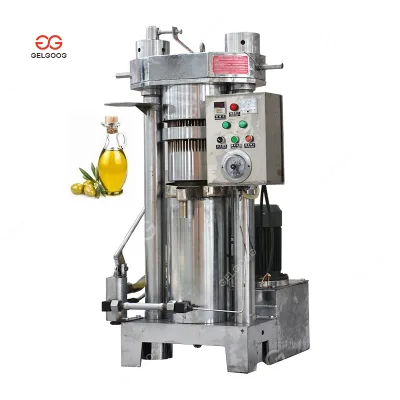
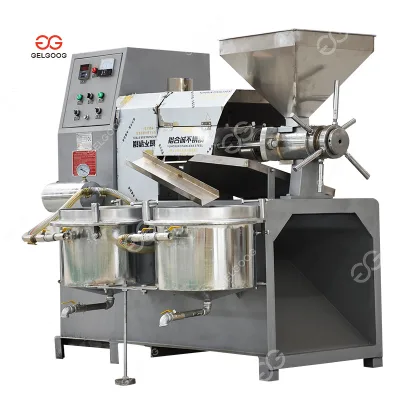
Supplier types in this category typically split into manufacturers and trading companies. Current results identify at least one supplier as a trading company, with main products spanning machinery and equipment sales, agricultural machinery, and mining machinery. Trading companies can be useful for consolidating orders or accessing multiple product lines, but buyers should ask directly whether the company holds its own production facility or sources from partner factories. Product listings in this category range from small vertical screw presses rated around 75kg/h to hydraulic cold and hot press machines with capacities listed at 30kg/h, 100kg/h, and 150kg/h. Matching supplier type to your volume requirement is the first meaningful filter before deeper verification begins.
How to Verify Cold Press Oil Machine for Nuts and Sesame Suppliers
Verification begins with the platform-level signals a supplier profile already displays, followed by checks the buyer must request independently. On visible profiles, look for third-party verification badges; current results show at least one supplier verified by BV, a recognized inspection body. Verification of this kind indicates that a third party has assessed business registration and basic operations, but it does not certify product quality, so treat it as a floor, not a ceiling. Also note response time, which appears in current results ranging from roughly four hours to over thirteen hours; a slow first reply often predicts slow communication during production and after-sales issues.
Beyond profile badges, request documentation that the platform does not display. Ask for a business license copy, factory photos or a live video walkthrough, and references from prior buyers of oil pressing equipment specifically. For a machine touching edible oil, ask what food-contact materials are used; several current listings state 304 stainless steel for machine material, which you should confirm against the actual build and material certificates for the contact parts. Ask each supplier to confirm which claims on their listing — capacity, voltage, raw material compatibility — they can support with test records. Finally, verify that the entity signing the contract matches the entity shown on the business license, since trading companies sometimes operate under different registered names than their storefront.
What to Compare Across Cold Press Oil Machine for Nuts and Sesame Suppliers
Build a comparison sheet using dimensions that suppliers actually display, without assuming every supplier shows every attribute. Useful label dimensions include lead time, minimum order quantity, response speed, location, company type, main products, and how long the company has been established. In current results, lead times range noticeably — one supplier lists around 23 days while another lists around 60 days — so lead time alone can meaningfully separate candidates when your launch date is fixed. MOQ also varies in this category: several oil presser listings show an MOQ of 1 unit, which suits pilot-scale buyers, but you should confirm MOQ in writing rather than assume it applies across the catalog.
Compare product-level specifications next, since listings within one supplier's range can differ substantially. Current listings show machines rated from roughly 30kg/h to 400kg/h, voltages of 220V and 380V, press series described as first or second, and structures described as vertical, with materials noted as 304 stainless steel or a carbon steel and stainless steel combination. Listed prices in current results span roughly $1,100 to $5,000 per unit, with one larger configuration quoted up to $90,000, indicating wide scope within this single category. Also compare customization availability — several current listings state customization is available — and packing format, with wooden case packaging appearing repeatedly. Rank suppliers on the attributes that matter most to your project rather than on price alone.
Common Cold Press Oil Machine for Nuts and Sesame Sourcing Risks
The most common risk is a capacity mismatch: listings describe throughput in kilograms per hour, but the rated figure may assume a specific seed, pre-treatment, or temperature. A machine rated for sesame may yield differently with walnuts or sunflower seed, even where a listing claims multiple raw materials — current results show listings naming sesame, soybean, peanut, sunflower seed, palm, walnut, and cottonseed on single machines. Ask suppliers to specify which capacity figure applies to your exact feedstock and whether cold pressing versus hot pressing changes the rating. A second risk is specification drift: attributes such as voltage, material grade, or structure shown on a listing may not match the unit shipped, particularly where customization is offered and details are negotiated verbally.
A third risk involves intermediary opacity. Where a supplier is identified as a trading company, the buyer may not know which factory actually builds the machine, complicating warranty claims and spare-parts supply. Mitigate this by asking for the manufacturing entity's name and requiring it on the invoice. A fourth risk is after-sales support for mechanical equipment: seals, presses, and motors wear, and a supplier with a long lead time for the initial order may be slower still for parts. Finally, watch for listing inconsistencies — for example, a listing titled one product but attribute tables describing another — which suggest catalog management issues that can carry into order handling. Document every agreed specification before paying any deposit.
Cold Press Oil Machine for Nuts and Sesame Regional Sourcing and Logistics
Regional sourcing for this category should start where the evidence points. Current supplier results identify Henan, China as a supplier location, with product origins listed as He Nan on at least one oil presser, so buyers targeting Chinese supply can reasonably include Henan-based candidates in their shortlist. Because Henan appears as a machinery cluster in these results, buyers should still confirm the specific city and factory address, since provincial listings can cover a wide geographic area. Where a supplier profile does not display a location at all, ask for the registered address and cross-check it against the business license before committing, and avoid assuming that all suppliers on a results page share one location.
Logistics planning must account for the physical nature of the product. Current listings describe machine dimensions such as 210140170cm and 14086126cm and note wooden case packaging, which matters for freight quoting and container loading. A machine of that footprint may ship as freight that exceeds parcel limits, so obtain packing dimensions and gross weight per case before requesting shipping quotes. Lead time interacts with logistics: with listed lead times ranging from about 23 to 60 days across current suppliers, production timing plus ocean or air transit determines your delivery window. Ask whether lead time quoted is ex-works or includes export preparation, and confirm who arranges and pays for inland haulage to the port.
Cold Press Oil Machine for Nuts and Sesame Commercial Terms and Order Planning
Commercial terms deserve the same rigor as technical specifications. Start by confirming price basis — ex-works, FOB, or CIF — because listed prices in current results, ranging from roughly $1,100 to $5,000 across oil presser configurations, may not include freight or export documentation. Confirm MOQ in writing; current listings show MOQs of one unit on several oil pressers, which favors buyers testing a market, but MOQ can differ by model within one supplier's catalog. Clarify payment structure separately from price, and use a payment method offering buyer protection where available; current results confirm escrow-type protection exists on some platforms, so ask the supplier directly which protected payment options they accept rather than assuming coverage.
Order planning should sequence milestones around the lead time actually displayed. With lead times listed from roughly 23 to 60 days, plus packing in wooden cases and customization options on several listings, buyers should build a timeline covering deposit, production, pre-shipment inspection, packing, and transit. Request a pre-shipment inspection or third-party check before final payment, especially for customized machines where attributes such as voltage, capacity, and material were negotiated after the listing was published. Agree on spare parts included in the initial shipment and the process for ordering replacements. Finally, record warranty scope, response commitments, and the registered entity responsible for service, so that commercial recourse survives beyond the platform transaction itself.
FAQs
What is the price range for cold press oil machines?
Prices for these machines vary significantly based on capacity and features. Some models start around 1100 dollars while others reach up to 90000 dollars. Buyers should check specific product listings to confirm exact costs for their required production volume and material type.
How long does it take to receive the machine?
Lead times for delivery depend on the specific supplier and order volume. Current data shows lead times ranging from 23 days to 60 days. Buyers should verify the estimated delivery window with the supplier before finalizing the purchase agreement to ensure timely arrival.
What is the minimum order quantity for these machines?
Many suppliers offer a minimum order quantity of just one unit for these oil press machines. This allows small businesses or home users to purchase a single unit without needing to buy in bulk. Always confirm the specific MOQ with the seller before placing an order.
Are these machines suitable for processing sesame and nuts?
Yes, these machines are designed to handle various raw materials including sesame, sunflower seeds, peanuts, and walnuts. The specifications list capabilities for extracting oil from these specific crops. Ensure the selected model matches your primary raw material for optimal extraction efficiency and output quality.
What voltage options are available for these machines?
Available voltage options typically include 220V and 380V to suit different power supply standards. Buyers must select the correct voltage based on their local electrical infrastructure to ensure safe operation. Verify the voltage requirement listed in the product attributes before purchasing the equipment.
Can these machines be customized for specific needs?
Customization is available for many models to meet specific production requirements or branding needs. Some listings indicate that customization options are available while others may be non-customized. Buyers should explicitly ask suppliers about available customization features like color or capacity adjustments.
Where are these oil press machines manufactured?
The machines are manufactured in China, specifically in the Henan province region. This location is a known hub for agricultural machinery production. Buyers should verify the origin details in the product specifications to confirm the manufacturing location and any associated shipping implications.