Loud Alarm Kitchen Timer Suppliers and Manufacturers
Source 31 verified suppliers for Loud Alarm Kitchen Timer products. Compare dimensions including lead times, MOQs, certifications, and response rates. Contact suppliers directly to request quotes and verify production capabilities; review the available evidence before requesting comparable quotations from suitable candidates.
Suppliers List

Fuzhou Richforth Trade Co., Ltd.
- Verified by TUVRHEINLAND
- Trading Company
- China Fujian
- Lead time30 days
- Avg. response≤ 18h
Main productsPromotional Gifts, Home Products, Garments and Accessories, Toys and Home Decorations, Outdoor and Sports Products, Electornics, Stress Relief, Bubble Head
Main marketsSouth America,Southeast Asia/ Mideast,Europe,North America


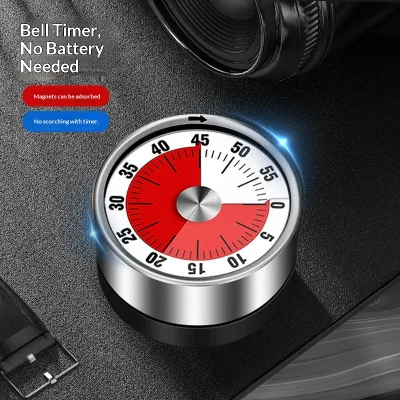
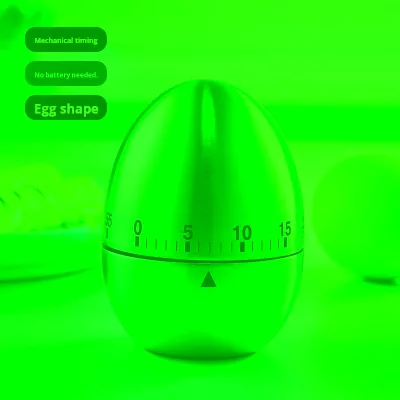
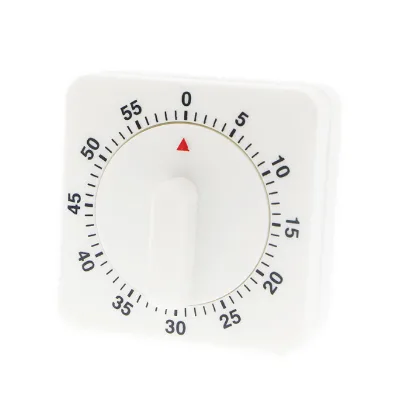
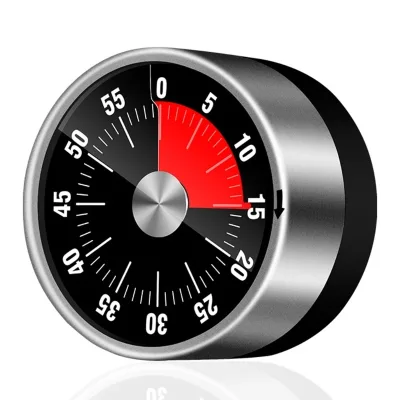
Kitchen Timer Magnetic Mechanical Timer Kitchen Countdown Cooking Baking Alarm Clock
$2.60 - $2.90
MOQ: 100 Pieces


Mechanical Kitchen Alarm Clock Home Countdown Timer Self-Discipline Reminder Electronic Timer
$2.60 - $2.90
MOQ: 100 Pieces

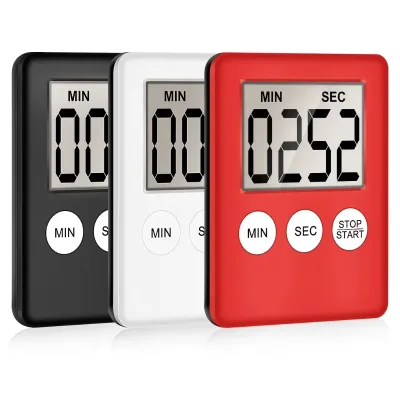
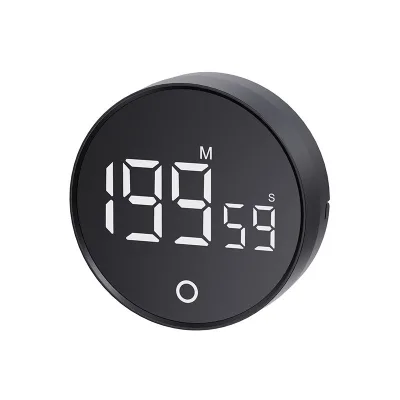
Digital Visual Timer Countdown Timer Quiet Digital Battery Operated Management Tool Kitchen Timer
$3.80 - $4.00
MOQ: 100 Pieces

Water Drop Electronic Digital Timer Kitchen Cooking Shower Study Stopwatch Alarm Clock
$1.40 - $1.50
MOQ: 100 Pieces

Chengdu Qinliwei Import and Export Trade Co., Ltd.
- Trading Company,Manufacturer/Factory
- China Sichuan
- Lead time23 days
- Avg. response≤ 7h
Main productsGolf Products, CNC Products, Timer, Mat, Fashion Accessories, Digital Counter, Photographic Equipment
Main marketsNorth America,Western Europe


12 Channel Kitchen Timer Digital Kitchen Timer Loud Alarm Cooking Calculagraph Commercial
$26.00 - $28.29
MOQ: 50 Pieces


Digital Kitchen Timer Cartoon Shape Alarm for Baking Cooking Sports Reminder
$0.58 - $0.79
MOQ: 1000 Pieces
Nanchang Triumph-Prosper Engineering Materials Co., Ltd.
- Trading Company
- Jiangxi, China
- Lead time0 days
- Avg. response≤ 1h
Main productsCutleries,Cups,wine accessories,homeware,kitchen ware
Main marketsNorth America(26.00%), Mid East(10.00%), South America(10.00%), Northern Europe(8.00%), Western Europe(8.00%), Eastern Europe(6.00%), Southern Europe(6.00%), Central America(5.00%), South Asia(5.00%), Southeast Asia(5.00%), Oceania(5.00%), Domestic Market(2.00%), Africa(2.00%), Eastern Asia(2.00%)
Shenzhen CPYP Technology Co., Ltd.
- Manufacturer, Distributor/Wholesaler
- Guangdong, China
- Lead time5 days
- Avg. response≤ 5h
Main productsMobile phone accessories,Beauty & Personal Care,Home Appliances,Photographic Lighting,Lights & Lighting
Main marketsSoutheast Asia(11.00%), Eastern Europe(11.00%), South America(11.00%), North America(11.00%), Western Europe(10.00%), Northern Europe(10.00%), Southern Europe(9.00%), South Asia(9.00%), Mid East(5.00%), Eastern Asia(5.00%), Central America(5.00%), Africa(2.00%), Domestic Market(1.00%)
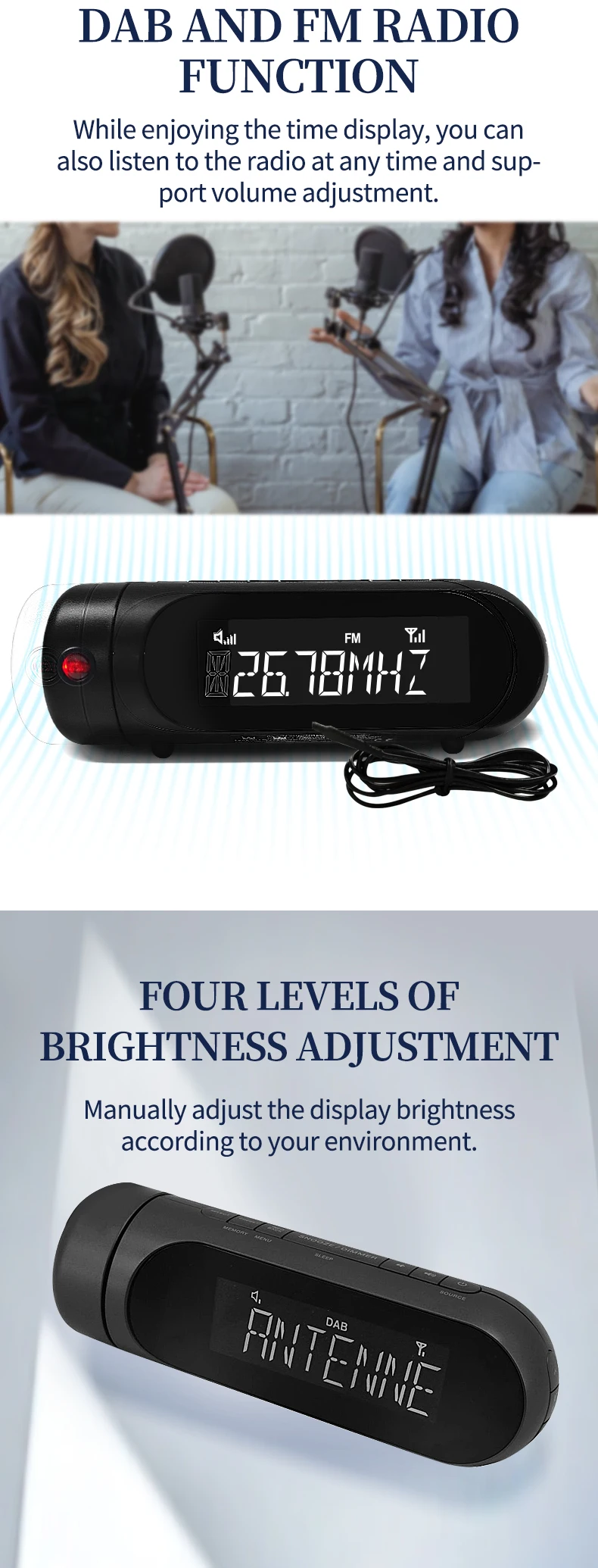
Guangzhou heinerrivers electronics industrial Co., LTD.
- Manufacturer, Trading Company
- Guangdong, China
- Lead time35 days
- Avg. response≤ 4h
Main productsTimer, Clock, Watch, Thermometer, Weather Station
Main marketsWestern Europe(30.00%), North America(25.00%), Northern Europe(10.00%), Domestic Market(10.00%), Oceania(5.00%), Southern Europe(5.00%), Eastern Asia(5.00%), Eastern Europe(5.00%), Mid East(5.00%)

Shenzhen Alisi Electronic Technology Co., Ltd.
- Trading Company, Distributor/Wholesaler
- Guangdong, China
- Lead time3 days
- Avg. response≤ 2h
Main productselectron component,temperature controller,Auto parts,sensor,Wireless Controller
Main marketsSouth America(20.00%), Eastern Europe(20.00%), North America(15.00%), Western Europe(5.00%), Domestic Market(5.00%), South Asia(5.00%), Southern Europe(5.00%), Northern Europe(5.00%), Central America(5.00%), Eastern Asia(3.00%), Mid East(3.00%), Oceania(3.00%), Africa(3.00%), Southeast Asia(3.00%)

Shenzhen Goldgood Instrument Limited
- Verified by SGS
- Manufacturer
- China Guangdong
- Lead time15 days
- Avg. response≤ 5h
Main productscrafting premium-grade instruments, including precision meat thermometers, hygrometer thermometers, environmental measurement tools
Main marketsEurope,North America


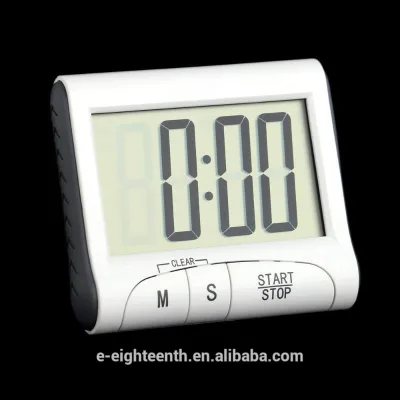
Digital Mini Digital Alarm Clock Countdown Digital Kitchen Timer Shower Timer
$3.36 - $3.78
MOQ: 50 Pieces


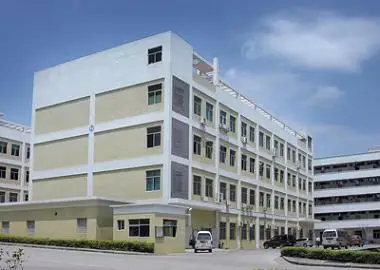
Shenzhen E-18th Technology Co., Ltd.
- Manufacturer, Trading Company, Distributor/Wholesaler
- Guangdong, China
- Lead time3 days
- Avg. response≤ 3h
Main productsMisting System,Garden Sprinkler,Kitchen Tools,Bike Accessories,Outdoor item
Main marketsSouth America(14.00%), North America(14.00%), South Asia(9.50%), Western Europe(8.00%), Southern Europe(8.00%), Eastern Europe(8.00%), Central America(8.00%), Northern Europe(8.00%), Eastern Asia(5.00%), Africa(4.50%), Mid East(4.00%), Domestic Market(4.00%), Oceania(3.00%), Southeast Asia(2.00%)

Guangzhou Aemaxx Household Products Co., Ltd.
- Verified by BV
- Trading Company
- China Guangdong
- Lead time30 days
- Avg. response≤ 7h
Main productsWaste Bin, Trash Bin, Garbage Bin, Scale, Toilet Brush, Kitchen Trolley, Timer, Food Dehydrator, Storage, Mirror
Main marketsSouth America,Others(foreignTradeCapacity.exportBusinessCapacityMarketOther),Southeast Asia/ Mideast,East Asia(Japan/ South Korea),Europe,Australia,North America

Large LCD Display and Loud Alarm Kitchen Cooking Electronic Digital Timer
$4.67 - $5.12
MOQ: 1000 Pieces

LCD Clock Countdown Timer Loud Alarm Kitchen Office Digital Magnetic Kitchen Timer
$2.23 - $2.29
MOQ: 2000 Pieces

Multifunction Clock Alarm Count up Count Down Countdown Kitchen Cooking Digital Timer
$1.89 - $2.07
MOQ: 1000 Pieces


Large LCD Display Memory Function Kitchen Cooking Electronic Digital Timer
$1.89 - $2.07
MOQ: 1000 Pieces


Putian Lung Kin Electronic Co., Ltd.
- Verified by SGS
- Manufacturer/Factory
- China Fujian
- Lead time23 days
- Avg. response≤ 2h
Main productsClock, Digital Clock, Timer, Calculator, LCD Modules, Stopwatch, Electronic Toys, Electronic Watches
Main marketsSouth America,Eastern Europe,Mid East,North America,Southeast Asia,Eastern Asia,Oceania,Western Europe,Africa


Precision Kitchen Countdown Timer with Loud Alarm and Easy-to-Read Display
$0.79 - $1.15
MOQ: 1000 Pieces

Fuzhou Farway Electronics Co., Ltd.
- Verified by Intertek
- Manufacturer, Trading Company
- Lead time45 days
- Avg. response≤ 3h
Main productsDigital Clocks, Household Thermometer, Digital Timer, Electronic Calculator, Weather Station
Main marketsWestern Europe(34%), Northern Europe(20%), North America(8%)
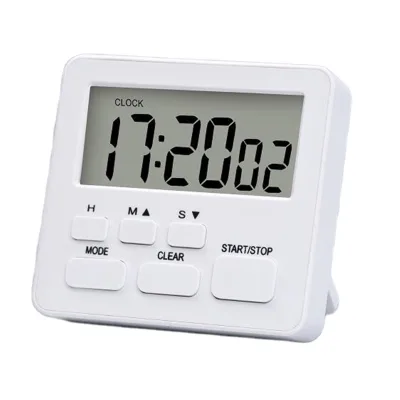
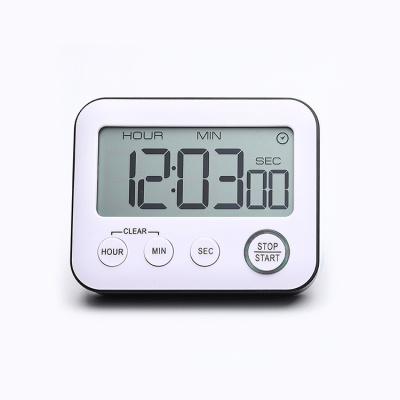
$2.70 - $3.00
MOQ: 3000 pieces
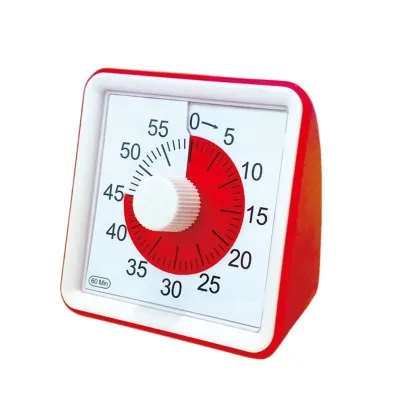
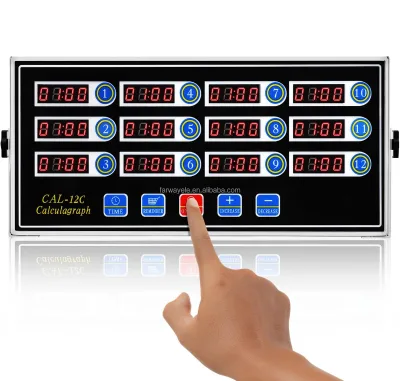
$5.80 - $11.15
MOQ: 2000 pieces


Jinjiang Jiayi Supply Chain Management Co., Ltd.
- Verified by BV
- Trading Company
- China Fujian
- Lead time30 days
- Avg. response≤ 1h
Main productsGift, Shoe, Garment, Machine
Main marketsDomestic

Benemed (Hongkong) Industry Co., Limited
- Verified by TUVRHEINLAND
- Trading Company,Manufacturer/Factory
- China Henan
- Lead time23 days
- Avg. response≤ 7h
Main productsHematology Analyzer, Ultrasound Scanner, Patient Monitor, Chemistry Analyzer, Electrolyte Analyzer, Urine Analyzer, ECG Machine, Pulse Oximeter, Ot Light, X-ray Film Viewer
Main marketsSouth America,Eastern Europe,Mid East,Southeast Asia,Eastern Asia,Western Europe,Africa


Electronic Countdown Countup Lab Timer with Loud Alarm Magnetic Back for Kitchen
$4.30 - $5.50
MOQ: 50 Pieces


Shenzhen Bestone Industrial Co. Ltd.
- Verified by SGS
- Trading Company
- China Guangdong
- Lead time15 days
- Avg. response≤ 13h
Main productsDigital Infrared Thermometer and Thermometer, Anemometer Sound Level Meter, Ultrasonic/Coating Thickness Gauge, Vibration Meter / Hardness Tester, Laser Distance Meter Roughness Meter, Moisture Meter Push-Pull Force Gauge, Lux/Luminance Meter Glossmeter Colorimeter, Tachometer Endoscope Stroboscope, Earth Resistance /Voltage Insulation Tester, Gas Detector / Refractometer
Main marketsSouth America,Africa,Southeast Asia/ Mideast,East Asia(Japan/ South Korea),Europe,North America

Countdown Timer Function Cute Hamburger Food Alarm Digital Clock Kitchen Timer DC101
$1.65 - $2.99
MOQ: 100 Pieces


Guangzhou Chenquan Technology Co., Ltd.
- Verified by SGS
- Trading Company
- China Guangdong
- Lead time15 days
- Avg. response≤ 4h
Main productsDailynecessities
Main marketsDomestic
Shenzhen Dowdon Technology Co., Ltd.
- Manufacturer, Trading Company, Distributor/Wholesaler
- Lead time旺季: "1 - 100":3,"101 - 500":5,"501 - 1000":7,"> 1000":"To be negotiated", 淡季: "1 - 100":3,"101 - 500":5,"501 - 1000":7,"> 1000":"To be negotiated"
- Avg. response≤ 15h
Main productsPhone & Computer Accessories,Consumer Electronic Products,Security & Protection,Electrical Supplies,Lights & Lighting
$1.61 - $3.98
MOQ: 10 pieces
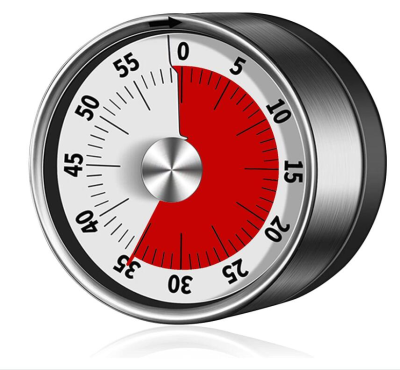

Ningbo General Union Co., Ltd.
- Trading Company
- Lead time旺季: "1 - 20":7,"> 20":"To be negotiated", 淡季: "1 - 20":7,"> 20":"To be negotiated"
- Avg. response≤ 7h
Main productsKitchen Supplies/Home Storage Products, Stationery, Beauty Tools, Creative DIY Products
Putian New HuaFeng Electronics Co.,Ltd
- Verified by SGS Group
- Manufacturer, Trading Company
- Lead time7 days
- Avg. response≤ 3h
Main productsDigital Clocks, Kitchen Thermometers, Thermometer Hygrometers, Kitchen Timers, Bluetooth Speakers
Main marketsAfrica(50%), Domestic Market(23%), North America(15%)

Changsha Chengtong Technology Co., Ltd.
- Verified by SGS
- Trading Company
- China Hunan
- Lead time15 days
- Avg. response≤ 6h
Main productsCutting Board, Vegetable Chopper, Measuring Cup, Milk Frother, Measuring Spoon, Vegetable Peeler, Kitchen Scissors, Knife Sharpener
Main marketsSoutheast Asia/ Mideast


$1.42 - $1.82
MOQ: 500 Pieces


$1.42 - $1.82
MOQ: 500 Pieces

$1.42 - $1.82
MOQ: 500 Pieces

Zhongshan Hyperda Technology Co., Ltd.
- Manufacturer, Trading Company
- Guangdong, China
- Lead time20 days
- Avg. response≤ 3h
Main productsDigital Thermometer,Digital Hygrometer,KitchenTimer,Food Thermometer,indoor/outdoor thermometer hygrometer
Main marketsEastern Europe(20.00%), Northern Europe(10.00%), Western Europe(10.00%), Southern Europe(10.00%), South America(10.00%), Mid East(8.00%), South Asia(8.00%), Domestic Market(6.00%), Africa(5.00%), Central America(5.00%), Southeast Asia(3.00%), North America(3.00%), Oceania(2.00%)
- Manufacturer, Trading Company
- Guangdong, China
- Lead time20 days
- Avg. response≤ 3h
Main productsSound Keychain, Sound Buttons, Video Cards & Booklet, Alarm Clock Talking Button, Music Badge
Main marketsNorth America(25.00%), Eastern Asia(10.00%), Domestic Market(8.00%), Southeast Asia(8.00%), Oceania(8.00%), Southern Europe(5.00%), Northern Europe(5.00%), Central America(5.00%), Western Europe(5.00%), South Asia(5.00%), Mid East(5.00%), Eastern Europe(5.00%), Africa(3.00%), South America(3.00%)
- Verified by SGS
- Trading Company
- China Guangdong
- Lead time15 days
- Avg. response≤ 10h
Main productsConsumer Electronics, Car Accessories, Mini Thermal Printers, Garden Lights, Lawn Mower Accessories, Portable Speakers, Digital Camera, Mini Projectors
Main marketsOthers(foreignTradeCapacity.exportBusinessCapacityMarketOther),Europe

Ultra Thin Kitchen Timer Large LCD Display Digital Magnetic Countdown Cooking Timer
$0.88 - $1.10
MOQ: 1 Pieces

Ultra Thin Kitchen Timer - Large LCD, Magnetic, Digital Countdown (Orange)
$0.63 - $0.96
MOQ: 2 Pieces

Guangzhou Rebenet Catering Equipment Manufacturing Co., Ltd.
- Combined
- China Guangdong
- Lead time30 days
- Avg. response≤ 6h
Main productsGas Fryer, Gas Range, Gas Griddle, Gas Charbroiler, Convection Oven, Salamander, Panini Grill, Fryers, Pie Warmer, Pizza Oven
Main marketsDomestic,Europe,North America
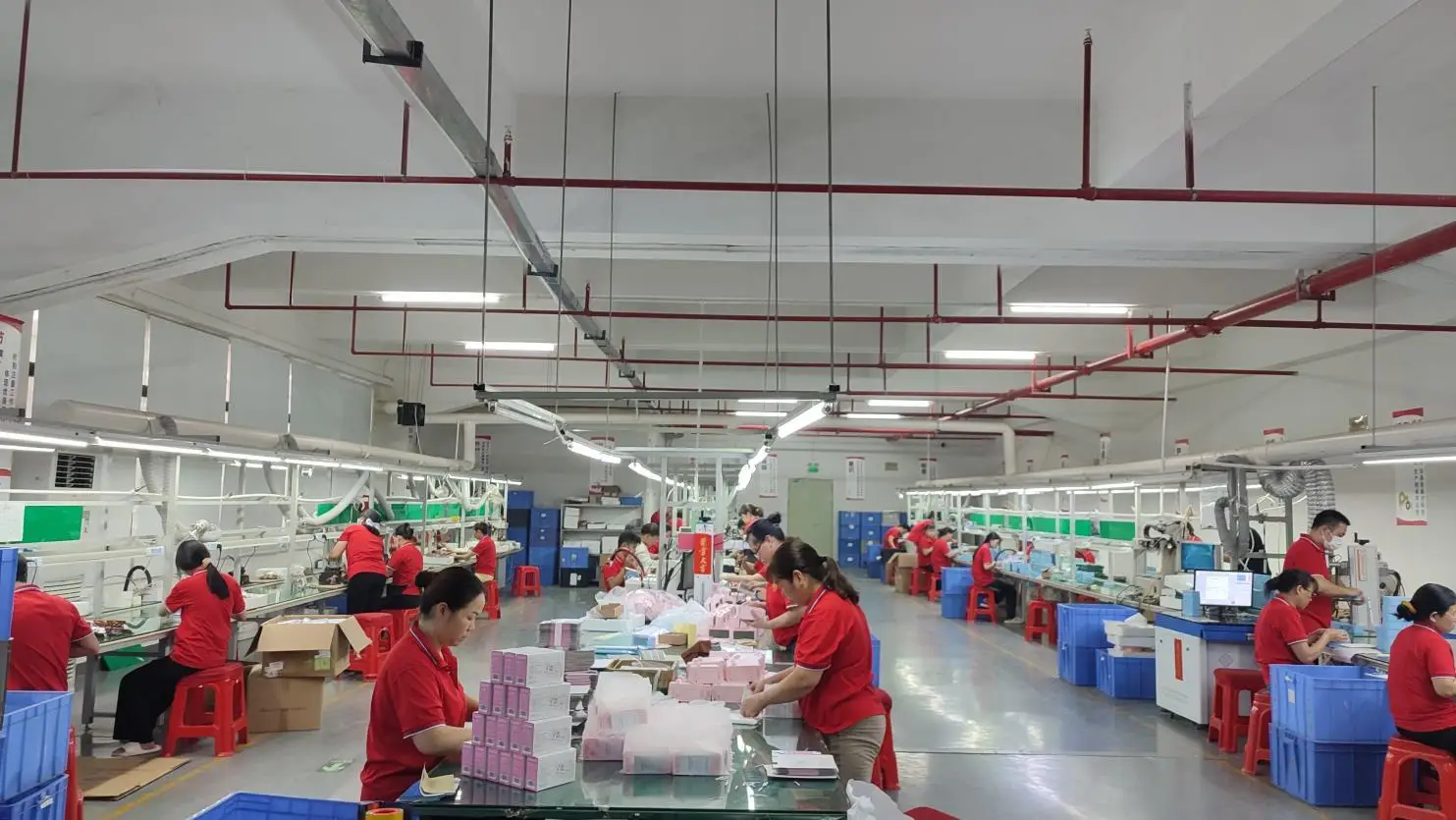
Dongguan Yaoqiu Electronic Technology Co., Ltd.
- Manufacturer, Trading Company
- Guangdong, China
- Lead time0 days
- Avg. response≤ 1h
Main productsDigital alarm clock,LCD alarm clock,LED electronic alarm clock,Intelligent alarm clock,Temperature and humidity meter
Main marketsNorth America(60.00%), Western Europe(20.00%), Eastern Asia(20.00%)
Shenzhen Goldgood Instrument Limited
- Verified by SGS Group
- Manufacturer, Trading Company
- Lead time30 days
- Avg. response≤ 2h
Main productsDigital Meat Thermometer, Indoor Thermo Hygrometer, Fridge Thermometer, Digital Timer, Wireless Thermometer
Main marketsNorth America(65%), Domestic Market(30%), Eastern Europe(2%)
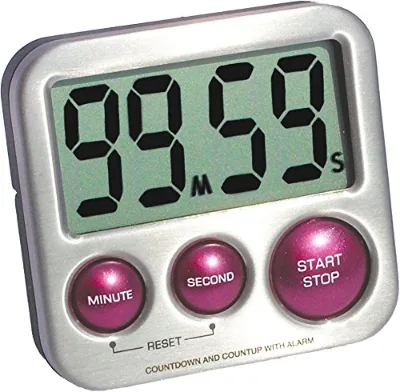
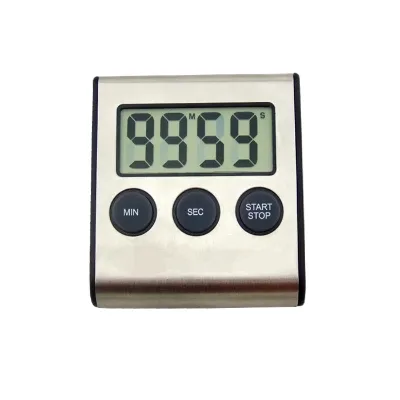
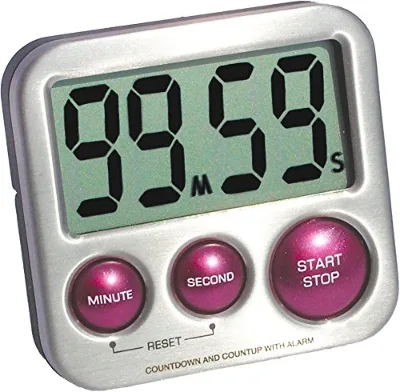
Magnetic Electronic Cooking Downtime Factory Hot Sale Digital Kitchen Alarm Timer Kitchen
$3.00 - $4.00
MOQ: 500 pieces

Zhangzhou Green-Lake Import & Export Co., Ltd.
- Verified by TUVRHEINLAND
- Trading Company
- China Fujian
- Lead time15 days
- Avg. response≤ 20h
Main productsCanned Food
Main marketsSouth America,Eastern Europe,Mid East,North America,Southeast Asia,Eastern Asia,Oceania,Western Europe,Africa

- Verified by SGS
- Combined
- China Guangdong
- Lead time30 days
- Avg. response≤ 7h
Main productsBakery Equipment, Catering Equipment, Fryer, Griddle, Oven, Dough Mixer, Grill, Food Display Cabinet, Freezer, Refrigerator
Main marketsDomestic,Europe,North America
Yifang Pass (Zhengzhou) Cross-Border Trade Service Co., Ltd.
- Trading Company
- Henan, China
- Lead time7 days
- Avg. response≤ 1h
Main productsvacuum cup,Sports bag,Kitchen and bathroom storage supplies,Shoes dryer,Stainless steel tools
Main marketsNorth America(40.00%), Eastern Europe(10.00%), Northern Europe(5.00%), Southern Europe(5.00%), Western Europe(5.00%), Eastern Asia(5.00%), Mid East(5.00%), Oceania(5.00%), Africa(5.00%), Southeast Asia(5.00%), South America(5.00%), South Asia(2.00%), Domestic Market(2.00%), Central America(1.00%)
Suzhou Linwen International Trade Co., Ltd.
- Trading Company
- Jiangsu, China
- Lead time15 days
- Avg. response≤ 8h
Main productsDirt bike,Electric bicycles,Motorcycle,ATV
Main marketsSouth America(35.00%), Southeast Asia(10.00%), Central America(10.00%), North America(10.00%), Southern Europe(5.00%), Northern Europe(5.00%), Eastern Asia(5.00%), Domestic Market(5.00%), South Asia(5.00%), Eastern Europe(3.00%), Western Europe(3.00%), Oceania(2.00%), Africa(2.00%)

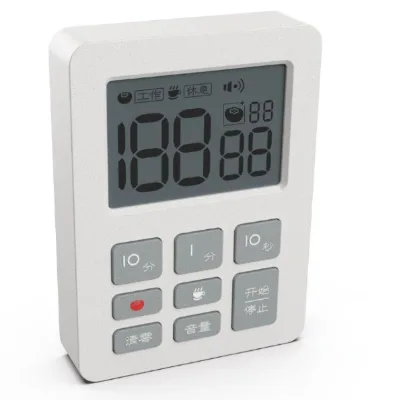
Electronic Wholesale Student Learning Countdown Alarm Clock Kitchen Cooking Timer Time Management
$2.71 - $2.98
MOQ: 50 pieces
$2.18 - $3.38
MOQ: 50 pieces
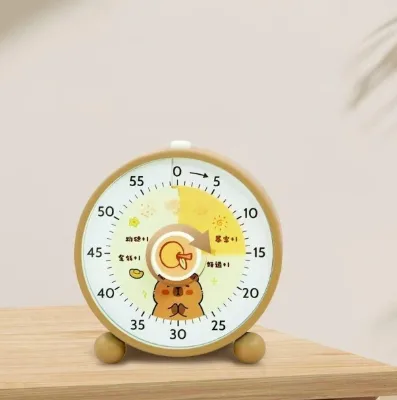
New Visual Mute Student Time Manager Kitchen Cooking Timer Reminder Smart Kitchen Tool
$3.52 - $3.88
MOQ: 50 pieces
Shenzhen Feng Chipsource Electronic Co., Ltd.
- Manufacturer, Trading Company, Distributor/Wholesaler
- Guangdong, China
- Lead time2 days
- Avg. response≤ 8h
Main productsIntegrated Circuit,Electronic Components,Development Board,Wifi module,Bluetooth module
Main marketsNorth America(20.00%), Northern Europe(16.00%), Southern Europe(10.00%), South America(10.00%), Western Europe(10.00%), Eastern Europe(10.00%), Domestic Market(3.00%), South Asia(3.00%), Oceania(3.00%), Africa(3.00%), Central America(3.00%), Southeast Asia(3.00%), Eastern Asia(3.00%), Mid East(3.00%)
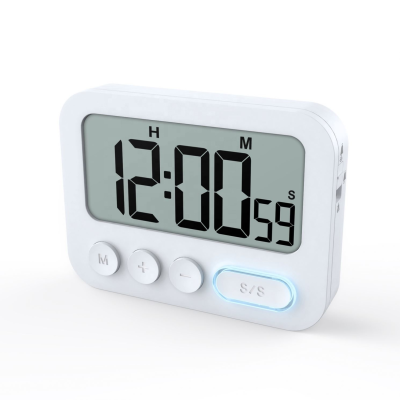
$1.85 - $3.70
MOQ: 10 Minimum
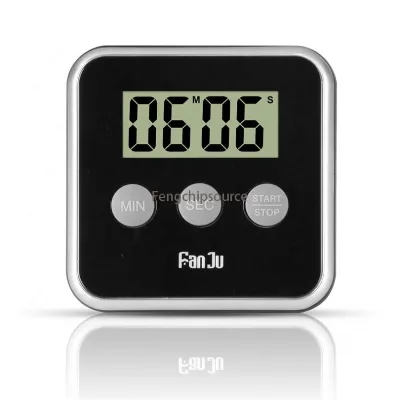
$0.99 - $1.98
MOQ: 10 Minimum

Jaye Heater Technology (Huizhou) Co., Ltd.
- Verified by BV
- Trading Company
- China Guangdong
- Lead time23 days
- Avg. response≤ 2h
Main productsIndustrial Heater, Silicone Rubber Heater, Domestic Heating Elements, Machinery Parts, Thermostat, Band Heater, Hot Run Heater, Cartridge Heater, Finned Tubular Heater, Quarts Heater
Main marketsSouth America,Africa,Southeast Asia/ Mideast,East Asia(Japan/ South Korea),Europe,Australia,North America
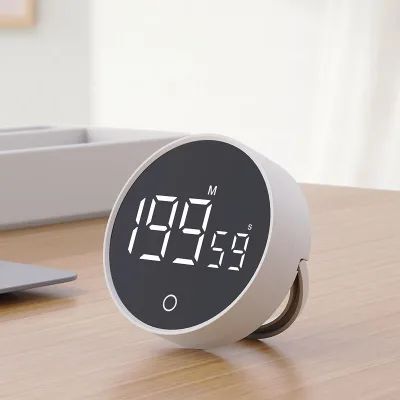
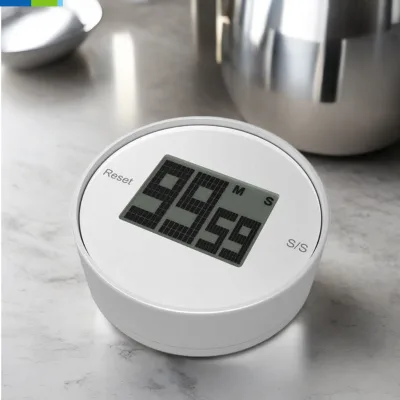
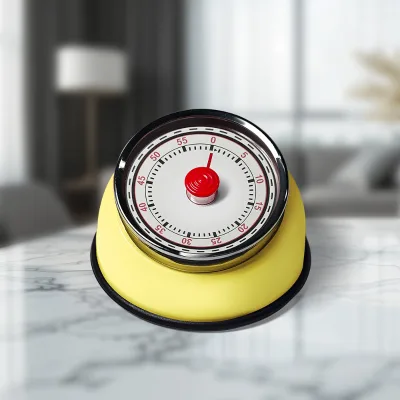
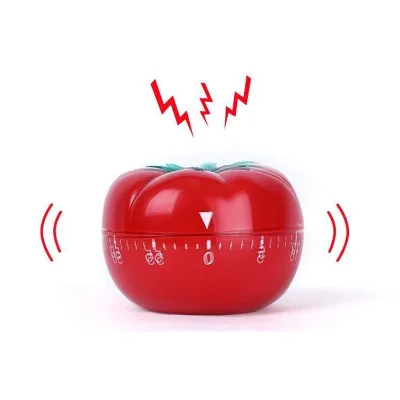


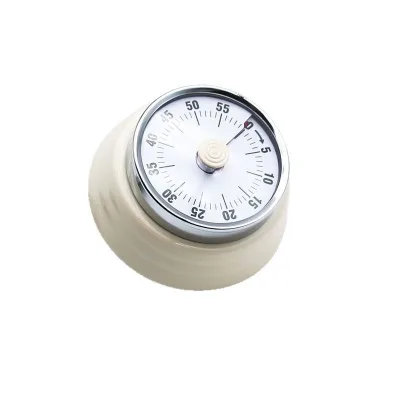
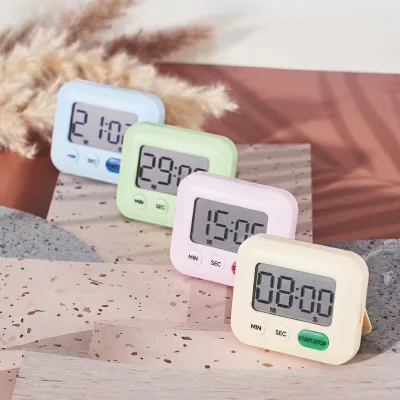
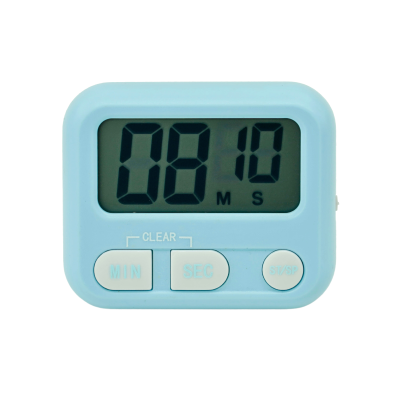
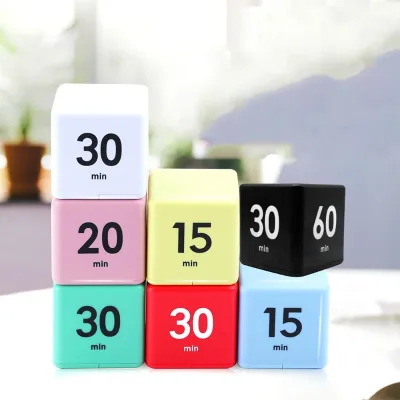
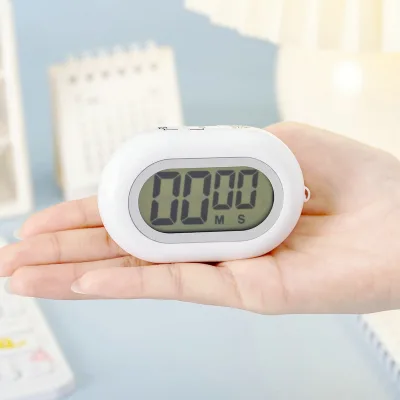
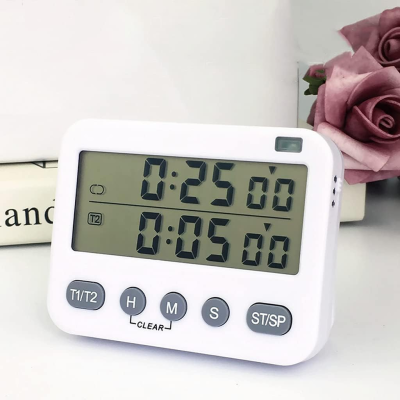
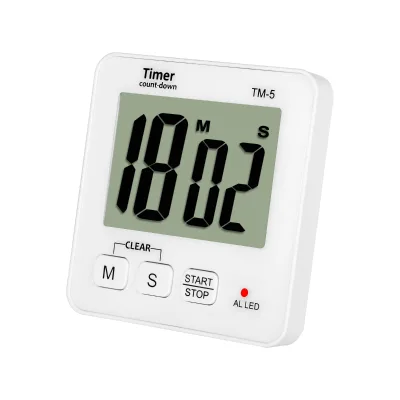
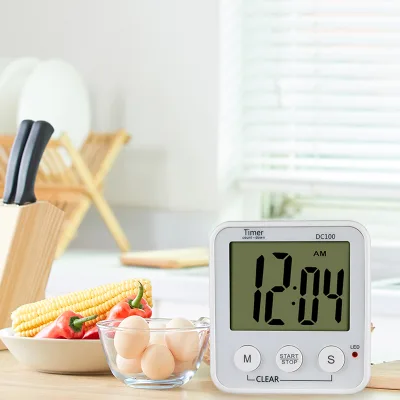


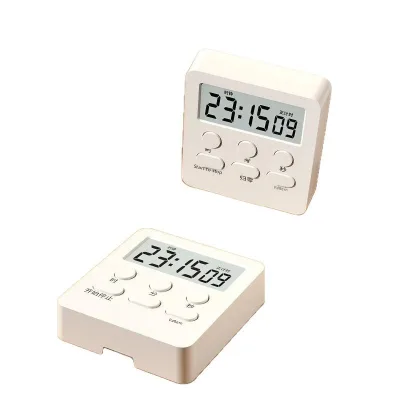
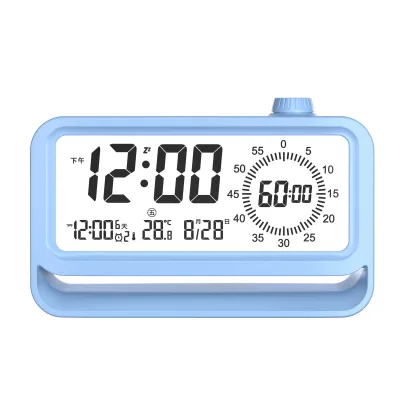


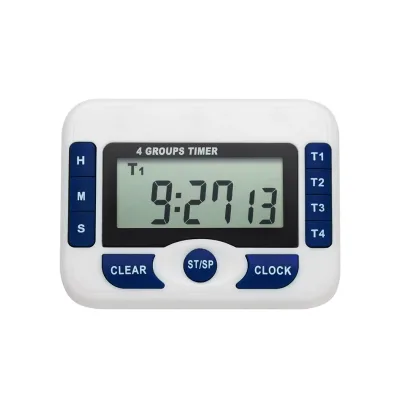
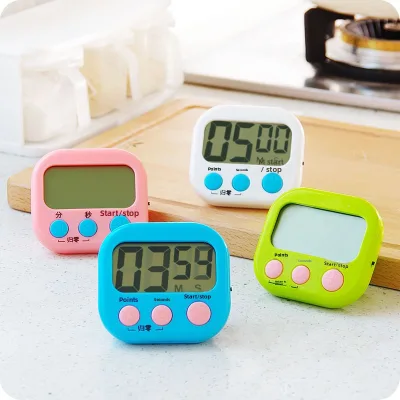


Comprehensive Sourcing Guide
Loud Alarm Kitchen Timer Supplier Concentration and Factory Types
Current search results indicate a concentration of suppliers located in China Fujian and China Sichuan, suggesting these regions are active hubs for this specific product category. The Fujian cluster features trading companies that specialize in promotional gifts, home products, and various electronic items, including kitchen timers. These entities often list diverse portfolios ranging from stress relief toys to outdoor sports gear, indicating a broad manufacturing or sourcing capability rather than a single-product focus. The presence of ISO9001:2015 certification and TUVRHEINLAND verification among these suppliers provides a baseline for quality management systems, though buyers must confirm if these certifications specifically cover the loud alarm timer production lines.
In contrast, the Sichuan-based suppliers appear to operate as a mix of trading companies and manufacturers, offering a wider range of industrial and digital counter products alongside kitchen timers. These suppliers often highlight OEM and ODM capabilities, suggesting they may have more direct control over the production process for electronic timers compared to pure trading entities. The main product lists for these suppliers include golf products, CNC items, and photographic equipment, which implies a diversified industrial base. When evaluating factory types, buyers should distinguish between entities that primarily source from third parties and those that claim direct manufacturing capacity, as this distinction impacts customization flexibility and quality control depth for loud alarm kitchen timers.
How to Verify Loud Alarm Kitchen Timer Suppliers
Verification of suppliers requires a rigorous check of their stated credentials against independent audit reports. Several suppliers in the current results display ISO9001:2015 system certifications and TUVRHEINLAND verification status, which are critical indicators of a structured quality management system. However, buyers must not assume these certifications automatically apply to every product model listed, such as the RLT 17441-1 or TH-2207 series. It is essential to request specific audit reports that confirm the scope of certification includes the manufacturing of electronic kitchen timers and that the facility has passed recent third-party inspections. Relying solely on a badge without verifying the validity date and scope can lead to sourcing from non-compliant facilities.
Beyond certifications, response time and verification status serve as practical metrics for supplier reliability. The data shows response times varying significantly, with some suppliers averaging around 17 hours while others respond in under 7 hours. A faster response time often correlates with better communication channels and a more active sales team, which is vital for resolving issues regarding loud alarm specifications or customization requests. Buyers should also scrutinize the "is_verified" status, ensuring it is current and issued by a recognized body. If a supplier claims to be a manufacturer but lacks detailed factory photos or specific production line descriptions, this should trigger a request for a video call or a third-party factory audit before proceeding with any order.
What to Compare Across Loud Alarm Kitchen Timer Suppliers
When comparing suppliers, lead time and minimum order quantity (MOQ) are primary differentiators that affect inventory planning and cash flow. Current product evidence shows lead times ranging from 23 to 30 days, with some suppliers offering faster turnaround capabilities. The MOQs vary considerably, with some listings requiring 100 pieces while others demand 1,000 or 200 units. Buyers must align these figures with their sales volume projections; a supplier with a 1,000-piece MOQ might be unsuitable for a test order, whereas a 100-piece MOQ allows for market testing with lower financial risk. Additionally, the price range for similar electronic timers fluctuates between $1.40 and $4.00, necessitating a cost-benefit analysis that weighs unit price against the reliability of the supplier's delivery schedule.
Customization capabilities and product attributes also require careful comparison across different vendor profiles. Many suppliers list customization as available, offering options for logo printing, color variations, and packaging adjustments like OEM boxes. However, the specific product models, such as the RLT 12024-2 or TH-2264, have distinct dimensions and features, such as magnetic suction or digital visual displays. Buyers should verify if the customization options apply to the specific loud alarm mechanism or if they are limited to cosmetic changes. Furthermore, comparing the main product lists helps identify if a supplier has a dedicated focus on kitchen timers or if these are secondary items, which can influence the depth of their technical expertise and the availability of spare parts for the alarm mechanisms.
Common Loud Alarm Kitchen Timer Sourcing Risks
One significant risk involves the discrepancy between claimed product features and actual performance, particularly regarding the loud alarm functionality. Product descriptions often highlight features like "loud alarm" or "digital countdown," but the specific decibel levels or alarm duration are rarely standardized in the provided data. Without a clear specification sheet or a pre-shipment sample test, buyers risk receiving units that do not meet the required volume for their target market. The variation in product models, such as mechanical versus electronic timers, introduces further complexity, as the reliability of the alarm mechanism can differ substantially between these technologies. Buyers must insist on functional testing reports to ensure the alarm triggers correctly under various conditions.
Another critical risk is the inconsistency in packaging and standardization across different suppliers. While many listings mention "Box" packaging, the dimensions and protective quality vary, with some products listed as 6cm x 6cm x 3.5cm and others as 76mm x 76mm x 65mm. Inadequate packaging can lead to damage during transit, especially for electronic components that are sensitive to shock. Additionally, the lack of a unified standard for product dimensions and materials, such as the use of plastic versus other composites, can complicate logistics and storage. Buyers should verify the exact packaging specifications and material composition to ensure the product arrives in sellable condition. Failure to address these physical attributes can result in high return rates and damaged brand reputation.
Loud Alarm Kitchen Timer Regional Sourcing and Logistics
Sourcing from China Fujian and China Sichuan offers distinct logistical advantages and challenges that buyers must navigate. The Fujian region is a well-established hub for electronics and home goods, often providing efficient access to major shipping ports and a mature supply chain for electronic components. This proximity to logistics infrastructure can reduce transit times and simplify the coordination of freight forwarders. However, the concentration of trading companies in this area means buyers may face multiple layers of intermediaries, potentially increasing the complexity of communication and the risk of miscommunication regarding product specifications. Buyers should prioritize suppliers with direct port access or established relationships with reliable freight partners to mitigate these risks.
In contrast, sourcing from Sichuan, while offering a mix of manufacturers and traders, may involve different logistical considerations due to its inland location. Suppliers in this region might have longer lead times for shipping to coastal ports, which could impact the overall delivery timeline. The diverse product range in Sichuan, including industrial counters and golf products, suggests a robust manufacturing base, but buyers must ensure that the specific logistics for kitchen timers are not overlooked. It is crucial to verify the shipping terms, such as FOB or CIF, and to calculate the total landed cost, including inland transportation from the factory to the port. Understanding the regional logistics landscape helps in planning inventory levels and managing customer expectations regarding delivery dates.
Loud Alarm Kitchen Timer Commercial Terms and Order Planning
Commercial terms for loud alarm kitchen timers often include specific requirements for customization, packaging, and payment security. Many suppliers offer OEM packaging and customization options, but the MOQ for these services can vary, with some requiring 100 pieces and others demanding higher volumes. Buyers must clarify the cost implications of customization, such as logo printing or color changes, as these can affect the unit price significantly. Additionally, the presence of escrow services or verified payment methods is essential for protecting the buyer's funds. While some suppliers display verification status, buyers should confirm the specific terms of the escrow agreement to ensure that funds are only released upon satisfactory delivery of the goods.
Order planning must account for the variability in lead times and the potential for production delays. With lead times ranging from 23 to 30 days, buyers should build a buffer into their supply chain schedule to accommodate any unforeseen delays. The price ranges observed, from $1.40 to $4.00, suggest that bulk ordering could yield better margins, but this must be balanced against the risk of overstocking. Buyers should also consider the establishment year and capacity of the supplier, as newer or smaller factories might struggle with large volume orders. By carefully analyzing these commercial terms and planning orders based on realistic lead times and MOQs, buyers can optimize their procurement strategy and ensure a steady supply of high-quality loud alarm kitchen timers.
FAQs
What is the typical lead time for loud alarm kitchen timers?
The typical lead time for these products is 30 days based on current supplier data. Some suppliers in Sichuan offer a faster 23-day turnaround. Buyers should confirm specific delivery schedules with the trading company or manufacturer before placing an order to ensure timely arrival.
What is the minimum order quantity for these timers?
The minimum order quantity varies by product model, with options starting at 100 pieces. Some specific models require a minimum of 200 or 500 units depending on customization needs. Buyers must check the specific product page to verify the exact MOQ required for their selected item.
Are these timers available with custom logo printing?
Yes, customization is available for many Loud Alarm Kitchen Timer models listed. Suppliers offer options to add logos and customize packaging for orders meeting the minimum quantity. This service allows buyers to create branded products suitable for promotional gifts or retail distribution without compromising on quality.
What certifications do the suppliers hold for these products?
Suppliers in the results hold ISO9001:2015 and ISO 9000 system certifications. One supplier is verified by TÜV Rheinland, indicating a level of quality assurance. Buyers should request current certification documents to confirm compliance with international standards before finalizing any bulk purchase agreement.
Where are the manufacturers of these timers located?
Manufacturers and trading companies are located in China, specifically in Fujian and Sichuan provinces. These regions are known for producing electronics and home products. Buyers can filter search results by these locations to find suppliers with specific logistical advantages or regional expertise in kitchen timer manufacturing.
What is the price range for loud alarm kitchen timers?
Prices range from approximately 1.40 to 28.29 USD per unit depending on the model and features. Basic digital timers start lower, while multi-channel commercial units cost more. The final price depends on the order quantity and whether customization services like logo printing are included in the quote.
How quickly do suppliers typically respond to inquiries?
Response times vary, with some suppliers replying within 6.93 hours and others taking up to 17.11 hours. Faster response times are often associated with suppliers in Sichuan. Buyers seeking urgent quotes should prioritize contacting suppliers with the lowest recorded response times to expedite the sourcing process.