Cotton Knitted Punjabi Suit Suppliers and Manufacturers
Explore 16 verified suppliers offering cotton knitted punjabi suits with OEM services and customizable designs. Compare response times, lead times, and MOQs to find the right partner. Contact suppliers directly to request samples and pricing details; review the available evidence before requesting comparable quotations from suitable candidates.
Updated
Suppliers List
Dongguan Yilixin Garment Co., Ltd.
- Verified by Intertek
- Manufacturer, Trading Company
- Lead time15 days
- Avg. response≤ 4h
Main productsMuslim Dress, Islamic Clothing, Women Clothing, Robe, Scarf
Main marketsSoutheast Asia(35%), Mid East(25%), North America(15%)
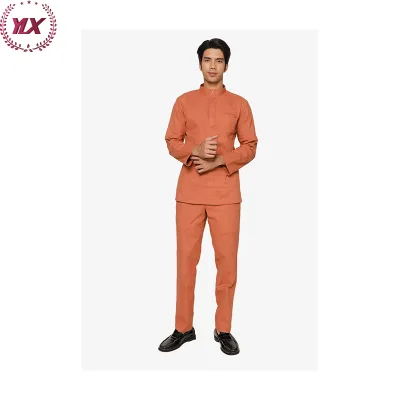
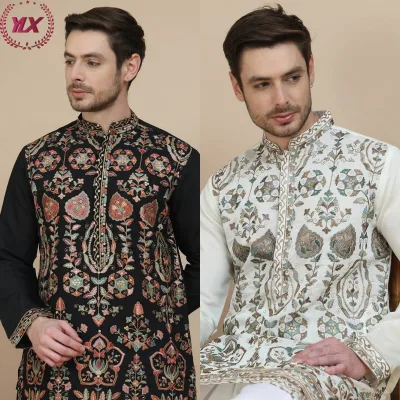
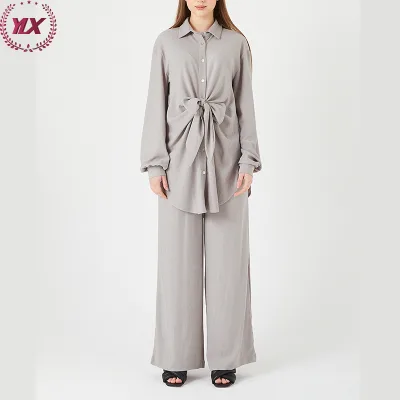
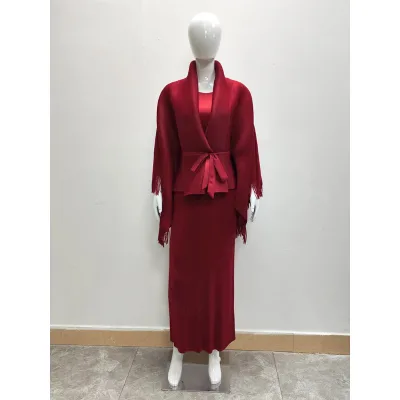
New Arrival Ladies Middle East Dubai Muslim 2 Pc Bow Set Pants Suits for Muslim Women With Buttons
$9.7021 - $13.2754
MOQ: 25 pieces

SHANDONG AOSHI GARMENTS CO., LTD.
- Verified by SGS
- Manufacturer
- China Shandong
- Lead time30 days
- Avg. response≤ 6h
Main productsSuit, Uniform


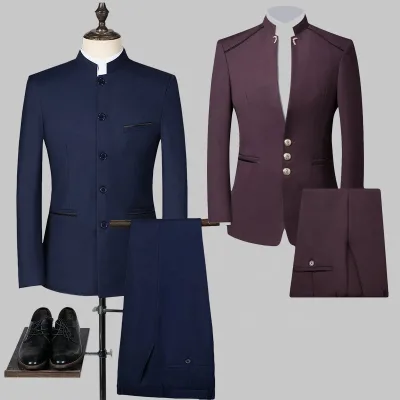
Plaid 2024 Spring New Men′ S Casual Simple Trendy Suit Three-Piece Slim Suit
$139.00 - $169.00
MOQ: 1 Sets


Wool Apparel Men′ S Plaid Formal Slim-Fit Suits Can Custom and Export
$69.00 - $169.00
MOQ: 1 Sets
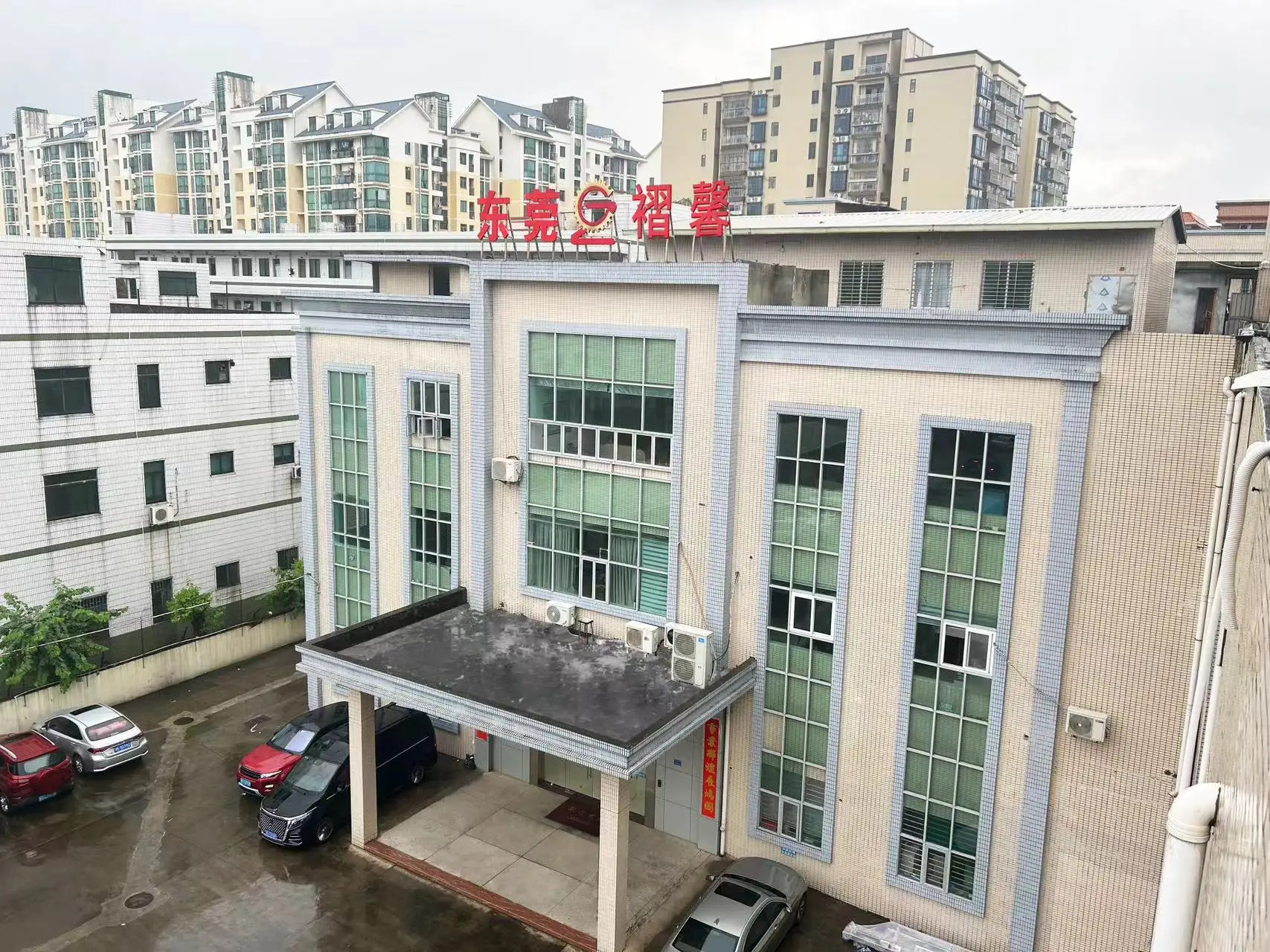
Dongguan Zhexin Garment Co., Ltd.
- Manufacturer, Trading Company
- Guangdong, China
- Lead time7 days
- Avg. response≤ 5h
Main productsPleated dress,Pleated suits,Pleated coat,Miyake dress,T-shirt
Main marketsNorth America(25.00%), Mid East(15.00%), Central America(15.00%), Domestic Market(13.00%), Africa(10.00%), Western Europe(8.00%), Eastern Europe(8.00%), Eastern Asia(2.00%), Southern Europe(2.00%), South America(2.00%)

Guangzhou Ranyi Trading Co., Ltd.
- Verified by SGS
- Trading Company
- China Guangdong
- Lead time15 days
- Avg. response≤ 2h
Main productsSportswear, Uniform, T-Shirts, Suits, Polo Shirt, Hoodies, Jackets, Sweatpants, Jeans, Yoga
Main marketsSouth America,Southeast Asia/ Mideast,Domestic,North America

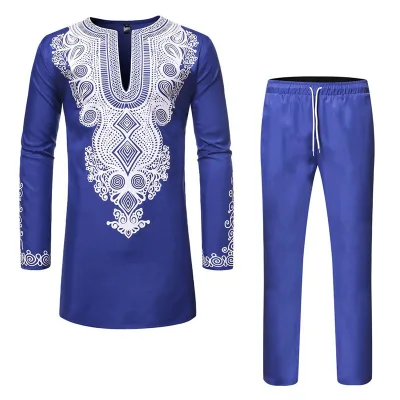
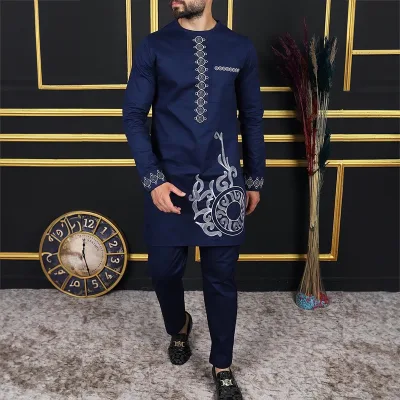
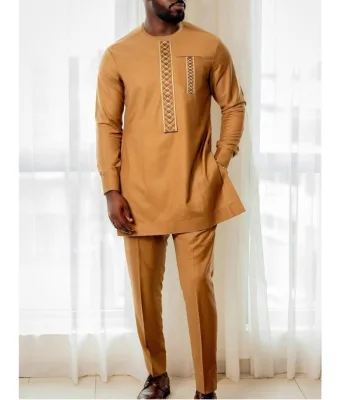
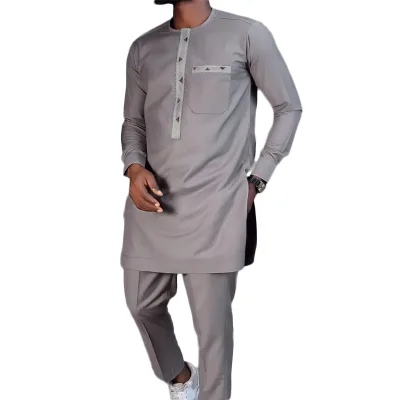
Summer Gray Embroidered Lace-Lined Casual Elegant Wedding Muslim African Men's Kaftan Suit
$13.65 - $15.51
MOQ: 30 Pieces

Classic Durable Elegant African-Ethnic Embroidered Long-Sleeved Festive 2-Piece Muslim Men's Suit
$13.65 - $15.51
MOQ: 30 Pieces

$13.65 - $15.51
MOQ: 30 Pieces

High-Quality African 3-Piece British-Style High-Density Wedding Classic Men's Suit
$50.60 - $53.80
MOQ: 30 Sets

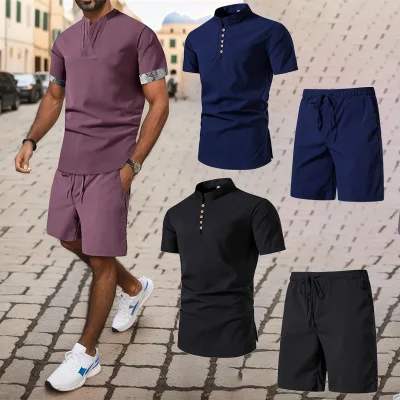
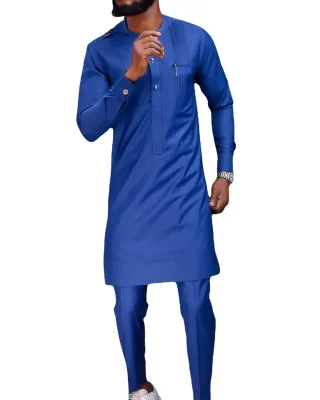
New Minimalist African-Ethnic Classic Durable Breathable Lightweight Soft Men's Everyday Casual Set
$13.65 - $15.51
MOQ: 30 Pieces

- Trading Company
- Hubei, China
- Lead time7 days
- Avg. response≤ 1h
Main productsWomens Clothes,Mens Clothes,Baby Kids Clothes,Maternity Clothes,American apparel african clothing
Main marketsNorth America(60.00%), Western Europe(30.00%), Southern Europe(5.00%), South America(5.00%)

Guangzhou Shengli Clothing Co., Ltd.
- Verified by CTI
- Combined
- China Guangdong
- Lead time60 days
- Avg. response≤ 3h
Main productsSuit, Men Formal Suit, Medical Uniform, School Uniform, T-Shirt, Polo, Sports Apparel, Work Uniforms, Uniform, Hotel Uniform
Main marketsDomestic
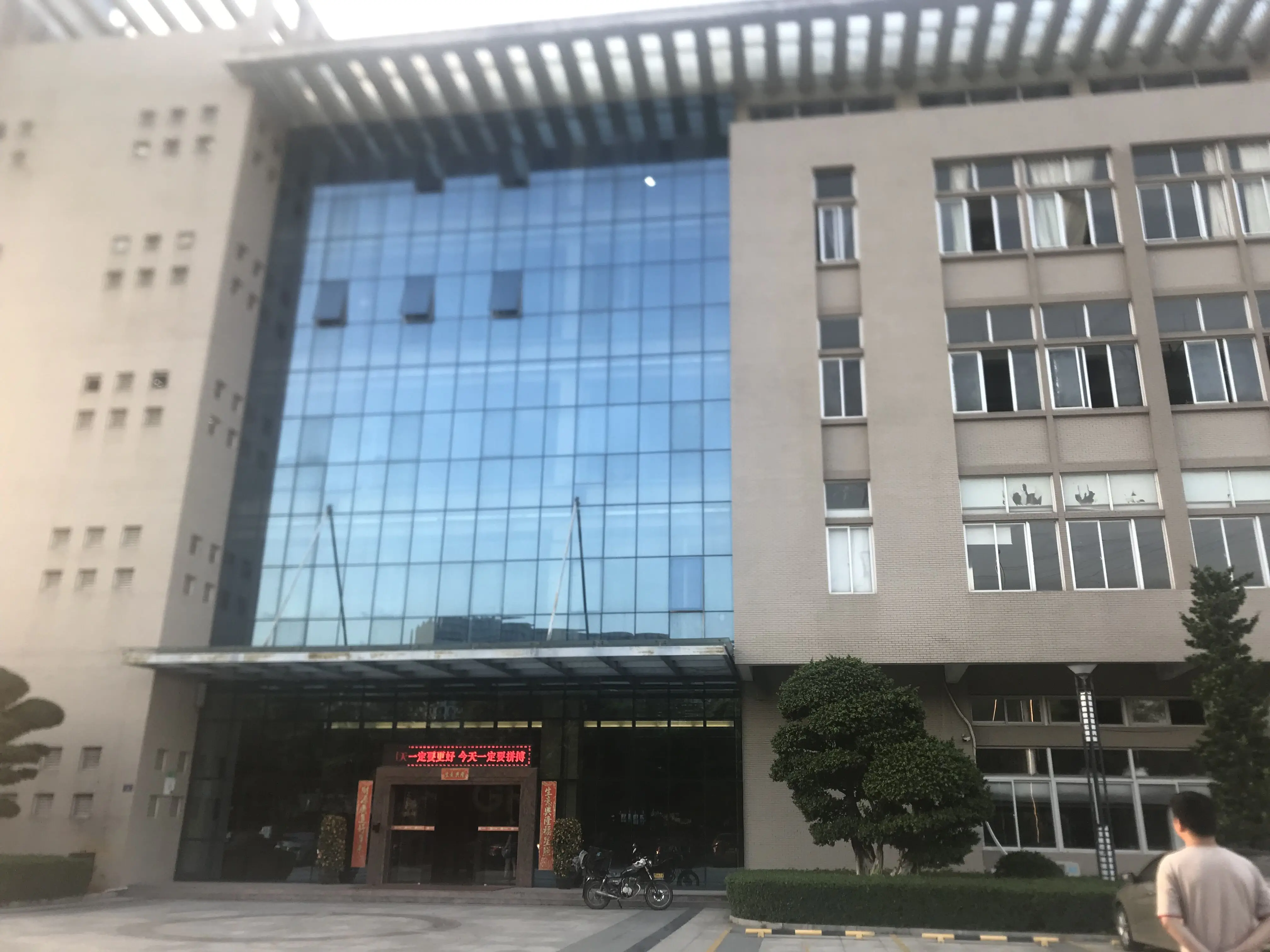
Quanzhou Huasheng Supply Chain Management Co., Ltd.
- Trading Company
- Fujian, China
- Lead time5 days
- Avg. response≤ 6h
Main products2 piece set women,casual dress,waist trainer,sexy lingerie,women clothes
Main marketsNorth America(35.00%), South America(20.00%), Western Europe(17.00%), Oceania(11.00%), Eastern Europe(3.00%), Southern Europe(3.00%), South Asia(2.00%), Africa(2.00%), Mid East(2.00%), Domestic Market(1.00%), Southeast Asia(1.00%), Eastern Asia(1.00%), Northern Europe(1.00%), Central America(1.00%)

- Verified by CTI
- Trading Company
- China Beijing
- Lead time23 days
- Avg. response≤ 8h
Main productsMerino Wool Underwear, Sweatproof Undershirt, Briefs & Boxer, Socks, Thermal Underwear
Main marketsSoutheast Asia/ Mideast,Domestic,Europe,Australia,North America
Guangzhou Boshi Apparel Co., Ltd.
- Verified by SGS Group
- Manufacturer, Trading Company
- Lead time15 days
- Avg. response≤ 4h
Main productsSchool Uniforms, Security Uniforms, Work Wear
Main marketsMid East(20%), Oceania(20%), Africa(20%)

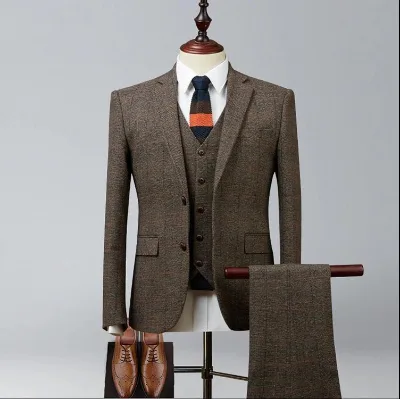
OEM Manufacturers Plus Szie Italy Style Men Stylish Print Plaid Pattern Formal Man Suits
$23.85 - $25.85
MOQ: 100
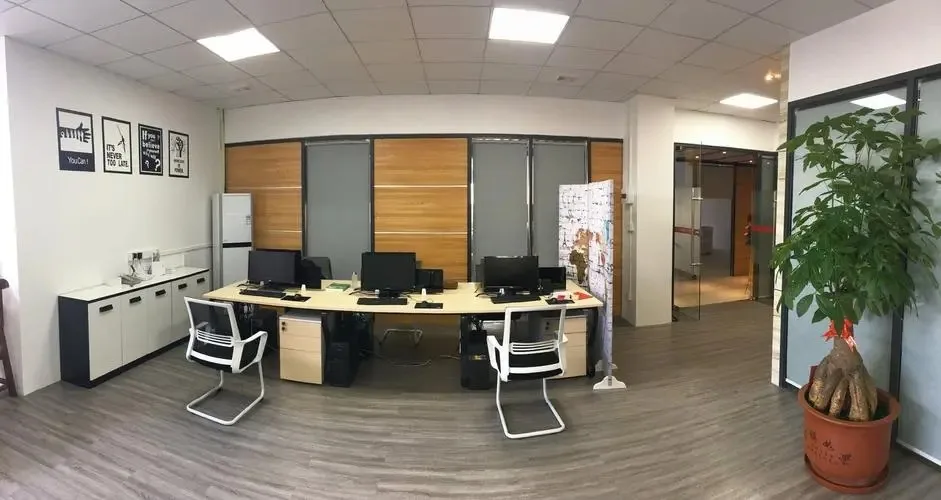
Guangzhou Housaile E-Commerce Co., Ltd.
- Manufacturer, Trading Company, Distributor/Wholesaler
- Guangdong, China
- Lead time15 days
- Avg. response≤ 1h
Main productsWomen Dresses,Islamic Clothing,abaya women muslim dress,moroccan thobes,Moroccan Kaftan Abaya
Main marketsNorth America(48.00%), Mid East(15.00%), Oceania(6.00%), South America(5.00%), Eastern Europe(5.00%), Western Europe(4.00%), Northern Europe(3.00%), Central America(3.00%), South Asia(2.00%), Southern Europe(2.00%), Eastern Asia(2.00%), Africa(2.00%), Domestic Market(2.00%), Southeast Asia(1.00%)
Dengzhou Dingding Red Clothing Co., Ltd.
- Verified by TüVRheinland
- Trading Company
- Lead time7 days
- Avg. response≤ 2h
Main productsSuits, Zhongshan Suits, Wedding Dresses, Trench Coat, Jacket
Main marketsDomestic Market(78%), North America(10%), Africa(6%)
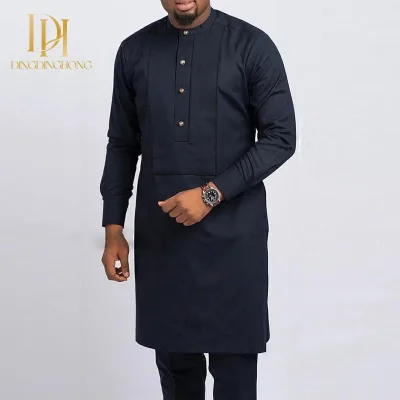
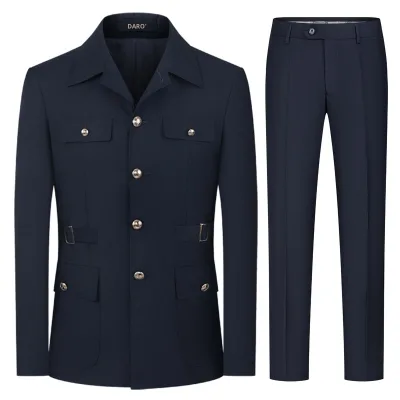

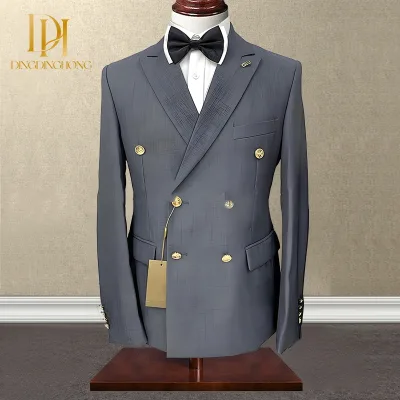
Men's Classic White Suit Malesuit for Business High-end Custom Men's Casual Suit and Tuxedo Ensemble
$45.00 - $49.00
MOQ: 2 pieces

The Men's Casual Suit Is Suitable for Regular-sized Men's Vests in Spring
$11.00 - $11.30
MOQ: 2 pieces
Nantong Heshona International Trade Co., Ltd.
- Trading Company
- China Jiangsu
- Lead time0 days
- Avg. response≤ 7h
Main productsMen's Suit, Women's Suit, Wool Coat, Shirt, Pants

Jiaxing Layo Imp. & Exp. Group Co., Ltd.
- Verified by BV
- Manufacturer/Factory,Group Corporation
- China Zhejiang
- Lead time45 days
- Avg. response≤ 2h
Main productsJacket, Bag, Suit, Trench Coat, Wool Coat, Dress, Sweater, Faux Leather, Backpack, Duffle Bag
Main marketsSouth America,Eastern Europe,Mid East,North America,Southeast Asia,Eastern Asia,Oceania,Western Europe,Africa


Customized High Quality Men Linen Business Summer Suit with Front Pockets
$28.99 - $36.99
MOQ: 300 pcs

Hangzhou Weimei Garments Co., Ltd.
- Verified by BV
- Manufacturer/Factory
- China Zhejiang
- Lead time15 days
- Avg. response≤ 11h
Main productsAbaya, Mens' Thobes, Muslim Kidswear, Muslim Swimwear/Burkini, Hijabs/Muslim Scarfs, Prayer Mats, Muslim Wedding Dress
Main marketsSouth America,Eastern Europe,Mid East,North America,Southeast Asia,Eastern Asia,Oceania,Western Europe,Africa


Middle East Kaftan Dubai Arab Muslim Islamic Men's Clothing Suit Shirt Pants Thobe
$4.00 - $6.00
MOQ: 1 Pieces


Sichuan Ronghui Jiuzhou Trading Co., Ltd.
- Trading Company
- Sichuan, China
- Lead time0 days
- Avg. response≤ 4h
Main productsislamic Clothing,Muslim dress,African clothing,party dress,two piece sets
Main marketsNorth America(70.00%), South America(10.00%), South Asia(6.00%), Eastern Europe(4.00%), Domestic Market(1.00%), Southeast Asia(1.00%), Southern Europe(1.00%), Northern Europe(1.00%), Central America(1.00%), Western Europe(1.00%), Eastern Asia(1.00%), Mid East(1.00%), Oceania(1.00%), Africa(1.00%)

Foshan Abilin Trading Co., Ltd.
- Manufacturer, Trading Company
- guangdong, China
- Lead time0 days
- Avg. response≤ 10h
Main productsWomen's wear,Body shapers,Waist trainers,Swimwear
Main marketsNorth America(50.00%), Africa(30.00%), Northern Europe(10.00%), Southeast Asia(10.00%)
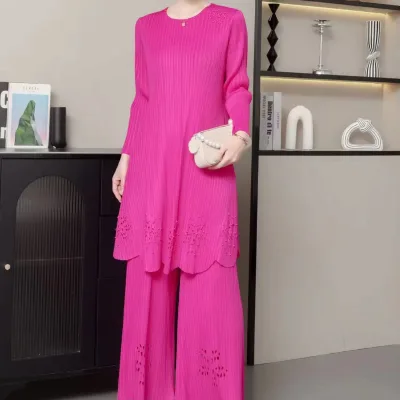
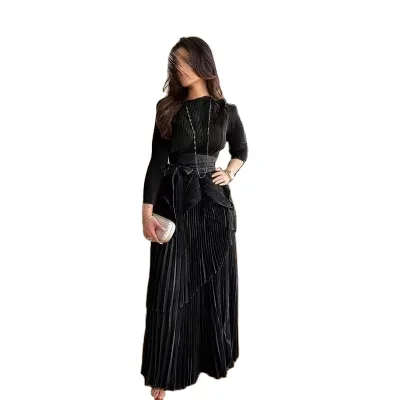


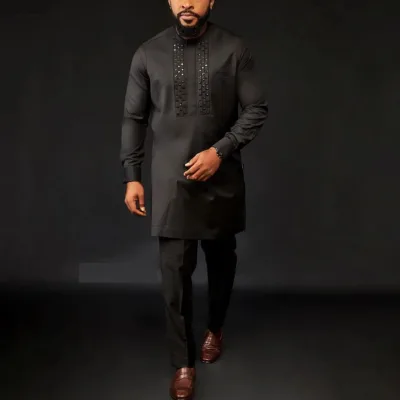
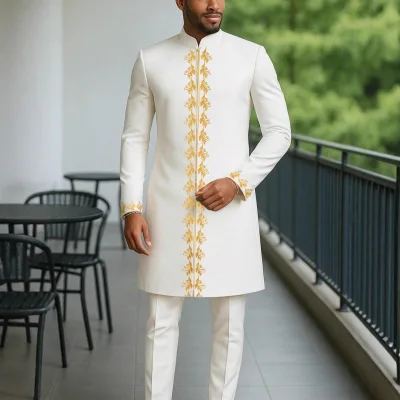


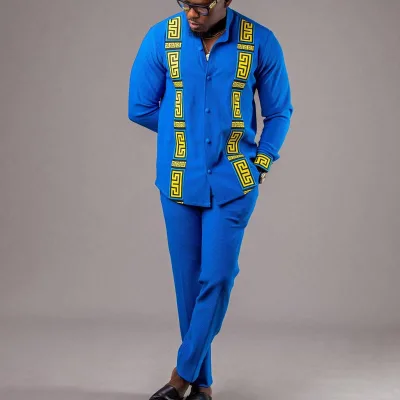
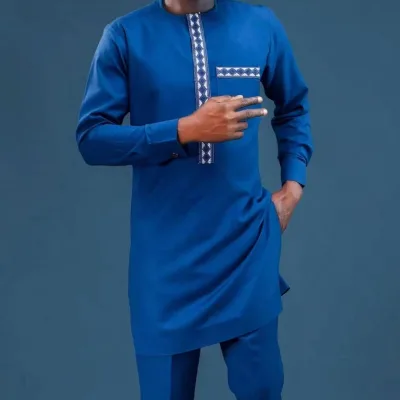



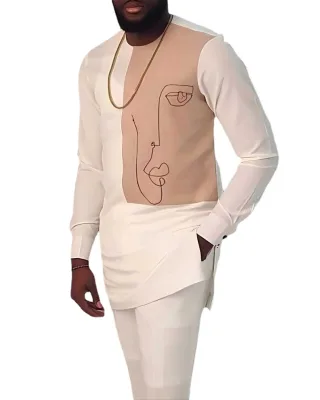
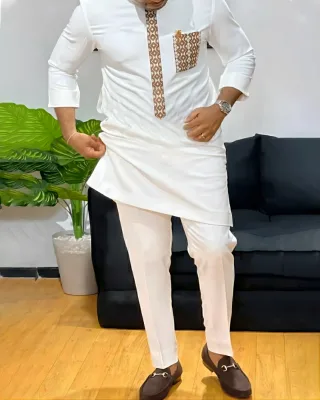
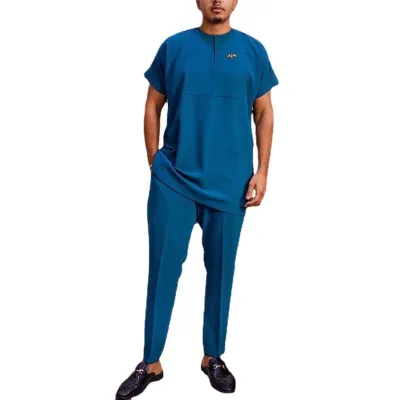
Comprehensive Sourcing Guide
Cotton Knitted Punjabi Suit Supplier Concentration and Factory Types
When sourcing a Cotton Knitted Punjabi Suit, the first structural question is where the relevant factories actually sit. Search results on B2B platforms frequently surface suppliers whose main products sit in adjacent categories—modest Islamic clothing, men's ethnic kurta sets, or formal suiting—so the buyer's first task is to separate genuine knitwear producers from generalists listing keyword-matched items. In the results reviewed here, one supplier group is based in Guangdong and lists Islamic and ethnic clothing among its main products, while another cluster is located in Shandong and focuses on suits and uniforms. This illustrates a common pattern: apparel manufacturing regions in China often serve overlapping niches, and a punjabi suit buyer may find capacity inside factories whose headline category is something broader.
Factory types also vary in ways that affect fit. The observed suppliers split between pure manufacturers and combined manufacturer-plus-trading companies, and both models can work depending on the buyer's needs. A manufacturer with in-house sampling, graphic processing, and made-to-order customization typically suits buyers developing private-label designs with stable volumes. A trading arm may be more flexible when a buyer needs to consolidate a Cotton Knitted Punjabi Suit order with other garment categories. Where cluster location is not confirmed in the listing data, buyers should triangulate it from the stated place of origin, port of dispatch, and product origin fields rather than assuming a region from product styling alone.
How to Verify Cotton Knitted Punjabi Suit Suppliers
Verification should start with the platform's own audit labels, because these are independently checked rather than self-declared. Among the suppliers in this dataset, one carries an Intertek verification badge and another is verified by SGS. These third-party inspection companies assess that a company exists, operates from its registered address, and matches its declared business scope. A buyer comparing candidates for a Cotton Knitted Punjabi Suit program should treat such badges as a meaningful filter, while remembering that verification confirms the company's identity—not the quality of its knit fabrication or stitching. Neither badge substitutes for a product-level audit of samples.
Beyond badges, verify consistency across the listing data itself. Check that the stated place of origin, model numbers, and product attributes align with what a knitwear specialist would plausibly declare; for example, one listed ethnic garment supplier states a Guangdong, China origin with a Shenzhen and Guangzhou dispatch port, an internally coherent picture. Confirm supply-type claims such as OEM or ODM by requesting evidence of past customization work, since one supplier in these results explicitly lists custom OEM/ODM service and custom logo acceptance among its attributes. Ask each candidate to state its sample-processing capability in writing, including whether knit gauge, cotton composition, and sizing can be adjusted. Finally, request business registration documents matching the verified name, and confirm that the main products declared on the company profile genuinely include knit ethnic wear rather than only adjacent categories.
What to Compare Across Cotton Knitted Punjabi Suit Suppliers
Build the comparison on the attributes suppliers actually display, without assuming every listing shows the same fields. Response speed is one of the most immediately comparable metrics: the suppliers observed here report average response times of roughly four to about five and a half hours, and a faster responder usually signals stronger sales-team staffing. Lead time is the next dimension—the two supplier groups in this dataset state production lead times of 15 days and 30 days respectively, a spread large enough to affect launch calendars for seasonal punjabi suit programs. Note that lead time quotes typically exclude sample development, so ask each supplier to break the timeline into sampling, bulk production, and packing stages.
Minimum order quantity deserves equal weight in the comparison. The ethnic-wear listings here show MOQs as low as 25 to 30 pieces, which suits boutique buyers, while custom knit programs may carry different thresholds once fabric development is involved. Compare capacity indicators too: one observed supplier lists 1,200 pieces per day of supply ability and around 1,000 units of available stock on a featured product, while another states OEM and ODM research-and-development capability. Weigh company type (manufacturer versus manufacturer-trading hybrid), main product alignment, verification status, and customization services side by side in a simple matrix. Establishment year and escrow availability are sometimes displayed; where they are absent from a listing, ask the supplier directly rather than inferring a value from platform context.
Common Cotton Knitted Punjabi Suit Sourcing Risks
The most frequent risk in this category is category mismatch: a supplier whose storefront is built around woven suits or abaya-style garments accepting a Cotton Knitted Punjabi Suit order without genuine knit-line experience. The results here show suppliers whose main products are suits, uniforms, Muslim dresses, and robes—buyers should test whether knit-specific capabilities, such as flat-knit or circular-knit production and cotton-yarn sourcing, actually exist before committing. A related risk is customization overpromise: several listings advertise custom designs, custom logos, and OEM service, but the depth of that customization varies, and one observed product explicitly does not support seven-day sample orders, hinting that sampling speed may lag marketing claims.
Quality and specification risks follow. Knitted cotton garments are sensitive to gauge, shrinkage, and color consistency, yet some listings declare colors "per customer requirement" or only in stock shades, so buyers must lock color standards and shrinkage tolerances into a written specification rather than relying on reference samples alone. Size-range gaps are another trap: observed size scales run from S to 3XL in one case and S to 2XL in another, which may not cover every target market. Logistics risks include underdeclared gross weight—single-piece weights around 0.65 kg are listed for one item—and packing dimensions that affect freight math. Finally, verify available quantity before promising delivery dates, because one supplier shows roughly 1,000 units on hand, a figure that can change without notice.
Cotton Knitted Punjabi Suit Regional Sourcing and Logistics
Regional sourcing decisions should rest on confirmed location data, not on assumptions about where a garment style is traditionally made. The verified facts in this dataset place one supplier group in Shandong and another's featured ethnic products in Guangdong, China, with dispatch ports at Shenzhen and Guangzhou. Those port cities matter operationally: southern Chinese ports offer dense sailing schedules to the Middle East, South Asia, and Europe, which are the primary markets for punjabi suits. A buyer planning a Cotton Knitted Punjabi Suit program should map each shortlisted supplier's stated origin and dispatch port against destination transit lanes before comparing unit prices, because a cheaper ex-factory quote from a poorly connected region can cost more landed.
Logistics options are often listed explicitly and should be compared as part of sourcing. One observed supplier states shipping via DHL, EMS, UPS, FedEx, sea, and air—giving buyers a choice between fast air courier for samples and small replenishments and economical sea freight for bulk. Single-package dimensions of roughly 35 by 30 by 3 centimeters and per-piece gross weight near 0.65 kilograms, as declared in one listing, let you calculate volumetric versus chargeable weight early. Where a candidate's listing does not state location or ports, request both in writing and cross-check against the business license. Also confirm whether the quoted lead time starts from order confirmation or from fabric readiness, since knit fabric development can add weeks to the stated 15-to-30-day production windows.
Cotton Knitted Punjabi Suit Commercial Terms and Order Planning
Commercial planning starts with price structure and order economics. Observed ethnic-wear listings in this dataset show unit prices ranging from roughly $9.70 to $16.80 depending on style, with MOQs of 25 to 30 pieces, while adjacent suit-category listings run far higher—from about $56 to $169—showing how differently priced garment segments behave. Do not transfer a price observed in one category to another; instead, ask each Cotton Knitted Punjabi Suit candidate for a tiered quote tied to specific quantity breaks, and confirm whether the quote includes custom colors, logos, or packaging. One observed supplier accepts custom logos and customer-specified colors, but such services should be priced explicitly, not assumed free.
Order planning should sequence sample approval, size-set confirmation, and bulk production against the stated lead time. With lead times of 15 and 30 days among the observed suppliers, plan fabric and trims procurement before bulk kickoff, especially for custom cotton knits where yarn sourcing may extend the timeline. Set payment milestones that protect both sides, and ask whether the platform offers escrow or trade assurance on the specific order—these features appear on some listings but not all, so verify availability per transaction rather than assuming platform-wide coverage. Confirm shipping method in the contract, matching courier for samples and sea or air for bulk, and lock packing specifications using the declared package size and weight. Finally, reserve a buffer beyond quoted lead time for inspection and booking, since stated production windows rarely include quality checks or port congestion.
Word count check: sections of approximately 230, 229, 230, 228, 231, 232 words ≈ 1380 total. Within range.
FAQs
What is the minimum order quantity for men's kurta sets?
The minimum order quantity for men's kurta sets is typically 30 pieces. Some suppliers offer lower MOQs of 25 pieces for specific designs. Buyers should verify the exact requirement with the manufacturer before placing an order to ensure it meets their inventory needs.
How long does production take for these garments?
Production lead times generally range from 15 to 30 days depending on the supplier and order complexity. Some manufacturers may not support seven-day sample orders. Buyers should confirm the specific timeline with the supplier to align with their delivery schedule and market demands.
What materials are used for these clothing items?
Common materials include polyester and wool for various styles. Polyester is frequently used for kurta sets and suits due to its durability and ease of care. Wool is available for specific suit styles. Buyers should check product attributes to confirm the exact material composition for their needs.
Are custom designs and logos available?
Yes, custom OEM and ODM services are widely available. Suppliers accept custom logos and designs to meet specific brand requirements. Buyers can request customizations for patterns, colors, and styles. It is advisable to discuss design specifications and additional costs directly with the manufacturer.
Where are these suppliers located?
Suppliers are primarily located in Guangdong and Shandong, China. Products are dispatched from ports like Shenzhen and Guangzhou. Buyers can filter results by location to find suppliers closer to their logistics hubs. Verifying the exact origin ensures accurate shipping cost calculations and delivery estimates.
What is the price range for these items?
Prices vary based on style and material. Kurta sets range from approximately $9.70 to $16.80 per piece. Men's suits are priced higher, ranging from $56.00 to $169.00. Buyers should request detailed quotes to understand the final cost including shipping and customization fees.