Cotton Fabric Horse Riding Boots Suppliers and Manufacturers
Explore 19 verified suppliers offering Cotton Fabric Horse Riding Boots with diverse certifications like ISO and CE. Buyers can compare lead times, response times, and MOQs to find the right partner. Contact suppliers directly to request samples or custom orders.
Suppliers List
- Verified by TüVRheinland
- Manufacturer, Trading Company
- Lead time7 days
- Avg. response≤ 4h
Main productsMilitary and Police Protectors, Sports Protectors, Personal Protection Equipment, Anti Riot Gear, Bullet Proof Jacket
Main marketsWestern Europe(33%), Eastern Europe(19%), Mid East(8%)
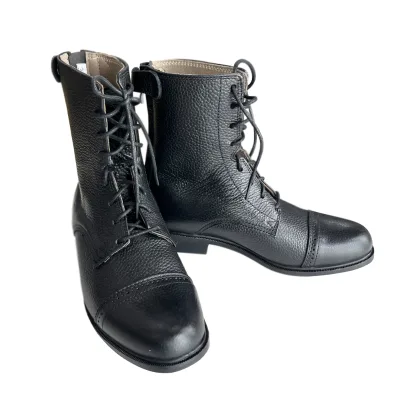
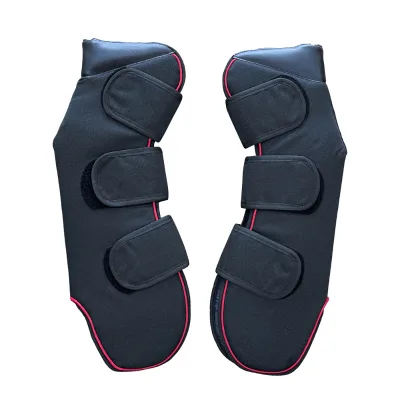
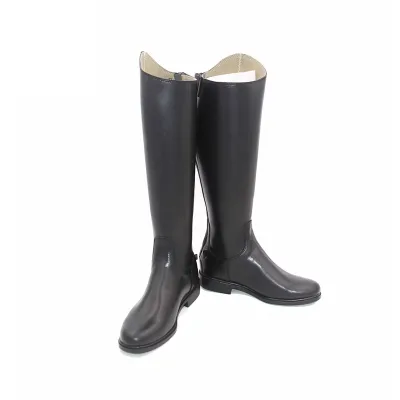
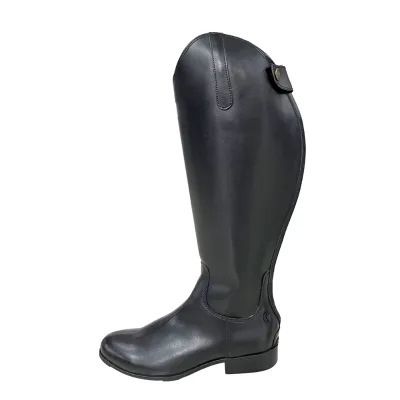
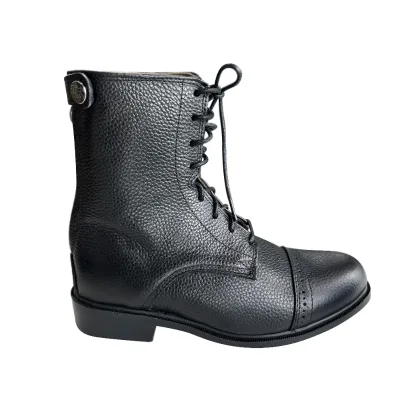
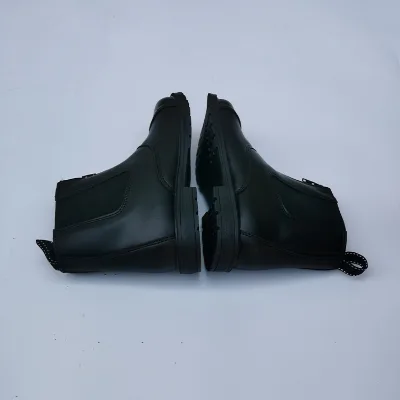
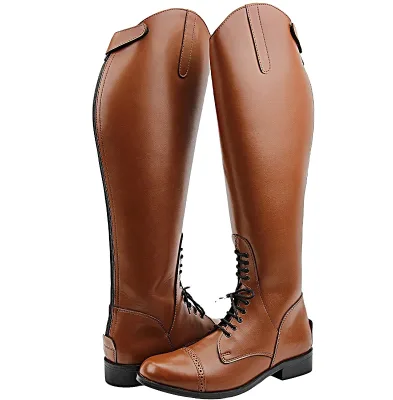
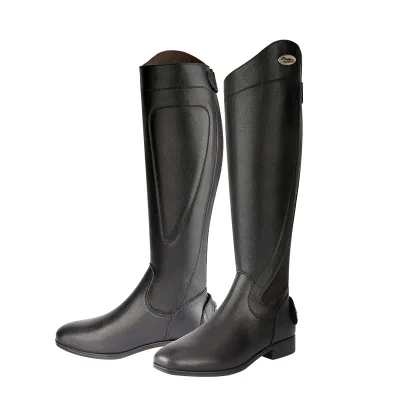
Horse Riding Boots Lightweighted Equestrian Horse-Riding Microfiber High Zipper Boots
$69.00 - $80.00
MOQ: 10 pairs

HAWSON INTERNATIONAL INDUSTRIAL LIMITED
- Trading Company
- China Zhejiang
- Lead time45 days
- Avg. response≤ 25h
Main productsSaddlery, Equestrian Products, Grooming Kit, Whips, Harness, Brush Hoof Pick, Dog Apparel, Girth Halter Lead Rope Bandage, Bag, Horse Stable Rack
Main marketsSouth America,Southeast Asia/ Mideast,Europe
JONE SHOU INDUSTRIAL CO., LTD.
- Verified by SGS Group
- Manufacturer, Trading Company
- Lead time60 days
- Avg. response≤ 3h
Main productsSaddle Pad, Girth, Front/Ankle Boots, Fly Mask, Protection item
Main marketsWestern Europe(38%), North America(37%), Southern Europe(13%)
Dongguan Muchen Sporting Goods Co., Ltd.
- Verified by SGS Group
- Trading Company
- Lead time30 days
- Avg. response≤ 4h
Main productsYoga Pants, Sports Bra, Horse Riding Pants, Fishing Clothing, Men Sports Wear
Main marketsNorth America(60%), Western Europe(20%), Oceania(10%)
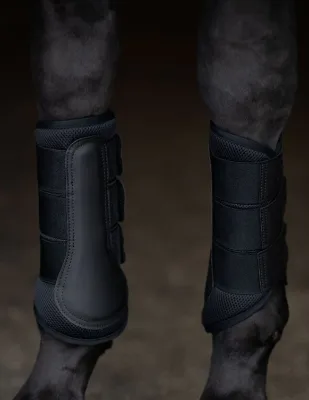
$10.00 - $18.00
MOQ: 50 sets
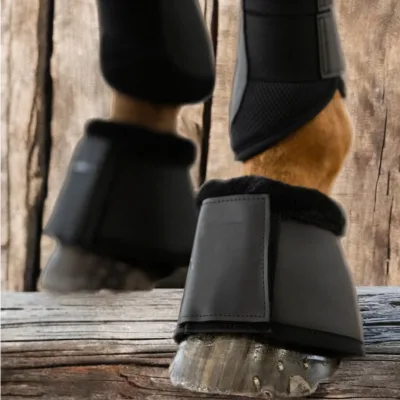

DongGuan Saivlon Sport Goods Co., Ltd.
- Verified by BV
- Combined
- China Guangdong
- Lead time23 days
- Avg. response≤ 4h
Main productsSwimsuit, Rash Guard, Horse Equipment, Sport Swear, Horse Products, Horse Rug, Horse Bell Boots, Horse Bits, Neoprene Bag, Horse Tack
Main marketsSouth America,East Asia(Japan/ South Korea),Europe,Australia,North America

Xiamen Furvorite Pet Supplies Co., Ltd.
- Verified by SGS
- Trading Company,Manufacturer/Factory
- China Fujian
- Lead time45 days
- Avg. response≤ 3h
Main productsDog Harness, Pet Clothes, Dog Leash, Dog Collar, Pet Bed, Pet Accessories, Pet Grooming Tool, Pet Gates & Furniture, Pet Bowls & Feeding, Dog Brace
Main marketsSouth America,Eastern Europe,Mid East,North America,Southeast Asia,Eastern Asia,Oceania,Western Europe,Africa

Customized Horse Boots Set Horse Leg Protection, Equestrian Gear and Riding Boots
$16.50 - $20.20
MOQ: 5 Pieces


Adjustable Neoprene Horse Boots Shock Absorbing Protection Horse Riding Boots for Training
$16.50 - $20.20
MOQ: 5 Pieces

Bulk 4PCS Neoprene Horse Riding Boots Leg Wraps Horse Tendon Boots Horse Protection
$19.98 - $26.53
MOQ: 5 Pieces


Shijiazhuang Dongcang Trading Co., Ltd.
- Verified by SGS
- Trading Company,Manufacturer/Factory
- China Hebei
- Lead time15 days
- Avg. response≤ 11h
Main productsHandbag, Shoulder Bag, Shoes, Clothes, Jewelry, Swimwear, Sunglasses
Main marketsSouth America,Eastern Europe,Mid East,North America,Southeast Asia,Eastern Asia,Oceania,Western Europe,Africa
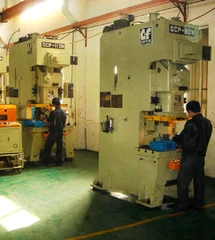
- Trading Company
- Taiwan, China
- Lead time45 days
- Avg. response≤ 8h
Main productsPet items,Horse Items
Main marketsNorth America(75.0%), Northern Europe(19.0%), South Asia(1.0%), Southern Europe(1.0%), South America(1.0%), Western Europe(1.0%), Mid East(1.0%), Southeast Asia(1.0%)
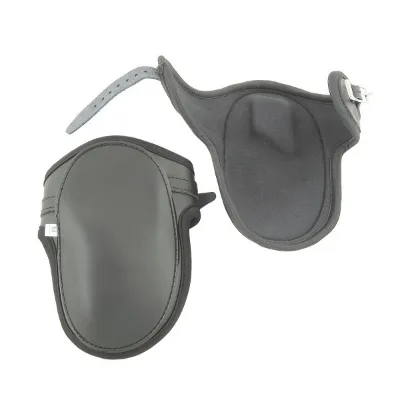
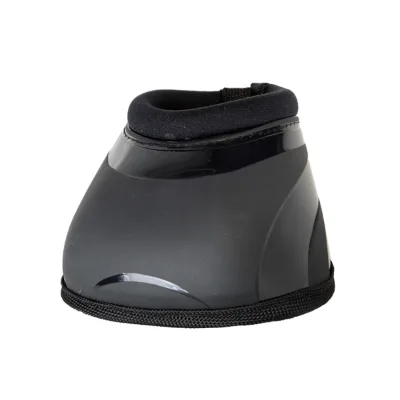
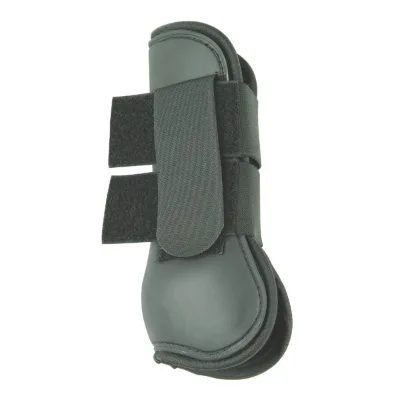
Top Selling Neoprene Front Horse Riding Boots
Contact supplier

- Trading Company
- Guangxi, China
- Lead time7 days
- Avg. response≤ 3h
Main productsWomen's bag,Life bags,Handbag,Luggage and travel bag,Men's bags
Main marketsNorth America(20.0%), Mid East(15.0%), Central America(10.0%), South Asia(10.0%), Southeast Asia(10.0%), South America(10.0%), Oceania(5.0%), Eastern Asia(5.0%), Africa(5.0%), Eastern Europe(5.0%), Western Europe(3.0%), Northern Europe(2.0%)

- Verified by SGS
- Combined
- China Zhejiang
- Lead time15 days
- Avg. response≤ 14h
Main productsAnti Riot Suit, Anti Riot Shield, Anti Riot Helmt, Gas Mask, Bullet Proof Vest, Stab Proof Vest, Handcuff, Knee Pad, Elbow Pad
Main marketsSouth America,Africa,Others(foreignTradeCapacity.exportBusinessCapacityMarketOther),Southeast Asia/ Mideast,Domestic,Europe,North America


Adjustable Horse Tendon Fetlock Brace Guard Boots Horse Leg Protection
$12.00 - $15.00
MOQ: 100 Pieces

Equestrian Horse Neoprene Tendon Boots with PU Hard Shell Protect Horse Legs
$13.90 - $15.90
MOQ: 3 pcs

Horse Neoprene Tendon Boots with Air Hole PU Hard Shell Horse's Leg Protection
$13.90 - $16.00
MOQ: 1 pcs

Wholesale Elastic PU Shock Absorbing Horse Riding Tendon Boots (Set of 4)
$12.00 - $15.00
MOQ: 100 Pieces


Henan Joinwell Industrial Co., Ltd.
- Verified by BV
- Trading Company
- China Henan
- Lead time15 days
- Avg. response≤ 3h
Main productsPlastic Collasible Container, Steel Bulk IBC Container, 210L Steel Drum, Plastic Pallet Container, Thermal Roll Cage Cover, Steel Roll Container, Pallet Wrap, Cooler Box, Aseptic Bag, Plastic IBC Tank
Main marketsSouth America,Others(foreignTradeCapacity.exportBusinessCapacityMarketOther),East Asia(Japan/ South Korea),Europe,North America

Professional Equestrian Obstacle Protective Gear Nubuck Equestrian Equipment Horse Riding Boots
$15.80 - $16.80
MOQ: 10 Pieces

Customised Best-Selling Horse Leg Protection, Equestrian Gear and Riding Boots
$17.80 - $18.80
MOQ: 50 Pieces


$17.80 - $18.80
MOQ: 50 Pieces
JiangXi Fanfaree Light Industry Co.,Ltd
- Manufacturer, Trading Company
- JiangXi, China
- Lead time30 days
- Avg. response≤ 3h
Main productsHorse Rugs,Sport Bags,Pet Bags,Sadle Padds
Main marketsDomestic Market(100.0%)
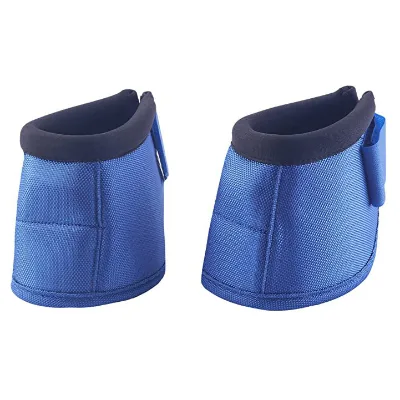
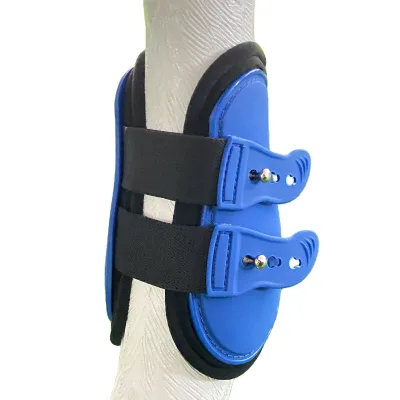
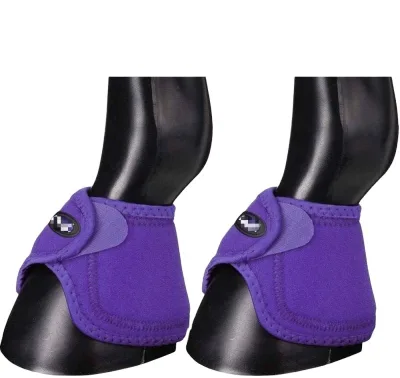
Easy-Clean Durable Affordable Horse Leg Protection Rubber Equestrian Riding Bell Boots
$12.55 - $13.93
MOQ: 500
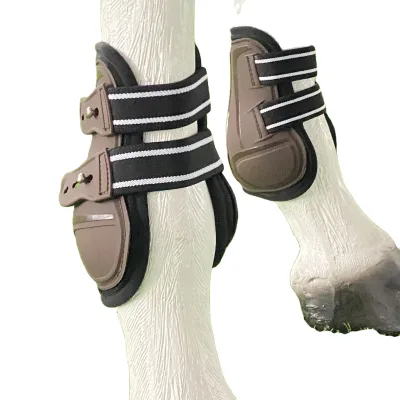
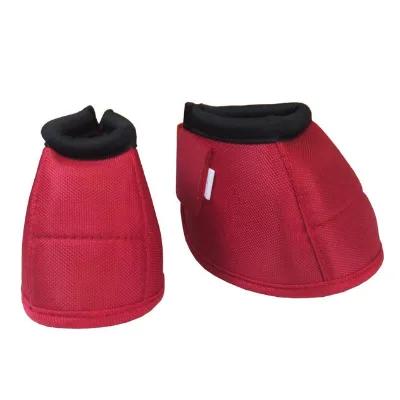
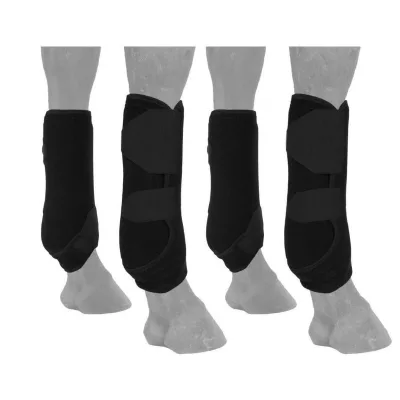
$13.71 - $18.91
MOQ: 500 sets
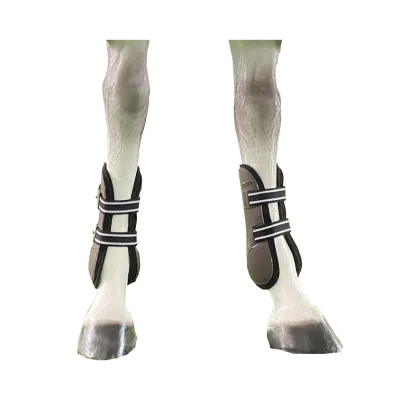

Xingtai Hofeny Import And Export Trading Co., Ltd.
- Trading Company
- Hebei, China
- Lead time0 days
- Avg. response≤ 20h
Main productsback support,knee support,posture corrector,shapers,sportswear
Main marketsNorth America(35.0%), South America(25.0%), Eastern Europe(10.0%), Northern Europe(5.0%), South Asia(5.0%), Eastern Asia(4.0%), Central America(3.0%), Domestic Market(2.0%), Africa(2.0%), Mid East(2.0%), Southeast Asia(2.0%), Oceania(2.0%), Southern Europe(1.0%), Western Europe(1.0%)
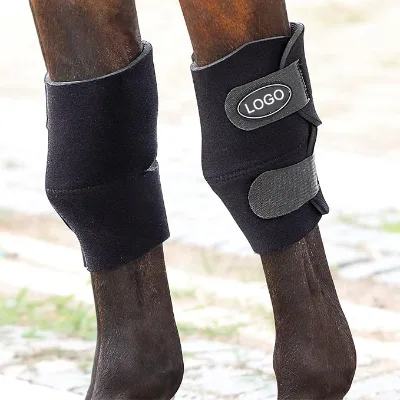
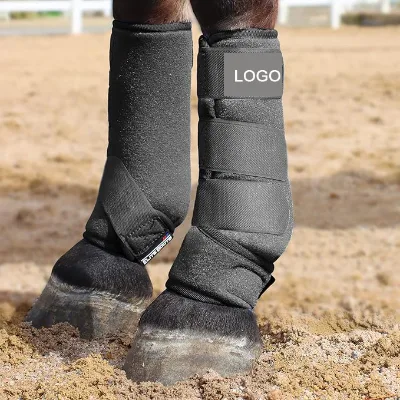
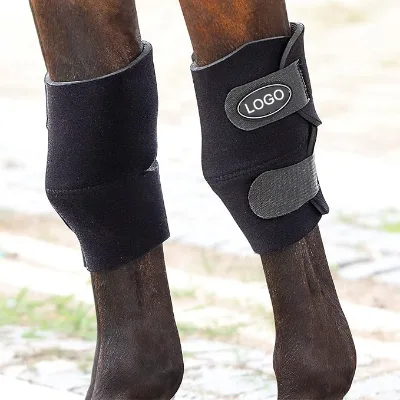
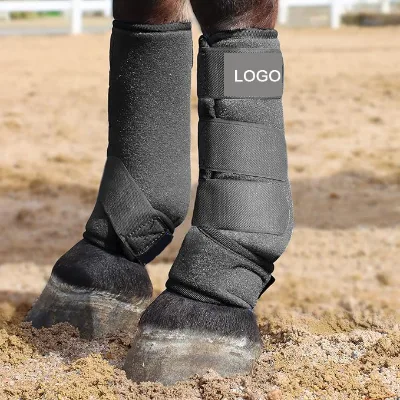
Embossing Design Adjustable Anti Skid Neoprene Horse Boots for Front and Hind Leg
$7.88 - $8.71
MOQ: 50 pairs
Dongguan Goodtop Sport Goods Co., Ltd.
- Manufacturer, Trading Company
- Guangdong, China
- Lead time5 days
- Avg. response≤ 6h
Main productsGun Holster,Sport Bag,Bodyshape Belt,Sport Support Belt,Gun Bag
Main marketsNorthern Europe(100.0%), Eastern Europe(100.0%), Central America(100.0%), South Asia(100.0%), Mid East(100.0%), Western Europe(20.0%), North America(20.0%), Africa(15.0%), Eastern Asia(10.0%), Southeast Asia(10.0%), Southern Europe(10.0%), Domestic Market(5.0%), South America(5.0%), Oceania(5.0%)
Hangzhou Jolly Accessories Co., Ltd.
- Verified by TüVRheinland
- Trading Company
- Lead time20 days
- Avg. response≤ 3h
Main productsRain Boots, Scarves, Hats, Bags, Gloves
Main marketsEastern Europe(30%), North America(20%), Eastern Asia(15%)
Yutian Futai International Trade Co., Ltd.
- Trading Company
- Hebei, China
- Lead time30 days
- Avg. response≤ 1h
Main productspig farm equipments,sheep farm equipments,cattle farm equipments,horse farm equipments,Poultry farm equipments
Main marketsCentral America(10.0%), South America(10.0%), Southeast Asia(10.0%), Northern Europe(8.0%), Eastern Europe(8.0%), Western Europe(8.0%), Southern Europe(8.0%), North America(8.0%), Eastern Asia(6.0%), Mid East(6.0%), Oceania(6.0%), South Asia(5.0%), Africa(4.0%), Domestic Market(3.0%)
Xiamen Uptex Industrial Co., Ltd.
- Verified by SGS Group
- Manufacturer, Trading Company
- Lead time35 days
- Avg. response≤ 5h
Main productsHorse Rugs, Saddle Pads, Equine Accessories, Horse Riding Wear, Pet Supplies
Main marketsNorth America(35%), Western Europe(20%), Oceania(10%)
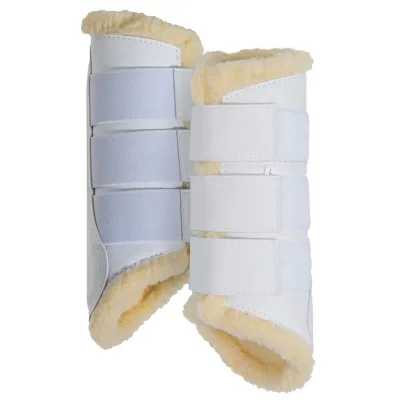
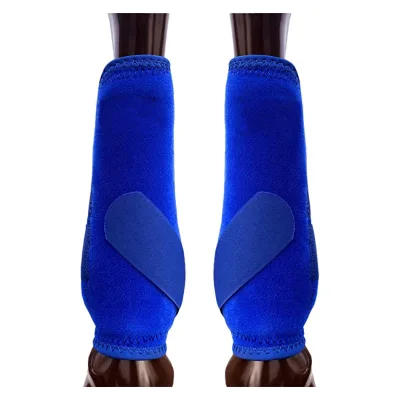
Horses Boots Fleece Lined Faux Leather Woof Brushing Boots for Training Jumping Riding Eventing
$10.75 - $11.78
MOQ: 200 sets
Quan Zhou Weizhili Trading Co., Ltd.
- Trading Company
- Fujian, China
- Lead time90 days
- Avg. response≤ 1h
Main productsoutdoor shoes,casual shoes,sport shoes,sandals,snow boots
Main marketsSouthern Europe(20.0%), Eastern Europe(20.0%), Northern Europe(20.0%), North America(20.0%), Mid East(10.0%), South America(10.0%)
Hangzhou Centralstar Sporting Goods Co., Ltd.
- Verified by Intertek
- Trading Company
- Lead time40 days
- Avg. response≤ 3h
Main productsRubber Boots, Waders, Snow Boots
Main marketsNorth America(70%), Western Europe(10%), Oceania(10%)




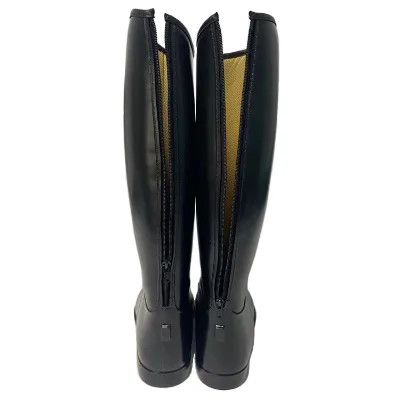
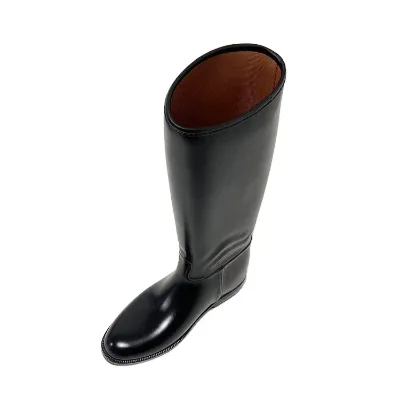
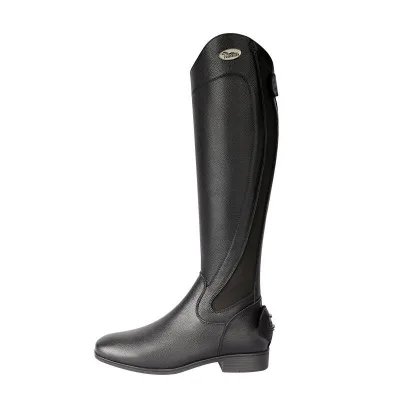
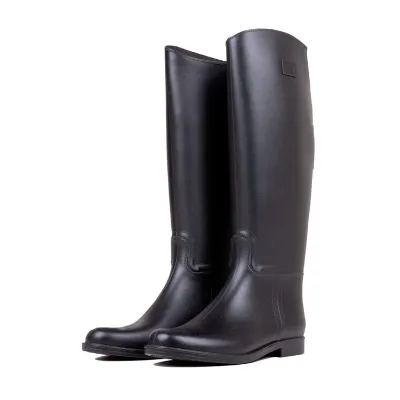
Comprehensive Sourcing Guide
Cotton Fabric Horse Riding Boots Supplier Concentration and Factory Types
The current supplier landscape for equestrian footwear reveals a mix of manufacturing capabilities and trading operations, offering buyers diverse sourcing pathways. Data indicates that the available suppliers operate as both manufacturers and trading companies, which significantly influences the procurement strategy for specialized items like horse riding boots. Manufacturers typically provide direct access to production lines, allowing for greater control over material selection and construction quality, while trading companies may offer a broader portfolio of styles and faster access to existing stock. This dual nature of the supplier base means that buyers must carefully distinguish between the two entity types to align with their specific operational needs, whether that involves custom OEM development or rapid procurement of standard inventory. The presence of both types suggests a mature supply chain where specialized factories coexist with agile distributors, providing flexibility for orders of varying sizes and complexities.
Furthermore, the product evidence highlights a strong concentration of origin in Zhejiang, China, for several key equestrian boot models. This regional clustering is a critical factor for sourcing, as it implies established industrial ecosystems for leather processing, microfiber manufacturing, and assembly. Buyers can leverage this geographic concentration to streamline logistics and potentially reduce shipping costs by consolidating orders from suppliers within the same province. The specific mention of Zhejiang as the place of origin for multiple product listings, including those made from cowhide and microfiber, underscores the region's role as a hub for equestrian equipment production. Understanding this concentration allows buyers to focus their supplier search efforts on this specific area, thereby increasing the likelihood of finding reliable partners with proven expertise in this niche. It also facilitates easier verification of factory capabilities through local inspections or third-party audits, given the density of relevant businesses in the region.
How to Verify Cotton Fabric Horse Riding Boots Suppliers
Verification is a critical step in mitigating risk when sourcing from international suppliers, particularly for protective gear and specialized footwear. Buyers should prioritize suppliers that have undergone third-party verification processes, such as those conducted by TüVRheinland, which adds a layer of credibility to the supplier's operational claims. This verification status serves as an initial filter, indicating that the supplier has met certain baseline standards for business legitimacy and operational capacity. However, verification alone is not sufficient; buyers must also scrutinize the specific certifications held by the supplier, such as ISO 9001, ISO 14001, ISO 45001, and CE marks. These certifications demonstrate adherence to quality management, environmental standards, occupational health and safety, and European conformity, respectively. For equestrian boots, which often involve safety-critical components, these credentials are essential indicators of a supplier's commitment to producing reliable and compliant products.
In addition to certifications, buyers should assess the supplier's response time and overall communication efficiency. A response time of four hours, as observed in some supplier data, suggests a high level of operational readiness and customer service commitment. Quick responses are indicative of a supplier's ability to handle inquiries, negotiate terms, and resolve issues promptly, which is vital for maintaining smooth supply chain operations. Buyers should also verify the supplier's capacity for sample processing and customized production, as these capabilities are crucial for ensuring that the final product meets specific design and functional requirements. The ability to provide samples in stock or within a reasonable timeframe allows buyers to evaluate product quality before committing to larger orders. By combining verification status, certification checks, and communication assessment, buyers can build a comprehensive profile of a supplier's reliability and suitability for their specific sourcing needs.
What to Compare Across Cotton Fabric Horse Riding Boots Suppliers
When evaluating multiple suppliers, buyers must compare key operational metrics to determine the best fit for their business requirements. One of the most significant factors is the Minimum Order Quantity (MOQ), which varies considerably across different product listings. For instance, some suppliers offer an MOQ of just two pairs, making them suitable for small-scale testing or niche markets, while others require orders of 100 pieces or more, catering to larger commercial buyers. Understanding these MOQ differences is essential for aligning supplier capabilities with inventory strategies and cash flow constraints. Buyers should also compare the price ranges, which can span from approximately $38 to over $80 per unit, depending on the material, complexity, and customization options. This price variance reflects the diversity in product quality and features, such as the use of cowhide leather versus microfiber or Oxford cloth, and buyers must balance cost against desired product specifications.
Lead times and production capacity are another critical area for comparison. Suppliers may offer lead times as short as seven days, which is advantageous for buyers needing rapid replenishment or responding to urgent market demands. However, buyers must also consider the supplier's capacity for customized production, including graphic processing and on-demand customization. The ability to handle OEM/ODM requests is a valuable asset for brands seeking unique product differentiation. Additionally, buyers should compare the specific product attributes, such as material composition, size ranges, and functional features like anti-slip or flame-resistant properties. These details directly impact the suitability of the boots for specific equestrian activities and customer expectations. By systematically comparing MOQs, prices, lead times, and customization capabilities, buyers can make informed decisions that optimize both cost efficiency and product quality.
Common Cotton Fabric Horse Riding Boots Sourcing Risks
Sourcing equestrian footwear from international suppliers introduces several potential risks that buyers must proactively manage. One significant risk is the discrepancy between product descriptions and actual received goods, particularly regarding material quality and construction standards. For example, while some listings specify cowhide leather, others may use microfiber or synthetic materials, which have different durability and performance characteristics. Buyers must ensure that the materials specified in the contract match the physical samples received, as mismatches can lead to customer dissatisfaction and returns. Another risk is the variability in sizing and fit, as equestrian boots require precise measurements for safety and comfort. Differences in size charts between suppliers can cause confusion, especially when ordering from multiple sources. Buyers should verify size specifications carefully and consider ordering samples to test fit before placing bulk orders.
Payment terms and financial security also pose risks if not properly structured. Some suppliers require a 30% deposit with the balance paid upon completion, which exposes buyers to financial risk if the supplier fails to deliver or delivers substandard products. Buyers should prioritize suppliers who offer secure payment methods, such as escrow services, which hold funds until the buyer confirms receipt and quality of the goods. Additionally, there is a risk related to intellectual property and branding, especially when working with OEM suppliers. Buyers must ensure that their brand logos and designs are protected and that the supplier does not share their designs with competitors. Clear contracts and non-disclosure agreements are essential to mitigate this risk. By identifying and addressing these potential pitfalls, buyers can safeguard their investments and maintain the integrity of their brand reputation in the equestrian market.
Cotton Fabric Horse Riding Boots Regional Sourcing and Logistics
The geographic concentration of suppliers in Zhejiang, China, offers distinct logistical advantages for buyers sourcing equestrian boots. This region is well-established in the manufacturing of footwear and equestrian equipment, providing a robust infrastructure for production and export. Buyers can benefit from reduced shipping costs and shorter transit times by consolidating orders from multiple suppliers within the same province. The proximity of factories to major ports and logistics hubs facilitates efficient export processes, minimizing delays and ensuring timely delivery to international markets. Additionally, the clustering of suppliers in Zhejiang allows for easier coordination of quality control inspections and factory audits, as third-party inspection agencies often have a strong presence in the region. This accessibility enables buyers to conduct thorough evaluations of production facilities and verify compliance with their specific requirements.
However, buyers must also consider the complexities of international logistics, including customs clearance and import regulations in their home countries. Different regions may have varying requirements for footwear imports, such as labeling, safety standards, and duty rates. Buyers should work with experienced freight forwarders who can navigate these regulatory landscapes and ensure smooth customs clearance. The packaging specifications provided by suppliers, such as carton dimensions and gross weights, are crucial for calculating shipping costs and optimizing container space. For instance, some suppliers pack ten pairs per carton, while others may use different configurations. Understanding these packaging details helps buyers plan their logistics more effectively, reducing waste and maximizing container utilization. By leveraging the regional advantages of Zhejiang while managing logistical complexities, buyers can establish a reliable and cost-effective supply chain for their equestrian footwear needs.
Cotton Fabric Horse Riding Boots Commercial Terms and Order Planning
Effective order planning requires a thorough understanding of the commercial terms offered by suppliers, including payment structures and delivery schedules. Many suppliers require a 30% deposit to initiate production, with the remaining balance due before shipment or upon completion. This payment structure is common in the industry but requires buyers to manage their cash flow carefully to ensure timely payments and avoid production delays. Buyers should also clarify the terms for sample orders, as some suppliers offer samples in stock, while others may charge for samples and lead time. Understanding these terms helps buyers budget accurately and plan their procurement cycles effectively. Additionally, buyers should negotiate clear delivery timelines, as lead times can vary based on order size and customization requirements. A lead time of seven days, for example, is attractive for urgent orders, but buyers must confirm if this applies to all product types or only specific items.
Furthermore, buyers should consider the long-term relationship with suppliers and the potential for volume discounts or improved terms as order quantities increase. Establishing a strong partnership with a reliable supplier can lead to better pricing, priority production slots, and enhanced customer support. Buyers should also plan for potential supply chain disruptions by identifying alternative suppliers and maintaining a buffer stock of critical items. The ability to customize products, such as adding logos or specific design elements, adds value but requires careful planning to ensure that the customization process does not extend lead times significantly. By aligning commercial terms with their business strategy and planning for contingencies, buyers can optimize their sourcing operations and achieve greater efficiency and profitability in the equestrian footwear market.
FAQs
What is the minimum order quantity for equestrian boots?
Minimum order quantities vary by product type. Some listings require as few as 2 pairs, while others demand 100 pieces or more. Buyers should check specific product pages to confirm the exact MOQ before placing an order for custom or standard items.
How long does it take to receive an order?
Lead times for these products are typically around 7 days. This duration applies to standard manufacturing and processing. Buyers should verify specific timelines with suppliers, as custom orders or high-volume requests may require additional processing time beyond the standard window.
Are these boots available in different sizes?
Yes, sizes generally range from 34 to 47 depending on the model. Some products offer one-size-fits-all options, while others provide specific sizing charts. Buyers must select the correct size based on the specific product listing to ensure a proper fit for riding activities.
What materials are used for the horse riding boots?
Materials include cowhide leather, microfiber, and Oxford cloth. Some boots feature anti-slip and flame-resistant soles. The choice of material affects durability and comfort, so buyers should review product specifications to match their specific equestrian needs and environmental conditions.
Do suppliers offer customization services for these boots?
Many suppliers accept customized orders with OEM or ODM capabilities. Some listings explicitly state that customization is available for logos and designs. Buyers needing specific branding or unique features should confirm customization options and associated costs directly with the supplier before finalizing the purchase.
What certifications do the suppliers hold?
Suppliers often hold ISO 9001, ISO 14001, ISO 45001, and CE certifications. Some products also list specific certifications like BETA. These credentials indicate adherence to quality and safety standards, providing assurance regarding the manufacturing processes and product reliability for international buyers.
Where are these boots manufactured?
Most products originate from Zhejiang, China. This region is a known hub for manufacturing equestrian gear and protective equipment. Buyers should verify the specific place of origin on the product page to understand shipping logistics and potential import regulations for their destination country.