cruelty-free lanolin oil balm Suppliers and Manufacturers
Find 11 verified sources for cruelty-free lanolin oil balm products with OEM and private label options. Compare lead times, MOQs, certifications like MSDS, and locations in Guangdong, China to select the right partner for your skincare needs; review the available evidence before requesting comparable quotations from suitable candidates.
Updated
Suppliers List
Guangzhou Yilong Cosmetics Co., Ltd.
- Manufacturer, Trading Company
- Lead time旺季: "1 - 10000":31,"> 10000":"To be negotiated", 淡季: "1 - 10000":31,"> 10000":"To be negotiated"
- Avg. response≤ 2h
Main productsSkin Care, Body Care, Hair Care, Sunscreen, Deodorant
Guangzhou Ningzhi Biotechnology Co., Ltd.
- Manufacturer, Trading Company
- Guangdong, China
- Lead time30 days
- Avg. response≤ 2h
Main productsBath Supplies,Hair Care,Feminine Hygiene,Body Care,Skin Care
Main marketsNorth America(25.00%), Eastern Europe(10.00%), Southern Europe(10.00%), Central America(9.00%), Western Europe(8.00%), Northern Europe(7.00%), Eastern Asia(6.00%), Mid East(6.00%), Southeast Asia(5.00%), South Asia(5.00%), Domestic Market(4.00%), South America(3.00%), Oceania(1.00%), Africa(1.00%)
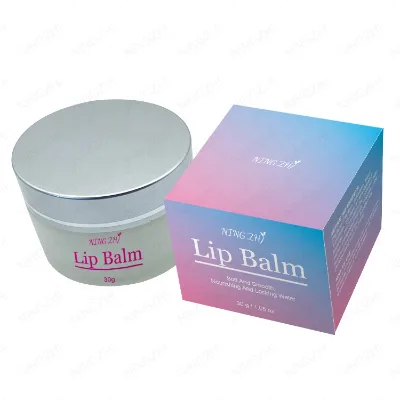
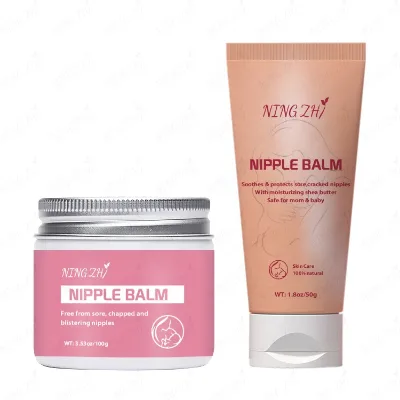
Custom Private Label Calendula Oil Safe for Nursing Kid Safe Natural Organic Nipple Balm
$2.43 - $2.52
MOQ: 1000
Guangzhou Yilong Cosmetics Co., Ltd.
- Verified by SGS Group
- Manufacturer, Trading Company
- Lead time30 days
- Avg. response≤ 3h
Main productsOral care, Deodorant & Antiperspirant, Facial care, Body lotion, Men's care
Main marketsNorth America(63%), Mid East(8%), Southeast Asia(7%)

Xi'an Chinaherbs Commerce Co., Ltd
- Verified by BV
- Combined
- China Shaanxi
- Lead time15 days
- Avg. response≤ 4h
Main productsSlimming Tea, Health Tea, Matcha, Yoni Pearls, Yoni Oil, Yoni Pops, Vaginal Tightening Gel, Yoni Wash, Herbal Supplements
Main marketsAfrica,Europe,North America
Guangzhou Diwo Biotechnology Co., Ltd.
- Verified by TüVRheinland
- Manufacturer, Trading Company
- Lead time20 days
- Avg. response≤ 2h
Main productsBody Care, Skin Care, Tanning Products, Mask, Hair Care
Main marketsNorth America(30%), Northern Europe(20%), Western Europe(15%)
Jinan World Expo Noah Medical Technology Co., Ltd.
- Verified by TüVRheinland
- Manufacturer, Trading Company
- Lead time20 days
- Avg. response≤ 7h
Main productsPersonal Care Products, Yoni Care Products, Mouthwash, Lubricant, Skin Care Set
Main marketsDomestic Market(80%), North America(5%), Eastern Europe(4%)
Guangzhou Haishi Biological Technology Co., Ltd.
- Verified by TüVRheinland
- Manufacturer, Trading Company
- Lead time25 days
- Avg. response≤ 2h
Main productsFace Cream, Face Serum, Mouthwash, Hair Care Products, Deodorant
Main marketsNorth America(70%), Southeast Asia(6%), Oceania(4%)
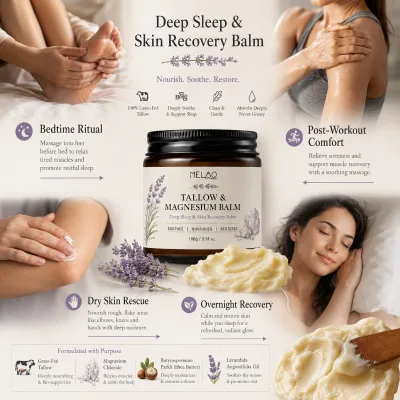
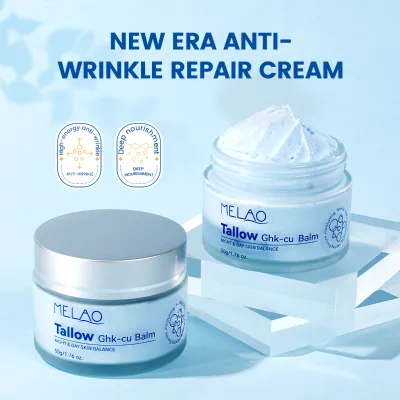
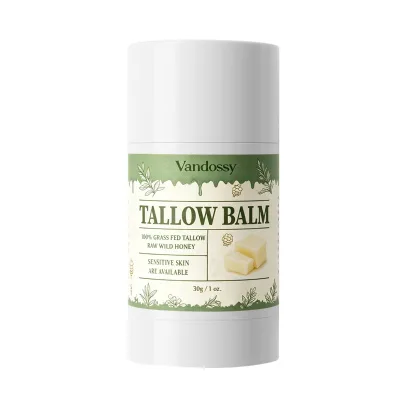
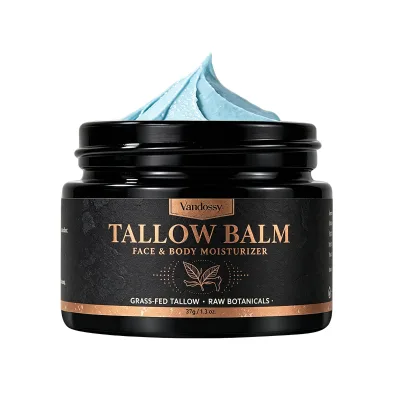
Private Label Organic Body Moisturizer Anti Aging Blue Whipped Grass Fed Beef Tallow Balm
$1.1684 - $2.2036
MOQ: 500 pieces
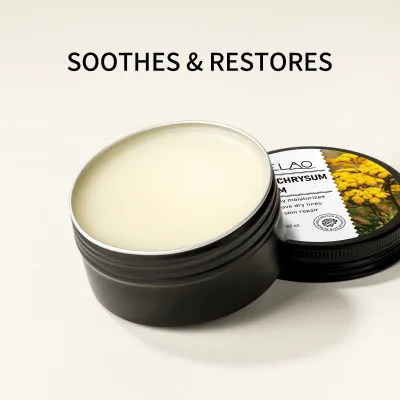
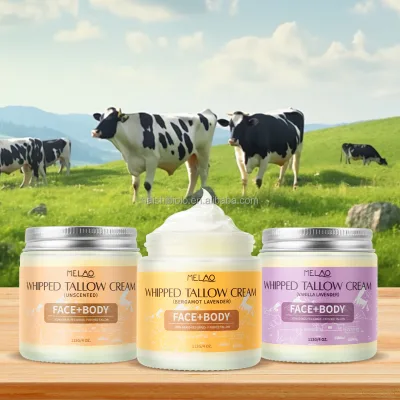
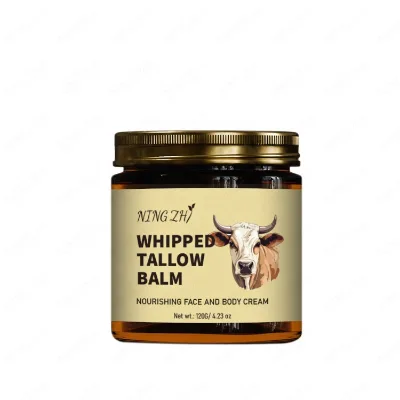
Custom Logo Tallow Based Skin Care Cream Beef Tallow Halal Wipped Tallow Butter
$1.5379 - $2.0809
MOQ: 500 pieces

Guangzhou Kanglixin Medical Biotechnology Co, Ltd.
- Verified by BV
- Combined
- China Guangdong
- Lead time30 days
- Avg. response≤ 9h
Main productsSkin Care Products, Body Care, Hair Care Products, Makeup, Men's Care Products, Ferminine Care Products, Serum, Facial Mask, Face Cream, Scrub
Main marketsSouth America,Africa,Southeast Asia/ Mideast,East Asia(Japan/ South Korea),Domestic,Europe,North America


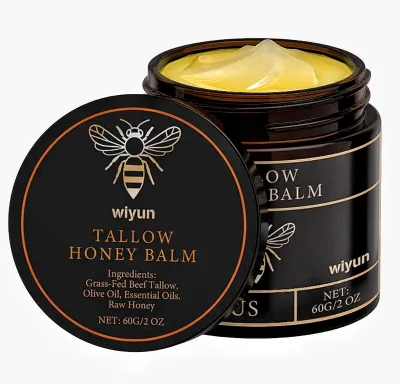
Private Label 100% Organic Tallow Balm Halal Certified Travel Size Whipped Beef Tallow Honey Balm
$2.20 - $2.50
MOQ: 1000 pieces

$2.20 - $2.50
MOQ: 1000 pieces

All-Natural Organic Body Cream Custom Herb-Infused Whipped Beef Tallow Honey Balm for All Skin Types
$2.20 - $2.50
MOQ: 1000 pieces

Custom All-Natural Organic Body Butter Herb-Infused Whipped Beef Tallow Honey Balm
$2.20 - $2.50
MOQ: 1000 pieces
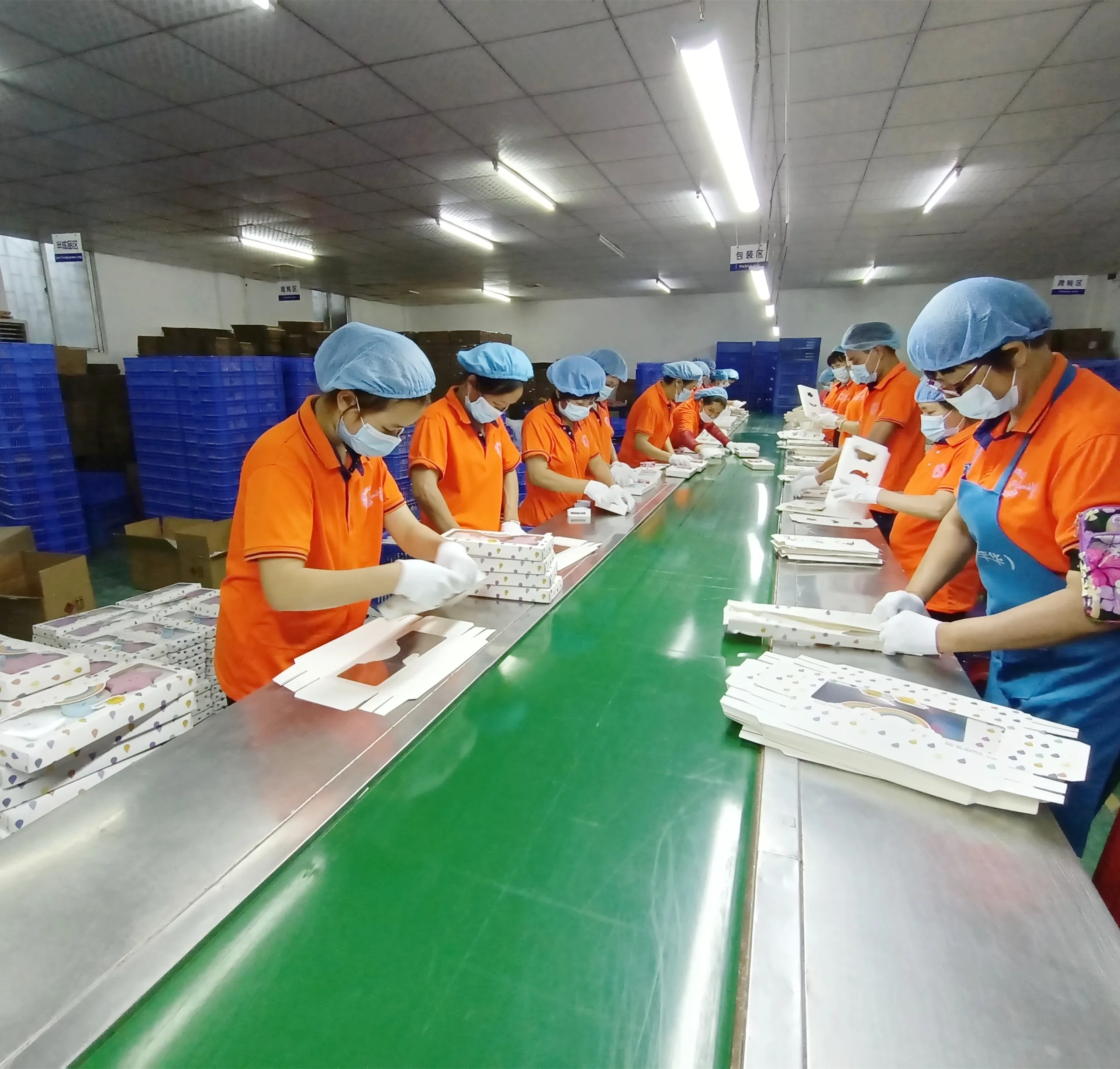
Huizhou Yajiali Industrial Co., Ltd.
- Manufacturer
- Guangdong, China
- Lead time0 days
- Avg. response≤ 5h
Main productsBath Bomb, Body Butter, Whipped Soap
Main marketsNorth America(70.00%), Western Europe(20.00%), Domestic Market(10.00%)
- Manufacturer, Trading Company
- Taiwan, China
- Lead time0 days
- Avg. response≤ 7h
Main productsMakeup,Cosmetics,Lipstick,Lipgloss,Compact powder
Main marketsMid East(15.00%), Eastern Europe(15.00%), South America(15.00%), North America(15.00%), Domestic Market(5.00%), Southern Europe(5.00%), Northern Europe(5.00%), Central America(5.00%), Western Europe(5.00%), Southeast Asia(5.00%), Oceania(5.00%), Africa(5.00%)

Qingdao Hiseeking Enterprises Co., Ltd.
- Trading Company
- China Shandong
- Lead time30 days
- Avg. response≤ 25h
Main productsMedicine, Capsule, Western Medicine
Main marketsSouth America,Mid East,Eastern Asia,Africa


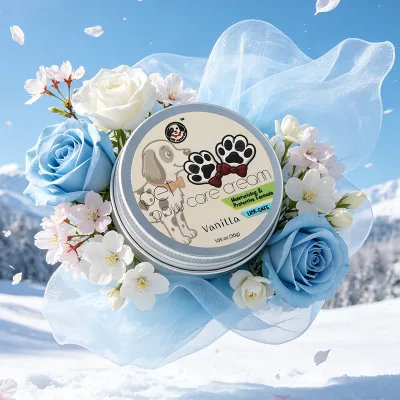
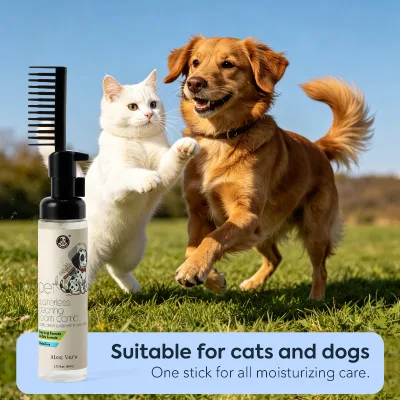
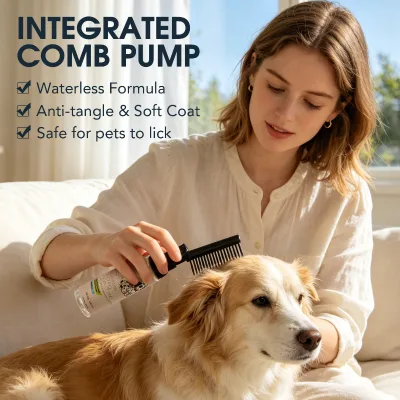


Comprehensive Sourcing Guide
Cruelty-Free Lanolin Oil Balm Supplier Concentration and Factory Types
The current supplier landscape for cruelty-free lanolin oil balm reveals a distinct mix of manufacturing capabilities and trading structures that buyers must navigate carefully. Data indicates that the primary locations for these operations are concentrated in Guangdong, China, a region known for its robust cosmetic manufacturing infrastructure. This geographic clustering suggests that buyers seeking proximity to established supply chains will find a high density of potential partners in this specific province. The presence of both manufacturers and trading companies in the results highlights a dual-path sourcing strategy. Manufacturers typically offer direct control over formulation and production processes, which is critical for maintaining the integrity of cruelty-free claims and ensuring consistent quality in sensitive skincare products. Trading companies, on the other hand, may provide broader access to diverse product lines and simplified logistics, though they act as intermediaries rather than the source of production. Understanding this distinction is vital for buyers who need to verify whether they are dealing with the actual factory or a reseller, as this impacts communication efficiency, pricing transparency, and the ability to conduct on-site audits.
Within this ecosystem, the types of entities available range from specialized private label producers to generalist beauty manufacturers. Many suppliers in this cluster offer OEM and ODM services, allowing brands to customize formulations while leveraging existing expertise. For instance, some suppliers highlight advantages such as twenty-plus years of experience, suggesting a mature industry presence that can handle complex regulatory requirements and large-scale production runs. The main products listed often include skin care, body care, and hair care items, indicating that these factories are not limited to a single niche but operate within the broader personal care sector. This versatility can be beneficial for buyers looking to expand their product portfolio beyond just lanolin balms. However, it also requires diligence to ensure that the supplier’s primary focus aligns with the specific needs of cruelty-free cosmetic production. Buyers should assess whether the factory’s equipment and quality control systems are tailored to the unique demands of balm formulations, which often require precise temperature control and ingredient sourcing to maintain the desired texture and efficacy.
How to Verify Cruelty-Free Lanolin Oil Balm Suppliers
Verifying the authenticity of cruelty-free claims and supplier credentials is a critical step in mitigating risk when sourcing lanolin oil balms. Buyers must look for concrete evidence rather than relying solely on marketing language. One key indicator is the presence of specific certifications, such as MSDS, which demonstrates a commitment to safety data transparency and regulatory compliance. While MSDS alone does not confirm cruelty-free status, it is a foundational document that reputable suppliers provide to show they adhere to international safety standards. Additionally, buyers should scrutinize product attributes that explicitly mention ingredients and ethical standards. For example, some product listings highlight features like "Vegan," "Organic," and "Cruelty-Free" directly in the ingredient or feature sections. These tags serve as initial signals, but they must be cross-referenced with supplier responses and documentation. It is essential to request official certificates from recognized accreditation bodies that specifically audit for animal testing policies. Without such documentation, claims of cruelty-free status remain unverified and potentially misleading.
Beyond certifications, buyers should evaluate the supplier’s responsiveness and transparency as proxies for reliability. The response time of suppliers is a measurable metric that can indicate their operational efficiency and willingness to engage with potential partners. A quick and detailed response to inquiries about sourcing practices, ingredient sourcing, and ethical policies is a positive sign. Buyers should also examine the product details for consistency. For instance, if a supplier lists a product as a "Private Label Natural Hydrating Cream" with specific functions like soothing and nourishing, they should be able to provide batch-specific test results that align with these claims. Furthermore, the availability of samples is a crucial verification tool. Suppliers that offer samples allow buyers to physically inspect the product quality, packaging, and labeling accuracy. This hands-on approach helps verify that the final product matches the described attributes, such as being suitable for all skin types or having a specific shelf life. By combining documentary evidence with practical testing, buyers can build a more accurate picture of a supplier’s commitment to ethical and high-quality production standards.
What to Compare Across Cruelty-Free Lanolin Oil Balm Suppliers
When evaluating multiple suppliers, buyers should systematically compare key operational dimensions to identify the best fit for their business needs. One critical factor is the minimum order quantity (MOQ), which varies significantly across different suppliers and product types. For example, some listings indicate an MOQ of 1000 pieces, which may be suitable for established brands with steady demand, while others may offer more flexible terms for smaller quantities. Understanding these thresholds helps buyers align their inventory strategy with supplier capabilities. Another important metric is the lead time, which dictates how quickly orders can be fulfilled. Data shows that lead times can range from 7 to 15 days for certain items, while larger orders exceeding 10,000 units may require negotiation or longer production windows, particularly during peak seasons. Comparing these timelines allows buyers to plan their supply chain more effectively, ensuring that stock levels are maintained without excessive holding costs. Additionally, the response time of suppliers, often measured in hours, can influence the speed of issue resolution and communication efficiency, making it a valuable comparative metric.
Price and value proposition are also central to the comparison process. Suppliers offer varying price points based on factors such as ingredient quality, packaging customization, and order volume. For instance, prices for lanolin-based balms can range from approximately $1.48 to $2.90 per unit, depending on the specific formulation and volume. Buyers should analyze these costs in the context of the total value provided, including services like OEM/ODM support and private labeling options. Some suppliers highlight advantages such as accepting small quantities or providing customized packaging, which can add significant value for niche brands. Furthermore, the main products offered by each supplier should be assessed for relevance. A supplier specializing in skin care and body care may offer more specialized expertise than a generalist trading company. By comparing these dimensions—MOQ, lead time, response speed, price, and product focus—buyers can create a weighted scoring system to objectively rank suppliers. This structured approach reduces bias and ensures that the final selection is based on comprehensive, data-driven criteria rather than isolated impressions.
Common Cruelty-Free Lanolin Oil Balm Sourcing Risks
Sourcing cruelty-free lanolin oil balms involves several inherent risks that buyers must proactively manage to protect their brand reputation and operational continuity. One significant risk is the potential for mislabeling or false claims regarding ethical standards. Since "cruelty-free" is not always strictly regulated in all jurisdictions, suppliers may use the term loosely without adhering to rigorous animal testing bans. Buyers face the risk of inadvertently stocking products that do not meet their ethical standards, leading to consumer backlash and legal complications. This risk is compounded if the supplier relies on third-party ingredients that may have been tested on animals, even if the final assembly is cruelty-free. Another risk is the variability in product quality and consistency. Lanolin-based formulations can be sensitive to temperature and storage conditions, and improper manufacturing practices can lead to issues such as separation, inconsistent texture, or reduced efficacy. Buyers must be vigilant in verifying that suppliers have robust quality control systems in place to ensure that every batch meets the specified standards for moisture, nourishment, and safety.
Logistical and supply chain disruptions also pose substantial risks, particularly when sourcing from international locations like Guangdong, China. Delays in production or shipping can disrupt inventory levels and lead to stockouts, affecting sales and customer satisfaction. The lead time data indicates that production can take up to 31 days during peak seasons, which requires careful planning to avoid bottlenecks. Additionally, the reliance on specific ingredients, such as lanolin or tallow, exposes buyers to supply chain vulnerabilities if those raw materials become scarce or prices fluctuate significantly. Buyers should also consider the risk associated with private label agreements. If a supplier fails to deliver on custom packaging or branding requirements, it can result in wasted inventory and delayed market launches. Furthermore, the lack of direct oversight in trading company arrangements can obscure the true source of production, making it harder to trace issues back to the factory. To mitigate these risks, buyers should establish clear contracts, conduct regular audits, and maintain open communication channels with their suppliers to address potential problems before they escalate.
Cruelty-Free Lanolin Oil Balm Regional Sourcing and Logistics
The geographic concentration of suppliers in Guangdong, China, presents both opportunities and challenges for buyers managing regional sourcing and logistics. This region is a major hub for cosmetic manufacturing, offering access to a dense network of factories, raw material suppliers, and logistics providers. For buyers, this proximity to a well-established industrial cluster can facilitate faster communication and easier coordination of production schedules. However, it also means that many suppliers are competing for the same resources, which can lead to capacity constraints during peak seasons. Buyers must be aware that lead times can extend significantly during these periods, with some orders taking up to 31 days to complete. Planning ahead and securing production slots early can help mitigate these delays. Additionally, the local infrastructure supports various shipping methods, including DHL, FedEx, TNT, UPS, and sea freight, allowing buyers to choose options that balance cost and speed according to their needs. Understanding the logistical capabilities of the region is essential for optimizing supply chain efficiency.
Shipping and handling requirements for lanolin oil balms also require careful attention due to the product’s physical properties. Balms are often packaged in jars or tubes that can be susceptible to damage during transit, especially if exposed to extreme temperatures. Buyers should verify that suppliers use appropriate packaging materials, such as carton boxes with sufficient cushioning, to protect the products. The single package size and weight data, such as 6.5x7x7.5 cm and 0.350 kg for certain items, provide useful information for calculating shipping costs and storage requirements. Buyers should also consider the implications of customs regulations in their destination countries, particularly regarding cosmetic imports and ingredient restrictions. Ensuring that suppliers provide all necessary documentation, including MSDS and ingredient lists, can streamline the customs clearance process. Furthermore, buyers should evaluate the supplier’s experience with international shipments to ensure they can handle the complexities of cross-border logistics. By leveraging the regional advantages of Guangdong while addressing logistical challenges, buyers can establish a reliable and efficient sourcing pipeline for their cruelty-free lanolin oil balm products.
Cruelty-Free Lanolin Oil Balm Commercial Terms and Order Planning
Effective commercial terms and order planning are essential for successful procurement of cruelty-free lanolin oil balms, requiring buyers to negotiate clear agreements that protect their interests. Pricing structures often vary based on order volume, with tiered discounts available for larger quantities. Buyers should request detailed price quotes that include all costs, such as tooling fees for custom packaging or mold charges, to avoid unexpected expenses. The price range observed, from approximately $1.48 to $2.90 per unit, provides a baseline for budgeting, but buyers must also consider the total cost of ownership, including shipping, duties, and potential returns. Payment terms are another critical aspect of commercial negotiations. Buyers should aim for secure payment methods, such as escrow services, which offer protection until the goods are received and verified. This is particularly important when dealing with new suppliers or large orders, as it reduces the risk of financial loss due to non-delivery or quality issues. Establishing clear payment milestones can also help manage cash flow and align incentives between the buyer and supplier.
Order planning must account for the supplier’s production capacity and lead times to ensure timely delivery. Buyers should develop a rolling forecast that communicates anticipated demand to their suppliers, allowing for better
FAQs
What certifications do cruelty-free lanolin balms have?
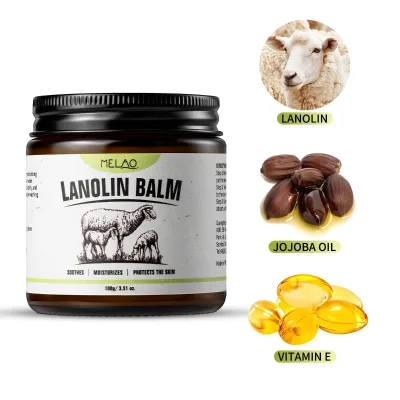
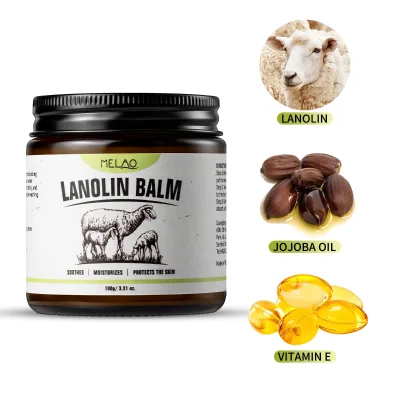
Products typically hold MSDS certification to ensure safety standards are met. Many items are also labeled as vegan, organic, and cruelty-free. These credentials verify that the formulation avoids animal testing and uses natural ingredients like lanolin and jojoba oil for safe daily use.
What is the minimum order quantity for private label balms?
The minimum order quantity is generally 1000 pieces for most private label options. Some suppliers accept small quantities for specific items like nipple balms. Buyers should verify the exact MOQ with the manufacturer before placing an order to ensure it meets their inventory requirements.
How long does production take for bulk orders?
Lead time is typically 31 days for orders between 1 and 10,000 units during both peak and off-peak seasons. For quantities exceeding 10,000 units, the delivery time must be negotiated directly with the supplier. This timeline ensures quality control and proper manufacturing scheduling.
What is the price range for lanolin balm products?
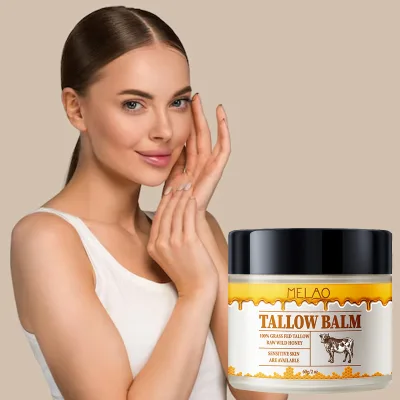
Prices generally range from $1.48 to $2.90 per unit depending on the specific product type and volume. For example, lanolin face creams start around $1.48, while tallow balms may cost up to $2.90. Buyers should request quotes for exact pricing based on their order size.
Where are these cruelty-free balms manufactured?
These products are manufactured in Guangdong, China. Suppliers in this region offer extensive experience in skincare production. Buyers can verify the place of origin on product listings to ensure the manufacturing location aligns with their sourcing preferences and logistical requirements.
Do suppliers offer samples for quality testing?
Samples are available for most private label lanolin and tallow balm products. Buyers can request samples to verify texture, scent, and ingredient quality before committing to bulk orders. This allows for thorough evaluation of the product's suitability for your specific brand and customer base.