Cropped T-Shirt Suppliers and Manufacturers in China
Explore 27 verified options for Cropped T-Shirt sourcing with dimensions like location, lead time, and certifications. Compare suppliers in Fujian and Shanghai to find OEM or ODM partners meeting your specific production needs; review the available evidence before requesting comparable quotations from suitable candidates.
Suppliers List

Times Chensheng (Xiamen) Trading Co., Ltd.
- Trading Company,Manufacturer/Factory
- China Fujian
- Lead time45 days
Main productsJacket, Beach Shorts, Hoodies, Sports Wear, T-Shirt, Kids Wear, Casual Shorts, Swimming Wear, Sweater, Sport Bar
Main marketsSouth America,Eastern Europe,Mid East,North America,Southeast Asia,Eastern Asia,Oceania,Western Europe,Africa

Shanghai Easun Group Imp & Exp Co., Ltd.
- Verified by BV
- Trading Company
- China Shanghai
- Lead time15 days
Main productsHoodies, Pajamas, T-Shirt, Bath Robe, Sleepwear, Polo Shirts, Safety Shoes
Main marketsAfrica
- Verified by Intertek
- Manufacturer, Trading Company
- Lead time0 days
- Avg. response≤ 2h
Main productsT-shirt, Sweatshirt, Pants, Polo shirt, Children Garment
Main marketsNorth America(32%), South America(27%), Central America(18%)

Yancheng Yunqian Apparel Co.,Ltd
- Verified by CTI
- Trading Company
- China Jiangsu
- Lead time30 days
Main productsT Shirt, Hawaiian Shirt, Flannel Shirt, Hoodies, Dress Shirt, Leggings, Pants, Polo Shirt, Jacket
Main marketsSouth America,Europe,Australia,North America
Guangzhou Yinimei Trading Firm
- Trading Company
- China Guangdong
- Lead time30 days
Main productsApparel & Accessories, Men's Wear, Children's Clothing, Ladies' Clothing, Shoes, Children's Toys, "Bag", Hair
Main marketsSouth America,Eastern Europe,Mid East,North America,Southeast Asia,Eastern Asia,Oceania,Western Europe,Africa
Jiangxi Boton Garment Co., Ltd.
- Verified by SGS Group
- Trading Company
- Lead time45 days
- Avg. response≤ 2h
Main productsT-Shirt, Hoody, Pant, Shorts, Polo Shirt
Main marketsNorth America(80%), Western Europe(10%), South America(5%)

Yancheng City Zhou Chi Imp. & Exp. Co. Ltd.
- Verified by TUVRHEINLAND
- Trading Company
- China Jiangsu
- Lead time23 days
Main productsApparel, T Shirt, Hoodies, Shorts, Leggings, Jackets, Woven Shirts
Main marketsSoutheast Asia/ Mideast,Europe,North America
- Verified by SGS Group
- Manufacturer, Trading Company
- Lead time25 days
- Avg. response≤ 4h
Main productsT-shirts, Hoodies & Sweatshirts, Jackets, Shirts, Tracksuits
Main marketsNorth America(40%), Eastern Asia(30%), Oceania(20%)

- Verified by CTI
- Trading Company
- China Anhui
- Lead time23 days
Main productsFurniture, Home Furniture
Main marketsSoutheast Asia/ Mideast
Jiangxi Huadu Clothing Co., Ltd.
- Manufacturer, Trading Company
- Jiangxi, China
- Lead time15 days
- Avg. response≤ 4h
Main productsT shirt,Tank Top,Hoodie,Jogger,Short
Main marketsNorth America(70.00%), Northern Europe(5.00%), South America(5.00%), Southern Europe(2.00%), Eastern Europe(2.00%), Central America(2.00%), Western Europe(2.00%), Eastern Asia(2.00%), Mid East(2.00%), Oceania(2.00%), Africa(2.00%), Southeast Asia(2.00%), Domestic Market(1.00%), South Asia(1.00%)
Fabsub Technologies Co., Limited
- Verified by SGS Group
- Trading Company
- Lead time0 days
- Avg. response≤ 4h
Main productsGarment, Men garment , Women garment
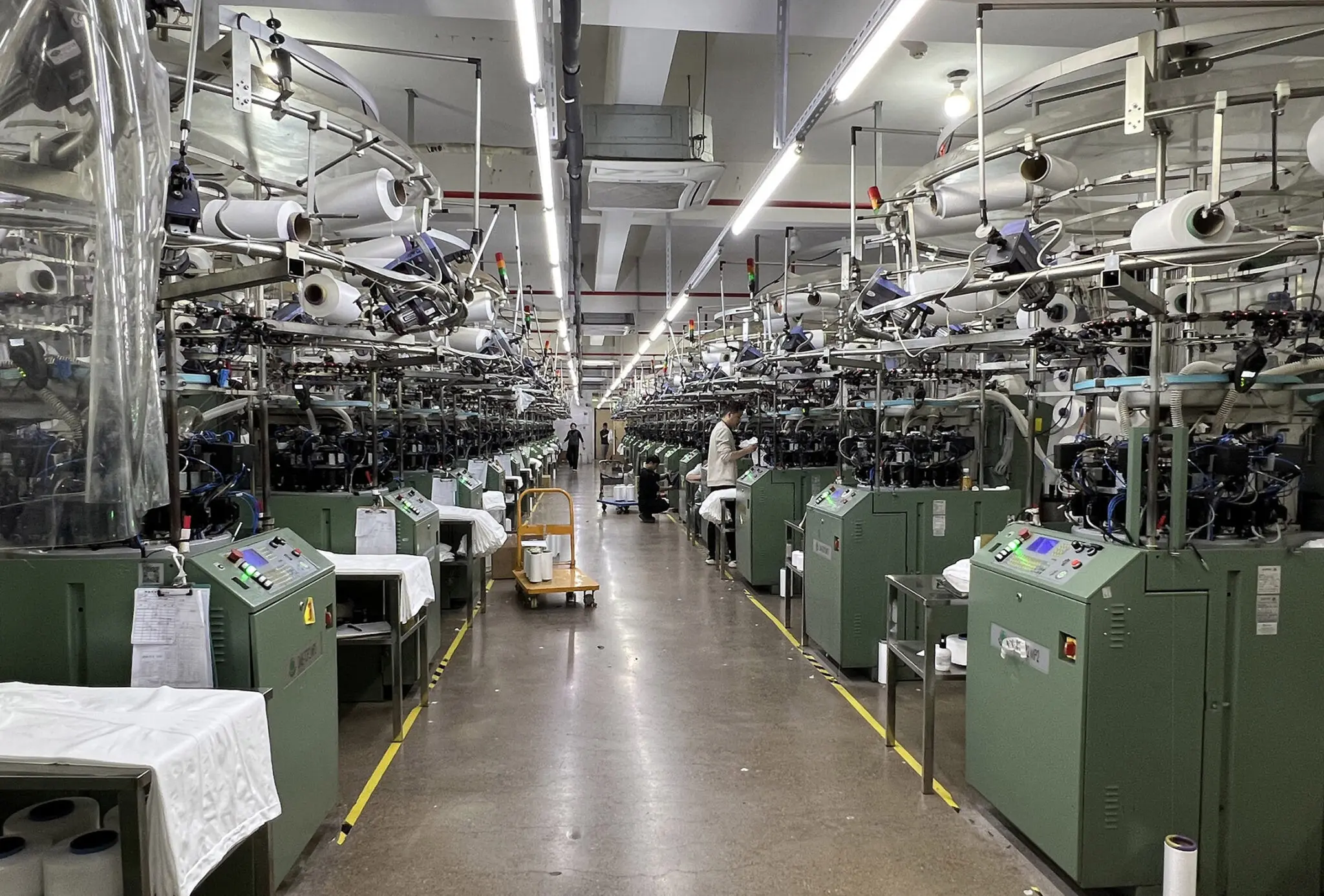
Shenzhen Aiyecheng Industrial Co., Ltd.
- Trading Company
- Guangzhou, China
- Lead time15 days
- Avg. response≤ 4h
Main productsT-shirts, Jumpsuit, Cap & Hats, Hoodies, Other Clothes Products
Main marketsNorth America(35.00%), South America(20.00%), Eastern Europe(20.00%), Northern Europe(6.00%), Western Europe(5.00%), Central America(5.00%), Southeast Asia(5.00%), Southern Europe(2.00%), Africa(2.00%)
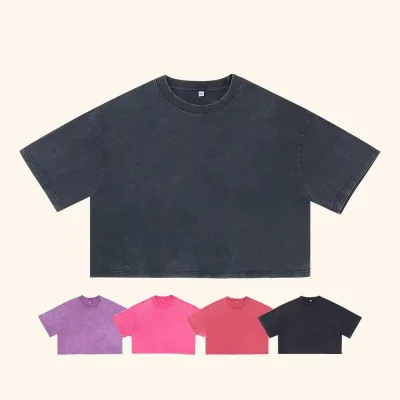
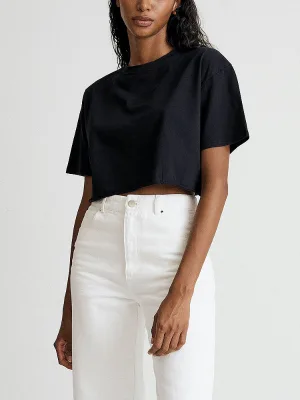
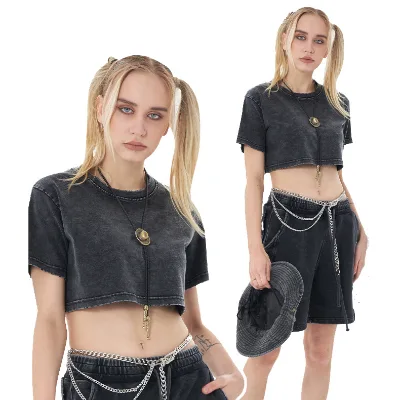
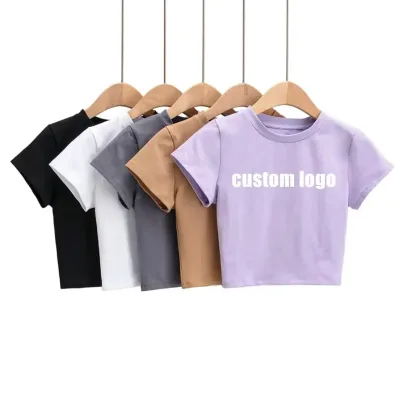
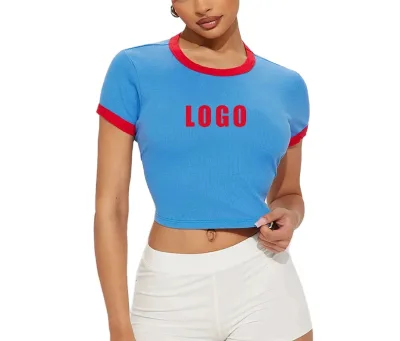
2024 New Fashion T Shirt Women's Crop Top Custom Your's Design High Quality Crop Top
$3.16 - $5.21
MOQ: 2 pieces
Guangzhou Ouzun Clothing Co., Ltd.
- Verified by CTI
- Combined
- China Guangdong
- Lead time23 days
Main productsUniforms, Pants, Suits&Blazer, T Shirt, Polo Shirt, Sportswear, Jacket, Hoodies&Sweatshirts
Main marketsDomestic

Boxy Cropped Fit with Oversized Sleeve and Bold Front Graphic Print T-Shirt Streetwear T-Shirt
$3.99 - $8.99
MOQ: 100 Pieces

Ladies Cropped Short T-Shirt with Roll Sleeve Design for Summer Street Style Women's T-Shirts
$3.99 - $8.99
MOQ: 100 Pieces
Jiangxi Zhuoshuo Garment Co., Ltd.
- Verified by Intertek
- Manufacturer, Trading Company
- Lead time35 days
- Avg. response≤ 3h
Main productsHoodie, T-shirt, Jacket, Pants
Main marketsNorth America(50%), Eastern Europe(25%), Western Europe(25%)
Jiangxi Hante Clothing Co., Ltd.
- Verified by Intertek
- Manufacturer, Trading Company
- Lead time20 days
- Avg. response≤ 2h
Main productsHoodie, T-shirt, Trousers, Waistcoat, Shorts
Main marketsNorth America(40%), Western Europe(40%), Oceania(20%)

- Trading Company
- China Guangdong
- Lead time15 days
Main productsDress, Jeans, Sweater, Yoga Suit, Pants, Outwear, Jacket, T-Shirt, Sports Wear, Shirt
Main marketsSouth America,Southeast Asia/ Mideast,Europe,North America

Dongguan Humen Hucai Garment Co., Ltd.
- Verified by TUVRHEINLAND
- Combined
- China Guangdong
- Lead time15 days
Main productsSportswear, Yoga Pants, Sports Bra, T Shirt, Tank Top, Jogger Pants, Tracksuit, Hoodies, Shorts, Leggings
Main marketsAustralia,North America
Dongguan Dayang Clothing Co., Ltd.
- Manufacturer, Trading Company
- Guangdong, China
- Lead time30 days
- Avg. response≤ 3h
Main productsMen's Hoodie, Women's Hoodie, Sports Suit, Women's Suit, Children's Clothing
Main marketsWestern Europe(40.00%), Southern Europe(20.00%), North America(15.00%), Domestic Market(10.00%), Southeast Asia(10.00%), South America(5.00%)
Fuzhou Xinglan Clothing Co., Ltd.
- Verified by SGS Group
- Manufacturer, Trading Company
- Lead time0 days
- Avg. response≤ 3h
Main productsCustom T-shirts, Custom Hoodies, Custom Polo Shirts, Custom Shorts, Custom Jackets
Main marketsNorth America(40%), Western Europe(40%), Oceania(20%)

Suning County Xiangbird Clothing Co., Ltd.
- Verified by SGS
- Combined
- China Hebei
- Lead time30 days
Main productsT-Shirt, Hooded Sweatshirt, Seluar Jeans, Pakaian Pelindung Matahari
Main marketsDomestic
Jiangxi Dingsheng Imp.& Exp. Co., Ltd.
- Verified by SGS Group
- Manufacturer, Trading Company
- Lead time15 days
- Avg. response≤ 2h
Main productsT-Shirts, Hoodie, Tank Top, Sweatpants, Polo Shirts
Main marketsNorth America(50%), Oceania(15%), Domestic Market(10%)
Dongguan Flya Sports Goods Co., Ltd.
- Manufacturer, Trading Company
- Guangdong, China
- Lead time15 days
- Avg. response≤ 3h
Main productsT Shirts, Hoodies, Shorts, Jogger Pants, Running Belt
Main marketsNorth America(40.00%), South America(30.00%), Western Europe(5.00%), Oceania(3.00%), Southern Europe(3.00%), Africa(3.00%), Eastern Europe(3.00%), Mid East(3.00%), South Asia(2.00%), Eastern Asia(2.00%), Central America(2.00%), Northern Europe(2.00%), Southeast Asia(2.00%)
Jiangxi Dezhuang Import And Export Trading Co., Ltd.
- Manufacturer, Trading Company
- Jiangxi Province, China
- Lead time30 days
- Avg. response≤ 1h
Main productsT-shirt,Hoodie,Waistcoat,Trousers,Jeans
Main marketsNorth America(60.00%), Eastern Europe(20.00%), Domestic Market(10.00%), Southeast Asia(10.00%)
Jiangxi Huadu Clothing Co., Ltd.
- Manufacturer, Trading Company
- Lead time旺季: "1 - 50":30,"51 - 1000":32,"1001 - 50000":35,"> 50000":"To be negotiated", 淡季: "1 - 50":30,"51 - 1000":32,"1001 - 50000":35,"> 50000":"To be negotiated"
- Avg. response≤ 2h
Main productsT-shirt, Hoodies and Sweatshirt, Tank Tops, Shorts, Pants

Guangzhou Vision Clothing Co., Ltd.
- Verified by BV
- Combined
- China Guangdong
- Lead time15 days
Main productsT-Shirt, Hoodie, Polo Shirt, Sweatpants
Main marketsSouth America,Southeast Asia/ Mideast,Europe,Australia,North America

Guangzhou Nolai Garment Co., Ltd.
- Verified by TUVRHEINLAND
- Combined
- China Guangdong
- Lead time30 days
Main productsT Shirt, School Uniform
Main marketsDomestic

Ningbo Z & H Foreign Trade Co., Ltd.
- Trading Company
- China Zhejiang
- Lead time45 days
Main productsGarment T Shirt Hoody Polo Fashion Cloth
Main marketsSouth America,Africa,Southeast Asia/ Mideast,East Asia(Japan/ South Korea),Europe,Australia,North America


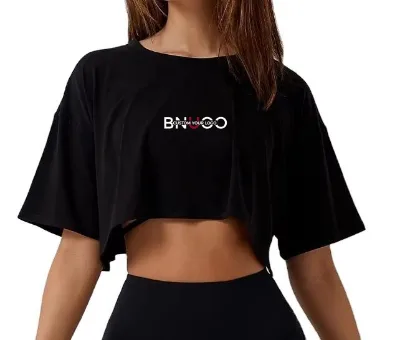
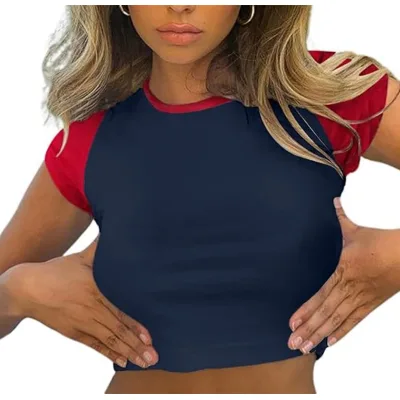


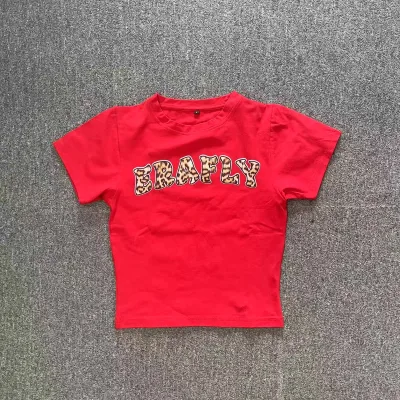
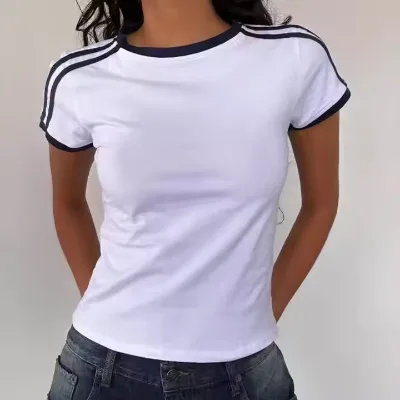
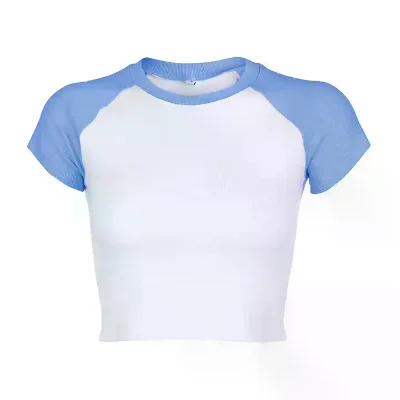


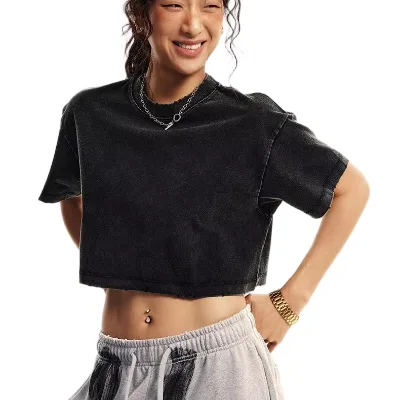
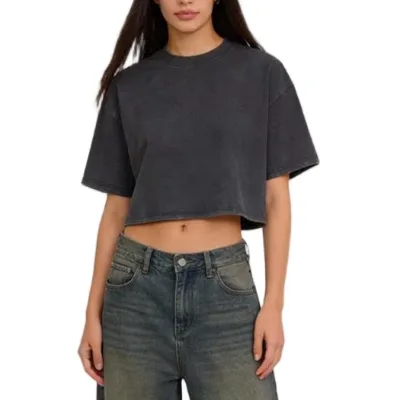
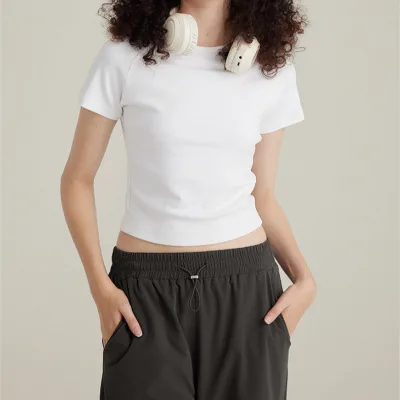
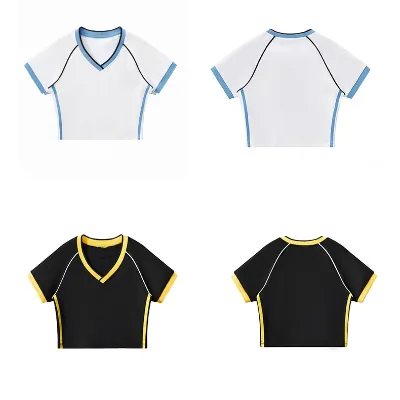




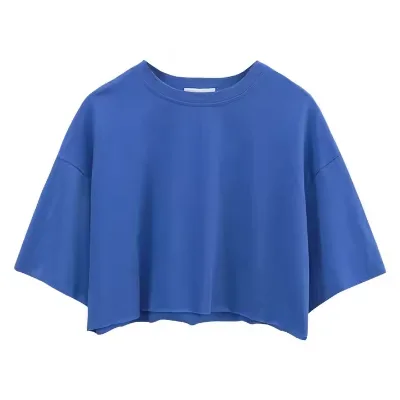


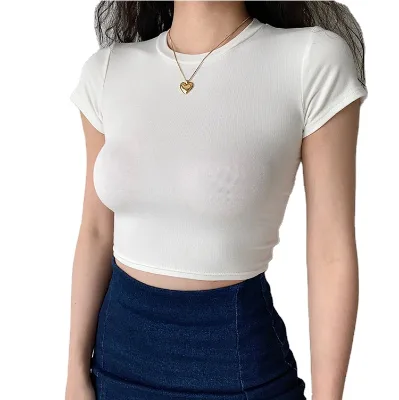
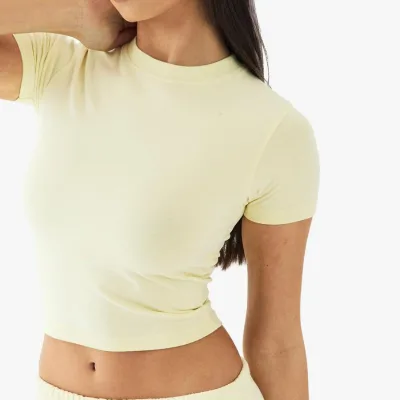


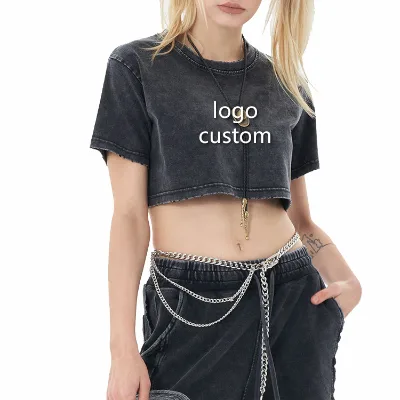
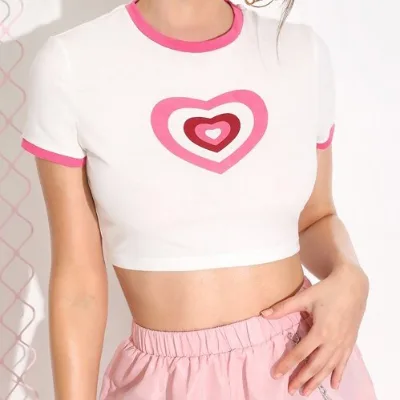
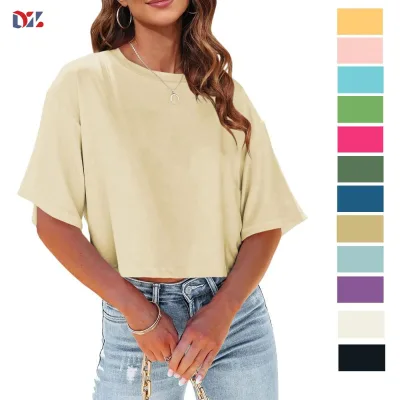
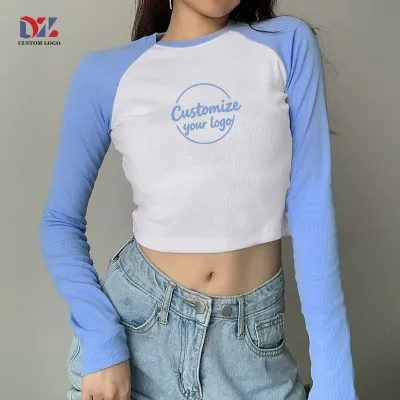



Comprehensive Sourcing Guide
Cropped T-Shirt Supplier Concentration and Factory Types
Current data indicates a concentration of suppliers in China, specifically within the Fujian and Shanghai regions, which serve as primary hubs for apparel manufacturing. These locations host a mix of trading companies and manufacturer-factories, offering buyers a choice between direct production capabilities and broader sourcing networks. The Fujian cluster appears to specialize in a wide range of apparel including jackets, beach shorts, hoodies, and sports wear, suggesting a robust ecosystem for diverse garment needs. Shanghai-based entities often focus on items like hoodies, pajamas, and safety shoes, indicating a different product specialization within the same country. Buyers should verify if a specific supplier operates as a pure trading company or a manufacturer, as this distinction impacts control over the production process and quality assurance.
When evaluating the factory type, it is essential to understand that trading companies may offer a wider variety of products but might have less direct control over the manufacturing floor compared to a manufacturer. Manufacturer-factories often provide OEM and ODM services, allowing for custom designs and specifications directly from the production line. The observed supplier types include both categories, meaning buyers must clarify the relationship before proceeding. Some suppliers list main products such as t-shirts, polo shirts, and casual wear, while others focus on specific niches like kids wear or swimming wear. This variation suggests that while the region is a hub, individual supplier capabilities vary significantly. Buyers should not assume all suppliers in these regions offer the same depth of service or product range.
How to Verify Cropped T-Shirt Suppliers
Verification of suppliers requires checking for specific credentials and third-party validations that confirm their operational legitimacy. Several suppliers in the current results display BSCI, ISO 9000, ISO 9001, ISO 20000, and QC 080000 certifications, which indicate adherence to international management and quality standards. One supplier is explicitly marked as BV verified, providing an additional layer of trust regarding their business practices and financial stability. Buyers should prioritize suppliers with these documented certifications to ensure that the production environment meets safety and ethical requirements. It is crucial to request copies of these certificates directly from the supplier to confirm their validity and current status, as online listings can sometimes be outdated.
Beyond certifications, buyers must assess the supplier's response capabilities and sample availability to gauge their professionalism. Some suppliers offer free samples with a turnaround time of seven days, which is a strong indicator of their readiness to engage in business. Others specify a production time of thirty days based on quantity, which helps in planning the overall timeline. The presence of customization options, such as logo printing, embroidery, or custom designs, further demonstrates a supplier's flexibility and technical capability. Buyers should verify if the supplier accepts sample orders and what the specific terms are for these samples. Confirming these details ensures that the supplier can meet the specific needs of the buyer before committing to a large order.
What to Compare Across Cropped T-Shirt Suppliers
Comparing suppliers requires a detailed analysis of key operational metrics such as lead time, minimum order quantity, and pricing structures. Lead times observed in the data range from fifteen days to forty-five days, representing a significant variance that can impact inventory planning and market responsiveness. Minimum order quantities also differ, with some suppliers requiring as few as three hundred pieces while others demand one thousand pieces or more. Buyers must align these requirements with their own inventory strategy and cash flow capabilities to avoid overstocking or underutilizing production capacity. Pricing varies widely, with some products listed between three and four dollars per unit, while others range from less than one dollar to five dollars, depending on material and complexity.
In addition to cost and volume, buyers should compare the specific product attributes and customization capabilities offered by each supplier. Some suppliers provide detailed specifications including material weight, sleeve styles, and feature sets like moisture absorption or breathability. The ability to customize models, such as the ANL004 or UTNC20220607-38, allows for unique product differentiation in the market. Buyers should also evaluate the packaging standards, which range from polybags to export cartons, as this affects shipping costs and product protection. Comparing these factors side-by-side helps identify the supplier that best balances cost, quality, and flexibility. It is vital to ensure that the comparison includes all relevant technical details to make an informed decision.
Common Cropped T-Shirt Sourcing Risks
One significant risk in sourcing cropped t-shirts is the potential mismatch between advertised lead times and actual production delivery. While some suppliers claim a fifteen-day lead time, others indicate forty-five days, and production times can extend to thirty days based on quantity. This variability can lead to delays if the buyer does not account for the specific timeline of their chosen supplier. Additionally, the minimum order quantity requirements can pose a financial risk if the buyer orders more than they can sell, leading to excess inventory. Buyers must carefully review the production time clauses and ensure they have a buffer for potential delays in the supply chain.
Another risk involves the consistency of product quality and material specifications. Although some suppliers list materials like cotton or polyester, the actual weight and quality can vary, especially when customization is involved. The absence of a standardized material weight across all suppliers means that buyers must verify the GSM and fabric composition for each order. Furthermore, the reliance on third-party certifications does not guarantee that every batch will meet the same standards. Buyers should request pre-shipment inspections or third-party quality checks to mitigate the risk of receiving substandard goods. Understanding these risks allows buyers to implement safeguards and manage expectations effectively throughout the sourcing process.
Cropped T-Shirt Regional Sourcing and Logistics
Sourcing from China, particularly from Fujian and Shanghai, offers access to a mature manufacturing ecosystem but requires careful logistics planning. The concentration of suppliers in these regions means that shipping times and costs can vary depending on the specific port of origin and the chosen shipping method. Buyers should verify the exact location of the factory to determine the most efficient logistics route. For instance, suppliers in Shanghai may have different port access compared to those in Fujian, which can influence transit times and freight charges. Understanding the regional logistics landscape helps buyers optimize their supply chain and reduce overall shipping costs.
Logistics planning also involves considering the packaging standards and how they affect the shipping process. Some suppliers use polybags for individual items, while others utilize export cartons or paper cartons for bulk shipments. The choice of packaging impacts the volume and weight of the shipment, which directly influences freight costs. Buyers should confirm the packaging details with the supplier to ensure that the goods are protected during transit and that the packaging meets any destination country requirements. Additionally, buyers should be aware of any potential customs duties or import regulations that may apply to apparel products from these regions. Proper logistics planning ensures a smooth transition from factory to final destination.
Cropped T-Shirt Commercial Terms and Order Planning
Commercial terms for cropped t-shirts often include specific requirements for payment, samples, and order customization. Many suppliers offer free samples, but the sample time can vary, with some taking seven days to produce and ship. Buyers should clarify the cost of shipping for these samples and whether the cost is deductible from the final order. The minimum order quantity is a critical commercial term, ranging from three hundred to one thousand pieces, which affects the initial investment required. Buyers must plan their orders to meet these thresholds while maintaining a healthy cash flow and inventory turnover rate.
Order planning also involves understanding the production timeline and the flexibility of the supplier to handle rush orders. While some suppliers offer a fifteen-day lead time, others may require forty-five days, which impacts the ability to respond to market trends. Buyers should establish a clear communication channel with the supplier to track production progress and address any issues promptly. The ability to customize designs, logos, and materials is a key factor in order planning, as it allows for product differentiation. Buyers should ensure that all customization details are documented in the purchase order to avoid misunderstandings. Effective commercial terms and order planning are essential for a successful sourcing relationship.
FAQs
What is the typical lead time for cropped t shirts?
Lead times vary by supplier, with some offering 15 days and others requiring 45 days. Buyers should confirm specific timelines based on order quantity and customization needs before placing an order to ensure timely delivery.
What are the minimum order quantities for these products?
Minimum order quantities range from 300 pieces to 1000 pieces depending on the supplier and product style. Some listings require 500 units, while others accept orders as low as 300 pieces for specific designs.
Where are the suppliers of cropped t shirts located?
Suppliers are primarily located in China, specifically in Fujian and Shanghai regions. These locations host both trading companies and manufacturers capable of producing the requested apparel items for international buyers.
What certifications do the suppliers hold?
Many suppliers hold certifications such as BSCI, ISO 9000, ISO 9001, ISO 20000, and QC 080000. These credentials indicate adherence to quality management and social compliance standards required by many global buyers.
What is the price range for cropped t shirts?
Prices typically range from 0.70 to 5.00 USD per piece based on material and design complexity. Specific listings show ranges like 3.00 to 4.40 USD or 0.80 to 1.50 USD depending on the supplier.
Do suppliers offer customization services for these shirts?
Yes, most suppliers offer OEM and ODM services including custom logos, designs, and materials. Buyers can request specific features like moisture-wicking fabrics or custom packaging to meet their brand requirements.
What materials are used for the cropped t shirts?
Common materials include cotton, polyester, and blends, with weights ranging from 120 to 300 GSM. Some products feature specific attributes like quick-dry or moisture-wicking properties suitable for sports and gym wear.