Customized Crystal Glass Goblet Suppliers and Manufacturers
Source Customized Crystal Glass Goblet from 21 verified suppliers in China. Compare key dimensions including ISO 9001 certification, OEM capabilities, lead times, and pricing. Review product specifications and request samples to verify quality before placing bulk orders; review the available evidence before requesting comparable quotations from suitable candidates.
Suppliers List

Qingdao Jianhai International Trade Co., Ltd.
- Verified by BV
- Trading Company,Manufacturer/Factory
- China Shandong
- Lead time23 days
- Avg. response≤ 3h
Main productsGlassware, Cosmetic Bottle, Mason Jar, Storage Bottle, Vase, Wine Bottle, High Borosilicate Glass, Glass Bottle, Cup, Glass Craft
Main marketsSouth America,Eastern Europe,Mid East,North America,Southeast Asia,Eastern Asia,Oceania,Western Europe,Africa

Qingdao Simpassic Import and Export Co., Ltd.
- Trading Company,Manufacturer/Factory
- China Shandong
- Lead time0 days
- Avg. response≤ 24h
Main productsGlass Cup, Glass Jar, Borosilicate Glass Food Containers, Glass Mug, Tableare, Glass Tumbler, Glassware, Glass Jug, Glass
Main marketsSouth America,Eastern Europe,Mid East,North America,Southeast Asia,Eastern Asia,Oceania,Western Europe,Africa
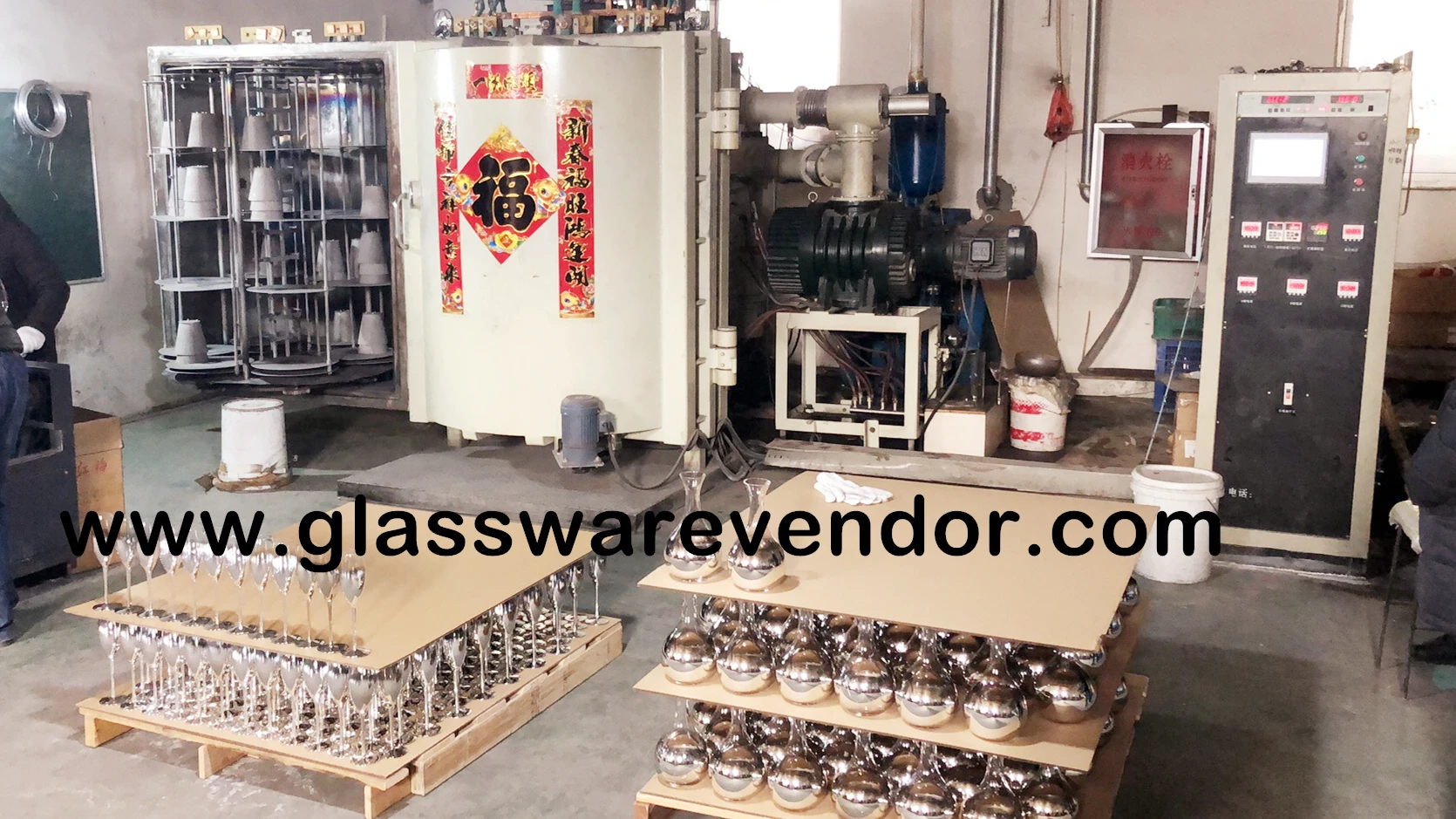
Shenzhen Sunrise Glassware Co., ltd.
- Trading Company
- Guangdong, China
- Lead time30 days
- Avg. response≤ 11h
Main productscustom crystal wine glass,custom hand cut whiskey glass,custom drinking glass,custom colored glass cup,custom double wall glass cups
Main marketsWestern Europe(20.0%), North America(20.0%), Southern Europe(16.0%), Domestic Market(10.0%), Northern Europe(10.0%), Oceania(7.000000000000001%), Mid East(5.0%), Eastern Asia(5.0%), South America(2.0%), Southeast Asia(2.0%), Central America(2.0%), Eastern Europe(1.0%)
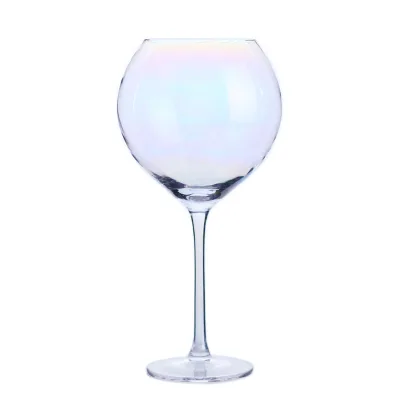
Rainbow electroplated wine glass crystal red wine glass goblet with rainbow effect
$2.19 - $2.99
Moq: 1000

Hemera (Tianjin) Technology Development Limited
- Verified by TUVRHEINLAND
- Manufacturer/Factory
- China Tianjin
- Lead time38 days
- Avg. response≤ 5h
Main productsGlass Cup, Glass Teapot, Glass Jar&Container, Glass Pitcher&Carafe, Water Jug, Coffee Set, Wine Set, Glass Cooking Ware
Main marketsSouth America,Eastern Europe,Mid East,North America,Southeast Asia,Eastern Asia,Oceania,Western Europe,Africa


Handmade Diamond Shape Crystal Clear Glass Wine Drinking Goblet Glasses for Wedding
$3.00 - $3.99
Moq: 300


Long Stem Clear Red Wine Glass Goblet Clear Transparent Crystal Wine Glasses Cup
$3.00 - $3.99
Moq: 300

- Verified by TUVRHEINLAND
- Trading Company
- China Hunan
- Lead time45 days
- Avg. response≤ 1h
Main productsCeramic Mug, Vacuum Flask, Dinner Set, Cup, Mug, Thermal Bottle, Ceramic Dinner Set, Glass Jar, Glass Cup, Wine Cup
Main marketsSoutheast Asia/ Mideast

Guangzhou Nantian Sources Co., Ltd.
- Manufacturer/Factory
- China Guangdong
- Lead time15 days
- Avg. response≤ 6h
Main productsKitchen Equipment, Kitchenware, Food Machine, Kitchen Appliance, Glassware, Food Machinery, Bakery Equipment, Dinnerware, Kitchen Utensils, Food Processor
Main marketsSouth America,Mid East,Southeast Asia,Eastern Asia,Oceania,Africa

Anhui Creative Packaging Technology Co., Ltd.
- Verified by BV
- Trading Company,Manufacturer/Factory
- China Anhui
- Lead time23 days
- Avg. response≤ 5h
Main productsGlass Jars, Glass Bottles, Glass Liquor/Beer/Oil Bottles, Glass Cosmetic/Perfume Bottles, Glass Cup, Candle Jar, Preform, Lids/Cap, Aluminum Cans, Wine Glass
Main marketsSouth America,Eastern Europe,Mid East,North America,Southeast Asia,Eastern Asia,Oceania,Western Europe,Africa

Yancheng Xinboyuan Glass Co., Ltd.
- Verified by BV
- Trading Company,Manufacturer/Factory
- China Jiangsu
- Lead time23 days
- Avg. response≤ 12h
Main productsGlass Table Lamp, Glass Perfume Bottles, Glass Lampshade, Glass Labware, Glass Bottles & Jars, Glass Candlesticks, Borosilicate Mug & Cups, Glass Vases & Terrariums, Glass Beakers, Glass Reagent Bottles
Main marketsEastern Europe,Mid East,North America,Western Europe
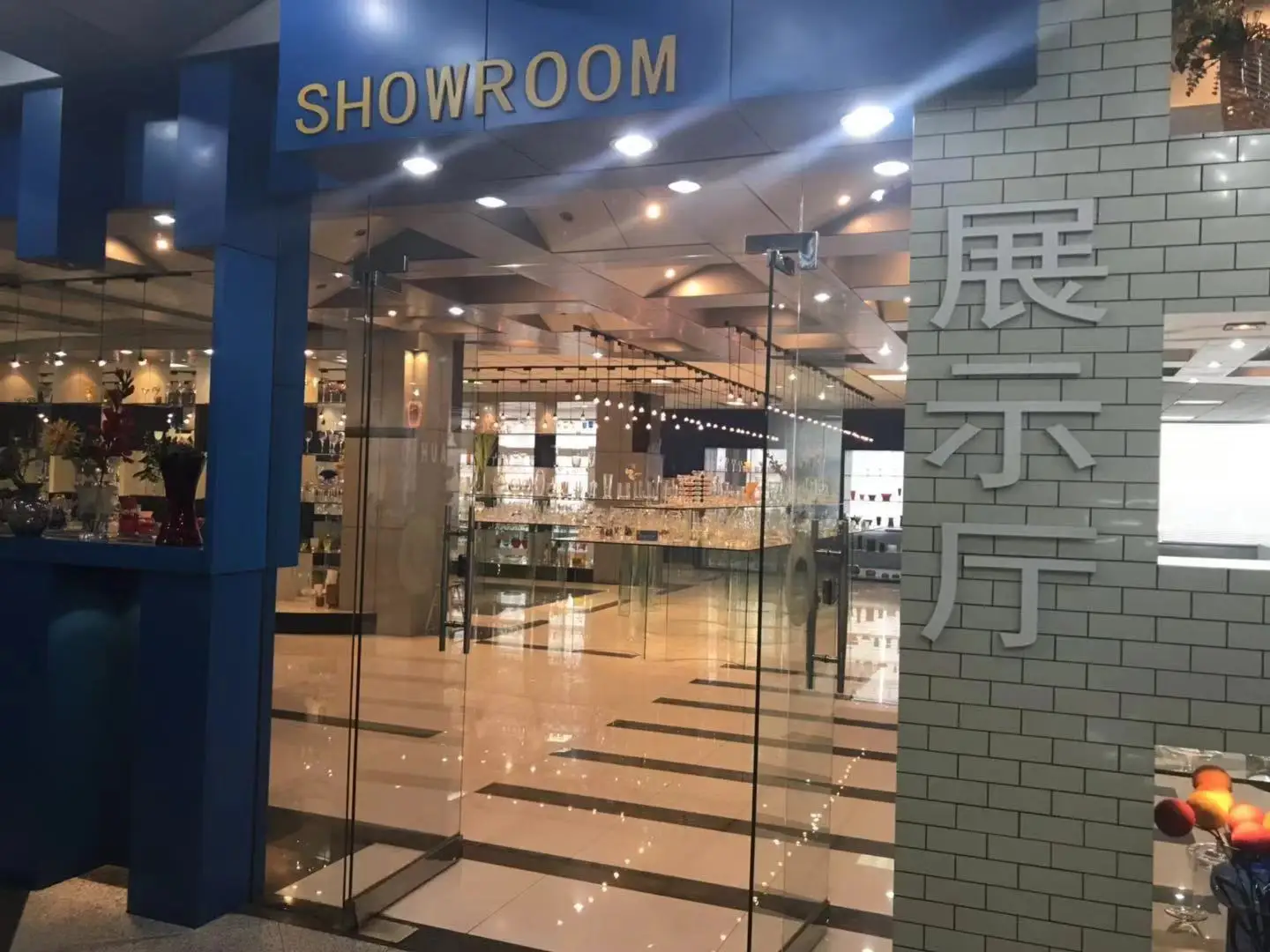
Changsha Aikeyi Homeware Co., Ltd.
- Trading Company
- Hunan, China
- Lead time25 days
- Avg. response≤ 2h
Main productsCustomized Glassware,Glass Tableware,Wine Glass,Glass Bottle,Glass Jar
Main marketsNorth America(33.0%), Oceania(15.0%), South America(12.0%), Western Europe(9.0%), Mid East(8.0%), Central America(4.0%), Northern Europe(4.0%), Africa(3.0%), Eastern Europe(3.0%), Southern Europe(3.0%), South Asia(2.0%), Southeast Asia(2.0%), Eastern Asia(2.0%)

Guangzhou Garbo International Trading Co., Ltd.
- Verified by TUVRHEINLAND
- Trading Company,Manufacturer/Factory
- China Guangdong
- Lead time45 days
- Avg. response≤ 7h
Main productsGlassware, Glass Cup, Glass Mug, Glass Bowl, Glass Candy Jar, Glass Pitcher, Glass Ice Cream Cup and Ice Bucket, Opal Glassware, Stainless Steel Cutlery, Ceramic Dinnerware
Main marketsSouth America,Eastern Europe,Mid East,North America,Southeast Asia,Eastern Asia,Oceania,Western Europe,Africa

Shanghai Touch Industrial Development Co., Ltd.
- Verified by TUVRHEINLAND
- Combined
- China Shanghai
- Lead time15 days
- Avg. response≤ 5h
Main productsInstant Hot Pack, Hot Cold Pack, Gel Eye Mask, Gel Ice Pack, Gel Bottle Cooler, Instant Ice Pack, Hand Warmer, Heat Pack, Cooling Scarf, Gel Beads
Main marketsSouth America,Others(foreignTradeCapacity.exportBusinessCapacityMarketOther),Southeast Asia/ Mideast,East Asia(Japan/ South Korea),Domestic,Europe,Australia,North America

Shanxi Midas Industrial Co., Ltd.
- Verified by TUVRHEINLAND
- Trading Company
- China Shanxi
- Lead time15 days
- Avg. response≤ 5h
Main productsWine Glass, Glass Plate, Wooden Tray, Scented Candle, Plastic Water Bottle, Stainless Steel Water Bottle, Dinnerware Set, Beer Glass
Main marketsEurope,North America

Shanghai David International Trade Co., Ltd.
- Verified by TUVRHEINLAND
- Combined
- China Shanghai
- Lead time15 days
- Avg. response≤ 6h
Main productsPromotional Gifts, Gift Sets, Tshirts, Hats, Hot Packs, Hot Cold Packs, Ice Packs, Bags, Umbrellas, Water Bottles
Main marketsSouth America,Africa,Southeast Asia/ Mideast,East Asia(Japan/ South Korea),Domestic,Europe,Australia,North America

Zibo Timestone International Co., Ltd.
- Manufacturer/Factory
- China Shandong
- Lead time45 days
- Avg. response≤ 14h
Main productsCeramic Dinnerware, Ceramic Mugs, Stainless Steel Bottles Mugs and Tumblers, Glass Bottles Mugs and Tumblers, Dinnerware, Tableware, Glassware, Kitchenware, Household Items, Ceramic Granding Balls and Filters
Main marketsSouth America,Eastern Europe,Mid East,North America,Southeast Asia,Eastern Asia,Oceania,Western Europe,Africa

Shanghai Jspeed Industry Co.Ltd
- Verified by TUVRHEINLAND
- Trading Company
- China Shanghai
- Lead time30 days
- Avg. response≤ 2h
Main productsWater Bottle, Stainless Steel Bottle, Vacuum Bottle, Thermal Mug, Vacuum Flask, Thermal Cup, Insulated Cup, Vacuum Cup
Main marketsSouth America

Jiaxin Glass Imports And Exports (Guangzhou) Co., Ltd.
- Trading Company
- China Guangdong
- Lead time30 days
- Avg. response≤ 17h
Main productsBeverage Glass Bottle Food Packaging, Cosmetic Glass Bottle Food Jar Glassware, Pharmaceutical Packaging Medicine Bottle
Main marketsAfrica,Southeast Asia/ Mideast
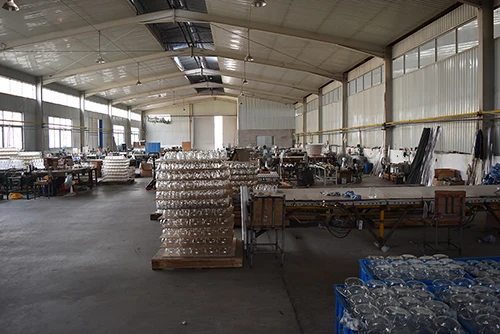
Cangzhou ABC Glassware Co., Ltd.
- Trading Company
- Hebei, China
- Lead time20 days
- Avg. response≤ 7h
Main productsDouble wall glass cup,Glass carafe,glass teapot,glass storage jar,Glass dome
Main marketsDomestic Market(30.0%), North America(20.0%), South America(20.0%), Eastern Europe(10.0%), Western Europe(10.0%)

Zibo Melory Import & Export Trade Co., Ltd.
- Trading Company,Manufacturer/Factory
- China Shandong
- Lead time45 days
- Avg. response≤ 18h
Main productsGlass Candle Holder, Glass Jar, Glass Votive, Glass Diffuser, Glass Bottle, Glass Vase, Matches, Ceramic Candle Holder, Ceramic Holder for Incense, Glass Candle Jar
Main marketsSouth America,Eastern Europe,North America,Western Europe

- Verified by TUVRHEINLAND
- Manufacturer/Factory
- China Zhejiang
- Lead time45 days
- Avg. response≤ 3h
Main productsIce Bucket, Toys, Kitchen Products, Hip Flask, Shaker, Bar Caddy, Menu Board, Bottle Opener, Barwares, Wine Glasses
Main marketsSouth America,Eastern Europe,Mid East,North America,Southeast Asia,Eastern Asia,Oceania,Western Europe,Africa

Wuhan Xinhuahang Household Goods Co., Ltd.
- Verified by BV
- Combined
- China Hubei
- Lead time15 days
- Avg. response≤ 4h
Main productsWine Glasses, Beer Glass, Drinking Glass, Decanter, Shot Glass, Coffee Glass, Cocktail Glass, Champagne Glass, Wine Accessories
Main marketsEurope,Australia,North America


Creative Drinking Champagne Glass Cup Long Stem Goblet Wedding Toast Champagne Flute
$0.86 - $1.13
Moq: 500

Foshan Ron Hospitality Supplies Co., Ltd.
- Verified by BV
- Manufacturer/Factory,Group Corporation
- China Guangdong
- Lead time45 days
- Avg. response≤ 2h
Main productsRestaurant Furniture, Restaurant Booth, Restaurant Chair, Restaurant Table, Bar Stools, Wedding Chairs, Flatware Sets, Dinnerware Sets, Garden Chairs, Disposable Dinnerware & Tableware
Main marketsSouth America,Eastern Europe,Mid East,North America,Southeast Asia,Eastern Asia,Oceania,Western Europe,Africa






Comprehensive Sourcing Guide
Customized Crystal Glass Goblet Supplier Concentration and Factory Types
Suppliers of customized crystal glass goblets on B2B platforms cluster in a small number of Chinese manufacturing regions, and the current supplier results point to two of them explicitly: Shandong and Guangdong. Shandong-based suppliers in these results combine trading company and manufacturer/factory company types, listing main products that span glassware, cosmetic bottles, mason jars, vases, wine bottles, high borosilicate glass and glass crafts — a product breadth typical of glassmaking hubs where one furnace serves many end markets. Guangdong-based suppliers in these results present as trading companies that specialize in custom crystal wine glasses, hand-cut whiskey glasses, drinking glasses and double-wall cups, which suggests a sourcing-and-finishing role rather than in-house melting. When results do not state a location, buyers should identify clusters themselves by checking the place of origin field on individual product listings, the factory address on business licenses, and whether the supplier's main-product list is dominated by glass rather than mixed categories.
The factory type you engage shapes what customization is realistic. A manufacturer/factory can open new moulds for special shapes and sizes, and the results show OEM and ODM capacity plus logo printing and screen-printing decoration on goblet products. A trading company may coordinate several workshops, which helps for mixed orders or handmade techniques such as ball-stem or bubble-stem goblets, but adds a layer between you and the mould owner. Confirm early who will physically produce your goblets and who controls the tooling.
How to Verify Customized Crystal Glass Goblet Suppliers
Verification should start with the credentials a supplier has actually been audited for, not with claims on a product page. In the current results, one glass supplier carries ISO 9000 and ISO 9001 system certification and is verified by Bureau Veritas, while another holds BSCI, ISO 9001 and SEDEX. These are meaningful signals: ISO 9001 addresses process control, BSCI and SEDEX address social compliance, and third-party verification reduces the risk that a profile is a shell. None of these credentials, however, proves food-contact safety for drinkware, so ask specifically for test evidence against LFGB or FDA food-contact requirements — product-level LFGB certification does appear in the results on goblet and glass-cup listings, but you should confirm which certificate covers your exact design, capacity and decoration method.
Beyond certificates, verify physical capability. Ask whether the supplier is a manufacturer, a factory-and-trading hybrid, or a pure trading company, and request photos or a live video walkthrough of the melting, forming and annealing lines. For customized goblets, the critical question is mould ownership: listings in these results note that special shapes and sizes require opening new moulds, so confirm who pays for tooling, who owns it after production, and whether it can be reused for repeat orders. Cross-check the place of origin stated on listings against the registered address, review how long the supplier has exported drinkware, and order a paid sample from the same production line that will run your bulk order rather than from a showroom stock.
What to Compare Across Customized Crystal Glass Goblet Suppliers
Build a comparison sheet using the attributes suppliers actually display, and record gaps rather than assuming every supplier publishes the same data. Useful dimensions in the current results include: lead time (one Shandong glass supplier shows 23 days, a Guangdong trading supplier shows 30 days, and another shows no lead time at all, which you must request directly), average response time in hours, verified status and system certifications, company type, OEM/ODM capability, and main-product mix. Response time matters more in this category than in commodity sourcing because goblet customization involves iterative decisions on shape, stem style, capacity and decoration that generate many rounds of questions before sampling.
On product-level comparisons, use the listed attributes rather than photos. The results show goblets and cups with capacities such as 20 oz and size ranges of 100–1000 ml, decoration by screen printing, single-wall and double-wall construction, handle options, clear versus colored glass, and crystal versus high-clear or borosilicate materials. Price ranges also vary sharply: listed goblet prices in these results run from under one dollar at high volumes to around three dollars for handled crystal designs, and minimum order quantities range from 100 pieces on one listing to 5,000 on another, with a mass-market cup at 75,000 pieces. Compare suppliers on price at your actual order quantity, sample cost and sample turnaround, packing format (carton or pallet), and trade terms such as EXW, FOB or CIF.
Common Customized Crystal Glass Goblet Sourcing Risks
The most common risk in this category is a gap between the sample and the bulk production run. Crystal-effect goblets depend on glass formula, wall thickness and annealing, and a hand-finished sample can look noticeably better than a machine-run order. Mitigate this by specifying that the sample come from production tooling, by defining measurable acceptance criteria — capacity tolerance, stem alignment, wall thickness, weight — and by writing those criteria into the purchase contract. A second risk is decoration quality: screen-printed logos on glass can chip, fade or misregister, so agree on ink type, cure method, print area and a signed golden sample before mass production.
Mould and tooling disputes are another recurring problem. Listings in these results state that special shapes and sizes require opening new moulds; if you pay for tooling but do not document ownership, a supplier may use your mould for other buyers or refuse to release it if you switch factories. Confirm mould fees, ownership, storage and transfer terms in writing. Compliance risk is equally real: a profile-level ISO 9001 or SEDEX certificate does not cover food-contact safety, and LFGB or FDA evidence must match your exact product and decoration. Finally, beware of unrealistically low quoted prices or tiny minimums that later change after sampling, of trading companies presenting themselves as factories, and of fragile-glass packing failures — carton and pallet packing is standard in the results, but insist on drop-test evidence for your specific goblet shape and shipping route.
Customized Crystal Glass Goblet Regional Sourcing and Logistics
Regional choice affects tooling, finishing techniques and freight economics. Shandong, which appears explicitly in the current supplier results, is associated with broad-line glass manufacturers producing mason jars, vases, bottles and high borosilicate items alongside goblets; a factory of this type is typically strongest on volume production, machine-formed stems and competitive pricing at large quantities. Guangdong, also explicitly present in the results, shows trading companies focused on custom crystal wine glasses, hand-cut whiskey glasses and colored or double-wall cups — a profile that suits buyers wanting decorative techniques, handmade elements or coordinated multi-product programs. When no location is stated in the results you are viewing, derive it from product place-of-origin fields and business-license addresses before shortlisting, because glass freight weight makes distance from port a real cost factor.
Logistically, glass goblets are heavy, fragile cargo, so plan around packing and loading rather than price alone. Listings in these results describe carton-box and carton-and-pallet packing, which is the norm, but pallet choice, carton stacking limits and inner partitions determine breakage rates more than the label. Confirm whether quotes are EXW, FOB or CIF — trade terms shown on product pages in the results include all three — and calculate the landed cost including freight and insurance per intact piece, not per ordered piece. Ask each supplier for its standard production lead time and for the extra time a new mould requires, since a 23-day or 30-day production window can stretch substantially once tooling and first-article approval are included.
Customized Crystal Glass Goblet Commercial Terms and Order Planning
Commercial planning for customized goblets should begin with quantity, because minimums and unit prices in this category move together. The current results illustrate the spread: goblet listings show MOQs of 2,000 pieces and 5,000 pieces, one listing shows 100 pieces, and unit prices range from roughly 0.85 to 3.00 dollars depending on material, capacity and decoration, with volume drinkware items quoted far lower at much larger minimums. Ask each supplier to quote at two or three quantity tiers including your target volume, and always state the trade term — EXW, FOB or CIF all appear on listings in these results — so prices are comparable. Negotiate sample fees separately and clarify whether the fee is credited against the bulk order.
Structure payment and milestones around the mould. A typical sequence is a deposit covering tooling and materials, an inspection or photo approval of first articles off the production mould, then balance payment against the approved goods before shipment. Confirm in writing that mould ownership, storage and reuse terms survive the first order, especially if you plan repeat purchases. Plan the calendar backwards from your launch date: add mould-opening and first-article time to the stated production lead time, add sample shipping both ways, and reserve buffer for one decoration correction cycle. For repeat programs, lock capacity by agreeing an annual volume forecast, and re-confirm food-contact test validity annually since certificates expire even when the design does not change.
FAQs
What is the price range for customized crystal glass goblets?
Prices for customized crystal glass goblets typically range from $0.16 to $3.00 per unit depending on specifications. Basic clear drinking glasses start at the lower end, while creative double-wall or handled designs cost more. Buyers should verify exact quotes based on volume and customization needs.
What are the minimum order quantities for custom glass goblets?
Minimum order quantities vary significantly by supplier and product type. Some manufacturers require as few as 100 pieces for specific designs, while others set thresholds at 2,000 or even 75,000 units. Buyers must check individual product listings to confirm the exact MOQ applicable to their order size.
Which certifications are available for glass goblet suppliers?
Suppliers offer various certifications including ISO 9001, LFGB, FDA, RoHS, REACH, BSCI, and SEDEX. These ensure quality management and food safety compliance. Buyers should request specific certificates relevant to their target market to verify that the glassware meets local regulatory standards and safety requirements.
How long does production take for custom glass goblets?
Lead times generally range from 0 to 30 days depending on the supplier and order complexity. Some factories report immediate availability, while others require up to three weeks for production. Buyers should confirm current lead times with suppliers before placing orders to ensure timely delivery for their projects.
Can suppliers provide OEM and ODM services for glass goblets?
Yes, many suppliers offer both OEM and ODM services for customized glass goblets. Buyers can request special shapes, sizes, and logo printing. Customization options include screen printing and unique mold creation. This allows businesses to create branded glassware tailored to their specific design and marketing requirements.
Where are these glass goblet suppliers located?
Suppliers are primarily located in China, specifically in Shandong and Guangdong provinces. These regions are known for glass manufacturing capabilities. Buyers can source from trading companies or manufacturers in these areas to access a wide variety of glassware products with different customization and pricing options.