Customized Logo Dipping Sauce Cups Suppliers and Manufacturers
Explore 18 verified suppliers offering Customized Logo Dipping Sauce Cups with varying lead times, response speeds, and certifications. Compare dimensions like location, MOQ, and material specs to select the right partner for your food packaging needs; review the available evidence before requesting comparable quotations from suitable candidates.
Suppliers List

Suzhou Unisupply Industrial Co., Ltd.
- Verified by BV
- Combined
- China Jiangsu
- Lead time30 days
- Avg. response≤ 12h
Main productsPlastic Food Container
Main marketsAfrica,Australia,North America

Customized Restaurant Plastic Portion Cup Dipping Sauce Cups with Lid
$0.01 - $0.02
MOQ: 125000 Pieces


Disposable 1oz Portion Condiment Cups Souffle Cups Sauce Cup Plastic Food Cup
$0.01 - $0.02
MOQ: 125000 Pieces


Zhejiang Jieyu Plastic Products Co., Ltd.
- Verified by TUVRHEINLAND
- Combined
- China Zhejiang
- Lead time15 days
- Avg. response≤ 3h
Main productsPlastic Food Container, Food Container, Disposable Container, Disposable Food Container, Plastic Tableware, Plastic Product, Spoon, Plastic Fork, Bowl, Takeaway Packaging
Main marketsDomestic,North America
The TNN Development Limited China
- Verified by TUVRHEINLAND
- Trading Company
- China Liaoning
- Lead time30 days
- Avg. response≤ 2h
Main productsRing Pull Cap, Glass Bottle, Pet Preform, Beverage Production Line, Trigger Sprayer, Bottle Cap, Crown Cap, I-Beam Crossmember, Blow Molding Machine, PVC Pet Rigid Film
Main marketsAfrica

JIANGSU JINCAI POLYMER MATERIALS SCIENCE AND TECHNOLOGY CO., LTD.
- Verified by TUVRHEINLAND
- Combined
- China Jiangsu
- Lead time15 days
- Avg. response≤ 4h
Main productsPet Sheet, PVC Sheet, PVC Film, Cpet Tray, PVC Foam Board, Acrylic Sheet, Other Plastic Sheet
Main marketsAfrica,Domestic
Huizhou Yisheng Food Packaging Co., Ltd.
- Trading Company
- China Guangdong
- Lead time0 days
- Avg. response≤ 5h
Main productsDisposable Food Containers, Plastic Sauce Cups, Food Packaging, Fruit Packaging, Takeaway Lunch Box, Packing Bag, Biodegradable Food Containers, Plastic Injection Moulds, Injection Mold

Anhui Taicheng Paper & Plastic Technology Co., Ltd.
- Verified by SGS
- Trading Company
- China Anhui
- Lead time30 days
- Avg. response≤ 6h
Main productsDisposable Paper Cups, Compostable Lids, Disposable Cutlery, Biodegradable Tableware, Disposable Food Box, Disposable Plate, Disposable Tableware, Kraft Paper Food Container, Sugarcane Tableware, Cornstarch Tableware
Main marketsSouth America,Africa,Southeast Asia/ Mideast,Europe,North America

Guangzhou Jianxin Plastic Products Co., Ltd.
- Verified by BV
- Combined
- China Guangdong
- Lead time15 days
- Avg. response≤ 3h
Main productsPlastic Packaging, Disposable Tableware, Disposable Plastic Cup&Lid, Plastic Bowl, Plastic Tary, Plastic Container, Blister Packaging, Plastic Food Packaging, Disposable Food Container, Disposable Catering Supplies
Main marketsSouth America,Africa,Southeast Asia/ Mideast,East Asia(Japan/ South Korea),Europe,Australia,North America

WUHAN NABOBWAY INDUSTRIAL LTD.
- Verified by TUVRHEINLAND
- Combined
- China Hubei
- Lead time30 days
- Avg. response≤ 3h
Main productsDisposable Paper Cups for Beverage, Paper Cup with Lid, Double Wall Paper Cup for Hot Coffee, Disposable Cup, Coffee Paper Cup, Plastic Cup, Ripple Paper Cup, Paper and Plastic Mug, Popcorn Bucket, Ice Cream Bowl
Main marketsOthers(foreignTradeCapacity.exportBusinessCapacityMarketOther),Southeast Asia/ Mideast,Europe,Australia,North America
Dongyang Kaida Plastics Co., Ltd
- Verified by BV
- Combined
- China Zhejiang
- Lead time30 days
- Avg. response≤ 3h
Main productsPlastic Cup, Customized Cups, Pet Cup, Plastic Food Container, PP Portion Cup, Cold Beverage Cup, Iced Coffee Cup, Deli Container, Product's Metal Mold, Sealing Machine
Main marketsSouth America,Southeast Asia/ Mideast,East Asia(Japan/ South Korea),Domestic,Europe,Australia,North America
Wuhan Amity Eco Tech Co., Ltd.
- Verified by TUVRHEINLAND
- Trading Company
- China Hubei
- Lead time30 days
- Avg. response≤ 3h
Main productsPaper Cup, Paper Bowl, Paper Bag, Plastic Cup, Aluminum Foil Bowl, Kraft Soup Container, Disposable Soup Cups, Ice Cream Cone, Coffee Lids, Paper or Plastic Straw
Main marketsSouth America,Eastern Europe,Mid East,North America,Southeast Asia,Eastern Asia,Oceania,Western Europe
- Verified by SGS
- Trading Company
- China Zhejiang
- Lead time23 days
- Avg. response≤ 2h
Main productsBagasse Tableware, Food Packaging, Biodegradable Container, PLA Cup, Paper Bag, Salad Bowl, Disposable Tableware, Perfume
Main marketsOthers(foreignTradeCapacity.exportBusinessCapacityMarketOther),Southeast Asia/ Mideast

- Verified by SGS
- Combined
- China Guangdong
- Lead time30 days
- Avg. response≤ 9h
Main productsBento Box, Takeaway Box, Sushi Tray, Party Tray
Main marketsSoutheast Asia/ Mideast,North America


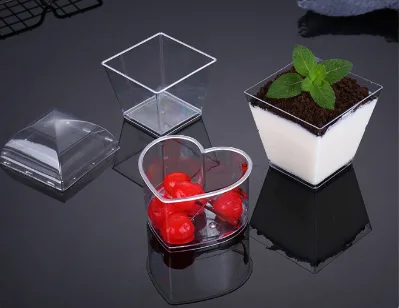
Round or Heart Shaped Disposable Plastic Sauce Cup or Portion Cup with Flip Lid
$0.00
MOQ: 5000 Pieces

Hefei Hyde Environment Protection Technology Co., Ltd.
- Verified by TUVRHEINLAND
- Trading Company,Manufacturer/Factory
- China Anhui
- Lead time23 days
- Avg. response≤ 2h
Main productsPaper Cups, Ice Cream Paper Cup, Kraft Shopping Paper Bags, Ripple Wall Cup, Paper Bread Bags, Double Wall Cups, Paper Salad Bowl, Paper Pizza Box, Paper Soup Cup, Paper Plates
Main marketsSouth America,Eastern Europe,Mid East,North America,Southeast Asia,Eastern Asia,Oceania,Western Europe,Africa

Custom Disposable Small 1oz Dipping Sauce Cup Small Paper Cup for Sauce
$0.01 - $0.02
MOQ: 10000 Pieces

Compostable Sugarcane Dipping Sauce Cups Small Disposable Mini Bagasse Sauce Cups
$0.01 - $0.02
MOQ: 50000 Pieces

Shanghai Touch Industrial Development Co., Ltd.
- Verified by TUVRHEINLAND
- Combined
- China Shanghai
- Lead time15 days
- Avg. response≤ 6h
Main productsInstant Hot Pack, Hot Cold Pack, Gel Eye Mask, Gel Ice Pack, Gel Bottle Cooler, Instant Ice Pack, Hand Warmer, Heat Pack, Cooling Scarf, Gel Beads
Main marketsSouth America,Others(foreignTradeCapacity.exportBusinessCapacityMarketOther),Southeast Asia/ Mideast,East Asia(Japan/ South Korea),Domestic,Europe,Australia,North America

OMC INTERNATIONAL (HK) CO., LIMITED
- Verified by TUVRHEINLAND
- Combined
- China Guangdong
- Lead time30 days
- Avg. response≤ 3h
Main productsAluminum Foil Container, Household Foil Roll, PP Sauce Container, PP Food Container, Aluminum Fol Roaster, Aluminum Foil BBQ Tray, Printing Aluminum Foil, Plastic Food Container, PP Sauce Cup, Plastic Cutlery
Main marketsSoutheast Asia/ Mideast

Globalink International Limited
- Verified by SGS
- Trading Company,Manufacturer/Factory,Other
- China Shandong
- Lead time45 days
- Avg. response≤ 15h
Main productsPlastic Packaging, Food Container, Fruit packaging, Paper Bags, Paper Packaging, Plastic Bags, Plastic Tape, Egg Tray, Aluminum Foil, Sushi Container
Main marketsSouth America,Eastern Europe,Mid East,North America,Southeast Asia,Eastern Asia,Oceania,Western Europe,Africa
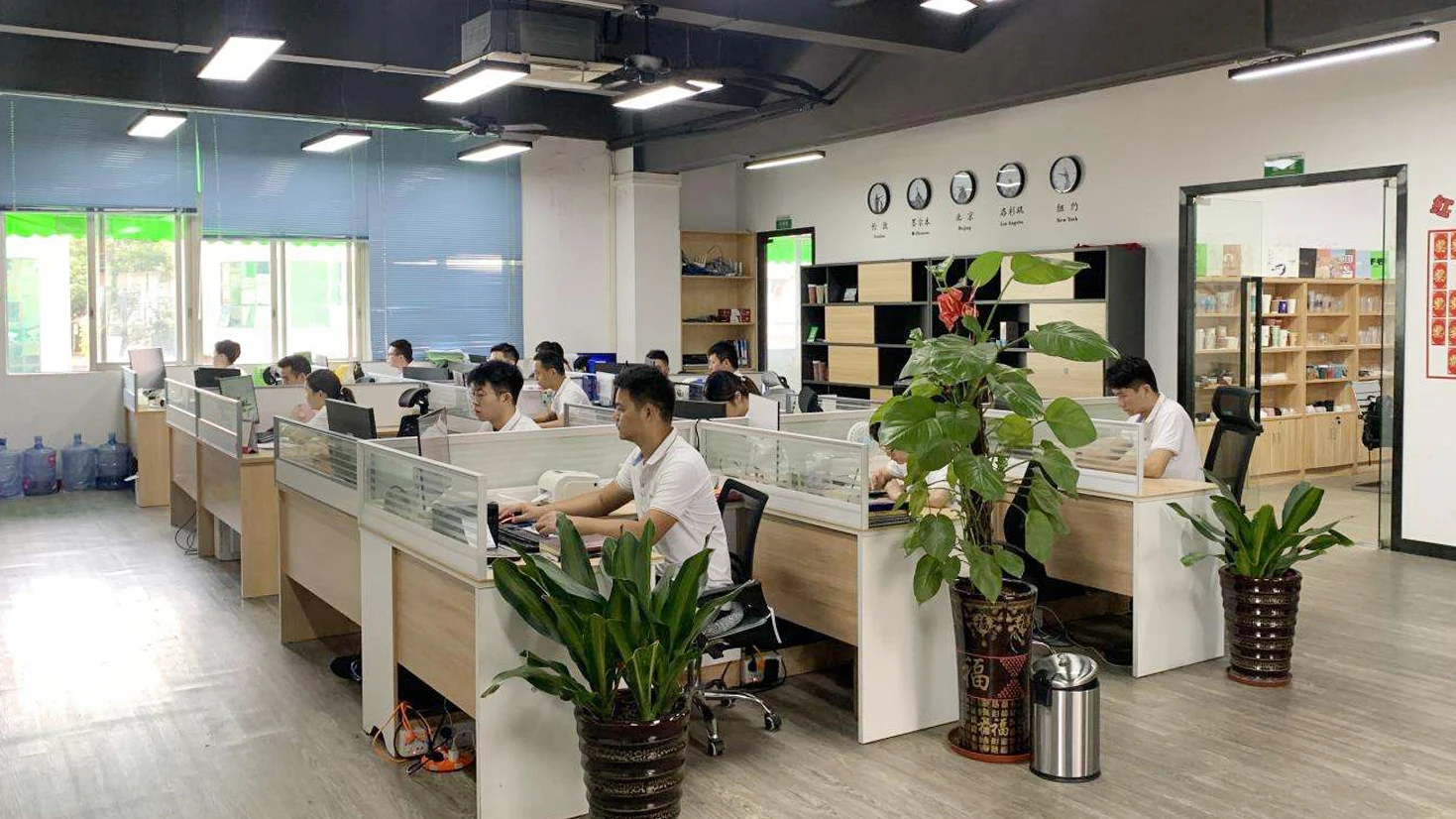
Dongguan Ai Feng Packaging Products Co., Ltd.
- Manufacturer, Trading Company
- Guangdong, China
- Lead time20 days
- Avg. response≤ 6h
Main productsPlastic Cups And Lids,Coffee Paper Cup,PLA Straws,Paper Bag,Disposable Plastic Containers
Main marketsDomestic Market(50.00%), North America(32.00%), Southeast Asia(13.00%), South Asia(2.00%), Mid East(2.00%), Western Europe(1.00%)

Jinjiang Jiaxing Import and Export Co., Ltd.
- Verified by CTI
- Manufacturer/Factory
- China Fujian
- Lead time120 days
- Avg. response≤ 1h
Main productsShoes, Slipper, Clothes, Promotion Gifts, Silicone Products, Outdoor Sports Products, Bags, Fashion Accessories, Consumer Electronics
Main marketsSouth America,Eastern Europe,Mid East,North America,Southeast Asia,Eastern Asia,Oceania,Western Europe,Africa




Comprehensive Sourcing Guide
Customized Logo Dipping Sauce Cups Supplier Concentration and Factory Types
Current data indicates manufacturing activity concentrated in specific Chinese provinces, with Jiangsu and Zhejiang emerging as key hubs for plastic food container production. Suppliers in Jiangsu often list main products including plastic food containers and portion cups, while Zhejiang-based entities frequently highlight disposable containers and plastic tableware as core offerings. These regional clusters suggest a supply chain maturity where raw material access and specialized molding capabilities are readily available for custom branding projects. Buyers should verify if a supplier's stated location matches their actual factory presence, as some trading companies may list a province without operating a production facility there.
Factory types vary significantly among the available results, ranging from combined entities that handle both manufacturing and trading to pure trading companies. A combined supplier type often implies direct control over the production line, which can facilitate faster customization of logos and shapes. In contrast, trading companies may offer a broader range of products like bottle caps or beverage lines but might rely on third-party factories for the actual dipping sauce cup production. Understanding this distinction is critical when evaluating the ability to support complex customization requests, as the internal structure of the company directly impacts communication flow and quality control during the manufacturing process.
How to Verify Customized Logo Dipping Sauce Cups Suppliers
Verification status provides a primary layer of trust, with some suppliers displaying BV verification while others hold TUVRHEINLAND credentials. These third-party audits confirm that the company exists and has undergone specific checks regarding their business operations and product capabilities. Buyers must ensure that the verification badge displayed on the profile is current and matches the specific entity they are negotiating with, as verification can sometimes be generic to the platform rather than the specific factory unit. Relying solely on a verification badge without further due diligence can be risky, as it does not guarantee the quality of the specific customized logo application on the final product.
System certifications such as ISO9001:2015 and ISO14001:2015 offer additional evidence of a supplier's commitment to quality management and environmental standards. The presence of these certificates suggests that the supplier follows documented procedures for production consistency, which is vital when ordering large quantities of branded items. However, buyers should request copies of these certificates to confirm they are valid and cover the specific manufacturing site. It is also important to check if the supplier claims to be BPA-Free or uses specific materials like PP, as these product attributes often require separate testing reports beyond general system certifications to ensure food safety compliance for the intended use.
What to Compare Across Customized Logo Dipping Sauce Cups Suppliers
Lead times and response speeds are critical metrics for planning custom orders, with observed response times varying from approximately 1.6 hours to over 11 hours. A supplier with a response time under three hours may indicate a dedicated sales team capable of handling urgent customization queries, whereas longer response times might suggest a slower workflow or limited staffing. Lead times for production also differ, with some suppliers offering a 15-day turnaround while others require 30 days. Buyers should compare these figures against their project deadlines, ensuring that the production schedule allows sufficient time for logo proofing, sample approval, and mass production without causing delays in the supply chain.
Minimum Order Quantities (MOQ) and pricing structures vary widely, influencing the feasibility of small-batch custom branding. Some suppliers list an MOQ of 1,000 units, making them suitable for startups or test markets, while others require orders of 125,000 units, which is only viable for large-scale distribution. Price points also fluctuate based on volume and customization complexity, with unit costs ranging from fractions of a cent to higher price points for specialized features. Buyers must calculate the total cost of ownership, including the impact of high MOQs on inventory holding costs, and compare this against the unit price to determine the most economical supplier for their specific order volume and budget constraints.
Common Customized Logo Dipping Sauce Cups Sourcing Risks
One significant risk involves the discrepancy between claimed product attributes and actual manufacturing capabilities, particularly regarding material safety and customization support. While some listings explicitly state BPA-Free status and support for customization, others may only offer standard products without the ability to apply custom logos or specific color variations. Buyers must verify that the supplier can actually execute the requested design, as the ability to print or mold a logo requires specific equipment and expertise that not all plastic container manufacturers possess. Relying on general product descriptions without confirming the specific customization workflow can lead to orders that do not meet branding requirements.
Another risk lies in the potential for mismatched packaging standards and shipping specifications, which can affect product integrity upon arrival. Product attributes often list packing details like carton packing or specific sleeve counts, but these may not align with the buyer's logistics requirements or destination market regulations. For instance, a supplier might pack 300 pieces per carton, but if the buyer requires a different configuration for retail display, the supplier may not accommodate the change without additional costs or delays. Additionally, the origin of the product, whether listed as Jiangsu, Zhejiang, or general China, must be verified to ensure compliance with any import tariffs or labeling laws specific to the buyer's region.
Customized Logo Dipping Sauce Cups Regional Sourcing and Logistics
Sourcing from Jiangsu offers access to suppliers specializing in plastic food containers and portion cups, often with established export channels for international markets. The concentration of manufacturers in this region suggests a robust ecosystem for plastic molding and thermal transfer printing, which are common techniques for applying logos to dipping sauce cups. Buyers should consider the logistical advantages of this cluster, such as proximity to major ports and a high density of packaging suppliers, which can streamline the shipping process. However, it is essential to confirm the specific port of loading, as shipping costs and transit times can vary significantly depending on the exact location within the province.
Zhejiang-based suppliers provide an alternative sourcing option, often focusing on disposable food containers and tableware with a strong emphasis on wholesale distribution. The region is known for its efficiency in producing high-volume plastic products, and suppliers here may offer competitive lead times for standard orders. When evaluating Zhejiang suppliers, buyers should assess their experience with custom branding, as the ability to handle personalized orders can differ from their standard production lines. Logistics from this region also benefit from proximity to Shanghai and Ningbo ports, facilitating efficient export, but buyers must verify the specific shipping terms to avoid unexpected costs related to inland transportation or customs clearance.
Customized Logo Dipping Sauce Cups Commercial Terms and Order Planning
Commercial terms regarding customization support and sample availability are pivotal for finalizing an order plan. Some suppliers explicitly state that samples are available and that logos can be customized, which is a positive indicator for the customization process. Buyers should confirm the cost and lead time for these samples, as they serve as the final proof of the logo application before mass production begins. Additionally, the acceptance of custom orders should be verified, as some suppliers may only offer standard designs or require a minimum order volume that exceeds the buyer's initial needs. Understanding these terms early prevents misunderstandings and ensures that the production timeline aligns with the buyer's launch schedule.
Order planning must also account for the specific product attributes and standards listed by the supplier, such as volume capacity and material type. Products may come in various volumes like 180ml or 220ml, and the material is often specified as PP, which affects the durability and microwave safety of the final cup. Buyers need to ensure that the selected product model meets their functional requirements, such as being leak-proof or having a secure lid. Furthermore, the packing standard, whether it is carton packing or specific sleeve counts, must be agreed upon to ensure the goods arrive in good condition. Careful review of these details ensures that the final product matches the intended use and branding strategy.
FAQs
What is the minimum order quantity for customized dipping sauce cups?
Minimum order quantities vary by supplier, ranging from 1,000 units to 125,000 units. Some manufacturers require bulk purchases to support custom branding and production costs effectively. Buyers should verify specific MOQs before placing orders to ensure alignment with their inventory needs.
How long does production take for these custom sauce cups?
Production lead times typically range from 15 to 30 days depending on the supplier and order volume. Suppliers in Zhejiang often offer faster turnaround times around 15 days, while those in Jiangsu may require up to 30 days. Confirming the exact timeline with the vendor is essential for planning.
Are these plastic sauce cups safe for food contact and microwaves?
Yes, most options are made from BPA-free PP material and are safe for food packaging. While the cups themselves are microwave-safe, the lids generally are not. Always check specific product attributes to ensure compliance with your safety standards and intended usage conditions.
What certifications do suppliers of these cups hold?
Many suppliers hold ISO9001:2015 and ISO14001:2015 certifications for quality and environmental management. Some vendors also undergo third-party verification by organizations like BV or TÜV Rheinland. These credentials indicate adherence to international standards for manufacturing processes and product safety.
Can I get samples before placing a large order?
Samples are available from several suppliers to help evaluate product quality and customization options. This allows buyers to test the material, leak-proof features, and print quality before committing to bulk production. Requesting samples is a standard step in the sourcing process for these items.
What is the price range for bulk orders of these cups?
Unit prices generally range from $0.008 to $0.36 depending on volume, size, and customization level. Lower prices apply to larger orders, while smaller quantities or specialized features may increase the cost. Buyers should compare quotes from multiple suppliers to secure the best value for their specific requirements.
Where are the manufacturers of these cups located?
Manufacturers are primarily located in China, specifically in provinces like Jiangsu, Zhejiang, and Liaoning. These regions offer established supply chains for plastic packaging and food containers. Knowing the location helps in estimating shipping times and understanding regional production capabilities.