Customized Logo Olive Cutting Board Suppliers and Manufacturers
Source Customized Logo Olive Cutting Board options from 28 verified suppliers in China. Compare key dimensions including lead times, MOQs, certifications, and response rates to identify the right partner. Review detailed product specifications and pricing to streamline your procurement process.
Suppliers List

NINGBO XUANHENG OUTDOOR & HOME APPLIANCES CO., LTD.
- Trading Company,Manufacturer/Factory
- China Zhejiang
- Lead time45 days
- Avg. response≤ 2h
Main productsWooden Beach Chair, Beach Umbrella, Sling Chair, Wooden Beer Table, Bamboo Home Products, Bamboo Shelf, Canvas Bag, Outdoor Beach Furniture, Art Accessories, Wooden Box
Main marketsSouth America,Eastern Europe,Mid East,North America,Southeast Asia,Eastern Asia,Oceania,Western Europe,Africa


Hot-Selling Good Quality Heart-Shaped Olive Wood Cutting Board for Kitchen
$1.00 - $3.00
MOQ: 500 Pieces
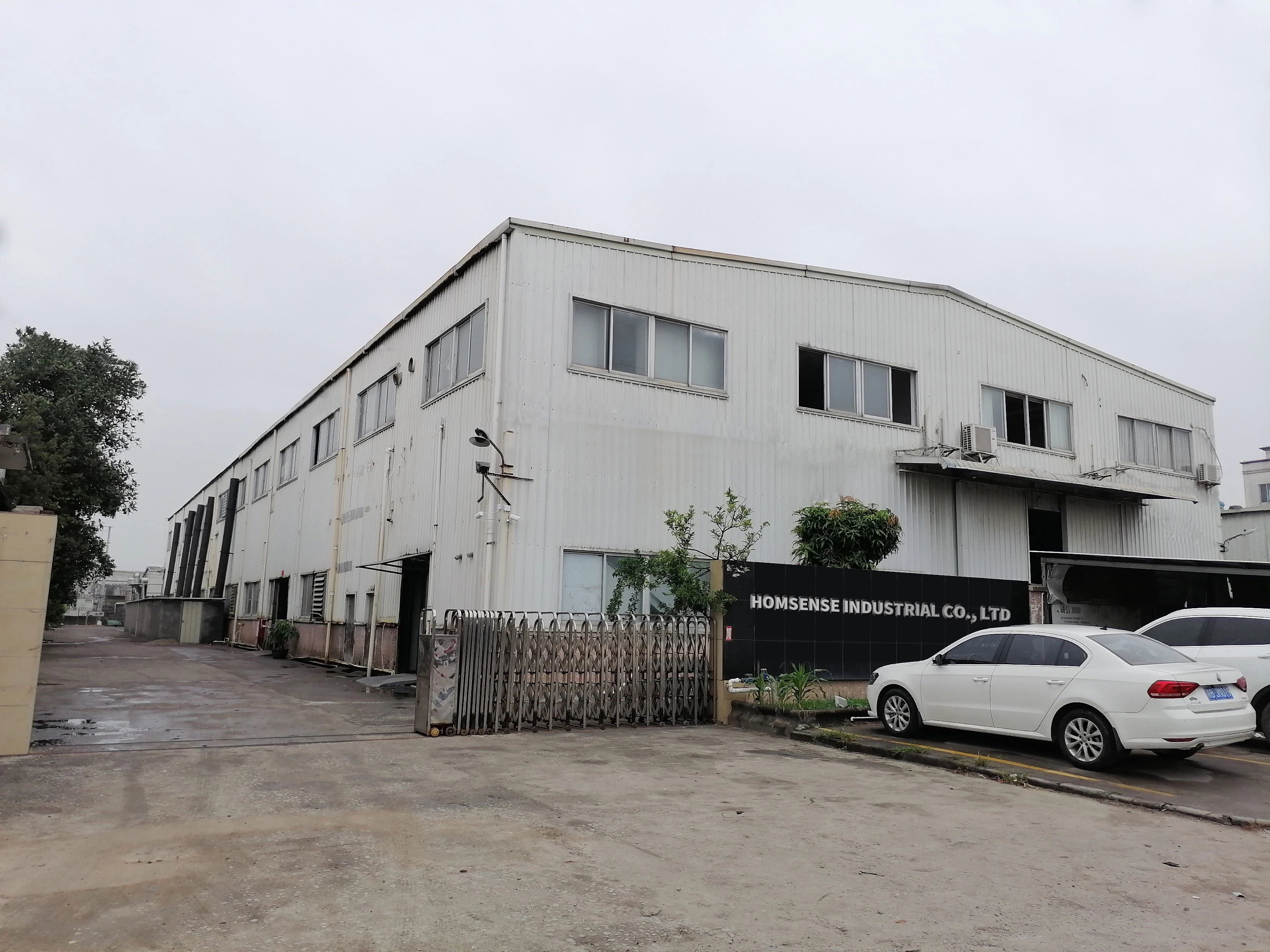
Yangjiang Yangdong Homsense Industrial Co., Ltd.
- Trading Company
- Guangdong, China
- Lead time45 days
- Avg. response≤ 6h
Main productsWooden Chopping Board/ Cheese Board and Knife/ Kitchen Utensils/ Kitchen Knife/ Kitchen Wood Accessories
Main marketsWestern Europe(42.00%), North America(23.00%), Eastern Europe(16.00%), Central America(11.00%), South America(4.00%), Northern Europe(2.00%), Domestic Market(2.00%)
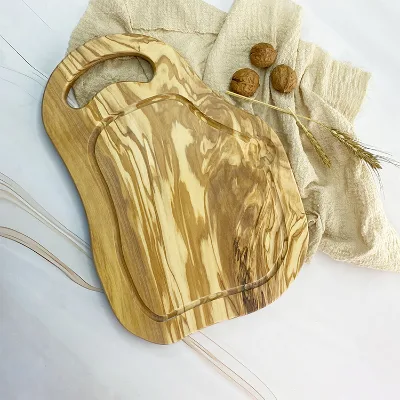
Wholesale Custom logo Multipurpose Butcher Chopping Board Olive Wood Cutting Board
$11.98 - $12.00
MOQ: 500
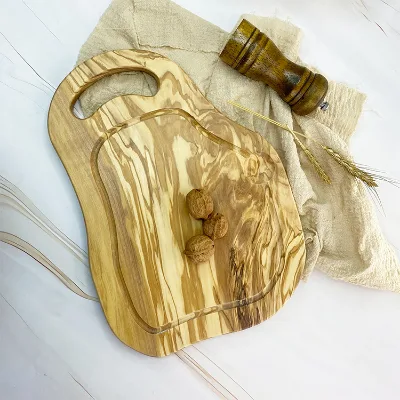
Commercial Food Serving Wooden Chopping Board Olive Wood Steak Cutting Board With Handle
$12.00 - $12.20
MOQ: 1000

- Verified by SGS
- Trading Company
- China Zhejiang
- Lead time15 days
- Avg. response≤ 16h
Main productsMop, Kitchen Knife, Chopping Board, Blanket, Mosquito Net, Cushion, Slipper, Broom, Luggage, Educational Toy
Main marketsEurope,Australia

Henan Yiqi Plastic Products Co., Ltd
- Verified by BV
- Trading Company
- China Henan
- Lead time15 days
- Avg. response≤ 4h
Main productsHDPE Sheet, PP Sheet, Plastic Cutting Board, HDPE Conveyor Roller, Temporary Road Mat, Crane Outrigger Pad, Plastic Pallet, Plastic Irregular Part, Fender Facing Pad
Main marketsSoutheast Asia/ Mideast,Europe

Custom Logo Food Grade PE Chopping Board for Promotional PE Cutting Board
$2.52 - $4.86
MOQ: 100 Pieces


Eco-Friendly PE Plastic Chopping Board for Sale/ Custom Plastic Cutting Board
$2.52 - $4.86
MOQ: 100 Pieces


Hangzhou Packaging Household Products Co., Ltd.
- Verified by Intertek
- Trading Company
- Lead time30 days
- Avg. response≤ 2h
Main productsWooden Cutting Board, Wooden Tray, Wooden Box, Wooden Barrel
Main marketsNorth America(62%), Eastern Europe(12%), Northern Europe(10%)
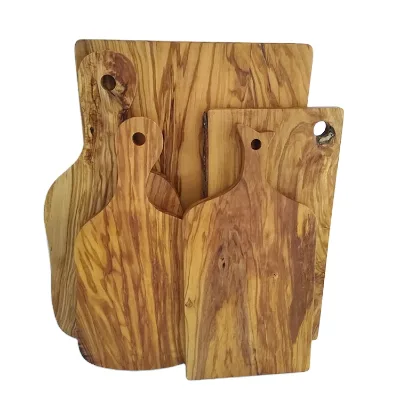
Factory Customized Carving Olive Wood Solid Olive Wood Chopping Cutting Board Serving Tray
$12.50 - $13.50
MOQ: 300
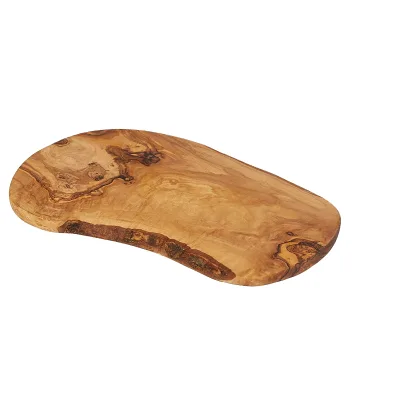
Wholesale Olive Cutting Board Live Edge Diy for Charcuterie Fruits Bread Meat Vegetable
$10.23 - $15.62
MOQ: 50 pieces

XIAMEN TWO CITY IMP AND EXP CO., LTD.
- Verified by SGS
- Trading Company
- China Fujian
- Lead time30 days
- Avg. response≤ 4h
Main productsBamboo Panel, Bamboo Plywood, Bamboo Cutting Board, Bamboo Chopping Board, Bamboo Products, Bamboo Kitchenware, Bamboo Tableware, Bamboo Furniture, Wood Product, Wood Root Carving Product
Main marketsSoutheast Asia/ Mideast,Europe,North America


$7.24 - $9.65
MOQ: 500 Pieces


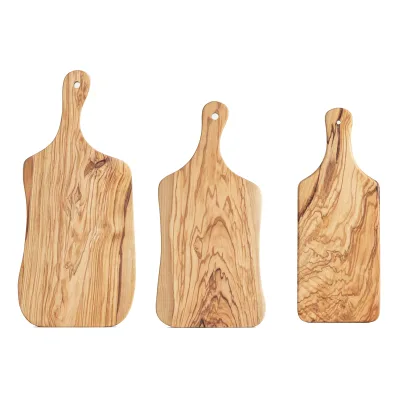
Wholesale Olive Wood Cutting Board Serving Platter Cheese Board, Serving Board with Handle
$7.88 - $10.65
MOQ: 500 Pieces

MOQ: 50 Pieces
Cao County Kailiyang Handicrafts Co., Ltd.
- Manufacturer, Trading Company
- Shandong, China
- Lead time0 days
- Avg. response≤ 3h
Main productsWood Box,Wood Tray,Wood Shelf,Wood Craft
Main marketsNorth America(45.00%), Oceania(15.00%), Domestic Market(10.00%), Eastern Europe(5.00%), Southeast Asia(5.00%), Eastern Asia(5.00%), Western Europe(5.00%), Northern Europe(5.00%), South Asia(5.00%)
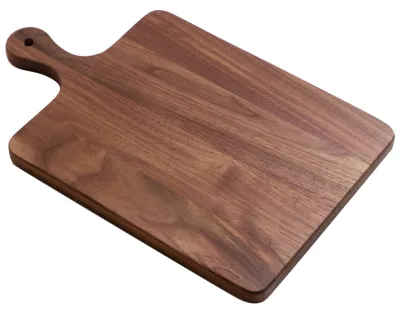
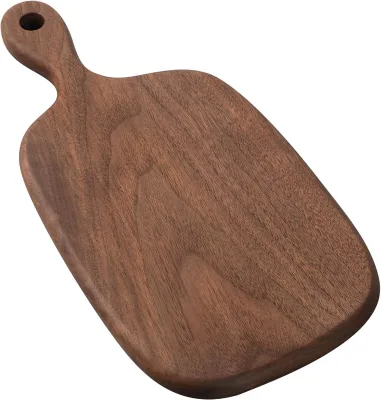
$2.80 - $4.20
MOQ: 300 pieces
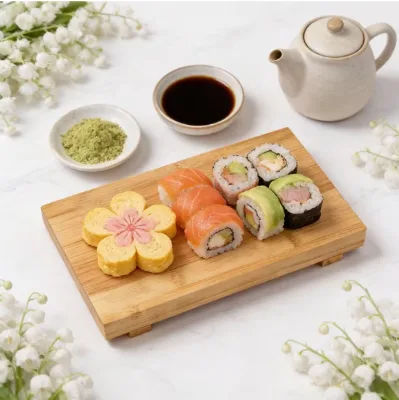

Shaowu City Nafu Bamboo and Wood Industry Co., Ltd.
- Manufacturer
- China Fujian
- Lead time15 days
- Avg. response≤ 17h
Main productsBamboo and Wood Cutting Board Cheese Board, Bamboo and Wood Storage Box, Bamboo and Wood Plate, Bamboo and Wood Tray, Marble Wood Cheese Board, Bamboo and Wood Table, Bamboo and Wood Bathroom Products, Bamboo and Wood Shelf, Bamboo and Wood Kitchen Utensil, Bamboo and Wood Bowl
Main marketsEast Asia(Japan/ South Korea),Domestic,Europe,Australia,North America


Wholesale Custom Logo Ebony Wood Fruit Board Bread Board Wooden Cutting Board
$4.00 - $7.00
MOQ: 300 Pieces


Xiamen Forever Rise Imp and Exp Co., Ltd.
- Verified by BV
- Trading Company
- China Fujian
- Lead time23 days
- Avg. response≤ 14h
Main productsBamboo Plywood, Bamboo Panel, Bamboo Chopping Board, Bamboo Pizza Board, Bamboo Kitchenwares, Bamboo Weaving Mat, Bamboo Table Top, Bamboo Skewer Sticks, Outdoor Bamboo Decking, Outdoor Wall Panel
Main marketsSoutheast Asia/ Mideast,East Asia(Japan/ South Korea),Europe,Australia,North America

Logo-Can-Be-Customized Bamboo Cutting Board for Bread, Pizza, Vegetable, Fruit.
$0.55 - $1.55
MOQ: 1000 Pieces

Fujian Bridge Style Furnishings Co., Ltd.
- Verified by TüVRheinland
- Manufacturer, Trading Company
- Lead time45 days
- Avg. response≤ 2h
Main productsCutting Board, Cheese Board, Bamboo Drawer Organizer, Bath Tray, Bamboo Storage Box
Main marketsNorth America(60%), Western Europe(40%)
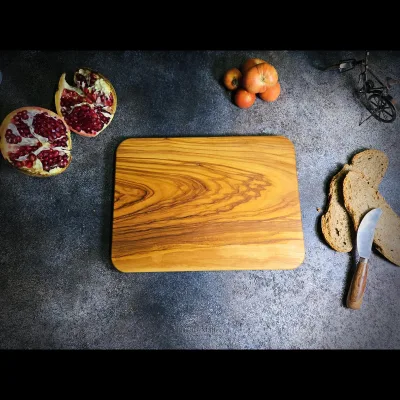
Custom Olive Wood Cutting Board, Engraved Cutting Boards, Personalized Kitchen Gift
$10.50 - $10.90
MOQ: 100 pieces
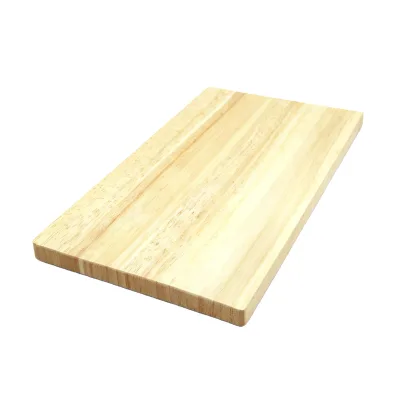
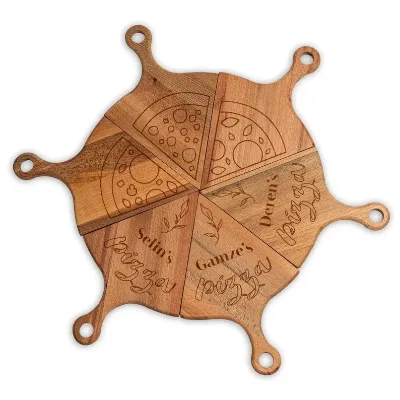
Wooden Pizza Serving Board Custom Name on Pizza Serving Tray Cutting Slicing Board.
$4.50 - $6.00
MOQ: 100

Nanping Jianyang Heng Xinwang Bamboo and Wooden Products Co., Ltd.
- Verified by BV
- Combined
- China Fujian
- Lead time23 days
- Avg. response≤ 3h
Main productsBamboo Products, Wooden Products, Straw Products, Rattan Items, Straw and Willow Products
Main marketsSoutheast Asia/ Mideast,East Asia(Japan/ South Korea),Europe,Australia,North America

Caoxian Zhongyi Wooden Co.,Ltd
- Verified by BV
- Combined
- China Shandong
- Lead time30 days
- Avg. response≤ 11h
Main productsWoodwork
Main marketsEurope


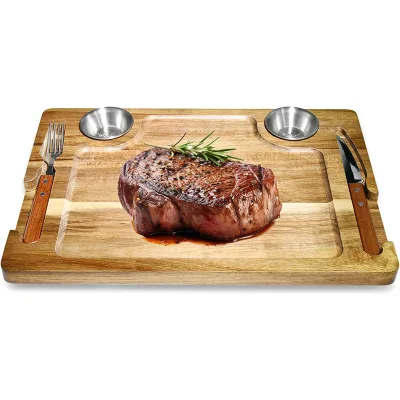
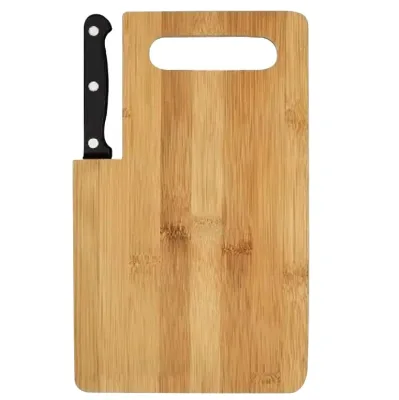
Acacia Olive Wood Cutting Board Bamboo Cutting Serving Board with Knife Set
$4.00 - $5.00
MOQ: 1000 Pieces

Cao County Jiusi Woods Co., Ltd.
- Verified by SGS
- Manufacturer/Factory
- China Shandong
- Lead time23 days
- Avg. response≤ 9h
Main productsEdge Glued Board, Finger Joint Board, Wood Bed Slats, Plywood, Block Board, Wood Breaking Board, Carbonized Wood Board, Wood Crafts, Wood Wall Panel, Varnished Wood Board
Main marketsSouth America,Eastern Europe,Mid East,North America,Southeast Asia,Eastern Asia,Oceania,Western Europe,Africa

Henan Zlovy Enterprise Co., Ltd.
- Trading Company
- Henan, China
- Lead time1 days
- Avg. response≤ 8h
Main productsCoffee Pot,Coffee Tools,Water Bottle,Home Appliances,Baking Tools
Main marketsNorth America(35.00%), Western Europe(20.00%), Mid East(20.00%), Southeast Asia(15.00%), South America(10.00%)

Yangjiang Gelaiya Industry & Trade Co., LTD
- Verified by TUVRHEINLAND
- Trading Company,Manufacturer/Factory
- China Guangdong
- Lead time30 days
- Avg. response≤ 9h
Main productsCutting Board, Kitchen Knife, Scissors, Kitchenware, Houseware, Bakeware, Outdoor Knife, Digital Products
Main marketsSouth America,Eastern Europe,Mid East,North America,Southeast Asia,Eastern Asia,Oceania,Western Europe,Africa

Fujian Hoyee Household Items Co., Ltd.
- Verified by BV
- Manufacturer/Factory
- China Fujian
- Lead time0 days
- Avg. response≤ 10h
Main productsBamboo Products, Cutting Board, Bathtub Caddy, Bath Mat, Bath Towel Rack, Shoes Rack, Office Organizer, Desk Organizer, Cheese Board, Serving Tray
Xiamen Youlike Houseware Co., Ltd.
- Verified by TüVRheinland
- Trading Company
- Fujian, China
- Lead time25 days
- Avg. response≤ 3h
Main productsForklift and Forklift Attachment
Main marketsNorth America(55%), Western Europe(18%), Northern Europe(7%)
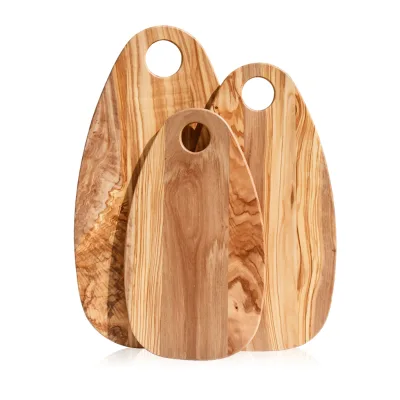
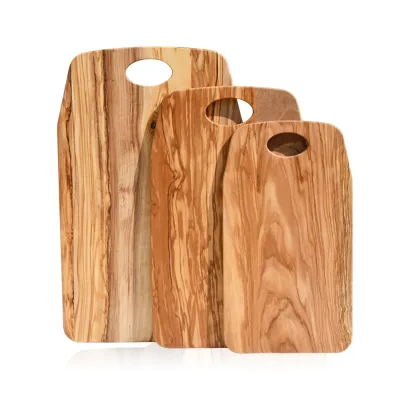
Oval Shape Premium Olive Wood Large Cutting Board, Olive Wood Cheese Board Set
$31.19 - $32.19
MOQ: 300
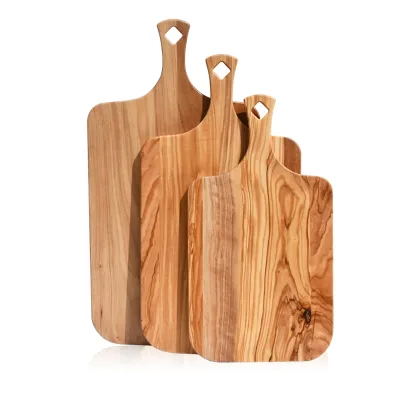
Youlike Handcrafted Organic Natural Olive Wood Cutting Board Cheese and Bread Cutting Wood Board
$34.74 - $35.61
MOQ: 500 sets
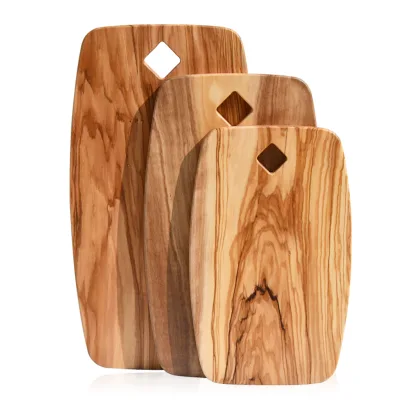
$32.69 - $34.79
MOQ: 500 sets
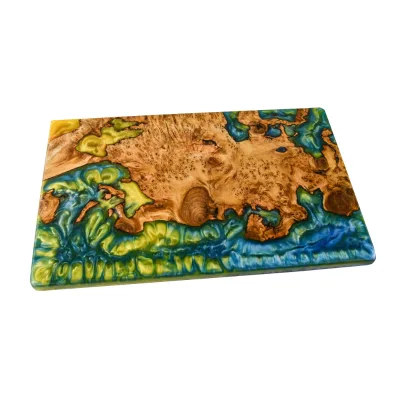

Jinjiang Jiaxing Import and Export Co., Ltd.
- Verified by CTI
- Manufacturer/Factory
- China Fujian
- Lead time120 days
- Avg. response≤ 1h
Main productsShoes, Slipper, Clothes, Promotion Gifts, Silicone Products, Outdoor Sports Products, Bags, Fashion Accessories, Consumer Electronics
Main marketsSouth America,Eastern Europe,Mid East,North America,Southeast Asia,Eastern Asia,Oceania,Western Europe,Africa

Wenzhou Cathylin International Trade Co., Ltd.
- Verified by TUVRHEINLAND
- Trading Company
- China Zhejiang
- Lead time15 days
- Avg. response≤ 13h
Main productsFlatware, Cutlery, Kitchen Tools, Tableware, Cookware, Bakeware, Drinkware
Main marketsNorth America

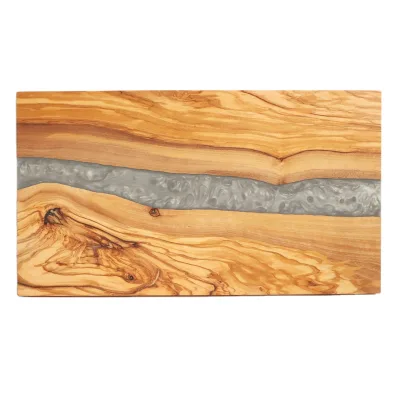
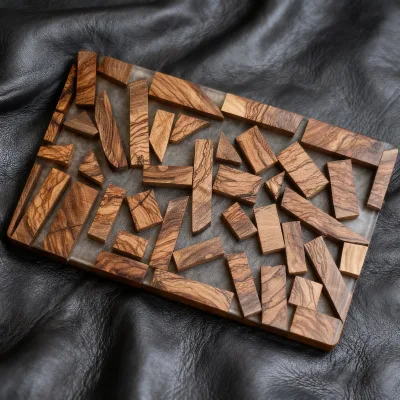
Rectangular Large Chopping Blocks Serving Multi Functional Epoxy Resin Olive Wood Cutting Board
$13.80 - $15.80
MOQ: 500 Pieces


- Verified by BV
- Trading Company
- China Zhejiang
- Lead time30 days
- Avg. response≤ 12h
Main marketsSouth America,Africa,Southeast Asia/ Mideast,East Asia(Japan/ South Korea),Europe,Australia,North America
Shuifu Huiyang Agricultural Technology Co., Ltd.
- Verified by SGS
- Trading Company
- China Yunnan
- Lead time23 days
- Avg. response≤ 3h
Main productsBamboo Products, Bamboo Crafts, Bamboo Chopsticks, Bamboo Skewers, Bamboo Weaving, Bamboo Tray, Bamboo Box, Bamboo Placemat, Bamboo Fruit Bowl, Lamp Shades
Main marketsDomestic


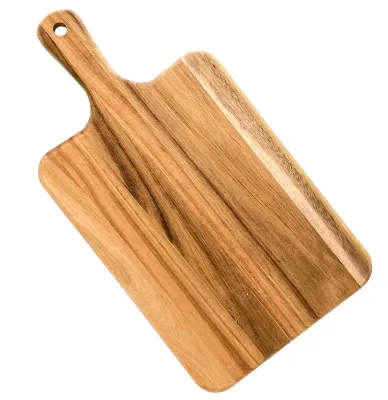
Wooden Cutting Board with Handle Large Durable Eco Friendly Kitchen Chopping Board
$9.98
MOQ: 1000 Pieces


Shaowu Han Well Import and Export Trade Co., Ltd.
- Trading Company
- China Fujian
- Lead time23 days
- Avg. response≤ 7h
Main productsChopping Boards, Serving Boards, Bamboo Skewer, Bamboo Stick, Tray, Cutting Board, Box, Utensil Tool, Bamboo Chopsticks, Coffee Stirrers
Main marketsEast Asia(Japan/ South Korea),Europe,Australia,North America


Top Quality Natural Colour Durability Odourless Cutting Board for Cutting Fruit
$2.40 - $2.90
MOQ: 500 Pieces

Top Selling Acacia Wood Eco-Friendly Odourless Cutting Board for Chopping Vegetables
$2.40 - $2.90
MOQ: 500 Pieces

Top Quality Square Easy to Clean Odourless Wooden Cutting Board for Fruits Chopping Board
$2.40 - $2.90
MOQ: 500 Pieces


Best Quality Square Eco-Friendly Efficient Storage Cutting Board for Fruits Chopping Board
$2.40 - $2.90
MOQ: 500 Pieces
Wuyuan Meimei Houseware Co., Ltd.
- Verified by Intertek
- Manufacturer, Trading Company
- Lead time15 days
- Avg. response≤ 2h
Main productsWood Rolling Pin, Wood Cutting Board, Wood Lemon Juicer, Wood Meat Hammer, Wood Tray
Main marketsDomestic Market(72%), North America(25%), Mid East(3%)
Changxing Grand Home Products Co., Ltd.
- Verified by SGS Group
- Trading Company
- Lead time30 days
- Avg. response≤ 2h
Main productsCutting Boards; Cheese Boards, Bamboo Organizer; Storage Baskets; Racks; Storage Bags; Mesh Bags, Bread Bags, Placemats
Main marketsWestern Europe(35%), North America(20%), Eastern Europe(20%)
$13.85 - $22.80
MOQ: 500 pieces
$15.20 - $17.25
MOQ: 200 pieces

Xiamen Ebei Import & Export Co., Ltd.
- Verified by CTI
- Trading Company,Manufacturer/Factory
- China Fujian
- Lead time45 days
- Avg. response≤ 2h
Main productsEco-Friendly Products, Bamboo Tableware, Bamboo Furniture, Bamboo Kitchenware, Bamboo Office Supply, Bamboo Fibre Products, Biodegradable Products, Bamboo Towel, Solar Energy Products, Bamboo Garden Products
Main marketsSouth America,Eastern Europe,Mid East,North America,Southeast Asia,Eastern Asia,Oceania,Western Europe,Africa


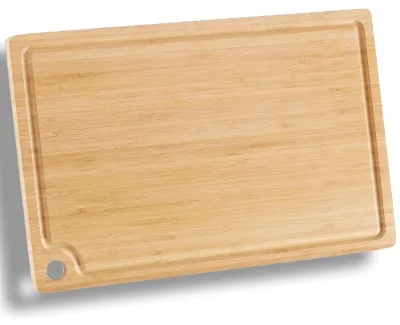
Bamboo Cutting Board Chopping Board
MOQ: 500 Pieces

Custom Engraved Wood Chopping Block Bamboo Cutting Board
MOQ: 500 Pieces


Cao County Jinpengyuan Container Packaging Co., Ltd.
- Verified by SGS Group
- Manufacturer, Trading Company
- Lead time30 days
- Avg. response≤ 4h
Main productsOak Barrel, Wooden Box, Wood Tray, Fumigator, Cutting Board
Main marketsDomestic Market(30%), North America(15%), South America(10%)

Henan Okay Plastic Industry Co., Ltd.
- Verified by TUVRHEINLAND
- Combined
- China Henan
- Lead time23 days
- Avg. response≤ 9h
Main productsHDPE Sheet, UHMWPE Sheet, Ground Protection Mat, Synthetic Ice, Temporary Road, Borated Polyethylene, Cutting Board, Chopping Board, UHMW Sheet, Plastic Road Plates
Main marketsEast Asia(Japan/ South Korea),Australia,North America


Colorful Plastic Chopping Board Cutting Board with Custom for Vegetables Meat Pizza Cheese
$2.00 - $5.00
MOQ: 100 Pieces
Caoxian Shangyuan Arts & Crafts Co., Ltd.
- Verified by SGS Group
- Manufacturer, Trading Company
- Lead time35 days
- Avg. response≤ 1h
Main productsBricks, Trays, Storage Racks, Bedroom Furniture, Wooden Climbing Frames
Main marketsNorth America(40%), Eastern Asia(30%), Western Europe(20%)




Comprehensive Sourcing Guide
Customized Logo Olive Cutting Board Supplier Concentration and Factory Types
Current data indicates that suppliers offering customized logo olive cutting boards are concentrated in specific Chinese provinces, with Zhejiang and Guangdong emerging as primary manufacturing hubs. Fact records show locations in Zhejiang Ningbo and Guangdong, China, suggesting these regions host the relevant production clusters. In Zhejiang, suppliers often operate as a mix of trading companies and manufacturers, offering a blend of direct factory access and broader product ranges. The observed company types include Trading Companies and Manufacturer/Factory entities, which implies buyers may encounter intermediaries alongside direct production units. This mix affects how buyers should approach initial contact, as trading companies might offer more diverse sourcing options while manufacturers provide direct control over production variables.
In Guangdong, the supplier profile leans heavily toward trading companies specializing in wooden kitchenware and accessories. These entities often aggregate products from various factories, including those producing olive wood and bamboo cutting boards. The main products listed for these suppliers include wooden chopping boards, cheese boards, and kitchen knives, indicating a specialized focus on wooden kitchen accessories. Buyers should verify whether a supplier is a direct factory or a trading company by checking their company type designation and asking for factory audit reports. Understanding this distinction is critical because it influences lead times, communication speed, and the ability to customize specific design elements like logo placement or board shape.
How to Verify Customized Logo Olive Cutting Board Suppliers
Verification begins with confirming the supplier's physical location and operational history, as data points to specific origins like Zhejiang Ningbo and Guangdong. Buyers must request proof of address and cross-reference it with the stated location in the supplier profile. For suppliers claiming to be manufacturers, ask for video tours of the production floor to confirm the presence of woodworking machinery and finishing lines. The observed response times vary, with some suppliers showing a response time of 1.02 hours while others take up to 6 hours. A faster response time often correlates with a more active sales team, but it does not guarantee production capacity. Buyers should test communication channels with specific questions about their customization capabilities to gauge responsiveness and professionalism.
Certification and product compliance are equally vital for verifying supplier legitimacy, especially for food-contact items like cutting boards. The available data lists certifications such as ISO 9001, ISO 14000, and QC 080000 for some suppliers, while product attributes mention FDA, LFGB, and SGS standards. Buyers must request valid, up-to-date certificates for these specific standards rather than accepting generic claims. Additionally, verify the material composition; some listings specify "Olivier Wood" or "Olive Wood," while others mention bamboo or mixed wood. Ask for third-party test reports confirming the material is genuine olive wood and free from harmful chemicals. Do not rely solely on product descriptions; demand physical samples and independent lab results to ensure the supplier meets safety and quality requirements before placing any order.
What to Compare Across Customized Logo Olive Cutting Board Suppliers
When comparing suppliers, focus on quantifiable metrics such as minimum order quantity (MOQ), lead times, and pricing structures. The data reveals significant variation in MOQs, ranging from 100 pieces for some wooden boards to 1000 pieces for others. Lead times also differ, with observed production times of 45 days for certain items and sample times of 7 days for others. Buyers should create a comparison matrix to evaluate these factors side-by-side, noting that lower MOQs might come with higher unit prices or longer lead times. It is essential to understand that a supplier offering a low MOQ of 100 pieces may not be suitable for large-scale commercial orders, whereas a supplier with a 1000-piece MOQ might offer better economies of scale for bulk purchases.
Pricing and customization options are another critical comparison point. Unit prices in the observed data range from $0.50 to $20.00, depending on the material, size, and complexity of the customization. Some suppliers offer flexible customization with available logo printing, while others have fixed designs. Buyers must compare the cost per unit against the total order value, factoring in shipping and potential tariffs. Additionally, compare the specific customization features offered, such as the ability to choose board shapes like round, square, or irregular, and the availability of different finishes like natural or carbonized colors. A supplier offering a wider range of shapes and finishes may provide better value for diverse product lines, even if their base price is slightly higher.
Common Customized Logo Olive Cutting Board Sourcing Risks
One significant risk involves material authenticity, where suppliers may substitute olive wood with cheaper alternatives like bamboo or mixed hardwoods. The product attributes list materials such as "Olivier Wood" and "Bamboo," but without rigorous verification, buyers risk receiving products that do not match the premium olive wood description. This discrepancy can lead to customer dissatisfaction and potential returns. To mitigate this, buyers should insist on material samples and request detailed specifications that explicitly state the wood species. Do not assume that a product labeled as "olive wood" is genuine without independent verification, as the market contains many imitations that look similar but lack the durability and aesthetic of real olive wood.
Another risk is inconsistent quality control and delayed delivery, which can disrupt supply chains. While some suppliers report a lead time of 45 days, others may not provide clear timelines, leading to uncertainty. The observed response times vary, and a slow response can indicate poor project management or capacity issues. Buyers should establish clear communication protocols and set strict deadlines in the purchase agreement. Additionally, verify the supplier's capacity to handle rush orders or volume spikes, as some suppliers may have limited production capabilities. Requesting a production schedule and regular progress updates can help identify potential delays early. Always include penalty clauses for late deliveries in contracts to protect against supply chain disruptions.
Customized Logo Olive Cutting Board Regional Sourcing and Logistics
Sourcing from Zhejiang and Guangdong offers distinct logistical advantages and challenges. Suppliers in Zhejiang Ningbo benefit from proximity to major ports, which can streamline export processes and reduce shipping times. The data indicates that products from this region often have specific packing standards, such as export standard cartons or color boxes, which are designed to protect goods during transit. Buyers should verify the packaging details to ensure they meet international shipping requirements, especially for fragile wooden items. The single package size and gross weight provided in the data, such as 36x25x3 cm and 2.0 kg, are crucial for calculating shipping costs and optimizing container loading.
In contrast, suppliers in Guangdong may offer different logistical benefits, such as access to specialized logistics hubs and a wider range of shipping options. The observed supply ability of 10,000 pieces per month suggests that some suppliers have robust logistics networks capable of handling large volumes. However, buyers must confirm the actual shipping terms, including Incoterms like FOB, CIF, or EXW, to understand who bears the risk and cost during transit. Verify the supplier's experience with international shipping and their ability to handle customs documentation. Requesting a sample shipment before placing a large order can help assess the reliability of their logistics partners and the condition of the goods upon arrival.
Customized Logo Olive Cutting Board Commercial Terms and Order Planning
Commercial terms for customized logo olive cutting boards often include specific payment structures and warranty conditions. Buyers should negotiate payment terms that balance risk, such as a 30% deposit with the balance due before shipment, or using escrow services for added security. The data shows various MOQs and price ranges, so buyers must plan their order quantities carefully to maximize cost efficiency. For instance, ordering 1000 pieces might yield a lower unit price compared to ordering 100 pieces, but it requires more upfront capital. Buyers should calculate the total cost of ownership, including production, shipping, and potential duties, to ensure the order remains profitable.
Order planning also involves managing lead times and production schedules effectively. With observed lead times of 45 days, buyers should place orders well in advance to avoid stockouts. Coordinate with the supplier to establish a clear production timeline, including milestones for material sourcing, manufacturing, and quality checks. Request a detailed production schedule and regular updates to track progress. Additionally, plan for potential delays by maintaining a buffer stock or having alternative suppliers ready. Clear communication and detailed contracts are essential to ensure that both parties understand their obligations and that the customized logo olive cutting boards are delivered on time and to specification.
FAQs
What is the minimum order quantity for custom olive wood cutting boards?
Minimum order quantities vary by supplier and product model. Some listings require 100 pieces, while others set the threshold at 500 or 1000 units. Buyers should verify the specific MOQ for their chosen design before placing an order to ensure it meets their volume needs.
How long does production take for customized wooden cutting boards?
Production lead times typically range from 45 days for standard orders. Some suppliers may offer faster sample times of seven days for prototypes. Buyers must confirm the exact delivery schedule with the manufacturer, as timelines depend on order volume and customization complexity.
Are these cutting boards made from genuine olive wood or bamboo?
Suppliers offer products made from both olive wood and bamboo materials. Some listings specify olive wood, while others describe bamboo kitchenware with similar functions. Buyers should check the material attributes listed for each product to confirm the specific wood type used in the manufacturing process.
What certifications do these kitchen cutting boards hold for safety?
Many products carry certifications such as FDA, LFGB, and SGS to ensure food safety. System certifications like ISO 9001 and ISO 14000 are also common among manufacturers. Buyers should request specific test reports to verify that the boards meet international safety standards for kitchen use.
Can I get a custom logo printed on the wooden boards?
Custom logo printing is available for most cutting board models listed. Suppliers indicate that customization options are open for branding purposes. Buyers should confirm the specific logo application method and any additional costs associated with adding their brand to the product surface.
Where are these wooden cutting boards manufactured and shipped from?
Manufacturing locations include Zhejiang and Guangdong provinces in China. Specific origins like Ningbo are noted for certain product models. Buyers should verify the exact shipping origin to understand logistics costs and potential transit times for their specific order requirements.
What is the price range for bulk orders of these boards?
Unit prices vary significantly based on material and size, ranging from 0.50 to 20.00 dollars. Lower prices often apply to bamboo options, while olive wood models may cost more. Buyers must check the specific price range for the model they select to budget accurately.