CUTICLE Nail Drill Bits Suppliers and Manufacturers
Explore 25 verified suppliers offering CUTICLE Nail Drill Bits with diverse materials like diamond, ceramic, and tungsten carbide. Compare response times, lead times, certifications, and pricing to source the right tools for your business needs today; review the available evidence before requesting comparable quotations from suitable candidates.
Suppliers List
Dongguan Dongri Electromechanical Technology Co.,Ltd.
- Verified by TüVRheinland
- Manufacturer, Trading Company
- Lead time20 days
- Avg. response≤ 3h
Main productsNail Drill, Nail Lamp, Nail Dust Collector
Main marketsNorth America(30%), Eastern Europe(20%), Western Europe(15%)
Shanghai Chiyan Abrasives Co., Ltd.
- Manufacturer, Trading Company
- Lead time旺季: "1 - 500":5,"501 - 1000":10,"1001 - 5000":21,"> 5000":"To be negotiated", 淡季: "1 - 500":5,"501 - 1000":10,"1001 - 5000":21,"> 5000":"To be negotiated"
- Avg. response≤ 6h
Main productsNail Brush, Nail Sanding Band, Nail Drill Bits, Nail Drill Machine, Nail Tool

Guangzhou Isaland Cosmetics Co., Ltd.
- Trading Company, Buying Office, Agent, Distributor/Wholesaler
- Guangdong, China
- Lead time0 days
- Avg. response≤ 6h
Main productsNail Lamp,Nail Art Drill Machine,Nail Decoration,Nail Brush,Nail Art Tips
Main marketsEastern Europe(40.00%), South America(20.00%), North America(10.00%), Northern Europe(5.00%), Mid East(5.00%), Central America(5.00%), Southeast Asia(5.00%), South Asia(3.00%), Eastern Asia(3.00%), Africa(3.00%), Domestic Market(1.00%)

Nanchang Bestway Cemented Carbide Co., Ltd.
- Verified by SGS
- Combined
- China Jiangxi
- Lead time23 days
- Avg. response≤ 23h
Main productsCarbide Tip, Carbide Plates, Scarifier Cutter, Tct Cutters, Tungsten Carbide, Tungsten Carbide Cutter
Main marketsSouth America,Africa,Southeast Asia/ Mideast,East Asia(Japan/ South Korea),Europe,Australia,North America

E-File Cuticle Cleaning Manicure Nail Carbide Drill Bit for DIY Nail Beauty
$0.80 - $1.00
MOQ: 1 Pieces


- Combined
- China Jiangsu
- Lead time30 days
- Avg. response≤ 3h
Main productsNail Drill Bits Set, Tungsten Carbide Burr, Mini Bench Grinder, Diamond Tools, Dental Rotary Burr, Mini Grinder, Nail Beauty Rotary Burr
Main marketsSouth America,Africa,Southeast Asia/ Mideast,East Asia(Japan/ South Korea),Europe,Australia,North America


Nail Beauty Cuticle Cleaning Cylinder Round Top Electroplated Diamond Nail Drill Bit
$0.28 - $0.36
MOQ: 5 Pieces


Guangzhou Fantastic Beauty Nail Co., Ltd
- Verified by SGS Group
- Manufacturer, Trading Company
- Lead time7 days
- Avg. response≤ 3h
Main productsNail File, , Nail Sticker, Nail Stamping Plate, Nail Art Tool
Main marketsNorth America(15%), Western Europe(13%), South America(10%)
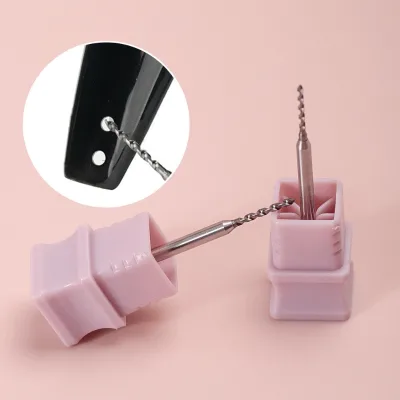
Quick Acrylic Nail Surface Drilling Drill Bit 1/1.2mm Tungsten Steel Nail Pierce Drill Bits
$0.75 - $1.00
MOQ: 200 bags
Dongguan I-Believe Electronic Appliance Co., Ltd.
- Manufacturer, Trading Company
- Lead time旺季: "1 - 100":15,"> 100":"To be negotiated", 淡季: "1 - 100":15,"> 100":"To be negotiated"
- Avg. response≤ 4h
Main productsUV LED Nail Lamp, Nail Drill, Nail Tips, Nail Accessory, Beauty Instrument

Guangzhou Skyrann Electronic Tech Co., Ltd.
- Verified by TUVRHEINLAND
- Trading Company,Manufacturer/Factory
- China Guangdong
- Lead time15 days
- Avg. response≤ 17h
Main productsNail Lamps&Nail Dryers, UV Gel&Gel Polish, Nail Drills, Nail Tools, Nail Art Decoration, Nail Brushes, Nail Files&Buffers
Main marketsSouth America,Eastern Europe,North America,Southeast Asia,Eastern Asia,Western Europe,Africa


Tungsten Carbide Nail File Drill Bits Set for Manicure Pedicure/Manicure Nail Bit Set
$125.00 - $135.00
MOQ: 1 Sets


Hefei Leyimei Trading Co., Ltd.
- Trading Company
- Anhui, China
- Lead time10 days
- Avg. response≤ 3h
Main productsnail lamp,nail drill,nail brush,nail file,nail tool
Main marketsNorth America(50.00%), Western Europe(15.00%), South America(10.00%), Eastern Europe(10.00%), Southern Europe(10.00%), Northern Europe(5.00%)
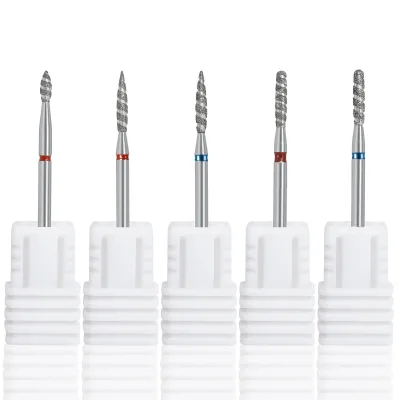
$0.52 - $0.57
MOQ: 10 pieces
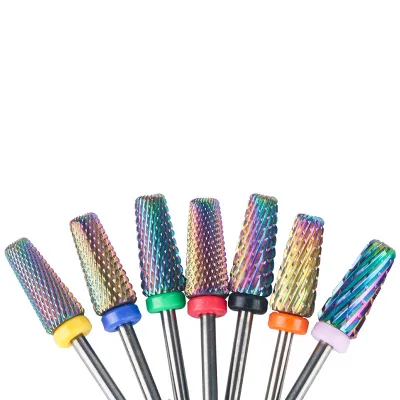

- Verified by TUVRHEINLAND
- Trading Company
- China Anhui
- Lead time15 days
- Avg. response≤ 6h
Main productsIndustrial Brush, Roller Brush Sweeper Brush, Polishing Brush, Electric Scrubber Brush, Cleaning Brush, Strip Brush, Tube Brush, Paint Brush, Steel Brush, Wheel Brush
Main marketsSouth America,Africa,Southeast Asia/ Mideast,East Asia(Japan/ South Korea),Europe,Australia,North America

Nanchang GuYo Cosmetics Co., Ltd.
- Combined
- China Jiangxi
- Lead time23 days
- Avg. response≤ 24h
Main productsNail Brush
Main marketsSouth America,Europe,North America

FUZHOU LIWANG ELECTRONIC TECHNOLOGY CO., LTD.
- Combined
- China Fujian
- Lead time15 days
- Avg. response≤ 17h
Main productsMicromotor, Nail Drill, Jewelry Tools, Nail Drill Bits
Main marketsSouth America,Africa,Southeast Asia/ Mideast,East Asia(Japan/ South Korea),Europe,Australia,North America
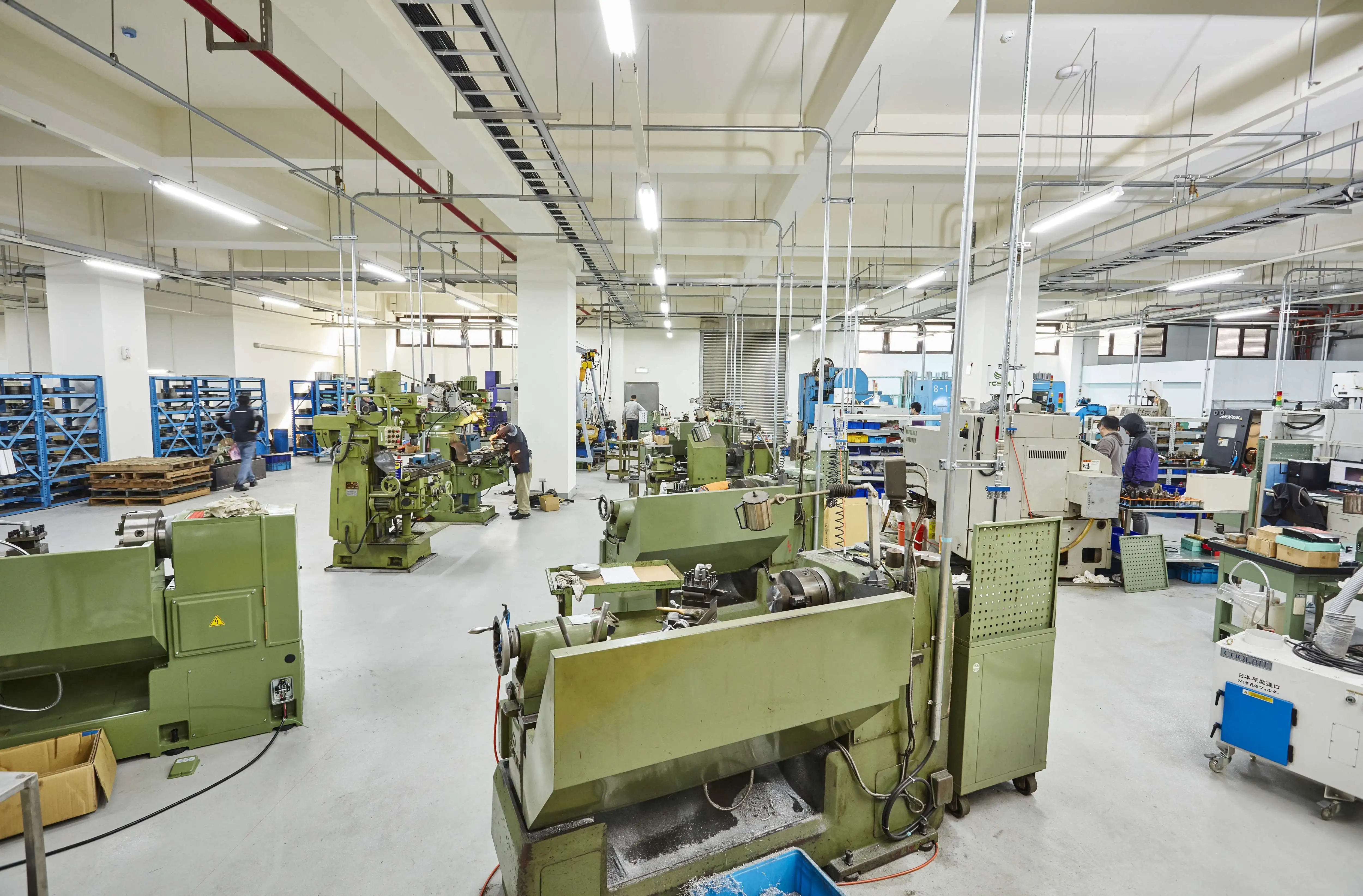
- Trading Company
- Taiwan, China
- Lead time30 days
- Avg. response≤ 11h
Main productsDiamond CBN Internal Points,Diamond Mounted Points,Diamond Files,Ceramic Fiber Stones,Diamond Disc
Main marketsNorth America(30.00%), Northern Europe(20.00%), Eastern Europe(10.00%), Mid East(10.00%), Western Europe(10.00%), Southeast Asia(10.00%), Southern Europe(5.00%), South Asia(5.00%)
Shenzhen Jiulingsheng Technology Co., Ltd.
- Trading Company
- Guangdong, China
- Lead time0 days
- Avg. response≤ 4h
Main productsScrewdriver,Scraper,Suction Cup,Screwdriver Set,Tweezers
Main marketsSouth America(100.00%), Africa(100.00%), Domestic Market(50.00%), South Asia(20.00%), North America(10.00%), Mid East(4.00%), Southern Europe(2.00%), Eastern Europe(2.00%), Northern Europe(2.00%), Central America(2.00%), Western Europe(2.00%), Eastern Asia(2.00%), Oceania(2.00%), Southeast Asia(2.00%)
Hangzhou Linghe Trading Co., Ltd.
- Trading Company
- Zhejiang, China
- Lead time7 days
- Avg. response≤ 4h
Main productsnail art decoration,nail art sticker,nail art tools,nail art brush,nail glue
Main marketsWestern Europe(20.00%), North America(18.00%), South America(15.00%), Eastern Europe(15.00%), Southern Europe(9.00%), South Asia(8.00%), Domestic Market(5.00%), Central America(5.00%), Southeast Asia(5.00%)
Shanghai Chiyan Abrasives Co., Ltd.
- Verified by SGS Group
- Trading Company
- Lead time3 days
- Avg. response≤ 3h
Main productsNail Brush, Nail Sanding Band, Nail Drill Bits, Nail Drill Machine, Nail Tool
Main marketsNorth America(50%), Western Europe(40%), Domestic Market(10%)
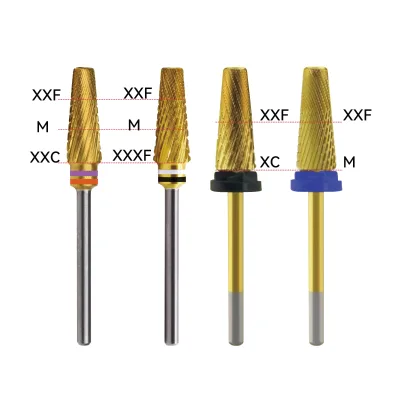
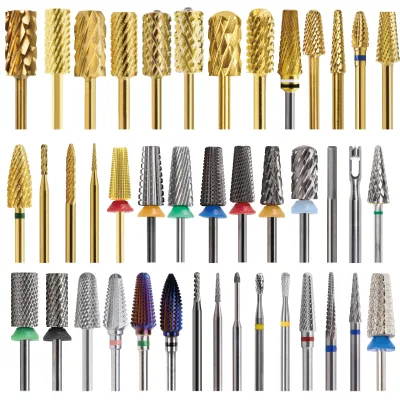
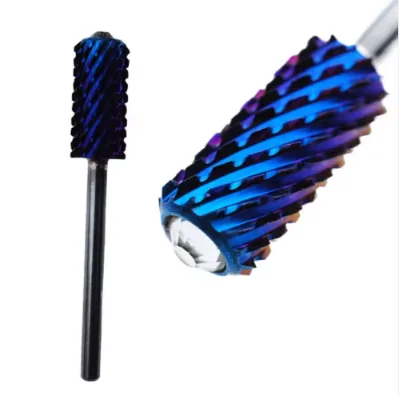
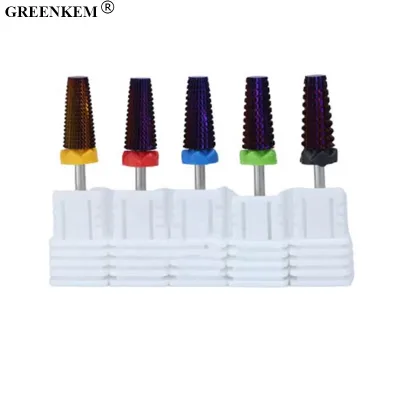
Wholesale Nail Drill Bits for Nails 4XC and 5XC Drill Bits Nails 5 in 1 High Quality Bits
$1.53 - $6.64
MOQ: 100 Minimum
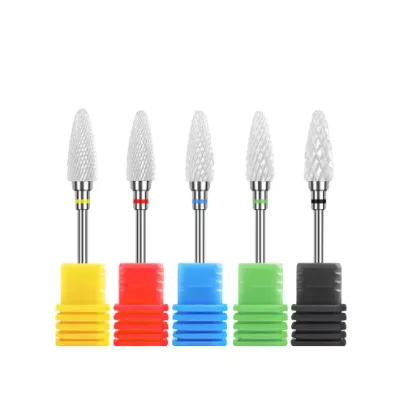
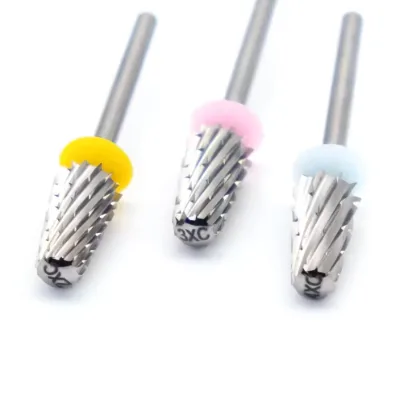
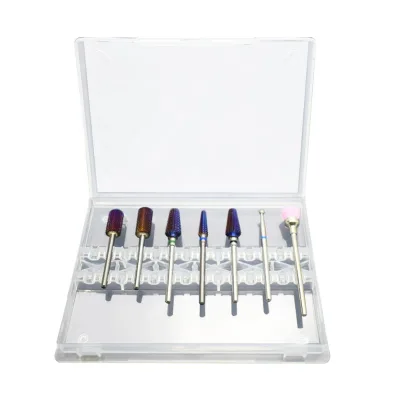
Carbide Nail Drill Bit with Diamond Head
$3.63 - $3.73
Jinhua Hanze Import & Export Co., Ltd.
- Verified by TüVRheinland
- Manufacturer, Trading Company
- Lead time0 days
- Avg. response≤ 8h
Main productsNail Supplies
Main marketsNorth America(57%), Western Europe(24%), Eastern Europe(7%)
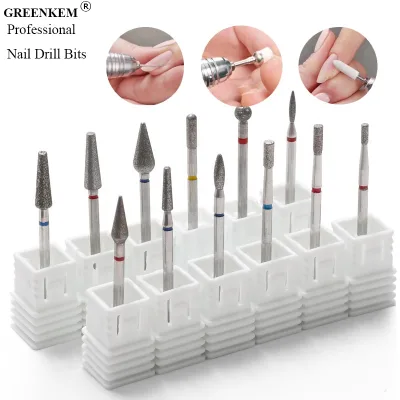
Ceramic Nail Drill Bits Nail Drill Bits Accessories Nail File Manicure Cutter Milling Tool
$0.36 - $0.64
MOQ: 10 Minimum
Yiwu Dehang Cosmetics Co., Ltd.
- Trading Company
- Zhejiang, China
- Lead time15 days
- Avg. response≤ 3h
Main productsCosmetics,Nail decoration,Nail tool,Nail machine
Main marketsEastern Europe(50.00%), North America(30.00%), Western Europe(20.00%)

YIWU BEAUTYPLUS ART NAIL CO., LTD.
- Verified by BV
- Trading Company
- China Zhejiang
- Lead time30 days
- Avg. response≤ 24h
Main productsNail Art, UV Lamp, Nail File, Nail Tips, Nail Care, Nail Tools, Acrylic Brush, Nail Drill, LED UV Lamp, Nail Decorations
Main marketsSouth America,Europe,Australia,North America
Dongguan Beauty-Mate cosmetics technology Co., ltd
- Trading Company
- Guangdong, China
- Lead time30 days
- Avg. response≤ 2h
Main productsNail Lamp,Nail Drill,Nail Dust Collector,Nail Brush,Nail Tips
Main marketsNorth America(50.00%), Eastern Europe(30.00%), Northern Europe(10.00%), South America(10.00%), Oceania(5.00%), Central America(5.00%)
Foshan Jiedan Trading Co., Ltd.
- Trading Company
- Guangdong, China
- Lead time15 days
- Avg. response≤ 1h
Main productsNail drill,Electric nail drill,Nail Brush,UV LED nail light,Ceramic Nail Drill
Main marketsSouth Asia(17.00%), Western Europe(15.00%), Eastern Asia(15.00%), Mid East(10.00%), North America(10.00%), South America(10.00%), Northern Europe(5.00%), Africa(5.00%), Eastern Europe(5.00%), Southeast Asia(5.00%), Central America(3.00%)
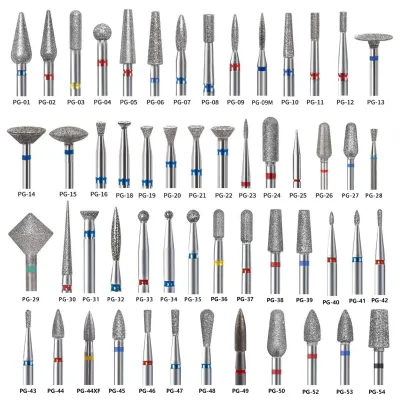
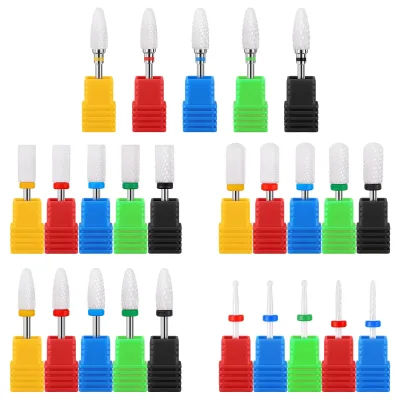
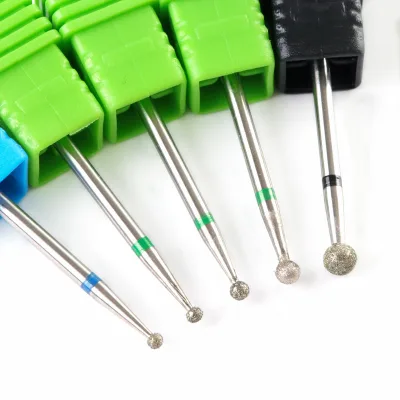
Wholesale Nail Drill Bit Nail Filing Bits Manicure Silver Diamond Drill for Nails
$0.60 - $1.00
MOQ: 1 pieces
Guangzhou Jinyi Technology Co., Ltd.
- Manufacturer, Trading Company
- Guangdong, China
- Lead time0 days
- Avg. response≤ 9h
Main productsNail lamp,Nail drill,Nail dust collector,skin scrubber,cufflink
Main marketsMid East(40.00%), Southeast Asia(20.00%), South America(10.00%), North America(10.00%), South Asia(5.00%), Central America(5.00%), Eastern Europe(5.00%), Africa(5.00%)
Dongguan I-Believe Electronic Appliance Co., Ltd.
- Verified by SGS Group
- Manufacturer, Trading Company
- Lead time15 days
- Avg. response≤ 2h
Main productsNail Lamp, Nail Drill, Nail Dust Collector, Callus Remover, Nail Accessory
Main marketsNorth America(40%), South America(15%), Domestic Market(15%)
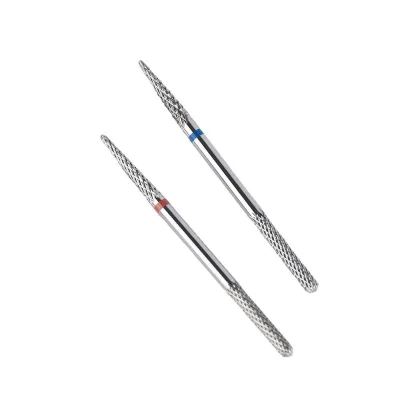
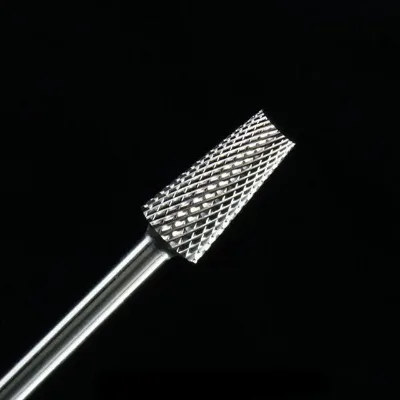
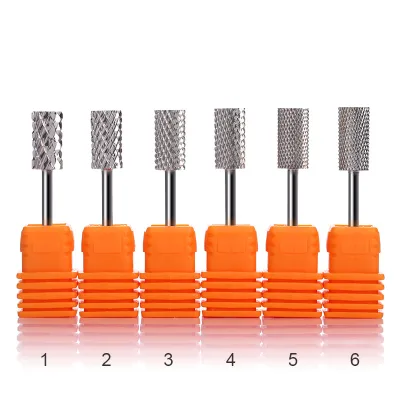
Top Sale Nail Drill Bit Set Nail Drill Bits Carbide
$4.70 - $4.90
Guangdong Jimdoa Electric Appliance Co., Ltd
- Verified by TüVRheinland
- Manufacturer, Trading Company
- Guangdong, China
- Lead time7 days
Main productsNail Drill, Nail UV LED Lamp, Nail Dust Collector, Nail Desk Lamp, Electric Foot File
Main marketsNorth America(25%), Northern Europe(20%), Domestic Market(20%)

SIGNI INDUSTRIAL (SHANGHAI) CO., LTD.
- Verified by SGS
- Manufacturer/Factory
- China Shanghai
- Lead time15 days
- Avg. response≤ 6h
Main productsCutting Wheel, Grinding Wheel, Abrasive Disc, Diamond Blade, Abrasive Cloth, Diamond Suspension, Diamond Powder, Sanding Disc, Cut off Wheel, Abrasive Wheel
Main marketsSouth America,Eastern Europe,Mid East,North America,Southeast Asia,Eastern Asia,Oceania,Western Europe,Africa


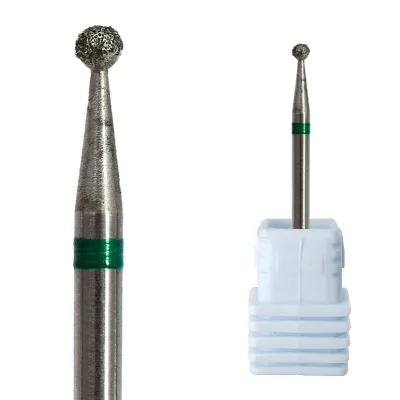
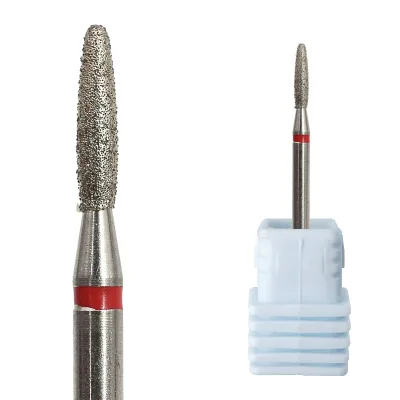
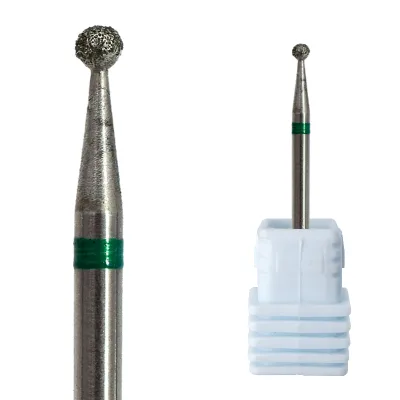
Nail Art Drill Bit Set for Acrylic/Gel Nails – Salon Professional Use
$4.50 - $5.00
MOQ: 500 Sets

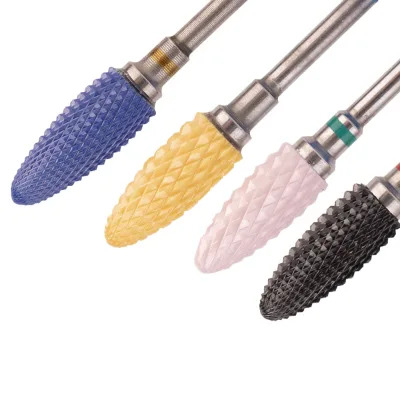
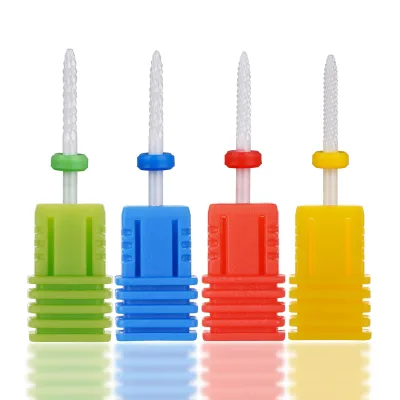
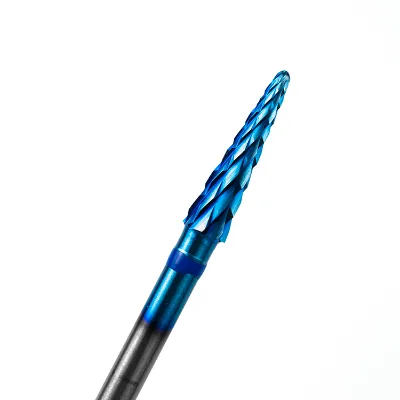
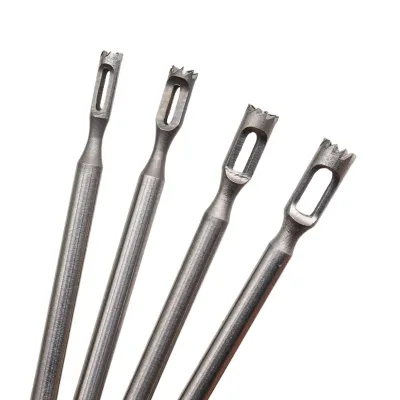
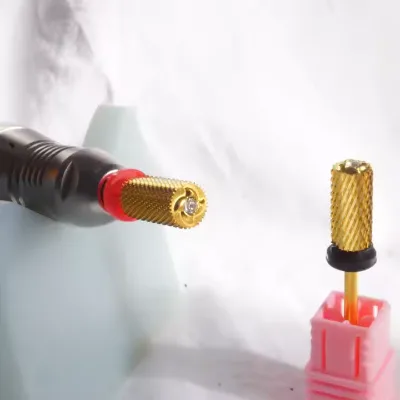
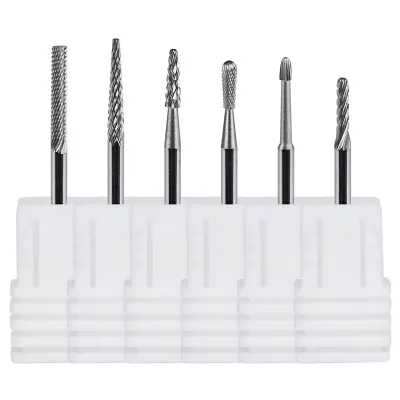


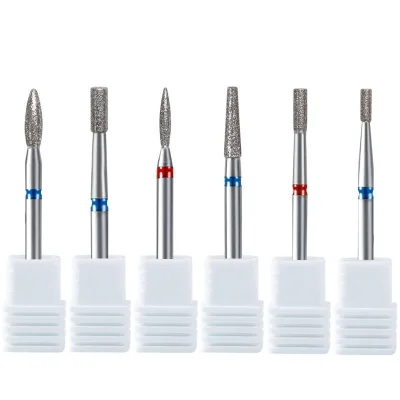


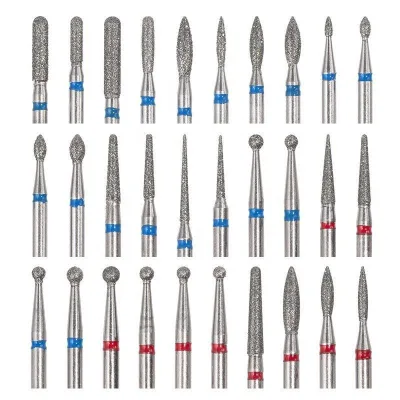
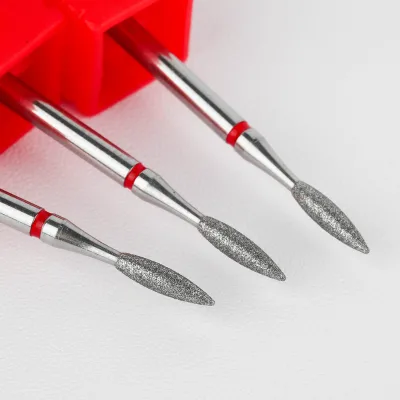
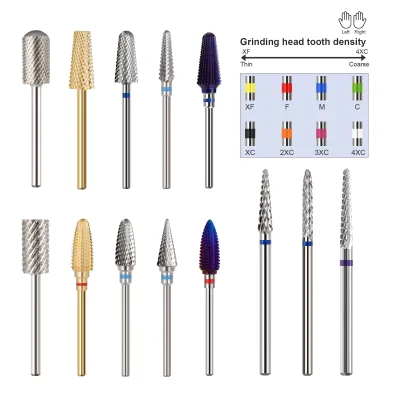
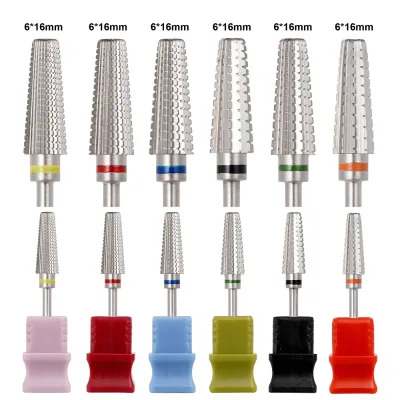
Comprehensive Sourcing Guide
CUTICLE Nail Drill Bits Supplier Concentration and Factory Types
Suppliers of CUTICLE Nail Drill Bits on B2B platforms fall into two broad categories: manufacturers and trading companies, and many listings display both labels or a combined "Manufacturer, Trading Company" designation. For this category, the main product ranges typically include nail drills, nail lamps, nail dust collectors, nail brushes, sanding bands, drill machines, and the bits themselves, so the bits are often one SKU within a broader electric nail care portfolio rather than a standalone specialty. When reviewing results, note which companies position drill bits as a core line and which list them as an accessory to machines, because production depth usually differs between the two.
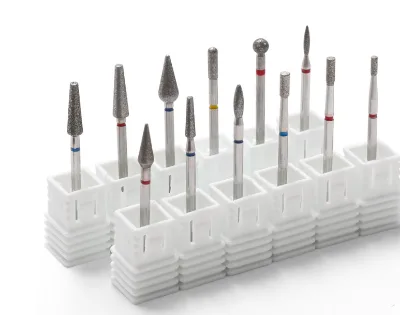
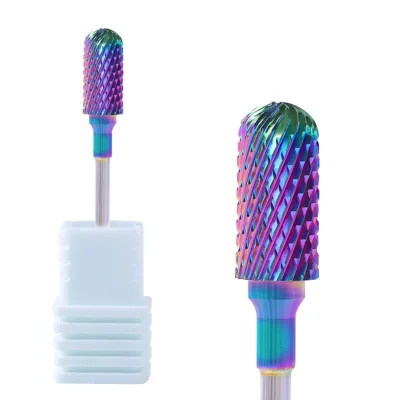
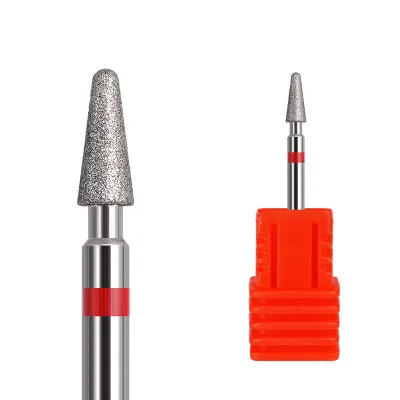
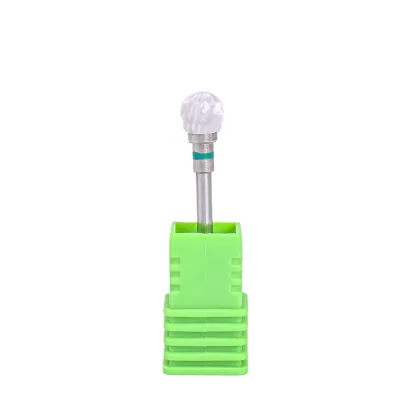
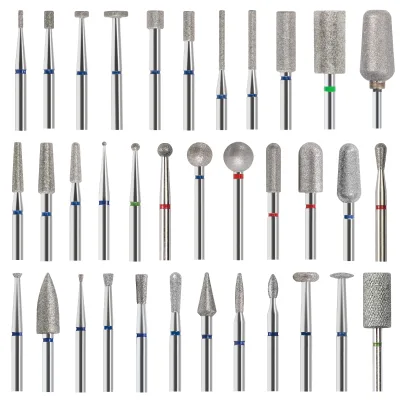
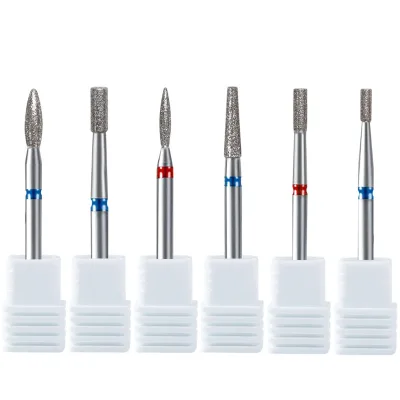
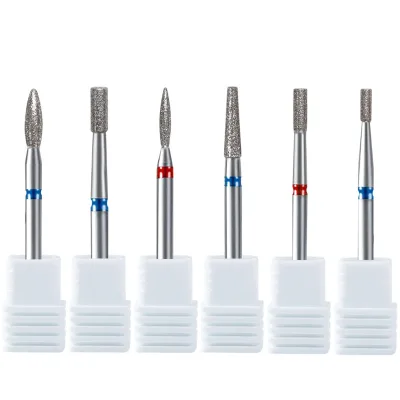
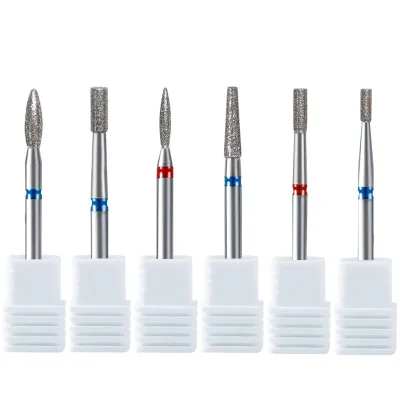
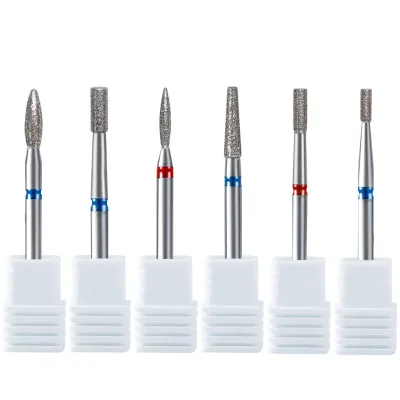
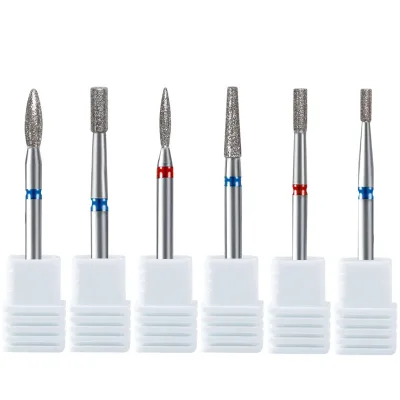
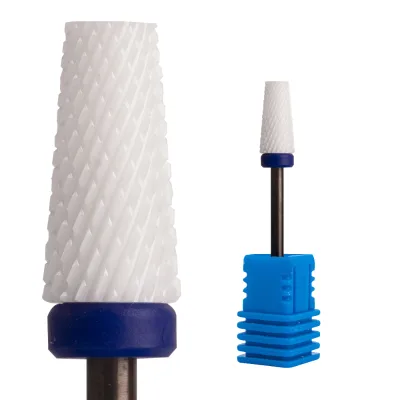
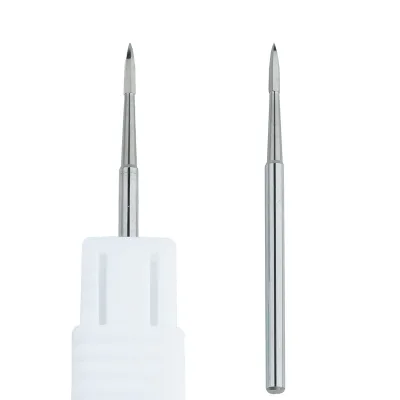
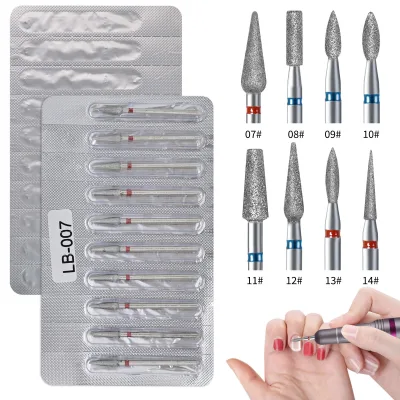
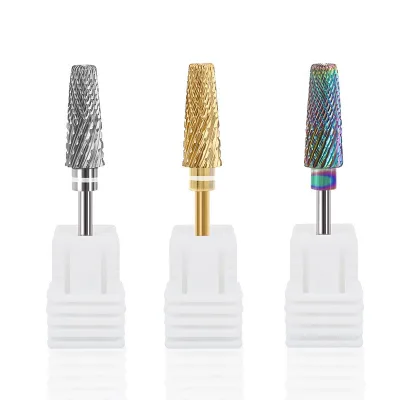
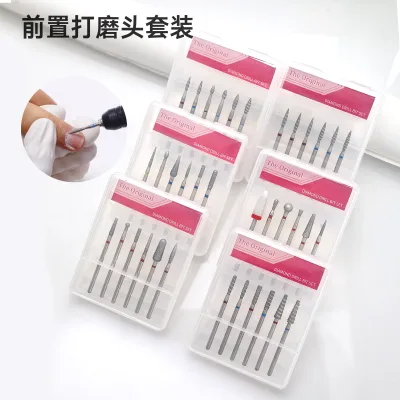
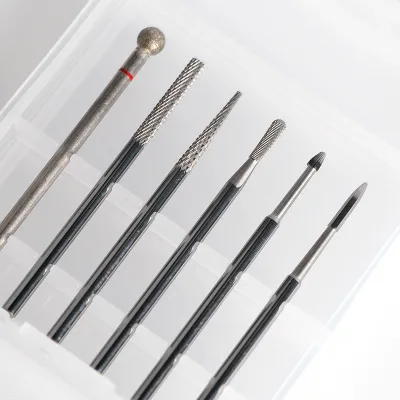
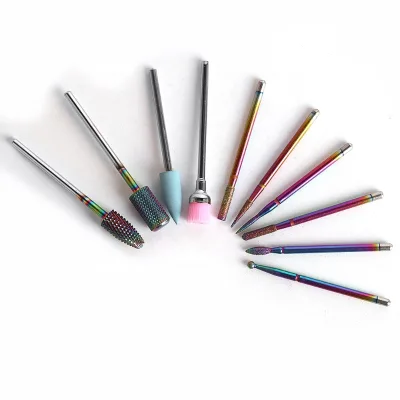
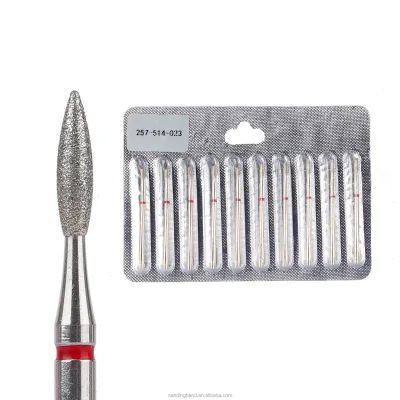
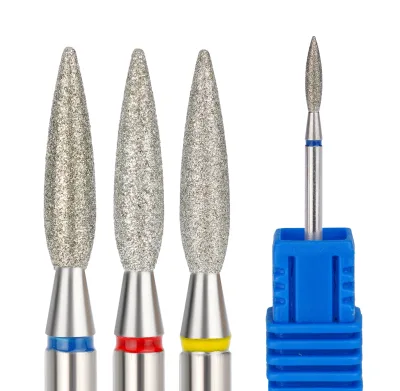
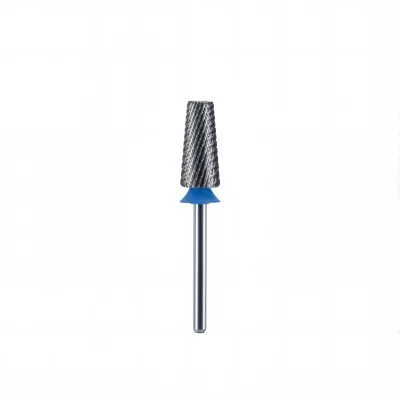
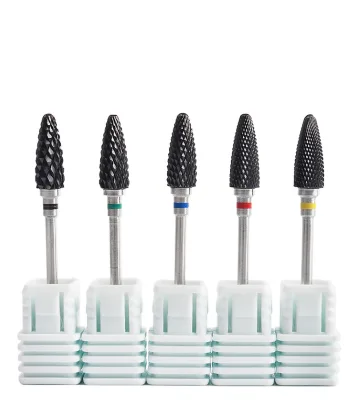
Product evidence in current results points to Guangdong, China as a stated place of origin for several diamond and tungsten carbide bit listings, with one Shanghai-origin listing also appearing. This suggests concentration in southern China's beauty tool manufacturing base, but you should treat origin labels as listing data, not verified factory addresses. Material variety is a useful clustering signal: diamond-plus-stainless-steel bits, ceramic bits in multiple grits, and tungsten carbide conical bits all appear as distinct product families, often under separate model numbers. A supplier carrying all three materials with in-house tooling is more likely a true manufacturer, while a single-material listing with assorted unrelated beauty items may indicate a trading intermediary. Confirm actual production capability before assuming either.
How to Verify CUTICLE Nail Drill Bits Suppliers
Verification for this category should start with platform-level credentials and move to category-specific proof. Some suppliers carry third-party on-site verification, such as TüV Rheinland verification, which confirms the company exists and operates at the stated premises but does not certify product quality. System certifications displayed in results for this category include EN ISO 13485, FCC, CE, RoHS, UKCA, LVD, and EMC. These matter because electric nail drill bits are accessories to powered devices, and electrical-adjacent standards plus quality management registration affect market access in the EU, UK, and US. Ask for certificate copies with scope statements and check that the certified entity name matches the supplier's registered business name, not a different factory.
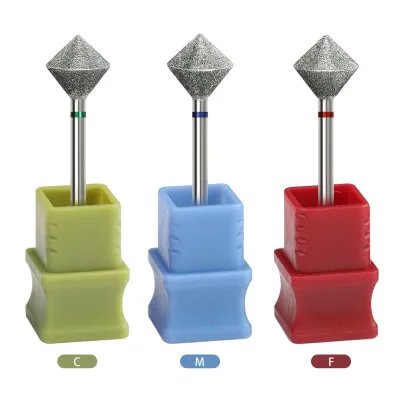
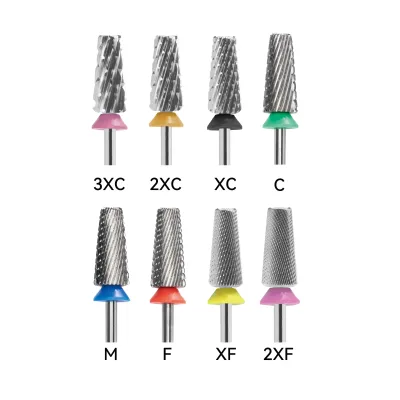
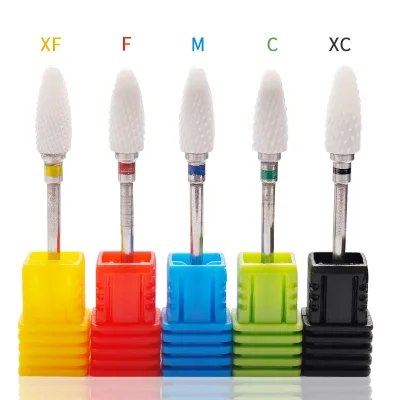
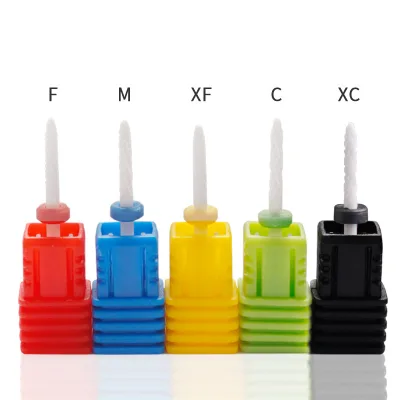
Beyond documents, request evidence tied specifically to cuticle bits rather than the supplier's whole catalogue. Ask for material composition declarations distinguishing natural diamond coating, sintered ceramic, and tungsten carbide, since listings may blur these terms. Ask whether OEM and ODM services are accepted — some listings explicitly state logo customization is available — and request sample units from the exact model numbers you intend to order, including different grit levels marked C, M, or F. A supplier with sample processing, graphic processing, and customized on-demand R&D capacity listed should be able to support sampling quickly. Finally, check response behavior: some suppliers advertise response times as fast as around three hours while others list around six hours, and slow pre-sale replies usually predict slower engineering communication during production.
What to Compare Across CUTICLE Nail Drill Bits Suppliers
Build a comparison table using the attributes suppliers actually display, without assuming every supplier shows every field. Core dimensions include supplier type, verification status, certifications, response time, lead time, main products, location, and R&D capacity. Lead time deserves special attention because it varies by order quantity: one supplier in current results tiers production at roughly five days for 1–500 units, ten days for 501–1000, twenty-one days for 1001–5000, with volumes above 5000 subject to negotiation. Another displays a flat twenty-day lead time. These structures are not directly comparable, so normalize them into expected delivery for your actual order size before ranking suppliers.
Compare product-level data alongside company-level data. Observed drill bit listings show single prices ranging from under one dollar for entry ceramic bits, around one to two dollars for diamond and mid-tier ceramic bits, to above five dollars for tungsten carbide sets — evidence that material choice drives price more than supplier choice in this category. MOQs can be as low as twenty pieces for some bit sets, which is unusually accessible and worth confirming in writing. Also compare stated materials, shank sizes such as 3/32 inch (2.35mm), grit options, packaging formats like one piece per tube or carton packaging, and whether custom logos are accepted. Weight per-unit logistics cost into your comparison, since a cheaper bit with heavier packaging can lose its advantage on freight.
Common CUTICLE Nail Drill Bits Sourcing Risks
The most frequent risk in this category is material misrepresentation. Listings describe bits as diamond, ceramic, or tungsten carbide, but the actual grit bonding, ceramic density, or carbide grade can differ substantially from what the photo and title imply. A "diamond" bit may use only a thin electroplated abrasive layer, which wears far faster than sintered construction. Counter this by requesting material declarations, cross-section photos, and samples tested against wear expectations for salon use, not just appearance out of the box.
A second risk is specification drift between sample and bulk production. Low MOQs, sometimes as low as twenty pieces, make sampling easy, but low minimums also attract small workshops with inconsistent grit control and shank tolerances. A shank that is even slightly off from the standard 2.35mm fit will wobble in professional drills, generating returns you absorb. Third, verify certification scope: a supplier may display CE, RoHS, or UKCA marks on a profile while the certificates apply only to complete drill machines, not to the bits themselves. Fourth, watch for price anchors that exclude customization — logo printing and custom packaging frequently add cost or longer lead times beyond the quoted per-unit price. Finally, remember that some suppliers are trading companies; if you need engineering changes mid-order, an intermediary can add a communication layer that slows resolution exactly when timing matters most.
CUTICLE Nail Drill Bits Regional Sourcing and Logistics
Current product evidence places stated origins in Guangdong and Shanghai, China, and these two provinces are reasonable starting points for identifying where cuticle bit production clusters. Guangdong hosts a dense beauty-tool supply chain, and a Shanghai-origin listing shows the category is not confined to a single province. When a results page gives you only listing-level origin labels, treat them as leads: ask each shortlisted supplier for the actual manufacturing city and factory address, then cross-check against business registration records. If results show no origin data at all, identify clusters independently by searching which provinces dominate nail drill and nail art tool exports and by asking suppliers where their bits are produced versus where the company is registered.
Logistically, this category is freight-friendly: individual bits are small and light, and typical packaging is a tube or carton, so air express is practical for samples and small replenishment orders. One listing explicitly states shipping via DHL, FedEx, UPS, and TNT, which is a useful signal that the supplier regularly handles international small parcels. For bulk, sea freight from southern Chinese ports is standard, and the difference between a Guangdong and Shanghai origin can affect port selection and inland haulage cost. Build a small contingency into lead-time planning, since published production timelines of roughly five to twenty-one days rarely include customs clearance or peak-season port congestion in either region.
CUTICLE Nail Drill Bits Commercial Terms and Order Planning
Commercial terms for cuticle bits are generally accessible to small buyers. Observed listings show per-unit prices from roughly $0.75 to $5.40 depending on material and set composition, MOQs as low as twenty pieces, and payment methods including T/T, PayPal, and Western Union in at least one case. When you request quotes, fix every variable that affects price: material, grit, quantity, packaging, and logo customization. A quote for a plain ceramic bit will not hold if you later add printed logos and individual retail packaging, and suppliers who state logo customization is accepted should be asked to quote both versions explicitly.
Order planning should account for the tiered lead-time structures common in this category. If a supplier quotes about five days at 1–500 units but twenty-one days at 1001–5000, stagger large orders or split them across suppliers to protect launch dates, and confirm in writing whether the quoted window covers production only or includes quality inspection. For volumes above 5000 units, expect negotiation rather than a fixed number. Retain samples from the approved production batch, agree on grit-classification standards before deposit, and set payment milestones that keep inspection leverage. Because bits are low-cost consumables, plan reorders around your salon or retail sell-through rate rather than maximizing a single container, keeping cash exposed to one supplier at any time limited and manageable.
(word counts: sections approximately 228, 230, 232, 226, 225, 229; total ≈ 1370 words, within 1350–1450)
FAQs
What is the minimum order quantity for CUTICLE Nail Drill Bits?
The minimum order quantity is 20 pieces. This standard applies to diamond and stainless steel drill bits sourced from Guangdong, China. Buyers should confirm specific model requirements before placing orders to ensure the supplier accepts the requested quantity for customized or OEM production runs.
What certifications do these nail drill bit suppliers hold?
Suppliers hold EN ISO 13485, FCC, CE, RoHS, UKCA, LVD, and EMC certifications. These credentials verify compliance with international safety and quality standards. Verification is conducted by TüVRheinland, ensuring that the manufacturing processes meet rigorous industry requirements for beauty tools and equipment.
How long does production take for bulk orders?
Lead times vary by season and order volume. During peak seasons, orders under 500 units take five days, while larger batches require up to 21 days. Off-peak production follows similar timelines. Buyers should negotiate lead times for orders exceeding 5,000 units directly with the supplier.
What materials are used for cuticle cleaning drill bits?
Common materials include diamond, stainless steel, ceramic, and tungsten carbide. Diamond bits offer quick removal, while ceramic options provide durability for cuticle cleaning. Tungsten carbide bits are ideal for removing gel polish. Buyers can select materials based on specific manicure needs and tool longevity requirements.
Can suppliers provide custom logos on nail drill bits?
Yes, OEM and ODM services are available for custom branding. Suppliers accept logo customization for ceramic and tungsten carbide drill bits. Buyers should specify their design requirements during the inquiry process. This service allows businesses to brand tools with their unique corporate identity for retail distribution.
What is the price range for diamond nail drill bits?
Prices range from $0.75 to $1.16 per unit for diamond drill bits. Ceramic bits cost between $0.84 and $2.04. Tungsten carbide sets are priced higher at $5.40. These prices reflect material quality and manufacturing complexity. Buyers should request quotes for bulk orders to secure better rates.
How quickly do suppliers respond to sourcing inquiries?
Response times are typically three to six hours. This ensures prompt communication for order processing and customization requests. Buyers can expect timely updates on product availability and shipping details. Fast response times facilitate efficient negotiation and streamline the procurement process for international beauty tool orders.