Decorative Outdoor String Lights Suppliers and Manufacturers
Compare 29 verified suppliers of Decorative Outdoor String Lights by location, response time, lead time, and certifications. Review product specs like voltage and IP ratings, then request quotes to proceed; review the available evidence before requesting comparable quotations from suitable candidates.
Updated
Suppliers List

Ningbo Hengboyi Lamp Co., Ltd.
- Verified by SGS
- Combined
- China Zhejiang
- Lead time15 days
- Avg. response≤ 4h
Main productsString Lights
Main marketsNorth America

World-Dawn Lighting Co., Limited
- Manufacturer/Factory
- China Guangdong
- Lead time23 days
- Avg. response≤ 3h
Main productsLED Neon Flex, LED Strip Light, LED Panel Light, LED Tube, LED Floodlight, LED Rope Light, SMD Rope Light, LED Lighting, LED Downlight, LED
Main marketsSouth America,Eastern Europe,Mid East,North America,Southeast Asia,Eastern Asia,Oceania,Western Europe,Africa
Linhai Qixiang Lighting Co., Ltd.
- Verified by SGS Group
- Manufacturer, Trading Company
- Lead time25 days
- Avg. response≤ 10h
Main productsLED Lights, Curtain Lights, Net Lights/, Icicle Lights, Neon Lights
Main marketsDomestic Market(40%), North America(30%), Mid East(10%)

Wuxi Shinuoyi Electronic Electrical Co., Ltd.
- Verified by TUVRHEINLAND
- Trading Company
- China Jiangsu
- Lead time15 days
- Avg. response≤ 10h
Main productsChristmas Light, E27 Festoon Light, Christmas Motif Light, LED String Light, LED Rope Light, LED Strip Light, Solar Light, Christmas Tree, LED Net Light, Christmas Ball
Main marketsEast Asia(Japan/ South Korea),Europe,Australia,North America


Waterproof Holiday Decorative Lights Rubber White LED Outdoor String Lights
$9.50 - $19.80
MOQ: 100 Pieces

Outdoor String Lights LED Outdoor Waterproof LED String Lights Outdoor Christmas String Light
$6.00 - $19.80
MOQ: 100 sets

Customizable IP65 Waterproof LED String Lights Outdoor Christmas Decorative Lights
$9.50 - $19.80
MOQ: 100 Pieces

CE Waterproof Outdoor Christmas Decorative Lights Rubber White LED String Lights
$9.50 - $19.80
MOQ: 100 Pieces

Linhai Noshado Industrial And Trading Co., Ltd.
- Verified by Intertek
- Manufacturer, Trading Company
- Lead time60 days
- Avg. response≤ 3h
Main productsFestive Light, Garden Light, Decorative Light
Main marketsSouthern Europe(55%), Western Europe(30%), South America(15%)
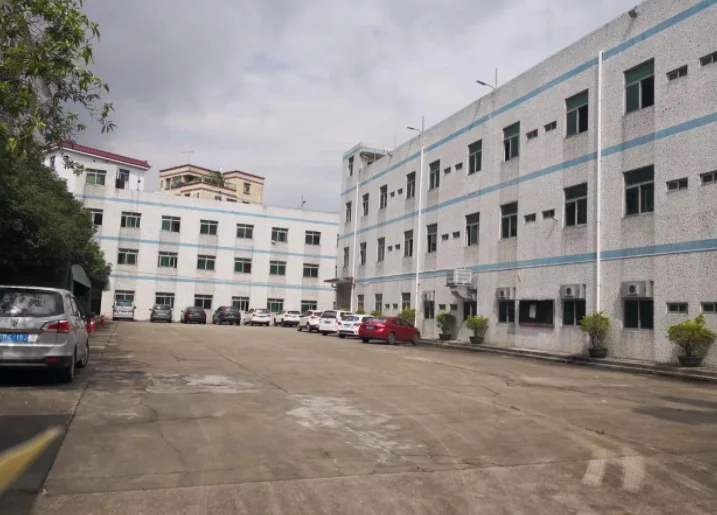
Shenzhen Gensheng Technology Co., Ltd.
- Manufacturer, Trading Company, Distributor/Wholesaler
- Guangdong, China
- Lead time20 days
- Avg. response≤ 8h
Main productsCommercial and Industrial Lighting,Indoor lighting,outdoor lighting,Smart strip light,holiday lighting
Main marketsNorth America(17.00%), South Asia(15.00%), Eastern Europe(10.00%), Oceania(9.00%), Southeast Asia(9.00%), Northern Europe(8.00%), Mid East(6.00%), Central America(5.00%), South America(5.00%), Domestic Market(5.00%), Western Europe(3.00%), Eastern Asia(3.00%), Africa(3.00%), Southern Europe(2.00%)

Wenzhou Jssan Electric Co., Ltd.
- Verified by SGS
- Combined
- China Zhejiang
- Lead time23 days
- Avg. response≤ 7h
Main productsElectric Toothbrush, Oral Irrigator, UV Sterilizer, Ultrasonic Scaler, Electric Face Washer, Electric Nail Clipper, Hair Straightening Comb, Hair Straightener, Shaver, Hair Clipper
Main marketsSouth America,Southeast Asia/ Mideast,East Asia(Japan/ South Korea),Domestic,Europe,Australia,North America

- Combined
- China Guangdong
- Lead time45 days
- Avg. response≤ 1h
Main productsResin Craft, Baby Doll, Christmas Tree, Christmas Wreath, Christmas Garland, Christmas Decoration, Artificial Flower, Artificial Plant, Artificial Tree, Christmas Ornaments
Main marketsSouth America,Europe,North America
Linhai Weiyi Lighting Co., Ltd.
- Manufacturer, Trading Company
- Zhejiang, China
- Lead time25 days
- Avg. response≤ 4h
Main productsColored lights and accessories,Electronic components,Electronic prots,Electric light source,Arts and crafts
Main marketsNorth America(40.00%), South Asia(30.00%), Mid East(20.00%), Western Europe(10.00%)

Ningbo Weixin Houseware Co., Ltd.
- Trading Company
- China Zhejiang
- Lead time30 days
- Avg. response≤ 6h
Main productsLED Garlands, LED Flood Lights, LED Decoration Lights, LED Night Lights
Main marketsSouth America,Africa,Southeast Asia/ Mideast,Europe,North America

Zhongshan Grandview Lighting Co., Ltd.
- Combined
- China Guangdong
- Lead time23 days
- Avg. response≤ 14h
Main productsChristmas Lights, Insect Lights, Strip and Rope Lights, Landscape Lights, Artificail Tree Lights, Firework Lights, Wedding Lights, Garden Decoration Lights
Main marketsSouth America,Africa,Southeast Asia/ Mideast,East Asia(Japan/ South Korea),Domestic,Europe,Australia,North America


Waterproof Outdoor String Lights Holiday Party Decorations Christmas Fairy Lights
$7.20 - $7.80
MOQ: 10 Sets

Outdoor Christmas Decoration Twinkle Fairy Garland String Light 10m 100LEDs String Light
$7.20 - $7.80
MOQ: 10 Sets


Christmas LED String Light (CE, IP44, IP66 Approved) for Christmas Decoration
$1.00 - $9.90
MOQ: 1000 Meters
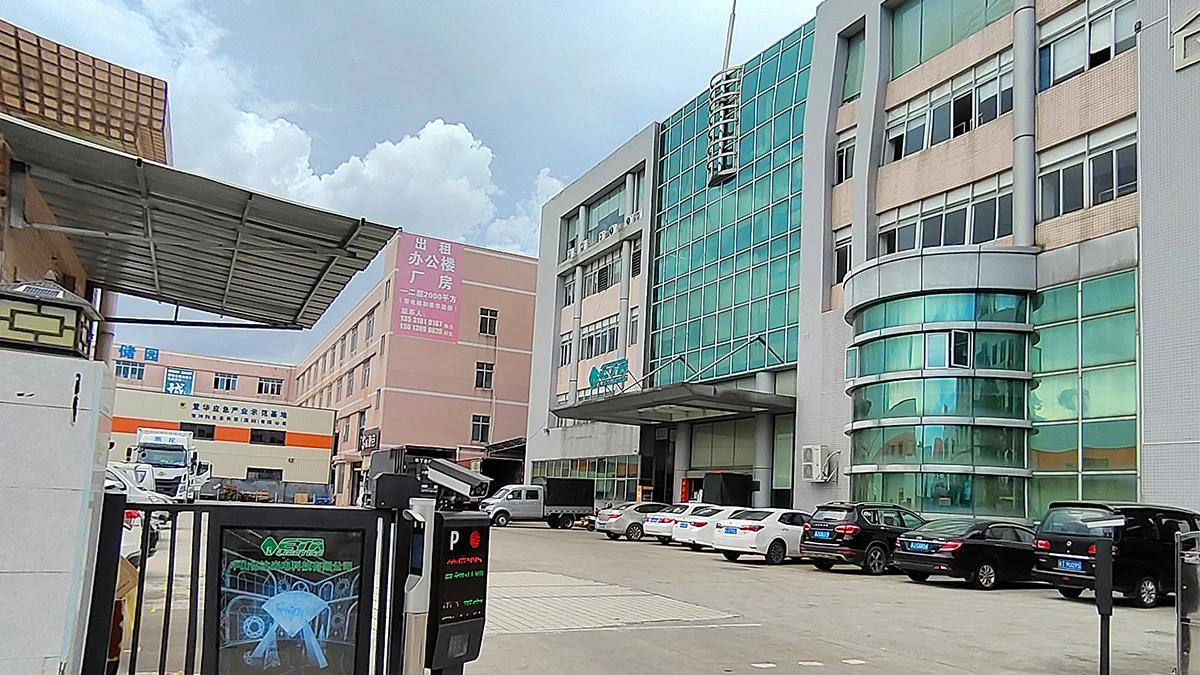
Zhongshan Hanyu Lighting Co., Ltd.
- Manufacturer
- Guangdong, China
- Lead time0 days
- Avg. response≤ 2h
Main productsLights & Lighting,string lights,DMX RGB Lights,Christmas tree,holiday lights
Main marketsOceania(30.00%), North America(20.00%), Eastern Europe(20.00%), South America(20.00%)
Linhai Jiahao Lighting Co., Ltd.
- Verified by TüVRheinland
- Manufacturer, Trading Company
- Lead time30 days
- Avg. response≤ 3h
Main productsHoliday Lighting, Christmas Lighting
Main marketsEastern Europe(30%), South America(25%), Western Europe(11%)
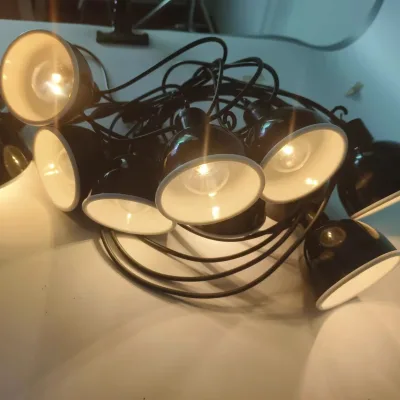
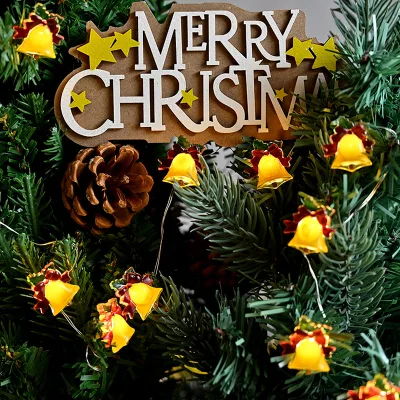
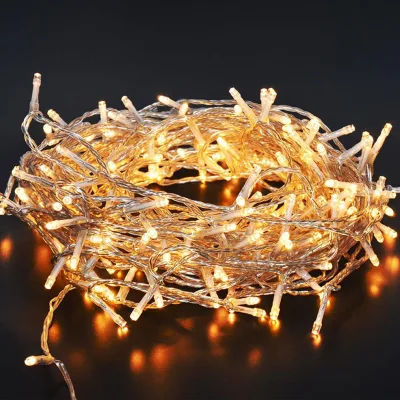
Multicolor Holiday Christmas Decoration Led Battery Powered String Light
$0.5261 - $5.1521
MOQ: 100 Minimum
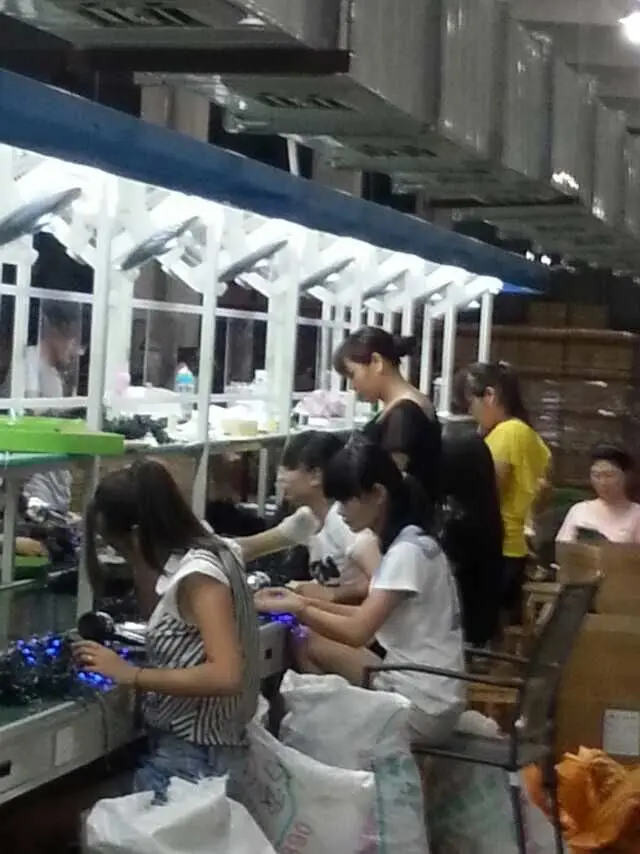
Yiwu Huangpai Lighting Factory
- Manufacturer
- Zhejiang, China
- Lead time7 days
- Avg. response≤ 2h
Main productschristmas decoration supplies,christmas lights,wedding decoration supplies,party holiday supplies,gifts & crafts
Main marketsSouthern Europe(15.00%), North America(10.00%), Northern Europe(10.00%), Eastern Europe(10.00%), South America(10.00%), Domestic Market(5.00%), South Asia(5.00%), Africa(5.00%), Southeast Asia(5.00%), Central America(5.00%), Western Europe(5.00%), Eastern Asia(5.00%), Mid East(5.00%), Oceania(5.00%)

Lankao Rayer Lighting Product Co., Ltd.
- Verified by TUVRHEINLAND
- Combined
- China Henan
- Lead time30 days
- Avg. response≤ 7h
Main productsLED Christmas Light, LED String Light, LED Motif Light, LED Icicle Light, LED Waterfall Light, Holiday Light, Solar Garden Light, LED Decorative Light
Main marketsEast Asia(Japan/ South Korea),Europe


LED Christmas Decoration Outdoor Festival Party Decoration Lighting LED String Light
$50.00 - $1000.00
MOQ: 10 Sets

LED Holiday Lights LED String Lights LED Home Decoration LED Outdoor Decoration
$5.00 - $150.00
MOQ: 100 Sets

Outdoor Decoration Holiday Light LED Christmas Decoration Light LED Curtain Light
$15.00 - $200.00
MOQ: 100 Sets
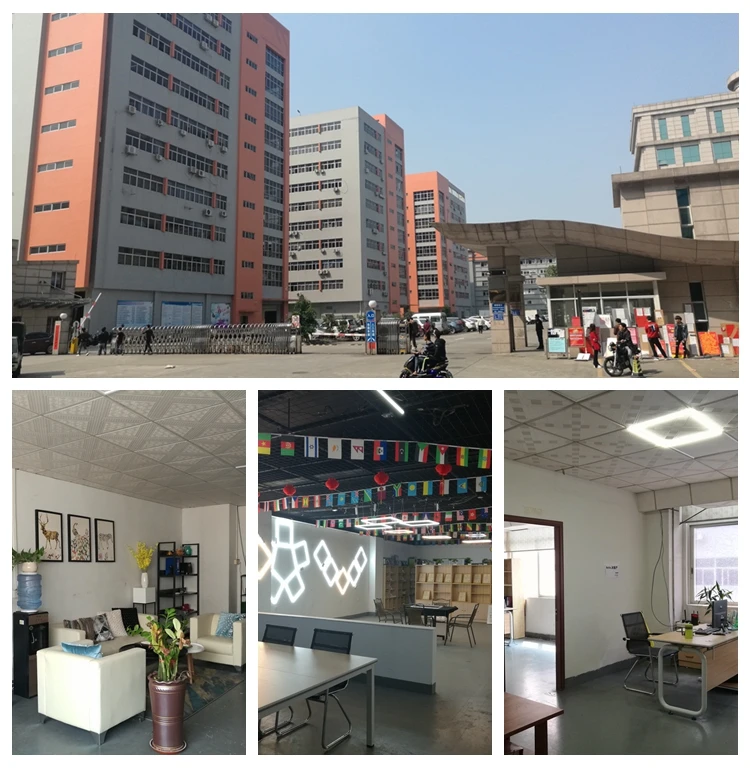
Meizhou Juncheng Technology Co., Ltd.
- Trading Company
- Guangdong, China
- Lead time7 days
- Avg. response≤ 5h
Main productsled strip light,led flex neon light,led solar light,led street light,led wall light
Main marketsEastern Europe(20.00%), South America(20.00%), North America(20.00%), Eastern Asia(5.00%), Mid East(5.00%), Central America(5.00%), Africa(5.00%), Southeast Asia(5.00%), Northern Europe(3.00%), Oceania(3.00%), Domestic Market(3.00%), Western Europe(2.00%), South Asia(2.00%), Southern Europe(2.00%)

- Combined
- China Guangdong
- Lead time23 days
- Avg. response≤ 4h
Main productsPromotion Gift, Toy, Flashing Item, Free Gift, Business Gift, Novelty
Main marketsAfrica,Europe,North America

Huizhou Xinyao Lighting Technology Co., Ltd.
- Manufacturer
- Guangdong, China
- Lead time45 days
- Avg. response≤ 2h
Main productsString Lights/ Patio lights/ C7 C9 Commercial/ Solar Lights/ Mini String Lights,Solar Lights,Patio Lights,outdoor light string,Party lighting
Main marketsNorth America(45.00%), Domestic Market(35.00%), Western Europe(20.00%)
Taizhou Kingkey Technology Co., Ltd.
- Verified by TüVRheinland
- Manufacturer, Trading Company
- Lead time60 days
- Avg. response≤ 2h
Main productsRGB Smart Lights, Solar Lights, Holiday Lights, Decorative Lights, Christmas Lights
Main marketsNorth America(30%), South America(30%), Domestic Market(10%)
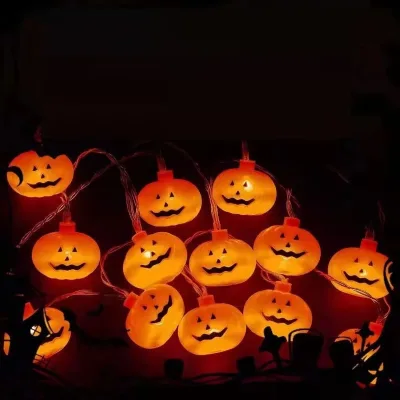
$0.5816 - $7.1173
MOQ: 10 Minimum
Wuxi Lejin Electronic & Electrical Co., Ltd.
- Manufacturer, Trading Company
- Jiangsu, China
- Lead time30 days
- Avg. response≤ 5h
Main productsLED Rope Light,LED String Light,LED Motif Light
Main marketsSouthern Europe(30.00%), North America(10.00%), Mid East(10.00%), Northern Europe(10.00%), South America(10.00%), Southeast Asia(6.00%), Eastern Europe(6.00%), South Asia(3.00%), Africa(3.00%), Central America(3.00%), Oceania(3.00%), Western Europe(3.00%), Eastern Asia(3.00%)

DONGGUAN CITY BEERICH APPLIANCE CO., LTD.
- Trading Company
- Guangdong, China
- Lead time21 days
- Avg. response≤ 5h
Main productspower cords,lighting fixtures,lamp parts,window candle lamp,lampholder
Main marketsNorth America(80.00%), Southeast Asia(20.00%)
Henan Xingfuhui Electronic Commerce Co., Ltd.
- Trading Company
- Henan, China
- Lead time20 days
- Avg. response≤ 4h
Main productssolar lighting,outdoor lighting,holiday lighting,indoor lighting,pet supplies
Main marketsSouth Asia(20.00%), North America(20.00%), Southeast Asia(15.00%), Eastern Europe(15.00%), Southern Europe(8.00%), Western Europe(8.00%), South America(5.00%), Africa(2.00%)
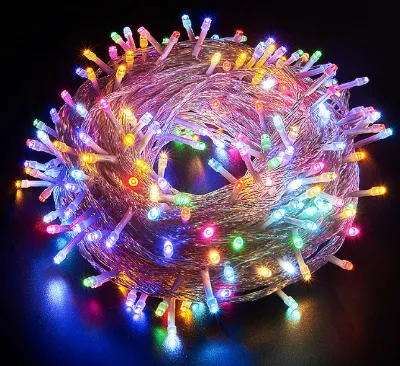
Christmas Decoration Light String Light Hanging Christmas Tree with LED Lights
$1.80 - $3.00
MOQ: 2 bags

Lu'an Woma Import and Export Co., Ltd.
- Verified by SGS
- Trading Company
- China Anhui
- Lead time15 days
- Avg. response≤ 6h
Main productsLED Channel Letters, Acrylic Signs, Metal Sign Letters, Wayfinding Signs, Outdoor Signage
Main marketsEast Asia(Japan/ South Korea)


Hot Sale Classic Clear Light Color Green Wire Christmas Tree String Lights
$7.00 - $9.00
MOQ: 10 Pieces

Longshine Electrical Science & Technology Co., Ltd.
- Combined
- China Guangdong
- Lead time23 days
- Avg. response≤ 13h
Main productsChristmas Light, LED String Light, LED2d 3D Motif Light, LED Rope Light, LED Neon Flex, LED FRP Sculpture Light, LED Icicle Curtain Light, LED SMD Strip Light, LED Decoration Light, LED Fairy Light
Main marketsSouth America,Southeast Asia/ Mideast,Europe,Australia,North America

LED Yellow Christmas Fairy Light String Lights for Indoor/Outdoor Decoration
$3.68 - $4.20
MOQ: 100 Sets


- Manufacturer, Trading Company
- Guangdong, China
- Lead time90 days
- Avg. response≤ 10h
Main productsChristmas Lights, Decorative Lighting, Halloween Lights
Main marketsNorth America(100.00%)
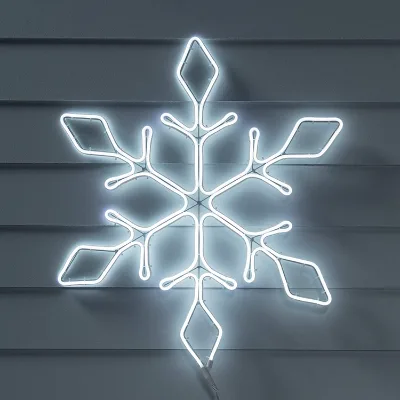
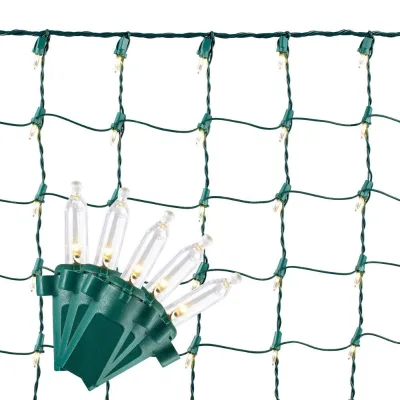
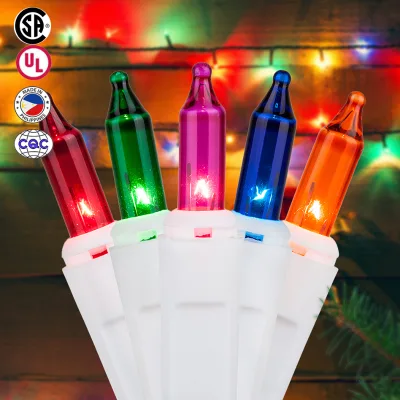
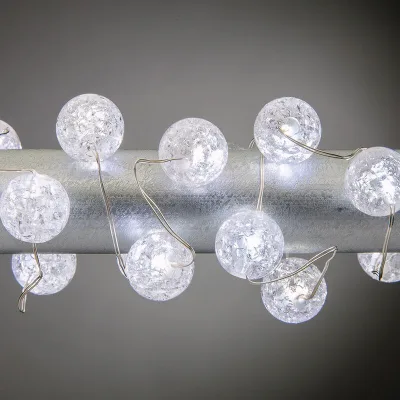
Christmas lights waterproof outdoor use 50LED string with remote control energy saving
$2.95 - $3.50
MOQ: 1000

- Verified by SGS
- Trading Company
- China Zhejiang
- Lead time15 days
- Avg. response≤ 13h
Main productsChristmas Decoration, Christmas Tree, Christmas Gift, Party Decoration, Promotional Product, Festival Items, Gift, Valentine, Party Items, Halloween Decorations
Main marketsEurope,Australia
Shenzhen E-Shine Electronic Co., Ltd.
- Verified by TüVRheinland
- Manufacturer, Trading Company
- Lead time5 days
- Avg. response≤ 2h
Main productsSeasonal Decorative String Lights, Solar Outdoor Garden Decorative Lights, LED Pool Decorative Lights, Holiday Decorative Lights, Optoelectronic Products
Main marketsSouth America(25%), Western Europe(20%), North America(15%)

Dongguan Huayicai Landscape Technology Co., Ltd.
- Combined
- China Guangdong
- Lead time23 days
- Avg. response≤ 13h
Main productsChristmas Decoration, Christmas Tree, Christmas Light, Wedding Decoration, Artificial Tree, Christmas Ornaments, Party Decoration, Festival Lantern, Festival Lights, Party Lighting
Main marketsSouth America,Africa,Southeast Asia/ Mideast,East Asia(Japan/ South Korea),Domestic,Europe,Australia,North America


White Light Blue Light Outdoor Pattern Lights Christmas Decoration Lighting
$70.00 - $85.00
MOQ: 10 Pieces

Jiangmen Magellan Technology Co., Ltd.
- Manufacturer/Factory
- China Guangdong
- Lead time120 days
- Avg. response≤ 2h
Main productsLED String Light, Christmas Light, Christmas Decoration, LED Decoration Light, Festoon Light, Solar Lantern, Candle Light, Patio Light, Solar String Light, LED Candle
Main marketsSouth America,Eastern Europe,Mid East,North America,Southeast Asia,Eastern Asia,Oceania,Western Europe,Africa


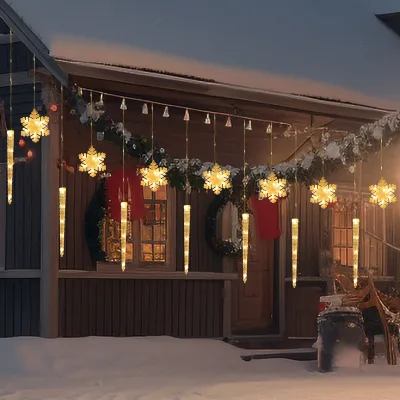
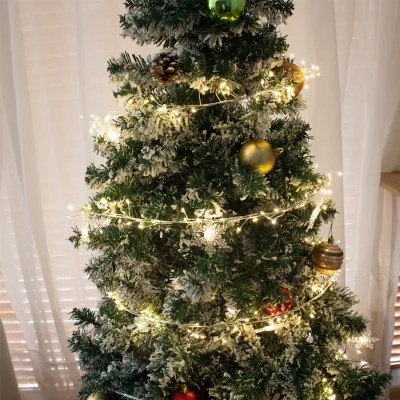
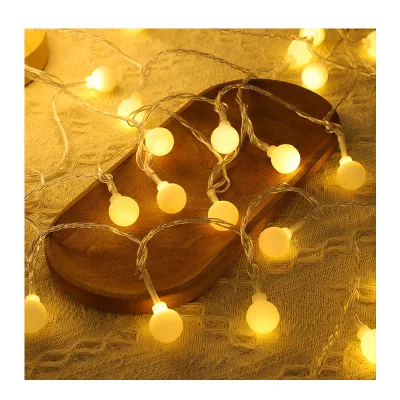
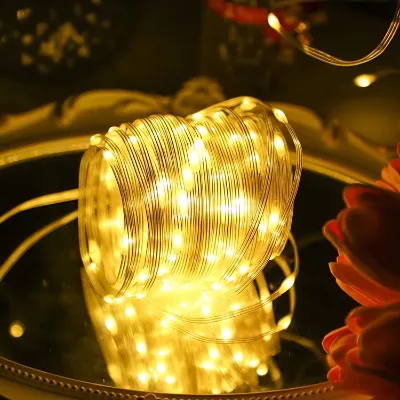




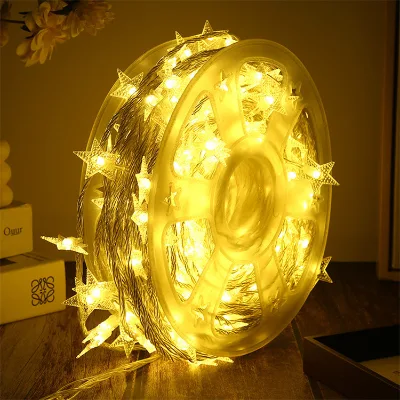
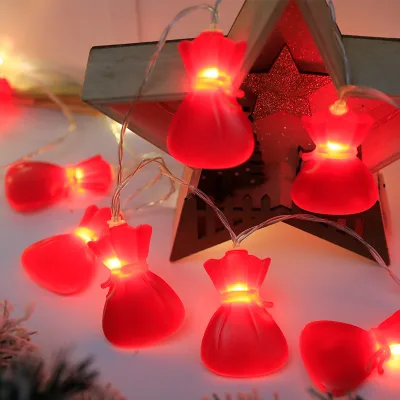


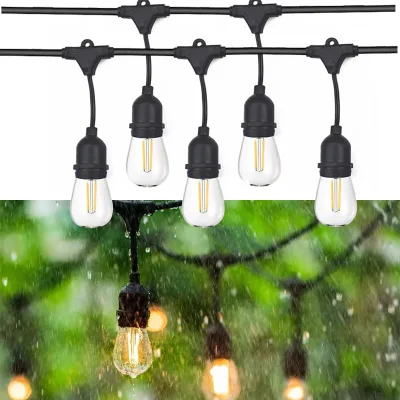
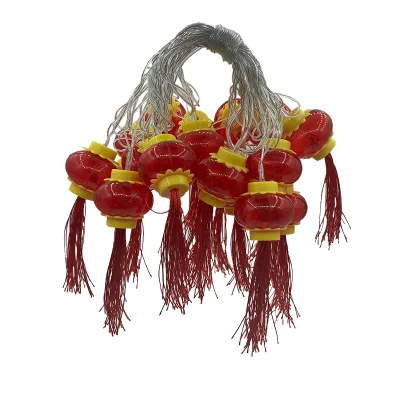




Comprehensive Sourcing Guide
Decorative Outdoor String Lights Supplier Concentration and Factory Types
The current supplier landscape for Decorative Outdoor String Lights reveals a distinct geographic and structural segmentation that buyers must navigate carefully. Evidence indicates that manufacturing capabilities are concentrated in specific Chinese provinces, with Zhejiang and Guangdong emerging as primary hubs for this category. Suppliers located in Zhejiang, China, often present as combined entities, suggesting a hybrid model that may blend trading services with manufacturing oversight. This structure can offer flexibility in product variety but requires buyers to verify the actual production source. In contrast, suppliers based in Guangdong, China, are predominantly identified as manufacturers or factories. These entities typically possess more direct control over the production line, which can be critical for maintaining consistent quality standards for complex lighting products. The distinction between a combined company and a pure manufacturer is not merely semantic; it impacts communication efficiency, customization capabilities, and the ability to resolve production issues quickly. Buyers should prioritize understanding the operational model of each supplier to align with their specific sourcing needs, whether they require rapid prototyping through a trading arm or direct factory engagement for large-scale orders.
Furthermore, the range of company types extends beyond simple manufacturing classifications to include specialized capabilities such as Original Design Manufacturing (ODM) and Original Equipment Manufacturing (OEM). Some suppliers in this sector offer robust R&D capacities, allowing for significant customization of string light designs, from LED configurations to solar integration. This is particularly relevant for buyers seeking unique aesthetic solutions, such as chandelier-style or flame-lantern designs, which require specific engineering and assembly processes. The presence of both OEM and ODM capabilities among Guangdong-based manufacturers suggests a mature industrial ecosystem capable of supporting diverse brand requirements. However, the availability of these services varies, and not all suppliers offer the same level of design support. Buyers must assess whether their product vision requires a partner who can innovate from scratch or one who can efficiently replicate existing high-quality designs. Understanding these nuances helps in filtering the supplier pool effectively, ensuring that the selected partner has the structural capacity to meet the buyer’s volume and customization demands without unnecessary delays or quality compromises.
How to Verify Decorative Outdoor String Lights Suppliers
Verification is a critical step in mitigating risk when sourcing Decorative Outdoor String Lights, as the market contains a mix of verified and unverified entities. Buyers should prioritize suppliers who have undergone third-party verification processes, such as those conducted by SGS. This verification status serves as a tangible indicator that the supplier’s business legitimacy and operational capabilities have been externally validated. Beyond basic verification, it is essential to examine the specific certifications held by the supplier and their products. Many suppliers in this category hold ISO9001:2015 certificates, which demonstrate a commitment to quality management systems. Additionally, product-specific certifications like CE, RoHS, and CCC are frequently listed, indicating compliance with international safety and environmental standards. These certifications are not just formalities; they are crucial for ensuring that the string lights meet the regulatory requirements of the buyer’s target market. Buyers should request copies of these certificates and verify their validity through the issuing bodies to avoid relying on potentially forged documents.
In addition to certifications, buyers should assess the supplier’s responsiveness and transparency as indicators of reliability. Response times, such as those recorded at 3.49 hours or 2.43 hours, provide insight into the supplier’s operational efficiency and customer service quality. A faster response time often correlates with a more organized internal process, which is beneficial for resolving issues during the sourcing journey. Buyers should also look for evidence of established business practices, such as clear communication channels and professional documentation. While some suppliers may display high response speeds, it is important to ensure that the quality of communication matches the speed. Buyers should test the supplier’s responsiveness by asking detailed technical questions about their products, such as IP ratings or voltage specifications, to gauge their expertise. Furthermore, verifying the supplier’s location and main products can help confirm their specialization. A supplier claiming to be a manufacturer of LED neon flex and string lights in Guangdong should have a coherent product portfolio that aligns with these claims, providing additional confidence in their authenticity and capability.
What to Compare Across Decorative Outdoor String Lights Suppliers
When evaluating multiple suppliers, buyers must systematically compare key operational metrics to identify the most suitable partner for their specific needs. Lead time is a critical factor, with some suppliers offering a 15-day turnaround while others may require up to 23 days. This difference can significantly impact inventory planning and time-to-market, especially for seasonal products like holiday lighting. Buyers should align their order timelines with the supplier’s stated lead times to avoid stockouts or excess inventory. Similarly, Minimum Order Quantity (MOQ) requirements vary widely, ranging from 10 units for certain decorative items to 200 units for more complex designs. Understanding these MOQ thresholds is essential for budgeting and assessing the feasibility of initial orders. Buyers with smaller budgets or testing phases may prefer suppliers with lower MOQs, while those planning large-scale deployments should look for partners who can accommodate higher volumes efficiently. Comparing these metrics side-by-side allows for a more objective assessment of each supplier’s fit for the buyer’s business model.
Price and customization options are also pivotal comparison points. The price range for Decorative Outdoor String Lights can vary based on features such as LED count, waterproofing, and design complexity. For instance, basic models may start at lower price points, while specialized items like sealed glue type or flame lantern lights command higher prices due to their intricate construction. Buyers should compare unit prices against the specified MOQ to calculate the total cost of ownership. Additionally, the availability of customization services, such as OEM or ODM, can add value but may also influence pricing and lead times. Some suppliers offer customizable string lights with specific voltage, color temperature, or IP rating requirements, which can be crucial for meeting specific project needs. Buyers should inquire about the extent of customization available and any associated costs or minimums. By comparing lead times, MOQs, prices, and customization capabilities, buyers can create a comprehensive matrix that highlights the strengths and weaknesses of each supplier, facilitating a more informed decision-making process.
Common Decorative Outdoor String Lights Sourcing Risks
Sourcing Decorative Outdoor String Lights involves several inherent risks that buyers must proactively manage to ensure a successful procurement process. One significant risk is the discrepancy between advertised product specifications and the actual delivered goods. For example, a supplier may claim an IP rating suitable for outdoor use, but the actual product might only meet indoor standards. This mismatch can lead to product failures in the field, resulting in customer complaints and financial losses. Buyers should rigorously verify technical specifications, such as IP ratings, voltage, and color temperature, against their requirements. It is advisable to request product samples before placing bulk orders to physically inspect the quality and functionality of the string lights. Additionally, buyers should be cautious of suppliers who provide vague or incomplete product descriptions, as this may indicate a lack of transparency or expertise. Ensuring that all product attributes, from wire specifications to light bulb spacing, are clearly defined and agreed upon in the contract can help mitigate this risk.
Another common risk is the reliability of the supplier’s production and delivery capabilities. Even if a supplier has a short stated lead time, external factors such as raw material shortages or production bottlenecks can cause delays. Buyers should assess the supplier’s capacity and history of meeting deadlines. Suppliers with established manufacturing facilities, such as those in Guangdong, may have more stable production lines compared to trading companies. However, buyers should still maintain open communication and request regular updates on production progress. Furthermore, there is a risk associated with intellectual property and design infringement, especially when working with suppliers who offer OEM services. Buyers should ensure that their designs are protected and that the supplier adheres to confidentiality agreements. Additionally, buyers should be aware of potential quality control issues, such as inconsistent lighting performance or premature failure of LEDs. Implementing strict quality assurance protocols, including pre-shipment inspections, can help identify and rectify these issues before the goods are shipped, protecting the buyer’s brand reputation and customer satisfaction.
Decorative Outdoor String Lights Regional Sourcing and Logistics
The geographic location of suppliers plays a crucial role in determining logistics costs, lead times, and overall supply chain efficiency. Suppliers located in China, particularly in provinces like Zhejiang and Guangdong, offer distinct advantages in terms of manufacturing density and export infrastructure. Zhejiang-based suppliers, often operating as combined entities, may benefit from a well-developed local supply chain for components and materials, which can streamline production. Meanwhile, Guangdong-based manufacturers, with their focus on LED products, are situated in a region known for its advanced electronics manufacturing ecosystem. This concentration of expertise can lead to higher quality standards and more innovative product designs. Buyers should consider the proximity of the supplier to major ports, as this can impact shipping times and costs. For instance, suppliers in Guangdong may have easier access to Shenzhen or Guangzhou ports, facilitating faster export processes. Understanding the logistical advantages of each region helps buyers optimize their supply chain and reduce overall procurement costs.
Logistics planning also involves considering the packaging and handling requirements of Decorative Outdoor String Lights. These products are often fragile and require careful packaging to prevent damage during transit. Suppliers typically use carton packing or export packing to ensure the safety of the goods. Buyers should verify the packaging standards with their chosen supplier to ensure that the products will arrive in good condition. Additionally, buyers should be aware of the weight and dimensions of the shipments, as these factors influence shipping costs. For example, string lights with longer lengths or higher LED counts may require more packaging material and space, leading to higher freight charges. Buyers should work with their suppliers to optimize packaging designs to minimize volume and weight without compromising product safety. Furthermore, buyers should consider the impact of seasonal demand on logistics, as peak periods for holiday lighting can lead to congestion at ports and increased shipping rates. Planning ahead and establishing strong relationships with logistics providers can help mitigate these challenges and ensure timely delivery of goods.
Decorative Outdoor String Lights Commercial Terms and Order Planning
Effective order planning and clear commercial terms are essential for a smooth sourcing experience when dealing with Decorative Outdoor String Lights. Buyers should establish clear agreements on payment terms, delivery schedules, and quality assurance protocols before placing orders. Many suppliers offer flexible payment options, but buyers should ensure that the terms align with their cash flow management strategies. It is also important to define the scope of customization and any associated costs upfront to avoid unexpected expenses. For suppliers offering OEM or ODM services, buyers should negotiate clear intellectual property rights and confidentiality clauses to protect their designs. Additionally, buyers should discuss the process for handling defects or non-conforming products, including return policies and compensation mechanisms. Having these terms clearly documented in the contract helps prevent disputes and ensures that both parties have a shared understanding of their responsibilities.
Furthermore, buyers should plan their orders in advance to accommodate the supplier’s lead times and production cycles. Given that lead times can range from 15 to 23 days, buyers should factor in additional time for quality inspections and shipping. For seasonal products, early planning is crucial to ensure that goods arrive in time for the peak selling period. Buyers should also consider the impact of order volume on pricing and production priority. Larger orders may qualify for better pricing or faster production slots, but they also require more careful inventory management. Buyers should maintain open communication with their suppliers to stay informed about production progress and any potential delays. Regular updates and proactive problem-solving can help mitigate risks and ensure timely delivery. By establishing robust commercial terms and implementing strategic order planning, buyers can build a reliable and efficient supply chain for Decorative Outdoor String Lights, supporting their business growth and customer satisfaction.
FAQs
What is the typical lead time for Decorative Outdoor String Lights?
Manufacturers in China generally require 15 to 23 days to produce and ship orders. This timeframe depends on the specific supplier location, such as Zhejiang or Guangdong, and the complexity of the customization requested. Buyers should confirm exact dates with the supplier before placing the order.
What certifications are standard for these string lights?
Most suppliers provide CE, RoHS, and CCC certifications for their products. These documents verify that the electrical components meet international safety and environmental standards. Buyers should request copies of these certificates to ensure compliance with local regulations in their target market before finalizing a purchase.
What is the minimum order quantity for these lights?
Minimum order quantities typically range from 10 to 200 units depending on the specific model. Some suppliers accept orders as low as 10 pieces, while others require 100 or 200 units. Buyers should check the specific product page to determine the exact MOQ for their desired design.
How quickly do suppliers respond to inquiries?
Response times vary, with some suppliers replying within 2.43 hours and others taking up to 3.49 hours. Faster response times often indicate a more active sales team. Buyers should prioritize suppliers with quicker response rates to ensure efficient communication throughout the sourcing and negotiation process.
What is the price range for decorative string lights?
Prices generally range from $5.60 to $24.00 per unit based on the product type. Basic models start around $5.60, while more complex curtain or fairy lights can cost up to $24.00. The final price depends on the quantity ordered, customization options, and specific technical specifications required.
Are customization options available for these lights?
Yes, many suppliers offer OEM and ODM customization services for their string lights. Buyers can often request changes to voltage, color temperature, and packaging. Customization is explicitly marked as available for many models, allowing businesses to tailor products to their specific brand requirements and market needs.