Deep Cycle Lithium Battery Pack Suppliers and Manufacturers
Compare 31 verified suppliers offering deep cycle lithium battery packs with varying lead times, response speeds, and certifications. Review product specs like voltage and capacity, then request quotes to verify pricing and MOQ details directly; review the available evidence before requesting comparable quotations from suitable candidates.
Updated
Suppliers List
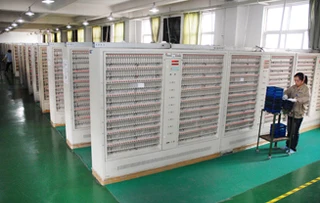
- Manufacturer
- Guangdong, China
- Lead time25 days
- Avg. response≤ 9h
Main productsLi-Polymer Battery,Li-Ion Battery,LiFePO4 Battery,Ni-Cd Battery,Ni-Mh Battery
Main marketsNorth America(20.00%), Western Europe(15.00%), South America(10.00%), South Asia(10.00%), Eastern Europe(10.00%), Northern Europe(5.00%), Africa(5.00%), Southeast Asia(5.00%), Southern Europe(5.00%), Oceania(5.00%), Central America(4.00%), Domestic Market(2.00%), Eastern Asia(2.00%), Mid East(2.00%)
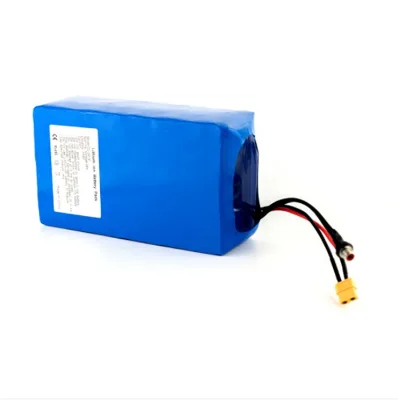
Deep Cycle 32v Lithium Battery Pack 32v 15Ah 20Ah Lifepo4 Lithium Battery Pack
$7.1772 - $8.204
MOQ: 10 pieces
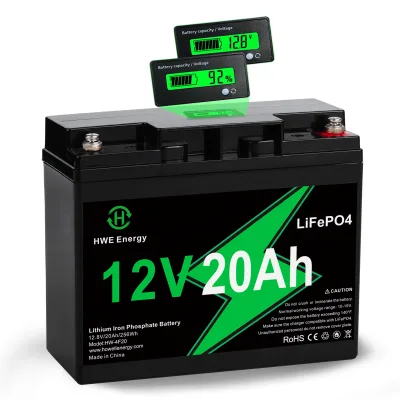
$31.7039 - $37.4495
MOQ: 200 pieces

Shenzhen Eastar Battery Co., Ltd.
- Combined
- China Guangdong
- Lead time15 days
- Avg. response≤ 4h
Main productsLiFePO4 Battery, Lithium Ion Batteries, Lithium-Ion Battery, Energy Storage Battery, LiFePO4 Battery Cell, 18650 Battery, Battery, Li-ion Battery, LiFePO4 Battery Pack, Lithium Battery
Main marketsAfrica,Southeast Asia/ Mideast,North America

- Verified by TUVRHEINLAND
- Combined
- China Guangdong
- Lead time30 days
- Avg. response≤ 5h
Main productsLiFePO4 Battery, Li-ion Battery, Solar Energy Storage Battery, RV/Electric Vehicle Battery, Solar Battery, Customized Battery Pack, UPS Battery, Solar Street Light Battery, Battery Pack, Motorcycle Battery
Main marketsDomestic,Europe


Deep Cycle 12V 200ah Lithium Battery-LiFePO4 Pack for Solar Energy Storage
$300.00 - $400.00
MOQ: 10 Pieces

Deep Cycle Li Ion Battery Pack LiFePO4 12V 150ah Lithium Battery Pack for 12V Solar System
$100.00 - $399.00
MOQ: 1 Pieces

LiFePO4 Battery Pack Deep Cycle 12.8V 12ah Battery Pack for Solar Storage
$49.00 - $69.00
MOQ: 100 Pieces


Nantong Ningyuan Automation Technology Co., Ltd.
- Verified by TUVRHEINLAND
- Combined
- China Jiangsu
- Lead time30 days
- Avg. response≤ 2h
Main productsLithium Ion Batteries, Power Lithium Battery Packs, Storage Battery Packs, Rechargeable Battery, LiFePO4 Battery Pack, 5kwh Powerwall, Battery Pack, Battery Cell, LiFePO4 Battery, Solar Battery
Main marketsDomestic,Europe

- Verified by TUVRHEINLAND
- Trading Company
- China Anhui
- Lead time15 days
- Avg. response≤ 3h
Main productsPowerwall Battery, Energy Storage Battery, LiFePO4 Battery, Solar Lithium Battery, Lithium Ion Battery, Solar Energy System, Lead Acid Battery, Gel Battery, Solar Panel, Solar Inverter
Main marketsSouth America,Africa,Southeast Asia/ Mideast,Europe,Australia,North America

Lithium Rechargeable Battery Pack 25kwh 224V 560V Deep Cycle Lithium Batteries
$1050.00 - $1820.00
MOQ: 2 Pieces

High Capacity 5kwh 10kwh Lithium Battery Pack with 90% Depth of Discharge for Daily Cycle Energy Use
$520.00 - $850.00
MOQ: 2 pieces

- Verified by SGS
- Combined
- China Anhui
- Lead time15 days
- Avg. response≤ 6h
Main productsSolar Battery, Solar Inverter, Solar Panel, Solar System, Energy Storage System, Solar Energy Application Products
Main marketsSouth America,Africa,Southeast Asia/ Mideast,Europe

OEM High Voltage Lithium Battery 50kwh Deep Cycle Lithium Storage Battery Pack
$7700.00 - $9200.00
MOQ: 1 Sets


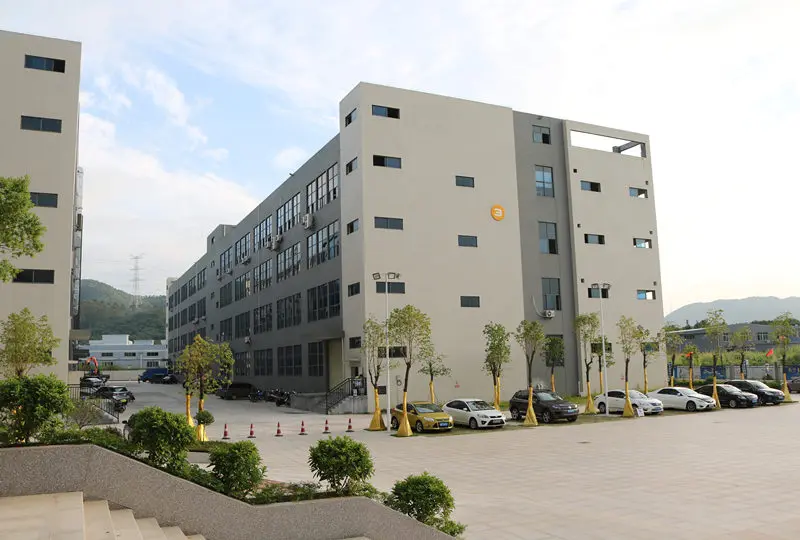
Shenzhen Everwin Tech Co., Limited
- Verified by SGS Group
- Manufacturer, Trading Company
- Lead time20 days
- Avg. response≤ 2h
Main productsLithium Batteries, Lithium Ion Batteries, Lithium Iron Phosphate Batteries, Nickel Metal Hydride Batteries, Nickel Cadimium Batteries
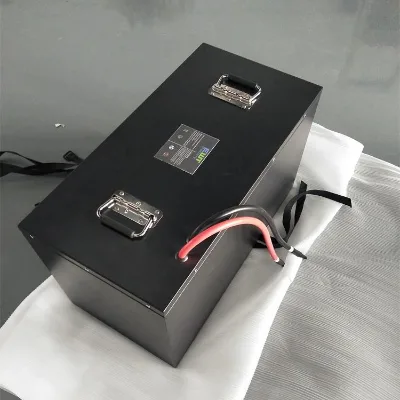
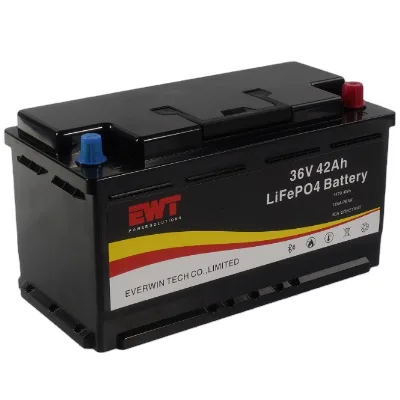
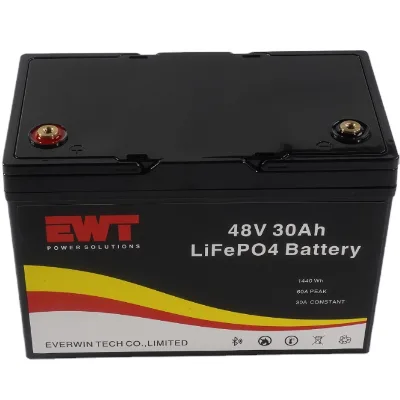
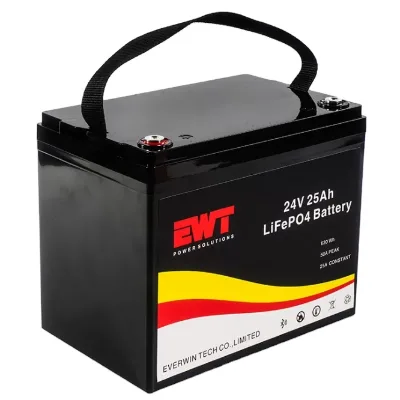
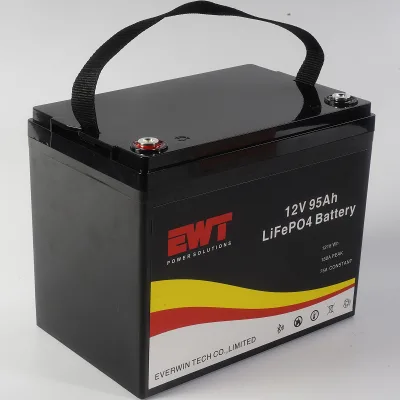
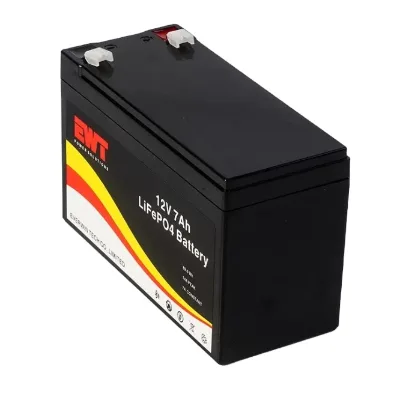
High Power LifePo4 26650 12V 95AH Solar Energy Power Batteries Pack
$155.39 - $165.25
Shenzhen Luozhen Electronics Technology Co., Ltd.
- Trading Company, Distributor/Wholesaler
- Guangdong, China
- Lead time3 days
- Avg. response≤ 1h
Main productsli ion battery,lithium battery,18650 battery,Pouch cells,Lifepo4 battery
Main marketsEastern Europe(15.00%), North America(15.00%), South Asia(10.00%), Central America(10.00%), Mid East(10.00%), Africa(5.00%), Southern Europe(5.00%), Northern Europe(5.00%), Southeast Asia(5.00%), Western Europe(5.00%), Eastern Asia(5.00%), South America(5.00%), Oceania(5.00%)
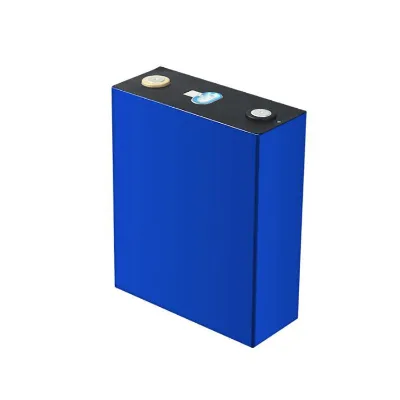
Deep Cycle 6000 Times Lithium Lifepo4 280Ah 3.2V 300Ah Battery For Solar EV Battery Pack
$95.00 - $109.00
MOQ: 4 pieces

Solid Power Industrial (Shenzhen) Co., Ltd.
- Verified by TUVRHEINLAND
- Trading Company,Manufacturer/Factory
- China Guangdong
- Lead time30 days
- Avg. response≤ 4h
Main productsSolar Battery, Lithium Battery, Lithium Ion Battery, Storage Battery, Gel Battery, Lead Acid Battery, AGM Battery, Deep Cycle Battery, VRLA Battery, LiFePO4 Battery
Main marketsSouth America,Eastern Europe,Mid East,North America,Southeast Asia,Eastern Asia,Oceania,Western Europe,Africa

Better Technology Group Limited
- Verified by CTI
- Manufacturer/Factory
- China Fujian
- Lead time23 days
- Avg. response≤ 4h
Main productsTurnkey Solution for Battery Manufacturing, Battery Production Equipment, Automatic Battery Assembly Line, Solar Home Energy Storage Battery, Small-Scale I&C Energy Storage Cabinet, Lithium Battery Manufacturing Machine, 4G+GPS Smart Start-Stop Lithium Battery, Lead-Acid to Lithium Battery Conversion, Portable Power Station, Lead Acid Batteries
Main marketsSouth America,Eastern Europe,Mid East,North America,Southeast Asia,Eastern Asia,Oceania,Western Europe,Africa

Guangdong Solarthon Technology Co., Ltd.
- Verified by SGS
- Combined
- China Guangdong
- Lead time15 days
- Avg. response≤ 3h
Main productsSolar Inverter, Solar Power System, Lithium Battery, Solar System, Portable Power Station, Solar Energy System, Solar Panel, Solar Water Pump, PV Combiner Box, Solar Controller
Main marketsAfrica
Hunan Gaoyuan Battery Co., Ltd.
- Verified by TüVRheinland
- Manufacturer, Trading Company
- Lead time0 days
- Avg. response≤ 3h
Main productsMobile Phone Battery, Tablet Battery, Notebook/Laptop Battery, Interphone/POS/MIFI Battery, OEM/ODM Lithium Polymer Battery Pack
Main marketsDomestic Market(85%), Northern Europe(6%), Mid East(3%)

Dezhou Nayu Import and Export Trading Co., Ltd.
- Trading Company,Manufacturer/Factory
- China Shandong
- Lead time0 days
- Avg. response≤ 25h
Main productsSolar Panels, Solar System

SHENZHEN BATTERYBUILDING INDUSTRY CO., LIMITED
- Verified by BV
- Manufacturer/Factory
- China Guangdong
- Lead time23 days
- Avg. response≤ 15h
Main productsLiFePO4 Battery, Lithium Battery, Electric Bike Battery, Electric Skate Battery, Jump Start Battery, Electric Tool Battery, Lithium Polymer Battery, Solar Panel Battery, BMS, Charger
Main marketsSouth America,Eastern Europe,Mid East,North America,Southeast Asia,Eastern Asia,Oceania,Western Europe,Africa

SHENZHEN SMARTEC TECHNOLOGY CO., LTD.
- Verified by BV
- Combined
- China Guangdong
- Lead time23 days
- Avg. response≤ 3h
Main productsBattery Manage System, Protection Circuit Module, Home Storage Batteries, BMS, PCM, Customized Lithium Batteries, Customized Li-ion Battery Pack, LiFePO4 Battery Pack, Battery BMS, Golf Cart Battery
Main marketsSouth America,Africa,Southeast Asia/ Mideast,East Asia(Japan/ South Korea),Europe,Australia,North America

Rechargeable Deep Cycle 12V 150ah Lithium Ion/LiFePO4 Battery Pack with Communications
$385.00 - $395.00
MOQ: 1 Pieces

Large Capacity Deep Cycle 36V 230ah Li-ion/LiFePO4 Battery Pack for Customization
$880.00 - $1650.00
MOQ: 1 Pieces

Shenzhen UPSEN Electronic Co., Ltd.
- Verified by TUVRHEINLAND
- Manufacturer/Factory
- China Guangdong
- Lead time15 days
- Avg. response≤ 8h
Main productsUPS, Inverter, Battery, Energy Storage, Solar Power, UPS Power, Portable Power Station, Online UPS, Power Inverter, DC AC Inverter
Main marketsSouth America,Mid East,North America,Southeast Asia,Eastern Asia,Oceania,Western Europe,Africa
- Manufacturer, Trading Company
- Shandong, China
- Lead time15 days
- Avg. response≤ 6h
Main productsLiFe PO4 Battery Pack, Solar Home System, Road Lighting, Commercial Lighting, Household Lighting
Main marketsAfrica(30.00%), Mid East(20.00%), Southeast Asia(20.00%), South America(6.00%), South Asia(5.00%), North America(5.00%), Southern Europe(5.00%), Western Europe(2.00%), Northern Europe(2.00%), Eastern Asia(1.00%), Oceania(1.00%), Central America(1.00%), Eastern Europe(1.00%), Domestic Market(1.00%)

Shenzhen Sol New Energy Co., Ltd
- Verified by SGS
- Trading Company
- China Guangdong
- Lead time15 days
- Avg. response≤ 6h
Main productsBMS, Solar Panels, Battery Pack, Battery Spare Parts, Charger Spare Parts, Battery Equalizer, Inverter BMS, Home Energy Storage
Main marketsDomestic

Lithium Battery Pack Kit Vertical LiFePO4 Battery Pack Home Energy Storage
$198.00 - $238.00
MOQ: 5 Pieces

LCD Display Lithium Battery Pack for Reliable Energy Storage Solutions
$299.00 - $339.00
MOQ: 5 Pieces


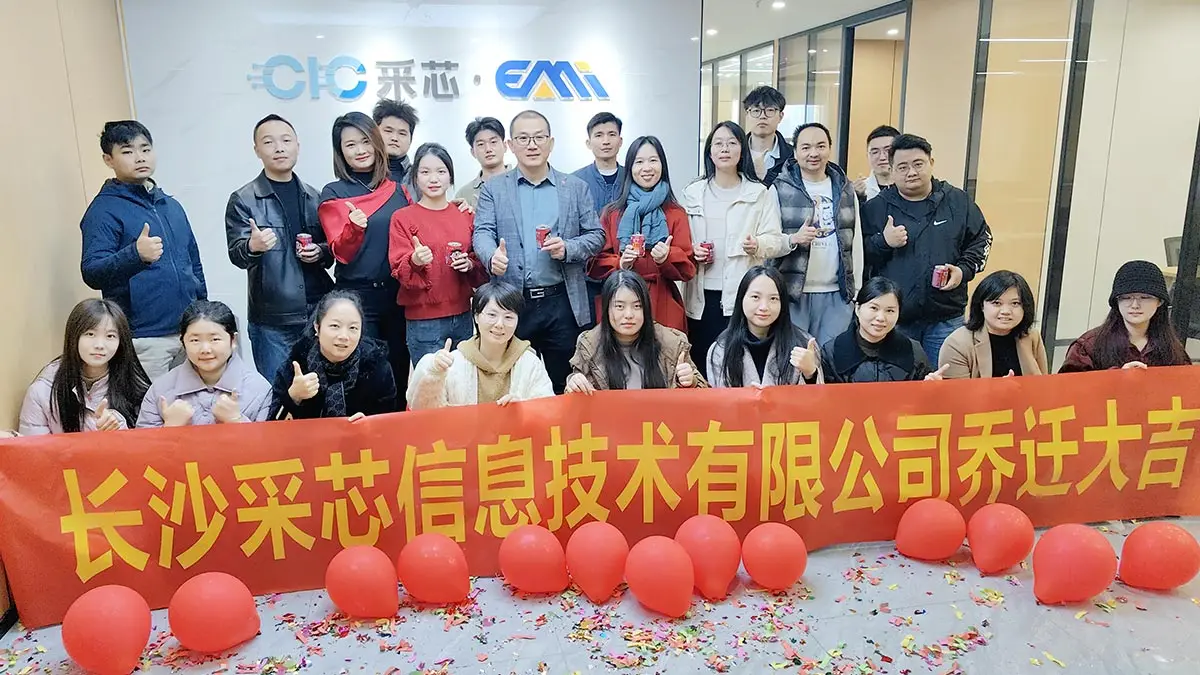
Changsha Caixin Information Technology Co., Ltd.
- Trading Company
- Hunan, China
- Lead time90 days
- Avg. response≤ 6h
Main productslithium ion battery,lithium battery,Rechargeable Lithium Battery,lithium battery pack,Lifepo4 battery
Main marketsNorth America(50.00%), Eastern Europe(20.00%), South America(20.00%)
Guangzhou Felicity Solar Technology Co., Ltd.
- Manufacturer, Trading Company
- Lead time旺季: "1 - 10":10,"> 10":"To be negotiated", 淡季: "1 - 10":10,"> 10":"To be negotiated"
- Avg. response≤ 12h
Main productsLithium Iron Phosphate Batteries, Solar Inverter, Commercial & Industrial Energy Storage Systems, Residential Energy Storage Systems
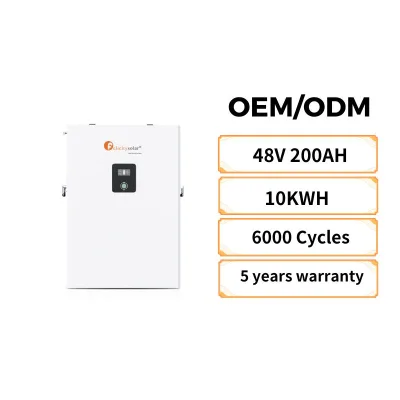
$1595.00 - $1807.00
MOQ: 2 pieces
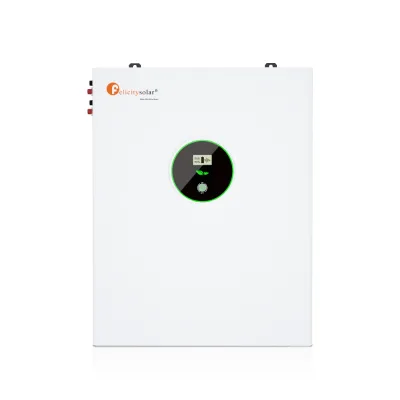
Long Life 10KWH 48V Lithium Ion 200AH Lifepo4 Battery Pack for Off-grid Storage System
$1742.3627 - $1979.5854
Changsha Enook Technology Co., Ltd.
- Verified by Intertek
- Manufacturer, Trading Company
- Lead time0 days
- Avg. response≤ 2h
Main productsLifepo4 Battery, Energy Storage System, Battery Pack, Charger, Lithium Battery
Main marketsEastern Europe(42%), Southeast Asia(30%), North America(18%)
- Manufacturer, Trading Company
- Lead time旺季: "1 - 500":35,"501 - 1000":50,"> 1000":"To be negotiated", 淡季: "1 - 500":35,"501 - 1000":50,"> 1000":"To be negotiated"
- Avg. response≤ 5h
Main productsSolar Light, LiFePO4 Battery Pack/Solar Appliances/Solar Power System/Solar Inverter &. MPPT/Solar Panel
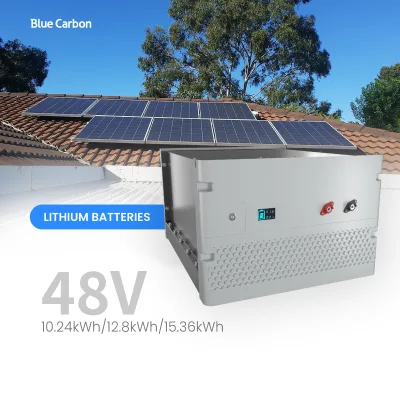
$763.8184 - $802.674
MOQ: 20 sets
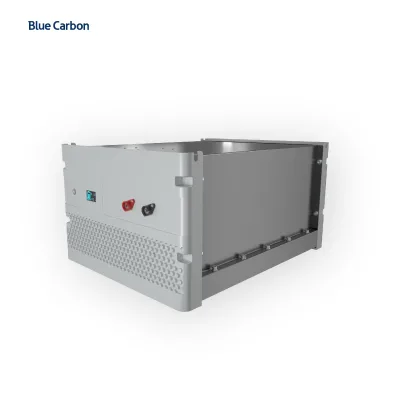
$766.4267 - $805.4157
MOQ: 20 sets
- Manufacturer, Trading Company
- guangdong, China
- Lead time15 days
- Avg. response≤ 2h
Main productsLifepo4 Battery; Forklift Battery; Lithium Deep Cycle Battery; Customize Electric Vehicle Battery; Lithium Home Battery
Main marketsDomestic Market(20.00%), North America(20.00%), Oceania(15.00%), Eastern Europe(12.00%), Western Europe(7.00%), Southeast Asia(7.00%), Eastern Asia(5.00%), Southern Europe(5.00%), Africa(4.00%), Northern Europe(3.00%), South America(2.00%)
- Verified by SGS Group
- Manufacturer, Trading Company
- Lead time10 days
- Avg. response≤ 5h
Main productsSolar Panel, Solar Inverter, Lithium-ion Battery, Solar System
Main marketsWestern Europe(40%), South America(30%), Domestic Market(15%)

Shenzhen Mingfeng Technology Co., Ltd
- Verified by SGS
- Trading Company
- China Guangdong
- Lead time30 days
- Avg. response≤ 1h
Main productsE-Bike Battery, Drone Battery, Power Tools Battery, Garden Tools Battery, Emotorcycle Battery, Golf Cart Battery, Forklift Battery, Marine Battery, LiFePO4 Battery, Agv Battery
Main marketsOthers(foreignTradeCapacity.exportBusinessCapacityMarketOther)
Shenzhen Hysincere Battery Co., Ltd.
- Verified by SGS Group
- Manufacturer, Trading Company
- Lead time14 days
- Avg. response≤ 4h
Main productsLiFePO4 Battery Pack, Lithium Ion Battery, Sodium Ion Battery, Energy Storage System, Lipo Battery
Main marketsNorth America(25%), Western Europe(22%), Domestic Market(15%)
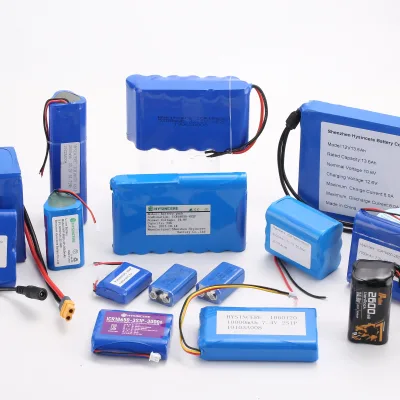
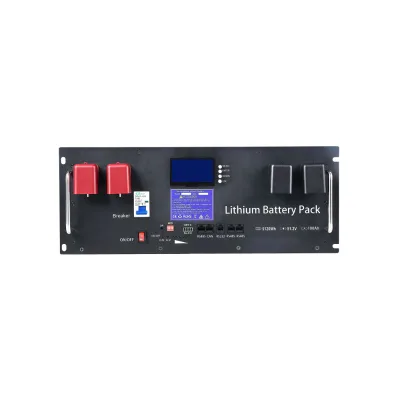
EU Stock 24V 200AH LiFePo4 Battery Pack With BMS and Active Balancer Lithium Ion Batteries Pack
$800.00 - $900.00
MOQ: 4 pieces

Zhejiang Fimos Energy Technology Co., Ltd.
- Verified by SGS
- Trading Company
- China Zhejiang
- Lead time30 days
- Avg. response≤ 11h
Main marketsDomestic

Guangzhou Shiyang Energy Technology Co., Ltd.
- Verified by TUVRHEINLAND
- Manufacturer/Factory
- China Guangdong
- Lead time45 days
- Avg. response≤ 7h
Main productsEnergy Storage, Battery Pack, Portable Power Station, Solar Battery, Lithium Battery Pack
Main marketsSouth America,Eastern Europe,North America

Tiger Power (Wuxi) Co., Ltd. Shanghai Branch
- Verified by SGS
- Combined
- China Shanghai
- Lead time15 days
- Avg. response≤ 2h
Main productsForklift Lead-Acid Batteries
Main marketsDomestic


High Capacity 25.6V Lithium Battery Pack for Efficient Solar Energy Storage
$2000.00 - $2400.00
MOQ: 1 Pieces
- Manufacturer, Trading Company
- Lead time旺季: "1 - 100":20,"> 100":"To be negotiated", 淡季: "1 - 100":20,"> 100":"To be negotiated"
- Avg. response≤ 2h
Main productsLithium Ion Battery, Lifepo4 Battery, Inverter, Solar Power System
- Manufacturer, Trading Company
- Lead time旺季: "1 - 100":5,"101 - 300":7,"301 - 500":10,"> 500":"To be negotiated", 淡季: "1 - 100":5,"101 - 300":7,"301 - 500":10,"> 500":"To be negotiated"
- Avg. response≤ 3h
Main productsSolar Panels, Solar Energy System, Solar Inverter, Solar Battery, Solar Pump






Comprehensive Sourcing Guide
Deep Cycle Lithium Battery Pack Supplier Concentration and Factory Types
The current supplier landscape for deep cycle lithium battery packs reveals a distinct geographic concentration in Guangdong, China, which serves as a primary manufacturing hub for these energy storage solutions. This region hosts a mix of pure manufacturers and combined entities that handle both production and trading operations, offering buyers a diverse range of sourcing options depending on their specific volume and customization needs. The presence of specialized factories in this area indicates a mature supply chain ecosystem capable of supporting complex battery assembly requirements, including the integration of Battery Management Systems (BMS) and custom packaging solutions. Buyers evaluating suppliers should recognize that while many companies claim manufacturing capabilities, the actual production environment and quality control measures can vary significantly between pure factories and combined trading companies. Understanding this distinction is crucial for assessing the reliability of supply chains and the potential for direct communication regarding technical specifications and production schedules.
Within this concentrated region, suppliers offer a wide array of main products that extend beyond simple deep cycle packs, including Li-Polymer, Li-Ion, LiFePO4, Ni-Cd, and Ni-Mh batteries, suggesting a broad technical competency in electrochemical energy storage. This diversity allows buyers to potentially consolidate sourcing for multiple battery types with a single supplier, reducing administrative overhead and simplifying logistics management. However, it also requires careful verification to ensure that the supplier’s primary focus aligns with the buyer’s specific deep cycle requirements, as generalist manufacturers may not possess the same level of specialized expertise as niche producers. The availability of OEM and ODM capabilities among these combined entities further enhances their appeal for buyers seeking customized solutions, such as specific voltage configurations, capacity ratings, or branded packaging. Buyers must therefore scrutinize the supplier’s actual manufacturing footprint and R&D capacity to ensure they can deliver consistent quality and innovation in deep cycle lithium battery technology.
How to Verify Deep Cycle Lithium Battery Pack Suppliers
Verifying the authenticity and capability of Deep Cycle Lithium Battery Pack suppliers requires a rigorous examination of their stated credentials and operational metrics, particularly when dealing with combined entities that may blur the lines between manufacturing and trading. Buyers should prioritize suppliers who provide clear evidence of their company type, distinguishing between pure manufacturers and combined firms, as this impacts pricing structures and direct communication channels. It is essential to request and validate specific certifications such as CE, RoHS, MSDS, and UN38.3, which are critical for ensuring safety and regulatory compliance in international shipping and end-use applications. These certifications serve as tangible proof of a supplier’s adherence to international standards and their ability to produce batteries that meet stringent safety requirements, reducing the risk of product failures or legal complications in the buyer’s home market.
In addition to certifications, buyers should assess the supplier’s response time and lead time as indicators of operational efficiency and reliability. A rapid response time, such as those observed in the current results, suggests a responsive customer service team capable of addressing inquiries and resolving issues promptly, which is vital for maintaining smooth procurement processes. Similarly, lead times provide insight into the supplier’s production capacity and inventory management practices, allowing buyers to plan their supply chain more effectively. Buyers should also verify the supplier’s establishment year and track record, although specific data may not always be available, to gauge their experience and stability in the market. Engaging in direct communication to discuss technical details, such as standard discharge currents, working temperatures, and cycle life, can further reveal the supplier’s technical expertise and commitment to quality, helping buyers make informed decisions based on concrete evidence rather than marketing claims.
What to Compare Across Deep Cycle Lithium Battery Pack Suppliers
When comparing suppliers for deep cycle lithium battery packs, buyers should focus on key operational metrics such as lead time, minimum order quantity (MOQ), and response speed to determine which partners best align with their procurement strategies and volume requirements. Lead times can vary significantly, with some suppliers offering faster turnaround times than others, which is crucial for buyers with tight production schedules or urgent replenishment needs. MOQs also differ widely, ranging from small quantities suitable for prototyping or small-scale projects to large volumes required for mass production, allowing buyers to select suppliers that match their current order sizes and growth projections. Response speed is another critical factor, as quicker replies indicate a more agile and customer-centric approach, facilitating smoother negotiations and problem resolution throughout the sourcing process.
Beyond these operational metrics, buyers should compare product specifications, pricing structures, and warranty terms to ensure they are getting the best value for their investment. Product attributes such as nominal voltage, capacity, cycle life, and warranty period provide essential information for evaluating the quality and longevity of the battery packs. For instance, some suppliers offer batteries with a cycle life of up to 2000 times and warranties of one year or more, indicating a higher level of confidence in their product durability. Pricing should be analyzed in conjunction with MOQs and lead times to understand the total cost of ownership, including potential savings from bulk purchases or faster delivery options. Additionally, buyers should consider the supplier’s main products and specialization, as those focusing primarily on deep cycle lithium batteries may offer more tailored solutions and technical support compared to generalist manufacturers.
Common Deep Cycle Lithium Battery Pack Sourcing Risks
Sourcing deep cycle lithium battery packs from international suppliers introduces several risks that buyers must proactively manage to ensure a successful procurement experience. One significant risk is the variability in product quality and performance, which can arise from differences in manufacturing standards, raw material sourcing, and quality control processes. Buyers may encounter batteries that do not meet the specified nominal capacity, voltage, or cycle life, leading to operational failures and customer dissatisfaction. This risk is exacerbated by the lack of standardized testing protocols across different suppliers, making it difficult to compare products on a like-for-like basis. To mitigate this, buyers should request detailed product specifications and test reports, and consider conducting independent quality inspections or third-party testing to verify that the batteries meet their requirements.
Another common risk is the potential for supply chain disruptions, which can be caused by factors such as raw material shortages, production delays, or logistical challenges. Suppliers with longer lead times or higher MOQs may be more susceptible to these disruptions, impacting the buyer’s ability to maintain consistent inventory levels. Additionally, the complexity of shipping lithium batteries, which are classified as dangerous goods, can lead to additional costs and delays if not handled correctly. Buyers should be aware of the specific shipping requirements and certifications needed for lithium battery transport, such as MSDS and UN38.3, and ensure that their suppliers have the necessary expertise and documentation to comply with these regulations. By understanding and addressing these risks, buyers can develop more resilient supply chains and reduce the likelihood of costly disruptions.
Deep Cycle Lithium Battery Pack Regional Sourcing and Logistics
The geographic concentration of Deep Cycle Lithium Battery Pack suppliers in Guangdong, China, offers buyers access to a robust manufacturing ecosystem with established logistics networks and supply chain infrastructure. This region’s proximity to major ports and transportation hubs facilitates efficient export operations, reducing transit times and shipping costs for international buyers. However, buyers must also consider the logistical complexities associated with shipping lithium batteries, which are subject to strict regulations due to their hazardous nature. Proper packaging, labeling, and documentation are essential to ensure compliance with international shipping standards and to avoid delays or penalties at customs. Buyers should work closely with their suppliers to understand the specific shipping requirements and to arrange for reliable freight forwarding services that specialize in handling dangerous goods.
In addition to logistics, buyers should evaluate the supplier’s location in relation to their own operational needs, considering factors such as time zones, language barriers, and cultural differences. Suppliers located in Guangdong may offer advantages in terms of communication and coordination, particularly for buyers who require frequent updates or on-site inspections. However, buyers should also be prepared to navigate potential challenges related to distance and time differences, which can impact response times and issue resolution. By carefully assessing the logistical and operational aspects of sourcing from this region, buyers can optimize their supply chain and ensure a smooth procurement process. It is also advisable to explore alternative sourcing regions if specific logistical or cost considerations make Guangdong less suitable for their particular needs.
Deep Cycle Lithium Battery Pack Commercial Terms and Order Planning
Effective order planning for deep cycle lithium battery packs requires a thorough understanding of the commercial terms offered by suppliers, including pricing, payment methods, and warranty policies. Buyers should negotiate clear and transparent pricing structures that account for volume discounts, shipping costs, and any additional fees associated with customization or expedited delivery. Payment terms should be aligned with the buyer’s cash flow requirements and risk tolerance, with options such as escrow services providing an added layer of security for transactions. It is also important to clarify the warranty period and coverage, as well as the process for handling defective products or returns, to ensure that the buyer is protected in the event of quality issues.
Furthermore, buyers should develop a comprehensive order plan that considers factors such as lead times, MOQs, and inventory management strategies. By aligning their order quantities with the supplier’s production capabilities and delivery schedules, buyers can minimize the risk of stockouts or excess inventory. It is also advisable to establish a long-term relationship with a reliable supplier, which can lead to better pricing, priority production slots, and improved customer support. Regular communication and performance reviews can help identify areas for improvement and ensure that the supplier continues to meet the buyer’s evolving needs. By carefully managing commercial terms and order planning, buyers can optimize their procurement process and achieve greater efficiency and cost savings in their sourcing of deep cycle lithium battery packs.
FAQs
What is the typical lead time for deep cycle lithium battery packs?
Manufacturers in Guangdong, China, generally require 15 to 25 days to produce and ship deep cycle lithium battery packs. This timeframe allows for assembly, quality testing, and logistics preparation. Buyers should confirm specific delivery schedules with suppliers before placing orders to ensure alignment with project deadlines.
What are the common minimum order quantities for these batteries?
Minimum order quantities vary significantly based on product specifications and customization needs. Some suppliers accept orders as low as 10 units, while others require 5000 pieces for standard items. Buyers should verify the MOQ directly with manufacturers to understand pricing tiers and production requirements for their specific volume.
Which certifications are commonly available for lithium battery packs?
Many deep cycle lithium battery packs come with CE, RoHS, and ISO9001 certifications. Some products also include MSDS and UN38.3 documentation for safe shipping. Buyers should request valid certification copies from suppliers to ensure compliance with international safety standards and regulatory requirements for their target markets.
What is the typical response time for supplier inquiries?
Suppliers on this platform typically respond to inquiries within 3.29 to 9 hours. Fast response times indicate active sales teams ready to assist with technical questions and order processing. Buyers can expect quicker communication from manufacturers with shorter response metrics, facilitating smoother negotiation and order placement.
What warranty periods are offered for deep cycle lithium batteries?
Warranty periods for deep cycle lithium battery packs range from 3 months to 1 year. Some manufacturers offer extended warranties based on product type and usage conditions. Buyers should clarify warranty terms, including coverage for defects and performance guarantees, before finalizing purchase agreements with suppliers.
Can deep cycle lithium battery packs be customized for specific applications?
Yes, many manufacturers offer customization options including size, voltage, and capacity adjustments. OEM and ODM services are available for branding and packaging. Buyers should discuss specific application requirements with suppliers to ensure the battery pack meets their technical specifications and operational needs effectively.