Portable Durable Sewing Clips Suppliers and Manufacturers
Explore 29 verified options for Portable Durable Sewing Clips from Zhejiang, China. Compare response times, lead times, and product specifications like material and size before contacting suppliers directly to ensure quality and timely delivery for your specific sewing needs; review the available evidence before requesting comparable quotations from suitable candidates.
Suppliers List
- Trading Company
- Zhejiang, China
- Lead time15 days
- Avg. response≤ 3h
Main productsSewing notions,Needlework,cross stitch accessory,Knitting tools,embroidery scissors
Main marketsNorth America(60.0%), Northern Europe(15.0%), Eastern Europe(10.0%), Oceania(10.0%), Western Europe(5.0%)

Ningbo Liberty Port Textile Co., Ltd.
- Combined
- China Zhejiang
- Lead time15 days
- Avg. response≤ 20h
Main productsSnap Button, Snap Fastener Set, Sewing Notions, Rotary Cutter, Cutting Mat, DIY Crafts, Storage Series, Knitting Needles, Crochet Hook, Zipper
Main marketsSouth America,Southeast Asia/ Mideast,East Asia(Japan/ South Korea),Europe,North America
Huizhou Xinying Hardware Products Co., Ltd.
- Manufacturer
- Guangdong, China
- Lead time12 days
- Avg. response≤ 6h
Main productsbag accessories,Jewelry accessories,key chains,garment accessories,Pet accessories
Main marketsDomestic Market(10.0%), South Asia(10.0%), Southern Europe(10.0%), Northern Europe(10.0%), Central America(10.0%), Western Europe(10.0%), Mid East(10.0%), Eastern Europe(10.0%), South America(10.0%), North America(10.0%)
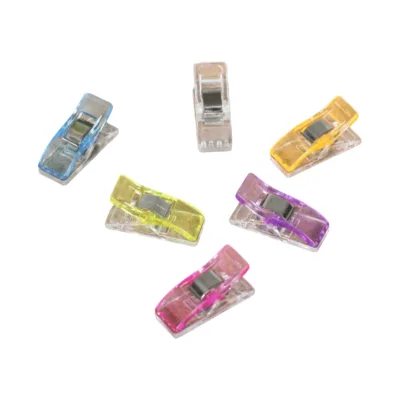
Satisfaction Guaranteed Plastic Edging Clip Positioning Clip Simple Style Sewing Clip
$0.02 - $0.04
Moq: 1000
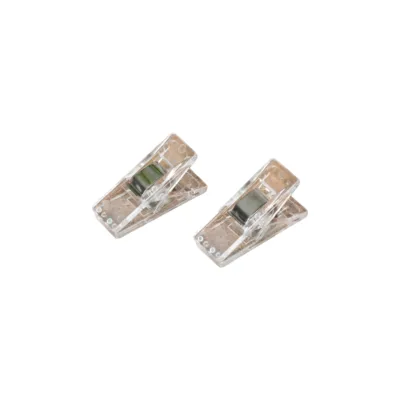
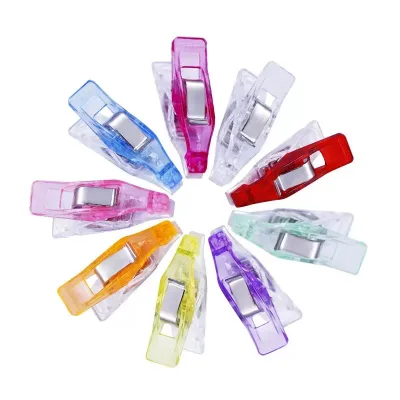
Global Top-seller 2.7*1.5*1cm Plastic Sewing Clips Cloth Craft Clip Thin Sewing Clip
$0.02 - $0.04
Moq: 1000
Chaozhou Fromoce Trading Company Limited
- Trading Company
- Guangdong, China
- Lead time10 days
- Avg. response≤ 4h
Main productshardware tools,hand tools,leather tools,Jewelry tools
Main marketsEastern Europe(20.0%), South America(20.0%), North America(20.0%), Western Europe(20.0%), Africa(10.0%), Mid East(5.0%), Central America(5.0%)
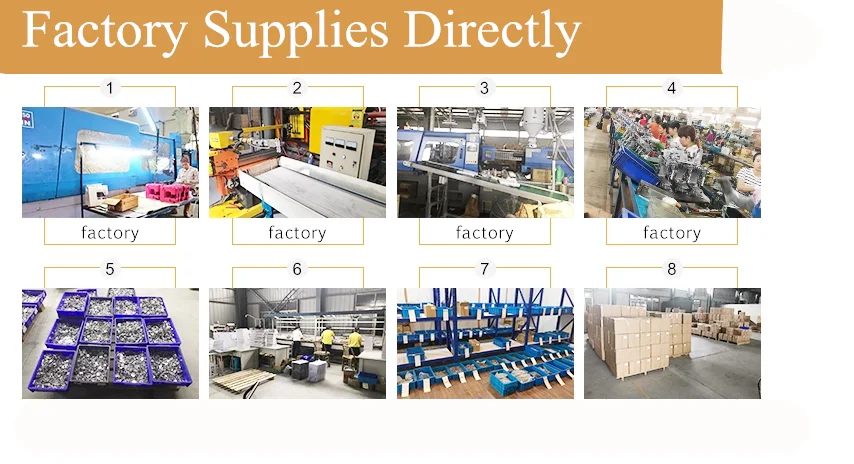
Jinhua Chuangyijia Network Technology Co., Ltd
- Trading Company
- Zhejiang, China
- Lead time7 days
- Avg. response≤ 4h
Main productsSewing Machine Parts,Sewing Machine Bobbins,Sewing Awl Kit,Wall Hanging Crafts
Main marketsNorth America(40.0%), Domestic Market(20.0%), Western Europe(20.0%), Eastern Asia(20.0%)

Ningbo Yuena Import & Export Co., Ltd.
- Verified by TUVRHEINLAND
- Trading Company
- China Zhejiang
- Lead time23 days
- Avg. response≤ 3h
Main productsLace, Thread, Button, Ribbon, Zipper, Tailors Materials, Fabric, Reflective Materials, Sewing Machine Part, Bra Parts
Main marketsSouth America,Africa,Southeast Asia/ Mideast,Europe,North America

- Manufacturer, Trading Company
- Zhejiang, China
- Lead time30 days
- Avg. response≤ 2h
Main productsParty items,Festival Products,DIY crafts,paper&Metal crafts,Customized products
Main marketsNorth America(25.0%), Western Europe(15.0%), Eastern Europe(15.0%), Northern Europe(15.0%), Southern Europe(10.0%), Southeast Asia(8.0%), South America(7.000000000000001%), Africa(5.0%)
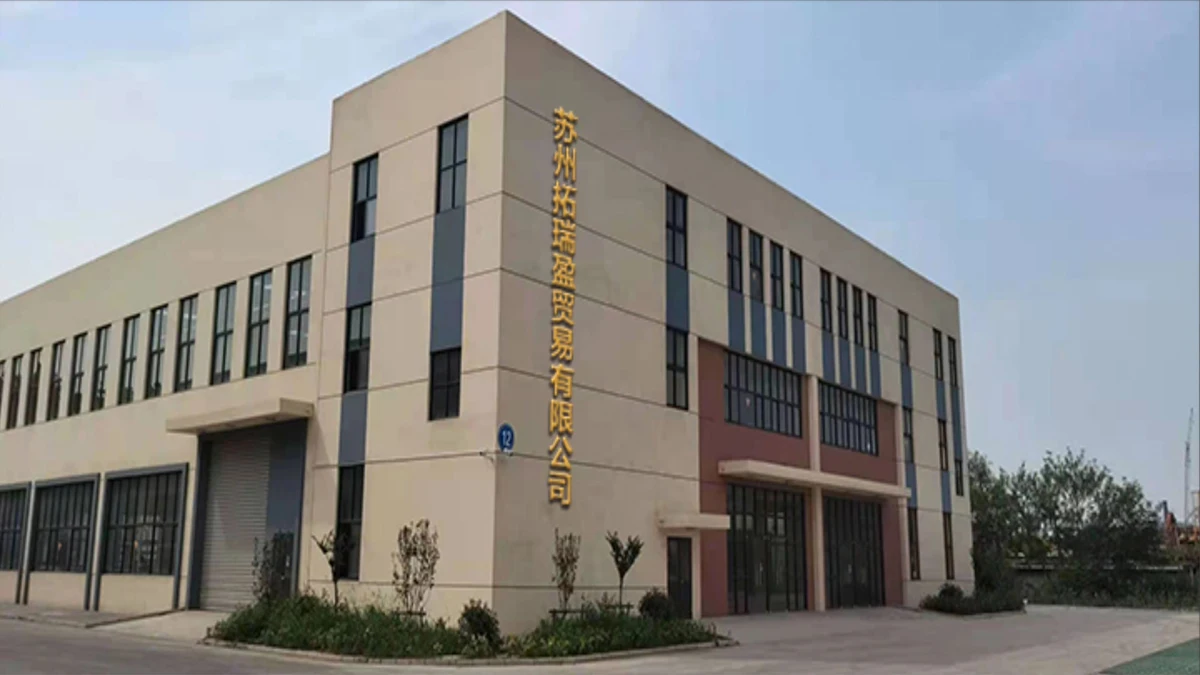
Suzhou Toryin Trading Co., Ltd.
- Trading Company
- Jiangsu, China
- Lead time30 days
- Avg. response≤ 4h
Main productsHand Tools,Car Tools,Outdoor Tools,Garden Tools,Kitchen Tools
Main marketsSouth America(21.0%), North America(18.0%), Western Europe(8.0%), Eastern Europe(8.0%), Southern Europe(7.000000000000001%), Domestic Market(7.000000000000001%), Central America(5.0%), Southeast Asia(5.0%), Northern Europe(5.0%), Africa(5.0%), South Asia(3.0%), Eastern Asia(3.0%), Mid East(3.0%), Oceania(2.0%)

Ningbo Inunion Import and Export Co., Ltd.
- Verified by SGS
- Trading Company
- China Zhejiang
- Lead time30 days
- Avg. response≤ 3h
Main productsBag Chain, Buckle, Hooks, Ring, Key Chain, Tags, Carabiner, Bag Lock, Puller
Main marketsSoutheast Asia/ Mideast,East Asia(Japan/ South Korea),Europe,Australia,North America


Small Size Japanese Assorted Colors Multipurpose Plastic Sewing Clips for Office
$0.04 - $0.04
Moq: 5000


Wuyi Lanmeng E-Commerce Co., Ltd.
- Trading Company
- Zhejiang, China
- Lead time20 days
- Avg. response≤ 3h
Main productsEAS TAGS,EAS SYSTEMS,PAPER CLIPS,PLASTICE PRODUCTS,STATIONERY
Main marketsWestern Europe(20.0%), Southern Europe(15.0%), Northern Europe(10.0%), Eastern Europe(10.0%), South Asia(8.0%), Southeast Asia(6.0%), North America(6.0%), Africa(5.0%), Oceania(5.0%), Mid East(5.0%), Domestic Market(5.0%), Central America(2.0%), Eastern Asia(2.0%), South America(1.0%)

Yuyao Xianghao Mold Technology Company Limited
- Verified by BV
- Trading Company
- China Zhejiang
- Lead time30 days
- Avg. response≤ 10h
Main productsInjection Mold, Plastic Mold, Injection Molding, Rapid Prototyping, 3D Pritting, Manhole Cover Mold, Silicone Rubber Mould, Wire Rack, Car Air Compressor, LED Light
Main marketsNorth America
Jinhua Hengyang Cross Border Trade Co., Ltd.
- Trading Company
- Zhejiang, China
- Lead time0 days
- Avg. response≤ 3h
Main productsKitchen,Housekeeping,Household Sundries,Home Decor,Hotel Supplies
Main marketsSouth Asia(10.0%), Central America(10.0%), Eastern Asia(10.0%), Mid East(10.0%), South America(10.0%), North America(10.0%), Domestic Market(5.0%), Oceania(5.0%), Southern Europe(5.0%), Northern Europe(5.0%), Africa(5.0%), Western Europe(5.0%), Southeast Asia(5.0%), Eastern Europe(5.0%)
Ningbo New Swell Import&Export Co., Ltd.
- Verified by Intertek
- Trading Company
- Lead time7 days
- Avg. response≤ 3h
Main productsLace Trim, Ribbon, Sewing Accessories, Sewing Thread, Zipper
Main marketsMid East(50%), South America(20%), Southeast Asia(20%)
Jinhua Jinxiang Trading Co., Ltd.
- Verified by TüVRheinland
- Trading Company
- Lead time15 days
- Avg. response≤ 2h
Main productsHome Handmade Sewing Accessories
Main marketsNorth America(50%), Western Europe(30%), South America(20%)
HEBEI BEIBU MACHINERY TECHNOLOGY CO., LTD.
- Verified by SGS
- Trading Company
- China Hebei
- Lead time15 days
- Avg. response≤ 2h
Main productsGrain Cleaning Machine, Agro Cleaning Machine, Sesame Cleaning Machine, Soybean Cleaning Machine, Oil Making Machine, Soybean Oil Machine, Sesame Oil Machine, Peanut Shelling Machine, Peanut Butter Making Machine, Sesame Peeling Machine
Main marketsSouth America,Africa,Southeast Asia/ Mideast,Europe,North America
- Manufacturer, Trading Company
- Guangdong, China
- Lead time0 days
- Avg. response≤ 4h
Main productsHeart Shaped Lock,Key Fob Hardware,Suspender Clip,Badge Clip,Wire Buckle
Main marketsNorth America(17.0%), Western Europe(12.0%), Southeast Asia(12.0%), South America(12.0%), Eastern Europe(11.0%), Africa(11.0%), Northern Europe(8.0%), South Asia(5.0%), Southern Europe(4.0%), Mid East(2.0%), Eastern Asia(2.0%), Central America(2.0%), Domestic Market(1.0%), Oceania(1.0%)

Lanxi Sange Industry Co., Ltd.
- Verified by TUVRHEINLAND
- Trading Company
- China Zhejiang
- Lead time15 days
- Avg. response≤ 18h
Main productsLace, Lace Fabric, Cotton Lace, Chemical Lace, Fringe Tassel, Tassel Fringe, Garment Accessories, Chainette Fringe, Embroidery Lace, Crochet Lace
Main marketsSouth America,Africa,Others(foreignTradeCapacity.exportBusinessCapacityMarketOther),Southeast Asia/ Mideast,Europe,North America


High Quality Plastic Transparent Assorted Color Plastic Clips Sewing Wonder Clip
$0.03 - $0.10
Moq: 10

Xinxiang Hongqi District Huafeiwu Import And Export Trade Co., Ltd.
- Trading Company
- Henan, China
- Lead time0 days
- Avg. response≤ 3h
Main productsHome decor,Kitchenware,Garden Supplies
Main marketsSoutheast Asia(20.0%), Mid East(20.0%), South Asia(20.0%), Africa(10.0%), Eastern Asia(10.0%), Northern Europe(10.0%), Domestic Market(10.0%)

Ningbo Sinobest Textile Company Limited
- Trading Company
- China Zhejiang
- Lead time30 days
- Avg. response≤ 5h
Main productsSewing Threads, Embroidery Threads, Garments Trimmings, Sewing Accessories, Embroidery Accessories, Tailor's Materials
Main marketsSouth America,Europe,North America
- Trading Company
- Zhejiang, China
- Lead time0 days
- Avg. response≤ 4h
Main productsSewing machine,Hook/Shuttle hook,Embroidery machine,Presser foot/ Folder,Needle plate
Main marketsEastern Asia(40.0%), South America(20.0%), Southeast Asia(20.0%), South Asia(20.0%)

Shenzhen Elitime Technology Co., Ltd.
- Manufacturer, Trading Company, Agent
- Guangdong, China
- Lead time15 days
- Avg. response≤ 4h
Main productsFalse eyelashes,Makeup Brushes,Earrings,nacklaces,rings
Main marketsNorth America(16.0%), Eastern Europe(15.0%), South America(12.0%), Southeast Asia(10.0%), Mid East(8.0%), Eastern Asia(8.0%), Africa(8.0%), Western Europe(5.0%), Southern Europe(5.0%), Oceania(4.0%), Central America(4.0%), South Asia(2.0%), Northern Europe(2.0%), Domestic Market(1.0%)

Ningbo DH Textile Industry&Trade Co., Ltd.
- Verified by TUVRHEINLAND
- Trading Company
- China Zhejiang
- Lead time15 days
- Avg. response≤ 12h
Main productsLace, Interlining, Embroidery Thread, Poplin, Hook and Loop, Satin Ribbon, Sewing Thread, Button, Zipper, Lace Fabric
Main marketsAfrica,Southeast Asia/ Mideast,North America

Wuxi Wonderful Import & Export Co., Ltd.
- Verified by TUVRHEINLAND
- Trading Company
- China Jiangsu
- Lead time30 days
- Avg. response≤ 12h
Main productsHome & Garden Products
Main marketsSouth America,Southeast Asia/ Mideast,Europe,Australia,North America
Huizhou Weiqi Trading Co., Ltd.
- Trading Company
- Guangdong, China
- Lead time0 days
- Avg. response≤ 3h
Main productsjewelry,DIY bag Accessories,Wedding supplies,Toys and hobbies.
Main marketsCentral America(50.0%), North America(20.0%), South America(20.0%), Eastern Asia(10.0%)
Yiwu Bingqiang Trading Co., Ltd.
- Verified by SGS Group
- Manufacturer, Trading Company
- Lead time15 days
- Avg. response≤ 4h
Main productssewing needle, , safety pin, , scissor, awl, crochet hook, Tailor's chalk
Main marketsDomestic Market(40%), North America(30%), Eastern Europe(10%)
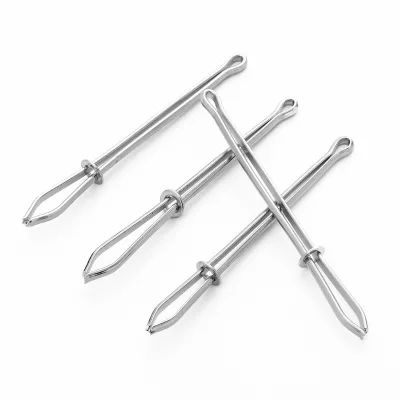
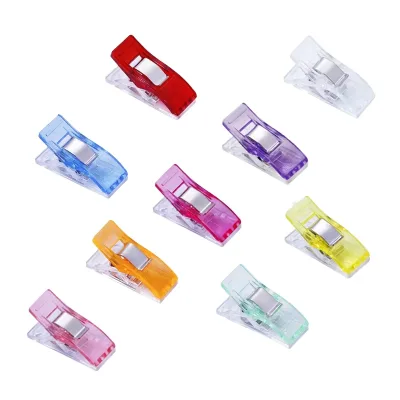
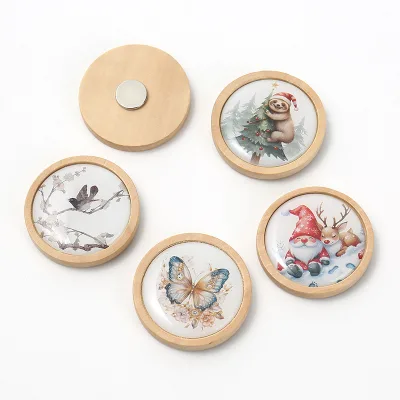
JP Needlework Sewing Accessories Tools Sewing Pin Storage Tool Sewing Needle Magnetic Tool
Contact supplier
Moq: 300
Yiwu Lumiao Electronic Commerce Co., Ltd.
- Trading Company
- Zhejiang, China
- Lead time0 days
- Avg. response≤ 8h
Main productsYarn,Yarn winder,Crochet Hook,Safety Eyes,Flower Stem Sticks
Main marketsNorth America(32.0%), Southeast Asia(30.0%), Western Europe(10.0%), Northern Europe(5.0%), Eastern Europe(5.0%), Domestic Market(2.0%), Africa(2.0%), South America(2.0%), South Asia(2.0%), Southern Europe(2.0%), Central America(2.0%), Eastern Asia(2.0%), Mid East(2.0%), Oceania(2.0%)

Quanzhou Hongkuo Luggage Co., Ltd.
- Verified by SGS
- Trading Company
- China Fujian
- Lead time15 days
- Avg. response≤ 1h
Main productsPlastic Buckles, Zipper Slider, Webbing Straps, Zipper Puller, Bag Accessories
Main marketsDomestic

Ningbo Yinzhou Xindew Textile Co., Ltd.
- Trading Company
- China Zhejiang
- Lead time15 days
- Avg. response≤ 11h
Main productsKnitting Needles, Knitting Looms, Knitting Crochet Hook Set, Acrylic Yarn, Elastic Tape, Zipper, Thread, Hook and Loop, Baby Blankets, Baby Bibs
Main marketsSouth America,Africa,Southeast Asia/ Mideast,East Asia(Japan/ South Korea),Domestic,Europe,Australia,North America

- Trading Company,Manufacturer/Factory
- China Zhejiang
- Lead time30 days
- Avg. response≤ 13h
Main productsFabric, Trimming, Lace, Tape, Zipper, Sewing Thread, Button, Scissors, Garments Accessories, Sewing Machine Parts
Main marketsSouth America,Eastern Europe,Mid East,North America,Southeast Asia,Eastern Asia,Oceania,Western Europe,Africa














Comprehensive Sourcing Guide
Portable Durable Sewing Clips Supplier Concentration and Factory Types
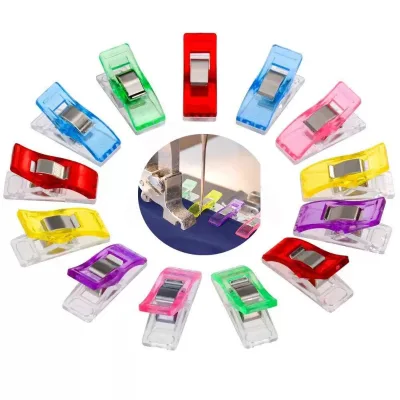
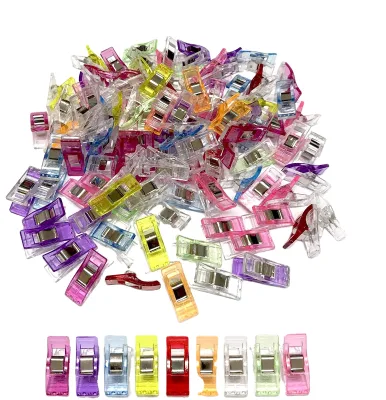
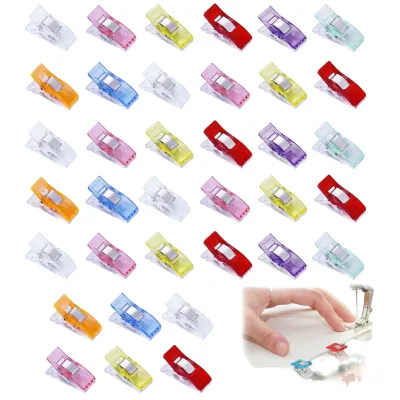
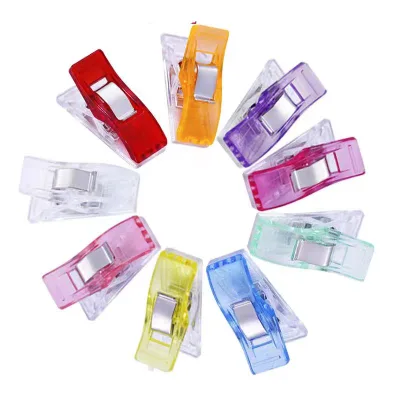
The current supplier landscape for Portable Durable Sewing Clips shows a distinct concentration in Zhejiang, China, where multiple manufacturers and trading entities operate. This region serves as a primary hub for needlework accessories, including sewing notions, knitting tools, and embroidery scissors. The available data indicates that the majority of these entities function as trading companies rather than direct factories, suggesting a supply chain that aggregates products from various production sources before distribution. Buyers should recognize that while the location is consistent, the operational model varies, with trading companies often managing the logistics and customer interface while relying on external workshops for actual manufacturing.
When evaluating the factory types within this cluster, it is essential to distinguish between pure trading firms and those with direct production capabilities. The observed supplier profiles list main products such as cross-stitch accessories and binding clips, which aligns with the specialized nature of the Zhejiang manufacturing ecosystem. However, without explicit factory certification or direct production facility verification in the current results, buyers must treat the "Trading Company" designation as a key differentiator. This distinction impacts how a buyer approaches quality control and communication, as trading companies may offer broader product ranges but less direct oversight of the production line compared to a dedicated factory.
How to Verify Portable Durable Sewing Clips Suppliers
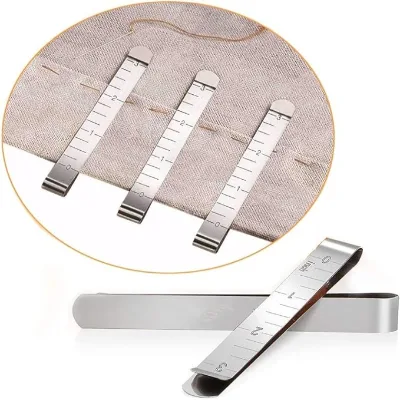
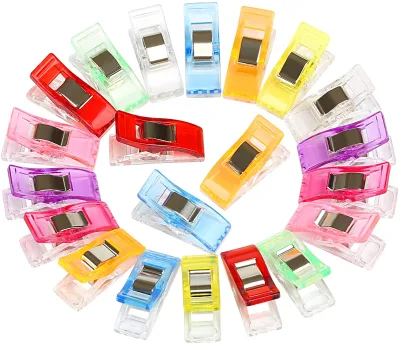
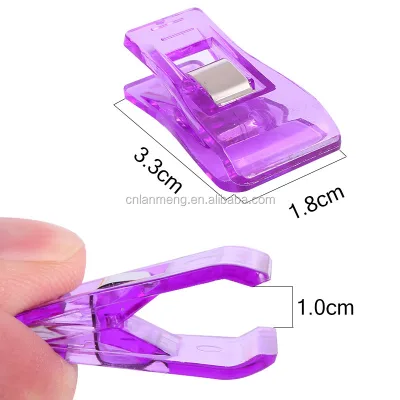
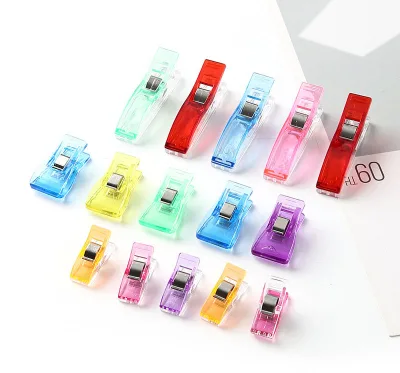
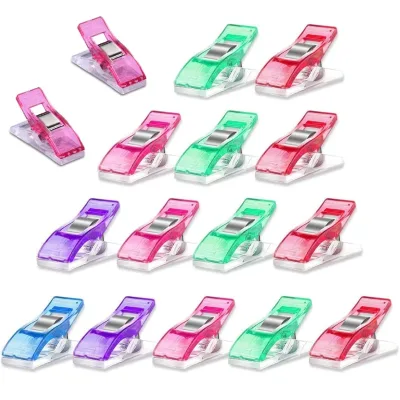
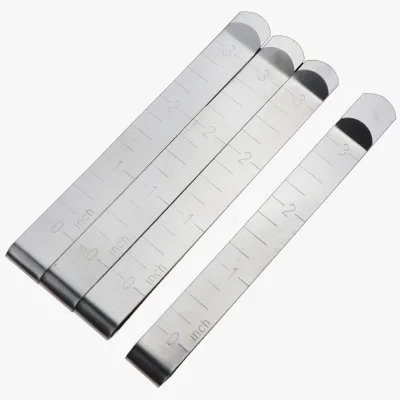
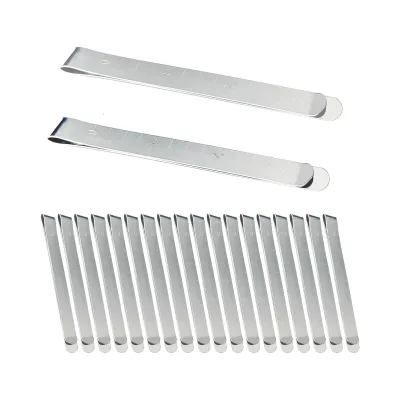
Verification of Portable Durable Sewing Clips suppliers requires a rigorous check of the provided product attributes and company credentials against the actual inventory. Buyers should scrutinize the specific material compositions listed, such as "High quality Plastic + Metal" or "Stainless Steel," to ensure they match the durability requirements for the intended application. The presence of detailed specifications like size dimensions (e.g., 2.7x1.0cm) and weight per bag (e.g., About 92g/Bag) serves as a baseline for authenticity. If a supplier claims to offer these specific items, the buyer must request physical samples to confirm that the material quality and construction match the digital descriptions provided in the product evidence.
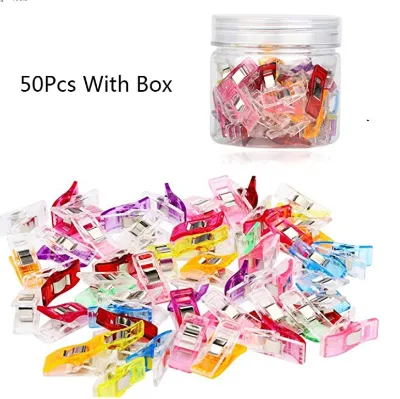
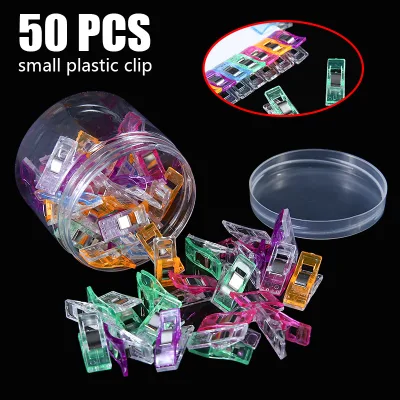
Beyond product specifications, verifying the supplier's responsiveness and operational history is critical for establishing trust. The data indicates a response time of 3 days for some entities, which serves as a metric for communication efficiency. Buyers should test this response time by initiating inquiries and measuring the actual turnaround to ensure it aligns with the stated performance. Additionally, checking for customized logo capabilities and specific packing details, such as "50 PCS mixed color/zip bag," helps confirm the supplier's ability to handle custom orders. If a supplier cannot provide immediate proof of these attributes or fails to respond within the expected window, it may indicate a lack of operational readiness or reliability in the supply chain.
What to Compare Across Portable Durable Sewing Clips Suppliers
Comparing suppliers requires a systematic analysis of key commercial dimensions, including minimum order quantities, lead times, and pricing structures. The available data reveals significant variation in MOQs, ranging from 100 bags to 5000 pieces depending on the specific product type, such as mini clips versus standard binding clips. Buyers must align their order volume with these thresholds to avoid unnecessary costs or rejection of orders. Furthermore, lead times are a critical factor, with some suppliers indicating a 15-day window for production. Comparing these timelines across different vendors helps identify which suppliers can meet urgent delivery schedules without compromising on the quality of the sewing clips.
Pricing and product attributes also form a crucial part of the comparison matrix. The observed price ranges vary from approximately $0.03 to $1.88 per unit, influenced by factors like material composition, packaging, and order volume. Buyers should evaluate whether the lower price points correspond to acceptable quality standards, particularly regarding the durability of the plastic or metal components. Additionally, comparing the specific features listed, such as "Durable, Portable, Convenient" or "Colorful," ensures that the selected supplier offers the exact aesthetic and functional characteristics required. By cross-referencing these variables, buyers can identify the most cost-effective and reliable partners for their specific sourcing needs.
Common Portable Durable Sewing Clips Sourcing Risks
One of the primary risks in sourcing Portable Durable Sewing Clips involves the discrepancy between advertised specifications and actual product quality. Suppliers may list materials like "High quality Plastic + Metal," but without physical verification, there is a risk that the metal components could be prone to rust or the plastic may lack the necessary tensile strength for repeated use. This risk is compounded by the fact that many suppliers are trading companies, which may not have direct control over the manufacturing process. Buyers must mitigate this by demanding third-party inspection reports or conducting their own quality checks upon receipt of samples to ensure the clips meet the durability standards required for professional sewing and quilting applications.
Another significant risk relates to the consistency of supply and the ability to fulfill large orders within the stated lead times. The data shows a lead time of 15 days, but this can fluctuate based on raw material availability or production capacity constraints. If a supplier fails to meet this timeline, it can disrupt the buyer's inventory planning and lead to stockouts. Additionally, the variation in packaging standards, such as "50 PCS mixed color/zip bag" versus "20pcs mixed color/zip bag," introduces a risk of confusion or errors in order fulfillment. Buyers should clearly define packaging requirements in their contracts and verify that the supplier has the logistical capacity to maintain consistency across all shipments to avoid operational disruptions.
Portable Durable Sewing Clips Regional Sourcing and Logistics
Sourcing from Zhejiang, China, offers logistical advantages due to the region's established infrastructure for exporting needlework accessories and sewing notions. The concentration of suppliers in this area facilitates efficient consolidation of orders, allowing buyers to source multiple product types, such as knitting tools and embroidery scissors, from a single geographic hub. This proximity reduces shipping costs and simplifies the coordination of freight forwarders. However, buyers must account for the specific logistics requirements of the region, including customs clearance procedures and the potential for delays during peak shipping seasons. Understanding these regional dynamics is essential for planning a reliable supply chain that minimizes transit times and ensures timely delivery.
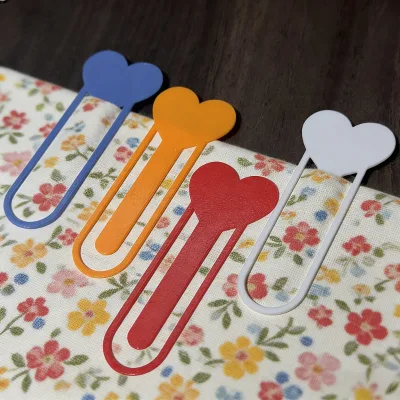
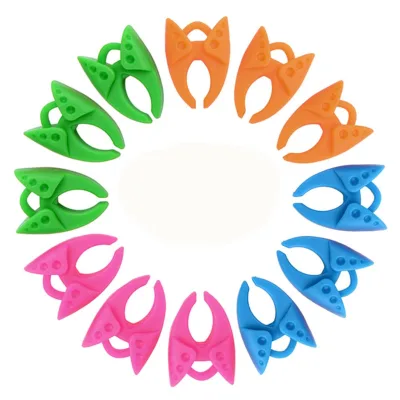
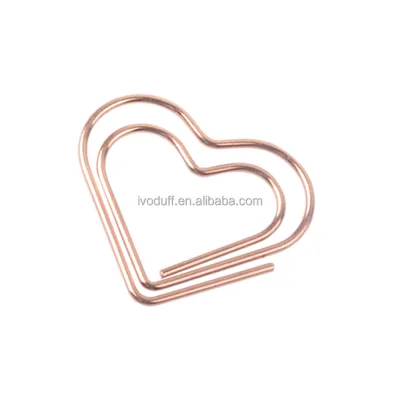
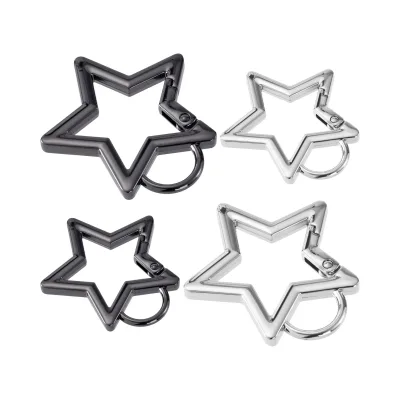
Logistics planning also involves selecting the appropriate shipping methods based on the weight and volume of the products. The product data indicates varying weights, from "About 2 g/piece" for heart-shaped clips to "About 92g/Bag" for standard sewing clips. These differences impact the total shipping volume and cost, requiring buyers to calculate freight charges accurately. For smaller orders, air freight may be necessary to meet tight deadlines, while larger volumes might be more cost-effective via sea freight. Buyers should work closely with their suppliers to determine the most efficient shipping route and ensure that packaging is robust enough to protect the clips during transit, preventing damage that could render the products unusable upon arrival.
Portable Durable Sewing Clips Commercial Terms and Order Planning
Commercial terms for Portable Durable Sewing Clips must be clearly defined to manage expectations regarding payment, delivery, and quality assurance. The data shows a range of MOQs, from 100 bags to 5000 pieces, which directly influences the financial commitment required from the buyer. Buyers should negotiate payment terms that align with their cash flow, potentially utilizing escrow services to protect funds until the goods are verified. Additionally, understanding the lead time of 15 days is crucial for production planning. Buyers must factor in this duration when scheduling orders to ensure that inventory levels remain sufficient to meet market demand without overstocking or facing shortages.
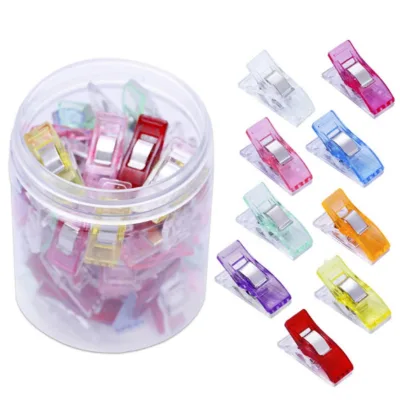
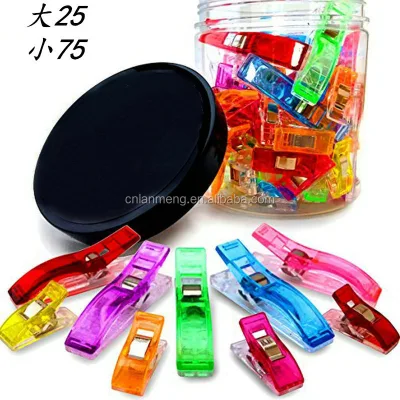
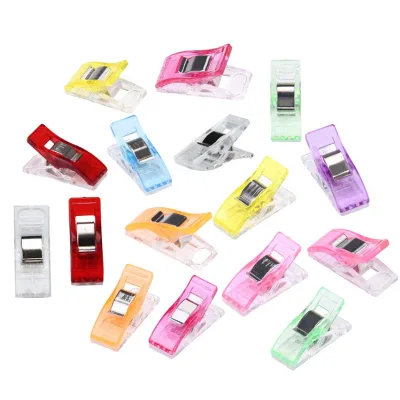
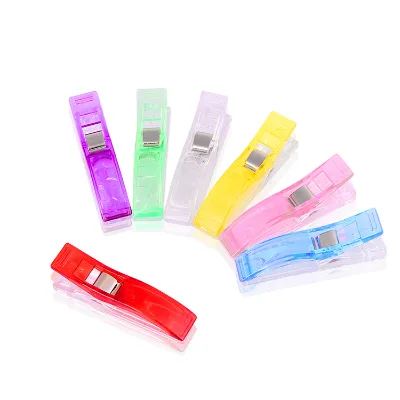
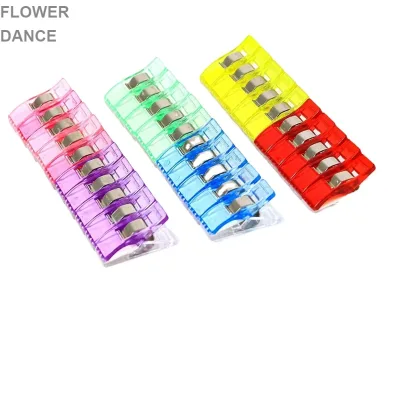
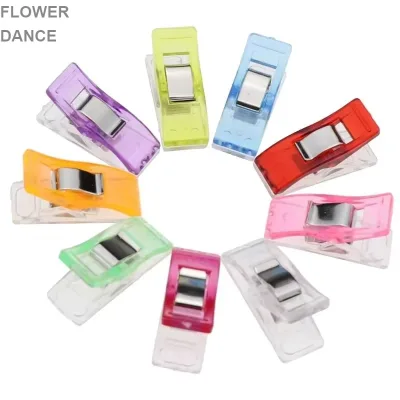
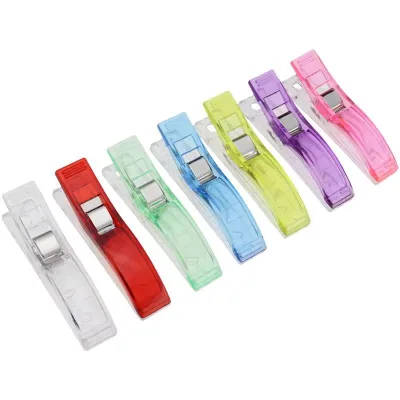
Order planning also requires a strategic approach to product selection and customization. Suppliers offer options for customized logos and varied color assortments, such as "Red/Pink/Yellow/Blue/Green/Purple/Orange." Buyers should plan their orders to maximize these customization options while maintaining cost efficiency. It is important to verify that the supplier can handle the specific volume and customization requests without compromising the production schedule. By carefully aligning order quantities with the supplier's capabilities and the market demand, buyers can optimize their procurement strategy. This proactive planning ensures a smooth transaction process and helps build a long-term, reliable partnership with the supplier.
FAQs
What is the price range for portable sewing clips?
Portable sewing clips are available at wholesale prices ranging from approximately $0.03 to $1.89 per unit. The final cost depends on the specific material, such as plastic or stainless steel, and the order quantity. Buyers should check the minimum order quantity to determine the exact per-unit price for their needs.
What materials are used to make these clips?
Manufacturers typically use high-quality plastic combined with metal springs for standard clips. Some specialized options are made from PET or stainless steel for durability. These materials ensure the clips remain portable and durable while providing a secure hold on various fabrics during sewing, quilting, and knitting projects.
What is the typical minimum order quantity?
The minimum order quantity varies by product type. Standard plastic clips often require a minimum of 5,000 pieces, while specialized items like heart-shaped clips may have a lower threshold of 100 bags. Buyers should verify the specific MOQ for the desired clip style to ensure it fits their procurement volume.
Where are these sewing clips manufactured?
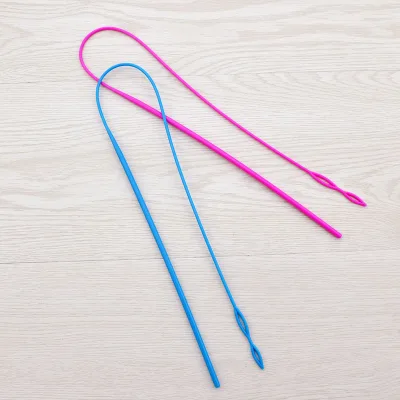
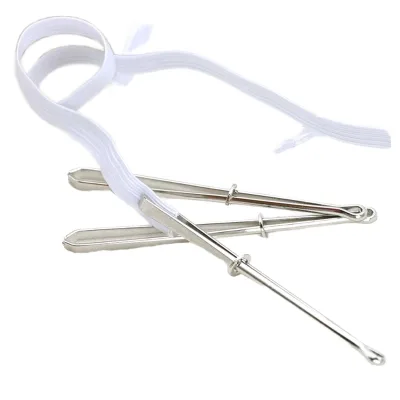
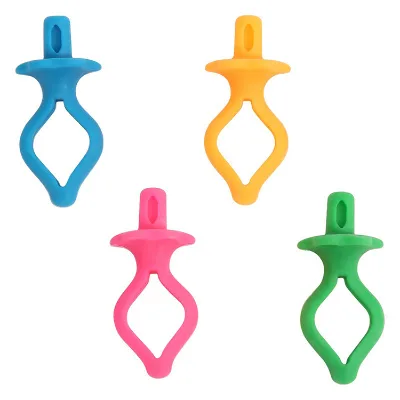
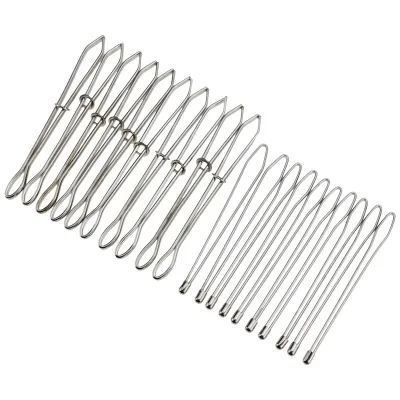
These sewing clips are manufactured in Zhejiang, China. This region is a known hub for sewing notions and household sundries. Buyers sourcing from this location can expect a wide variety of styles, including multi-color options and specialized tools like hemming clips and drawstring threaders for various crafting applications.
How quickly do suppliers respond to inquiries?
Suppliers on this platform typically respond to buyer inquiries within 3 hours. This rapid response time helps streamline the sourcing process for portable and durable sewing clips. Buyers can expect timely communication regarding pricing, customization options, and shipping details to facilitate efficient procurement decisions.
What is the standard lead time for orders?
The standard lead time for manufacturing and shipping these clips is approximately 15 days. This timeframe allows for production, quality control, and packaging. Buyers should plan their inventory accordingly and confirm the exact lead time with the supplier, as it may vary based on order volume and customization requirements.