Display LED Indicator Suppliers and Manufacturers
Compare 16 verified Display LED Indicator suppliers and manufacturers in China Zhejiang. Evaluate response times, lead times, certifications like ISO 9001, and product specifications including OIML standards and voltage ratings before requesting quotes; review the available evidence before requesting comparable quotations from suitable candidates.
Suppliers List

- Trading Company,Manufacturer/Factory
- China Zhejiang
- Lead time15 days
- Avg. response≤ 7h
Main productsElectronic Weighing Scale, Weighing Indicator, Load Cell, Pltform Scale, Waterproof Scale, Bench Scale, OIML Scale, Electronic Scale, Test Weight, Floor Scale
Main marketsSouth America,Eastern Europe,Mid East,North America,Southeast Asia,Eastern Asia,Oceania,Western Europe,Africa
Zhejiang Toowei Electronics Co., Ltd.
- Verified by TüVRheinland
- Manufacturer, Trading Company
- Lead time10 days
- Avg. response≤ 1h
Main productsPush Button Switch, LED Indicator Light, Toggle Switch
Main marketsDomestic Market(50%), North America(20%), Oceania(5%)
Ningbo Santwell Sensor Technology Co., Ltd.
- Trading Company
- China Zhejiang
- Lead time30 days
- Avg. response≤ 6h
Main productsLoad Cell, Crane Scale, Weighing Indicator, Platform Scale, Kitchen Scale, Floor Scale, Animal Scale, Truck Scale, Jewelryscale, Junction Box
Main marketsSouth America,Africa,Southeast Asia/ Mideast,East Asia(Japan/ South Korea),Domestic,Europe,Australia,North America

- Combined
- China Zhejiang
- Lead time23 days
- Avg. response≤ 10h
Main productsElectrical & Electronics, Terminal Block, Pushbutton, Indicator, PCB Terminal, PCB, Circuit Board
Main marketsSouth America,Southeast Asia/ Mideast,Europe

Huatong (FATO) Group Co., Ltd.
- Group Corporation
- China Zhejiang
- Lead time0 days
- Avg. response≤ 17h
Main productsLow Voltage Electrical Apparatus, MCB, AC Contactor, Cabinet, Cable Accessories, RCCB MCCB

Locosc Ningbo Precision Technology Co., Ltd.
- Verified by TUVRHEINLAND
- Manufacturer/Factory
- China Zhejiang
- Lead time15 days
- Avg. response≤ 4h
Main productsFloor Scale, Load Cell, Bench Scale, Platform Scale, Weighing Indicator, Truck Scale, Weighing Industrial Scale, Weighing Scale, Weighibridge, Sensor
Main marketsEastern Europe,Mid East,North America,Western Europe,Africa


Factory Price International Approval LED Digital Plastic A12e Replaced Indicator
$21.00 - $25.00
Moq: 10

NANJING ADA IMPORT AND EXPORT CO., LTD.
- Trading Company
- China Jiangsu
- Lead time30 days
- Avg. response≤ 10h
Main productsIndicator Light, Signal Light, Pilot Lamp, Neon Indicators, Indicator Lamp, Signal Lamp, Pilot Light, Thermometer, Panel Indicator, Magnesium Anodes
Main marketsSouth America,Africa,Southeast Asia/ Mideast,East Asia(Japan/ South Korea),Europe,Australia,North America
Shenzhen Qizhi Optoelectronic Technology Co., Ltd.
- Verified by SGS
- Combined
- China Guangdong
- Lead time23 days
- Avg. response≤ 1h
Main productsLED, LED Chip, LED Components, SMD LED, LED Lights
Main marketsSoutheast Asia/ Mideast,East Asia(Japan/ South Korea),Domestic,Europe

Yueqing Tianyi Electric Co., Ltd.
- Combined
- China Zhejiang
- Lead time30 days
- Avg. response≤ 25h
Main productsPush Button Switch, Indicator, Circuit Breaker, Cable Gland, Pendant Station, RCCB, MCB, Contactor, Relay, Overload Relay
Main marketsDomestic,Europe,North America
Yueqing Aibeiken Electric Co., Ltd.
- Manufacturer, Trading Company
- Lead time旺季: "1 - 200":7,"> 200":"To be negotiated", 淡季: "1 - 200":7,"> 200":"To be negotiated"
- Avg. response≤ 3h
Main productsPush Button Switch; Micro Switch; Rocker Switch, Car Charger, Indicator Light

Guangzhou Ruihu Electric Co., Ltd.
- Trading Company,Individuals/Soho,Manufacturer/Factory,Other
- China Guangdong
- Lead time15 days
- Avg. response≤ 22h
Main productsPower Capacitor, Cable Accessories, Transformer Components, Pad Mounted Transformer Componesnts, Rmu, Bushing, Arrest, Gis Rmu, AIS Rmu, Battery
Main marketsMid East,North America,Africa

Contact supplier

Contact supplier

Contact supplier

Jinan Sinopts Energy Technology Inc.
- Verified by BV
- Trading Company
- China Shandong
- Lead time23 days
- Avg. response≤ 11h
Main productsThermostatic Gas Control Valve, Gas Burner Tray, Thermocouple, Spark Electrode, Pilot Burner, Gas Control Valve, Igniter, Magnet Valve, Gas Burner, Timer
Main marketsSouth America,Eastern Europe,Mid East,North America,Southeast Asia,Eastern Asia,Oceania,Western Europe,Africa

Ningbo Coolwell Import & Export Co., Ltd.
- Verified by CTI
- Trading Company
- China Zhejiang
- Lead time30 days
- Avg. response≤ 11h
Main productsSpare Parts of Home Appliance, AC DC Fan Motor, Filter Drier, AC Contactor, Gas Torch, Compressor, Defrosting Timer, Manifold Guage, Thermostat, Remote Control
Main marketsSouth America,Africa,Southeast Asia/ Mideast,East Asia(Japan/ South Korea),Europe,Australia,North America

JIANGSU BRIGHT NEW LIGHT SOURCE CO., LTD
- Manufacturer/Factory
- China Jiangsu
- Lead time0 days
- Avg. response≤ 18h
Main productsNeon Lamp, Polocrystalline Solar Panel, Signal Light, Neon Light, Miniature Lamp, Indicator Light, Monocrystalline Solar Panel, Solar PV Moudle, LED, LED Light

Contact supplier

Contact supplier

Contact supplier

Contact supplier

Contact supplier

Contact supplier
Shenzhen SiRON Electrical Co.,Ltd
- Verified by BV
- Trading Company
- China Guangdong
- Lead time15 days
- Avg. response≤ 2h
Main productsRelay Module, Sensor, Switch Power Supply, Industrial Signal Light, Remote I/O Module, PLC Cable, Terminal Block Module, Industrial Switch, Linear Guide, Safety Curtain Sensor
Main marketsSouth America,Africa,Southeast Asia/ Mideast,East Asia(Japan/ South Korea),Europe,Australia,North America
Zhejiang Iehc Electrical Technology Co., Ltd
- Verified by SGS Group
- Manufacturer, Trading Company
- Lead time10 days
Main productsButton Switch, Pendant Control Handle, Indicator Light, Industrial Remote Control, Electric Hoist
Main marketsDomestic Market(50%), Mid East(8%), Southeast Asia(7%)






Comprehensive Sourcing Guide
Display LED Indicator Supplier Concentration and Factory Types
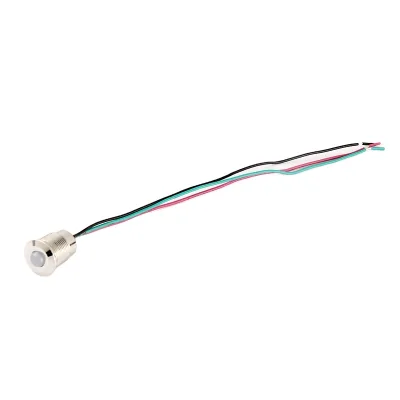
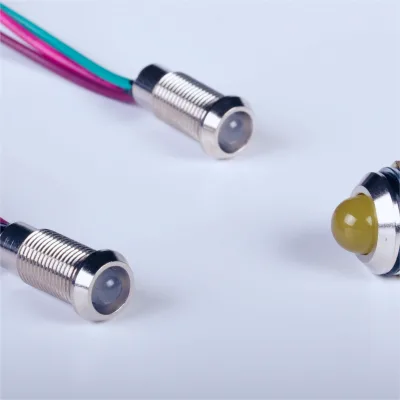
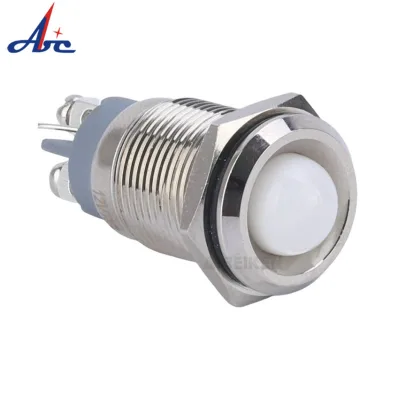
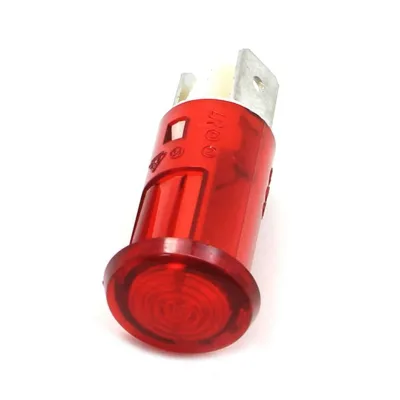
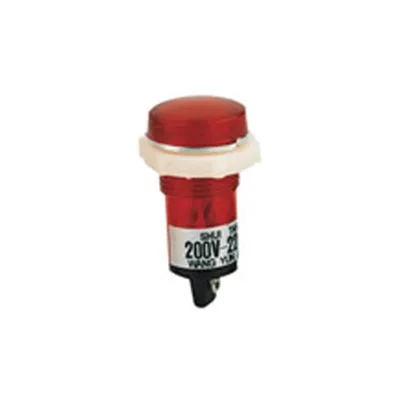
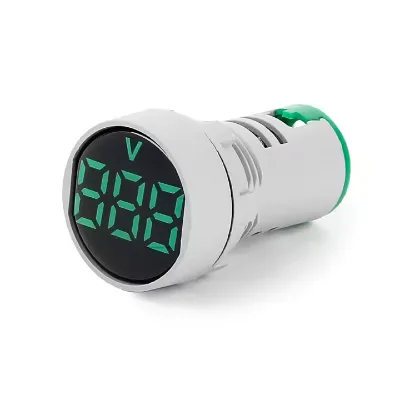
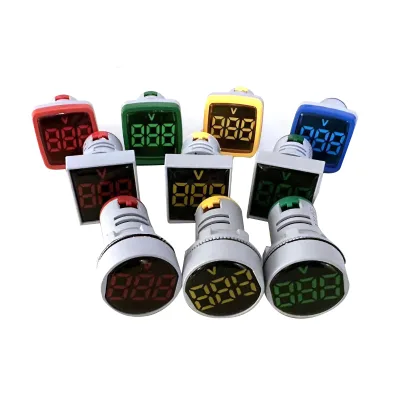
The keyword "Display LED Indicator" spans two distinct product families that often appear in the same search results. The first covers electronic weighing indicators: panel-mounted digital display units with LED or LCD screens that connect to load cells on platform scales, floor scales and bench scales. The second covers panel indicator lights: small LED lamps in metal or plastic housings used for status signalling on control panels, available in multiple colors and rated voltages. Confirmed results for this category include suppliers based in Zhejiang, China, so buyers can reasonably treat that province as an active sourcing region, while verifying any additional cluster claims independently rather than assuming other provinces without evidence.
Factory types also split along these lines. Weighing indicator listings in the current results come from companies operating as both trading companies and manufacturers or factories, offering their own brands alongside OEM work. Indicator light listings come from manufacturers that also trade, which is typical for high-volume, low-unit-cost components. When you shortlist, read the company-type label carefully: a pure trading intermediary can still be legitimate, but for customized indicator products you generally want direct factory contact for engineering questions. Because both product families share the keyword but serve entirely different industries, the most important early step is filtering listings by product family before comparing factories, otherwise you will waste inquiry time on mismatched suppliers.
How to Verify Display LED Indicator Suppliers
Verification starts with the credentials each supplier actually displays rather than assumptions. In the current results, one indicator-light manufacturer shows ISO 9001, CE, RoHS, IP67, IP68, IEC 60529, REACH and a Declaration of Conformity, plus TÜV Rheinland verification status; a weighing indicator supplier shows ISO 9001 system certification. These labels are meaningful starting filters, but you should request the underlying certificate documents, check certificate numbers against the issuing bodies where possible, and confirm the certificate holder name matches the legal entity you are contracting with. Do not assume a certification shown on one listing extends to every product in a supplier's catalog.
For weighing indicators specifically, several listed products display OIML certification, which matters if your scales are used in legal-for-trade applications; confirm which models hold the approval and for which accuracy classes. Practical verification steps follow: request product datasheets and test reports for the exact model numbers you intend to buy; ask for photographs or video of the production line and assembly area; order a sample before committing to volume; and confirm who performs final quality inspection. Response speed is itself a verification signal. The current results show response times ranging from about one hour to several hours, and a supplier who answers a pre-sales technical question slowly will rarely improve after payment. Keep a checklist per supplier so credentials, samples and communication records stay comparable.
What to Compare Across Display LED Indicator Suppliers
Build a comparison matrix using only attributes that suppliers actually publish, and mark missing fields as "not displayed" rather than estimating. Useful dimensions from the current results include lead time, MOQ, response time, location, company type and main products. Lead times differ materially here: one weighing indicator supplier lists 15 days while an indicator light manufacturer lists 10 days, so your replenishment planning should reflect the product family you select. MOQs also vary widely, from as low as one piece on certain weighing controller indicators to two pieces on some indicator models, and indicator lights are typically quoted in small unit quantities but packed and shipped in bulk.
Beyond those labels, compare technical specifications that appear in the listings. For weighing indicators, compare output signal type (digital versus analog), display type, housing material (plastic or stainless steel), number of load cells supported, accuracy, weighing range and available units of measure. For indicator lights, compare rated voltage options, installation hole sizes, LED colors, rated current, operating temperature range and rated lifespan. Price is listed for some products but not uniformly, so normalize quotes by requesting the same specification from each supplier. Also compare customization capability: some listings state customization is available, and one supplier advertises sample processing, graphic processing and customized-on-demand services. Prioritize the attributes that affect fit, then commercial terms.
Common Display LED Indicator Sourcing Risks
The largest risk in this category is mixing product families. A buyer searching "Display LED Indicator" for weighing equipment can easily shortlist a panel indicator light factory, or vice versa, and only discover the mismatch after samples arrive. A second risk is certification mismatch: OIML approval on one weighing indicator model does not mean every model is approved, and electrical certifications shown on a company profile may not cover a specific indicator light's voltage rating or ingress protection. Always tie certification claims to the exact model number on the proforma invoice, not the catalog brand.
Other risks are more generic but still category-specific in their consequences. For weighing indicators, the display, load cell connection standard (such as supporting one to four load cells) and output signal type must match your existing scale hardware; ordering an analog indicator for a digital system is a costly error. For indicator lights, confirm installation hole diameter and panel cutout dimensions before tooling or ordering, since millimeter-level mismatches are common returns. Packing is another listed attribute, carton packing being standard for weighing indicators, but fragile displays need adequate internal protection for sea freight. Finally, beware of quoted lifespan and temperature claims, such as 50,000-hour ratings, that you cannot verify without independent testing. Mitigate by sampling, written specification sheets, and agreed acceptance criteria before mass production starts.
Display LED Indicator Regional Sourcing and Logistics
The confirmed regional fact for this category is Zhejiang, China, where at least one weighing indicator supplier is located. Zhejiang is a reasonable region to anchor your search for weighing indicators and electronic scales, since the supplier there also lists platform scales, floor scales, load cells and test weights, indicating a broader weighing-equipment ecosystem. For panel indicator lights, the current results only state "China" as place of origin without a province, so identify clusters by asking suppliers where their components and assembly are located rather than asserting a specific manufacturing hub without evidence.
Logistics planning should reflect product size and weight differences. Indicator lights are tiny, low-weight items; one listing shows a single gross weight of 0.02 kg, while another shows 2.0 kg, so confirm per-unit and per-carton weights before calculating freight, as packaging assumptions materially change air versus sea economics. Weighing indicators are bulkier; one listed model has a 260 by 155 mm footprint and ships in cartons. Both product families are compact enough for courier or air freight on samples and small trial orders, then consolidate into sea freight once volumes justify it. Ask each supplier for EXW, FOB and DDP-style quotes on the same quantity so freight responsibility is comparable. Also confirm lead time counting starts after deposit and after pre-production sample approval, since the 10- to 15-day figures in the current results may exclude production queue time during peak season.
Display LED Indicator Commercial Terms and Order Planning
Commercial planning begins with matching MOQ and price to your test strategy. The current results show MOQs as low as one piece on an industrial weighing controller and two pieces on certain indicator models, which is favorable for sampling, but unit prices differ hugely between product families: weighing indicators in the listings span roughly $35–$270 depending on model and features, while indicator lights are quoted near one dollar per unit. Request formal quotations on your exact specification, including packing, and confirm whether customization fees or tooling charges apply separately, since several listings state customization is available without pricing it.
Payment and order structure should protect both sides. Use staged payments, such as a deposit with balance against inspection or shipping documents, and confirm whether the platform offers escrow-style protection for your first orders; do not assume every supplier supports it. Plan trial orders at or slightly above MOQ, then scale based on sample and first-article results. Build lead time into your calendar using the published figures, 15 days for one weighing indicator supplier and 10 days for an indicator light manufacturer, then add buffer for quality inspection and shipping. Finally, lock specifications in writing: model numbers, output signal type, housing material, voltage ratings, certification requirements and carton packing details. Reconfirm these on every repeat order, because catalog attributes like customizable options and packaging can change without notice between production runs.
FAQs
What certifications do LED weighing indicators have?
Most listed indicators hold OIML certification for legal trade compliance. Some suppliers also provide ISO 9001 system certification. Additional product certifications may include RoHS, CE, and IP67 or IP68 ratings for waterproofing. Buyers should verify specific certificates for their target market requirements before ordering.
What is the typical lead time for these products?
Standard lead times range from 10 to 15 days depending on the supplier and product complexity. Some manufacturers offer faster turnaround for sample processing or customized orders. Buyers should confirm exact delivery schedules with the supplier to ensure alignment with their production or project timelines.
What is the minimum order quantity for indicators?
Minimum order quantities vary significantly, typically ranging from 1 to 2 units. Some suppliers allow single-unit purchases for testing or small-scale applications. Others may require slightly higher volumes for specific models. Buyers should check the specific MOQ for their chosen model to plan inventory effectively.
What price range should I expect for these indicators?
Prices generally range from approximately $1 to $270 per unit. Basic LED indicators can cost as low as $1.08, while complex touch-screen models with printers may reach $270. The final price depends on features like display type, material, and customization options requested by the buyer.
What response times can buyers expect from suppliers?
Supplier response times vary, with some responding within 1 hour and others taking up to 6.42 hours. Faster response times often indicate higher availability or dedicated support teams. Buyers should prioritize suppliers with quicker response rates for urgent inquiries or time-sensitive sourcing projects.
Are customization options available for these indicators?
Yes, customization is widely available for many indicator models. Suppliers offer options for custom branding, specific display types, and tailored technical specifications. Some manufacturers also provide OEM services and graphic processing. Buyers should discuss their specific requirements directly with the supplier to ensure compatibility.