Disposable Bamboo Stick Washcloth Suppliers and Manufacturers
Compare 18 verified suppliers offering Disposable Bamboo Stick Washcloth with ISO9001:2015 and ISO14001:2015 certifications. Review lead times, MOQs, and response times to source kitchen cleaning towels and biodegradable wipes from Zhejiang factories; review the available evidence before requesting comparable quotations from suitable candidates.
Suppliers List

Ningbo Riway Industrial Co., Ltd.
- Verified by TUVRHEINLAND
- Combined
- China Zhejiang
- Lead time30 days
- Avg. response≤ 4h
Main productsWet Wipes, Nonwoven Folding Machines, Nonwoven Wet Machines, Towel Rolls
Main marketsDomestic


100% Bamboo Fabric Disposable Personal Cleaning Wipes Nonwoven Dry Towels
$0.30 - $1.50
MOQ: 20000 Bags

Zhejiang Wipex New Material Technology Co., Ltd.
- Verified by SGS
- Combined
- China Zhejiang
- Lead time30 days
- Avg. response≤ 7h
Main productsIndustrial Wipes, Household Wipes, Beauty Care Products, Disposable Towels, Depilatory Products
Main marketsSouth America,Africa,Southeast Asia/ Mideast,East Asia(Japan/ South Korea),Domestic,Europe,Australia,North America

$0.35 - $0.40
MOQ: 5000 Rolls

$0.35 - $0.40
MOQ: 5000 Rolls

Spunlace Nonwoven Disposable Facial Bamboo Dry Wipes Clean Facial Wash Cloth
$0.30 - $0.37
MOQ: 2000 rolls


Bamboo Fibers Cleaning Cloth Printed Soft Kitchen Wipes Biodegradable Dish Washing Wipe Roll
$0.36 - $0.45
MOQ: 2000 rolls

Eco-Friendly Reusable Biodegradable Bamboo Cleaning Cloths Washable Multipurpose Kitchen Towel
$0.15 - $0.20
MOQ: 5000 rolls
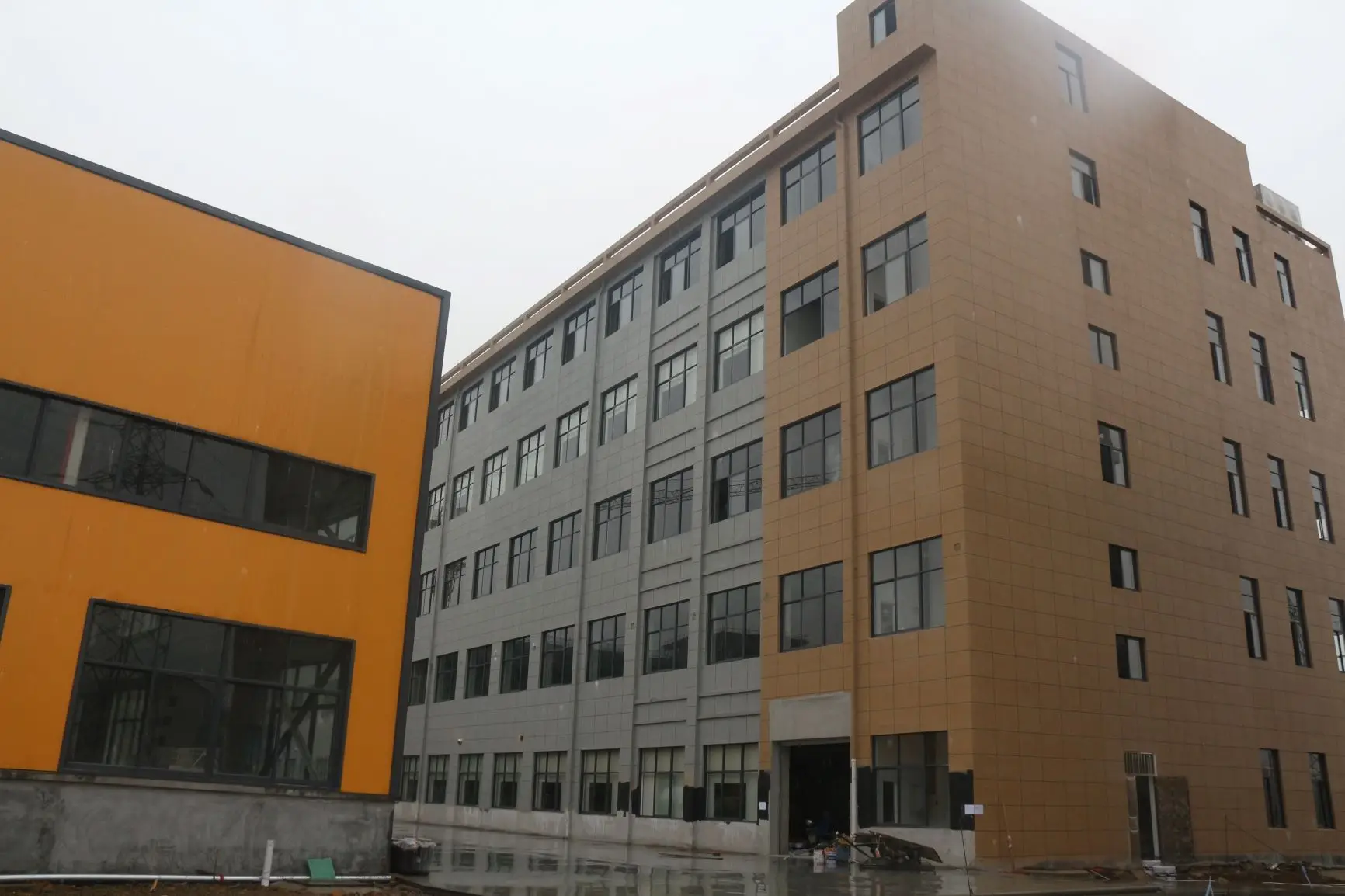
Zhejiang Chenyang Nonwoven Co., Ltd.
- Manufacturer, Trading Company
- Zhejiang, China
- Lead time35 days
- Avg. response≤ 8h
Main productsNonwoven fabric,Nonwoven Products,spunlace wipe,nonwoven wipe
Main marketsDomestic Market(35.0%), South America(17.0%), Western Europe(11.0%), Oceania(10.0%), Southeast Asia(8.0%), Central America(6.0%), Southern Europe(4.0%), Northern Europe(3.0%), Africa(2.0%), Eastern Europe(2.0%), Mid East(1.0%), Eastern Asia(1.0%)
Blueseth Technology (Dalian) Co., Ltd.
- Verified by SGS Group
- Trading Company
- Lead time35 days
- Avg. response≤ 3h
Main productsWave Pattern Non-woven Multi-use Cleaning Cloths/White Embossed Cleaning Cloths/Oil-absorbing Industrial Cleaning Wipes/Industrial Multifunctional Cleaning Cloth/100% Cotton Facial Cleansing Towel
Main marketsEastern Europe(50%), North America(20%), Mid East(10%)

Henan Topeco Clean Import & Export Co., Ltd.
- Verified by BV
- Trading Company
- China Henan
- Lead time15 days
- Avg. response≤ 8h
Main productsMagic Eraser, Magic Sponge, Melamine Sponge
Main marketsSouth America,Southeast Asia/ Mideast,East Asia(Japan/ South Korea),Europe,North America

Topeco Dish Cleaning Bamboo Fiber Cloth Towel Non-Stick Oil White Wash Cloth
$0.02 - $0.28
MOQ: 2000 Pieces

Topeco Bamboo Fiber Wipe Antibacterial Bamboo Wash Cloth for Kitchen Cleaning
$0.26 - $0.30
MOQ: 2000 Pieces


Topeco Eco-Friendly Bamboo Fiber Cleaning Cloth Reusable Kitchen Cloth Bamboo Dish Cloth
$0.25 - $0.38
MOQ: 2000 Pieces


Topeco Bamboo Fiber Wipe Cleaning Cloth Dishes Wash From China Supplier
$0.26 - $0.30
MOQ: 2000 Pieces

Suzhou Jiekon Puri-Tech Co., Ltd.
- Verified by TUVRHEINLAND
- Trading Company
- China Jiangsu
- Lead time15 days
- Avg. response≤ 25h
Main productsMicrofiber Cleanroom Wiper, Cleanroom Wiper, Sticky Mat, Finger Cot, Anti Static Clothes, Anti Static Fabric
Main marketsDomestic

Shiquan-Wholesale High Quality 100% Bamboo Tissue Soft Bamboo Fabric Disposable Household Washcloth
$1.00 - $2.20
MOQ: 100 Pieces

$1.00 - $2.20
MOQ: 100 Pieces


Hangzhou Special Nonwovens Co., Ltd.
- Verified by BV
- Combined
- China Zhejiang
- Lead time30 days
- Avg. response≤ 1h
Main productsWet Wipes, Cleaning Wipes, Baby Wipes, Dusters, Medical Wipe, Microfiber Towel, Microfiber Cloth, Nonwoven Wipe, Wipe, Industrial Wipe
Main marketsSouth America,Southeast Asia/ Mideast,Europe


Flushable Baby Wipe /Cleaning Cloth/ Antibacterial Disinfecting Wipe/Bamboo Biodegradable Wet Tissue
$0.07 - $0.50
MOQ: 10000 Bags


Suzhou Easebase International Trading Co., Ltd.
- Trading Company
- China Jiangsu
- Lead time0 days
- Avg. response≤ 14h
Main productsConstruction Accessories, Scaffolding Accessories, Packing Materials, Shrink Film & Shrink Wrap, Shrink Tape, PE Film, Scaffolding Sole Base Plate, Cleanroom Wipes, Anti-Static Products, Industrial Wipes

$1.50 - $2.10
MOQ: 500 Rolls


Yangzhou Muhe Trading Co., Ltd.
- Trading Company
- China Jiangsu
- Lead time15 days
- Avg. response≤ 2h
Main productsHeadband, Bamboo Fiber Scrunchie, Bamboo Cotton Make up Removers Pads, Silk Scrunchie, Hair Claw Clip, Bow Hair Clip, Cellulose Acetate Hair Claw Clip, Fashion Hair Accessories, Flannel Wristband & Headband
Main marketsSoutheast Asia/ Mideast,Europe
Hangzhou Linan Huasheng Daily Necessities Co., Ltd.
- Manufacturer
- Zhejiang, China
- Lead time10 days
- Avg. response≤ 5h
Main productsDry Towel,Nonwoven Cleaning Wipes,Compressed Towels,Bath Towel,Disposable Towel
Main marketsNorth America(30.0%), South America(20.0%), Eastern Asia(10.0%), Southeast Asia(9.0%), Domestic Market(5.0%), Eastern Europe(5.0%), Western Europe(5.0%), Mid East(5.0%), Africa(5.0%), South Asia(3.0%), Oceania(3.0%)

Zhenjiang Fashiontex Industries Co., Ltd.
- Verified by TUVRHEINLAND
- Trading Company
- China Jiangsu
- Lead time30 days
- Avg. response≤ 4h
Main productsHandkerchief, Bandana, Towel, Muslin Cloth, Facial Cleansing Cloth, Makeup Remove Cloth
Main marketsAustralia

- Verified by TUVRHEINLAND
- Manufacturer/Factory
- China Beijing
- Lead time23 days
- Avg. response≤ 9h
Main productsHair Towel, Cleaning Cloth, Beach Towel, Microfiber Towel, Sport Towel, Makeup Remover Towel, Bath Towel, Microfiber Cloth, Car Towel, Cashmere Yarn
Main marketsSouth America,Eastern Europe,Mid East,North America,Southeast Asia,Eastern Asia,Oceania,Western Europe,Africa

Colorful Microfiber Bamboo Fiber Kitchen Cleaning Dish Washing Towel Cloth
$0.12 - $0.28
MOQ: 500 Pieces

Wholesale Kitchen Dish Cloth Bamboo Fiber Cleaning Dish Cloth Towel Kitchen Dish Towels
$0.12 - $0.28
MOQ: 500 Pieces
Huizhou KENJOY New Materials Co., Ltd.
- Verified by Intertek
- Manufacturer, Trading Company
- Guangdong, China
- Lead time30 days
- Avg. response≤ 3h
Main productsFloor Protection Roll, Cleaning Cloth, Microgreen Grow Mat, Aquarium Filter Felt, Fire Blanket
Main marketsNorth America(30%), Western Europe(30%), Southeast Asia(10%)

Wuxi Wonderful Import & Export Co., Ltd.
- Verified by TUVRHEINLAND
- Trading Company
- China Jiangsu
- Lead time30 days
- Avg. response≤ 12h
Main productsHome & Garden Products
Main marketsSouth America,Southeast Asia/ Mideast,Europe,Australia,North America


Environment Friendly Premium All-Prupose Bambus Cleaning Dish Cloth Washable Bamboo Towels
$2.30 - $3.50
MOQ: 500 Sets

Bamboo Cleaning Dish Towels Eco-Friendly Microfiber Kitchen Multipurpose Cleaning Cloth
$0.67 - $0.77
MOQ: 1000 Pieces

Hangzhou Special Clean Technology Co., Ltd.
- Verified by SGS
- Combined
- China Zhejiang
- Lead time30 days
- Avg. response≤ 2h
Main productsDusters, Wet Wipe, Clean Wipe
Main marketsDomestic

$0.25 - $0.70
MOQ: 10000 Pieces

$0.30 - $0.60
MOQ: 10000 Pieces

Hangzhou Linan Huasheng Daily Necessities Co., Ltd.
- Manufacturer/Factory
- China Zhejiang
- Lead time23 days
- Avg. response≤ 14h
Main productsCompressed Towels, Face Mask, Dry Wipes, Cleaning Wipes, Disposable Compressed Towel, Nonwoven Dry Wipes, Roll Towels, Bamboo Product, Canister Wipes, Makeup Remover
Main marketsSouth America,Eastern Europe,Mid East,North America,Southeast Asia,Eastern Asia,Oceania,Western Europe,Africa

Disposable Dry Wash Cloth Spunlace Non-Woven Cloth Household Cleaning Wipe
$1.30 - $2.50
MOQ: 20000 Bags


Xiantao Tongda Non-Woven Products Co., Ltd.
- Verified by CTI
- Combined
- China Hubei
- Lead time23 days
- Avg. response≤ 3h
Main productsNon Woven Fabric, Medical Face Mask, Disposable Face Mask, Mob Cap, Bouffant Cap, Isolation Gown, Surgical Gown, Coverall, Disposable Bed Sheet/Cover, Disposable Shoe Cover
Main marketsSouth America,Africa,Southeast Asia/ Mideast,East Asia(Japan/ South Korea),Domestic,Europe,North America
Hangzhou Ueasy Care Products Co., Ltd.
- Verified by SGS
- Trading Company
- China Zhejiang
- Lead time30 days
- Avg. response≤ 4h
Main marketsSouth America,Europe

Baby Disposable Soft Cotton Dry Wet Wipes Tissue Facial Dry Wipes Washcloth
$0.30 - $0.50
MOQ: 10000 Pieces

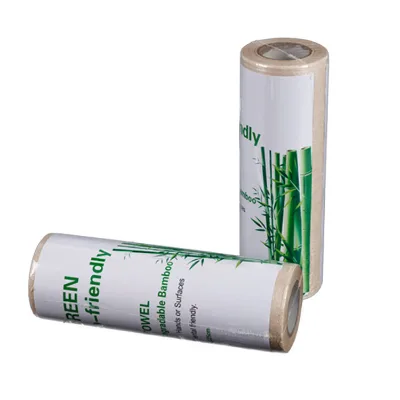
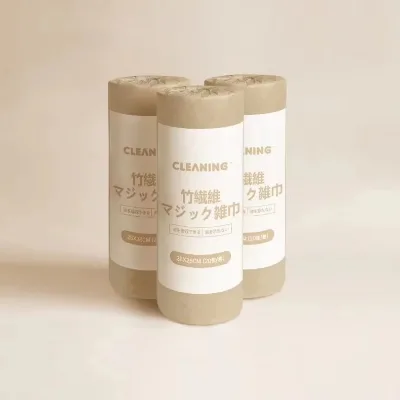
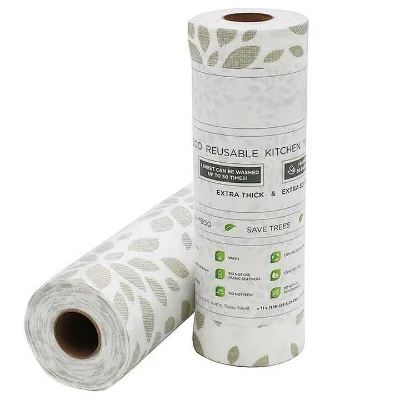






Comprehensive Sourcing Guide
Disposable Bamboo Stick Washcloth Supplier Concentration and Factory Types
The current supplier landscape for this category shows a concentration of manufacturing capabilities within China, specifically in the Zhejiang province. This region hosts a mix of combined company types that integrate both trading and direct manufacturing functions. These entities often list core competencies in nonwoven folding machines and wet wipe production lines, which are essential for creating the specific textile structures required for bamboo-based cleaning cloths. The presence of these specialized machines suggests that the suppliers possess the technical infrastructure to handle the unique weaving and processing needs of bamboo fiber materials.
When evaluating the factory types, buyers should look for suppliers that explicitly state ODM and OEM capabilities alongside their main product lines. The available data indicates that many suppliers in this cluster offer customization services, allowing for tailored product specifications such as specific dimensions, packaging, or branding. This flexibility is crucial for buyers seeking to differentiate their offerings in the market. However, the exact establishment year of these facilities is not universally disclosed in the current results, so buyers must verify the operational history of each potential partner to ensure long-term stability and reliability in their supply chain.
How to Verify Disposable Bamboo Stick Washcloth Suppliers
Verification is a critical step when sourcing from this region, as the data confirms that some suppliers hold third-party validation from entities like TUVRHEINLAND. This certification serves as a tangible indicator of a supplier's commitment to quality management and operational standards. Buyers should prioritize suppliers who display such verification badges prominently, as it reduces the risk of engaging with unvetted manufacturers. Additionally, the presence of ISO9001:2015 and ISO14001:2015 certificates among the supplier results suggests a baseline adherence to international quality and environmental management systems, which is particularly relevant for products involving natural fibers like bamboo.
Beyond certifications, buyers must assess the responsiveness and communication efficiency of potential partners. The observed response time metrics indicate that some suppliers can engage within a few hours, which is vital for resolving technical queries regarding material composition or production timelines. A fast response time often correlates with a well-organized sales team and efficient internal processes. However, since not all suppliers may display this metric, buyers should initiate contact early to gauge reaction speeds. It is also essential to confirm the origin of the products, as some listings specify Ningbo as the production point, while others simply state China, requiring further clarification to ensure the goods originate from the intended manufacturing hub.
What to Compare Across Disposable Bamboo Stick Washcloth Suppliers
When comparing suppliers, the minimum order quantity (MOQ) is a primary differentiator that significantly impacts procurement strategy. The data reveals a wide range of MOQs, with some suppliers requiring as few as 1,200 units while others demand orders of 100,000 units. This variance allows buyers to select partners that align with their inventory capacity and budget constraints. For instance, a buyer launching a new product line might prefer a supplier with a lower MOQ to test the market, whereas an established retailer might seek a high-volume partner to secure better unit economics. Understanding these thresholds is essential for planning production schedules and managing cash flow effectively.
Lead times and pricing structures also require careful comparison to ensure alignment with business goals. The observed lead times indicate a standard production window of approximately 30 days, which buyers must factor into their logistics planning. Pricing varies based on product specifications, with unit costs ranging from roughly $0.35 to $4.65 depending on the complexity and material composition of the washcloth. Buyers should analyze the price-to-MOQ ratio to determine the most cost-effective option. Furthermore, the availability of customization options, such as specific packaging or branding, should be weighed against the potential increase in unit cost to ensure the final product meets both quality and budgetary requirements.
Common Disposable Bamboo Stick Washcloth Sourcing Risks
One significant risk involves the variability in material composition and product attributes across different suppliers. While many listings specify "Nonwoven" or "100% Bamboo Fiber," the exact blend and quality can differ, affecting the final product's performance and biodegradability claims. Some products are marked as waterproof, while others are explicitly not, which could lead to confusion if the buyer's specifications are not clearly communicated. Without standardized testing results provided in the initial search data, buyers must request detailed material certificates and sample testing reports to verify that the bamboo content meets their sustainability and functional requirements before placing a large order.
Another risk relates to the consistency of production standards and the ability to meet specific customization requests. Although many suppliers claim ODM and OEM capabilities, the actual execution of custom designs can vary. The data shows that some products have specific standard dimensions, while others offer fully customized sizes. This inconsistency can lead to production delays or quality issues if the supplier lacks the necessary machinery or expertise to handle complex customizations. Buyers should verify the supplier's track record with similar custom projects and ensure that all technical specifications are documented in the purchase agreement to mitigate the risk of receiving goods that do not match the ordered specifications.
Disposable Bamboo Stick Washcloth Regional Sourcing and Logistics
Sourcing from the identified region, particularly Zhejiang and Ningbo, offers logistical advantages due to the proximity to major shipping ports. These locations are well-established hubs for textile and nonwoven manufacturing, facilitating efficient export processes. The concentration of suppliers in this area allows for easier coordination of factory visits and quality inspections. However, buyers must account for the specific origin details provided in product listings, as some specify Ningbo while others list China broadly. Confirming the exact port of origin is crucial for calculating accurate freight costs and transit times, as shipping from different ports within the same province can result in varying logistics expenses and delivery schedules.
Logistics planning must also consider the packaging requirements and the physical characteristics of the products. The data indicates that products are often packed in rolls or cartons, with specific quantities per package, such as 20 pieces per roll or 24 bags per carton. These packaging details influence the volume and weight of the shipment, which directly impacts freight charges. Buyers should verify the packaging dimensions and weight with the supplier to ensure that the shipping container is utilized efficiently. Additionally, the lead time of 30 days should be factored into the overall timeline, including the time required for customs clearance and inland transportation to the final destination, to avoid delays in product availability.
Disposable Bamboo Stick Washcloth Commercial Terms and Order Planning
Commercial terms regarding payment and sample costs are critical components of the order planning process. The available data indicates that sample costs can be free, which is a favorable condition for buyers evaluating product quality before committing to a bulk order. However, buyers should confirm whether the free sample offer applies to all product variations or if there are specific conditions attached. Understanding the sample policy helps in managing initial costs and ensuring that the evaluation process is thorough. Additionally, buyers must clarify the payment terms, such as deposit requirements and balance payment schedules, to align with their financial planning and risk management strategies.
Order planning must also account for the shelf life and storage requirements of the products. Some listings specify a shelf life of three years, which is important for inventory management and ensuring product freshness upon delivery. Buyers should plan their order quantities based on projected sales velocity to avoid overstocking or stockouts. The customization availability allows for tailored solutions, but buyers must provide clear and detailed specifications early in the process to avoid production errors. By carefully reviewing the commercial terms, lead times, and product attributes, buyers can develop a robust sourcing strategy that minimizes risks and maximizes the efficiency of their supply chain operations.
FAQs
What is the typical lead time for orders?
The standard lead time for these products is 30 days from order confirmation. This duration allows for production scheduling and quality checks. Buyers should confirm specific timelines with suppliers as rush orders may incur extra costs or require different arrangements.
Are samples available for testing quality?
Free samples are available for many product models to help buyers assess quality before placing large orders. This allows verification of material softness and durability. Buyers should request samples early to ensure the product meets their specific usage requirements for home or hotel settings.
What certifications do the suppliers hold?
Suppliers often hold ISO9001:2015 and ISO14001:2015 system certifications to ensure quality and environmental standards. Some products also carry GMPC and MSDS certificates for safety compliance. Buyers should verify current certification status directly with the supplier to confirm active validity.
What is the minimum order quantity required?
Minimum order quantities vary by product type, ranging from 1,200 units for travel towels to 100,000 units for bulk dishcloths. Buyers must check the specific MOQ for their selected item to ensure it fits their inventory needs. Smaller orders may not be feasible for all product lines.
Where are the manufacturing facilities located?
Manufacturing facilities are primarily located in Zhejiang, China, with specific origins noted in Ningbo. This region is known for its textile and nonwoven production capabilities. Buyers should confirm the exact factory location to assess logistics costs and shipping times for their specific destination.
Can products be customized for branding?
Customization is available for many items, including private labeling and specific packaging requirements. Suppliers offer OEM and ODM services to meet unique brand needs. Buyers should discuss design details and minimum order thresholds for custom runs to ensure feasibility and cost-effectiveness.
What materials are used for the wipes?
Products are made from nonwoven materials, including 100% bamboo fiber and standard nonwoven textiles. Some items feature ultra-soft textures and quick-dry properties suitable for various cleaning tasks. Buyers should verify material composition to ensure it aligns with their sustainability goals and usage requirements.
How quickly do suppliers respond to inquiries?
The average response time for supplier inquiries is approximately 3.15 hours. This ensures timely communication regarding product details and order status. Buyers can expect prompt replies but should verify current response rates as they may fluctuate based on order volume and supplier workload.