Disposable Bio-degradable Tea Bag Suppliers and Manufacturers
Source 14 verified suppliers for Disposable Bio-degradable Tea Bag packaging. Compare lead times, MOQs, certifications, and response rates to find the right partner. Contact suppliers directly to request samples and pricing details; review the available evidence before requesting comparable quotations from suitable candidates.
Suppliers List

JIANGMEN MST PACKAGING GROUP LIMITED
- Verified by TUVRHEINLAND
- Trading Company
- China Guangdong
- Lead time30 days
- Avg. response≤ 2h
Main productsPackaging Bag, Box Pouch, Kraft Paper Bag, Paper Bag, Coffee Bag, Plastic Bag, Compostable Bags, Recyclable Bags, Biodegradable Bags, Spout Pouch
Main marketsSouth America,Southeast Asia/ Mideast,Europe,Australia,North America

Guangdong Min Sun Environmental Protection Packaging Technology Co., Ltd.
- Verified by SGS
- Manufacturer
- China Guangdong
- Lead time15 days
- Avg. response≤ 2h
Main productsPlastic Packaging Products, Printed Plastic Products, Film Rolls, Laminated Plastic Packaging Products, Food Packaging Bag, Industry Packaging Bag, Medicine Use Packaging Bag, Shrink Label, Gravure Printing Products, Custom Packaging Service
Main marketsEurope,North America

- Combined
- China Anhui
- Lead time15 days
- Avg. response≤ 16h
Main productsTea, Tea Bags, Green Tea, Black Tea, Flower Tea, Herbal Tea, Slimming Tea, Oolong Tea, Ginger Tea, Flavored Tea
Main marketsSoutheast Asia/ Mideast,Domestic,Europe,North America

MOQ: 5000


Ningbo Yireen Imp. & Exp. Co., Ltd.
- Trading Company
- China Zhejiang
- Lead time30 days
- Avg. response≤ 6h
Main productsTea Bag, Coffee Bag, Food Packing Bag, Packing Machine, Tea Infusers, PLA Products
Main marketsSouth America,Africa,Southeast Asia/ Mideast,East Asia(Japan/ South Korea),Europe,Australia,North America

$0.00 - $0.01
MOQ: 5000 Pieces

100PCS/Bag Biodegradable Standable Filter Paper Tea Bags Coffee Bags with Gusset Bottom
$0.01
MOQ: 10000 Pieces

Eco-Friendly Large-Size Biodegradable Tea Bags 100X150mm - Eco-Certified Corn Fiber Material
$0.03 - $0.03
MOQ: 5000 Pieces

- Verified by BV
- Trading Company
- China Hebei
- Lead time15 days
- Avg. response≤ 3h
Main productsPolyester Screen Printing Mesh, Screen Printing Squeegee, Aluminum Screen Printing Frames, Bolting Cloth, Screen Printing, Screen Printing Machine, Filter Mesh, Filter Bag, Bag Filter Housing
Main marketsAfrica,Others(foreignTradeCapacity.exportBusinessCapacityMarketOther),Southeast Asia/ Mideast,Europe,Australia,North America

Biodegradable Tea Bag Empty Corn Fiber Tea Bags with String for Tea Packaging
$0.05 - $0.10
MOQ: 2000 Pieces


Biodegradable Tea Bag Empty Corn Fiber Tea Bags with Drawstring for Tea Packaging
$0.04 - $0.10
MOQ: 6000 Pieces


Food Grade Empty Package Teabag Corn Fiber PLA Biodegradable Tea Bags with a Inner Drawstring
$0.01 - $0.05
MOQ: 6000 Pieces

Beijing Honghai Packaging Co., Ltd.
- Verified by TUVRHEINLAND
- Trading Company
- China Beijing
- Lead time15 days
- Avg. response≤ 3h
Main productsCoffee Bag, Mylar Bag, Food Bag, Pet Food Bag
Main marketsEurope,Australia,North America

Compostable Biodegradable Coffee Tea Stand up Pouch Bags Moisture Proof Packaging
$0.01 - $0.05
MOQ: 1000 Pieces

Biodegradable Reclosable Zipper Lock Tea Bags Gravure Printed Packaging
$0.01 - $0.05
MOQ: 1000 Pieces


- Verified by CTI
- Trading Company
- China Anhui
- Lead time15 days
- Avg. response≤ 8h
Main productsHerbal Medicine, Blue Lotus Flower, Red Ginseng Root, Chinese Herbal
Main marketsSouth America,Africa,Southeast Asia/ Mideast,East Asia(Japan/ South Korea),Europe,Australia,North America

Hebei Enyang Import And Export Trading Co., Ltd.
- Trading Company
- Hebei, China
- Lead time0 days
- Avg. response≤ 3h
Main productsLiquid filter bag,Nylon filter mesh,Dust filter bag,Tea bag,Filter Bag
Main marketsEastern Asia(30.00%), Southeast Asia(30.00%), North America(30.00%), Western Europe(10.00%)
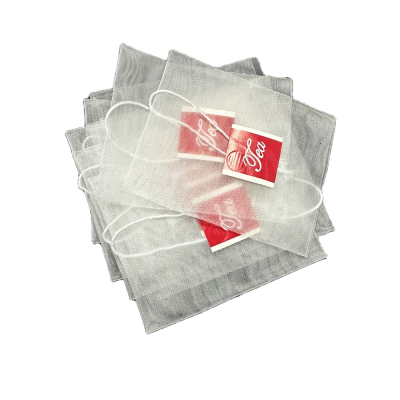

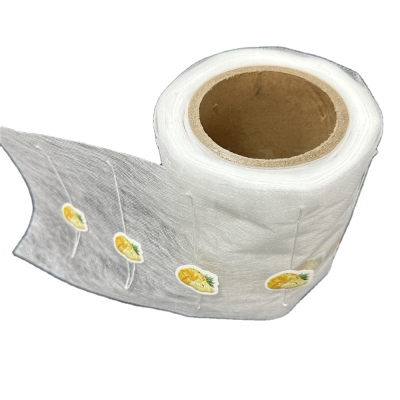
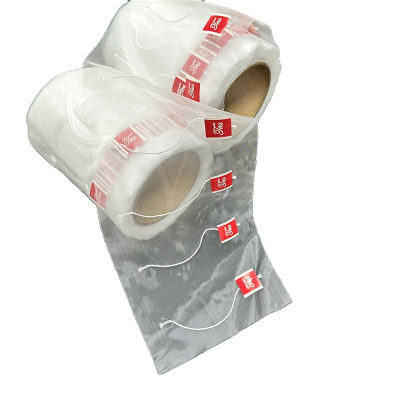
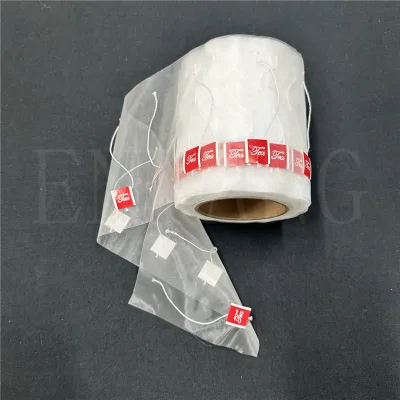
Tea Bags Non Plastic Bio-gradable Empty Tea Bags with String and Tag Tea Bag with Tag
$0.01 - $0.02
MOQ: 6000 pieces


Hebei Enyang Import And Export Trading Co., Ltd.
- Verified by SGS
- Trading Company
- China Hebei
- Lead time15 days
- Avg. response≤ 4h
Main productsBaseball Caps, Custom Baseball Caps, Plain Baseball Caps, Embroidered Baseball Caps, Running Cap, Washed Cap, Trucker Hat, Flat Bill Hat
Main marketsSouth America,Southeast Asia/ Mideast,Europe


Biodegradable Nylon Corn Fiber Reusable Disposable Tea Bags with Filter
$0.01 - $0.02
MOQ: 6000 Pieces

Biodegradable Tea Bag Biodegradable Tea Bag for Eco Friendly Tube Tea Packaging
$0.01 - $0.02
MOQ: 6000 Pieces


Hunan Lvhang Tea Industry Co., Ltd.
- Verified by SGS
- Trading Company,Manufacturer/Factory
- China Hunan
- Lead time60 days
- Avg. response≤ 25h
Main productsGreen Tea, Black Tea, White Tea, Blooming Tea, Oolong Tea, Jasmine Tea, Tea Bags, Fruit Tea
Main marketsSouth America,Eastern Europe,North America,Southeast Asia,Oceania,Western Europe
Anguo City Hongshengde Packaging Co., Ltd.
- Verified by Intertek
- Manufacturer, Trading Company
- Lead time30 days
Main productsNon-Woven Fabric Bag, Nylon Bag, Corn Fiber Bag
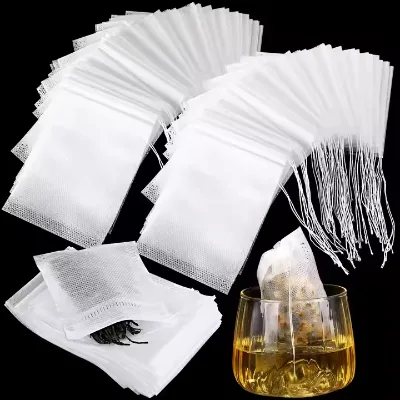
Factory Wholesale Reusable Tea Bags, Eco Friendly Custom Tea Bag Corn Fiber Packing Tea Bags
$0.01 - $0.02
MOQ: 100 pieces
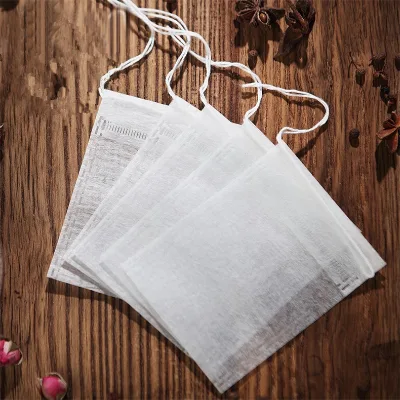


Dalian HLB New Material Technology Co., Ltd
- Verified by BV
- Combined
- China Liaoning
- Lead time30 days
- Avg. response≤ 2h
Main productsNonwoven Fabric, Bi-Component Es Nonwoven Fabric, Cooling Es Nonwoven Fabric, Thermal Bonding Nonwoven Fabric, Heat Sealing Nonwoven Fabric, Pet Nonwoven Fabric, Bio Degradable Nonwoven Fabric, PLA Nonwoven Fabric, Composite Material, Composite Nonwoven Fabric
Main marketsSoutheast Asia/ Mideast,East Asia(Japan/ South Korea),Europe

- Verified by SGS
- Trading Company
- China Zhejiang
- Lead time23 days
- Avg. response≤ 3h
Main productsBagasse Tableware, Food Packaging, Biodegradable Container, PLA Cup, Paper Bag, Salad Bowl, Disposable Tableware, Perfume
Main marketsOthers(foreignTradeCapacity.exportBusinessCapacityMarketOther),Southeast Asia/ Mideast

100% Compostable Bag Suppliers Plastic-Free PLA Disposable Cups Tea Drink Takeaway Bag
$0.01 - $0.06
MOQ: 10000 Pieces

Zhongshan Dongfeng Town Orient Printing Plastic Factory
- Verified by SGS
- Combined
- China Guangdong
- Lead time15 days
- Avg. response≤ 1h
Main productsBag, Roll Film, Packing, Gift Bag, Light Chemical Products, Gift Box, Doypack, Degradable Material, Composite Matrial
Main marketsDomestic


Comprehensive Sourcing Guide
Disposable Bio-degradable Tea Bag Supplier Concentration and Factory Types
The current supplier landscape for Disposable Bio-degradable Tea Bag products reveals a distinct concentration of manufacturing and trading entities within specific geographic regions. Data indicates that a significant portion of these suppliers are located in China, with Guangdong province emerging as a notable hub for this type of packaging production. This regional clustering suggests a mature supply chain ecosystem where raw material sourcing, such as PLA and corn fiber, is readily accessible to manufacturers. Buyers evaluating this market should recognize that Guangdong-based suppliers often benefit from established logistics networks and specialized industrial zones dedicated to plastic and paper packaging. This concentration allows for efficient scaling of production runs, particularly for custom-printed or biodegradable pouches that require specific material structures like kraft paper combined with polyethylene or aluminum layers. Understanding this geographic focus helps buyers narrow their search parameters and prioritize suppliers who are physically situated in these established manufacturing clusters, thereby reducing the risk of dealing with intermediaries who may lack direct oversight of the production process.
In terms of company structure, the majority of the observed suppliers operate as trading companies rather than direct manufacturers. This distinction is critical for buyers assessing their supply chain strategy, as trading companies often serve as aggregators of capacity from multiple factories. While this model can offer flexibility in sourcing diverse product types, such as compostable bags, recyclable pouches, and biodegradable tea bags, it may also introduce additional layers of communication and potential markup. Buyers must carefully evaluate whether the supplier’s primary role is to facilitate trade or to manage production directly. The presence of trading companies does not inherently diminish quality, but it necessitates a more rigorous verification process to ensure that the stated capabilities, such as OEM acceptance and customization options, are accurately reflected in the actual manufacturing operations. Understanding the balance between trading entities and factories allows buyers to negotiate more effectively and align their expectations with the supplier’s operational model, ensuring that the final product meets their specific requirements for material composition and environmental claims.
How to Verify Disposable Bio-degradable Tea Bag Suppliers
Verification of suppliers offering Disposable Bio-degradable Tea Bag products requires a multi-layered approach that goes beyond basic profile checks. One of the primary indicators of supplier credibility is the presence of third-party verification badges, such as those issued by TÜV Rheinland. These badges provide an additional layer of assurance regarding the supplier’s business legitimacy and operational stability. Buyers should prioritize suppliers who have undergone such rigorous external audits, as this reduces the risk of engaging with fraudulent or non-existent entities. Additionally, the verification status should be cross-referenced with the supplier’s claimed certifications and system qualifications. While some suppliers may list certifications like ISO9001, ISO22000, BRC, or HACCP, it is essential to confirm that these credentials are current and relevant to the specific products being sourced. For biodegradable and compostable packaging, verifying the authenticity of environmental claims is paramount, as false advertising can lead to significant compliance issues in target markets. Buyers should request documentation or test reports that substantiate the biodegradability and compostability of the materials, such as PLA or corn fiber, to ensure they align with international standards.
Beyond certifications, buyers should assess the supplier’s responsiveness and transparency as key metrics of reliability. The response time is a critical factor in evaluating how efficiently a supplier can address inquiries and provide necessary information. A quick and professional response often indicates a well-organized sales team that is capable of handling complex orders and custom requests. Buyers should also look for suppliers who provide detailed product attributes, such as material structures, customization options, and sample availability. The ability to provide samples is particularly important for verifying the quality of biodegradable materials and the functionality of features like zip locks, tin ties, and degassing valves. Furthermore, buyers should inquire about the supplier’s production process and quality control measures. Understanding how the supplier manages their manufacturing process, from raw material sourcing to final packaging, provides insight into their commitment to quality. By combining verification badges, certification checks, responsiveness analysis, and sample evaluation, buyers can build a comprehensive profile of each supplier, ensuring they partner with entities that are both credible and capable of meeting their specific sourcing needs.
What to Compare Across Disposable Bio-degradable Tea Bag Suppliers
When evaluating multiple suppliers for Disposable Bio-degradable Tea Bag products, buyers must systematically compare key operational and commercial dimensions to identify the most suitable partner. One of the primary factors to compare is the minimum order quantity (MOQ), which can vary significantly across different suppliers. For instance, some suppliers may require an MOQ of 10,000 pieces, while others might have higher thresholds, such as 20,000 pieces. This variation can impact a buyer’s inventory management and cash flow, making it essential to align MOQ requirements with projected sales volumes. Additionally, buyers should compare the lead times for production, as delays can disrupt supply chains and affect market availability. Lead times can range from standard production periods to more extended durations depending on the complexity of the order and the supplier’s current capacity. Understanding these timelines allows buyers to plan their orders more effectively and avoid potential stockouts. Furthermore, comparing the price ranges is crucial, as costs can fluctuate based on material choices, customization levels, and order volumes. Buyers should seek transparent pricing structures that clearly outline the costs associated with different product features, such as printing colors and accessory options.
Another critical aspect of comparison is the range of customization and product features offered by each supplier. Buyers should assess the extent to which suppliers can accommodate specific design requirements, such as custom sizes, shapes, and logo printing. The availability of OEM services and the ability to produce quad seal pouches, stand-up doypacks, or flat bottom pouches are important differentiators. Additionally, buyers should compare the material options and features, such as moisture proofing, bio-degradability, and recyclability, to ensure they meet their product’s functional and environmental needs. The number of colors available for printing and the inclusion of accessories like zip locks, tin ties, and valves also play a significant role in the final product’s appeal and functionality. By systematically comparing these dimensions, buyers can identify suppliers that offer the best balance of cost, quality, and flexibility. This comparative analysis helps buyers make informed decisions that align with their brand identity and market positioning, ensuring that the selected supplier can deliver products that meet their specific requirements and expectations.
Common Disposable Bio-degradable Tea Bag Sourcing Risks
Sourcing Disposable Bio-degradable Tea Bag products from international suppliers introduces several risks that buyers must proactively manage to ensure a smooth procurement process. One of the most significant risks is the potential discrepancy between the claimed environmental attributes and the actual product performance. While suppliers may advertise their products as biodegradable, compostable, or recyclable, these claims must be substantiated with credible test results and certifications. Without proper verification, buyers risk receiving products that do not meet the regulatory requirements of their target markets, leading to potential legal issues and brand damage. Additionally, the complexity of material structures, such as the combination of kraft paper, PET, aluminum, and PE, can complicate the recycling and composting process. Buyers must ensure that the material composition aligns with their sustainability goals and that the supplier can provide clear documentation regarding the end-of-life handling of the packaging. This risk is particularly relevant for products that require specific disposal conditions, such as industrial composting facilities, which may not be accessible in all regions.
Another common risk is the variability in product quality and consistency across different production batches. Suppliers may face challenges in maintaining uniformity in material thickness, seal integrity, and print quality, especially when dealing with custom orders. This variability can lead to issues such as leakage, poor shelf life, or aesthetic defects, which can negatively impact the end consumer’s experience. Buyers should mitigate this risk by requesting samples and conducting thorough quality checks before placing large orders. Additionally, the reliance on trading companies can introduce communication gaps and delays in resolving quality issues. Buyers must establish clear communication channels and define quality standards in their contracts to ensure accountability. Furthermore, the risk of supply chain disruptions, such as raw material shortages or logistical delays, can impact lead times and order fulfillment. Buyers should diversify their supplier base and maintain open dialogue with their partners to stay informed about potential challenges. By identifying and addressing these risks early in the sourcing process, buyers can build a more resilient supply chain and protect their brand reputation.
Disposable Bio-degradable Tea Bag Regional Sourcing and Logistics
The geographic location of suppliers plays a pivotal role in determining the logistics and shipping costs associated with sourcing Disposable Bio-degradable Tea Bag products. As observed, many suppliers are concentrated in China, particularly in the Guangdong region, which is a major manufacturing hub for packaging materials. This concentration offers buyers access to a wide range of suppliers and competitive pricing, but it also necessitates careful consideration of international shipping logistics. Buyers must evaluate the proximity of the supplier to major ports and the efficiency of their export processes to minimize transit times and costs. Additionally, the choice of shipping terms, such as CIF or FOB, can significantly impact the overall cost structure and risk allocation. Buyers should work closely with their suppliers to determine the most cost-effective and reliable shipping method, taking into account factors such as order volume, urgency, and destination market requirements. Understanding the logistical landscape allows buyers to optimize their supply chain and ensure timely delivery of products to their customers.
Furthermore, buyers should consider the regulatory and compliance requirements of their target markets when sourcing from specific regions. Different countries have varying standards for biodegradable and compostable packaging, and suppliers must be able to meet these requirements to ensure market access. Buyers should verify that their suppliers are familiar with the regulations of their destination markets and can provide the necessary documentation, such as certificates of compliance and test reports. This is particularly important for products that make specific environmental claims, as non-compliance can result in customs delays or product recalls. Additionally, buyers should assess the supplier’s ability to handle export documentation and customs clearance processes to avoid potential bottlenecks. By understanding the regional logistics and regulatory landscape, buyers can make informed decisions about their sourcing strategy and ensure that their products meet all necessary requirements. This proactive approach helps buyers mitigate risks and build a more efficient and compliant supply chain.
Disposable Bio-degradable Tea Bag Commercial Terms and Order Planning
Effective commercial terms and order planning are essential for successful sourcing of Disposable Bio-degradable Tea Bag products. Buyers must negotiate clear payment terms, such as CIF or FOB, to define the responsibilities and costs associated with shipping and insurance. Understanding these terms helps buyers manage their budget and avoid unexpected expenses. Additionally, buyers should establish a clear timeline for order placement, production, and delivery to ensure timely fulfillment. Lead times can vary based on the complexity of the order and the supplier’s capacity, so buyers should plan their orders well in advance to avoid delays. Furthermore, buyers should define the quality acceptance criteria and return policies in their contracts to protect their interests in case of product defects or non-conformance. This includes specifying the acceptable range for material thickness, seal integrity, and print quality. By establishing clear commercial terms and planning their orders strategically, buyers can build a more predictable and reliable supply chain.
In addition to commercial terms, buyers should consider the scalability and flexibility of their supplier relationships. As demand for Disposable Bio-degradable Tea Bag products grows, buyers may need to increase their order volumes or introduce new product variations. Suppliers should be able to accommodate these changes without compromising quality or lead times. Buyers should assess the supplier’s production capacity and their ability to handle peak demand periods. Additionally, buyers should explore opportunities for long-term partnerships that offer benefits such as volume discounts, priority production slots, and dedicated account management. These partnerships can provide greater stability and cost efficiency over time. By focusing on commercial terms and order planning, buyers can create
FAQs
What is the minimum order quantity for biodegradable tea bags?
The minimum order quantity is typically 10,000 pieces for standard biodegradable tea bags. Some suppliers may require 20,000 pieces for specific kraft paper or box bottom designs. Buyers should confirm the exact MOQ with the manufacturer before placing an order to ensure production readiness.
How long does production take for custom biodegradable pouches?
Production lead times generally range from 18 to 30 days after deposit receipt. Specific composite packaging bags may require up to 30 days, while other styles might take 18 to 25 days. Buyers should verify the exact timeline with the supplier based on order complexity.
Are samples available for biodegradable tea bag packaging?
Samples are available for most biodegradable tea bag products. Buyers can request customized sizes and logos to evaluate quality before bulk production. Confirm sample availability and shipping costs with the supplier to ensure the product meets your specific packaging requirements and standards.
What certifications do these biodegradable packaging suppliers hold?
Suppliers may hold certifications such as ISO9001, ISO22000, BRC, HACCP, and ISO. Some products are verified by TÜV Rheinland. Buyers should request valid certification documents to ensure the packaging meets international food safety and quality management standards for their specific market requirements.
What is the price range for biodegradable tea bags?
Prices typically range from $0.045 to $0.50 per piece depending on material and customization. Standard plastic bags may cost between $0.05 and $0.25, while premium kraft paper options can reach $0.50. Buyers should request a detailed quote based on their specific size and quantity requirements.
Can I customize the logo and colors on these bags?
Customization is available for logos and colors, with options for up to 10 colors. Buyers can request customized sizes and specific printing designs. Confirm the exact customization options and any additional costs with the supplier to ensure the final product matches your brand identity.