Display Jeans and Shoes Mannequin Legs Suppliers and Manufacturers
Compare 23 verified suppliers offering Display Jeans and Shoes Mannequin Legs with CE certification and TüVRheinland verification. Review lead times, MOQs, and response times to source plastic or fiberglass options from Fujian, China factories; review the available evidence before requesting comparable quotations from suitable candidates.
Suppliers List
Quanzhou Yingchuan Import & Export Trade Co.,ltd
- Verified by TüVRheinland
- Trading Company
- Lead time10 days
- Avg. response≤ 2h
Main productsMannequin, Hanger
Main marketsWestern Europe(30%), North America(20%), Oceania(20%)
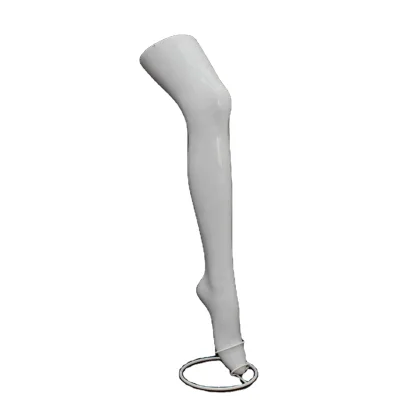
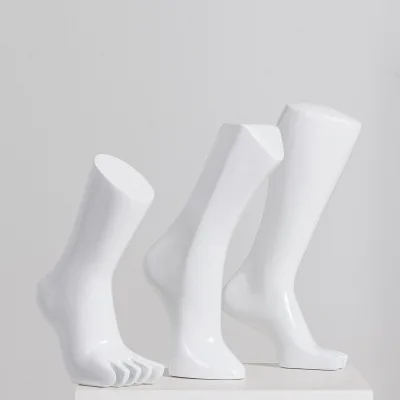
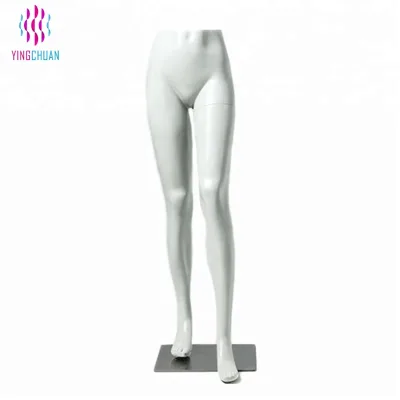
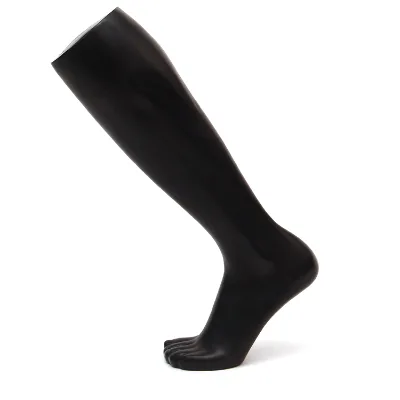
Socks Display Mannequin Leg Cheap Male Mannequin Leg
$8.00 - $10.00
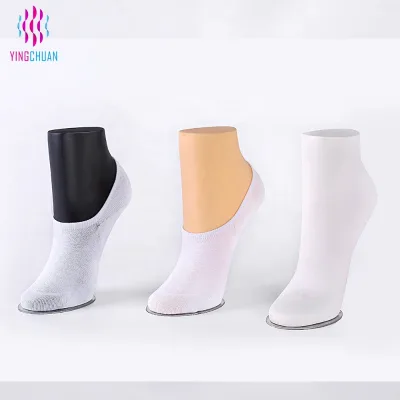
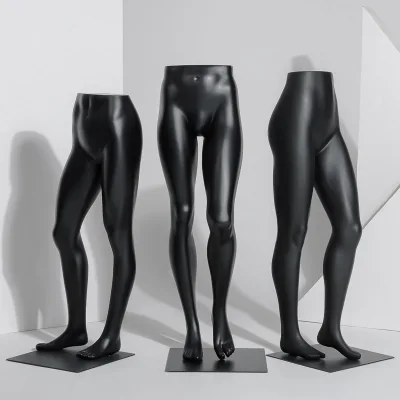

Quanzhou Hexing Display Products Co., Ltd.
- Verified by SGS
- Combined
- China Fujian
- Lead time15 days
- Avg. response≤ 5h
Main productsMannequin, Shoe Tree, Clothes Hanger
Main marketsSouth America,Africa,Southeast Asia/ Mideast,East Asia(Japan/ South Korea),Domestic,Europe,Australia,North America


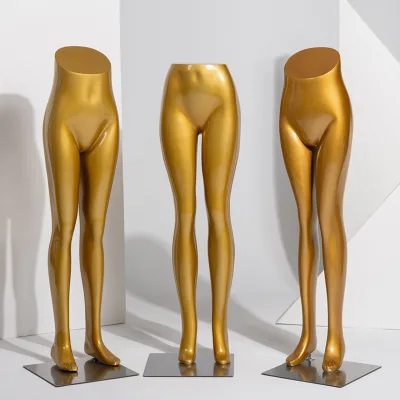
Mannequin Realistic Male Half Body Mannequin Legs Display Gold Large Size for Stocking
$55.00 - $69.00
MOQ: 5 pieces

Wholesale Sports Socks Leg Display Mannequin Foot Fiberglass Feet Mannequin for Sale
$16.00 - $19.00
MOQ: 10 pieces

Suzhou Kasa Fashion Model Props Co., Ltd
- Verified by CTI
- Trading Company
- China Jiangsu
- Lead time30 days
- Avg. response≤ 1h
Main productsMannequin, Dress Form, Female Mannequin, Male Mannequin, Child Mannequin, Half Body Mannequin, Full Body Mannequin, Display
Main marketsDomestic


Full Body Standing Female Mannequins for Window Display Dummy Mannequins
$52.00 - $68.00
MOQ: 20 Pieces

Foam Tailoring Mannequin for Dressmaker Hanging Male Leg Sewing Mannequin Dress Form
$138.00 - $184.00
MOQ: 10 Pieces


Quanzhou Hexing Display Products Co., Ltd.
- Verified by TüVRheinland
- Manufacturer, Trading Company
- Lead time7 days
- Avg. response≤ 2h
Main productsMannequins, Shoe Tree, Clothes Hanger
Main marketsSouthern Europe(15%), North America(10%), Eastern Europe(10%)
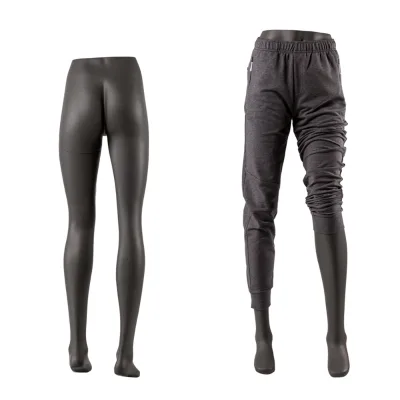
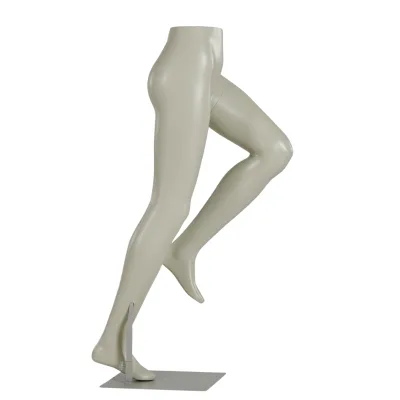
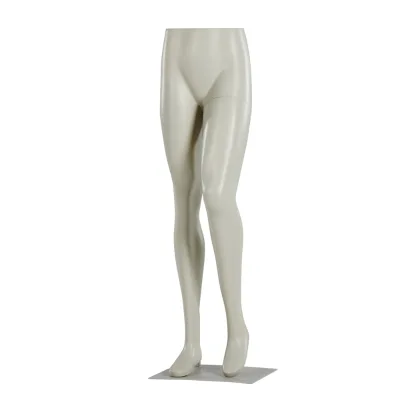
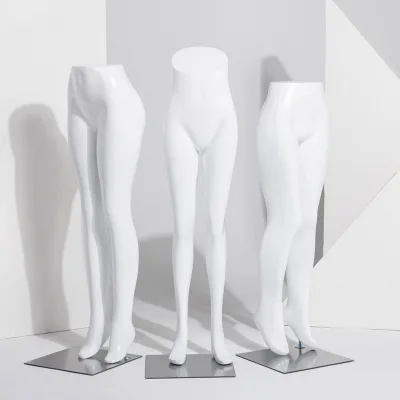
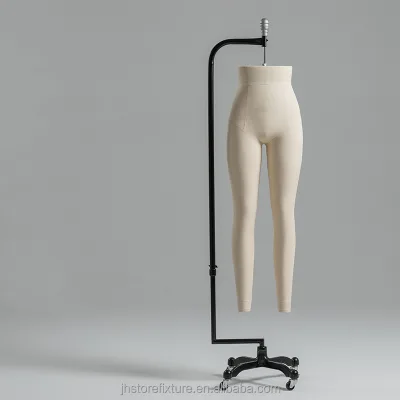
Sporting Lady Legs Mannequin Pants Display Female Mannequin Legs on Sale
$55.00 - $69.00
MOQ: 5 pieces
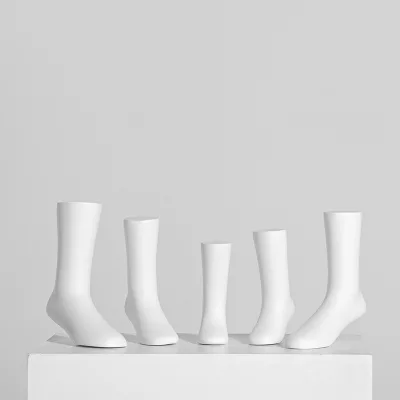
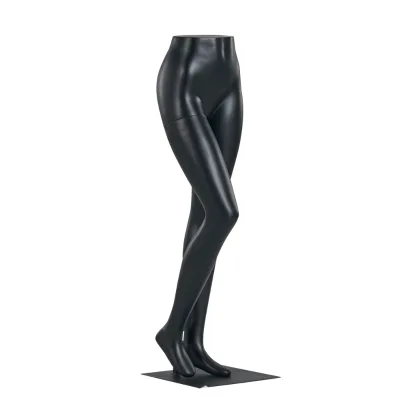
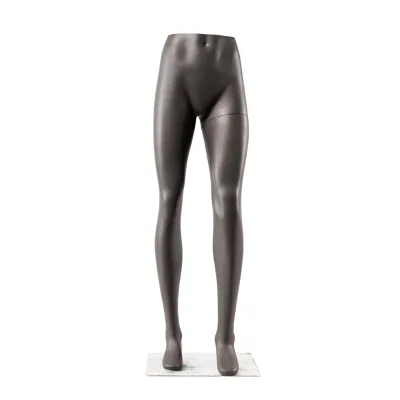
Fashion Classic White Color Standing Fiberglass Foot Mannequin for Sock Display
$17.00 - $20.00
MOQ: 10
Ownway Display Equipment (guangzhou) Co., Ltd.
- Verified by TüVRheinland
- Trading Company
- Lead time25 days
- Avg. response≤ 2h
Main productsDisplay Hooks, Garment Rack, Mannequins, Tube Connectors, Display Showcase
Main marketsEastern Europe(15%), North America(10%), South America(10%)

Dongguan Yongzhao Hardware Products Co., Ltd.
- Combined
- China Guangdong
- Lead time15 days
- Avg. response≤ 8h
Main productsHanger, Plastic Hanger, Clothes Hangers, Mannequins, Fiberglass Mannequins, Clothing Hangers, Velvet Hangers, Rubber Coating Hanger, Lingerie Hanger, Swimwear Hanger
Main marketsSouth America,Southeast Asia/ Mideast,Europe,Australia,North America


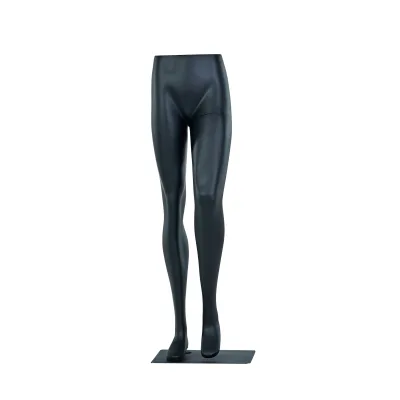
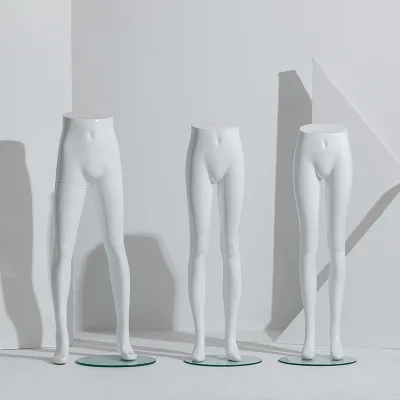
High Quality Male Leg Mannequins Fiberglass Mannequin for Pants Display
$40.00 - $60.00
MOQ: 30 Pieces
Quanzhou Hexing Display Factory
- Verified by TüVRheinland
- Manufacturer, Trading Company
- Lead time8 days
- Avg. response≤ 5h
Main productsMannequins, Clothes Hanger, Shoe Tree
Main marketsSouthern Europe(15%), North America(10%), Eastern Europe(10%)
Dongguan Jasmine Display Products Co., Ltd.
- Trading Company
- Guangdong, China
- Lead time15 days
- Avg. response≤ 2h
Main productsmannequin,hanger,display rack,dress form
Main marketsMid East(65.00%), North America(25.00%), Western Europe(10.00%)
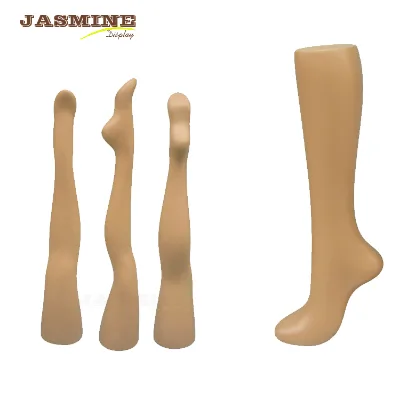
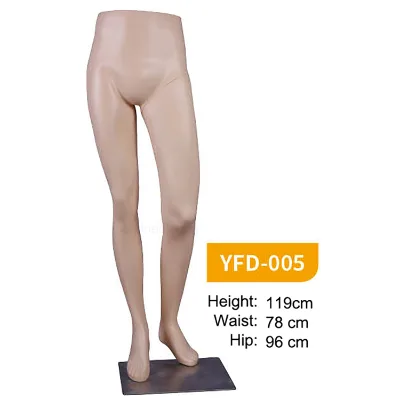
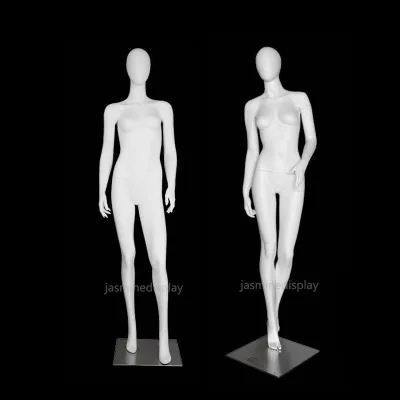
High-Quality 3D Design Fiberglass Legs Female/male Pants Display Mannequin
$51.98 - $57.08
MOQ: 5 Minimum

Guilin Sumanda Trading Co., Ltd.
- Verified by SGS
- Trading Company
- China Guangxi
- Lead time15 days
- Avg. response≤ 2h
Main productsHanger, Plastic Hanger, Clothing Hanger, Clothes Hanger, Coat Hanger, Suit Hanger, Pants Hanger, Trouser Hangers, Shirt Hanger, Children' Hangers
Main marketsDomestic
Suzhou Kasa Fashion Model Props Co., Ltd.
- Verified by Intertek
- Manufacturer, Trading Company
- Lead time30 days
- Avg. response≤ 3h
Main productsMannequin, Hanger, Rack, Display, Crafts
Main marketsNorth America(32%), Africa(23%), Eastern Europe(19%)

Ownway Display Equipment (Guangzhou) Co., Ltd.
- Verified by TUVRHEINLAND
- Trading Company
- China Guangdong
- Lead time23 days
- Avg. response≤ 6h
Main productsDisplay Showcase, Retail Display Cabinet, Store Fixtures, Shop Furniture, Jewelry Display Cabinet, Cosmetic Display Cabinet, Optical Store Furniture, Retail Store Design, Display Rack, Mannequin
Main marketsOthers(foreignTradeCapacity.exportBusinessCapacityMarketOther),Southeast Asia/ Mideast,Domestic,North America

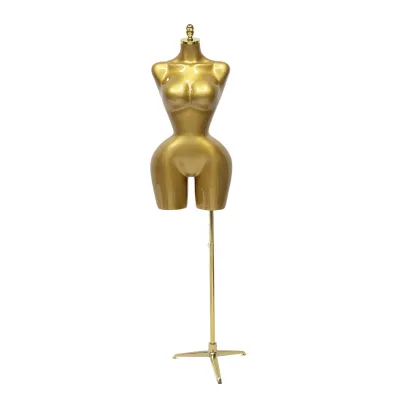
Wholesale Half Body Mannequin Clothing Store Showcases Female Mannequins
$55.00 - $85.00
MOQ: 3 Pieces

Customized Clothes Store Display Half Body Torso Mannequin Curvy Female Mannequin
$55.00 - $85.00
MOQ: 3 Pieces

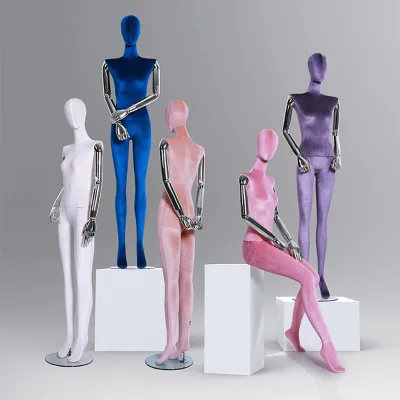
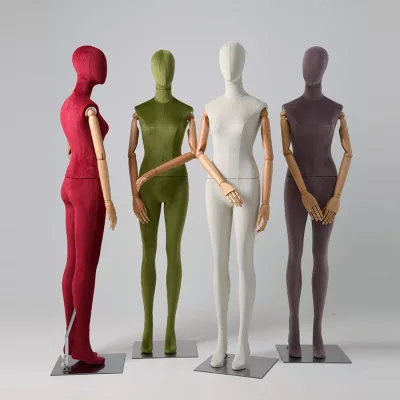
Wholesale Standing Full Body Female Mannequin for Women Clothes Display
$120.00 - $145.00
MOQ: 3 Pieces

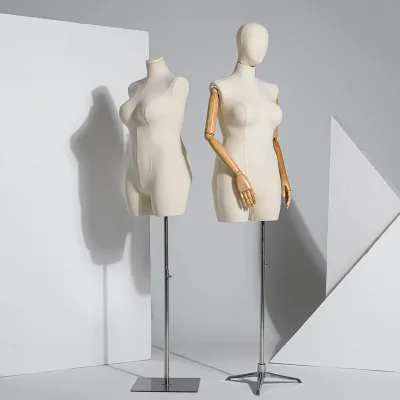
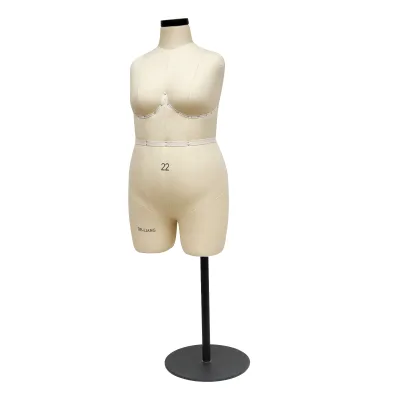
Mannequin Female Half Body Mannequin Female for Luxury Clothing Store Plus Size Female Mannequin
$55.00 - $79.00
MOQ: 3 Pieces

PEIDA MACHINERY GROUP CO., LTD.
- Verified by BV
- Manufacturer/Factory
- China Anhui
- Lead time90 days
- Avg. response≤ 11h
Main productsBarge, Tugboat, Oil Tanker Ship, Cargo Ship, Tug Boat, Floating Crane Barge, Passenger Ship, Passenger Boat, Deck Barge, Oil Barge
Main marketsSouth America,North America,Southeast Asia,Western Europe,Africa

Mannequin Tailoring Dress Form Split Leg Maker Mannequin Female Mannequin
$30.00 - $300.00
MOQ: 1 Pieces


Female Half and Full Body Mannequin with Legs Outlet Dress Form for Draping and Sewing
$30.00 - $300.00
MOQ: 1 Pieces

38 Size Female Fitting Mannequin with One Long Arm Tailoring Use Dress Form Split Leg
$30.00 - $300.00
MOQ: 1 Pieces


Female Half Body Mannequin with Legs on Sale Outlet Dress Form for Draping and Sewing
$30.00 - $300.00
MOQ: 1 Pieces
Meizhou Jinbin Metal Products Co., Ltd.
- Verified by SGS Group
- Manufacturer, Trading Company
- Lead time15 days
- Avg. response≤ 5h
Main productsDisplay Shelf Series, Iron Pipe, Hook Series, Bracket Series, Mannequin Series
Main marketsMid East(30%), Africa(18%), Domestic Market(15%)
Suzhou Benica Display Products Co., Ltd.
- Trading Company
- Jiangsu, China
- Lead time15 days
- Avg. response≤ 6h
Main productsFull Body Mannequins,Half Body Mannequins,Male Mannequins,Female Mannequins,Children Mannequins
Main marketsNorth America(30.00%), Northern Europe(10.00%), Domestic Market(5.00%), South Asia(5.00%), Southern Europe(5.00%), South America(5.00%), Central America(5.00%), Western Europe(5.00%), Eastern Asia(5.00%), Mid East(5.00%), Oceania(5.00%), Africa(5.00%), Southeast Asia(5.00%), Eastern Europe(5.00%)
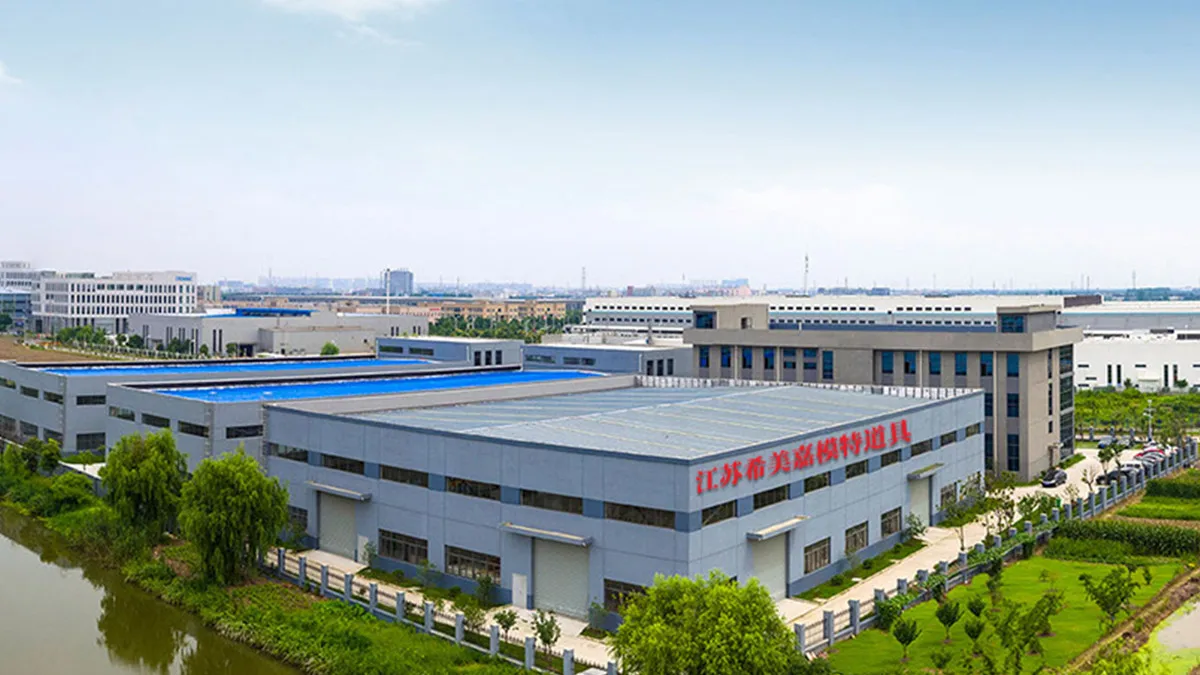
Jiangsu Ximeijia Carbon Fiber Composite Technology Co., Ltd.
- Manufacturer, Trading Company
- Jiangsu, China
- Lead time10 days
- Avg. response≤ 7h
Main productsmannequin,dress form,display rack,model
Main marketsDomestic Market(40.00%), Western Europe(30.00%), South America(20.00%), South Asia(10.00%)
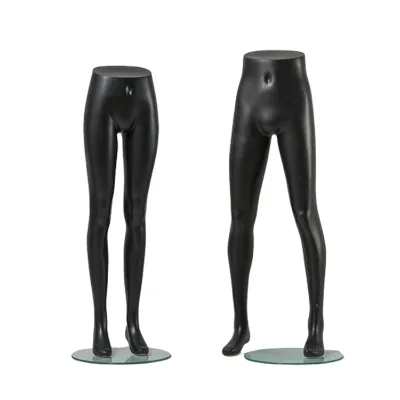
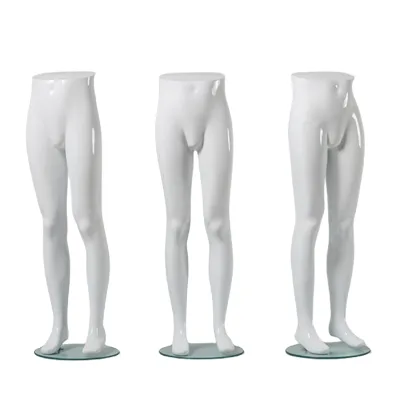
Fiberglass Male Pants Model Jeans Legs Lower Body Windows Display Mannequin Prop Dummy
$20.00 - $30.00
MOQ: 10

Xuchang Leyide Import And Export Trading Co., Ltd.
- Trading Company,Manufacturer/Factory
- China Henan
- Lead time23 days
- Avg. response≤ 4h
Main productsHair Products, Wig Making Tools, Remy Human Hair, Mannequin, Stand Tripod, Synthetic Hair Extensions, Wigs, Virgin Human Hair, Satin Wig Bonnet, Lace Glue
Main marketsSouth America,Eastern Europe,Mid East,North America,Southeast Asia,Eastern Asia,Oceania,Western Europe,Africa

$7.90 - $8.90
MOQ: 1 Pieces


Qingyuan County Hongyun Penindustry Co., Ltd.
- Combined
- China Zhejiang
- Lead time30 days
- Avg. response≤ 4h
Main productsWood Pencil Wood Color Pencil, Plastic Pencil Plastic Color Pencil, Wood-Free Pencil Wood-Free Color Pencil, Art Set Stationery Set, Wooden Easel Wooden Case, Brush Canvas Wooden Mannequin Wooden Manikins, Acrylic Paint Oil Paint Gouache Paint, Solid Tempera Paint Paint Stick, Gel Pen Marker Pen Watercolor Pen, Crayon Oil Pastel
Main marketsEast Asia(Japan/ South Korea),Europe,Australia
Shenzhen De Liang Display Props Co., Ltd.
- Trading Company
- Guangdong, China
- Lead time20 days
- Avg. response≤ 5h
Main productsMannequin, Hanger, Jewelry Display Props, Gift Box, Handicraft Article
Main marketsNorth America(70.00%), Western Europe(5.00%), Southern Europe(5.00%), Northern Europe(5.00%), Eastern Europe(5.00%), Domestic Market(5.00%), Mid East(5.00%)

Taizhou Manikin Plastic & Mould Co., Ltd.
- Trading Company
- Zhejiang, China
- Lead time20 days
- Avg. response≤ 7h
Main productsPlastic mannequin,fiberglass mannequin,hanger,hologram fan,display props
Main marketsWestern Europe(30.00%), North America(30.00%), Domestic Market(10.00%), Central America(10.00%), South America(10.00%), Mid East(10.00%)
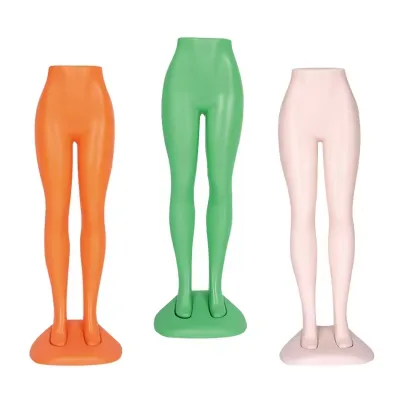
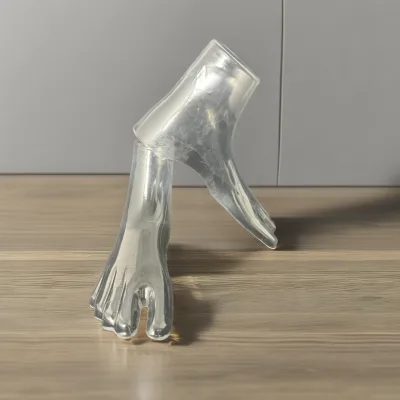
$0.44 - $0.54
MOQ: 2 pieces
Guangzhou Joetai Industry And Trade Co., Ltd.
- Manufacturer, Trading Company
- Guangdong, China
- Lead time0 days
- Avg. response≤ 5h
Main productsClothing Display Rack,Shoes Rack,Jewelry rack,Mannequin,Mirror
Main marketsNorth America(20.00%), South America(15.00%), South Asia(10.00%), Western Europe(10.00%), Domestic Market(10.00%), Eastern Europe(10.00%), Northern Europe(6.00%), Central America(5.00%), Oceania(3.00%), Africa(3.00%), Mid East(3.00%), Southeast Asia(3.00%), Eastern Asia(2.00%)
GUANGZHOU J&H STOREFIXTURE LTD.
- Verified by TüVRheinland
- Manufacturer, Trading Company
- Lead time20 days
- Avg. response≤ 2h
Main productsClothing Display Racks, Perfume Rack, Showcase, Metal Mannequin, Letter Sign
Main marketsNorth America(30%), South America(20%), Southeast Asia(5%)
Guangzhou Meizi Model Crafts Co., Ltd.
- Manufacturer
- Guangdong, China
- Lead time0 days
- Avg. response≤ 3h
Main productstyson ballou,Female model,Child model,Torso model,Yoga clothes
Main marketsNorth America(50.00%), Southern Europe(10.00%), Western Europe(10.00%), Eastern Europe(10.00%), Northern Europe(10.00%), Central America(5.00%), South America(5.00%)

- Trading Company
- China Guangxi
- Lead time15 days
- Avg. response≤ 13h
Main productsHanger, Wooden Hanger, Clothes Hanger, Coat Hanger, Velvet Hanger, Plastic Hanger, Wood Hanger, Hotel Hanger, Metal Hanger, Luxurious Hanger
Main marketsSoutheast Asia/ Mideast,Europe,North America


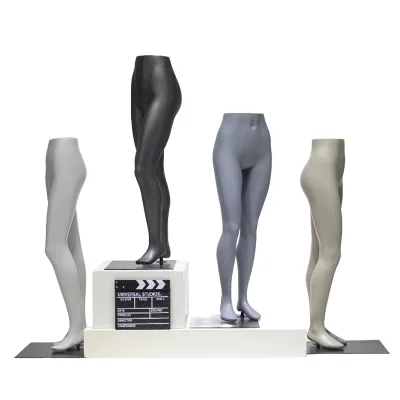
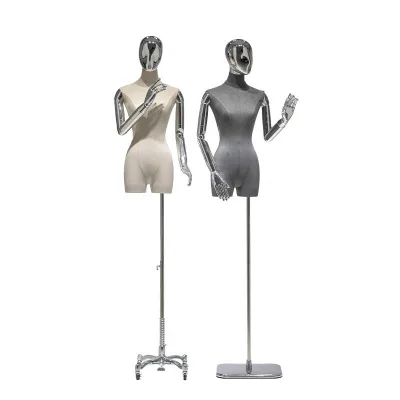
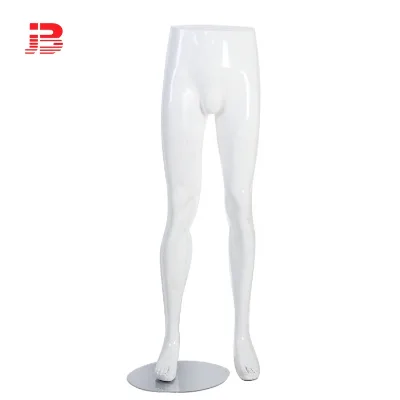
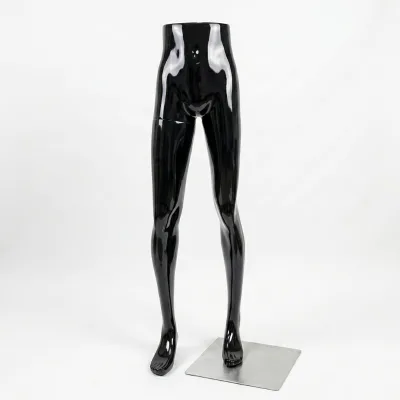




Comprehensive Sourcing Guide
Display Jeans and Shoes Mannequin Legs Supplier Concentration and Factory Types
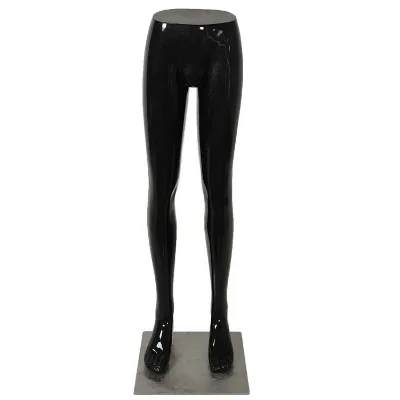
The current supplier landscape for Display Jeans and Shoes Mannequin Legs reveals a distinct concentration of manufacturing capabilities within Fujian, China, as evidenced by specific product origin data. This region hosts facilities that produce both plastic and fiberglass lower-body mannequins, with some suppliers explicitly stating they operate their own factories rather than acting solely as intermediaries. The product attributes indicate a mix of materials, including plastic, fiberglass, and PP, suggesting that the local industrial cluster supports diverse manufacturing processes for different display needs. Buyers should note that while some entities are classified as trading companies, the presence of "Own factory" in product specifications implies direct production capabilities for certain items like the YC-PT28 and YC-HF models.
When evaluating the factory types, it is crucial to distinguish between pure trading entities and those with direct manufacturing roots, as this impacts customization and quality control. The available data shows that suppliers offer customized designs and logos, which often requires direct factory involvement to execute effectively. However, the classification of some suppliers as trading companies suggests that a buyer might encounter intermediaries who source from these Fujian-based factories. To verify the actual factory type, buyers must scrutinize the "Factory" attribute in product details and confirm if the supplier can provide proof of their manufacturing facility. This distinction is vital for ensuring that the specific requirements for jeans and shoe display mannequins are met without unnecessary markup or communication delays.
How to Verify Display Jeans and Shoes Mannequin Legs Suppliers
Verification of suppliers for Display Jeans and Shoes Mannequin Legs requires a rigorous check of third-party credentials and system certifications to ensure reliability. The current results indicate that some suppliers hold TüVRheinland verification status and possess CE system certifications, which serve as tangible proof of compliance with international safety and quality standards. Buyers should prioritize suppliers who display these specific verification badges, as they indicate that the entity has undergone external auditing. It is important to note that not every supplier in the search results may possess these specific credentials, so buyers must actively filter for those with confirmed TüVRheinland or CE status rather than assuming universal compliance.
Beyond certifications, verifying the response time and sample processing capabilities provides insight into a supplier's operational readiness. The data shows a response time of 2 hours for some suppliers, which is a strong indicator of active customer service and logistical efficiency. Additionally, the capacity for sample processing and graphic processing allows buyers to test product quality before committing to large orders. Buyers should request samples to verify the "High-end" quality level claimed in product attributes and confirm the material composition, such as fiberglass or plastic, matches their display requirements. If a supplier claims to support sample orders, they should be able to demonstrate this capability through their stated lead times and processing facilities, ensuring that the transition from inquiry to physical product is smooth and reliable.
What to Compare Across Display Jeans and Shoes Mannequin Legs Suppliers
Comparing suppliers requires a detailed analysis of key commercial dimensions such as minimum order quantities, lead times, and pricing structures to find the best fit for specific needs. The available data reveals a wide range of pricing, with some plastic leg mannequins listed between $4.60 and $5.90, while fiberglass options range from $12.00 to $15.00, and specialized half-body units can cost between $41.02 and $66.66. Minimum order quantities also vary significantly, with some items requiring only 2 units while others demand 10 units or more. Buyers must calculate the total cost of ownership, including shipping, to determine which supplier offers the most economical solution for their specific volume requirements.
Lead times and sample policies are equally critical factors when comparing potential partners for Display Jeans and Shoes Mannequin Legs. While some suppliers indicate a standard lead time of 10 days, others explicitly state they do not support 7-day sample orders, which could delay the prototyping phase. Conversely, other listings confirm support for sample orders, allowing for faster validation of design and material quality. Buyers should compare these timelines against their project schedules to avoid bottlenecks. Additionally, the supply ability, such as 3000 pieces per month for certain leg mannequins, should be assessed to ensure the supplier can handle bulk orders without compromising delivery schedules.
Common Display Jeans and Shoes Mannequin Legs Sourcing Risks
One significant risk in sourcing Display Jeans and Shoes Mannequin Legs involves the discrepancy between claimed factory status and actual trading company classification. Some suppliers are listed as trading companies, yet their product attributes claim an "Own factory," creating potential confusion regarding who is responsible for production quality and customization. This ambiguity can lead to communication gaps if the trading company lacks direct control over the manufacturing floor. Buyers must verify the actual production source to ensure that the "High-end" quality level and specific design features, such as the magnetic base or glossy finish, are consistently maintained throughout the production run.
Another risk pertains to the variability in material specifications and their impact on durability and display performance. The product data shows a mix of materials including plastic, fiberglass, and PP, each with different structural properties. For instance, fiberglass mannequins may offer superior durability for heavy use compared to plastic alternatives, but they might also be more fragile during shipping if not packed correctly. Buyers should carefully review the packaging details, such as the 2-layer bubble wrap and 7-layer heavy cardboard carton mentioned in some listings, to mitigate damage risks. Failure to verify these packaging standards could result in receiving damaged goods, leading to additional costs and delays in setting up retail displays.
Display Jeans and Shoes Mannequin Legs Regional Sourcing and Logistics
Sourcing from Fujian, China, offers logistical advantages due to the proximity of major ports like Xiamen, which is explicitly listed as a port of dispatch for certain mannequin products. This location facilitates efficient shipping routes to global markets, including America and Europe, which are identified as key target markets for these suppliers. The availability of multiple shipping methods, including sea, air, and express delivery, provides flexibility for buyers with varying urgency levels. However, buyers must confirm the specific port of dispatch for each order, as this can influence transit times and shipping costs, especially for heavy items like fiberglass mannequins.
Logistics planning must also account for the physical dimensions and weight of the products to ensure accurate freight calculations. Product attributes indicate single package sizes ranging from 45x35x20 cm to 50x40x10 cm, with single gross weights as low as 0.150 kg for foot mannequins. These dimensions are critical for determining container space utilization and freight charges. Buyers should request detailed packing lists and weight specifications before finalizing orders to avoid unexpected surcharges. Additionally, understanding the supply ability, such as the 3000 pieces per month capacity, helps in planning inventory levels and ensuring that the logistics chain can handle the volume without delays during peak seasons.
Display Jeans and Shoes Mannequin Legs Commercial Terms and Order Planning
Commercial terms for Display Jeans and Shoes Mannequin Legs vary significantly based on the product type and supplier capabilities, requiring careful negotiation to align with budget constraints. The price range for these items spans from approximately $4.60 for basic plastic legs to over $66.00 for specialized half-body units, reflecting differences in material, design complexity, and manufacturing effort. Buyers should establish a clear budget early in the process and compare the price-to-value ratio across different suppliers, considering factors like the "High-end" quality level and the inclusion of features such as customized logos or specific base types. Understanding these price drivers is essential for making informed purchasing decisions.
Order planning must also incorporate the specific lead times and sample support policies to ensure timely delivery and product validation. While some suppliers offer a 10-day lead time and support sample orders, others may not support 7-day samples, which could impact the speed of the design iteration process. Buyers should plan their order timelines to accommodate these variations, ensuring that production schedules align with retail launch dates. Furthermore, the ability to customize designs and accept OEM services allows for tailored solutions, but this requires clear communication of specifications and realistic expectations regarding production lead times. By aligning commercial terms with operational needs, buyers can streamline the procurement process and minimize risks associated with delays or quality issues.
FAQs
What materials are used for Display Jeans and Shoes Mannequin Legs?
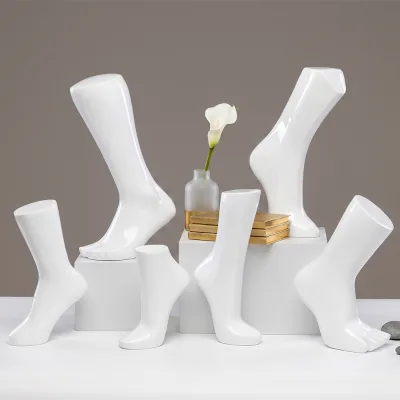
Suppliers offer options including plastic, fiberglass, and PP materials for these display units. Plastic versions provide a cost-effective solution for basic sock or shoe displays. Fiberglass models deliver a high-end finish suitable for premium retail environments. Buyers can select the material that best aligns with their specific aesthetic requirements and budget constraints.
What is the minimum order quantity for these mannequin legs?
The minimum order quantity varies by product type and supplier. Some plastic leg mannequins have a low MOQ of just two units, making them ideal for small trials. Other specialized fiberglass or half-body models may require a minimum order of ten units. Buyers should check specific product listings to confirm the exact MOQ before placing an order.
How long does it take to receive an order?
Standard lead times for these mannequin legs are typically around ten days. Sample processing capabilities are available, though some plastic models do not support seven-day sample orders. Fiberglass options often support faster sample turnaround. Buyers should confirm specific production schedules with suppliers to ensure timely delivery for their retail display needs.
What is the price range for these mannequin legs?
Prices for display mannequin legs range from approximately four dollars to over sixty dollars per unit. Basic plastic legs start around four dollars, while fiberglass foot mannequins cost between twelve and fifteen dollars. Half-body fiberglass models are priced higher, ranging from forty-one to sixty-six dollars. Costs depend on material, design complexity, and order volume.
Can I customize the logo or design of the mannequin?
Yes, many suppliers offer customized logo and design services for these mannequin legs. Buyers can request specific poses, colors, and base types to match their brand identity. OEM services are acceptable for many plastic and fiberglass models. Customization allows retailers to create unique display solutions that stand out in their stores and enhance product visibility.
Are these mannequin legs suitable for both men and women?
Suppliers provide mannequin legs designed for various gender applications. Some models are explicitly labeled for women, such as half-body female jeans displays. Others are unisex or designed for men, suitable for sock or shoe displays. Buyers should review product attributes to ensure the selected mannequin matches their target demographic and display requirements.