Diving Electric Sea Scooter Suppliers and Manufacturers
Source 22 verified Diving Electric Sea Scooter suppliers from China. Compare lead times, certifications, and response rates to find the right partner. Contact suppliers directly to request quotes and verify specifications; review the available evidence before requesting comparable quotations from suitable candidates.
Suppliers List

Fujian Dazhen Sporting Goods Co., Ltd.
- Verified by BV
- Manufacturer/Factory
- China Fujian
- Lead time15 days
- Avg. response≤ 3h
Main productsCarbon Fiber Bike E Bike, Electric Scooter, Electric Skateboard, Electric Golf Scooter
Main marketsSouth America,Eastern Europe,Mid East,North America,Southeast Asia,Eastern Asia,Oceania,Western Europe,Africa


Electric Sea Scooter Fast Speed Propeller Sea Scooter Electric Surfboard
$650.00 - $690.00
MOQ: 1 Pieces


Electric Adult Sea Scooter Electrico Underwater Exciting Sea Scooters Electric Surfboard
$1750.00 - $1850.00
MOQ: 1 Pieces


Underwater Sea Scooter Electric Water Scooter for Water Sports V2plus
$1750.00 - $1850.00
MOQ: 1 Pieces
Huizhou City Lingxian Plastic Products Co., Ltd.
- Trading Company
- Guangdong, China
- Lead time25 days
- Avg. response≤ 1h
Main productsMotorized Pool Floats,Inflatable Motor Boat,Motorized Inflatable Surfing Board,Spa Bathtub,Baby Neck Ring
Main marketsEastern Europe(70.0%), Eastern Asia(10.0%), North America(10.0%), Domestic Market(5.0%), Southeast Asia(5.0%)
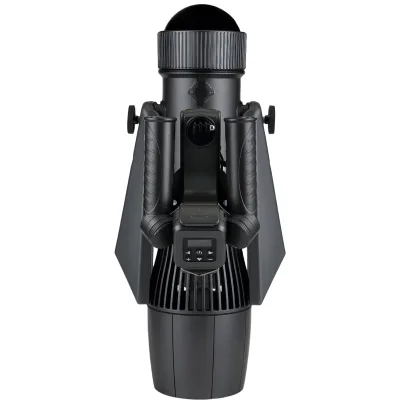
Lightweight Underwater Scooter Modular Design Diving Equipment Underwater Scooter Electric Surfboard
$469.06 - $571.25
MOQ: 1 pieces
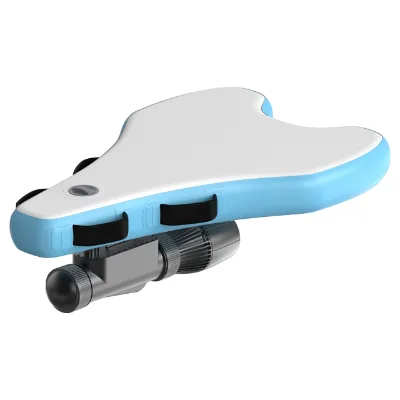
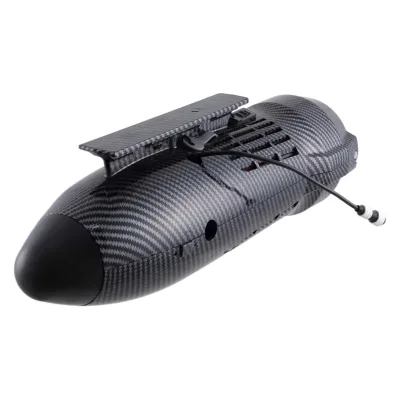
- Manufacturer
- Guangdong, China
- Lead time30 days
- Avg. response≤ 9h
Main productsElectric Motorcycles,Underwater Scooter,E-bike,GaN Fast Chargers,Power Banks
Main marketsNorth America(28.199999999999996%), Southeast Asia(9.09%), Southern Europe(9.09%), Western Europe(9.09%), Central America(9.0%), Northern Europe(9.0%), South Asia(9.0%), Oceania(8.33%), Eastern Asia(7.000000000000001%), Eastern Europe(1.0%), Mid East(1.0%), South America(0.2%)

Wiztem Industry Company Limited
- Manufacturer/Factory
- China Zhejiang
- Lead time23 days
- Avg. response≤ 13h
Main productsElectric Scooter, ATV, Go Kart, UTV, Dirt Bike, Mini Jeep, Electric ATV, Trike Roadster, Citycoco, City Coco
Main marketsSouth America,Eastern Europe,Mid East,North America,Southeast Asia,Eastern Asia,Oceania,Western Europe,Africa


China Factory Underwater Best Electric Sea Diving Water Scooter Custom
$119.00 - $179.00
MOQ: 1 Pieces

Swimming Underwater Diving Wuxing Electric Scooter Factory Wholesale Price
$119.00 - $179.00
MOQ: 1 Pieces


Lu'an Woma Import and Export Co., Ltd.
- Verified by SGS
- Trading Company
- China Anhui
- Lead time15 days
- Avg. response≤ 7h
Main productsLED Channel Letters, Acrylic Signs, Metal Sign Letters, Wayfinding Signs, Outdoor Signage
Main marketsEast Asia(Japan/ South Korea)

Sea Scooter Under Water Electric Water Motor Underwater Sea Water Scooter
$290.00 - $320.00
MOQ: 1 Pieces

Factory Wholesale Underwater Scooter Motor Water Scooters Electric Sea Underwater Scooter
$65.00 - $89.00
MOQ: 1 Pieces

$150.00 - $290.00
MOQ: 1 Pieces

Anhui Yuhuan Intelligent Manufacturing Group Co., Ltd.
- Verified by SGS
- Combined
- China Anhui
- Lead time15 days
- Avg. response≤ 2h
Main productsEfoil Surfboard, Electric Surfboard, Motorized Surfboard, Hydrofoil Surfboard, Jet Surfboard, Efoil, Jet Ski Accessories, Kart Boat, Mini Jet Boat
Main marketsSoutheast Asia/ Mideast,Europe,Australia,North America

Electric Surflying High Speed Under Water Scooter Electric Underwater Sea Scooter
$315.00 - $570.00
MOQ: 1 pieces


High Speed Sea Scooter 3200W Underwater Body Wave Board Electric Scooter
$545.00 - $585.00
MOQ: 1 Pieces

Low Price Eco-Friendly Water Scooter Electric Surfing Body Board Electric Sea Scooter
$315.00 - $585.00
MOQ: 1 Pieces

Tame Billow Customized Water Sports Sea Scooter Propeller High Speed Electric Underwater Sea Scooter
$460.00 - $599.00
MOQ: 1 Pieces

Camoro Tech (shenzhen) Co., Ltd.
- Manufacturer, Distributor/Wholesaler
- Guangdong, China
- Lead time3 days
- Avg. response≤ 9h
Main productsRadio Control Toys,RC Drones,Sea Scooter,Underwater Drone,Walkie Talkie
Main marketsNorth America(30.0%), Mid East(15.0%), Southeast Asia(10.0%), South America(10.0%), Western Europe(8.0%), Eastern Europe(5.0%), Domestic Market(4.0%), Northern Europe(3.0%), Oceania(3.0%), Africa(3.0%), Eastern Asia(3.0%), South Asia(2.0%), Southern Europe(2.0%), Central America(2.0%)

Gansu Xinyao Zhilian Technology Co., Ltd.
- Verified by SGS
- Trading Company
- China Gansu
- Lead time15 days
- Avg. response≤ 2h
Main productsAction Camera, Robot, 360 Motion Camera, Waydoo, Camera, Drone, Robot Dog, Hydrofoil, Handheld Photography, DJ Drone
Main marketsDomestic
- Trading Company
- Jiangsu, China
- Lead time30 days
- Avg. response≤ 6h
Main productselectric bikes,electric bike kit,electric scooters,electric bike battery,electric bike motor
Main marketsCentral America(30.0%), Eastern Europe(30.0%), Southern Europe(20.0%), Northern Europe(20.0%), South America(10.0%), North America(10.0%)
Shenzhen Hoverstar Innovations Technology Co.,Ltd
- Verified by Intertek
- Manufacturer, Trading Company
- Lead time40 days
- Avg. response≤ 2h
Main productsElectric Mini Jet Boat, Electric Surfboard, Underwater Scooter, Remote Controlled Lifebuoy, Water Rescue Rowing Boat
Main marketsNorth America(26%), Western Europe(23%), Southeast Asia(19%)
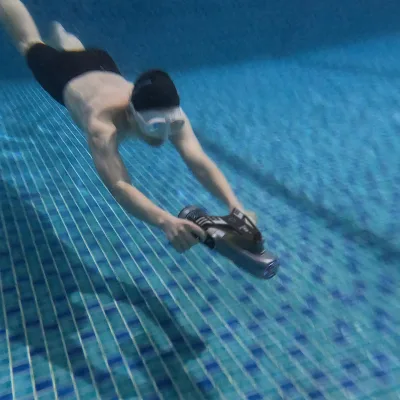
$357.67 - $408.77
MOQ: 1 Minimum
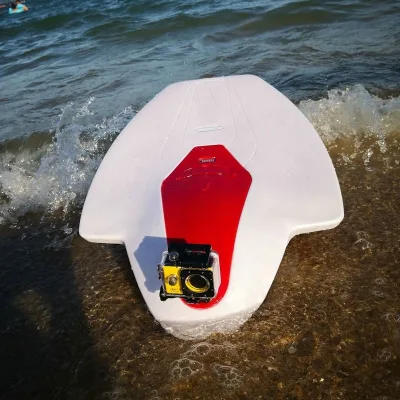
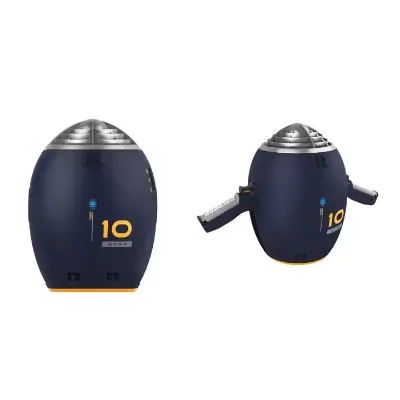
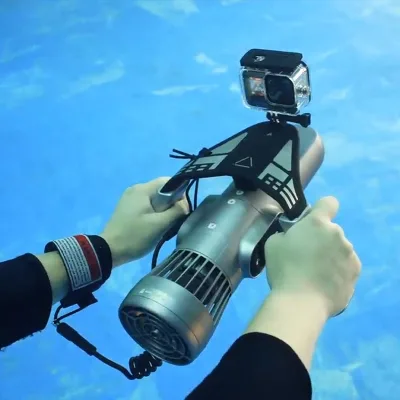
2026 100W Sea Scooter Easy-to-Carry New Underwater Scooter with Low Power
$357.67 - $408.77
MOQ: 1 Minimum
- Trading Company
- Hong Kong S.A.R.
- Lead time10 days
- Avg. response≤ 4h
Main productsLED Backlight Strip
Main marketsSouth America(20.0%), Domestic Market(15.0%), South Asia(10.0%), Western Europe(10.0%), Eastern Europe(10.0%), Southeast Asia(10.0%), Central America(7.000000000000001%), Africa(5.0%), Mid East(5.0%), North America(3.0%), Northern Europe(3.0%), Southern Europe(2.0%), Eastern Asia(0.0%), Oceania(0.0%)
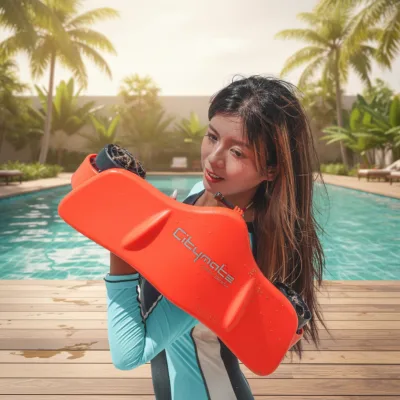
$203.78 - $254.98
MOQ: 1 pieces
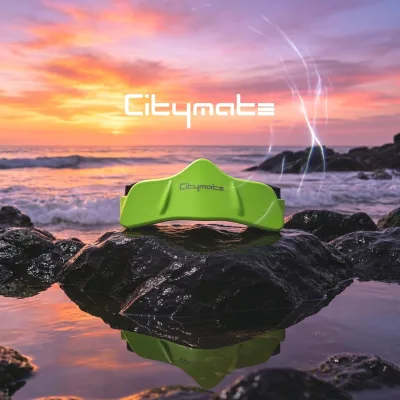
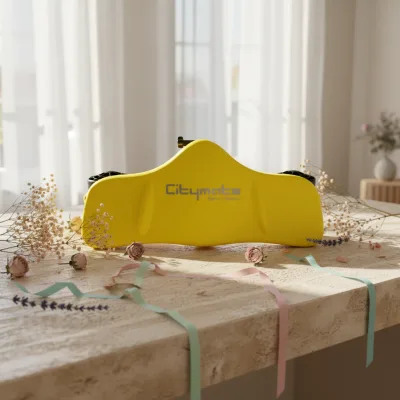
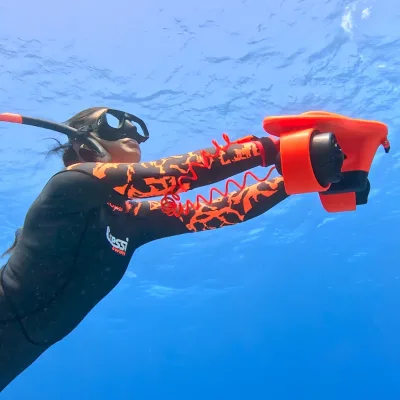

Ningbo Multi Channel Co., Ltd.
- Trading Company
- China Zhejiang
- Lead time23 days
- Avg. response≤ 15h
Main productsFirst Aid Kit, Wound Dressing, Bandage, Outdoor Emergency Supplies, Hot/Cold Therapy, Surgery Supplies, Laboratory Supplies, Medical Devices, Anethesia Breathing Supplies, Daily Care
Main marketsSouth America,Southeast Asia/ Mideast,East Asia(Japan/ South Korea),Europe,North America


2026 Fashion Electric Surfboard White Electric Sea Underwater Scooter Wakesurf Board
$450.00 - $580.00
MOQ: 5 Pieces

SHENZHEN AIL INDUSTRIAL LIMITED
- Verified by TUVRHEINLAND
- Trading Company,Manufacturer/Factory
- China Guangdong
- Lead time15 days
- Avg. response≤ 6h
Main productsPower Bank, Bluetooth Earbuds, Bluetooth Speaker, Bluetooth Watch, USB Flash Drive, Video Book, Promotional Gifts, USB Fan, Book, T Shirt
Main marketsSouth America,Eastern Europe,Mid East,North America,Southeast Asia,Eastern Asia,Oceania,Western Europe,Africa

Guangzhou Zhongpeng Swimming Pool Equipment Co., Ltd.
- Manufacturer, Trading Company
- Guangdong, China
- Lead time15 days
- Avg. response≤ 1h
Main productsPool Cleaner,Water Pump
Main marketsSoutheast Asia(40.0%), Western Europe(30.0%), North America(30.0%)
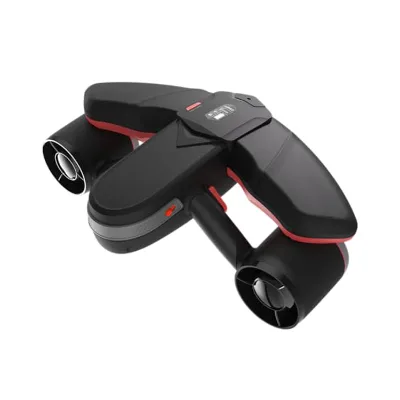
$749.89 - $999.86
MOQ: 1 pieces
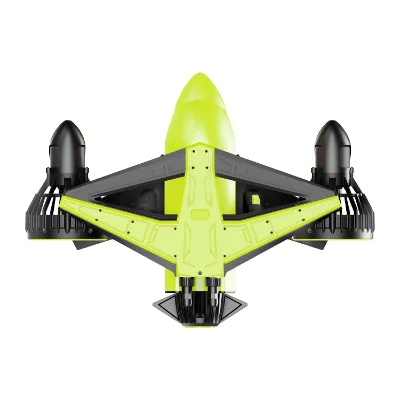
$359.71 - $430.22
MOQ: 5 pieces
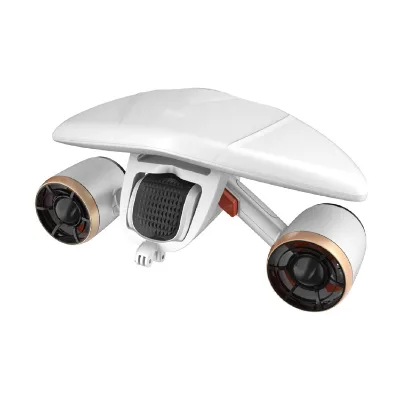
Deep Waterproof Underwater Scooter Adjustment for Sea Diving & Underwater Photography
$535.61 - $714.14
MOQ: 1 pieces
HANGZHOU FANYUE INDUSTRIAL CO.,LTD
- Trading Company
- Zhejiang, China
- Lead time30 days
- Avg. response≤ 4h
Main productsTent,Outdoor Furniture,Sleeping Bag,Camping Gears
Main marketsWestern Europe(30.0%), North America(30.0%), Eastern Asia(20.0%), Mid East(10.0%), South America(5.0%), Oceania(5.0%)
Shenzhen Feiyueda Electronics Technology Co., .
- Manufacturer, Trading Company
- Guangdong, China
- Lead time10 days
- Avg. response≤ 4h
Main productsLED Backlight Strip
Main marketsCentral America(100.0%), Oceania(100.0%), Eastern Asia(100.0%), Northern Europe(100.0%), Southeast Asia(20.0%), South America(20.0%), Domestic Market(15.0%), Western Europe(10.0%), Southern Europe(10.0%), South Asia(10.0%), Africa(5.0%), Eastern Europe(5.0%), North America(3.0%), Mid East(2.0%)
Shenzhen Yarui Technology Co., Ltd.
- Trading Company
- Guangdong, China
- Lead time15 days
- Avg. response≤ 3h
Main productsDiving Hard Boot,Diving Boots,Diving Upstream Boots,Neoprene Wader,Fishing Wader
Main marketsMid East(20.0%), North America(20.0%), Northern Europe(10.0%), Western Europe(10.0%), South America(10.0%), Southeast Asia(10.0%)
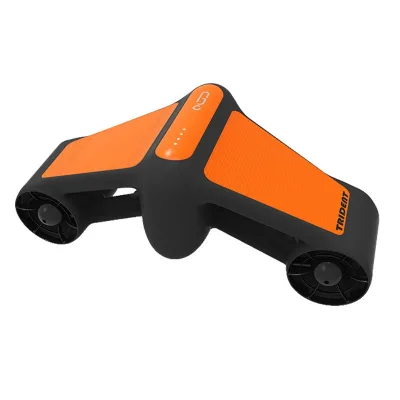
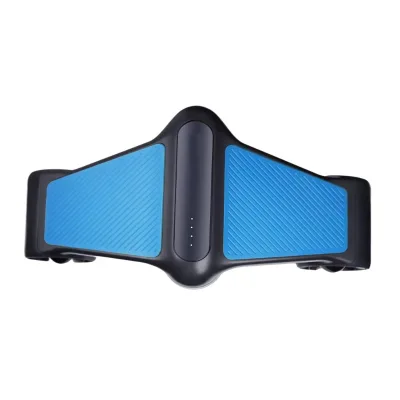
$431.30 - $451.93
MOQ: 1 pieces
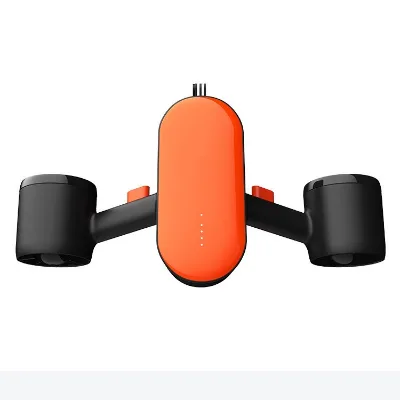
$434.30 - $455.08
MOQ: 1 pieces
Anhui Wingo Technology Co., Ltd.
- Trading Company
- Anhui, China
- Lead time0 days
- Avg. response≤ 1h
Main productsElectric Motorcycle,Electric motorcycle spare parts,Electric Go Kart,Electric Scooter,Electric Unicycle
Main marketsNorth America(25.0%), Western Europe(15.0%), Southeast Asia(10.0%), Domestic Market(10.0%), Northern Europe(5.0%), Eastern Europe(5.0%), South America(5.0%), Eastern Asia(5.0%), Southern Europe(5.0%), Oceania(5.0%), Africa(5.0%), Mid East(3.0%), Central America(2.0%)
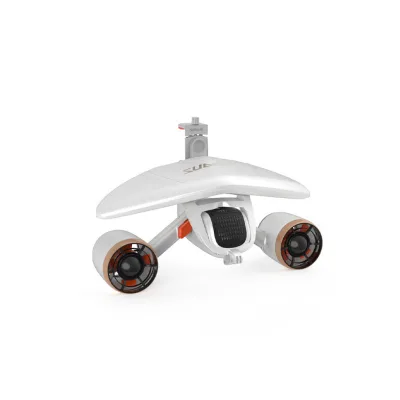
$726.03 - $766.99
MOQ: 1 pieces
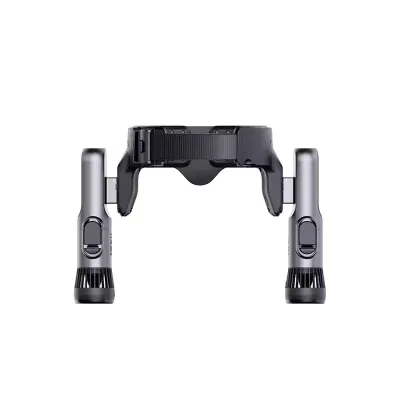
$715.79 - $1021.97
MOQ: 1 pieces
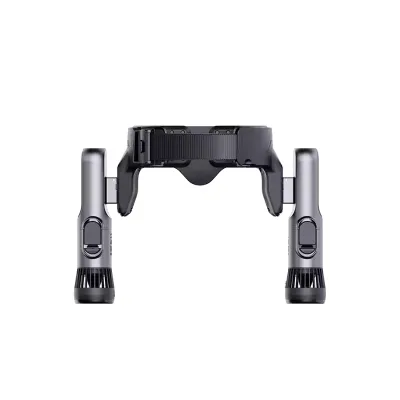
Factory Price Water Sports Sea Scooter High Speed 3200W Electric Underwater Exciting Sea Scooter
$715.30 - $1021.27
MOQ: 2 pieces

YONGKANG BODE INDUSTRY CO., LTD.
- Verified by CTI
- Trading Company,Manufacturer/Factory
- China Zhejiang
- Lead time15 days
- Avg. response≤ 24h
Main productsATV, Quad, Buggy, Dirt Bike, UTV, Karting, Motorcycle, Pit Bike, Self Balancing Scooter, Skateborad
Main marketsSouth America,Eastern Europe,Mid East,North America,Eastern Asia,Oceania,Africa


Sea Scooter Water Scooter (MC-101)
Contact supplier

Contact supplier
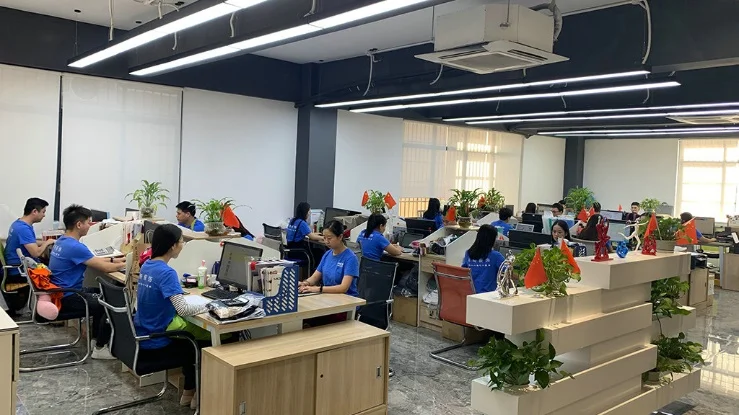
Guangzhou Ruyi Industry Co., Limited
- Manufacturer
- Guangdong, China
- Lead time7 days
- Avg. response≤ 7h
Main productsLED Strip,LED Driver,LED Controller,Electric Scooter,Electric Bikes
Main marketsNorth America(40.0%), Central America(10.0%), Western Europe(10.0%), Eastern Europe(10.0%), Domestic Market(10.0%), South America(5.0%), South Asia(5.0%), Southern Europe(5.0%), Northern Europe(5.0%)
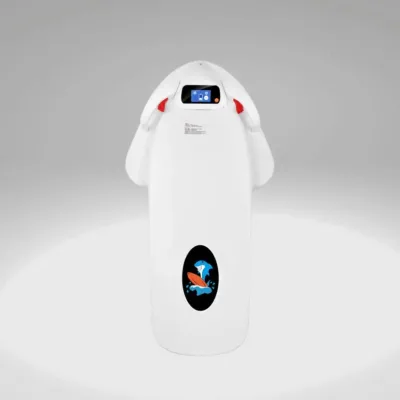
Underwater Sea Scooter Underwater Scooter Handheld Underwater Thruster Booster with
$510.00 - $580.00
MOQ: 1 pieces
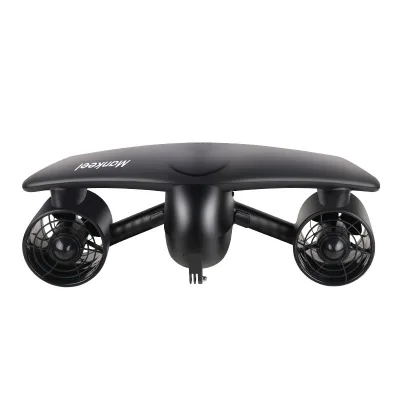
Anhui Yuhuan Intelligent Manufacturing Group Co., Ltd.
- Manufacturer, Trading Company
- Lead time旺季: "1 - 1":30,"> 1":"To be negotiated", 淡季: "1 - 1":30,"> 1":"To be negotiated"
- Avg. response≤ 2h
Main productsElectric surfboard,Efoil surfboard,gasoline surfboard,Sup paddle board,Hydrofoil board

- Verified by TUVRHEINLAND
- Combined
- China Guangdong
- Lead time30 days
- Avg. response≤ 4h
Main productsCustomized DC Brushless Motor, Customized BLDC, Customized Inrunner Brushless DC Motor, Customized Outrunner Brushless DC Motor, Brushless Motor, Brushless DC Motor, Boat Motor, Propulsion Brushless DC Motor, Waterproof DC Brushless Motor
Main marketsDomestic,Europe

Electric Hydrofoil Board Underwater Motor Water Scooter Outdoor Sea Surfing E-Foil
$3298.00 - $3988.00
MOQ: 2 Sets

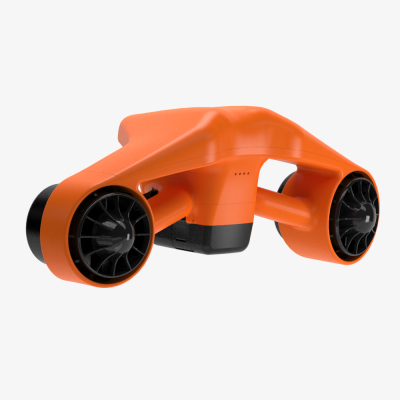
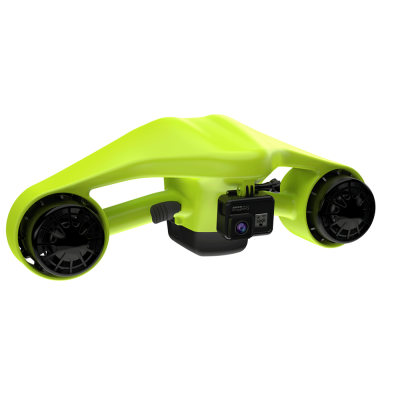
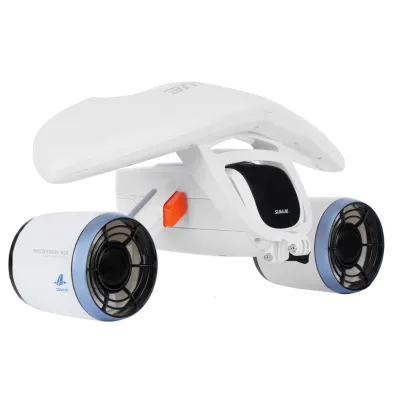
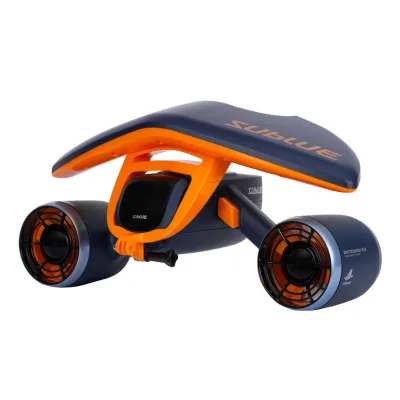




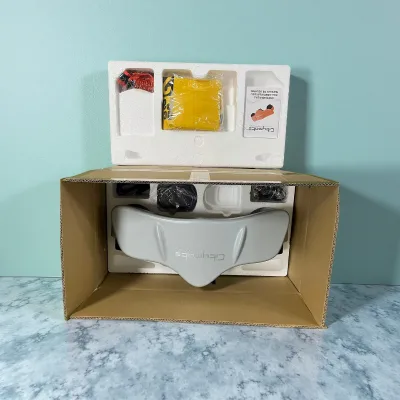
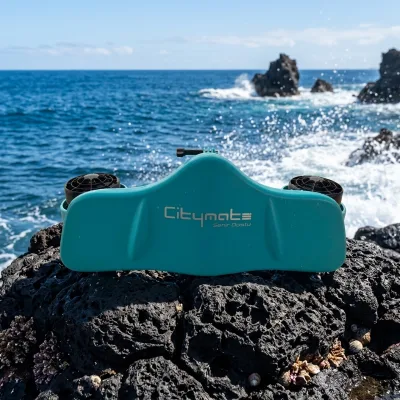
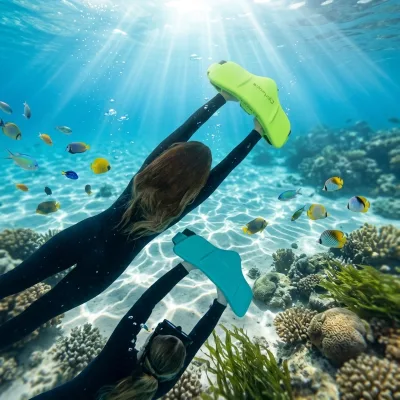
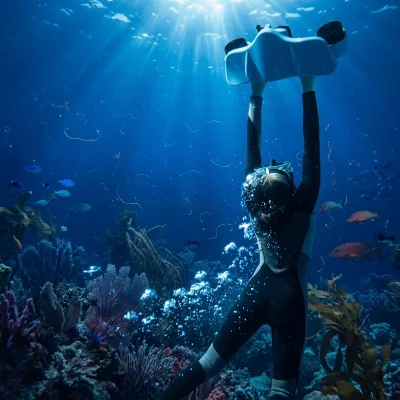
Comprehensive Sourcing Guide
Diving Electric Sea Scooter Supplier Concentration and Factory Types
The current supplier landscape for diving electric sea scooters shows a distinct concentration of manufacturing activity within China, specifically in the Fujian and Guangdong provinces. These regions host a mix of Manufacturer/Factory entities and Trading Companies, each offering different value propositions for buyers seeking underwater propulsion equipment. Manufacturer/Factory profiles in these areas often highlight capabilities in Own Brand development, OEM, and ODM services, suggesting a capacity for custom engineering and production scaling. In contrast, Trading Company profiles may focus on aggregating products like motorized pool floats, inflatable motor boats, and spa bathtubs alongside the core sea scooter inventory, potentially offering a broader range of water sports accessories in a single transaction.
When evaluating the supplier base, it is critical to distinguish between these entity types based on the specific needs of your procurement strategy. A Manufacturer/Factory typically provides direct access to production lines and may offer more flexibility on customization parameters such as battery configuration or motor power, as seen in products with specific DC voltage requirements. Conversely, a Trading Company might streamline the sourcing process by managing multiple product lines, though their lead times and response times can vary significantly from direct manufacturers. Buyers should verify the actual operational nature of the supplier rather than assuming a specific structure, as the distinction directly impacts control over quality, intellectual property, and supply chain transparency for Diving Electric Sea Scooter orders.
How to Verify Diving Electric Sea Scooter Suppliers
Verification of Diving Electric Sea Scooter suppliers requires a rigorous examination of their certification portfolios and third-party audit results to ensure operational legitimacy and product safety. Many suppliers in the current results display an extensive array of system certifications, including ISO 9001, ISO 14001, TS 16949, and OHSAS 18001, which indicate adherence to quality management, environmental standards, and occupational health and safety protocols. Additionally, the presence of BV verification status serves as a critical external validation of the supplier's business operations and financial stability. Buyers must cross-reference these claims against the specific product evidence provided, ensuring that certifications like CE for underwater scooters or specific battery safety standards are explicitly linked to the models being sourced.
Beyond documentation, the responsiveness and verification status of the supplier offer immediate indicators of their reliability and operational maturity. A response time of approximately two hours or less suggests a dedicated sales team capable of addressing technical queries regarding battery configurations, charging times, or waterproof ratings like IP68. Buyers should prioritize suppliers who have undergone third-party verification processes, as this reduces the risk of engaging with entities that may lack the necessary infrastructure to fulfill large-scale orders. It is essential to confirm that the listed certifications are current and applicable to the specific diving equipment being purchased, rather than generic company credentials that may not cover the specialized manufacturing processes required for high-power electric underwater propulsion systems.
What to Compare Across Diving Electric Sea Scooter Suppliers
Comparing suppliers requires a detailed analysis of key operational metrics such as lead times, minimum order quantities, and response speeds to determine the best fit for your procurement timeline. The current data indicates a lead time variance, with some suppliers offering a 15-day turnaround while others may require up to 25 days, a difference that can significantly impact inventory planning and market launch schedules. Furthermore, the minimum order quantity (MOQ) appears to be flexible in some cases, with certain listings showing an MOQ of just one unit, which is advantageous for testing market viability before committing to larger production runs. Buyers must weigh these logistical factors against the supplier's capacity for customization, as some manufacturers offer specific battery configurations and motor powers that may not be available from general trading companies.
Product specifications and pricing structures also form a critical comparison point when selecting a Diving Electric Sea Scooter supplier. Prices for these units can range significantly, with some models listed between $520 and $560, while others with higher motor power or specialized features may cost between $1750 and $1850. Buyers should scrutinize the technical attributes provided, such as motor power ranging from 1000W to 6000W, battery capacity, and charging times, to ensure the product meets the intended performance standards for underwater sports. Additionally, the availability of customization options, including color, branding, and specific material choices like fiberglass or plastic, allows buyers to tailor the product to their brand identity. A thorough comparison of these technical and commercial details ensures that the selected supplier can deliver a product that aligns with both performance expectations and budgetary constraints.
Common Diving Electric Sea Scooter Sourcing Risks
One of the primary risks in sourcing diving electric sea scooters involves the discrepancy between claimed specifications and actual product performance, particularly regarding battery life and motor power. Some product listings indicate high motor powers, such as 6000W, while others specify lower wattages like 1000W or 3200W, which directly affects the speed and endurance of the device. Buyers must verify the actual battery configuration, such as DC48V/18.2ah versus DC36V/12ah, as these differences dictate the operating time and charging duration, which are critical for safety during underwater activities. Inconsistent data on charging times, ranging from 2-3.5 hours to 4-6 hours, further complicates the assessment of product reliability and user experience.
Another significant risk pertains to the material quality and waterproof integrity of the scooters, which are essential for safe operation in marine environments. While some products list materials like plastic or fiberglass, others specify PP PE composites, and the waterproof level is a crucial safety parameter that must be confirmed as IP68 or equivalent. There is also a risk associated with the origin of the product, as some listings indicate a place of origin in Shenzhen while others point to Guangdong, which can affect shipping logistics and regulatory compliance. Buyers should be cautious of suppliers who do not provide clear evidence of material composition or safety certifications, as these gaps can lead to product failures or safety hazards during use. Ensuring that all technical claims are backed by verifiable product evidence is essential to mitigate these sourcing risks effectively.
Diving Electric Sea Scooter Regional Sourcing and Logistics
Sourcing diving electric sea scooters from China, specifically from the Fujian and Guangdong provinces, offers access to a robust manufacturing ecosystem but requires careful planning regarding logistics and shipping. The concentration of suppliers in these regions means that buyers can often find a wide variety of models, from high-speed electric surfboards to compact underwater scooters, within a relatively small geographic area. However, the varying lead times, such as 15 days versus 25 days, can impact the overall supply chain efficiency, especially when coordinating with international shipping schedules. Buyers should consider the proximity of the factory to major ports to minimize inland transportation costs and reduce the risk of delays in the delivery of heavy equipment like electric sea scooters.
Logistical considerations also extend to the packaging and dimensions of the products, which can significantly affect shipping costs and storage requirements. Product dimensions vary widely, with some units packed in boxes measuring 90x48x27 cm while others require larger spaces like 103x44x29 cm, influencing the number of units that can be shipped per container. Buyers must calculate the volumetric weight and ensure that the packaging standards meet the requirements for international freight to prevent damage during transit. Additionally, the net weight of the scooters, ranging from 12kg to 19kg, adds another layer of complexity to freight calculations and handling procedures. Understanding these regional logistics nuances is vital for optimizing the total cost of ownership and ensuring timely delivery of diving electric sea scooters to the final destination.
Diving Electric Sea Scooter Commercial Terms and Order Planning
Commercial terms for Diving Electric Sea Scooter orders must be carefully negotiated to align with the supplier's capabilities and the buyer's financial constraints. The current market data shows a wide price range, with some models priced as low as $520 and others reaching up to $1850, reflecting differences in motor power, battery capacity, and customization options. Buyers should establish clear pricing structures that account for volume discounts, especially when ordering multiple units, and clarify whether the quoted prices include shipping, insurance, and customs duties. It is also essential to verify the warranty terms, as some suppliers offer a one-year warranty, which provides a safety net against manufacturing defects and ensures long-term product reliability.
Order planning should also account for the customization capabilities and production lead times to ensure that the supply chain remains agile and responsive to market demands. Suppliers offering OEM and ODM services can provide tailored solutions, but these customizations may extend the lead time beyond the standard 15 to 25 days observed in the market. Buyers need to factor in the time required for design approval, prototype testing, and mass production when planning their inventory levels and sales cycles. Additionally, the response time of the supplier, which can range from one to two hours, plays a crucial role in resolving any issues that arise during the order process. By integrating these commercial and logistical factors into a comprehensive order plan, buyers can mitigate risks and ensure a smooth procurement experience for diving electric sea scooters.
FAQs
What is the typical lead time for diving electric sea scooters?
The typical lead time for diving electric sea scooters is 15 days based on current supplier data. Some trading companies may require up to 25 days for order processing. Buyers should confirm specific timelines with their chosen manufacturer before finalizing purchase agreements.
What is the minimum order quantity for these scooters?
The minimum order quantity for diving electric sea scooters is one unit according to available product listings. This low MOQ allows buyers to test products before placing larger orders. However, bulk pricing may vary depending on the specific model and customization requirements selected.
Where are the manufacturers of these scooters located?
Manufacturers of diving electric sea scooters are primarily located in Fujian and Guangdong, China. These regions host both factory and trading company suppliers offering various models. Buyers should verify the exact origin of each product to ensure it matches their sourcing preferences.
What certifications do these electric scooters hold?
Many diving electric sea scooters carry CE certification for safety compliance. Suppliers also hold various system certifications like ISO 9001 and ISO 14001. Buyers should request specific product certificates to verify that the scooters meet international safety and quality standards for their intended use.
How long does it take to charge these scooters?
Charging times for diving electric sea scooters range from 2 to 6 hours depending on the model. Some units require 2-3.5 hours while others may take up to 6 hours for a full charge. Battery capacity and voltage configurations directly influence the total charging duration required.
What is the price range for these scooters?
The price range for diving electric sea scooters spans from 520 to 1850 USD per unit. Lower-priced models often feature smaller batteries while premium versions offer higher power and longer endurance. Buyers should compare specifications against price to find the best value for their needs.
Can these scooters be customized for specific needs?
Customization is available for many diving electric sea scooters including color and branding options. Suppliers offer OEM and ODM services to meet specific buyer requirements. Buyers should discuss their customization needs early in the process to ensure the manufacturer can accommodate their requests.