Dog Tracker Suppliers and Manufacturers in China
Source 10 verified Dog Tracker suppliers from China Guangdong and Tianjin. Compare response times, lead times, certifications, and pricing to find the right partner. Review product specs and request quotes today; review the available evidence before requesting comparable quotations from suitable candidates.
Suppliers List

Shenzhen Liangyou Communication Technology Co., Ltd.
- Verified by CTI
- Trading Company
- China Guangdong
- Lead time15 days
- Avg. response≤ 11h
Main productsSignal Jammer Moduel, Drone Jammer, Cell Phone Jammer, Drone Jammer System, GPS Jammer, Drone Detector, Anti Drone Jammer Kit, Uav Signal Jammer, GPS Blocker Drone, Drone Jammer Backpack
Main marketsDomestic

Pet GPS Tracking Device Mini GPS Tracker Dog Tracking Collar Pet Tracker
$22.05 - $29.99
MOQ: 1 Pieces


Tianjin Maynas International Trade Co.,Ltd
- Verified by SGS
- Trading Company
- China Tianjin
- Lead time15 days
- Avg. response≤ 11h
Main productsPet Stroller, Pet Bed, Pet Toy, Cat Tree, Pet Carrier Bag, Pet Bowl, Pet Collar, Pet Harness & Leash, Pet Cage, Pet Grooming
Main marketsSoutheast Asia/ Mideast,Europe,North America

Guangzhou yunma pet-tech Co., Ltd
- Verified by BV
- Trading Company
- China Guangdong
- Lead time30 days
- Avg. response≤ 4h
Main productsGPS Tracker, Water Fountain, Smart Pet Feeder, Pet Toy
Main marketsDomestic

FORSURE ADVANCED AUTOMATION LIMITED
- Trading Company
- Hong Kong S.A.R.
- Lead time25 days
- Avg. response≤ 6h
Main productsSMT Machine,computerised knitting machines,3D printer,milking parlor,semi-condutor equipment
Main marketsWestern Europe(14.29%), Eastern Asia(14.29%), Mid East(14.29%), Eastern Europe(14.29%), South America(14.29%), North America(14.29%), Central America(10.00%)

- Verified by SGS
- Trading Company
- China Zhejiang
- Lead time15 days
- Avg. response≤ 11h
Main productsPet Harness, Pet Collar, Pet Leash, Pet Feeder, Pet Carries, Pet Toy, Pet Bed, Pet Grooming, Pet Accessories
Main marketsEurope,Australia

Shenzhen Qianfeng Communication Equipment Co., Limited
- Verified by BV
- Trading Company,Manufacturer/Factory
- China Guangdong
- Lead time0 days
- Avg. response≤ 7h
Main productsVehicle GPS Tracker, Fleet Management, Asset GPS Tracker, Pet GPS Tracker, GPS Tracker

Shenzhen Yituo Wulian System Co.,Ltd
- Verified by TUVRHEINLAND
- Trading Company
- China Guangdong
- Lead time15 days
- Avg. response≤ 4h
Main productsGPS Tracker, Vehicle GPS Tracker, Personal GPS Tracker, Truck GPS Tracker, Motorbike GPS Tracker, Car GPS Tracker, Car Tracking Device, Automobile GPS Tracker, Motorcycle GPS Tracker, GPS Tracking
Main marketsEurope
Shenzhen Anxinkang Technology Co., Ltd.
- Manufacturer
- Guangdong, China
- Lead time5 days
- Avg. response≤ 7h
Main productsHumidifier,Diffuser,Powerful Fan,Hunting Camera,Bluetooth Glasses
Main marketsNorth America(30.00%), Southern Europe(10.00%), Northern Europe(10.00%), Central America(10.00%), Western Europe(10.00%), Africa(10.00%), Eastern Europe(10.00%), South America(10.00%)
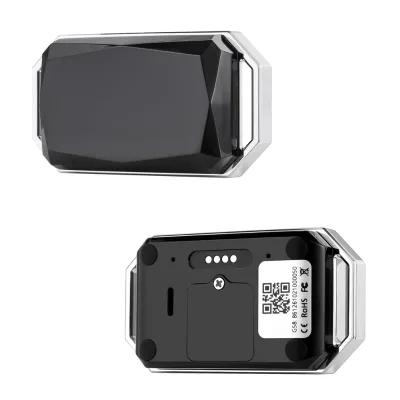
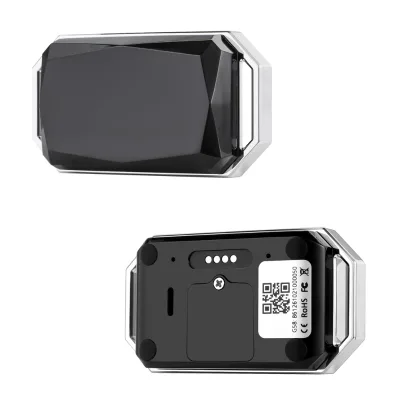
$23.29 - $30.40
MOQ: 100 pieces

NINGBO BANGZHIYOU ARTS INDUSTRY AND TRADE CO., LTD.
- Verified by BV
- Trading Company
- China Zhejiang
- Lead time30 days
- Avg. response≤ 19h
Main productsPet Supplies, Pet Foods Snacks, Pet Trainer Collar, Pet Bed, Pet Toys, Pet Clothes, Equestrian Supplies, Pet Backpack, Cat Scratcher
Main marketsSouth America,Africa,Southeast Asia/ Mideast,East Asia(Japan/ South Korea),Europe,Australia,North America
Shenzhen Yixie Electronics Co., Ltd.
- Verified by Intertek
- Manufacturer, Trading Company
- Lead time7 days
- Avg. response≤ 2h
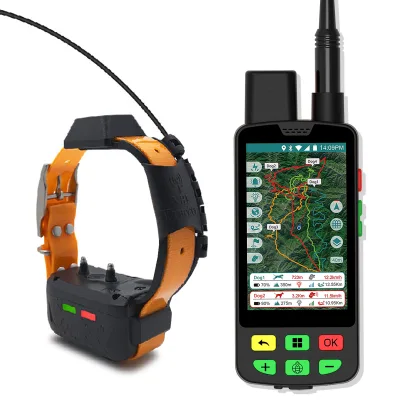
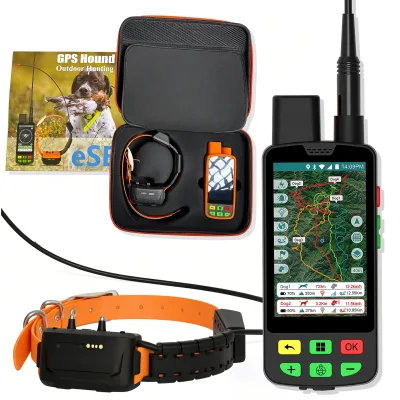
Main productsGPS Hound Tracker, GPS Hunting Camera, GPS Positioning Watch, GPS Falcon Locator, Intelligent Drop-out Fuse
Main marketsDomestic Market(22%), Eastern Asia(9%), Western Europe(9%)




Comprehensive Sourcing Guide
Dog Tracker Supplier Concentration and Factory Types
Current data indicates a concentration of suppliers in China Guangdong, where companies list signal jammer modules and drone jammers alongside pet tracking devices. This region hosts trading companies that aggregate diverse electronics, including GPS trackers for dogs and cats, often sourcing components from broader manufacturing networks. Buyers should note that while some entities in this cluster specialize in anti-drone technology, they frequently diversify into consumer electronics like pet trackers to maximize market reach. The presence of trading companies suggests a supply chain model where the supplier acts as an intermediary rather than a direct manufacturer, which can impact customization flexibility and direct factory communication.
In contrast, other verified suppliers operate from China Tianjin, focusing primarily on pet accessories such as strollers, beds, and collars while integrating GPS tracking solutions into their product lines. These Tianjin-based entities often hold certifications like SGS and BV, indicating a different verification pathway compared to the CTI-verified firms in Guangdong. When evaluating factory types, buyers must distinguish between pure trading companies and those with direct manufacturing capabilities, as the latter may offer more control over production timelines and quality standards. The main products listed for these suppliers range from standalone mini trackers to integrated collar systems, reflecting a market that values both portability and durability for pet safety applications.
How to Verify Dog Tracker Suppliers
Verification status is a critical first step when assessing potential partners for Dog Tracker procurement. The available data shows suppliers holding CTI, SGS, and BV verification badges, which serve as third-party validations of business legitimacy and operational stability. Buyers should prioritize suppliers with these specific verification marks, as they indicate that an independent agency has reviewed the company's credentials. However, verification alone does not guarantee product quality; it merely confirms the entity exists and meets basic compliance standards. It is essential to cross-reference these badges with specific product certifications, such as CE, FCC, and RoHS, which are explicitly listed for certain pet tracker models to ensure electromagnetic compatibility and safety.
Beyond corporate verification, buyers must scrutinize product-specific attributes to confirm the supplier's capability to deliver the required specifications. Evidence shows that some trackers list certifications like CE, FCC, and ISO standards, while others provide generic labels such as "Tracker" certification, which requires further clarification. Buyers should request detailed test reports for tracking accuracy, battery life, and waterproofing, as these are critical for pet safety devices. The presence of OEM/ODM capabilities and logo customization options also signals a supplier's willingness to adapt products to specific brand requirements. Always verify that the claimed certifications match the actual product model, as discrepancies can lead to compliance issues in target markets.
What to Compare Across Dog Tracker Suppliers
When comparing suppliers, response time and lead time are pivotal metrics that influence project timelines and inventory planning. Data reveals response times ranging from approximately 3.74 hours to over 10 hours, with some suppliers offering a 15-day lead time while others require up to 30 days. A faster response time often correlates with better communication channels, which is vital for resolving technical queries or customizing tracker features. Lead times, however, vary significantly based on order volume and production complexity; buyers should align their order schedules with these windows to avoid stockouts or delays. It is crucial to confirm whether the stated lead time includes packaging and shipping or if it covers only manufacturing, as this distinction affects overall delivery estimates.
Minimum Order Quantity (MOQ) and pricing structures also vary widely among suppliers, impacting budget allocation and risk management. Some suppliers offer low MOQs of just one or two pieces, allowing for small trial orders, while others require bulk purchases of 100 pieces or more. Price ranges observed span from roughly $4.50 to $30.50 per unit, depending on features like 4G connectivity, battery capacity, and tracking accuracy. Buyers should compare these figures against the specific product attributes, such as weight, screen size, and charging time, to ensure value alignment. Additionally, warranty terms, typically listed as one year, should be evaluated alongside the price to determine the total cost of ownership and potential after-sales support requirements.
Common Dog Tracker Sourcing Risks
One significant risk involves the discrepancy between product claims and actual performance, particularly regarding tracking accuracy and battery longevity. While some product data lists tracking accuracy as less than 10 meters, this figure is often marked as "for reference only," indicating potential variance in real-world conditions. Buyers must demand independent testing data to validate these claims, as inaccurate tracking can compromise pet safety and lead to product returns. Furthermore, the use of generic certification labels like "Tracker" without specific regulatory codes may obscure non-compliance with international standards, posing legal and safety risks in export markets.
Another risk stems from the reliance on trading companies that may not have direct control over the manufacturing process. These intermediaries can introduce delays or quality inconsistencies if the underlying factory changes production lines or materials without notice. The variation in main products, from signal jammers to pet strollers, suggests that some suppliers may lack deep expertise in GPS technology, potentially affecting product reliability. Buyers should verify the origin of components and the supply chain transparency to mitigate these risks. Additionally, the lack of standardized packaging or model numbers in some listings can complicate inventory management and after-sales service, requiring careful due diligence before committing to large orders.
Dog Tracker Regional Sourcing and Logistics
Geographic location plays a crucial role in determining shipping costs, transit times, and regulatory compliance for Dog Tracker shipments. Suppliers in China Guangdong and China Tianjin offer distinct logistical advantages, with Guangdong often providing access to major ports and established electronics supply chains. Buyers should assess the proximity of the supplier to shipping hubs to minimize freight costs and reduce the risk of transit damage. For international orders, understanding the specific export regulations of the destination country is essential, as GPS devices may face restrictions or require special licensing in certain regions.
Logistics planning must also account for the physical characteristics of the products, such as weight and dimensions, which influence packaging and shipping fees. Data indicates tracker weights ranging from 40g to 80g, with dimensions varying from compact 32mm units to larger 90mm models. These variations affect how products are packed, whether in boxes or cartons, and how they are consolidated for bulk shipping. Buyers should negotiate Incoterms that clearly define responsibility for freight, insurance, and customs clearance to avoid unexpected costs. Additionally, considering the lead time and response speed of the supplier can help in planning buffer stock levels, ensuring that inventory replenishment aligns with seasonal demand fluctuations.
Dog Tracker Commercial Terms and Order Planning
Commercial terms, including payment methods, warranty policies, and customization options, form the backbone of a successful sourcing agreement. Many suppliers offer customization services, allowing buyers to add logos or modify product models, which is essential for branding and market differentiation. Warranty terms are typically standardized at one year, but buyers should clarify the scope of coverage, including whether it covers battery failure or water damage. Understanding these terms helps in calculating the total cost of ownership and planning for potential after-sales expenses, ensuring that the business model remains profitable even with product returns or repairs.
Order planning requires a strategic approach to balancing MOQs, pricing, and production capacity. Suppliers with low MOQs are ideal for testing new markets or launching limited editions, while those with higher MOQs may offer better unit economics for established products. Buyers should analyze the price ranges, which span from under $5 to over $30, to determine the optimal order volume that maximizes margin without overstocking. It is also vital to confirm the production capacity and lead times to ensure that the supplier can meet demand spikes. By aligning commercial terms with realistic order planning, buyers can mitigate financial risks and build a sustainable supply chain for Dog Tracker products.
FAQs
What is the typical lead time for Dog Tracker orders?
Lead times vary by supplier, with observed ranges from 15 to 30 days. Buyers should confirm specific delivery schedules before placing orders. Some suppliers offer faster turnaround, while others require longer production periods depending on customization needs and current inventory levels.
What are the minimum order quantities for pet GPS trackers?
Minimum order quantities differ significantly across suppliers, ranging from 1 piece to 100 pieces. Some vendors accept single unit orders for testing, while others require bulk purchases of 100 units. Buyers must check individual product listings to determine the specific MOQ required.
Where are the Dog Tracker manufacturers located?
Manufacturers are primarily located in China, specifically in Guangdong and Tianjin regions. These areas host a concentration of suppliers offering various pet tracking solutions. Buyers should verify the exact factory location to assess shipping costs and logistics capabilities for their specific needs.
What certifications do the pet GPS trackers hold?
Many products carry CE, FCC, and RoHS certifications, ensuring compliance with international safety standards. Some listings also mention ISO certifications. Buyers should verify specific certification documents for each product model to ensure they meet local regulatory requirements before importing goods.
How quickly do suppliers typically respond to inquiries?
Response times vary, with some suppliers replying within 3.74 hours and others taking up to 10.36 hours. Faster response times often indicate higher availability or dedicated support teams. Buyers should expect varying reply speeds and may need to follow up for urgent inquiries.
What is the price range for mini dog GPS trackers?
Prices for mini dog GPS trackers range from approximately 4.50 to 30.50 USD per unit. The final cost depends on features like 4G connectivity, battery life, and customization options. Bulk orders often qualify for lower unit prices compared to single unit purchases.
Are customization options available for pet tracking devices?
Customization is widely available, including logo printing and specific packaging requirements. Many suppliers offer OEM and ODM services to tailor products to brand needs. Buyers should discuss specific customization details with suppliers to ensure their branding and functional requirements are met effectively.