Dog Training Treat Pouch Suppliers and Manufacturers
Source Dog Training Treat Pouch from 28 verified suppliers in China. Compare lead times, MOQs, certifications, and response rates to find the right partner. Review product specs and request samples to verify quality before placing orders; review the available evidence before requesting comparable quotations from suitable candidates.
Suppliers List

Quanzhou Chaumet Bags Co., Ltd.
- Verified by BV
- Trading Company,Manufacturer/Factory
- China Fujian
- Lead time60 days
- Avg. response≤ 5h
Main productsSports Bag, Outdoor Bag, Pet Carrier, Diaper Bag, Cooler Bag/Food Delivery Bag, Waterproof Bag, Custom Bags
Main marketsSouth America,Eastern Europe,North America,Oceania,Western Europe

Dog Treat Training Snack Bag Reward Pouch Dog Treat Carrier Holder Dog Treat Pouch
$2.80 - $4.29
MOQ: 500 Pieces

Wholesale Durable Dog Treat Bag Closure Dog Treat Pouch Dog Training Bag with Magnetic
$4.29 - $5.99
MOQ: 300 Pieces

- Verified by CTI
- Trading Company,Manufacturer/Factory
- China Shanghai
- Lead time45 days
- Avg. response≤ 6h
Main productsAirport Passenger Stairs, Luggage Towing Tractor, Aircraft Catering Truck, Aircraft Container Dolly, Dog Training Agility Equipment Jump, Horse Carriages, Horse Carts, Horse Trailers, Horse Treadmill, Airpport Pallet Dolly
Main marketsMid East,North America,Southeast Asia,Eastern Asia,Oceania,Western Europe,Africa

WOR-BIZ INDUSTRAL PRODUCT CO., LIMITED (ANHUI)
- Verified by TUVRHEINLAND
- Trading Company
- China Anhui
- Lead time45 days
- Avg. response≤ 10h
Main productsPet Products, Pet Harness, Pet Collar, Pet Leash, Pet Carrier, Pet Toy, Pet Bed, Pet Clothes, Pet Accessory, Pet Feeder
Main marketsSouth America
Guangzhou Doglemi Pet Product Ltd.
- Manufacturer, Trading Company
- Lead time旺季: "1 - 300":30,"> 300":"To be negotiated", 淡季: "1 - 300":30,"> 300":"To be negotiated"
- Avg. response≤ 6h
Main productsPet Clothes, Pet Collars Leash And Harness, Pet Carriers, Pet Snuffle Mat, Pet Toys
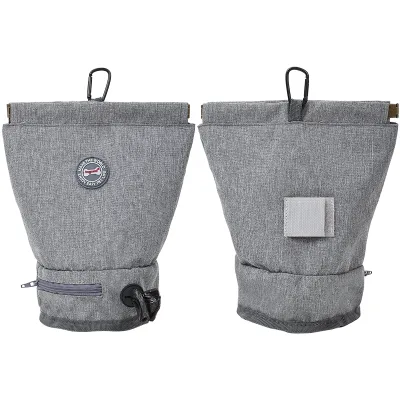
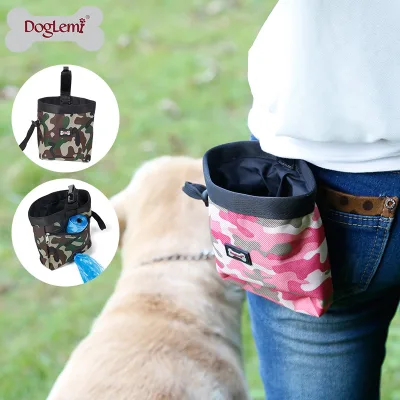
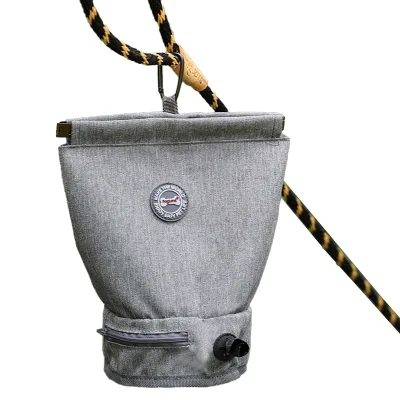
Custom Dog Walking Bag Custom Strap Dog Treat Pouch With Poop Dispenser Dog Training Bag
$2.49 - $2.78
MOQ: 5 pieces
Jinhua Ivy Home Textile Co., Ltd.
- Manufacturer, Trading Company
- Lead time旺季: "1 - 3":15,"4 - 5000":30,"> 5000":"To be negotiated", 淡季: "1 - 3":15,"4 - 5000":30,"> 5000":"To be negotiated"
Main productsPet Cloth Diaper, Pet Carrier Bag, Pet Bed, Storage Bags, Pet Clothes
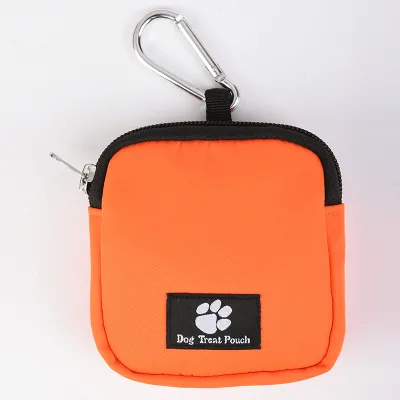
Free Hands Waterproof Dog Waist Bag Outer Going Dog Snack Bag Cat Dog Treat Training Pouch
$1.74 - $2.72
MOQ: 500 pieces
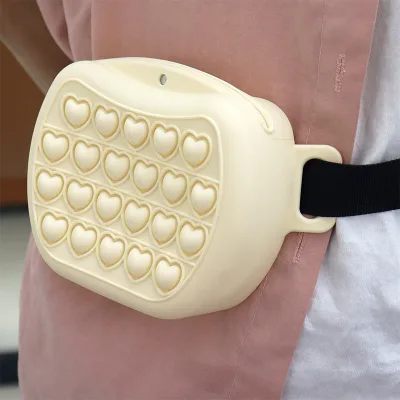
Decompress Silicone Dog Treat Pouch Dog Bags for Walking Treat Pouches for Pet Training
$0.80 - $1.80
MOQ: 1000
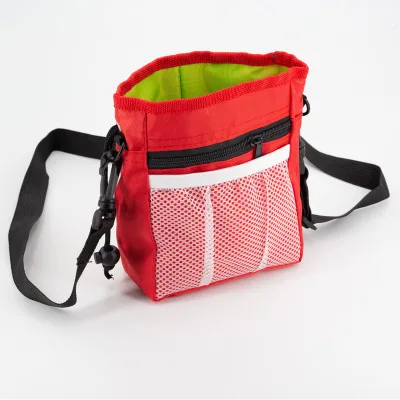
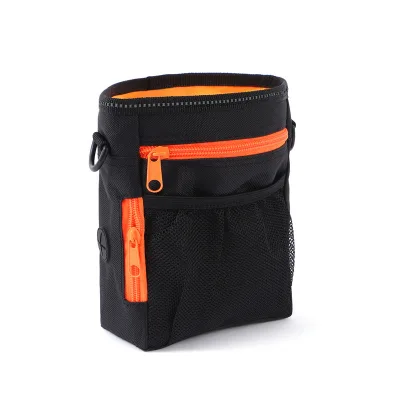
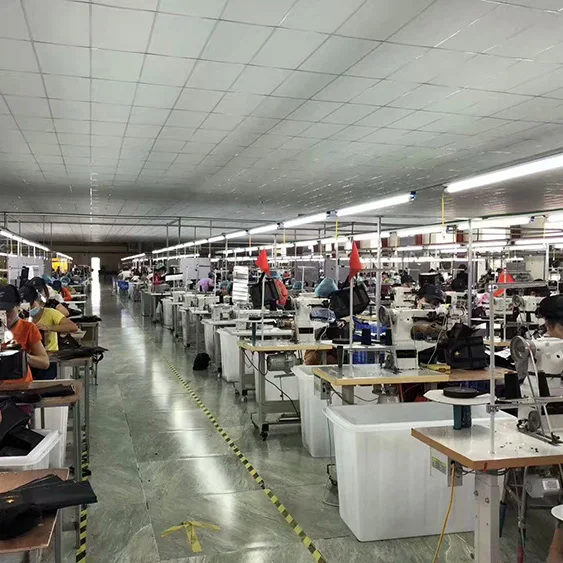
- Manufacturer, Trading Company
- Zhejiang, China
- Lead time7 days
- Avg. response≤ 6h
Main productsPet carrier bag,Toiletry bag,Backpack,Garment bag,Promotional bag
Main marketsNorth America(50.0%), Western Europe(20.0%), South America(20.0%), Eastern Europe(10.0%)
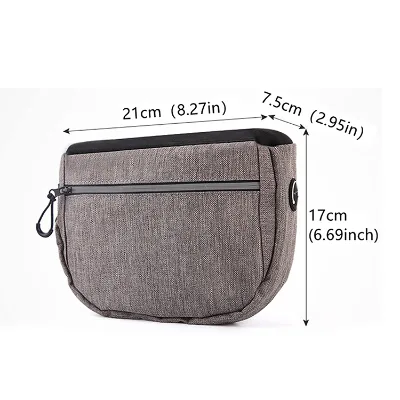
Factory Waterproof Dog Training Food Bags Pet Treat Pouch for Training Bag
$1.90 - $3.90
MOQ: 300 pieces
Dongguan Nibao Outdoor Products Co., Ltd.
- Manufacturer, Trading Company
- Lead time旺季: "1 - 10000":30,"10001 - 50000":35,"> 50000":"To be negotiated", 淡季: "1 - 10000":30,"10001 - 50000":35,"> 50000":"To be negotiated"
- Avg. response≤ 6h
Main productspet collar,pet leash,pet harness,pet car seat cover,outdool products
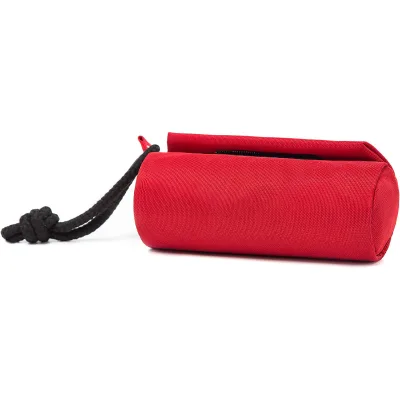
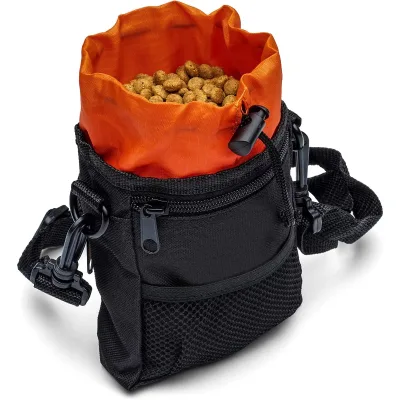
Durable Training Dummy for Treats - Training Pouch for Retrieval Training - Dog Treat Pouch
$1.23 - $6.95
MOQ: 100 Minimum

Shenzhen Sweetpet Pet Product Co., Ltd.
- Trading Company,Manufacturer/Factory
- China Guangdong
- Lead time23 days
- Avg. response≤ 11h
Main productsDog Collar, Dog Leash, Dog Harness, Dog Clothes, Dog Bed, Pet Supply, Pet Accessory, Pet Toys, Pet Bowl, Cat Toys
Main marketsSouth America,Eastern Europe,North America,Oceania,Western Europe

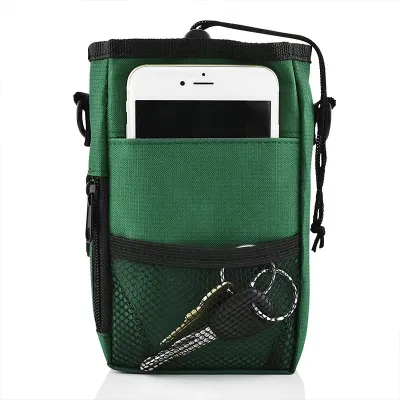
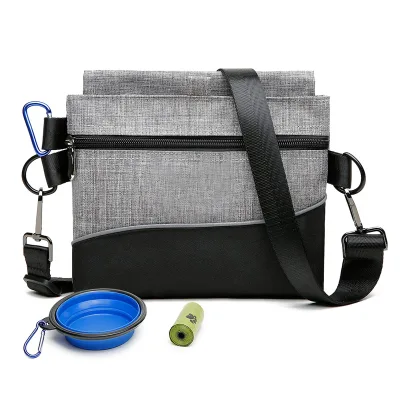
Dog Treat Pouch for Training, Dog Training Treat Pouch with Waist Shoulder Strap
$3.00 - $5.00
MOQ: 100 Pieces


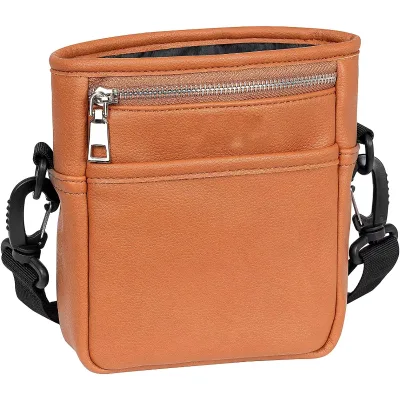
Waterproof Traveling Dog Training Treat Pouch for Carrying Snacks and Toys
$3.00 - $5.00
MOQ: 100 Pieces

- Verified by TUVRHEINLAND
- Trading Company
- China Zhejiang
- Lead time0 days
- Avg. response≤ 11h
Main productsCat Litter Box, Pet Feeder, Pet Toy, Pet Cloth, Pet Bed, Pet Carrier, Storage Bucket, Plastic Storage, Storage Rack, Lunch Box


Custom Durable Dog Treat Bag Adjustable Waterproof Dog Training Food Bags Pet Treat Pouch
$1.75 - $1.91
MOQ: 100 piece

Wholesale Waterproof Pet Snack Bag Adjustable Dog Training Food Bags Pet Treat Pouch
$2.39 - $2.83
MOQ: 100 piece

$1.09 - $1.29
MOQ: 100 piece

High Quality Dog Treat Pouch Waterproof Dog Training Food Bags Pet Snack Bag for Puppy Medium Dogs
$1.36 - $1.61
MOQ: 100 piece

Wholesale Silicone Dog Training Food Bag Portable Waterproof Dog Treat Pouch Pet Snack Bag
$1.09 - $1.29
MOQ: 100 piece

- Verified by SGS
- Trading Company
- China Zhejiang
- Lead time15 days
- Avg. response≤ 12h
Main productsPet Harness, Pet Collar, Pet Leash, Pet Feeder, Pet Carries, Pet Toy, Pet Bed, Pet Grooming, Pet Accessories
Main marketsEurope,Australia

$1.53 - $1.55
MOQ: 200 Pieces

Wholesale Silicone Dog Treat Bag, Portable Dog Treat Snack Pouch for Pet Training Bag
$0.90 - $0.92
MOQ: 300 Pieces

Shengzhou Tuoke Industry and Trade Co., Ltd.
- Verified by SGS
- Trading Company
- China Zhejiang
- Lead time30 days
- Avg. response≤ 3h
Main productsDog Crate, Pet Cages, Pet Playpens, Pet Beds, Pet House, Cat Trees, Cat Scratchers, Dog Collar, Dog Leash, Dog Harness
Main marketsSouth America,Southeast Asia/ Mideast,Europe,Australia

Waterproof Shoulder Bag Dog Treat Pouch with Small Pouch Bag Dog Training Treat Bag
$5.99 - $10.99
MOQ: 100 Pieces

Dog Training Pouch with Dog Poop Bag Dispenser for Hands-Free Dog Walking
$5.99 - $10.99
MOQ: 100 Pieces

Multi-Function Dog Training Treat Pouch Built in Poop Bag Dispenser Dog Walking Bag
$5.99 - $10.99
MOQ: 100 Pieces


Fashion Dog Training Treat Pouch Built in Poop Bag Dispenser Dog Walking Bag
$5.99 - $10.99
MOQ: 100 Pieces

Haining Aini Pet Products Co., Ltd.
- Trading Company
- Zhejiang, China
- Lead time0 days
- Avg. response≤ 6h
Main productsPet Pad,Doghouse,Adult urinal pads,Bibs,Pet training supplies
Main marketsSouth America(25.0%), Southern Europe(15.0%), Eastern Europe(15.0%), Western Europe(15.0%), Northern Europe(10.0%), South Asia(10.0%), Oceania(5.0%), North America(5.0%)

- Verified by CTI
- Manufacturer/Factory
- China Fujian
- Lead time45 days
- Avg. response≤ 6h
Main productsBackpack, Duffle Bag, Cooler Bag, Medical Bag, Canvas Bag, Pet Carrier, Tote Bag, Tool Bag, Makeup Bag, Drawstring Bag
Main marketsSouth America,Eastern Europe,Mid East,North America,Southeast Asia,Eastern Asia,Oceania,Western Europe,Africa

Qingdao Yuanche International Trade Co., Ltd.
- Verified by SGS
- Trading Company,Manufacturer/Factory
- China Shandong
- Lead time15 days
- Avg. response≤ 3h
Main productsPet Supply, Dog Harness, Pet Bed, Pet Toys, Pet Bowl, Pet Grooming Tools, Pet Clothes, Pet Carrier, Pet Cage, Aquarium Supplies
Main marketsSouth America,Eastern Europe,Mid East,North America,Southeast Asia,Eastern Asia,Oceania,Western Europe,Africa

Quanzhou Goyeah Electronic Commerce Co., Ltd.
- Trading Company
- Fujian, China
- Lead time30 days
- Avg. response≤ 4h
Main productsPet Toys,Pet Cleaning Products,Pets Bags,Pet Beds,Pet Lead Ropes
Main marketsNorth America(40.0%), Central America(10.0%), Western Europe(10.0%), Southern Europe(8.0%), Eastern Europe(5.0%), South America(5.0%), Southeast Asia(4.0%), Mid East(4.0%), Northern Europe(3.0%), Oceania(3.0%), South Asia(3.0%), Eastern Asia(3.0%), Africa(2.0%)
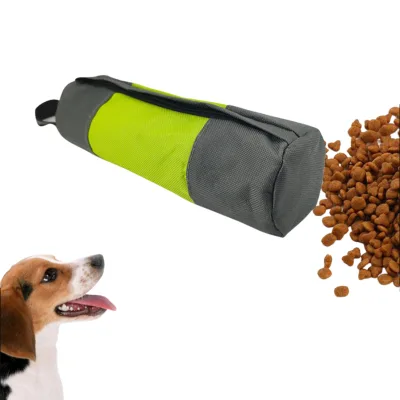
Custom Outdoor Dog Treat Pouch Waterproof Pet Training Treat Bag Dog Dummy
$1.28 - $2.58
MOQ: 500 Minimum
Dongguan Coowone Outdoor Products Co., Ltd.
- Verified by SGS Group
- Manufacturer, Trading Company
- Lead time15 days
- Avg. response≤ 2h
Main productsDog Harness, Pet Harness Set, Dog Leash Collar, Dog Training Bag, Dog Carrier Bag
Main marketsWestern Europe(50%), North America(25%), Oceania(10%)
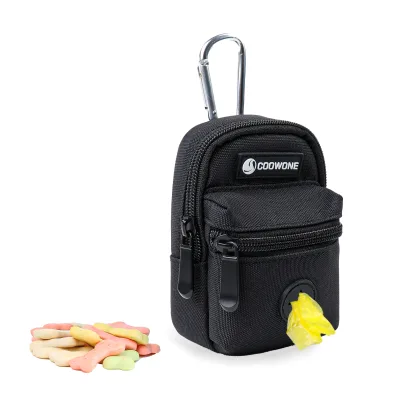
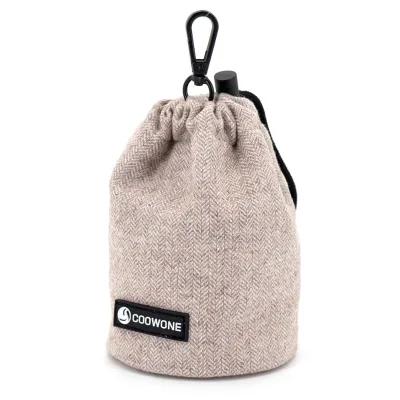
Two Cup Capacity Dog Treat Bag Bucket Shape Snack Pouch for Pet Training Reward Supplies
$1.99 - $2.49
MOQ: 100 bags
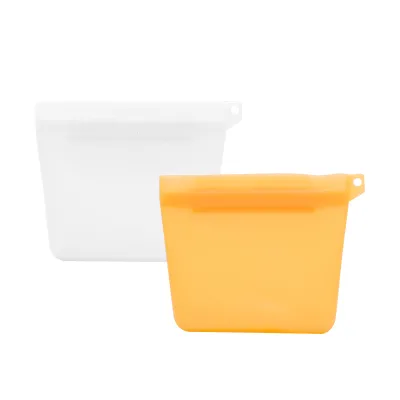

Quanzhou Lingyuan Bags Co., Ltd.
- Verified by SGS
- Combined
- China Fujian
- Lead time45 days
- Avg. response≤ 3h
Main productsSchool Bag, Sports Bag, Trolley Bag, Promotional Bag, Ladies Bag, Backpack, Hiking Backpack, Ski Bag, Hockey Bag, Bike Bag
Main marketsEurope,North America

Dog Food Pouch, Dog Snack Pouch, Pet Training Kit, Pet Training Waist Pouch
$1.00 - $1.60
MOQ: 500 Pieces

Pet Snack Pouch for Dog Walks, Pet Training Waist Bag, Outdoor Dog Training Snack Pouch
$1.00 - $1.60
MOQ: 500 Pieces

$3.50 - $7.80
MOQ: 300 Pieces

Dog Snack Bag, Pet Snack Bag, Dog Training Bag, Pet Training Bag, Pet Training Waist Bag
$3.00 - $3.50
MOQ: 500 Pieces
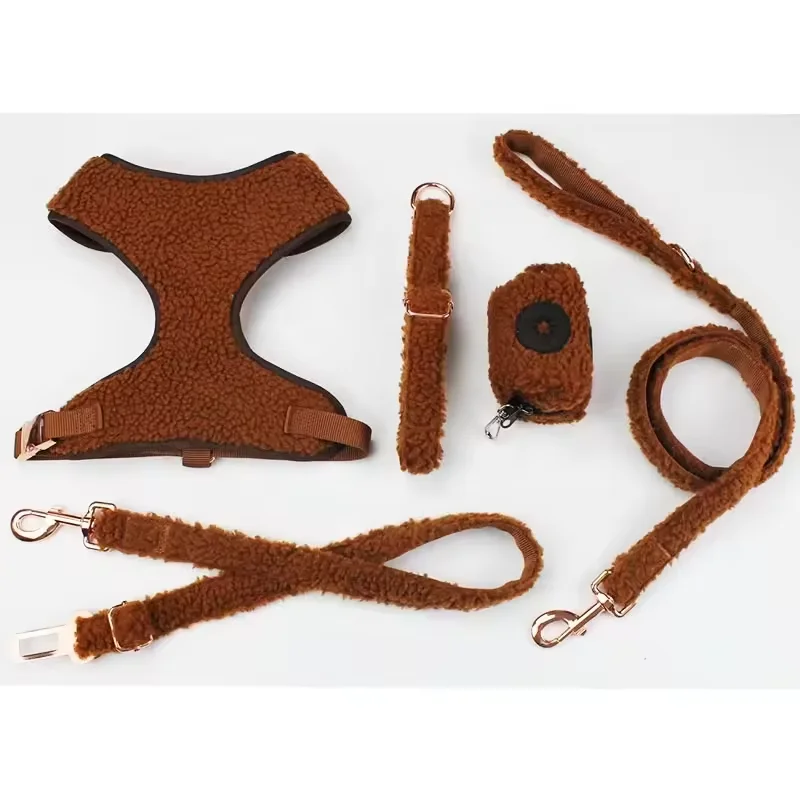
Dongguan Joyful Pet Products Co., Ltd.
- Trading Company
- Guangdong, China
- Lead time15 days
- Avg. response≤ 1h
Main productsDog collar leash harness,Metal buckle and hooks,swivel carabiner,Medals,Metal Craft Medallion
Main marketsNorth America(40.0%), Western Europe(35.0%), Northern Europe(10.0%), Southern Europe(5.0%), Oceania(5.0%), Eastern Europe(5.0%)

Dongguan Altra Pet Products Co., Ltd.
- Verified by CTI
- Combined
- China Guangdong
- Lead time15 days
- Avg. response≤ 9h
Main productsDog Collar, Dog Leash, Polyurethane Dog Collar, PVC Dog Collar, PVC Coated Webbbing, Polyurethane Coated Webbing, Horse Bridle and Halter, Football Chin Strap, Gait Belt
Main marketsEurope,North America


Custom Logo Outdoor Travel Walking Food Carries Pet Dog Snack Treat Pouch Training Bag
$3.20 - $5.99
MOQ: 50 Pieces

$3.50 - $5.90
MOQ: 100 Pieces

$0.90 - $5.99
MOQ: 50 Pieces

Dongguan Henshine Sport Products Co., Ltd.
- Verified by TüVRheinland
- Manufacturer, Trading Company
- Lead time7 days
- Avg. response≤ 5h
Main productsPet Products, Webbing
Main marketsNorth America(30%), Oceania(30%), Eastern Europe(8%)
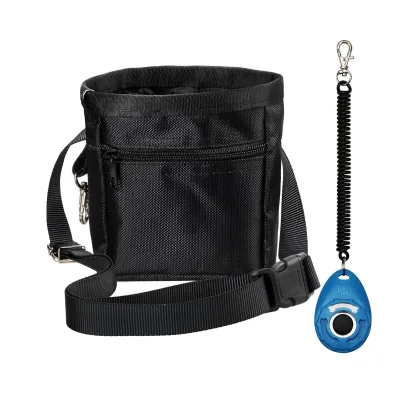
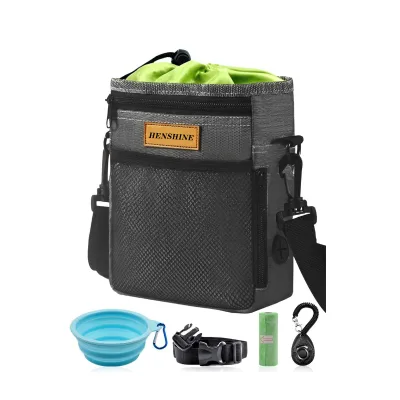
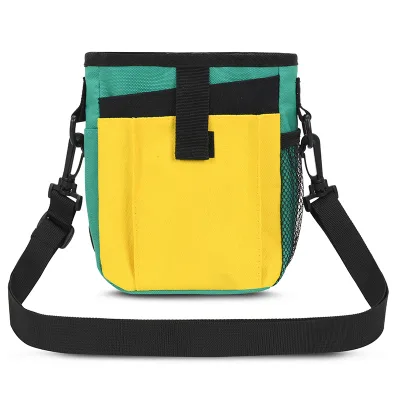
Hot Selling Outdoor Easily to Bring Dog Treat Training Pouch With Waist Belt and Shoulder Strap
$4.50 - $6.50
MOQ: 100 pieces

Xiamen Papler Technology Co., Ltd.
- Verified by TUVRHEINLAND
- Manufacturer/Factory
- China Fujian
- Lead time30 days
- Avg. response≤ 6h
Main productsRubber Molding, CNC Machining, Mould, Plastic Injection Molding, Metal Fabrication, Metal Stamping
Main marketsSouth America,Eastern Europe,Mid East,North America,Southeast Asia,Eastern Asia,Oceania,Western Europe,Africa
Hunan Coowone Trading Co., Ltd.
- Verified by SGS Group
- Manufacturer, Trading Company
- Lead time15 days
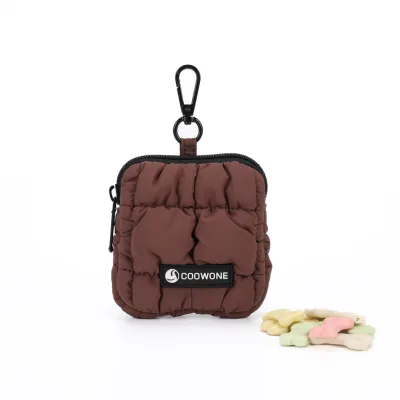
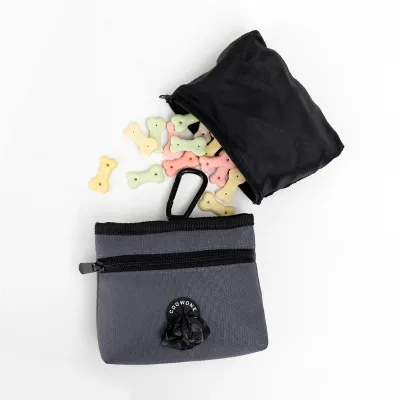
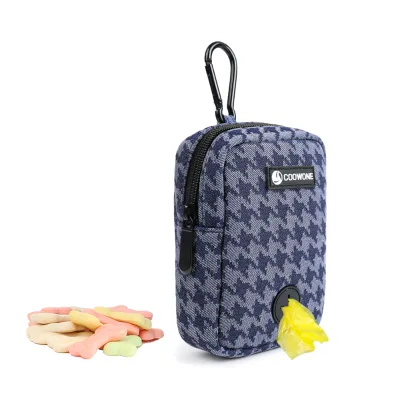
Main productsPet Leash, Pet Harness, Waist Bag, Pet Training Bag, Pet Accessories
Main marketsWestern Europe(35%), North America(30%), Oceania(20%)
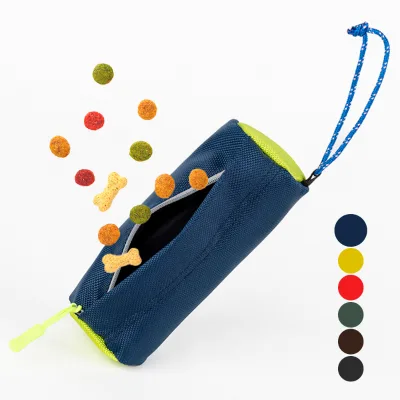
$1.50 - $2.44
MOQ: 50 pieces
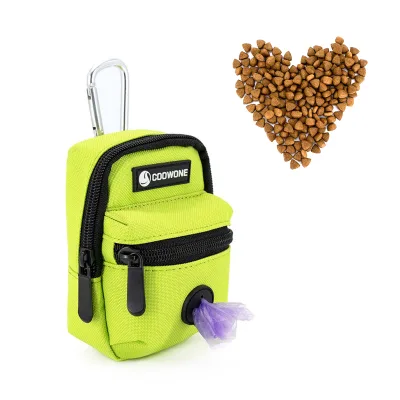
Dongguan Yangtai Silicone Products Co., Ltd
- Verified by SGS
- Combined
- China Guangdong
- Lead time15 days
- Avg. response≤ 3h
Main productsSilicone Bag, Silicone Pencil Case, Silicone Products, Silicone Kitchenware, Silicone Toys, Silicone Mold, Silicone Tap Night Light, Silicone Gift
Main marketsDomestic

Tianjin Maynas International Trade Co.,Ltd
- Verified by SGS
- Trading Company
- China Tianjin
- Lead time15 days
- Avg. response≤ 10h
Main productsPet Stroller, Pet Bed, Pet Toy, Cat Tree, Pet Carrier Bag, Pet Bowl, Pet Collar, Pet Harness & Leash, Pet Cage, Pet Grooming
Main marketsSoutheast Asia/ Mideast,Europe,North America
Quanzhou Staray Import & Export Co., Ltd.
- Verified by TUVRHEINLAND
- Trading Company,Manufacturer/Factory
- China Fujian
- Lead time45 days
- Avg. response≤ 1h
Main productsBags, Backpack, Outdoor Bag, Hiking Backpack, Travel Bag, Pet Bag, Diaper Bag, Laptop Bag, School Bag, Dry Bag
Main marketsSouth America,Eastern Europe,Mid East,North America,Southeast Asia,Eastern Asia,Oceania,Western Europe,Africa


Water & Stain-Resistant Training Pouch Dog Treat Pouch Sport with Divided Treat Pocket
$3.28 - $4.38
MOQ: 300 Pieces

Dongguan Petisland Pet Product Co., Ltd.
- Verified by CTI
- Manufacturer/Factory
- China Guangdong
- Lead time23 days
- Avg. response≤ 2h
Main productsDog Collar, Dog Leash, Dog Harness, Dog Clothes, Dog Toy, Dog House, Dog Bed, Dog Product
Main marketsSouth America,Eastern Europe,Mid East,North America,Southeast Asia,Eastern Asia,Oceania,Western Europe,Africa

Velvet Dog Treat Bag with Poop Bag Holder Dispenser Portable Pet Snack Training Pouch Tote
$2.10 - $2.50
MOQ: 50 Pieces


Shenzhen Kingod Silicone Products Co., Ltd
- Verified by TUVRHEINLAND
- Combined
- China Guangdong
- Lead time15 days
- Avg. response≤ 2h
Main productsBaby Set, Baby Products, Baby Goods, Breast Pump, Face Mask, Baby Bottle, Medical Components, Phone Case, Silicone Kitchen Products, Toys
Main marketsNorth America

Dongguan Changrong Handbag Co., Ltd.
- Verified by SGS
- Trading Company,Manufacturer/Factory
- China Guangdong
- Lead time30 days
- Avg. response≤ 3h
Main productsCanvas Bag, Leather Bag, Golf Bag, Custom Canvas Bag, Sports Golf Bag, Canvas Suit Bag, Canvas Tote Bag, Canvas Travel Bag, Canvas Backpack, Canvas Shoulder Bag
Main marketsSouth America,Eastern Europe,Mid East,North America,Southeast Asia,Eastern Asia,Oceania,Western Europe,Africa


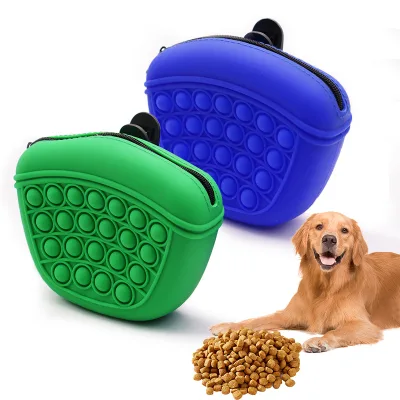



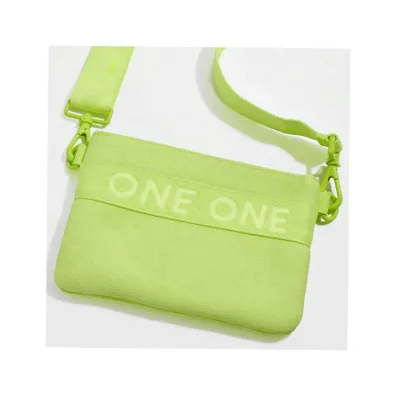


Comprehensive Sourcing Guide
Dog Training Treat Pouch Supplier Concentration and Factory Types
Current data indicates a concentration of manufacturing activity in China, specifically within the Fujian and Shanghai regions. Suppliers in these areas list diverse main products ranging from sports bags and outdoor gear to specialized pet training equipment and aircraft ground support machinery. This clustering suggests that factories in Fujian often operate as trading companies or manufacturers capable of producing custom bags, while Shanghai-based entities may focus on agility training products alongside broader logistics equipment. Buyers should verify if a specific factory's primary output aligns with their volume needs, as some facilities list both pet supplies and heavy industrial equipment, indicating a diversified production line rather than a specialized niche.
The supplier landscape includes a mix of trading companies and direct manufacturers, each offering different capabilities regarding customization and brand development. Many listed entities support OEM and ODM services, allowing for the creation of own brands or private label products. Some suppliers explicitly state their capacity for custom logos and specific material choices, such as polyester or canvas, which is critical for buyers seeking unique product differentiation. When evaluating these entities, it is essential to distinguish between a pure trading firm that aggregates goods and a factory that controls the production process, as this distinction impacts lead times and the ability to implement complex design changes for dog training pouches.
How to Verify Dog Training Treat Pouch Suppliers
Verification of supplier credibility relies heavily on third-party audit reports and system certifications rather than self-declared claims. Available data shows that certain suppliers hold BV verification status, while others are verified by CTI, providing an external layer of trust regarding their business operations. Additionally, system certifications such as BSCI, ISO 9001, SA 8000, SEDEX, and ISO 14001 are present in the records, indicating adherence to specific social, environmental, and quality management standards. Buyers must confirm that these certifications are current and applicable to the specific product line being sourced, as a factory certified for aircraft equipment may have different quality controls than one producing soft pet accessories.
Response time and sample availability serve as practical indicators of a supplier's operational readiness and communication efficiency. The observed response times vary, with some suppliers showing a metric of 4.70 and others at 5.30, which may reflect the speed of initial engagement or the complexity of the inquiry. Furthermore, sample charges and sample times, such as a five to seven-day turnaround for specific models, provide concrete data on how quickly a buyer can evaluate product quality before committing to a large order. It is crucial to request samples to verify attributes like material hardness, closure mechanisms, and waterproofing, ensuring the physical product matches the digital description before proceeding with any commercial agreement.
What to Compare Across Dog Training Treat Pouch Suppliers
Comparing suppliers requires a detailed analysis of minimum order quantities, pricing structures, and production lead times to ensure alignment with business goals. The data reveals significant variation in MOQs, with some suppliers requiring 500 pieces while others accept orders as low as 300 pieces. Pricing also fluctuates based on specifications, with ranges observed from approximately 2.80 to 5.99 per unit depending on the model and customization level. Buyers should calculate the total landed cost by factoring in these unit prices alongside potential sample charges, which can be as high as 50 USD, to determine the true cost of entry for different supplier tiers.
Lead times and capacity for customization are equally critical factors when selecting a partner for mass production. The recorded lead times span from 45 to 60 days, a difference that can significantly impact inventory planning and market responsiveness. Suppliers offering OEM and ODM services often have distinct production schedules compared to those selling standard stock items. Additionally, the ability to customize features such as shape, material, and closure types varies; some products are listed as having soft hardness and zipper closures, while others offer magnetic closures or specific dimensions. Buyers must match their specific product requirements with the supplier's stated capabilities to avoid delays or compromised product quality.
Common Dog Training Treat Pouch Sourcing Risks
One primary risk involves the discrepancy between advertised product attributes and the actual delivered goods, particularly regarding material composition and durability. While some listings specify polyester or canvas waterproof materials, others explicitly state that the product is not waterproof, creating potential confusion for buyers expecting specific performance characteristics. The variation in product standards, such as different package sizes and gross weights, further complicates the assessment of quality consistency. Buyers must rigorously test samples to confirm that the "Eco-Friendly" or "Durable" claims align with the physical reality of the item, especially when the product is intended for outdoor use or heavy training sessions.
Another significant risk is the potential for misalignment in supply chain logistics and certification validity. Although some suppliers list certifications like ISO or BSCI, the scope of these certifications may not cover the specific manufacturing processes for pet accessories. Furthermore, the presence of diverse main products, such as airport stairs or horse carriages, alongside dog training pouches, suggests that the core competency of the factory might not be specialized in pet gear. This diversification can lead to quality control issues if the production line is not dedicated to the specific needs of the pet industry. Buyers should verify that the supplier's primary focus includes the specific category of pet training supplies to mitigate the risk of receiving substandard or mismatched inventory.
Dog Training Treat Pouch Regional Sourcing and Logistics
Sourcing from China, specifically the Fujian and Shanghai regions, offers distinct logistical advantages and challenges that buyers must navigate. Fujian-based suppliers often produce a wide array of bag types, including cooler bags and diaper bags, which may share similar manufacturing techniques with dog treat pouches. In contrast, Shanghai suppliers may leverage their proximity to major ports for exporting specialized agility training equipment and aircraft-related goods. The origin of the product, whether listed as Fujian or Shanghai, influences the shipping routes and transit times, which are critical for maintaining inventory levels. Buyers should assess the specific port of loading for each supplier to optimize freight costs and delivery schedules.
Logistics planning must also account for the specific packaging standards and dimensions provided by the supplier. Product attributes indicate varying package sizes, such as 25x17x2cm or 22x22x3cm, which directly impact container loading efficiency and shipping costs. The use of standard packing methods like PP bags and master cartons is common, but some suppliers offer customized packing solutions that may incur additional fees. Understanding these packaging details is essential for calculating the total volume and weight of the shipment, ensuring that the freight forwarder can accurately quote rates. Buyers should request detailed packing lists to verify that the goods will be protected during transit and that the packaging meets any destination-specific import requirements.
Dog Training Treat Pouch Commercial Terms and Order Planning
Commercial terms regarding payment, samples, and order planning are fundamental to establishing a successful sourcing relationship. Sample charges, such as the 50 USD fee observed for certain models, are often non-refundable but can be deducted from the final order value if the buyer proceeds. The sample time of five to seven days allows for a quick evaluation cycle, but buyers must factor this into their overall project timeline. Additionally, the availability of customization options, including logos and specific materials, often requires a separate negotiation phase to determine the cost implications and production feasibility. Clear communication of these terms prevents misunderstandings and ensures that both parties are aligned on the financial and operational expectations.
Order planning must consider the minimum order quantities and the potential for volume discounts to maximize profitability. With MOQs ranging from 300 to 500 pieces, buyers need to assess their sales forecasts to determine the optimal order size that balances inventory costs with cash flow. The lead times of 45 to 60 days necessitate advanced planning, especially for seasonal products or time-sensitive marketing campaigns. Buyers should also verify the warranty or guarantee periods, such as the one-year guarantee mentioned for specific agility pouches, to understand the after-sales support provided. By carefully analyzing these commercial terms, buyers can structure their orders to minimize risk and ensure a steady supply of high-quality dog training treat pouches.
FAQs
What is the typical lead time for dog training treat pouches?
The typical lead time for these products is 60 days based on current supplier data. Some manufacturers in Shanghai offer a faster 45-day turnaround for specific agility training pouches. Buyers should confirm exact delivery schedules with the supplier before placing orders.
What are the minimum order quantities for custom treat bags?
Minimum order quantities vary by product, ranging from 300 pieces to 500 pieces. Specific models like the GW-DT21 require 500 pieces, while other durable options start at 300 pieces. Customization is available for these quantities, but buyers must verify the exact MOQ for their selected design.
Which certifications do suppliers hold for pet training products?
Suppliers hold various certifications including BSCI, ISO 9001, SA 8000, and SEDEX. Some specific products also list ISO and TUV certifications. Buyers should request current certification documents to ensure compliance with their regional safety and ethical standards before finalizing any purchase agreement.
Where are the manufacturers of these treat pouches located?
Manufacturers are primarily located in Fujian and Shanghai, China. Fujian suppliers specialize in sports and outdoor bags, while Shanghai facilities focus on agility training equipment. Buyers can filter results by these specific regions to find suppliers with the desired logistical advantages.
What materials are used for waterproof dog treat pouches?
Materials include polyester, canvas waterproof, and inner 210d polyester. Some products feature soft polyester interiors with zipper closures. Buyers should check specific product attributes to confirm waterproof claims, as not all listed pouches are fully waterproof.
What is the price range for wholesale dog treat bags?
Wholesale prices range from 2.80 to 5.99 USD per unit depending on the model and customization. Basic polyester pouches start at the lower end, while specialized waterproof or magnetic closure bags cost more. Final pricing depends on the order quantity and specific material requirements.
Do suppliers offer OEM and ODM services for these bags?
Yes, most suppliers accept OEM and ODM requests for custom branding and designs. Custom logos and specific material choices are available for orders meeting the minimum quantity. Buyers should discuss their specific design needs directly with the supplier to confirm feasibility and additional costs.