L-Shape Modern Aluminum Floating Shelves Suppliers and Manufacturers
Source L-Shape Modern Aluminum Floating Shelves from 21 verified suppliers in China. Compare response times, certifications like ISO 9001, and MOQs to find the right factory for your needs. Start your sourcing process today; review the available evidence before requesting comparable quotations from suitable candidates.
Suppliers List

Shenzhen Thomas Homeware Co., Limited
- Verified by BV
- Manufacturer/Factory
- China Guangdong
- Lead time0 days
- Avg. response≤ 9h
Main productsWall Shelf, Wine Bottle Rack, Display Shelf, Towel Rack, Metal Basket, Spice Rack, Wine Rack, Anti-Slip Mat, Shower Curtain, Window Curtain
Main marketsEastern Europe,North America


Custom Modern Decorative Metal Wall Shelves Floating Book Storage Shelf Organizer
Contact supplier
MOQ: 10000 Pieces


Floating Shelves for Wall Storage, Floating Bookshelf Set of 3 for Living Room Decor
Contact supplier
MOQ: 1000 Pieces

- Verified by BV
- Manufacturer/Factory
- China Zhejiang
- Lead time30 days
- Avg. response≤ 3h
Main productsBrush Cutter, Tiller, Garden Equipment, Chain Saw, Bike Rack, Motorcycle Lift, Furniture, Hooks, Garage Rack, Storage Bin
Main marketsSouth America,Eastern Europe,Mid East,North America,Southeast Asia,Eastern Asia,Oceania,Western Europe,Africa

Cangzhou Futong Precision Manufacturing Co., Ltd
- Verified by BV
- Combined
- China Hebei
- Lead time15 days
- Avg. response≤ 4h
Main productsMetal Stamping, Sheet Metal Fabrication, Stamping Parts, Sheet Metal Bracket, Timber Connection Hardware, Joist Hanger, Gang Nail Plate, Pergola Bracket, Floating Shelf Brackets, Cable Tray
Main marketsEast Asia(Japan/ South Korea),Europe,Australia,North America


Creative Metal Floating Bookshelf Steel Bookcase Living Room Furniture Book Shelves
$1.99 - $3.99
MOQ: 200 Pieces

Floating Book Shelves for Wall, Steel Constructed Hidden Bookshelf with Mounting Hardware
$1.99 - $3.99
MOQ: 200 Pieces

Shandong Xinxiangbiao International Trade Co., Ltd.
- Verified by CTI
- Trading Company
- China Shandong
- Lead time30 days
- Avg. response≤ 5h
Main productsWelding Machine
Main marketsSoutheast Asia/ Mideast
Wenzhou Xybp Cultural Supplies Co., Ltd.
- Verified by SGS
- Combined
- China Zhejiang
- Lead time30 days
- Avg. response≤ 4h
Main productsAcrylic Photo Frame, Acrylic Display Stand, Acrylic Display, Acrylic Ornaments, Acrylic Sign Holder, Acrylic Box
Main marketsSoutheast Asia/ Mideast,Europe,North America

CAO COUNTY DAWANG ARTS AND CRAFTS CO., LTD.
- Verified by TUVRHEINLAND
- Manufacturer/Factory
- China Shandong
- Lead time23 days
- Avg. response≤ 23h
Main productsWooden Cabinet, Iron Furniture, Wall Shelf
Main marketsEastern Europe,North America,Western Europe
Shanghai Welland Home and Living Company Limited
- Verified by SGS
- Trading Company
- China Shanghai
- Lead time30 days
- Avg. response≤ 4h
Main productsTable, Stool, Chair, Wall Shelf, Wall Hook, Home Decor, Wood Vent, Cabinet, Storge Holder, Garden Furniture
Main marketsSoutheast Asia/ Mideast,Europe

Guangzhou Sunrry Kitchen Equipment Co., Ltd.
- Verified by CTI
- Trading Company,Manufacturer/Factory
- China Guangdong
- Lead time30 days
- Avg. response≤ 3h
Main productsCommercial Kitchen Solutions, Turnkey Kitchen Solutions, Catering Equipment, Restaurant Equipment, Commercial Refrigeration Equipment, Commercial Bakery Equipment, Commercial Cooking Equipment, Stainless Steel Equipment, Commercial Food Prep Equipment, Commercial Kitchen Equipment
Main marketsSouth America,Eastern Europe,Mid East,North America,Southeast Asia,Eastern Asia,Oceania,Western Europe,Africa

Shanghai Wallis Technology Co., Ltd.
- Verified by BV
- Trading Company
- China Shanghai
- Lead time30 days
- Avg. response≤ 5h
Main productsPet Sheet / Film, PVC Sheet /Film, Acrylic Sheet, PVC PC Pet Card, RFID Card or Tag, Blister Packing
Main marketsSoutheast Asia/ Mideast,Europe

Xiamen Chengfengxin Industry & Trade Co., Ltd.
- Verified by BV
- Trading Company
- China Fujian
- Lead time23 days
- Avg. response≤ 14h
Main productsBamboo Cutting Board, Bamboo Bathtub Rack Caddy, Bamboo Tablet Computer Desk, Bamboo Kitchenwares Holder Organization, Bamboo Home Storage, Home Office Collection, Eco-Friendly Kitchen Products, Bamboo Kitchen Tools, Bamboo Diffuser, Eco-Friendly Green Products
Main marketsSoutheast Asia/ Mideast,Europe,Australia,North America

Xuzhou Risen Industry and Supply Co., Ltd
- Verified by TUVRHEINLAND
- Trading Company
- China Jiangsu
- Lead time30 days
- Avg. response≤ 3h
Main productsHousehold Adornment, Household Supplies, Home Decoration, Compressed Sofa, Dining Furniture, Bothroom Organizer, Kitchen Storage, Glass Ornaments, Ceramic Tableware, Home Fragrance
Main marketsSouth America
Anhui Yageli Display Co., Ltd.
- Verified by TüVRheinland
- Manufacturer, Trading Company
- Lead time15 days
- Avg. response≤ 4h
Main productsAcrylic Display, Acrylic Box, Acrylic Sheet, Acrylic Stand, Acrylic Organizer
Main marketsNorth America(40%), South America(30%), Western Europe(30%)
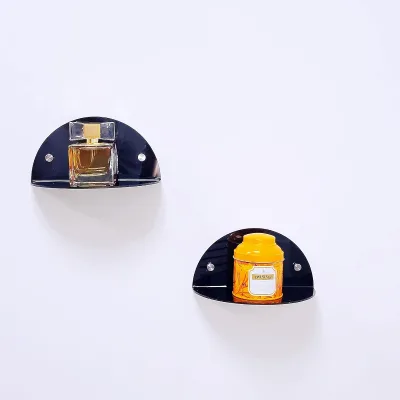
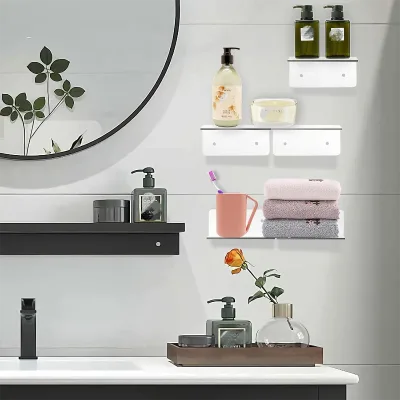
Food Grade Non Toxic Certified Seamless clear Acrylic Floating Shelves for Stand
$12.99 - $13.99
MOQ: 50
- Verified by SGS
- Trading Company
- China Zhejiang
- Lead time15 days
- Avg. response≤ 15h
Main productsMop, Kitchen Knife, Chopping Board, Blanket, Mosquito Net, Cushion, Slipper, Broom, Luggage, Educational Toy
Main marketsEurope,Australia

Rustic Wall Rack Floating Wall Shelves Kitchen Storage Wall Mounted Floating Shelves
$3.44 - $3.48
MOQ: 287 Pieces


Qingdao Xiangshun Intelligent Equipment Co., Ltd.
- Verified by SGS
- Combined
- China Shandong
- Lead time30 days
- Avg. response≤ 8h
Main productsShelving, Rack, Workbench, Boltless Shelving, Rivet Shelving, Corner Shelving, Garage Shelving, Steel Shelving
Main marketsDomestic

Modern Design Living Room Shelve Corner Floating Shelves for Kitchen Bathroom & Living Room
$10.00 - $20.00
MOQ: 300 Pieces

Modern Design 3-Tier Shelve Corner Floating Shelves for Hotels & Restaurants
$10.00 - $20.00
MOQ: 300 Pieces

Modern Design Home Bedroom Corner Storage Cabinet Shelve Corner Floating Shelves for Storage
$10.00 - $20.00
MOQ: 300 Pieces
Jieyang Youjiang Precision Manufacturing Co., Ltd.
- Verified by SGS
- Combined
- China Guangdong
- Lead time30 days
- Avg. response≤ 6h
Main productsFolding Braket/Hardware Products
Main marketsDomestic


Stylish Metal Shelf Bracket for Floating Shelves and Storage Shelf Bracket
$0.69 - $6.80
MOQ: 5000 Pieces
TAIAN TOPPOUND INTERNATIONAL TRADING CO., LTD.
- Verified by TUVRHEINLAND
- Combined
- China Shandong
- Lead time45 days
- Avg. response≤ 4h
Main productsChair, Side Table, Flower Planter Stand, Home Decoration, Candle Holders and Lantern, Shelves, Mirror, Planter Pot, Christmas Decoration, Natural Baskets and Storage
Main marketsSouth America,Europe,North America

Free-Floating Wall Shelves Modern Floating Shelf for Decorations Shelves for Walls Various Layouts
$4.10 - $5.30
MOQ: 200 Pieces

Quanzhou Anxi Jiangou Home Furnishing Co., Ltd
- Verified by SGS
- Trading Company
- China Fujian
- Lead time0 days
- Avg. response≤ 7h
Main productsStorage Rack, Dog Crate, Wine Rack, Table Leg, Wall-Mounted Shelf, Clothing Rack, Plant Stand

Adidea (Xiamen) Industry And Trade Co., Ltd.
- Trading Company
- China Fujian
- Lead time30 days
- Avg. response≤ 19h
Main productsMetal Display Shelf, Display Stand, Metal Display Rack, MDF Display Showcase, Solid Wood Display Stand, Acrylic Display Stand, Supermarket Display Shelves, Wine Beverage Food Display Rack, Garment Bag Shoe Jewelry Display Stand, Tile Stone Granite Quartz Mosaic Display Stand
Main marketsSoutheast Asia/ Mideast,Europe,North America

Natural Wood Floating Shelves Wood Floating Shelves for Wall Set of Wood Shelves for Living Room
$7.00 - $9.00
MOQ: 100 Pieces

Folding Wood Floating Shelves for Wall Decor Display Shelves for Living Room Food Storage Holder
$7.00 - $10.00
MOQ: 100 Pieces

Hebei Jinmai Casting Co., Ltd.
- Trading Company,Manufacturer/Factory
- China Hebei
- Lead time45 days
- Avg. response≤ 10h
Main productsMalleable Iron Pipe Fitting, Pipe Products, Pipe Nipple, Gi Fitting, Pipe Fitting, DIY Pipe Fitting, Cast Iron Pipe Fitting, Pipe Clothes Shelf, Pipe Wall Rack
Main marketsSouth America,Eastern Europe,Mid East,North America,Southeast Asia,Eastern Asia,Oceania,Western Europe,Africa

Industrial Pipe Shelf with Rustic Metal Floating Bar Shelves Wall Shelf
$65.00 - $70.00
MOQ: 100 Pieces


$45.00 - $48.00
MOQ: 10 Pieces

$33.00 - $39.90
MOQ: 5 Pieces

$29.90 - $35.90
MOQ: 5 Pieces
Zhangzhou More Star Furniture Co., Ltd.
- Verified by TUVRHEINLAND
- Manufacturer/Factory
- China Fujian
- Lead time60 days
- Avg. response≤ 8h
Main productsCoffee Table, Bunk Bed, Bookshelf, TV Stand, Computer Desk, Kitchen Cabinet, Wardrobe, Display Rack, Dining Table, Kitchen Cart
Main marketsMid East,North America,Southeast Asia,Western Europe

Cao County Jiusi Woods Co., Ltd.
- Verified by SGS
- Manufacturer/Factory
- China Shandong
- Lead time23 days
- Avg. response≤ 6h
Main productsEdge Glued Board, Finger Joint Board, Wood Bed Slats, Plywood, Block Board, Wood Breaking Board, Carbonized Wood Board, Wood Crafts, Wood Wall Panel, Varnished Wood Board
Main marketsSouth America,Eastern Europe,Mid East,North America,Southeast Asia,Eastern Asia,Oceania,Western Europe,Africa


Comprehensive Sourcing Guide
L-Shape Modern Aluminum Floating Shelves Supplier Concentration and Factory Types
The current supplier data indicates a concentration of manufacturing capabilities within China, specifically highlighting Guangdong and Zhejiang provinces as key operational hubs. Fact records show suppliers in Guangdong listing main products that include metal baskets, display shelves, and various wall-mounted storage solutions, while Zhejiang-based entities focus on furniture and home storage organization. These regions host a mix of manufacturer and factory types capable of handling OEM and ODM requests, which is critical for sourcing custom aluminum profiles. Buyers should verify if a specific facility possesses the extrusion and finishing capabilities required for aluminum floating shelves, as general furniture manufacturers may lack specialized metalworking equipment.
When assessing factory types, the distinction between pure manufacturers and trading companies is vital for quality control and pricing. The available facts confirm that some suppliers operate as Manufacturer/Factory entities with verified status from third-party agencies like BV, suggesting a direct production relationship. However, not all listed suppliers explicitly state their primary material focus; some list wood or composite materials alongside metal items. Buyers must confirm that the specific factory unit handling the order has the capacity to produce aluminum components, as a supplier listing "Wall Shelf" as a main product might primarily source metal parts from external vendors rather than fabricating them in-house.
How to Verify L-Shape Modern Aluminum Floating Shelves Suppliers
Verification of supplier credibility relies heavily on checking for third-party audit reports and system certifications that align with metalworking standards. The observed data includes suppliers holding BSCI, ISO 9001, and ISO 14001 certifications, which indicate adherence to quality management and environmental standards. Buyers should specifically request evidence of CIQ certification or similar export compliance documents for aluminum products, as the product evidence shows some items already carrying this mark. It is essential to confirm that the certification covers the specific aluminum alloy and surface treatment processes used for floating shelves, rather than just general factory compliance.
Response time and verification status provide immediate indicators of supplier reliability and operational readiness. The data shows response times ranging from approximately 2 hours to over 8 hours, with some suppliers marked as verified by BV. A faster response time often correlates with a more active sales team and better communication channels, which is crucial for resolving technical queries about aluminum thickness or mounting hardware. Buyers should prioritize suppliers with verified badges and documented response metrics, ensuring that the communication channel remains open for detailed discussions on custom specifications like anodizing colors or load-bearing capacities before placing any order.
What to Compare Across L-Shape Modern Aluminum Floating Shelves Suppliers
Comparing suppliers requires a detailed analysis of minimum order quantities, lead times, and pricing structures to ensure alignment with project budgets. The product evidence reveals significant variation in MOQs, with some listings requiring 1,000 units while others accept orders as low as 100 or 50 pieces. Lead times also differ, with some suppliers indicating a 30-day production window while others show zero days, which may imply stock availability or a need for clarification on actual manufacturing duration. Buyers must calculate the total cost of ownership by factoring in these MOQ constraints and potential expedited shipping fees if the lead time is longer than anticipated.
Material composition and customization options are critical comparison points for aluminum floating shelves. The data indicates that while some products are made of iron or wood, others specify composite materials or metal alloys. Buyers need to verify if the "Metal" designation specifically refers to aluminum and whether the supplier offers customization for dimensions, finishes, or bracket designs. The presence of "Customization: Available" across multiple listings suggests flexibility, but the specific capabilities for aluminum extrusion must be confirmed. Additionally, comparing the provided product attributes, such as layer count and folding status, helps determine if the supplier can meet the specific structural requirements of a modern L-shape design.
Common L-Shape Modern Aluminum Floating Shelves Sourcing Risks
One primary risk involves the discrepancy between advertised materials and actual product composition, particularly when suppliers list generic terms like "Metal" or "Composite Material." The observed product attributes show a mix of wood, iron, and composite materials, which may not meet the specific requirements for aluminum floating shelves. Buyers face the risk of receiving products that do not match the intended aesthetic or structural performance if the material specification is not rigorously defined in the purchase agreement. It is imperative to request material test reports or mill certificates to confirm the aluminum grade and ensure the product is not a lower-cost alternative disguised as aluminum.
Another significant risk relates to the variability in production capacity and the ability to handle custom orders at scale. While some suppliers list OEM and ODM capabilities, the actual capacity to produce complex L-shape aluminum profiles may be limited. The data shows some suppliers have a "Zero" lead time, which could indicate a drop-shipping model or a lack of in-house manufacturing for custom metal items. If a supplier cannot demonstrate a proven track record with aluminum extrusion, there is a risk of production delays or quality inconsistencies. Buyers should verify the supplier's history with similar metal projects and ensure they have the necessary machinery for precision cutting and finishing.
L-Shape Modern Aluminum Floating Shelves Regional Sourcing and Logistics
Sourcing from China, specifically the Guangdong and Zhejiang regions, offers access to established supply chains for metal and furniture components. The data confirms that product origins are listed as Shenzhen, China, or generally as China, indicating that logistics will likely originate from these coastal manufacturing hubs. Buyers should be aware that shipping aluminum shelves, which can be heavy and prone to scratching, requires careful packaging and freight selection. The product evidence mentions "Carton" and "Carton Packing" as standard packaging methods, but for aluminum, additional protective measures like corner guards or foam wrapping may be necessary to prevent damage during transit.
Logistics planning must account for the specific dimensions and weight of the aluminum shelves to optimize freight costs. The product attributes provide standard sizes, such as 32x13.5x15.2cm or 17"D x 6"W x 1.5"H, which are useful for calculating container utilization. However, buyers should verify if the quoted prices include freight or if they are based on EXW or FOB terms, as this significantly impacts the final landed cost. The response times and lead times observed suggest that production scheduling should be coordinated well in advance to avoid delays in shipping. Buyers should also consider the impact of regional port congestion and seasonal shipping rates when planning their inventory replenishment cycles.
L-Shape Modern Aluminum Floating Shelves Commercial Terms and Order Planning
Commercial terms for aluminum floating shelves often involve specific payment structures and escrow protections to mitigate financial risk. The available data does not explicitly state escrow availability, but buyers should insist on using secure payment methods that protect funds until the goods are verified. The MOQ variations, ranging from 50 to 10,000 units, suggest that payment terms may be negotiable based on order volume. For smaller orders, suppliers might require full upfront payment, while larger OEM projects could allow for a deposit and balance against shipping documents. Buyers must clarify these terms before confirming the order to avoid unexpected cash flow issues.
Order planning should be driven by the confirmed lead times and the specific customization requirements of the aluminum shelves. With lead times ranging from zero to 30 days, buyers need to build a buffer into their supply chain schedule to accommodate potential production delays. The product evidence shows that customization is available for many items, which can extend the lead time due to the need for tooling or special finishing processes. Buyers should finalize all design specifications, including color, size, and mounting hardware, before production begins to prevent costly changes later. Additionally, verifying the supplier's ability to meet the required delivery date is essential for maintaining inventory levels and meeting customer demand.
FAQs
What materials are used for wall-mounted floating shelves?
Suppliers offer shelves made from wood, metal, iron, and composite materials. Options include artistic wooden designs or sturdy iron racks. Buyers can select from light yellow, navy blue, or metallic finishes. Customization is available for specific material preferences to match interior decor styles.
What is the minimum order quantity for custom shelves?
Minimum order quantities vary by product type and supplier. Some wooden floating shelves require a minimum of 1000 units, while metal brackets may need 10,000 units. Other composite material options have lower thresholds, such as 100 or 50 pieces. Buyers should verify specific MOQs for their chosen design.
How long does production take for custom orders?
Lead times depend on the supplier and product complexity. Some manufacturers in Zhejiang report a lead time of 30 days for production. Other suppliers in Guangdong list zero days, indicating immediate availability or rapid processing. Buyers should confirm specific timelines with the supplier before placing bulk orders.
Are the suppliers verified and certified?
Many suppliers hold BV verification and system certifications including ISO 9001, ISO 14001, and BSCI. Product-specific certifications like CIQ are also available for certain items. These credentials ensure quality management and compliance. Buyers can rely on these verified standards for secure sourcing and product safety assurance.
What is the price range for floating shelves?
Prices vary based on material and customization. Wooden shelves range from 5.80 to 8.20 USD per unit. Metal and composite options typically cost between 6.60 and 7.00 USD. Prices depend on order volume and specific design requirements. Buyers should request quotes for accurate pricing based on their quantity needs.
Can I customize the logo and design?
Customization is widely available for logos, sizes, and styles. Suppliers accept customized logos and offer various finishes like metallic or light yellow. Designs can be adjusted for specific room types or artistic needs. Buyers can request tailored solutions for brackets, shelves, and storage units to meet unique branding or functional requirements.